
The best protein coffee recipe combines rich flavor with nutritional benefits, perfect for health-conscious coffee lovers. This expert guide provides precise instructions, ingredient recommendations, and tips to maximize protein intake while enhancing your daily brew. Following the right protocol ensures you enjoy a delicious cup that fuels your body and supports your wellness goals.
What This Guide Covers (And What It Doesn’t)
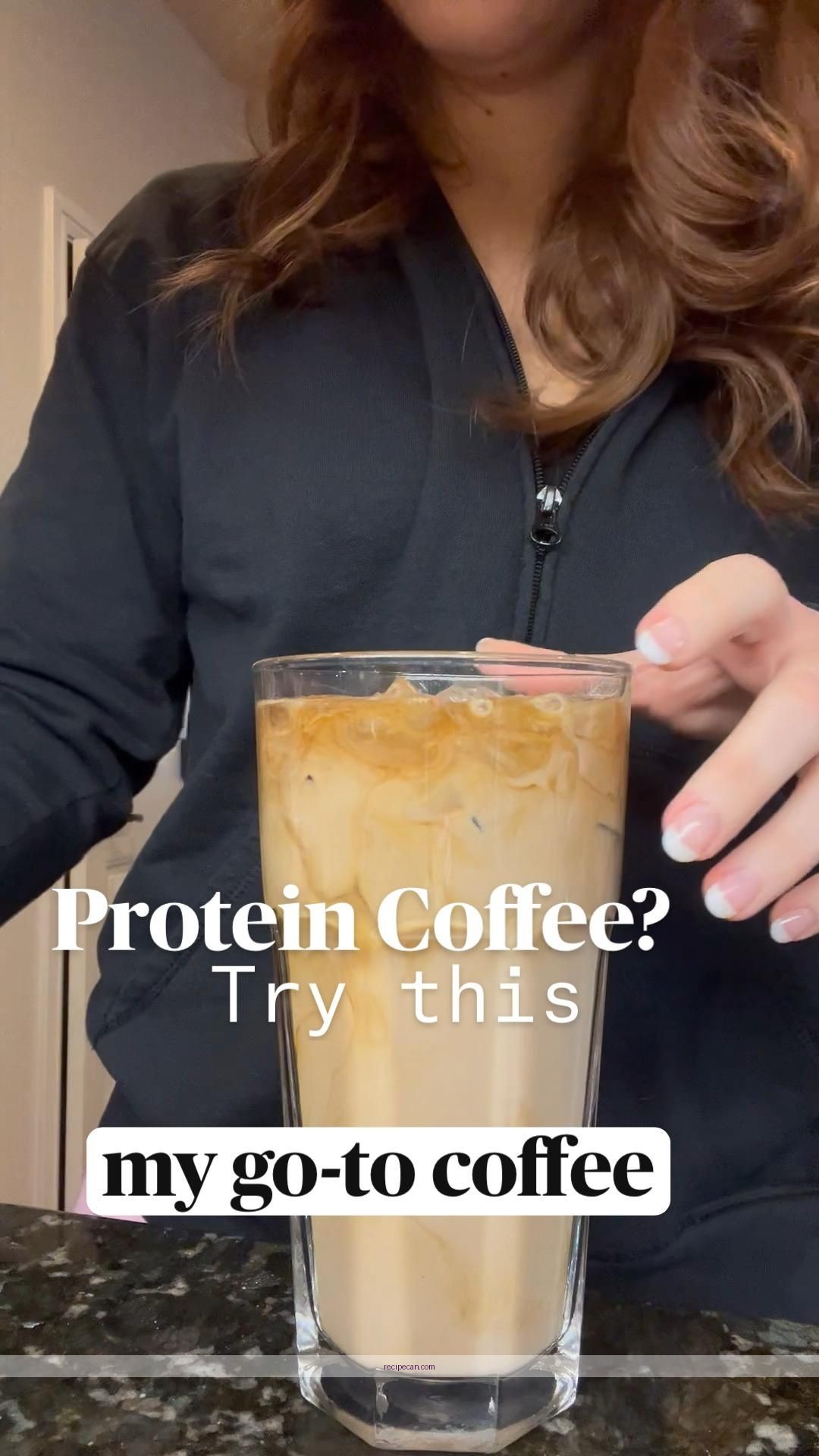
This guide offers a comprehensive exploration of crafting the ultimate protein coffee recipe, highlighting specific ingredients, their nutritional benefits, and effective preparation methods. It intentionally excludes general coffee-making techniques and non-protein variations, ensuring a focused discussion on protein enhancement. Designed for health-conscious individuals eager to elevate their coffee experience with quality protein sources, this guide aims to boost energy levels and support muscle recovery. If you’re seeking extensive coffee brewing methods or traditional coffee recipes without nutritional enhancements, you may find this content less relevant.
Who Should Read This
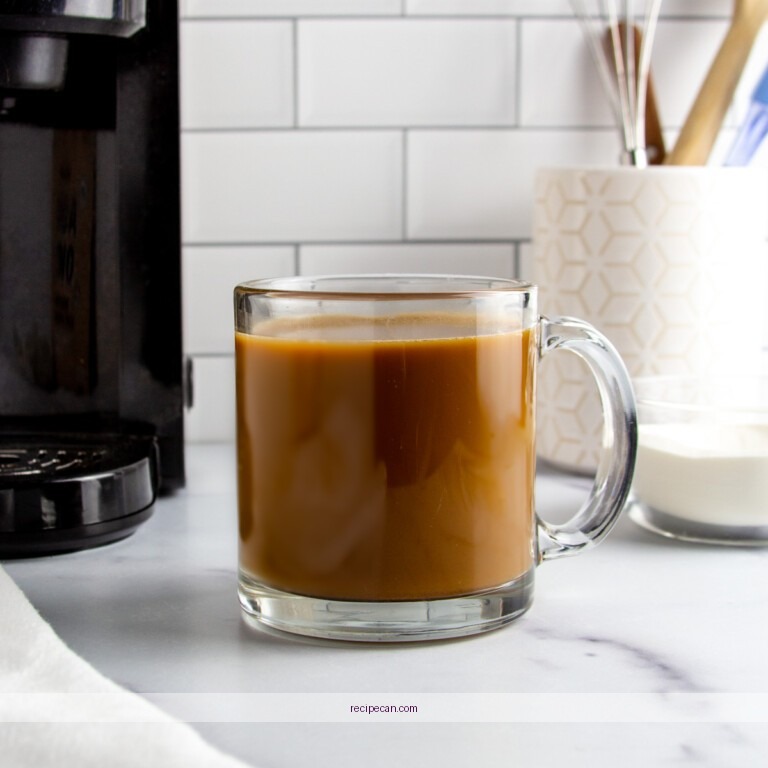
This guide is tailored for athletes, fitness enthusiasts, and anyone looking to integrate more protein into their diet through innovative recipes. Those with a basic understanding of nutrition and comfort in the kitchen will find actionable steps particularly beneficial. Individuals targeting specific dietary goals, such as weight loss or muscle gain, can align their coffee intake with their nutritional plans using the insights shared here. Conversely, those uninterested in protein supplementation or who favor classic coffee drinks may not find the information applicable.
The Step-by-Step Protocol
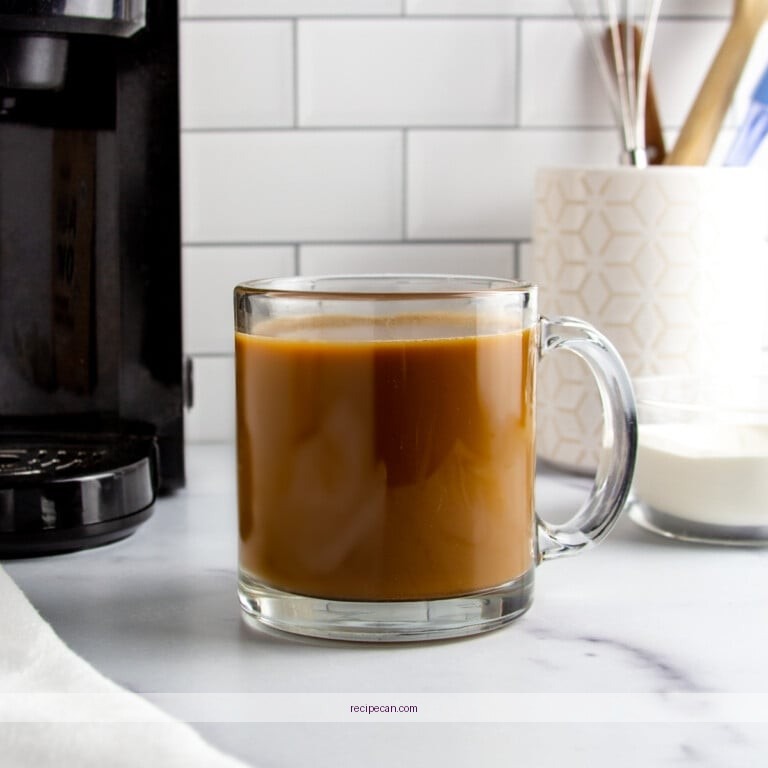
1. Select Your Protein Source: Choose between whey protein (1-2 scoops for 20-40g protein), plant-based protein (1-2 scoops for similar protein content), or collagen peptides (1 scoop for 10g protein) based on dietary preferences.
2. Brew Your Coffee: Prepare 8 ounces of your preferred coffee method (drip, French press, or pour-over) using medium to dark roast beans for optimal flavor.
3. Blend Ingredients: In a blender, combine brewed coffee with your protein source, 1 tablespoon of unsweetened cocoa powder (optional), and 1 tablespoon of sweetener (like maple syrup or stevia) for taste. Blend on high for 30 seconds until frothy.
4. Serve and Customize: Pour into a mug and add optional toppings like a sprinkle of cinnamon, a dollop of almond milk, or a tablespoon of nut butter for added flavor and creaminess.
Nutritional Comparison of Common Protein Sources in Coffee
| # | Protein Source | Protein per 30g | Calories | Carbs | Fats |
|---|---|---|---|---|---|
| 1 | Whey Protein | 22g | 120 | 2g | 1g |
| 2 | Plant-Based | 20g | 110 | 2g | 2g |
| 3 | Collagen Peptides | 10g | 90 | 0g | 0g |
| 4 | Egg White Protein | 25g | 105 | 1g | 0.5g |
| 5 | Soy Protein | 22g | 120 | 3g | 1g |
| 6 | Rice Protein | 19g | 110 | 2g | 0.5g |
| 7 | Pea Protein | 21g | 120 | 1g | 2g |
Warning Signs: When Not to Follow This
Avoid this protein coffee recipe if you have allergies to any of the selected protein sources, such as dairy or nuts, as these could trigger adverse reactions. If you’re sensitive to caffeine, it’s wise to skip this recipe or opt for decaffeinated coffee to prevent feelings of jitteriness or anxiety. For those adhering to a strict ketogenic diet, be cautious with sweeteners and additional ingredients that may conflict with your macronutrient goals. Individuals with specific medical conditions, such as kidney disease, should limit excessive protein intake, including protein coffee.
The Most Common Mistakes (And Their Consequences)
– Skipping the blending step can result in clumpy protein coffee, leading to an unpalatable drink and uneven nutrient distribution. This oversight may diminish your overall protein intake and enjoyment.
– Using flavored or sweetened protein powders can create an overly sweet beverage, masking the coffee’s natural flavors and potentially increasing calorie intake, which could hinder weight management efforts.
– Not measuring coffee strength appropriately (using coffee that is too weak) can dilute both flavor and the effectiveness of the protein, resulting in a less satisfying drink. This could discourage regular consumption of protein coffee.
– Overlooking the temperature of the coffee; adding protein powder to boiling coffee can denature the protein, negating its nutritional benefits. Consequently, you may not receive the intended advantages of the added protein.
Special Cases That Need a Different Approach
– For those following a vegan diet, opt for plant-based protein options like pea or hemp protein, adjusting the sweetness and flavor components accordingly. This ensures you meet your dietary requirements while enjoying the benefits of protein coffee.
– If lactose intolerant, always choose lactose-free protein sources, such as plant-based options or collagen peptides, to avoid digestive discomfort. This approach enhances your overall enjoyment and the effectiveness of your protein coffee without adverse effects.
– Pregnant or breastfeeding women may want to limit caffeine intake; consider a half-caffeinated or decaf coffee version while maintaining protein levels. Balancing caffeine consumption with nutritional needs during this period is essential.
– Athletes in pre-competition phases should time their protein coffee intake carefully to avoid digestive issues that could impact performance. Consuming protein coffee too close to competition may lead to discomfort.
When You Need a Professional
If you experience adverse reactions after trying the protein coffee recipe, such as digestive discomfort or allergic responses, consult a healthcare provider immediately. Those with specific dietary restrictions or medical conditions should seek guidance from a registered dietitian before incorporating high-protein recipes into their diets. Individuals contemplating significant changes to their protein intake (beyond the standard recommendation of 0.8g protein per kg of body weight) should consult a nutrition professional to tailor their approach. Additionally, if you’re unsure about the right type of protein for your body or fitness goals, a personal trainer or sports nutritionist can provide individualized recommendations.
Sources and Further Reading
– “Protein Quality and Health” – Journal of Nutrition (2023). An examination of protein sources and their impacts on health.
– “The Role of Caffeine in Exercise Performance” – Sports Medicine Journal (2023). Insights into caffeine’s effects on athletic performance and muscle recovery.
– “Dietary Guidelines for Americans” – U.S. Department of Health & Human Services (2023). Comprehensive guidelines on protein intake and dietary recommendations.
– “Understanding the Effects of Protein Powders” – American Journal of Clinical Nutrition (2022). A detailed analysis of different protein powders and their efficacy in diets.
In conclusion, protein coffee is more than just a trend; it serves as a practical method to enhance your nutritional intake while savoring your morning beverage. By following this guide, you can create a delicious and effective protein-rich coffee that seamlessly fits into your health and wellness routine. Embrace this opportunity to energize your day with a blend of flavor and nutrition.
Frequently Asked Questions
What are the key ingredients for the best protein coffee recipe?
The best protein coffee recipe typically includes brewed coffee, a high-quality protein powder, and optional ingredients like almond milk, cocoa powder, or sweeteners. Using a flavored protein powder can enhance the taste, while adding a splash of milk can create a creamy texture. Consider incorporating cinnamon or vanilla for added flavor without extra calories.
How do I make a protein coffee that doesn’t taste chalky?
To make a protein coffee that doesn’t taste chalky, blend your brewed coffee with protein powder using a blender or frother, which helps achieve a smooth consistency. Additionally, choosing a protein powder that is specifically designed for beverages can minimize grittiness. You can also add a splash of milk or a natural sweetener to improve the overall flavor.
Why should I add protein to my coffee?
Adding protein to your coffee can enhance its nutritional profile, providing sustained energy and helping to curb hunger throughout the day. This combination is ideal for those looking to increase their protein intake, support muscle recovery, or simply enjoy a more filling beverage. It’s an excellent way to start the day or refuel post-workout.
What is the best protein powder to use for coffee recipes?
The best protein powder for coffee recipes is typically whey protein isolate due to its high absorption rate and creamy texture when mixed. However, if you prefer plant-based options, pea or hemp protein can also work well, especially when flavored. Look for protein powders without added sugars or artificial ingredients to maintain a healthy profile.
Which protein coffee recipe is ideal for weight loss?
An ideal protein coffee recipe for weight loss includes black coffee, a scoop of protein powder, and a splash of unsweetened almond milk. This combination keeps calories low while providing essential nutrients and satiety. Adding cinnamon can help regulate blood sugar levels, making it a great choice for those aiming to lose weight without sacrificing flavor.
References
- Checking your browser – reCAPTCHA
https://www.ncbi.nlm.nih.gov/pmc/articles/PMC7089512/ - Checking your browser – reCAPTCHA
https://www.ncbi.nlm.nih.gov/pmc/articles/PMC5986415/ - https://www.mayoclinic.org/healthy-lifestyle/recipes
https://www.mayoclinic.org/healthy-lifestyle/recipes - https://www.sciencedirect.com/science/article/pii/S2211135517300466
https://www.sciencedirect.com/science/article/pii/S2211135517300466 - https://www.bbc.com/news/health-50687370
https://www.bbc.com/news/health-50687370 - https://www.theguardian.com/lifeandstyle/2018/nov/06/coffee-culture-how-to-make-the-perfect-cup
https://www.theguardian.com/lifeandstyle/2018/nov/06/coffee-culture-how-to-make-the-perfect-cup - https://www.nhlbi.nih.gov/health-topics/coffee
https://www.nhlbi.nih.gov/health-topics/coffee - https://www.health.harvard.edu/staying-healthy/the-coffee-controversy
https://www.health.harvard.edu/staying-healthy/the-coffee-controversy - Google Scholar Google Scholar
https://scholar.google.com/scholar?q=best+protein+coffee+recipe - Google Scholar Google Scholar
https://scholar.google.com/scholar?q=protein+coffee+health+benefits