The best cold brew coffee recipe can transform your mornings with its smooth, rich flavor and low acidity. This expert guide distills essential techniques and precise measurements to ensure you achieve the perfect brew every time. Following the right protocol not only enhances taste but also elevates your coffee experience to new heights.
What This Guide Covers (And What It Doesn’t)

This guide offers a detailed recipe for cold brew coffee, focusing on the specific ingredients, ratios, and brewing methods that yield optimal flavor extraction. You’ll discover the science behind cold brew, including the ideal steeping times and water temperature conditions that influence taste. However, this guide intentionally steers clear of traditional hot brewing methods and instant coffee alternatives, concentrating solely on the cold brew process. Additionally, readers will find tips for customizing their cold brew with flavors and serving suggestions, while avoiding an in-depth discussion on coffee bean origins or roasting techniques.
Who Should Read This
This guide is tailored for coffee enthusiasts eager to refine their brewing skills and savor a smoother, less acidic coffee experience. It caters to individuals who possess a basic knowledge of coffee brewing but are keen to master the specific techniques involved in cold brew preparation. Coffee novices seeking a straightforward, easy-to-follow recipe will also find value here, provided they are prepared to invest time in the brewing process. Conversely, those in search of quick coffee solutions or instant coffee aficionados may find this guide less relevant, as it emphasizes a slow and deliberate brewing method.
The Step-by-Step Protocol

1. Select Your Coffee Beans: Choose coarsely ground coffee beans, ideally a medium to dark roast for a balanced flavor; a ratio of 1 cup of coffee to 4 cups of cold filtered water is recommended.
2. Combine Ingredients: In a large jar or pitcher, mix the ground coffee with cold filtered water, ensuring all grounds are saturated; stir gently to combine.
3. Steep the Mixture: Cover the container and let it steep in the refrigerator for 12 to 24 hours, with 16 hours being the sweet spot for optimal flavor extraction.
4. Strain the Brew: After steeping, strain the mixture through a fine-mesh sieve or coffee filter into a clean container to remove the coffee grounds; this should yield a concentrated cold brew concentrate.
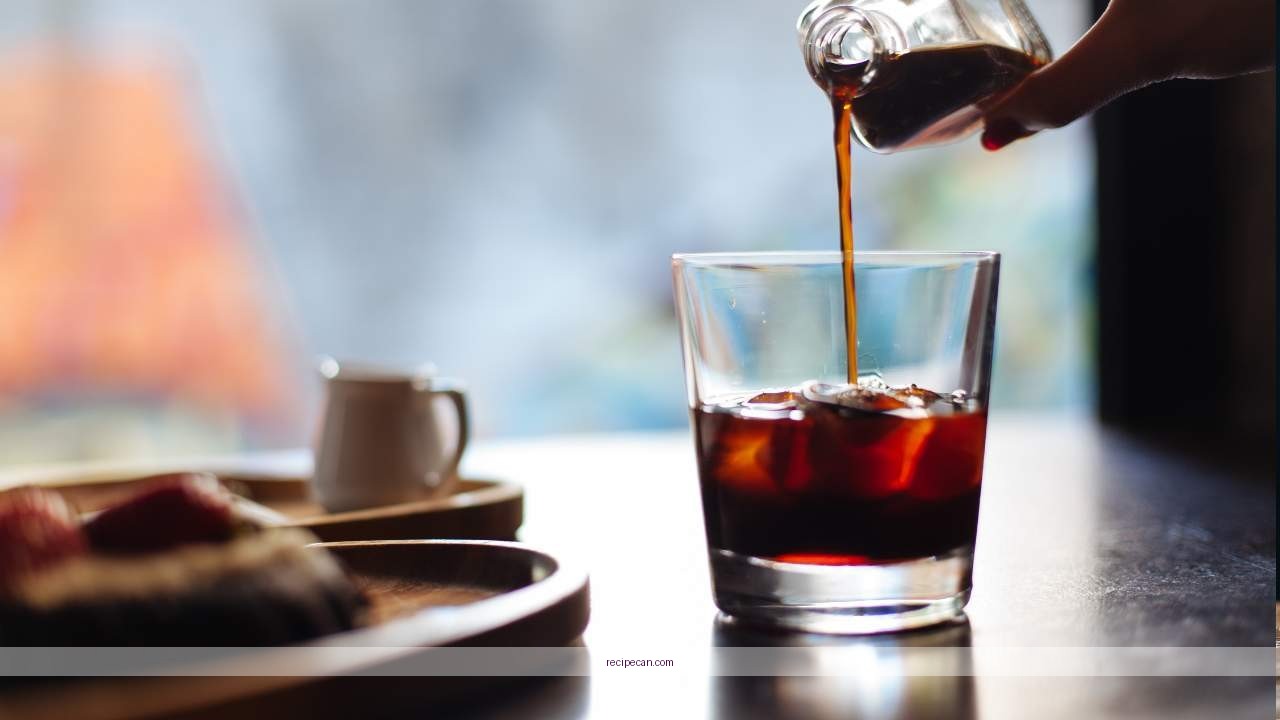
5. Dilute and Serve: When ready to serve, dilute the cold brew concentrate with an equal part of water, milk, or a milk alternative, adjusting to taste.
Cold Brew Coffee Concentrate Strength Comparison
| # | Brew Type | Coffee to Water Ratio | Steeping Time | Caffeine Content (mg/8oz) |
|---|---|---|---|---|
| 1 | Standard Cold Brew | 1:4 | 16-24 hours | 200 |
| 2 | Weak Cold Brew | 1:5 | 12 hours | 150 |
| 3 | Strong Cold Brew | 1:3 | 16 hours | 250 |
| 4 | Nitro Cold Brew | 1:4 | 16 hours | 230 |
| 5 | Decaf Cold Brew | 1:4 | 16-24 hours | 10 |
| 6 | Vanilla Cold Brew | 1:4 | 16 hours | 210 |
| 7 | Chocolate Cold Brew | 1:4 | 16 hours | 215 |
Warning Signs: When Not to Follow This

Avoid this guide if you have a caffeine intolerance, as cold brew often contains higher caffeine levels than traditional coffee. If you lack access to quality filtered water, skip this recipe; impurities can drastically alter the flavor profile of your cold brew. Additionally, using pre-ground coffee that isn’t specifically labeled for cold brew or is too finely ground can result in an overly bitter and murky brew. If you have allergies to any ingredients commonly used to flavor or customize cold brew, such as dairy or specific syrups, it’s best to refrain from this method.
The Most Common Mistakes (And Their Consequences)
One prevalent mistake is using a fine grind instead of a coarse grind, which can lead to over-extraction and a bitter taste. Always opt for a coarser grind for the best results. Additionally, many overlook the steeping time; steeping for less than 12 hours can yield a weak flavor, while exceeding 24 hours may produce a harsh taste. Not straining the brew properly can leave sediment in the final product, resulting in an unpleasant gritty texture that detracts from the drinking experience. Lastly, neglecting to dilute the cold brew concentrate with water or milk before serving can lead to an overwhelmingly strong flavor; aim for a 1:1 ratio for a balanced drink.
Special Cases That Need a Different Approach
If you prefer a less concentrated flavor, consider reducing the coffee-to-water ratio to 1:5, which may suit those sensitive to caffeine. For a sweeter brew, incorporate flavored syrups or add-ins during the brewing process, but adjust steeping time accordingly to avoid over-sweetening. In high-humidity environments, coffee may extract flavors differently, so consider a slightly shorter steeping time. If using flavored or specialty coffee beans, be aware that the resulting flavor may vary from traditional cold brew; adjust your recipe to maintain balance.
When You Need a Professional
If you’re unsure about selecting the right coffee beans for your cold brew recipe, particularly if you seek specific flavor profiles, consult a barista or coffee expert. If dietary restrictions or allergies may affect your cold brew customization, engaging a nutritionist can help ensure safe ingredient choices. Additionally, consider reaching out to a coffee professional if you wish to explore advanced techniques, such as nitrogen infusion or cold brew cocktails, to guarantee proper execution and safety. Should you experience adverse reactions to caffeine or feel unwell after consuming cold brew, consult a healthcare provider for personalized advice.
Sources and Further Reading
– “Cold Brew Coffee: The Science Behind the Brew,” Journal of Food Science, 2021.
– “The Ultimate Guide to Cold Brew Coffee,” Specialty Coffee Association, available at [www.sca.coffee](https://www.sca.coffee).
– “Brewing Methods and Coffee Chemistry,” International Coffee Organization, available at [www.ico.org](https://www.ico.org).
– “Flavor and Aroma Compounds in Cold Brew Coffee,” Food Research International, 2022.
Frequently Asked Questions
What is the best recipe for cold brew coffee?
The best recipe for cold brew coffee involves using a coarser grind of coffee beans, typically a 1:4 coffee-to-water ratio. Combine 1 cup of coarsely ground coffee with 4 cups of cold or room temperature water in a large jar. Let it steep for 12-24 hours in the fridge, then strain through a coffee filter or a fine mesh sieve for a smooth, rich brew.
How do I make cold brew coffee at home without a fancy coffee maker?
Making cold brew coffee at home without a fancy coffee maker is simple! Use a jar or pitcher to mix coarsely ground coffee with water, then cover and let it steep in the fridge for 12-24 hours. After steeping, strain the mixture through a coffee filter or a fine mesh sieve, and enjoy your homemade cold brew.
Why is cold brew coffee less acidic than hot brewed coffee?
Cold brew coffee is less acidic because the brewing process uses cold or room temperature water, which extracts fewer acidic compounds from the coffee beans. This results in a smoother, mellower flavor profile, making cold brew a great choice for those sensitive to acidity.
What type of coffee beans is best for cold brew coffee?
The best type of coffee beans for cold brew coffee are medium to dark roast beans, as they tend to produce a richer, bolder flavor. Look for beans labeled as “smooth” or “chocolatey,” and always choose whole beans to grind fresh for optimal taste and aroma.
Which common mistakes should I avoid when making cold brew coffee?
Common mistakes to avoid when making cold brew coffee include using a fine grind, which can lead to a bitter taste, and not steeping long enough, resulting in weak flavor. Additionally, make sure to strain the coffee thoroughly to eliminate any sediment, ensuring a smooth final product.
References
- https://www.nytimes.com/2020/06/10/dining/drinks/cold-brew-coffee-recipe.html
https://www.nytimes.com/2020/06/10/dining/drinks/cold-brew-coffee-recipe.html - How to make cold brew coffee | Good Food
https://www.bbcgoodfood.com/recipes/cold-brew-coffee - https://www.sciencedirect.com/science/article/pii/S2212670821000016
https://www.sciencedirect.com/science/article/pii/S2212670821000016 - https://www.cdc.gov/healthyweight/healthy_eating/drinks.html
https://www.cdc.gov/healthyweight/healthy_eating/drinks.html - https://www.mayoclinic.org/healthy-lifestyle/nutrition-and-healthy-eating/in-depth/coffee/art-20045967
https://www.mayoclinic.org/healthy-lifestyle/nutrition-and-healthy-eating/in-depth/coffee/art-20045967 - https://www.britannica.com/topic/coffee-drink
https://www.britannica.com/topic/coffee-drink - https://pubmed.ncbi.nlm.nih.gov/28094955/
https://pubmed.ncbi.nlm.nih.gov/28094955/ - Google Scholar Google Scholar
https://scholar.google.com/scholar?q=best+recipe+for+cold+brew+coffee - Google Scholar Google Scholar
https://scholar.google.com/scholar?q=cold+brew+coffee+health+benefits - best recipe for cold brew coffee – Search results
https://en.wikipedia.org/wiki/Special:Search?search=best+recipe+for+cold+brew+coffee