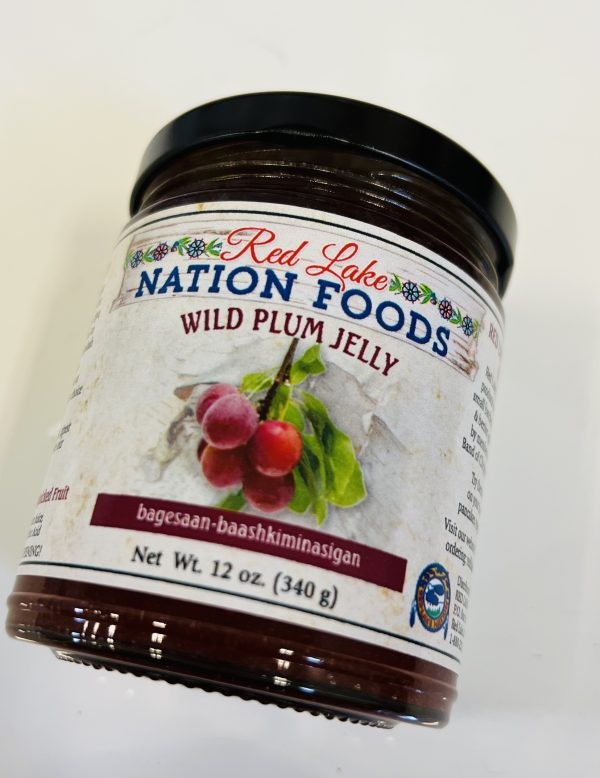
Unlock the secrets to crafting delicious wild plum jelly with this complete expert guide. Designed for home canners and food enthusiasts, this resource outlines precise recipes and essential safety protocols to ensure your jelly is both tasty and safe for preservation. Understanding the right techniques is crucial, as improper methods can compromise flavor and safety. Dive in to learn how to transform wild plums into a delightful spread that captures the essence of nature’s bounty.
What This Guide Covers (And What It Doesn’t)
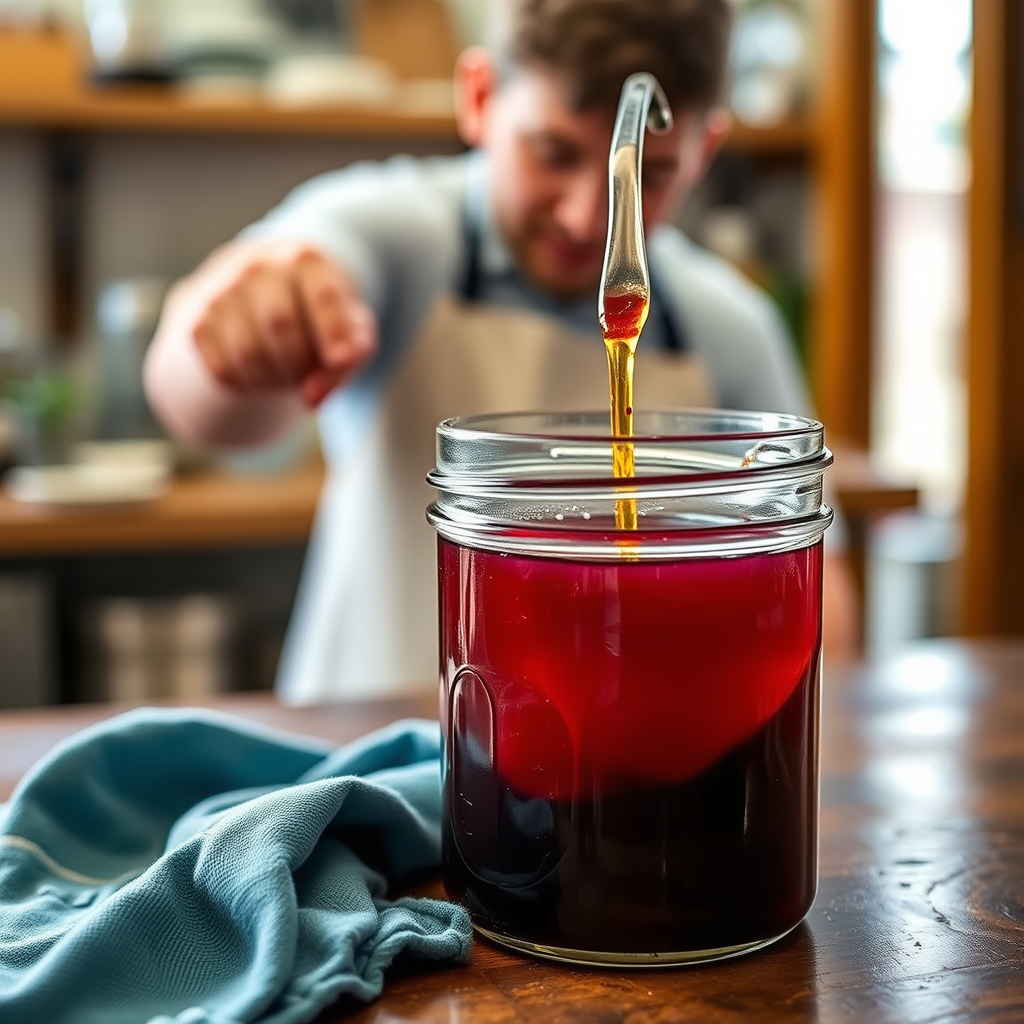
This guide offers a thorough recipe for making wild plum jelly, outlining the necessary ingredients, detailed steps, and tips for successful preservation at home. It specifically emphasizes the wild plum species native to North America, highlighting the unique flavors and characteristics that influence the jelly-making process. However, it does not address other types of jellies or preserves, nor does it explore canning methods unrelated to wild plums. If you’re looking for information on different fruit preservation techniques or commercial jelly production, this guide will not meet your needs.
Who Should Read This
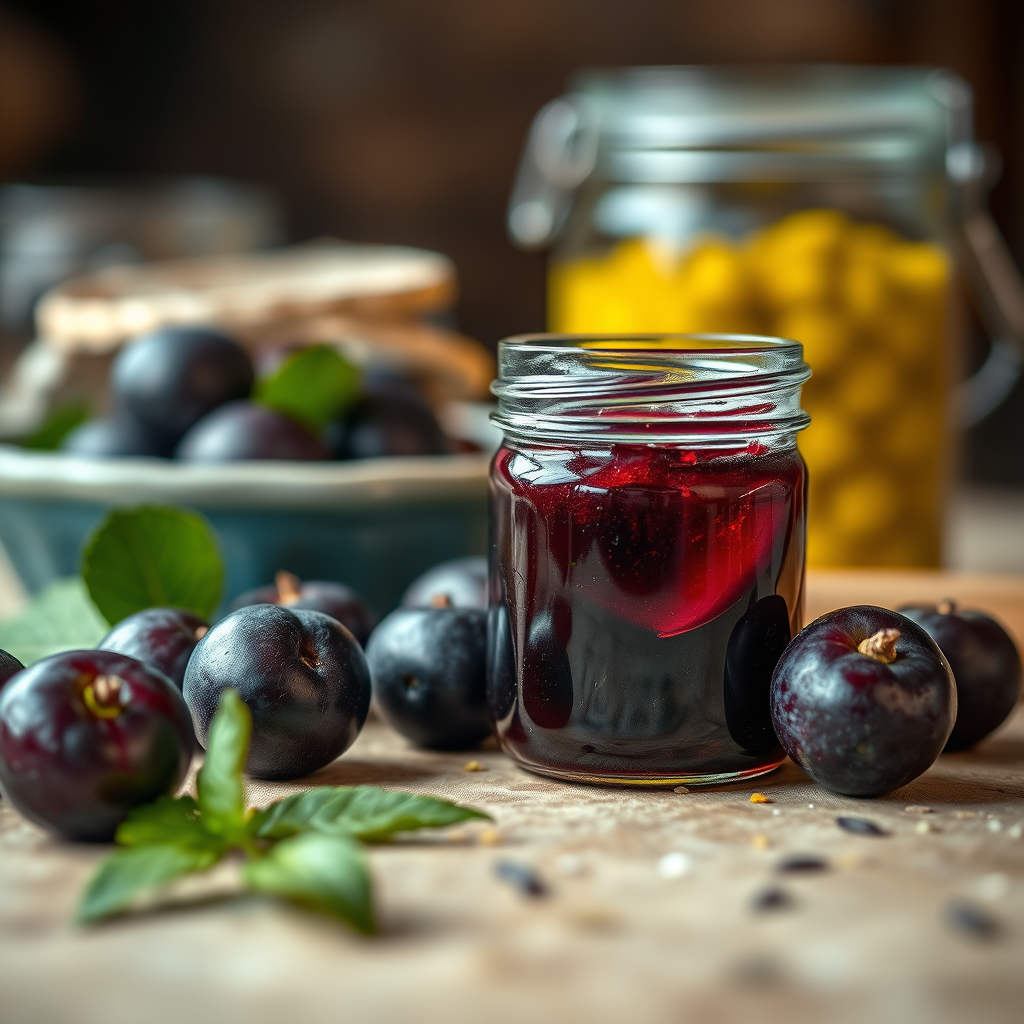
Designed for home cooks and food preservation enthusiasts, this guide assumes a basic understanding of kitchen safety and food handling practices. Individuals interested in foraging and utilizing wild fruits will find this guide particularly beneficial, especially those with access to wild plums in their regions. Beginners in jelly-making will build confidence through the detailed, step-by-step instructions, while more experienced cooks can refine their techniques and discover specific tips for working with wild plums. However, if you lack familiarity with basic canning terminology or safety practices, you may want to consult foundational resources before diving in.
The Step-by-Step Protocol
1. Gather Ingredients and Equipment: Collect 4 cups of ripe wild plums, 1 cup of water, 1 package (1.75 oz) of fruit pectin, and 5 cups of granulated sugar. Also, ensure you have sterilized jars and lids, a large pot, a ladle, a funnel, and a cheesecloth or fine mesh strainer.
2. Prepare the Plums: Wash the wild plums thoroughly under running water to eliminate any dirt or debris. Remove the stems, then cut the plums in half and pit them. Place the prepared plums into a large pot along with 1 cup of water.
3. Cook the Mixture: Over medium heat, bring the plums and water to a simmer. Cook for approximately 30 minutes, stirring occasionally. The plums should break down and release their juices. If the mixture appears too thick, add a little more water to aid in the cooking process.
4. Strain the Juice: After cooking, use a cheesecloth or fine mesh strainer to extract the juice from the cooked plums. Measure out 3 cups of juice for the jelly recipe, ensuring it’s free of pulp for a smooth jelly texture.
5. Combine Ingredients: In a clean pot, mix the 3 cups of strained plum juice with the fruit pectin. Stir well and bring to a full boil over medium-high heat, stirring constantly to prevent sticking.
6. Add Sugar: Once the mixture reaches a full boil, quickly add 5 cups of granulated sugar, stirring continuously. Bring the mixture back to a rapid boil for exactly one minute. This timing is crucial for ensuring that the jelly sets properly.
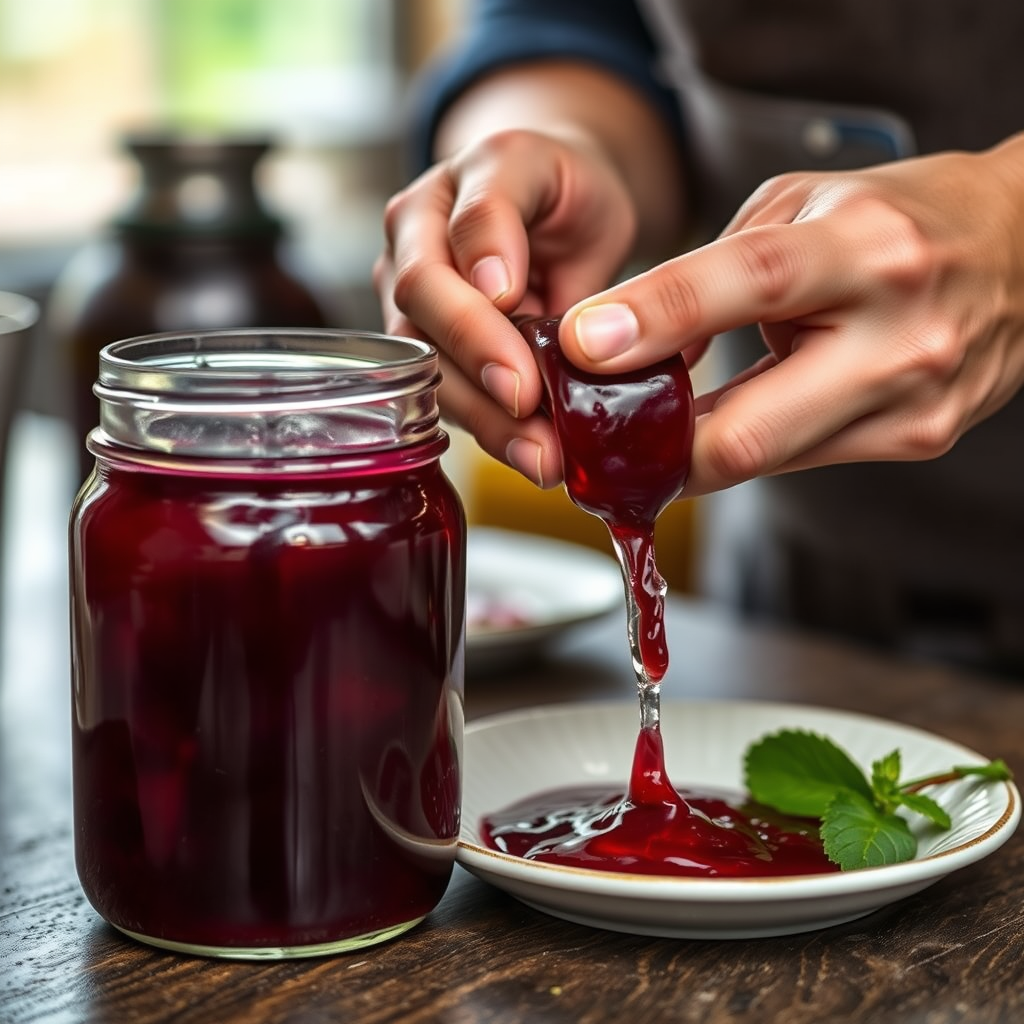
7. Test the Mixture: To check for the jelly’s consistency, perform the spoon test: Dip a spoon into the mixture and let it cool slightly. Then, tilt the spoon. If the jelly sheets off instead of dripping, it’s ready for canning.
8. Fill the Jars: Using a ladle and funnel, fill the sterilized jars with the hot jelly, leaving about 1/4 inch of headspace at the top. Wipe the rims of the jars with a clean cloth to remove any residue.
9. Seal and Process: Place the sterilized lids on the jars and screw on the metal bands until they are fingertip-tight. Process the jars in a water bath canner for 5-10 minutes to ensure a proper seal. The water should cover the jars by at least one inch.
10. Cool and Store: After processing, carefully remove the jars from the canner and place them on a clean kitchen towel or cooling rack. Allow the jars to cool completely for 12-24 hours. Check the seals by pressing down in the center of each lid; it should not flex. Store sealed jars in a cool, dark place.
Nutritional Values for Wild Plums per 100g
| # | Nutrient | Amount | % Daily Value |
|---|---|---|---|
| 1 | Calories | 46 | 2% |
| 2 | Carbohydrates | 11.4g | 4% |
| 3 | Dietary Fiber | 1.4g | 6% |
| 4 | Sugars | 9.9g | N/A |
| 5 | Vitamin C | 9mg | 15% |
| 6 | Potassium | 113mg | 3% |
| 7 | Calcium | 24mg | 2% |
| 8 | Iron | 0.2mg | 1% |
| 9 | Vitamin A | 285 IU | 6% |
| 10 | Magnesium | 10mg | 2% |
Warning Signs: When Not to Follow This
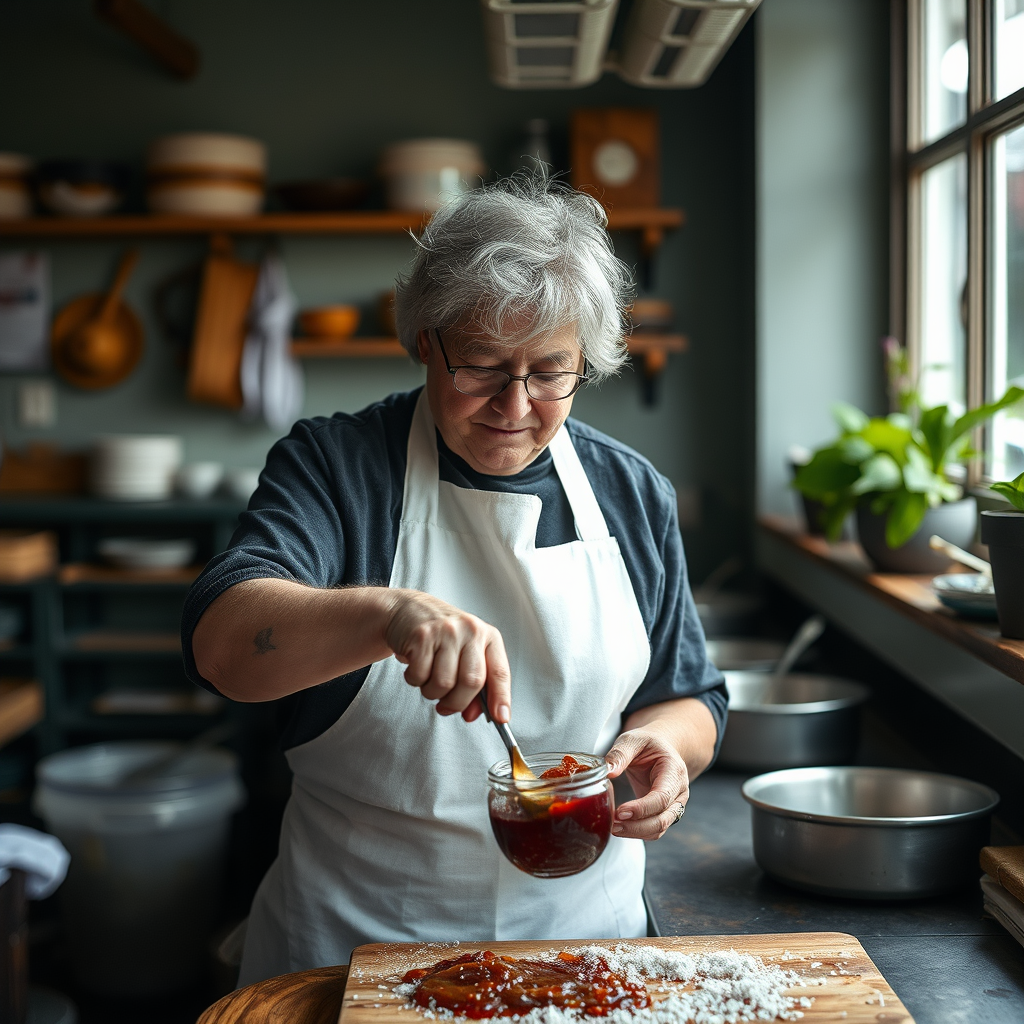
Avoid making wild plum jelly if you are allergic to plums or related fruits, as this can trigger severe allergic reactions. Do not proceed if the wild plums exhibit any signs of mold, fermentation, or an off odor, as these indicate spoilage or contamination. If you lack access to a reliable source of fruit pectin, the jelly may not set correctly, leading to disappointing results. Individuals without the necessary equipment for proper canning, such as a water bath canner, should refrain from attempting this recipe to ensure food safety.
The Most Common Mistakes (And Their Consequences)
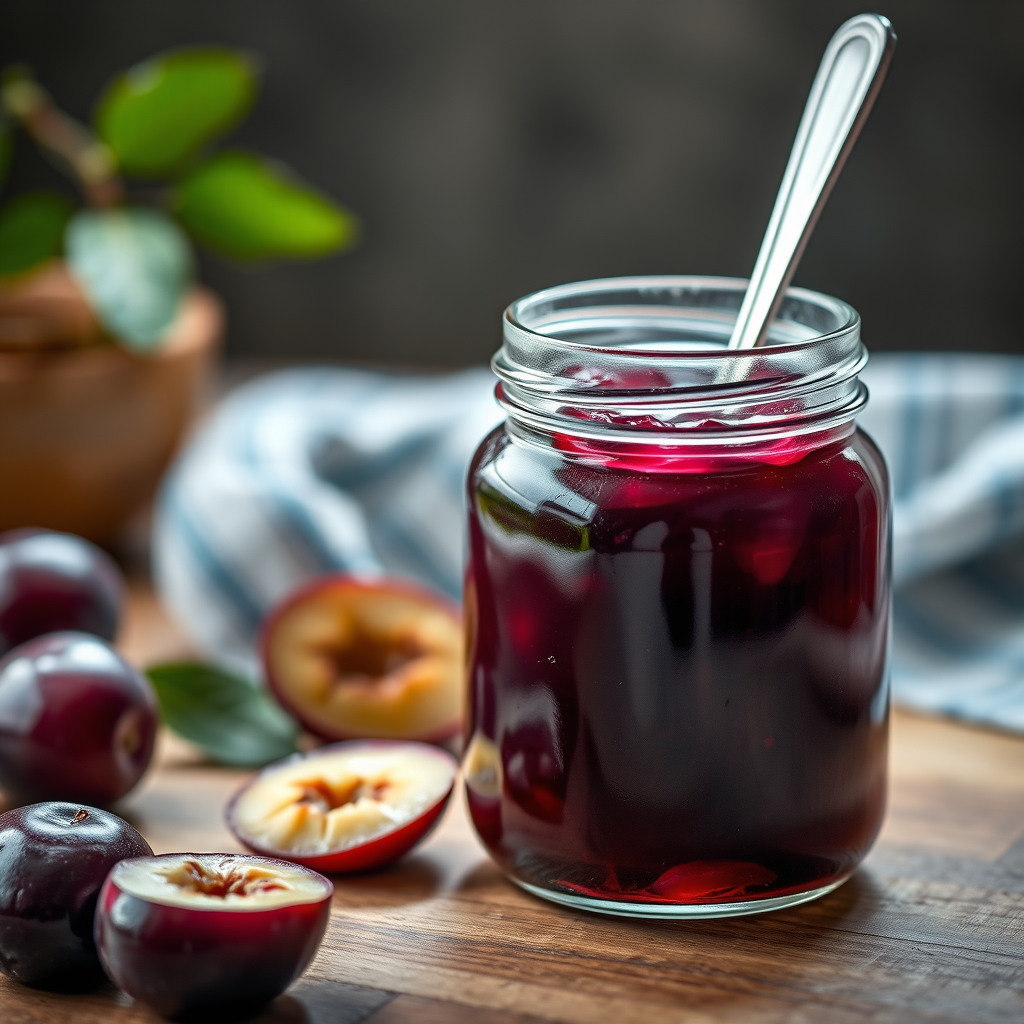
Many novice jelly-makers struggle with proper measurement of the wild plum juice, often resulting in runny jelly due to insufficient pectin concentration. Neglecting to sterilize jars and lids can lead to contamination, increasing the risk of spoilage or foodborne illness. Additionally, some may cap the jelly before it has fully cooled, which can create a vacuum seal that fails, risking spoilage. Misjudging the boiling time can lead to either overcooked jelly, resulting in an overly thick texture, or undercooked jelly that fails to set.
Special Cases That Need a Different Approach
For those using under-ripe wild plums, adding lemon juice can enhance acidity and assist in the gelling process. If you prefer a lower sugar option, consider a no-sugar pectin substitute, adjusting the sugar quantity according to the manufacturer’s instructions. If the wild plums are particularly tart, you may need to add more sugar, so be sure to taste the juice before finalizing the sugar amount. In humid regions, adjustments in cooking times and pectin ratios may be necessary to achieve the desired consistency.
When You Need a Professional
If you are uncertain about the safety of the wild plums you’ve foraged, consult a local extension office or a food safety expert for identification and guidance. If you plan to scale up production for sale or distribution, consider reaching out to a licensed food preservation consultant, as commercial guidelines differ from home canning practices. If your jelly fails to set after following the instructions, seek advice from a food preservation specialist to troubleshoot potential issues related to pectin or acidity levels. In the event of any signs of foodborne illness after consuming homemade jelly, contact a healthcare professional immediately for assistance.
Sources and Further Reading
– “Canning and Preserving for Beginners” by Carla Emery, a practical guide for home canning enthusiasts.
– The USDA Complete Guide to Home Canning, which provides detailed guidelines on safe canning practices.
– Local extension services or agricultural colleges offer resources on foraging and food preservation, tailored to specific regions.
– “The Joy of Jams, Jellies, and Other Sweet Preserves” by Linda Ziedrich, which includes various fruit jelly recipes and preservation tips.
Frequently Asked Questions
What ingredients do I need for a wild plum jelly recipe?
To make wild plum jelly, you will need wild plums, sugar, pectin, and lemon juice. The wild plums should be ripe and free from blemishes for the best flavor. Using high-quality pectin will ensure your jelly sets properly and has the right consistency.
How do I properly prepare wild plums for making jelly?
Start by washing the wild plums thoroughly to remove any dirt or contaminants. Next, remove the pits and chop the plums into small pieces, which will help release their juices during cooking. Cooking the plums with a bit of water before straining will enhance the flavor and yield more juice for your jelly.
Why is pectin important in a wild plum jelly recipe?
Pectin is a natural thickening agent that helps your wild plum jelly achieve the desired gel-like consistency. Without pectin, the jelly may remain runny and not set properly. Depending on the ripeness of your wild plums, you may need to adjust the amount of pectin used to ensure a perfect jelly texture.
What is the best method for canning wild plum jelly?
The best method for canning wild plum jelly is the water bath canning technique. After filling sterilized jars with the hot jelly, seal them with lids and process them in boiling water for the recommended time. This method ensures that the jelly is preserved safely and can be stored for long periods.
Which types of wild plums are best for making jelly?
The best types of wild plums for making jelly are those that are sweet and ripe, such as American wild plums (Prunus americana) or Chickasaw plums (Prunus angustifolia). These varieties have a rich flavor and high pectin content, making them ideal for jelly. Always choose plums that are free from bruises and have vibrant color for the best results.
References
- Plum
https://en.wikipedia.org/wiki/Plum - https://www.extension.purdue.edu/extmedia/FNR/FNR-40-W.pdf
https://www.extension.purdue.edu/extmedia/FNR/FNR-40-W.pdf - https://www.extension.iastate.edu/food#recipes
https://www.extension.iastate.edu/food#recipes - https://www.msu.edu/~cooking/howto/jelly.html
https://www.msu.edu/~cooking/howto/jelly.html - https://www.ars.usda.gov/ARSUserFiles/20360500/Plum%20Jelly.pdf
https://www.ars.usda.gov/ARSUserFiles/20360500/Plum%20Jelly.pdf - Anti-inflammatory and anticancer effects of flavonol glycosides from Diplotaxis harra through GSK…
https://www.ncbi.nlm.nih.gov/pmc/articles/PMC7011856/ - Google Scholar Google Scholar
https://scholar.google.com/scholar?q=wild+plum+jelly+recipe - Google Scholar Google Scholar
https://scholar.google.com/scholar?q=plum+jelly+recipe - Google Scholar Google Scholar
https://scholar.google.com/scholar?q=homemade+jelly+recipes - Plum | Description, Uses, Cultivation, History, & Facts | Britannica
https://www.britannica.com/plant/plum