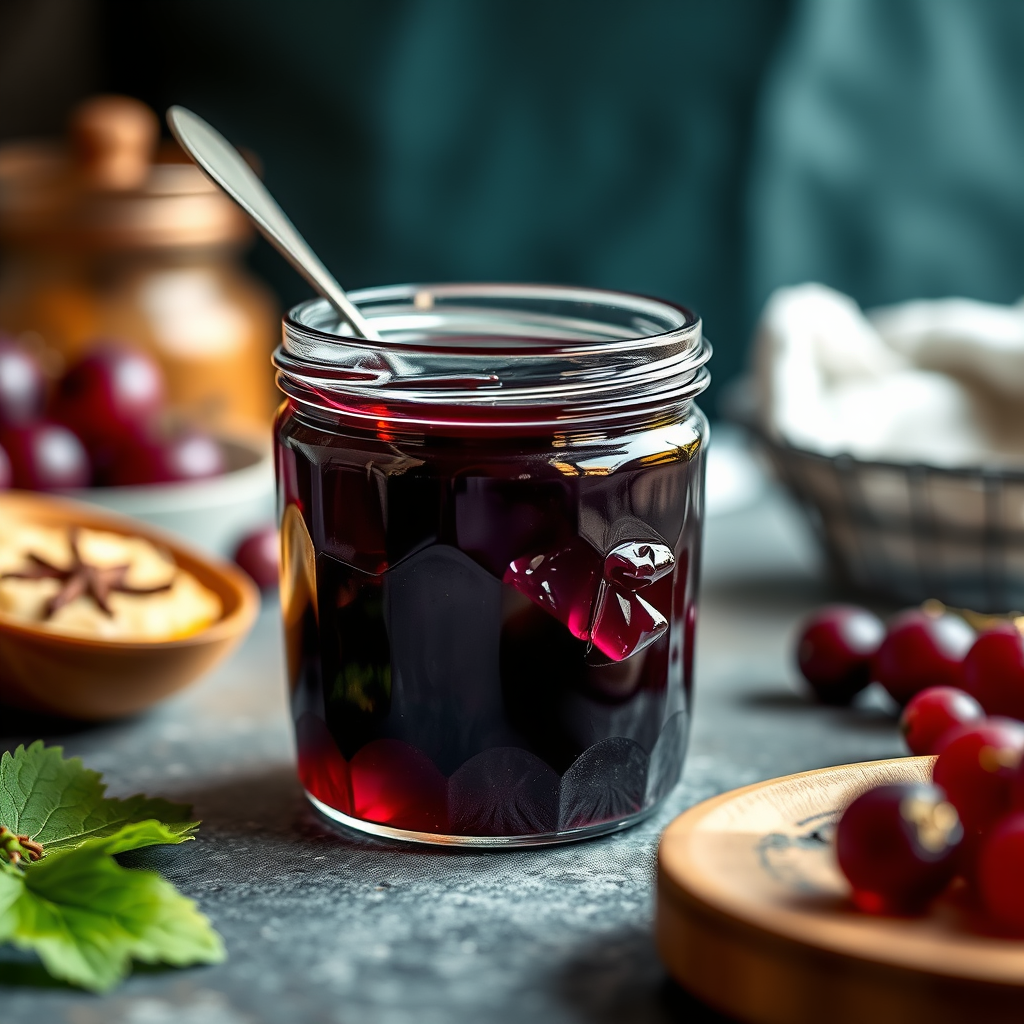
Mastering the sure jell grape jelly recipe is essential for achieving the perfect balance of flavor and texture in your homemade preserves. This expert guide provides precise steps and safety protocols to ensure your jelly sets properly and remains safe to consume. Following these guidelines not only enhances your culinary skills but also guarantees a delicious and reliable end product.
What This Guide Covers (And What It Doesn’t)
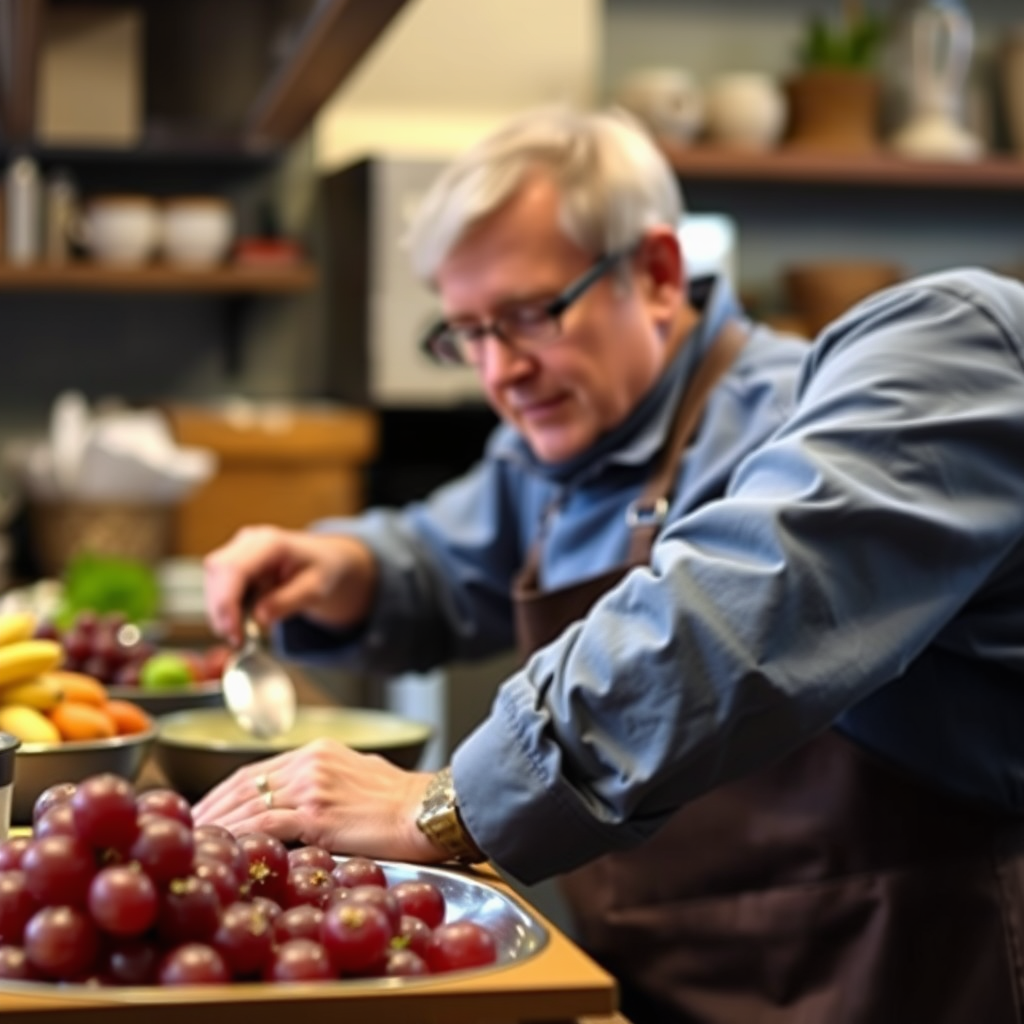
This guide provides a comprehensive, step-by-step methodology for making grape jelly using Sure Jell. It includes precise ingredient measurements and cooking times, ensuring both safety and quality. Focused on a home-canning process, it guarantees a delicious and safe grape jelly. However, it does not address other brands of pectin or alternative jelly-making methods, delivering clarity and effectiveness in the Sure Jell process. Designed for home cooks who want to preserve grape jelly safely and effectively, this guide emphasizes essential safety protocols and best practices to prevent spoilage.
Who Should Read This
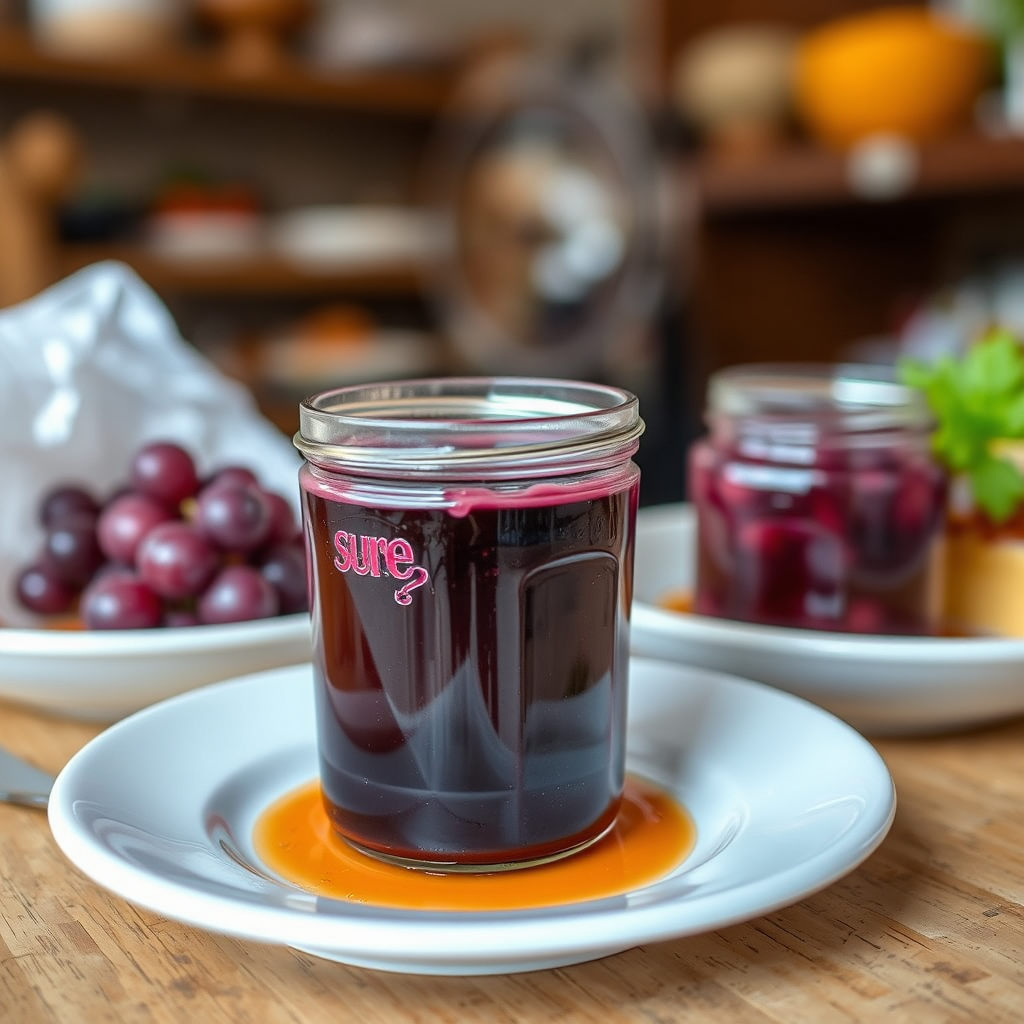
This guide targets home canners who possess a basic understanding of food preservation techniques. Readers should be familiar with kitchen equipment, safety measures, and the general principles of canning. Individuals interested in making grape jelly from either fresh or frozen grapes will find specific instructions for both scenarios. However, this guide is not suited for those lacking prior experience in canning or food preservation, as it delves into technical aspects that require foundational knowledge.
The Step-by-Step Protocol
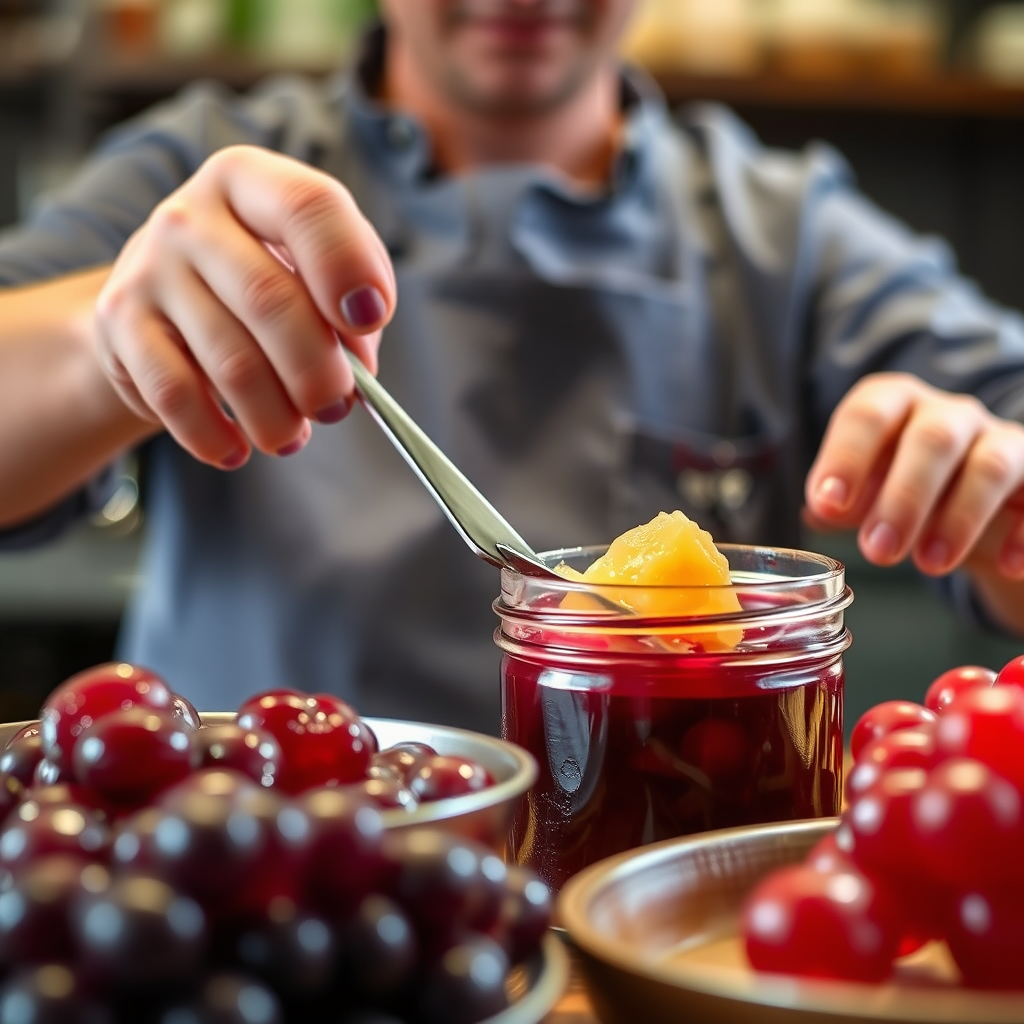
1. Gather Ingredients: Start by assembling your ingredients. You will need 4 cups of grape juice, 1 package (1.75 oz) of Sure Jell fruit pectin, and 5 cups of granulated sugar. Ensure all ingredients are fresh and unexpired for optimal results.
2. Prepare Grape Juice: If you are using fresh grapes, crush approximately 5 pounds to yield 4 cups of juice. Strain the crushed grapes through a fine mesh sieve to achieve a clear juice, removing any seeds or pulp.
3. Combine Ingredients: In a large saucepan, mix the freshly prepared grape juice and Sure Jell pectin. Stir well to ensure the pectin is evenly distributed. Heat the mixture over medium heat, stirring constantly until it comes to a boil.
4. Add Sugar: Once the mixture reaches a rolling boil, add all 5 cups of granulated sugar at once. Stir continuously until the sugar is fully dissolved. After the sugar dissolves, return the mixture to a full rolling boil and maintain this boil for exactly 1 minute. This step is crucial for proper gelling.
5. Prepare Jars: While the mixture is boiling, prepare your canning jars. Ensure they are clean and sterilized, either by boiling them in water for 10 minutes or by running them through a dishwasher cycle. Place the jars in a warm oven (around 200°F) to keep them hot.
6. Fill Jars: After the boiling time has elapsed, remove the pot from heat. Using a ladle, fill each sterilized jar with the hot grape jelly mixture, leaving about 1/4 inch of headspace at the top. Wipe the rims of the jars with a clean cloth to remove any residue.
7. Seal Jars: Place sterilized lids on each jar and screw on the metal bands until they are fingertip-tight. Avoid overtightening, as this can prevent proper sealing.
8. Process Jars: Process the jars in a boiling water bath for 5 to 10 minutes, depending on your altitude. This step ensures that any microorganisms are killed and the jelly sets properly. Adjust processing time for higher elevations, as boiling temperatures change.
9. Cool Jars: Once processed, carefully remove the jars from the water bath and place them on a clean towel or cooling rack. Allow the jars to cool completely at room temperature for 12 to 24 hours.
10. Check Seals: After cooling, check the seals by pressing down the center of each lid. If it doesn’t pop back, the jar is sealed properly. If the lid pops up and down, refrigerate the jar and use it within a few weeks.
Ingredient Comparison for Sure Jell Grape Jelly
| # | Ingredient | Quantity | Purpose |
|---|---|---|---|
| 1 | Grape Juice | 4 cups | Primary flavor base |
| 2 | Sure Jell Pectin | 1.75 oz | Gelling agent |
| 3 | Granulated Sugar | 5 cups | Sweetener and preservative |
| 4 | Canning Jars | As needed | Storage |
| 5 | Lids and Bands | As needed | Sealing jars |
| 6 | Water | As needed | For boiling bath |
| 7 | Fine Mesh Sieve | 1 | Straining juice |
Warning Signs: When Not to Follow This
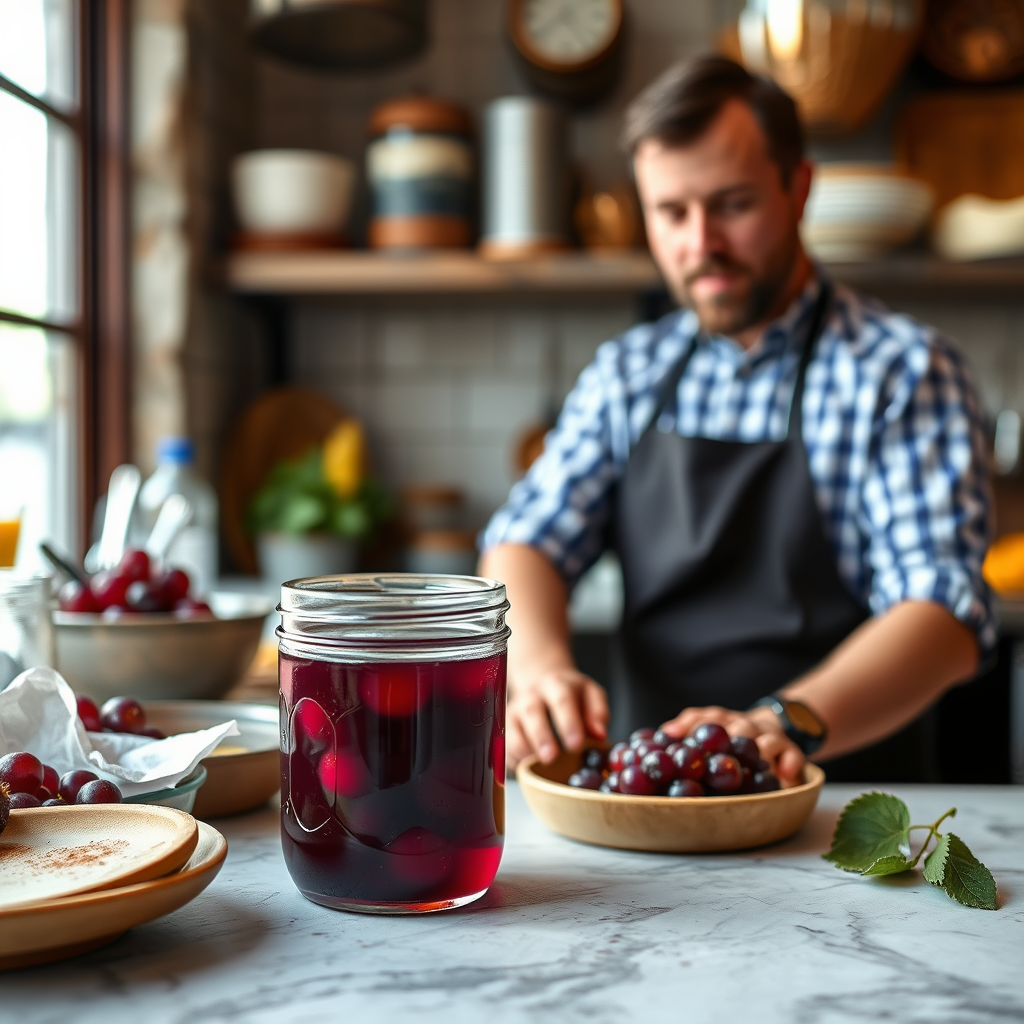
– Do not proceed with this recipe if your Sure Jell package is expired or damaged. Using expired pectin can compromise the jelly’s gelling ability and pose safety risks.
– If the grape juice shows signs of fermentation, such as bubbles or off-smells, discard it immediately. Fermented juice can lead to spoilage and potential health risks.
– Avoid this method if you have previously experienced any illness related to food preservation methods, as it may not be suitable for your situation.
The Most Common Mistakes (And Their Consequences)
– Skipping Sterilization: Failing to sterilize jars can lead to bacterial growth, resulting in spoilage and potential foodborne illnesses. It is crucial to ensure jars are properly cleaned and heated.
– Inaccurate Sugar Measurement: Not measuring the sugar accurately can affect the gel consistency. Too little sugar may cause the jelly to be too runny, while too much can make it too firm, leading to unsatisfactory results.
– Insufficient Boiling Time: Failing to boil the mixture for the full minute after adding sugar can prevent proper gelling. This mistake can result in a jelly that does not set correctly, wasting both time and ingredients.
Special Cases That Need a Different Approach
– If using low-sugar or sugar-free alternatives, consult the Sure Jell package instructions specifically designed for these variations. Different proportions and methods are required for these options.
– For individuals with fruit allergies, consider substituting grape juice with compatible fruit juices, ensuring that the pectin used is safe for those specific juices.
– Adjustments to cooking time and sugar content may be necessary for high-altitude canning, as the boiling point of water changes, impacting the gelling process. Consult local canning resources for specific guidance based on elevation.
When You Need a Professional
– If you encounter repeated issues with spoilage despite following the recipe accurately, consider consulting a food preservation expert. They can assess your technique and equipment for potential problems.
– Seek advice from a licensed extension agent if you are unsure about the safety of using certain fruits or methods, especially when experimenting with ingredients not commonly used in jelly-making.
– For those canning in large quantities or for commercial purposes, it is advisable to consult a food safety professional. They can provide guidance to ensure compliance with local regulations and standards.
Sources and Further Reading
– U.S. Department of Agriculture’s Complete Guide to Home Canning, which details safe canning practices and techniques.
– National Center for Home Food Preservation’s guidelines on jelly-making, providing science-based recommendations and research.
– Sure Jell’s official website, which includes updated recipes and detailed instructions tailored to their products, ensuring best practices in jelly preparation.
By following this expert guide, you can confidently create delicious and safe grape jelly using Sure Jell while maintaining the highest standards of food safety and preservation. Enjoy your homemade grape jelly on toast, in desserts, or as a delightful addition to your pantry.
Frequently Asked Questions
What ingredients do I need for a Sure Jell grape jelly recipe?
To make Sure Jell grape jelly, you’ll need 1 cup of grape juice, 1 package of Sure Jell fruit pectin, 3 cups of granulated sugar, and 1/4 teaspoon of butter or margarine to reduce foaming. Ensure you use high-quality grape juice for the best flavor, and always follow the instructions on the Sure Jell package for perfect results.
How do I properly prepare Sure Jell grape jelly?
Start by sterilizing your jars and lids to prevent spoilage. Combine the grape juice and Sure Jell in a pot, bring it to a boil, then add in the sugar while stirring continuously. Once it reaches a rolling boil, cook for about 1 minute until the mixture thickens. Finally, pour the jelly into the prepared jars and seal them tightly.
Why is my Sure Jell grape jelly not setting properly?
If your Sure Jell grape jelly isn’t setting, it may be due to insufficient cooking time or incorrect measurements of sugar and pectin. Ensure you measure accurately and use the exact amount of Sure Jell as specified. If the jelly still doesn’t set, you can remelt it and add more pectin to achieve the desired consistency.
What is the best method for storing homemade Sure Jell grape jelly?
The best method for storing homemade Sure Jell grape jelly is to keep it in a cool, dark place, such as a pantry or cupboard. Once opened, store the jelly in the refrigerator to prolong its shelf life. Properly sealed jars can last up to a year in storage, while opened jelly should be consumed within a few weeks.
Which grape varieties are best for making Sure Jell grape jelly?
Concord grapes are the most popular choice for making Sure Jell grape jelly due to their rich flavor and high pectin content. Other varieties like Niagara or Catawba can also be used, but they may produce a different taste and texture. Choose ripe, sweet grapes for the best outcome and maximum jelly sweetness.
References
- Jelly
https://en.wikipedia.org/wiki/Jelly - Checking your browser – reCAPTCHA
https://www.ncbi.nlm.nih.gov/pmc/articles/PMC6041917/ - https://www.foodsafety.gov/food-safety-charts/jelly-jam
https://www.foodsafety.gov/food-safety-charts/jelly-jam - https://www.extension.purdue.edu/extmedia/FNR/FNR-501-W.pdf
https://www.extension.purdue.edu/extmedia/FNR/FNR-501-W.pdf - https://www.extension.iastate.edu/foodsafety/foodpreservation/jamjelly.html
https://www.extension.iastate.edu/foodsafety/foodpreservation/jamjelly.html - https://www.canr.msu.edu/news/how_to_make_jam_and_jelly
https://www.canr.msu.edu/news/how_to_make_jam_and_jelly - Google Scholar Google Scholar
https://scholar.google.com/scholar?q=sure+jell+grape+jelly+recipe - Google Scholar Google Scholar
https://scholar.google.com/scholar?q=jelly+making+techniques - Google Scholar Google Scholar
https://scholar.google.com/scholar?q=grape+jelly+homemade+recipes - https://www.ars.usda.gov/ARSUserFiles/20360500/Processing%20Fruit%20Preserves.pdf
https://www.ars.usda.gov/ARSUserFiles/20360500/Processing%20Fruit%20Preserves.pdf