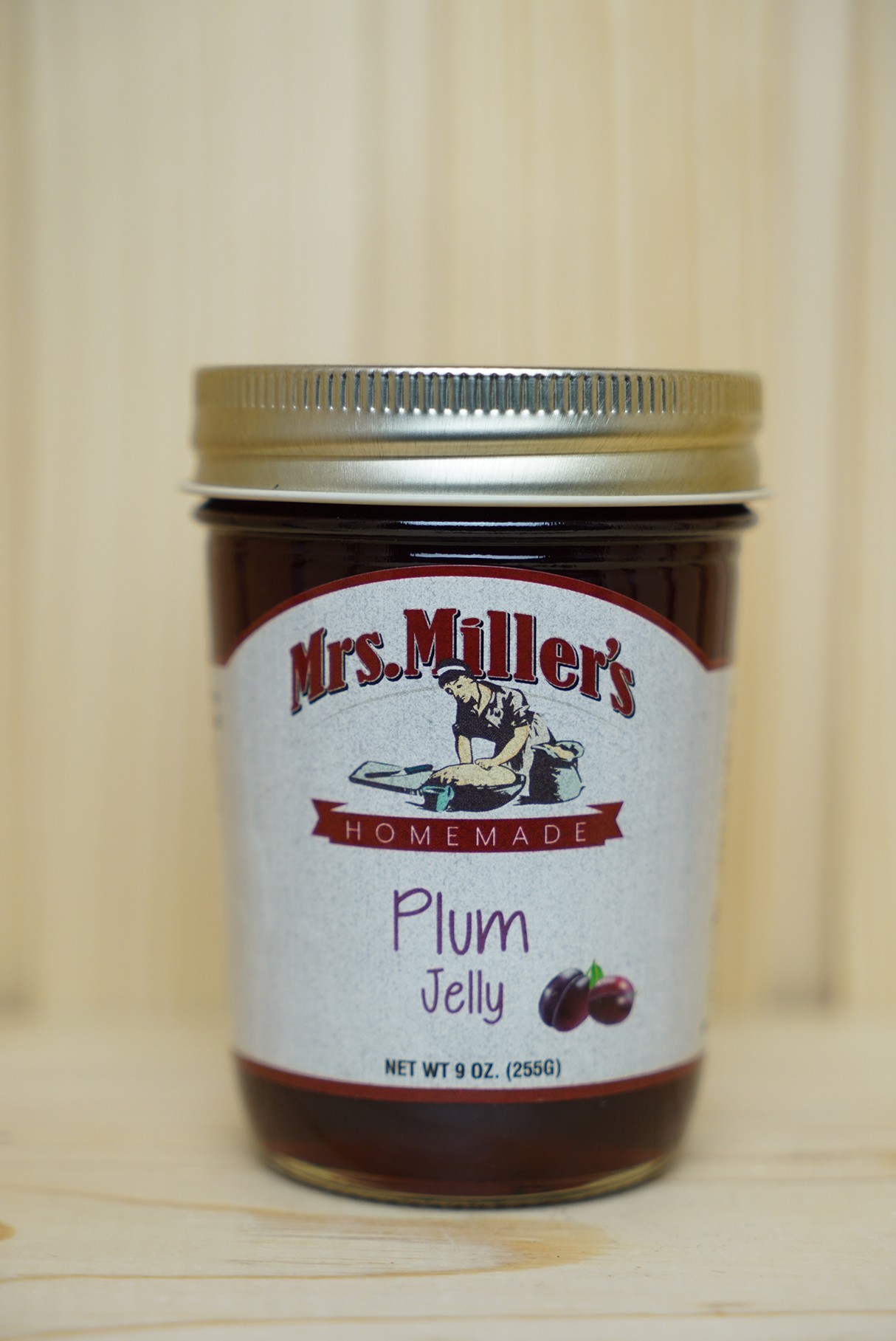
Mastering the art of making plum jelly jam requires precision and knowledge to ensure safety and flavor. This expert guide provides step-by-step instructions, essential tips, and safety protocols to create delicious, shelf-stable plum jelly jam at home. Whether you’re a novice or an experienced canner, following these guidelines is crucial for achieving the perfect consistency and taste while preventing spoilage.
What This Guide Covers (And What It Doesn’t)

This guide delivers a comprehensive overview of the exact steps needed to make plum jelly jam safely, with a strong focus on food safety protocols and precise ingredient ratios. You will find detailed information about the necessary tools, techniques, and ingredients required for creating plum jelly jam, along with recommendations for the best plum varieties and pectin options. However, it does not address other types of fruit preserves or jams, nor does it explore alternative canning methods that deviate from traditional jelly-making processes.
Who Should Read This
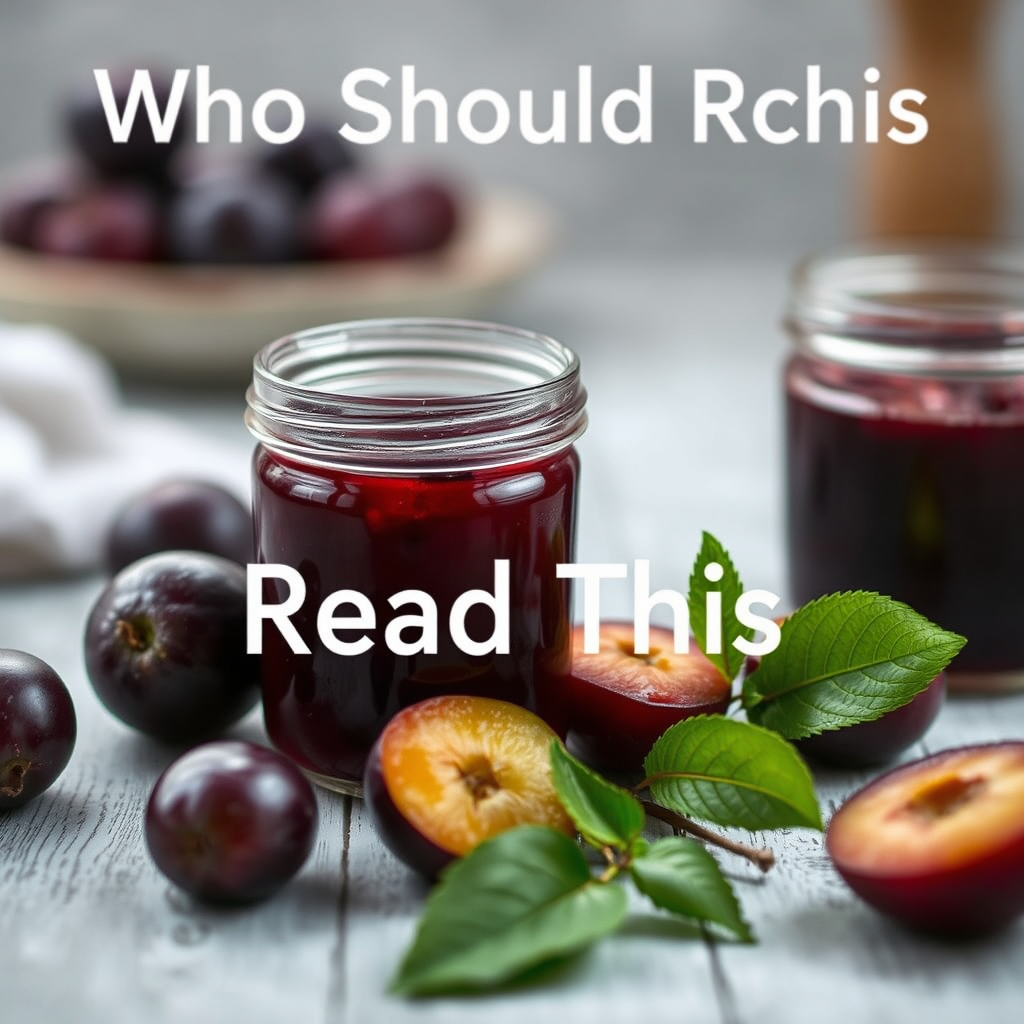
Home canners with a basic understanding of food preservation will find this guide particularly useful as they seek to enhance their skills in making plum jelly jam safely and effectively. It caters to those eager to utilize homegrown or locally sourced plums, as well as individuals who wish to grasp the scientific principles behind jelly-making. However, beginners without any canning experience may find this guide overwhelming and should consider starting with simpler preserves before tackling plum jelly jam.
The Step-by-Step Protocol
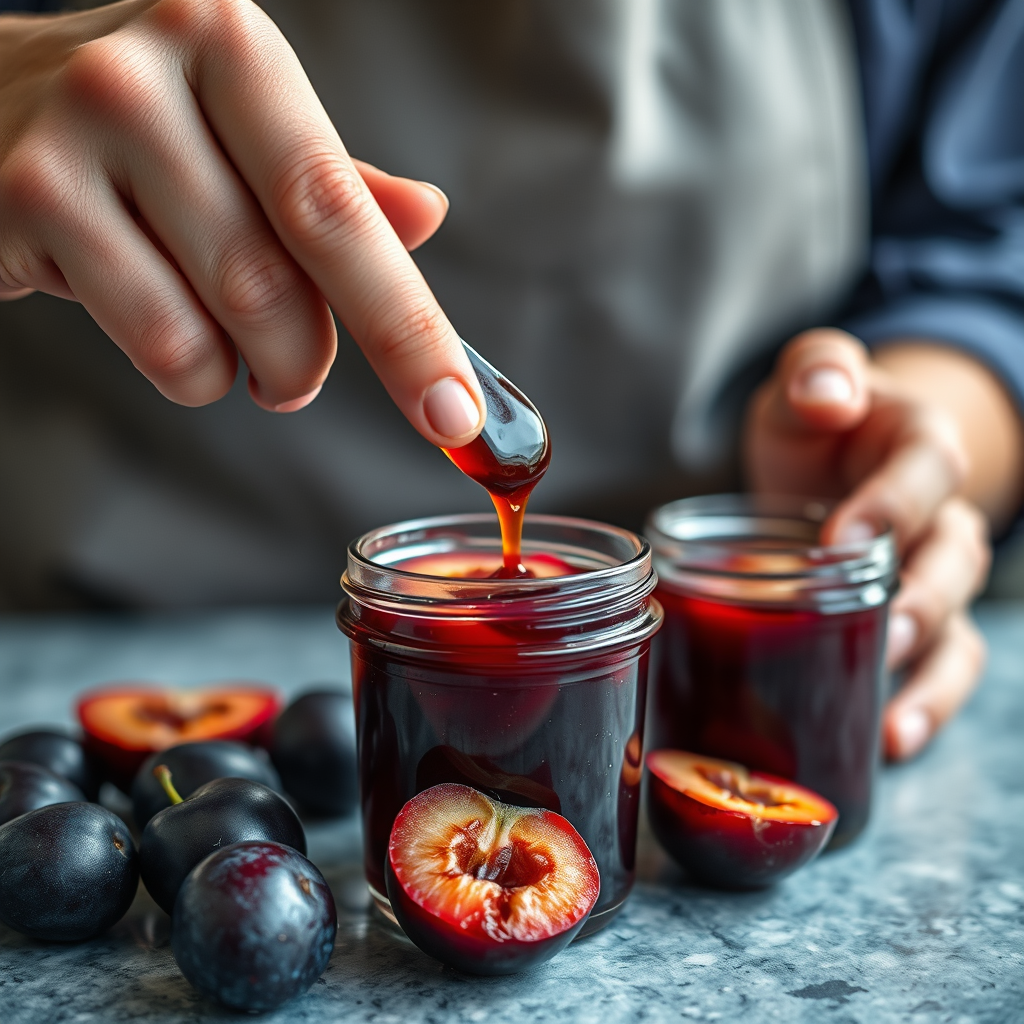
1. Select Plums: Use 4 cups of ripe, pitted plums, preferably European varieties like Damson or Italian, for the best flavor and jelly consistency.
2. Prepare Plums: Wash and chop the plums into quarters, then place them in a large pot with 1 cup of water. Simmer over medium heat for about 15 minutes until softened.
3. Extract Juice: Strain the plum mixture through a fine mesh sieve or cheesecloth to obtain about 3 cups of plum juice, ensuring no pulp is present.
4. Cook the Jelly: In a large saucepan, combine the plum juice with 1 package (1.75 oz) of fruit pectin and bring to a rapid boil. Stir in 5 cups of granulated sugar all at once, continuing to boil for 1-2 minutes until the mixture reaches a rolling boil.
5. Test for Doneness: Use a spoon to drop a small amount of jelly onto a cold plate. If it sets and holds its shape after cooling for a minute, it’s ready for canning.
6. Can the Jelly: Pour the hot jelly into sterilized jars, leaving 1/4 inch headspace. Wipe the rims clean, seal with lids, and process in a boiling water bath for 5-10 minutes, depending on your altitude.
Key Plum Varieties for Jelly Making
| # | Variety | Flavor Profile | Jelly Color | Jelly Texture |
|---|---|---|---|---|
| 1 | Damson | Tart and Sweet | Deep Purple | Firm |
| 2 | Italian | Sweet and Juicy | Bright Purple | Smooth |
| 3 | Satsuma | Sweet and Fragrant | Golden Yellow | Gel-like |
| 4 | Red Plum | Sweet and Mild | Light Red | Syrupy |
| 5 | Black Plum | Rich and Sweet | Dark Purple | Thick |
| 6 | Green Gage | Sweet and Tangy | Pale Green | Silky |
| 7 | Burbank | Sweet | Bright Yellow | Smooth |
Warning Signs: When Not to Follow This
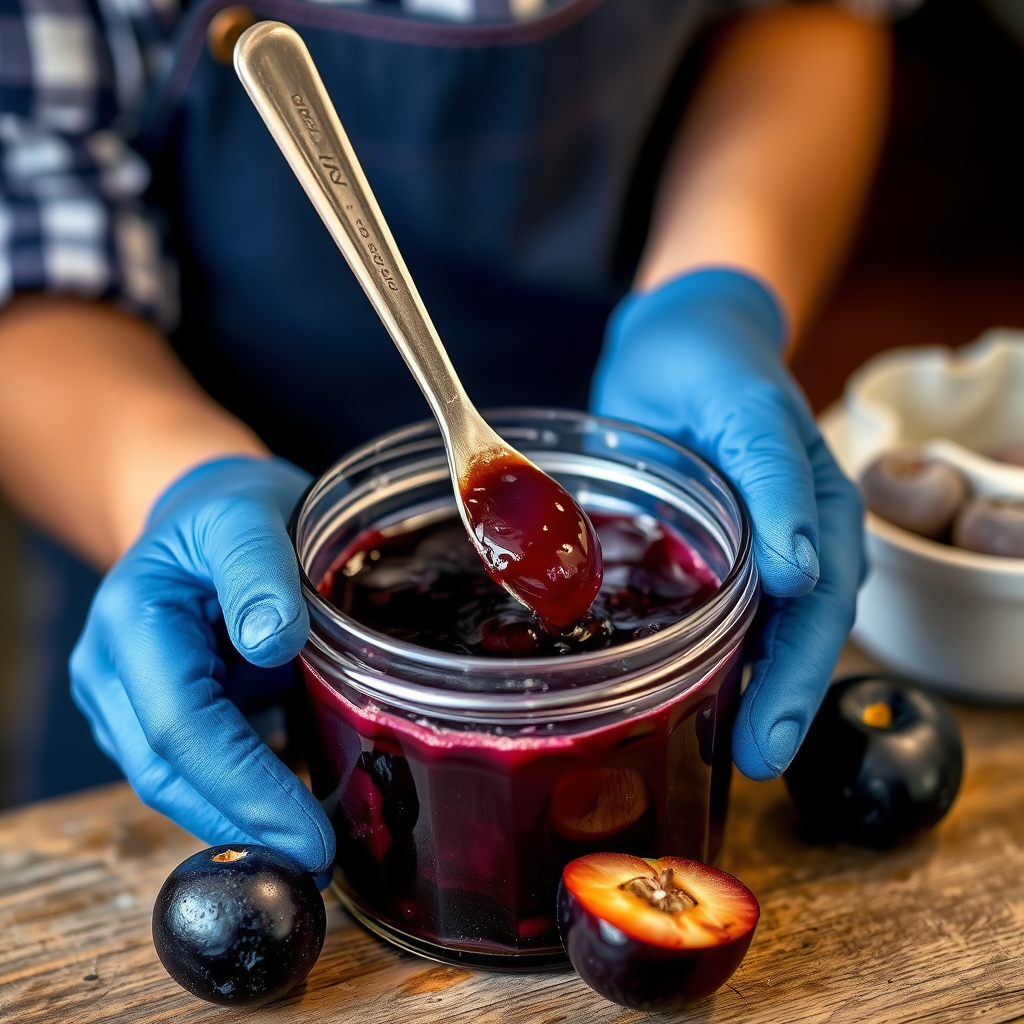
Be cautious when making jelly; avoid this protocol if the plums are overripe, moldy, or exhibiting signs of spoilage, as these conditions can lead to unsafe products. Additionally, do not proceed without proper canning equipment, such as a boiling water canner and jar lifter, which are essential for ensuring safety during the canning process. If you have any food allergies to pectin, sugar, or other ingredients, consult safe alternatives before attempting this recipe.
The Most Common Mistakes (And Their Consequences)
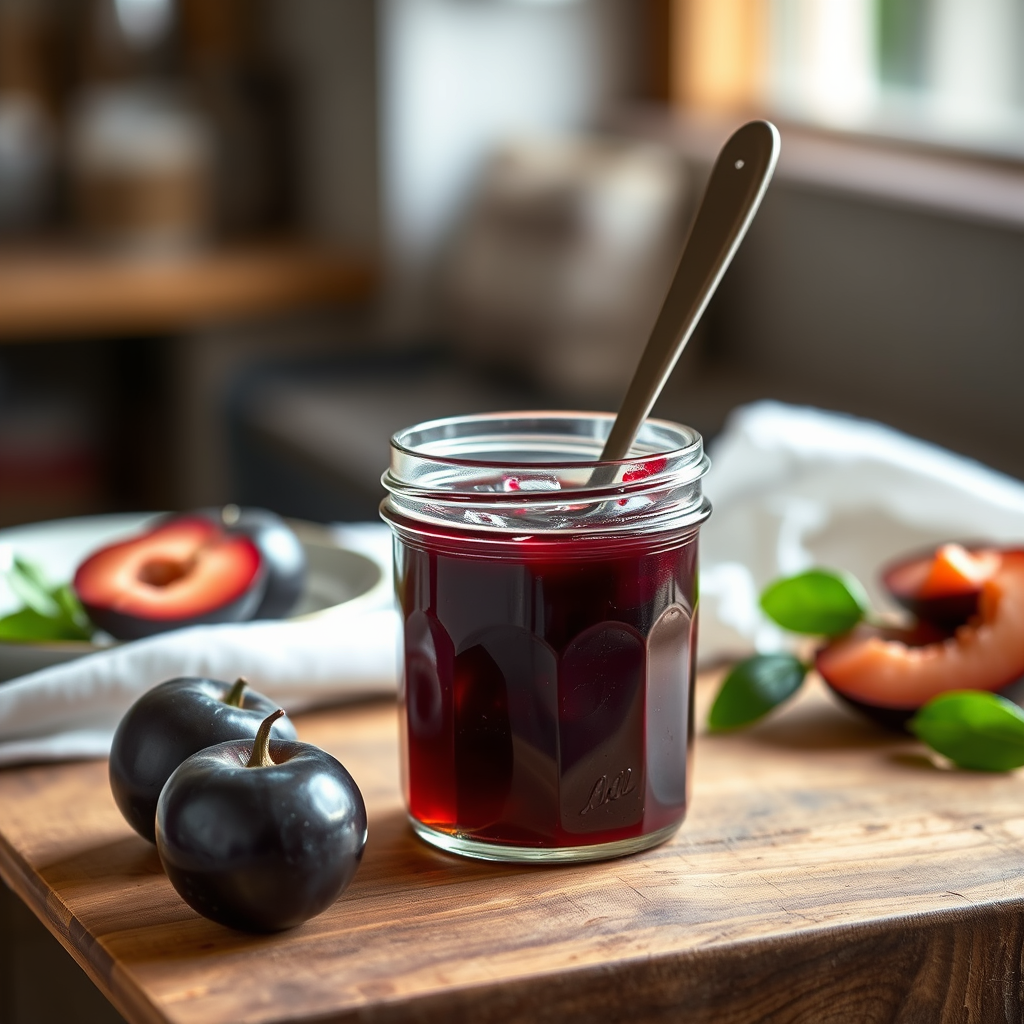
One of the most frequent mistakes is failing to measure the sugar and pectin accurately. This oversight can result in jelly that does not set properly and remains syrupy, leading to wasted ingredients and time as you will need to remake it. Skipping the boiling water bath process poses another risk, as it can result in contaminated jars that spoil quickly or harbor harmful bacteria, putting your health at risk. Using untested or alternative recipes that deviate from recommended ratios can compromise the jelly’s safety and shelf stability, leading to spoilage that may go unnoticed until it’s opened.
Special Cases That Need a Different Approach
If you choose to use frozen plums, ensure they are thawed completely and drain any excess liquid to maintain the jelly’s consistency, as frozen fruit often releases more juice than fresh. You may also need to adjust the sugar based on the additional juice. For those on low-sugar diets, consider using low-sugar pectin and modify the sugar quantity according to package instructions, keeping in mind that this may affect the jelly’s set. Experimentation may be necessary to achieve the desired texture. If you want to introduce spices, infuse the plum juice with flavors like cinnamon or cloves before boiling; just remember to strain them out before canning to avoid particulate matter in the final product.
When You Need a Professional
In cases where you have concerns about the safety of your ingredients or processes—especially if you suspect contamination or spoilage—it’s wise to consult a certified food preservation expert. If you continue to experience issues with jelly consistency or preservation after multiple attempts, reaching out to a local extension office can provide valuable guidance tailored to your situation. For individuals with health concerns related to food preservation, such as those with compromised immune systems, it is crucial to seek advice from a food safety professional before attempting home canning.
Sources and Further Reading
– USDA Complete Guide to Home Canning: A comprehensive resource for safe home canning practices and updated guidelines.
– National Center for Home Food Preservation: Offers research-based information on food preservation methods, including jelly and jam making.
– Ball Blue Book Guide to Preserving: A well-regarded reference for canning recipes, techniques, and troubleshooting tips specific to jelly making.
Frequently Asked Questions
What ingredients do I need for a plum jelly jam recipe?
To make a delicious plum jelly jam, you’ll need ripe plums, sugar, lemon juice, and pectin. The plums provide the base flavor, while sugar balances the tartness. Lemon juice adds acidity, which helps with preservation and enhances the overall taste, and pectin is crucial for achieving the right jelly consistency.
How do I prepare the plums for making jelly?
Start by washing the plums thoroughly to remove any dirt or pesticides. Next, cut the plums in half and remove the pits, then chop them into smaller pieces. You can either mash the plums to release more juice or leave them in chunks for a rustic texture in your jelly.
Why is pectin important in a plum jelly jam recipe?
Pectin is a natural thickening agent that helps the jelly set properly, giving it that desirable gel-like consistency. Without enough pectin, your plum jelly may end up too runny or fail to gel altogether. If using fresh plums, you might need to add additional pectin since they may not contain enough naturally.
What is the best method for canning plum jelly jam?
The best method for canning plum jelly jam involves using a water bath canning technique. Pour the hot jelly into sterilized jars, leaving about a quarter-inch of headspace, then seal with lids. Process the jars in boiling water for about 5 to 10 minutes to ensure they are properly sealed and safe for long-term storage.
Which types of plums are best for making jelly?
The best types of plums for making jelly are those that are sweet and juicy, such as Santa Rosa or Italian plums. These varieties have the right balance of sugar and acidity, which contributes to a flavorful and well-balanced jelly. Avoid using overripe or underripe plums, as they can affect the taste and texture of your final product.
References
- Fruit preserves
https://en.wikipedia.org/wiki/Jam - SET mediates TCE-induced liver cell apoptosis through dephosphorylation and upregulation of nucle…
https://www.ncbi.nlm.nih.gov/pmc/articles/PMC5522280/ - https://www.uga.edu/extension/food-preservation/jams-jellies/
https://www.uga.edu/extension/food-preservation/jams-jellies/ - https://www.extension.purdue.edu/extmedia/HHS/HHS-782-W.pdf
https://www.extension.purdue.edu/extmedia/HHS/HHS-782-W.pdf - https://www.journalofethnobiologyandethnomedicine.com/content/7/1/13
https://www.journalofethnobiologyandethnomedicine.com/content/7/1/13 - https://www.sciencedirect.com/topics/agricultural-and-biological-sciences/jam
https://www.sciencedirect.com/topics/agricultural-and-biological-sciences/jam - Google Scholar Google Scholar
https://scholar.google.com/scholar?q=plum+jelly+jam+recipe - Google Scholar Google Scholar
https://scholar.google.com/scholar?q=plum+jelly+recipe - Google Scholar Google Scholar
https://scholar.google.com/scholar?q=fruit+preservation+jams+jellies - https://www.oregon.gov/oha/PHD/pages/FoodPreservation/JamsJellies.aspx
https://www.oregon.gov/oha/PHD/pages/FoodPreservation/JamsJellies.aspx