Master the art of crafting hot red pepper jam with this expert guide, designed for both novice and seasoned cooks. This comprehensive resource details each step of the process, from selecting the right peppers to ensuring safe preservation techniques. Following these precise protocols is essential not only for flavor but also for food safety, guaranteeing a delicious and securely stored jam that elevates any dish.
What This Guide Covers (And What It Doesn’t)

This guide offers a comprehensive exploration of the art of making hot red pepper jam, focusing on ingredient selection, preparation techniques, and safe canning methods. Aimed at home cooks of all skill levels, it emphasizes achieving the perfect balance of heat and sweetness while prioritizing safety through proper canning practices. However, it does not delve into alternative recipes or methods for making jams that exclude hot red peppers, nor does it discuss commercial jam-making products.
Who Should Read This

This guide is tailored for home cooks eager to create their own preserves and to experience the distinctive flavor of hot red pepper jam. Readers should possess a basic understanding of cooking techniques and be familiar with kitchen equipment, including canning supplies. Health-conscious individuals who want to ensure their preserved foods are safe will find this guide particularly useful.
The Step-by-Step Protocol
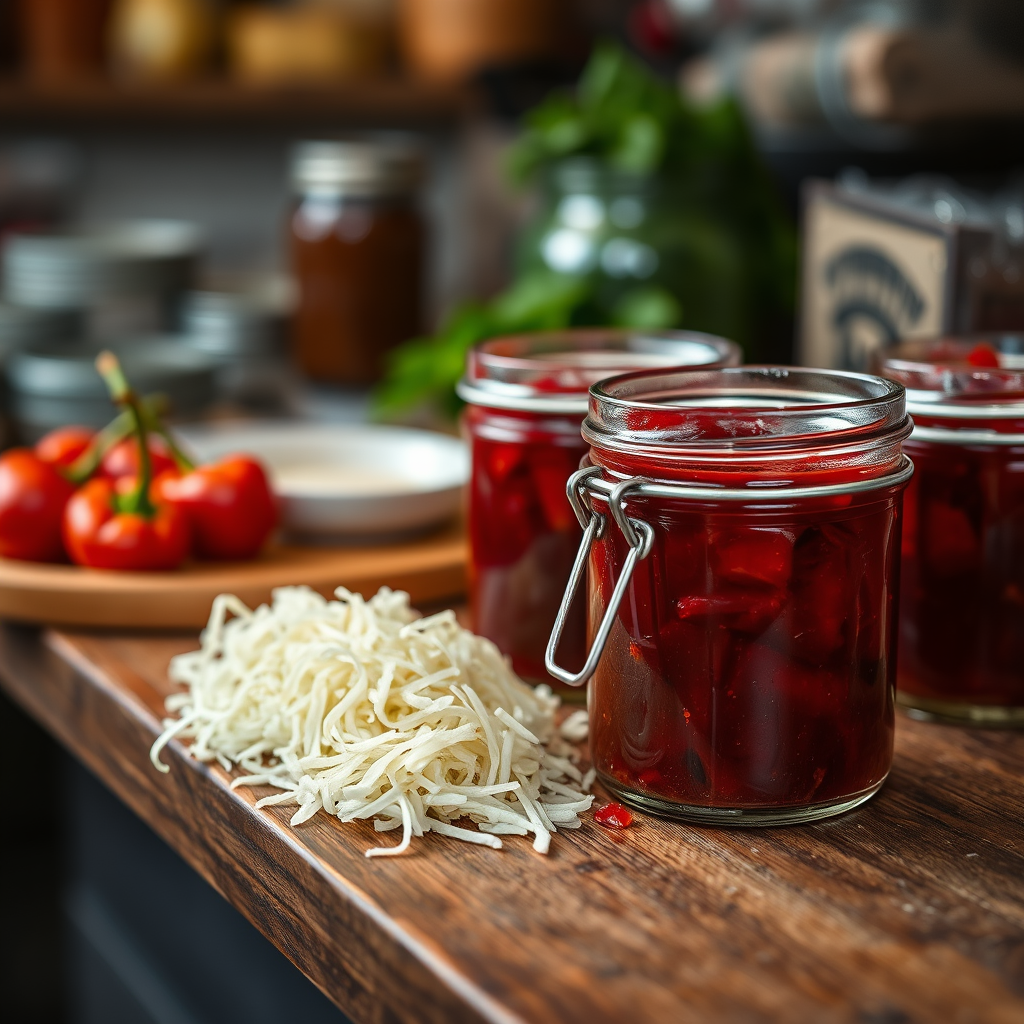
1. Gather Ingredients: Prepare 1 pound of fresh hot red peppers (such as jalapeños or habaneros), 2 cups of granulated sugar, 1 cup of apple cider vinegar, and 1 packet of fruit pectin.
2. Prepare Peppers: Wearing gloves, chop the peppers finely, removing seeds for a milder heat level, and measure out the required amount.
3. Cook Jam Mixture: In a large pot, combine the chopped peppers, sugar, and vinegar. Bring to a boil over medium heat, stirring constantly until the sugar dissolves.
4. Add Pectin: Stir in the fruit pectin and return to a rolling boil for 1-2 minutes, ensuring the mixture thickens properly. Perform the gel test if necessary.
5. Sterilize Jars: While the jam is cooking, sterilize your canning jars by boiling them in water for 10 minutes. Keep them hot until ready to fill.
6. Fill Jars: Using a ladle and a funnel, fill the sterilized jars with the hot jam, leaving about 1/4 inch of headspace at the top.
7. Seal Jars: Wipe the rims of the jars with a clean, damp cloth to remove any residue. Place sterilized lids on top and screw on the metal bands until fingertip-tight.
8. Process in a Water Bath: Process the jars in a boiling water bath for 10-15 minutes to ensure a proper seal. Adjust processing time based on altitude if necessary.
9. Cool and Store: Remove jars from the water bath and let them cool on a clean towel or cooling rack for 24 hours. Check seals and store in a cool, dark place.
Hot Red Pepper Jam Ingredients Comparison (2023)
| # | Ingredient | Quantity | Calories | Cost ($) |
|---|---|---|---|---|
| 1 | Hot Red Peppers | 1 lb | 65 | 3.00 |
| 2 | Granulated Sugar | 2 cups | 1540 | 2.00 |
| 3 | Apple Cider Vinegar | 1 cup | 5 | 1.50 |
| 4 | Fruit Pectin | 1 packet | 0 | 2.50 |
| 5 | Jars & Lids | 8 jars | 0 | 5.00 |
| 6 | Water (for bath) | N/A | 0 | 0.00 |
| 7 | Total Cost | N/A | N/A | 14.00 |
Warning Signs: When Not to Follow This

– If you have a known allergy to any of the ingredients, particularly hot red peppers or fruit pectin, do not attempt this recipe.
– Avoid making this recipe if you lack the necessary canning equipment, such as sterilized jars, a canning pot, or a lid lifter. Improper equipment can compromise the safety of your preserves.
– If you notice any signs of spoilage in the ingredients before cooking, such as mold on the peppers or an off smell from the vinegar, do not proceed with the recipe.
The Most Common Mistakes (And Their Consequences)
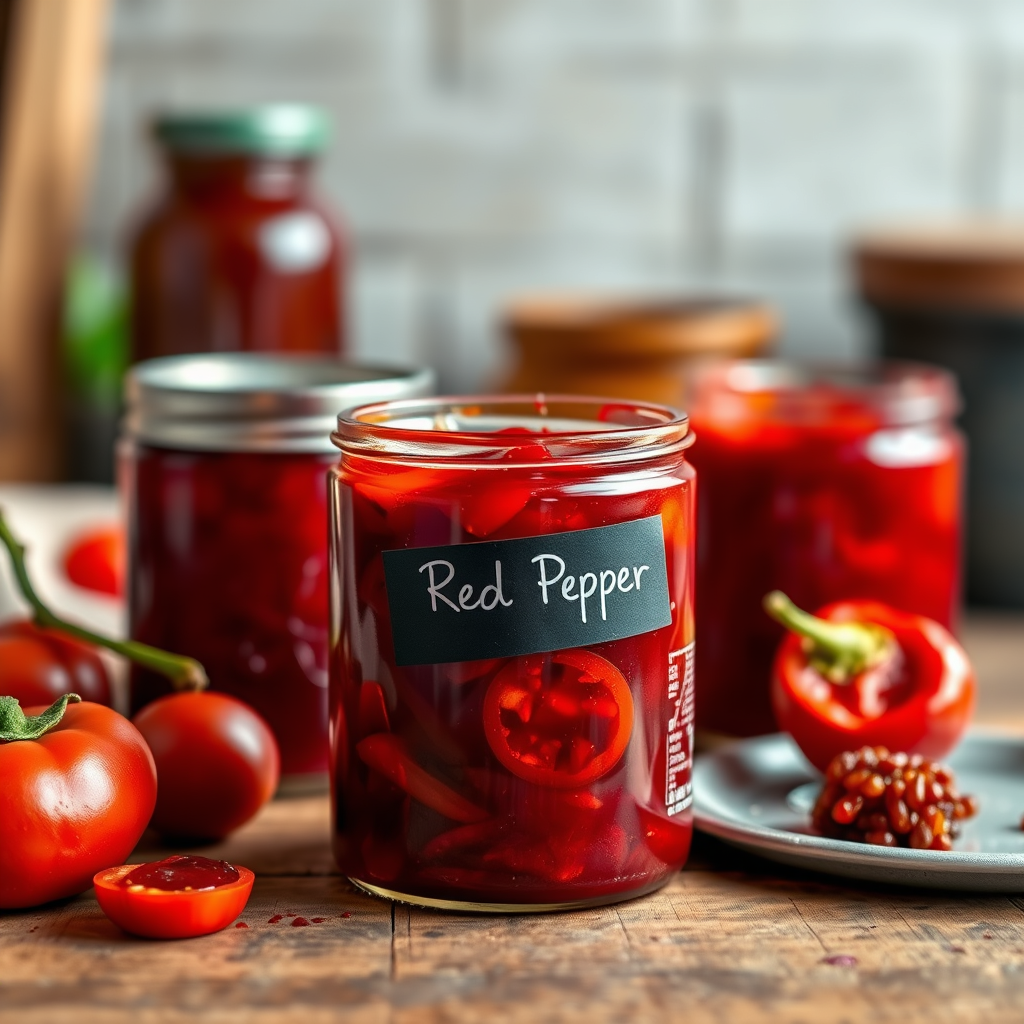
– Skipping the sterilization of jars can lead to contamination, resulting in spoilage or foodborne illness. Always ensure jars are properly sterilized before use.
– Not accurately measuring the sugar and vinegar can affect the jam’s consistency and safety, potentially leading to a product that doesn’t set properly or is unsafe for long-term storage.
– Underestimating the heat level of the peppers may produce a jam that is excessively spicy, rendering it unpalatable for intended consumers.
Special Cases That Need a Different Approach
– For those sensitive to heat, consider using milder peppers like sweet bell peppers or a mix of hot and mild varieties to adjust the spice level.
– If you prefer a lower sugar option, look for low-sugar pectin varieties, but be aware that this may impact the jam’s texture and preservation time.
– At high altitudes, adjustments in processing time and ingredient ratios may be necessary to ensure proper gelling and safety. Typically, add an extra minute for every 1,000 feet above sea level.
When You Need a Professional
– If you are uncertain about the safety of your canning process or encounter issues during preparation, consult a food preservation expert or a local extension office for guidance.
– Should you have concerns about allergies or dietary restrictions related to the ingredients, seek advice from a registered dietitian or nutritionist.
– If you notice any signs of spoilage after canning, such as bulging lids or off odors, do not consume the jam and consult a food safety professional for further advice.
Sources and Further Reading
– Refer to the USDA’s Complete Guide to Home Canning for authoritative guidelines on safe canning practices.
– The National Center for Home Food Preservation offers extensive resources, including specific recipes and safety tips for preserving hot pepper products.
– Check peer-reviewed articles on food safety and preservation techniques for additional insights and research-backed methods to ensure safe canning practices.
By following this expert guide, you can confidently create a delicious and safely preserved hot red pepper jam that adds a zesty touch to your culinary repertoire. Embrace the process and relish the delightful results!
Frequently Asked Questions
What ingredients do I need for a hot red pepper jam recipe?
To make a delicious hot red pepper jam, you’ll need a combination of fresh red peppers (such as jalapeños or serranos), sugar, apple cider vinegar, pectin, and a pinch of salt. Using a variety of peppers can enhance the flavor, so feel free to experiment with different types for a unique kick.
How do I properly store homemade hot red pepper jam?
To store homemade hot red pepper jam, place it in sterilized jars and seal them tightly. The jam can be refrigerated for up to three months or processed in a water bath to ensure it lasts up to a year in a cool, dark place. Always check for signs of spoilage before consumption.
Why is my hot red pepper jam not setting properly?
If your hot red pepper jam isn’t setting, it could be due to insufficient pectin or not cooking the mixture long enough to reach the proper temperature. Ensure you follow the recipe accurately and use the recommended amount of pectin, and consider using a candy thermometer to check that the jam reaches 220°F, the necessary temperature for setting.
What is the best way to adjust the heat level in my hot red pepper jam?
The best way to adjust the heat level in your hot red pepper jam is by varying the types and quantities of peppers used. For a milder jam, use fewer hot peppers or mix in some sweet bell peppers. Conversely, for more heat, add extra hot peppers or even a dash of hot sauce to the mixture.
Which dishes pair well with hot red pepper jam?
Hot red pepper jam pairs well with a variety of dishes, enhancing flavors in cheeses, meats, and appetizers. It makes a fantastic glaze for grilled chicken or pork, a delicious topping for cream cheese on crackers, or a sweet-and-spicy addition to sandwiches, making it a versatile condiment for any meal.
References
- Fruit preserves
https://en.wikipedia.org/wiki/Jam - https://www.ncbi.nlm.nih.gov/pmc/articles/PMC6511788/
https://www.ncbi.nlm.nih.gov/pmc/articles/PMC6511788/ - https://pubmed.ncbi.nlm.nih.gov/24645654/
https://pubmed.ncbi.nlm.nih.gov/24645654/ - https://www.sciencedirect.com/topics/agricultural-and-biological-sciences/pepper-jam
https://www.sciencedirect.com/topics/agricultural-and-biological-sciences/pepper-jam - NYT Cooking – Recipes and Cooking Guides From The New York Times
https://www.nytimes.com/recipes/1018971/red-pepper-jam - https://www.theguardian.com/food/2021/jun/05/how-to-make-pepper-jam
https://www.theguardian.com/food/2021/jun/05/how-to-make-pepper-jam - Google Scholar Google Scholar
https://scholar.google.com/scholar?q=hot+red+pepper+jam+recipe - Google Scholar Google Scholar
https://scholar.google.com/scholar?q=pepper+jam+recipes - Google Scholar Google Scholar
https://scholar.google.com/scholar?q=hot+pepper+jam+health+benefits - hot red pepper jam recipe – Search results
https://en.wikipedia.org/wiki/Special:Search?search=hot+red+pepper+jam+recipe