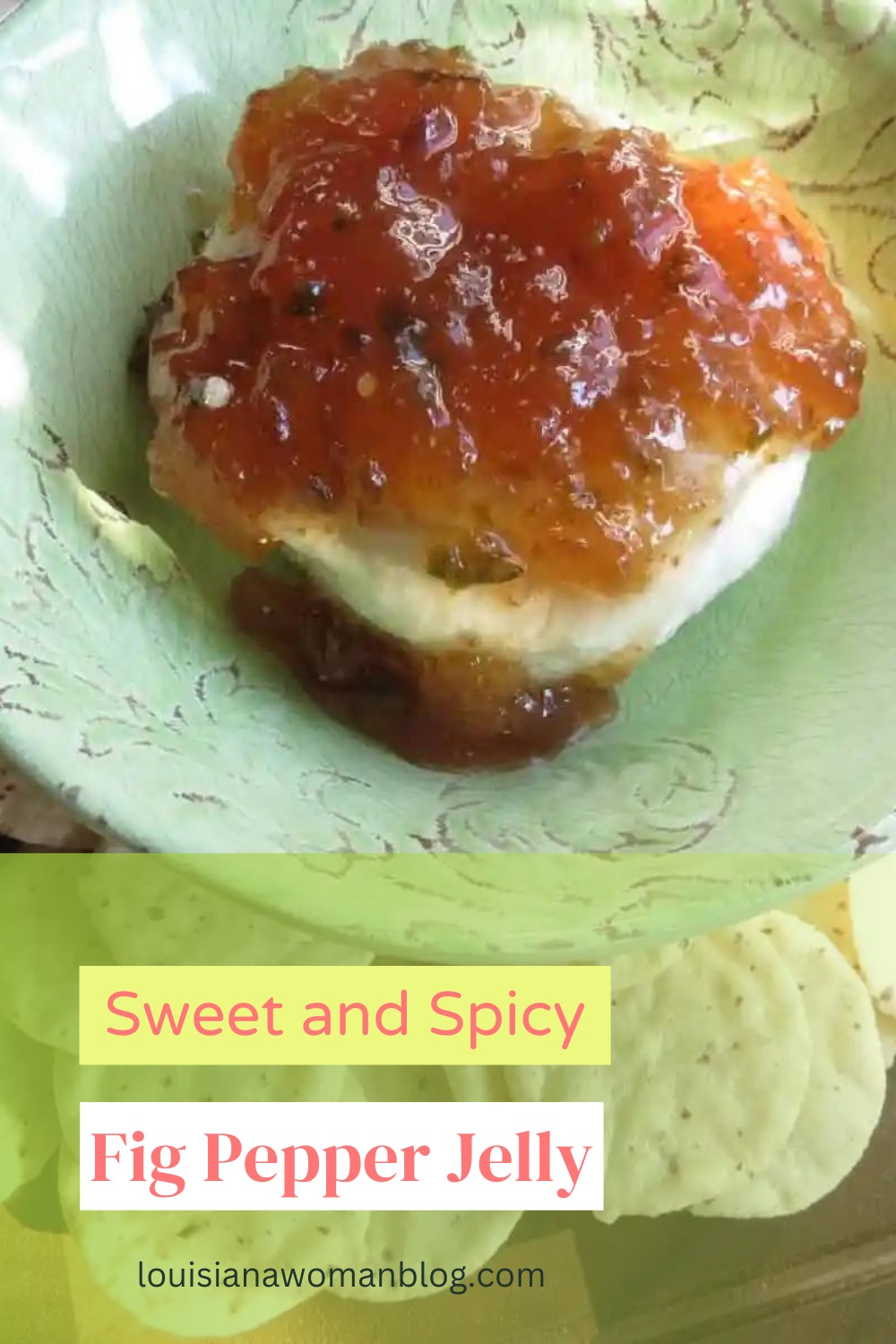
Master the art of making fig jelly at home with this comprehensive expert guide. Designed for both novice and experienced cooks, this resource covers everything from selecting the ripest figs to the essential steps for safe canning practices. Following the right protocol is crucial to ensure not only delicious results but also food safety. Dive into this detailed recipe to create a delightful, homemade fig jelly that preserves the essence of summer.
What This Guide Covers (And What It Doesn’t)
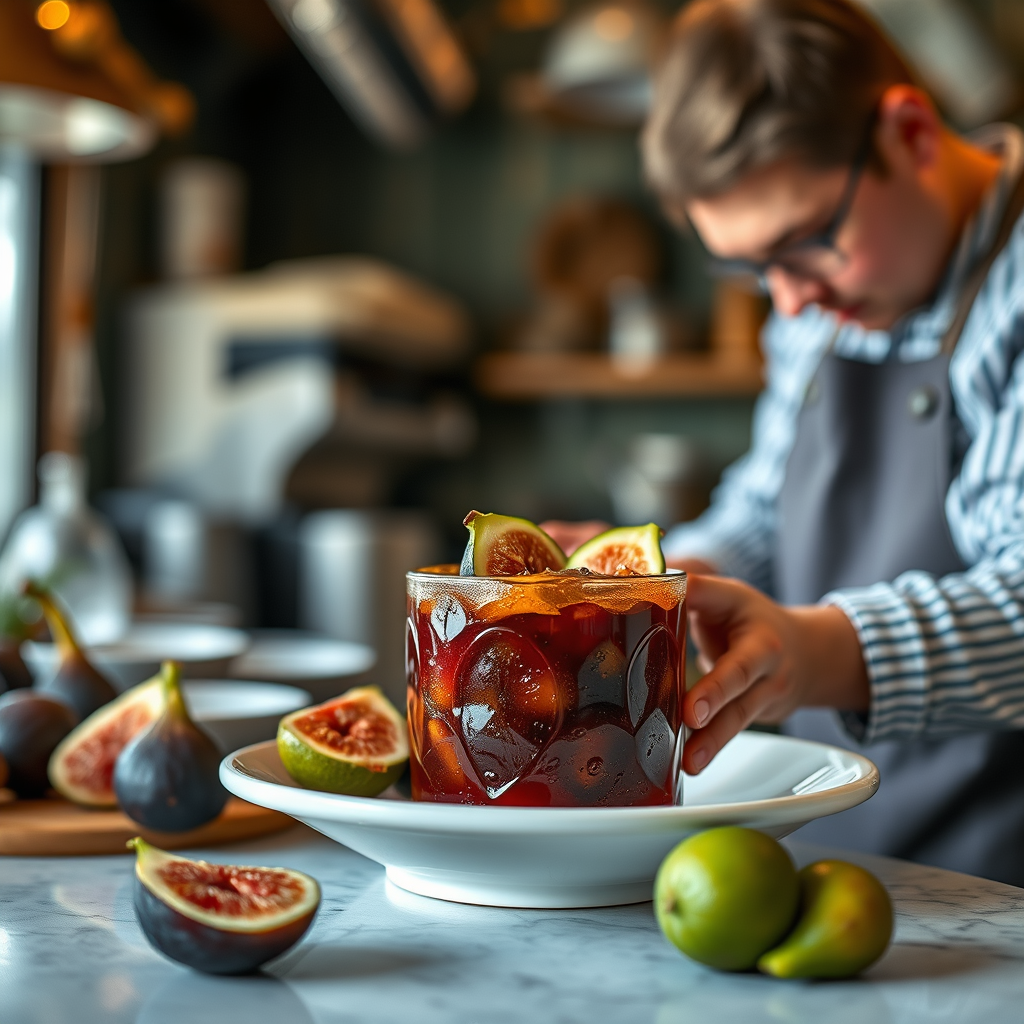
This guide offers an in-depth recipe for crafting fig jelly at home, detailing ingredient specifications, step-by-step instructions, and effective preservation techniques. You’ll learn how to select the best figs, prepare them correctly, and ensure your jelly sets perfectly. Additionally, it includes essential safety tips for canning, guaranteeing that your final product is both delicious and safe to consume.
However, this guide does not delve into recipes for other types of jelly or fruit preserves, nor does it explore alternative methods or variations that deviate from the classic fig jelly recipe. It is specifically designed for home cooks who want to create fig jelly from scratch using fresh figs, with a strong emphasis on safety and best practices in canning and preservation. Readers looking for advanced techniques, such as flavor infusions or large-scale production, may find this guide less applicable to their needs.
Who Should Read This
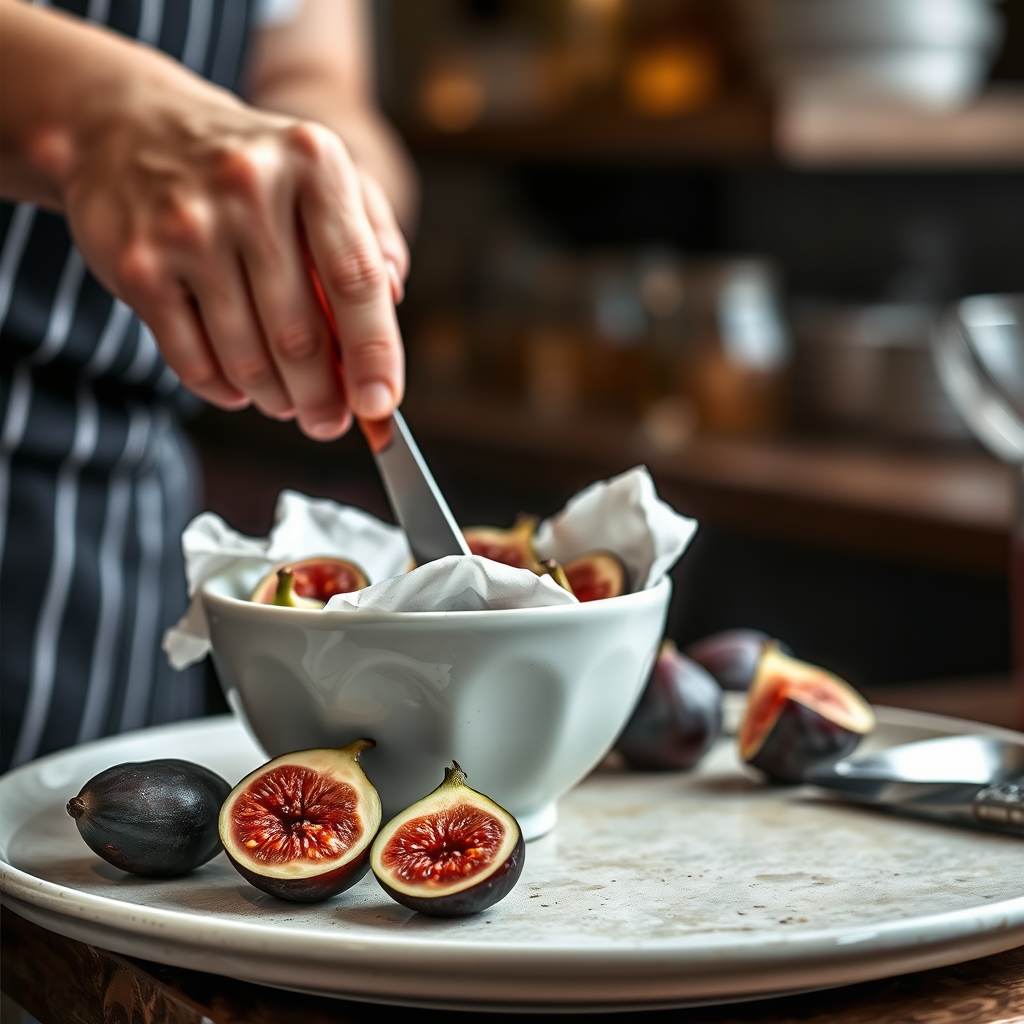
This guide is tailored for home cooks who possess a basic understanding of canning and preserving, as well as those experienced with fresh fruits. Individuals who enjoy homemade preserves and wish to utilize seasonal ingredients, particularly figs, will gain the most from this guide. Newcomers to canning will find the detailed steps and safety tips beneficial, provided they are prepared to follow the instructions closely. This guide is not intended for those unfamiliar with fundamental food safety practices or those disinterested in hands-on cooking.
The Step-by-Step Protocol
1. Gather Ingredients: Collect 4 cups of ripe figs, 1 cup of granulated sugar, 1/4 cup of freshly squeezed lemon juice, and 1 pouch of fruit pectin (such as Sure-Jell). Ensure the figs are fully ripe but not overripe to optimize flavor and pectin content.
2. Prepare Figs: Rinse the figs thoroughly under cold water to eliminate dirt and debris. Remove the stems and any bruised areas, then chop the figs into small pieces, about 1/4 inch in size. This enhances cooking efficiency and helps extract juice more effectively.
3. Cook the Mixture: In a large, heavy-bottomed saucepan, combine the chopped figs, lemon juice, and pectin. Heat the mixture over medium heat, stirring frequently until it reaches a rolling boil. This process typically takes about 10-15 minutes.
4. Add Sugar: Once the mixture is boiling vigorously, quickly stir in the granulated sugar. Return the mixture to a full boil for 1-2 minutes, stirring constantly to ensure that the sugar dissolves completely and the jelly thickens properly. The boiling time is critical for achieving the correct texture.
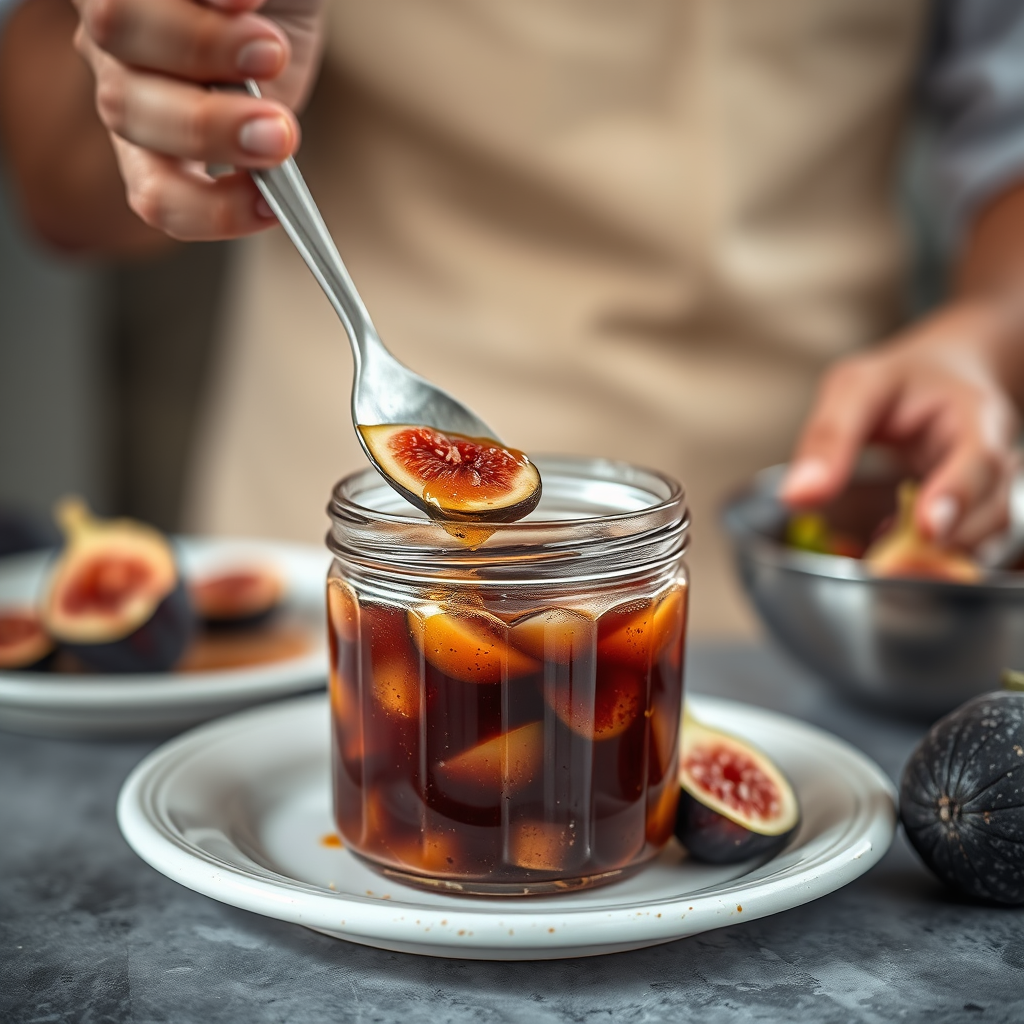
5. Test for Doneness: To determine if the jelly is ready, perform a spoon test. Dip a clean spoon into the mixture, then lift it out. The jelly should drip slowly from the spoon, forming a sheet-like consistency rather than falling in droplets.
6. Prepare Jars: While cooking, sterilize your canning jars and lids. Boil them in water for at least 10 minutes to eliminate bacteria. Keep the jars hot until you’re ready to fill them to prevent breakage when filled with hot jelly.
7. Fill Jars: Carefully ladle the hot fig jelly into the prepared jars, leaving about 1/4 inch of headspace at the top. Wipe the rims of the jars with a clean, damp cloth to remove any residue that could prevent a proper seal.
8. Seal and Process: Place the sterilized lids on the jars and screw on the metal bands until fingertip-tight. Process the jars in a boiling water canner for 5-10 minutes, depending on your altitude. This step is essential for ensuring the jelly is shelf-stable.
9. Cool and Store: After processing, use a jar lifter to remove the jars from the canner and place them on a clean towel to cool. Allow the jars to sit undisturbed for 24 hours. Once cooled, check the seals by pressing the center of the lids; they should not flex. Store the sealed jars in a cool, dark place.
Comparison of Fig Jelly Ingredients and Their Importance
| # | Ingredient | Quantity | Purpose |
|---|---|---|---|
| 1 | Fresh Figs | 4 cups | Primary flavor and texture |
| 2 | Granulated Sugar | 1 cup | Sweetens and helps with gelling |
| 3 | Lemon Juice | 1/4 cup | Adds acidity for balance and preservation |
| 4 | Fruit Pectin | 1 pouch | Essential for gelling |
| 5 | Water | As needed | Used for cooking dried figs, if applicable |
Warning Signs: When Not to Follow This

Avoid making fig jelly if the figs are overripe, moldy, or have bruises, as these conditions can compromise the quality and safety of the final product. Do not attempt this recipe with low-sugar pectin unless you adjust the sugar content accordingly, as this can lead to improper gelling. Additionally, if you lack proper canning supplies (such as sterilized jars, lids, and a boiling water canner), refrain from canning the jelly. If you have allergies to any of the ingredients, particularly citrus or sugar, consider alternatives or seek professional guidance.
The Most Common Mistakes (And Their Consequences)
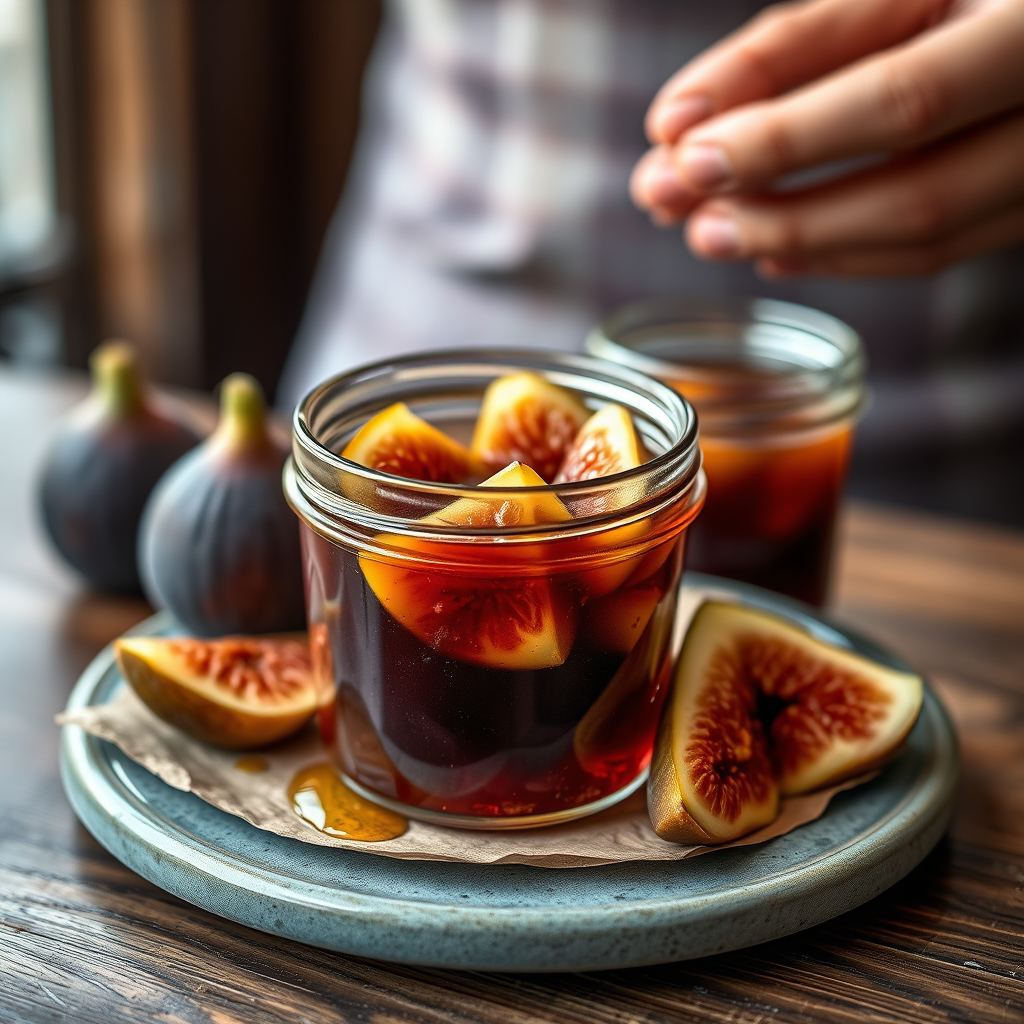
Many home cooks overlook the importance of properly sterilizing jars before canning, which can lead to spoilage and foodborne illness. Always boil jars for at least 10 minutes prior to filling. Skipping the use of pectin or miscalculating the amount can result in a runny jelly that fails to set, leading to disappointment and wasted ingredients. Insufficient lemon juice can create an unbalanced flavor and negatively impact the jelly’s preservation; always measure accurately to ensure the right acidity. Ignoring the boiling time after adding sugar can lead to undercooking the jelly, resulting in a texture that is too liquid and unsuitable for spreading.
Special Cases That Need a Different Approach
If you opt for dried figs instead of fresh, increase the water content to adequately rehydrate them before starting the recipe; soak them in water for at least 2 hours. For those with dietary restrictions, consider using a sugar substitute specifically designed for canning; ensure it possesses the same gelling properties as regular sugar. In high-altitude locations, extend the boiling time and adjust sugar levels as necessary to guarantee proper gelling and preservation. If you’re using organic figs, be mindful of potential variations in pectin content and adjust the amount of pectin used accordingly.
When You Need a Professional
If you have concerns about the safety of preserving figs or any other fruit due to health conditions (such as diabetes or compromised immune systems), consult a licensed nutritionist or food safety expert. Should the jelly show signs of spoilage (off smell, bubbling, or mold), discard it immediately and seek advice on food safety practices. If you encounter persistent issues with gelling or consistency despite following the recipe, consider reaching out to a local extension office or a professional canner for personalized guidance. For large batch production intended for sale, it’s crucial to consult a food safety expert to comply with local laws and regulations regarding food preservation and packaging.
Sources and Further Reading
– “Canning and Preserving for Beginners” by Carla Emery – A comprehensive guide to safe canning techniques and recipes.
– USDA Complete Guide to Home Canning – Provides detailed safety guidelines and best practices for home canning.
– National Center for Home Food Preservation – A trusted resource for preserving fruits, vegetables, and other food items safely.
– “The Ball Book of Canning and Preserving” – Contains tested recipes and methods for various types of preserves, including fruit jellies.
Frequently Asked Questions
What ingredients do I need for a fig jelly recipe?
To make a delicious fig jelly, you will need fresh figs, sugar, lemon juice, and pectin. Fresh figs provide the base flavor, while sugar enhances sweetness, lemon juice adds acidity for balance, and pectin helps the jelly set properly.
How do I prepare figs for making jelly?
To prepare figs for jelly, start by washing them thoroughly to remove any dirt. Then, remove the stems and chop the figs into small pieces, which will help release their natural juices during cooking, ensuring a rich flavor in your fig jelly.
Why is pectin important in a fig jelly recipe?
Pectin is crucial in a fig jelly recipe as it acts as a thickening agent, giving the jelly its desired consistency. Without pectin, the jelly may remain runny and fail to set properly, resulting in a less appealing texture.
What is the best way to store homemade fig jelly?
The best way to store homemade fig jelly is in sterilized glass jars with airtight lids, kept in a cool, dark place. Once opened, it should be refrigerated and consumed within a few weeks for optimal freshness and flavor.
Which types of figs are best for making jelly?
The best types of figs for making jelly are Black Mission figs and Kadota figs, as they have a rich flavor and high natural sugar content. These varieties yield a sweeter jelly with a pleasant texture, making them ideal for preserving.
References
- Fig
https://en.wikipedia.org/wiki/Fig_jam - https://www.ncbi.nlm.nih.gov/pmc/articles/PMC4015074/
https://www.ncbi.nlm.nih.gov/pmc/articles/PMC4015074/ - https://www.sciencedirect.com/topics/agricultural-and-biological-sciences/fig-jam
https://www.sciencedirect.com/topics/agricultural-and-biological-sciences/fig-jam - https://www.ncbi.nlm.nih.gov/pmc/articles/PMC5898930/
https://www.ncbi.nlm.nih.gov/pmc/articles/PMC5898930/ - https://www.britannica.com/topic/fig-jam
https://www.britannica.com/topic/fig-jam - https://www.ars.usda.gov/ARSUserFiles/np/figs.pdf
https://www.ars.usda.gov/ARSUserFiles/np/figs.pdf - Figs: Nutrition, Benefits, and Downsides
https://www.healthline.com/nutrition/figs-benefits - Google Scholar Google Scholar
https://scholar.google.com/scholar?q=recipe+for+fig+jelly - Google Scholar Google Scholar
https://scholar.google.com/scholar?q=fig+preservation+methods - Google Scholar Google Scholar
https://scholar.google.com/scholar?q=fig+jelly+health+benefits