
Mastering a basic iced coffee recipe is essential for any coffee enthusiast looking to enhance their brewing skills. This expert guide walks you through the precise steps to craft a delicious iced coffee while ensuring safety and quality. Following the right protocol not only elevates your drink but also prevents common pitfalls that can spoil your experience. Dive in to unlock the secrets of a refreshing iced coffee that satisfies your taste buds.
What This Guide Covers (And What It Doesn’t)

This guide offers a comprehensive, step-by-step process for crafting a basic iced coffee recipe. It emphasizes the essential ingredients, brewing techniques, and practical tips for achieving an exceptional flavor. However, it does not delve into advanced brewing methods such as cold brew, nitro coffee, or flavored iced coffee variations, which require different techniques and equipment. Designed for home coffee enthusiasts, this guide aims to simplify the iced coffee-making process, making it accessible without the need for complex equipment or expensive ingredients.
Who Should Read This

This guide is perfect for anyone who enjoys coffee and is eager to learn how to make iced coffee at home, regardless of their prior experience. It’s also ideal for those seeking a quick, refreshing beverage during warm weather or simply wanting an easy way to enjoy cold coffee. Even readers unfamiliar with brewing methods or coffee terminology will find clear explanations and straightforward instructions to guide them through the process.
The Step-by-Step Protocol

1. Gather Ingredients: Start with 1 cup of coarsely ground coffee beans, 4 cups of water, ice cubes, and any optional sweeteners or creamers. Ensure you have access to a coffee maker or pour-over setup along with any additional flavorings or toppings you may desire.
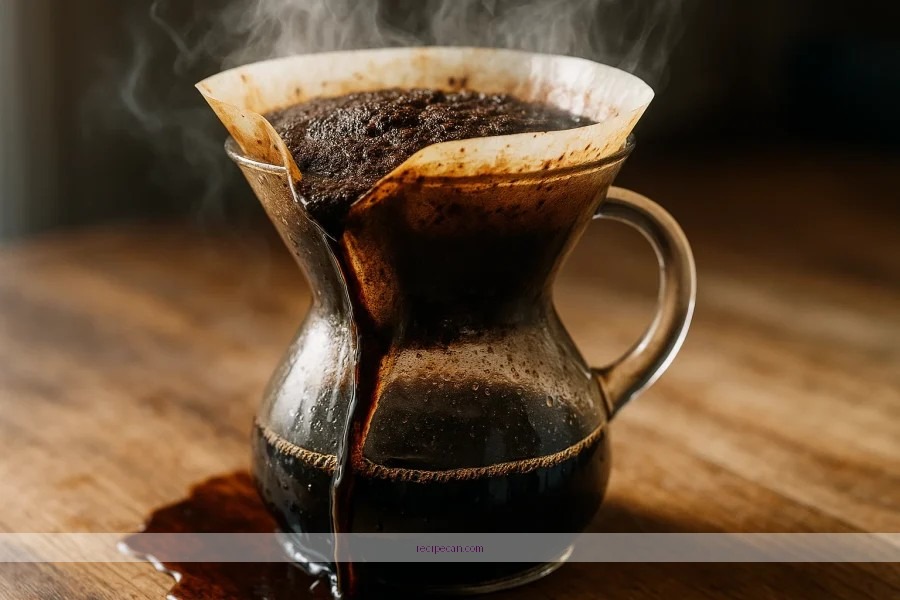
2. Brew Coffee: Use a standard drip coffee maker or a pour-over method. Combine the ground coffee with water in a 1:4 ratio, brewing for about 5-7 minutes. This timeframe allows the coffee to fully extract its flavors. If using a pour-over, ensure even saturation of the coffee grounds for a balanced brew.
3. Cool the Brew: Allow the brewed coffee to reach room temperature or refrigerate it for at least 30 minutes. Cooling the coffee prevents the ice from melting too quickly, which would dilute the coffee and alter its flavor profile.
4. Serve Over Ice: Fill a tall glass with ice cubes. Pour the cooled coffee over the ice gently to avoid splashing. Adjust sweetness or creaminess to taste by adding syrup or cream as desired. Stir well to blend all ingredients for a uniform flavor.
5. Garnish (Optional): Consider adding a sprinkle of cocoa powder, a dash of vanilla extract, or a few coffee beans as a garnish to enhance both presentation and flavor.
6. Enjoy: Sip your iced coffee slowly to appreciate the flavor nuances. Pair it with a snack or dessert for a delightful treat.
Iced Coffee Brewing Techniques Comparison
| # | Method | Brewing Time | Coffee-to-Water Ratio | Difficulty |
|---|---|---|---|---|
| 1 | Drip Coffee Maker | 5-7 minutes | 1:4 | Easy |
| 2 | Pour-Over | 3-5 minutes | 1:4 | Moderate |
| 3 | French Press | 4 minutes | 1:4 | Easy |
| 4 | Cold Brew | 12-24 hours | 1:8 | Complex |
| 5 | AeroPress | 1-2 minutes | 1:4 | Moderate |
| 6 | Siphon | 5-10 minutes | 1:4 | Complex |
| 7 | Percolator | 5-10 minutes | 1:4 | Moderate |
Warning Signs: When Not to Follow This
Individuals with caffeine sensitivity or specific health conditions should proceed with caution, as iced coffee can exacerbate symptoms like anxiety or insomnia. If you are allergic to coffee or any ingredients used in the recipe (such as dairy or specific sweeteners), do not attempt this recipe without safe substitutions. Additionally, avoid this recipe if you lack access to essential equipment, such as a coffee maker or grinder, as these tools are crucial for proper coffee preparation.
The Most Common Mistakes (And Their Consequences)
– Using Finely Ground Coffee: This can result in a bitter flavor and an overly strong brew. Stick to coarsely ground coffee for optimal taste.
– Not Allowing Coffee to Cool: Skipping this step can lead to diluted coffee, as the ice will melt quickly, compromising flavor.
– Neglecting to Adjust Sweetness/Creaminess: An unbalanced drink may fail to satisfy your taste preferences. Always taste and modify before serving.
Special Cases That Need a Different Approach
– Stronger Flavor Preference: For those who enjoy a more robust coffee, consider using a coffee-to-water ratio of 1:2 instead of 1:4, adjusting the brewing time to suit the intensity.
– Using Flavored Syrups/Creamers: Be mindful of their sweetness levels, as they can drastically alter the intended flavor profile of your iced coffee. Start with less than you think you’ll need and adjust as necessary.
– High-Temperature Environments: In hot climates, brewing double-strength coffee (1:2 ratio) can help maintain flavor integrity when combined with ice.
When You Need a Professional
If you experience adverse reactions to caffeine or coffee, such as heart palpitations, dizziness, or severe anxiety, consult a healthcare professional for guidance on your coffee consumption. If you have dietary restrictions or health concerns (like lactose intolerance or diabetes) that may complicate the use of certain ingredients, seek advice from a registered dietitian. For detailed coffee brewing inquiries, especially if you wish to explore advanced techniques or equipment, consider consulting a barista or coffee expert for personalized guidance.
Sources and Further Reading
– “The Coffee Compendium: A Comprehensive Guide to Coffee” – A resource that covers various coffee brewing methods and their nuances.
– National Coffee Association USA – Provides research and guidelines on coffee consumption and health.
– Specialty Coffee Association – A credible source for coffee standards, brewing techniques, and educational resources for coffee enthusiasts.
Frequently Asked Questions
What is the easiest way to make a basic iced coffee at home?
The easiest way to make a basic iced coffee at home involves brewing a strong cup of coffee, letting it cool, and then pouring it over ice. Start with a 1:2 coffee-to-water ratio to ensure the coffee isn’t diluted too much when added to ice. For added flavor, consider using milk or a sweetener of your choice.
How can I make iced coffee without a coffee maker?
You can make iced coffee without a coffee maker by using the cold brew method. Simply combine coarsely ground coffee with cold water in a jar or pitcher, let it steep for 12-24 hours, then strain the mixture through a coffee filter or fine mesh sieve. Serve the cold brew over ice for a smooth and refreshing drink.
Why does my iced coffee taste watered down?
Iced coffee often tastes watered down because melting ice cubes dilute the coffee. To prevent this, use coffee ice cubes made by freezing leftover coffee in an ice tray, or brew your coffee stronger than usual. This way, as the ice melts, it maintains the coffee’s flavor without compromising its strength.
What is the best coffee to use for iced coffee?
The best coffee for iced coffee is a medium to dark roast, which tends to have a bolder flavor that holds up well against ice and dilution. Look for beans with chocolatey or nutty notes, as they complement the ice and any milk or sweeteners you might add. Freshly ground coffee will also enhance the taste significantly.
Which milk alternatives are best for iced coffee?
The best milk alternatives for iced coffee include almond milk, oat milk, and coconut milk, each bringing unique flavors and creaminess. Oat milk is particularly popular due to its smooth texture and ability to froth, while almond milk offers a lighter option. Choose unsweetened varieties to control the sweetness of your iced coffee.
References
- Iced coffee
https://en.wikipedia.org/wiki/Iced_coffee - Iced coffee recipe | Good Food
https://www.bbcgoodfood.com/recipes/iced-coffee - https://www.nytimes.com/2020/07/01/well/eat/iced-coffee-recipe.html
https://www.nytimes.com/2020/07/01/well/eat/iced-coffee-recipe.html - https://www.sciencedirect.com/topics/food-science/iced-coffee
https://www.sciencedirect.com/topics/food-science/iced-coffee - https://pubmed.ncbi.nlm.nih.gov/29358816/
https://pubmed.ncbi.nlm.nih.gov/29358816/ - https://www.healthline.com/nutrition/iced-coffee
https://www.healthline.com/nutrition/iced-coffee - Coffee | Origin, Types, Uses, History, & Facts | Britannica
https://www.britannica.com/topic/coffee - Google Scholar Google Scholar
https://scholar.google.com/scholar?q=iced+coffee+recipe - Google Scholar Google Scholar
https://scholar.google.com/scholar?q=how+to+make+iced+coffee - Google Scholar Google Scholar
https://scholar.google.com/scholar?q=coffee+brewing+methods