Learn how to safely can pepper jelly with this complete expert guide, designed for home preservers seeking to master this flavorful condiment. This guide covers essential techniques, safety protocols, and precise recipes to ensure your pepper jelly is both delicious and safe for long-term storage. Following proper canning procedures is critical to avoid spoilage and ensure food safety, making this knowledge indispensable for any serious canner.
What This Guide Covers (And What It Doesn’t)
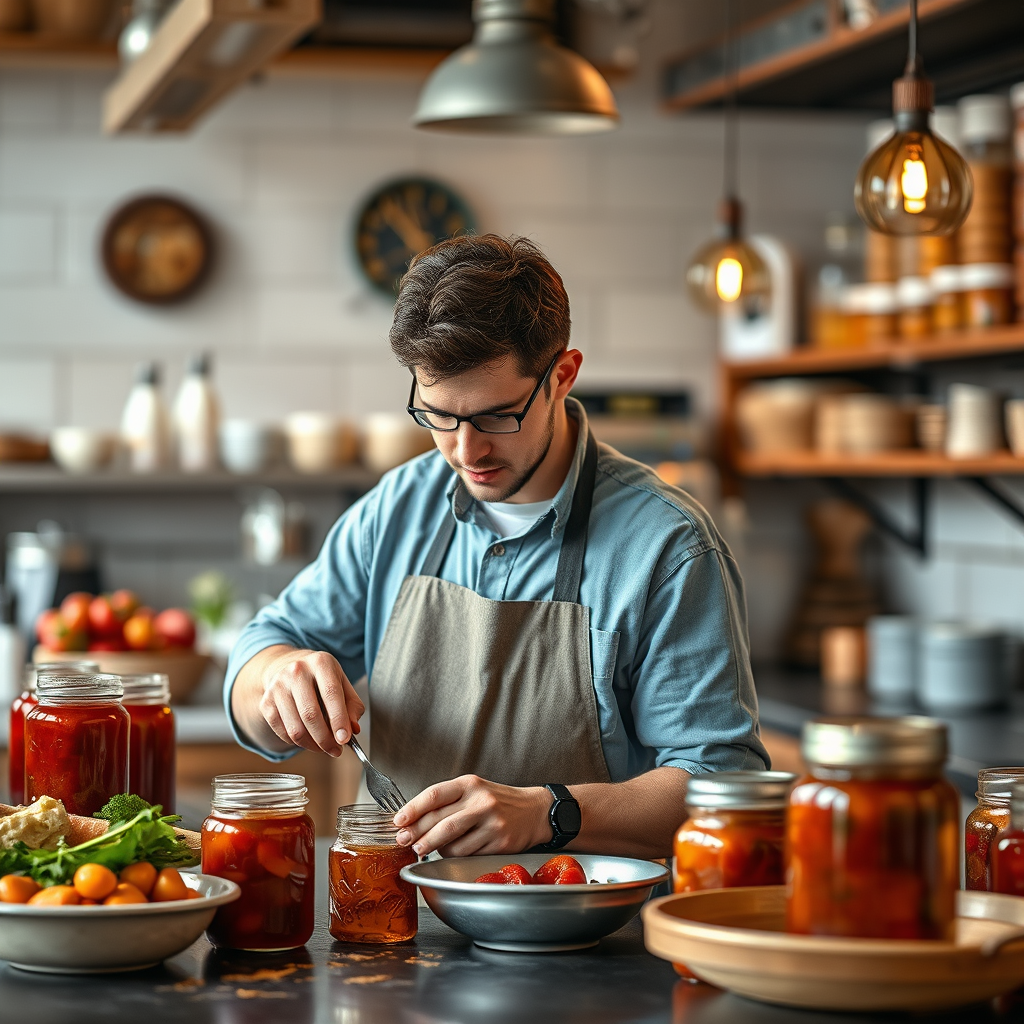
This guide offers an in-depth look at the processes involved in safely canning pepper jelly, from ingredient selection to preparation and storage methods. Emphasizing tested recipes that adhere to USDA canning guidelines, it ensures both safety and quality in preserving your pepper jelly. However, this guide does not address alternative preservation methods like freezing or refrigeration, nor does it include recipes for non-jelly pepper products.
Who Should Read This
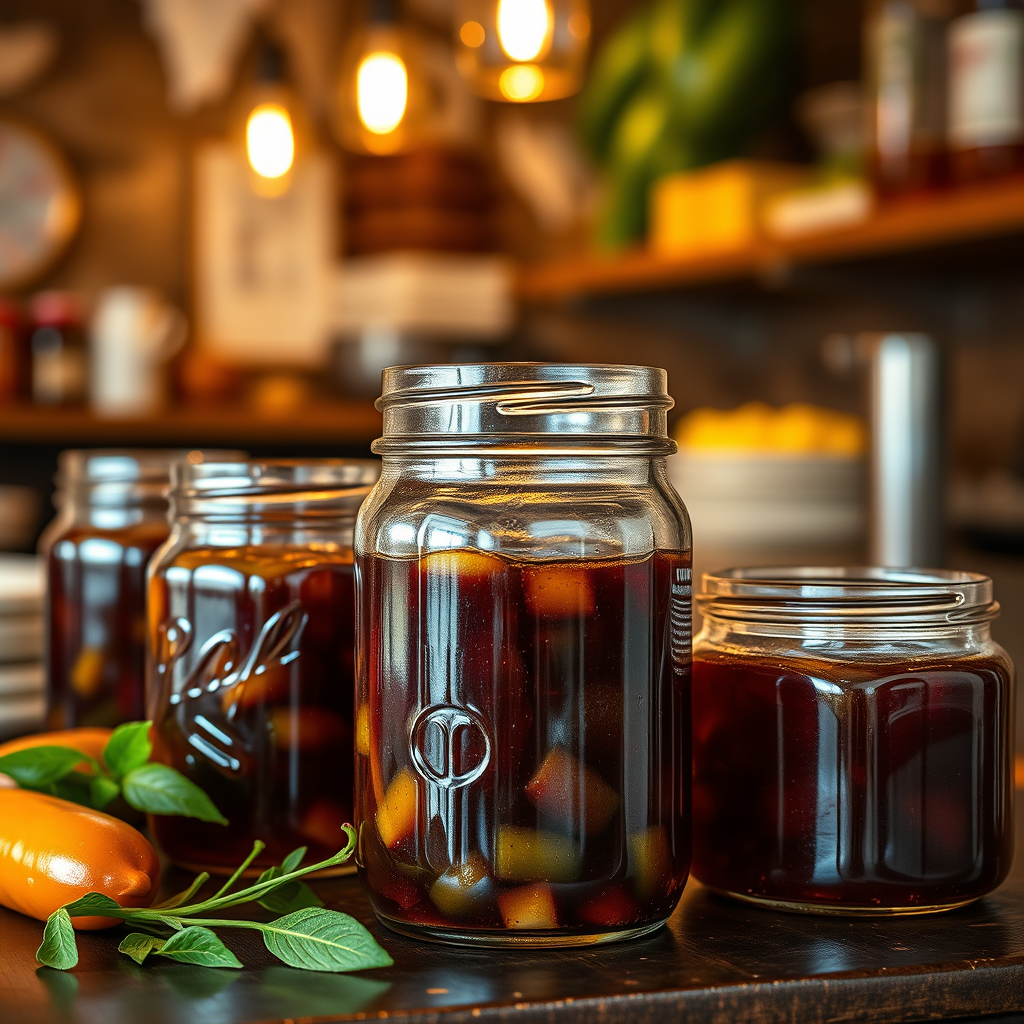
Designed for home canners with a fundamental understanding of food preservation, this guide aims to enhance skills specifically related to making pepper jelly. Readers should possess canning equipment—such as water bath canners, jars, and lids—and be familiar with food safety practices. This guide is not appropriate for those new to canning techniques or those seeking quick, non-canning methods to preserve peppers.
The Step-by-Step Protocol
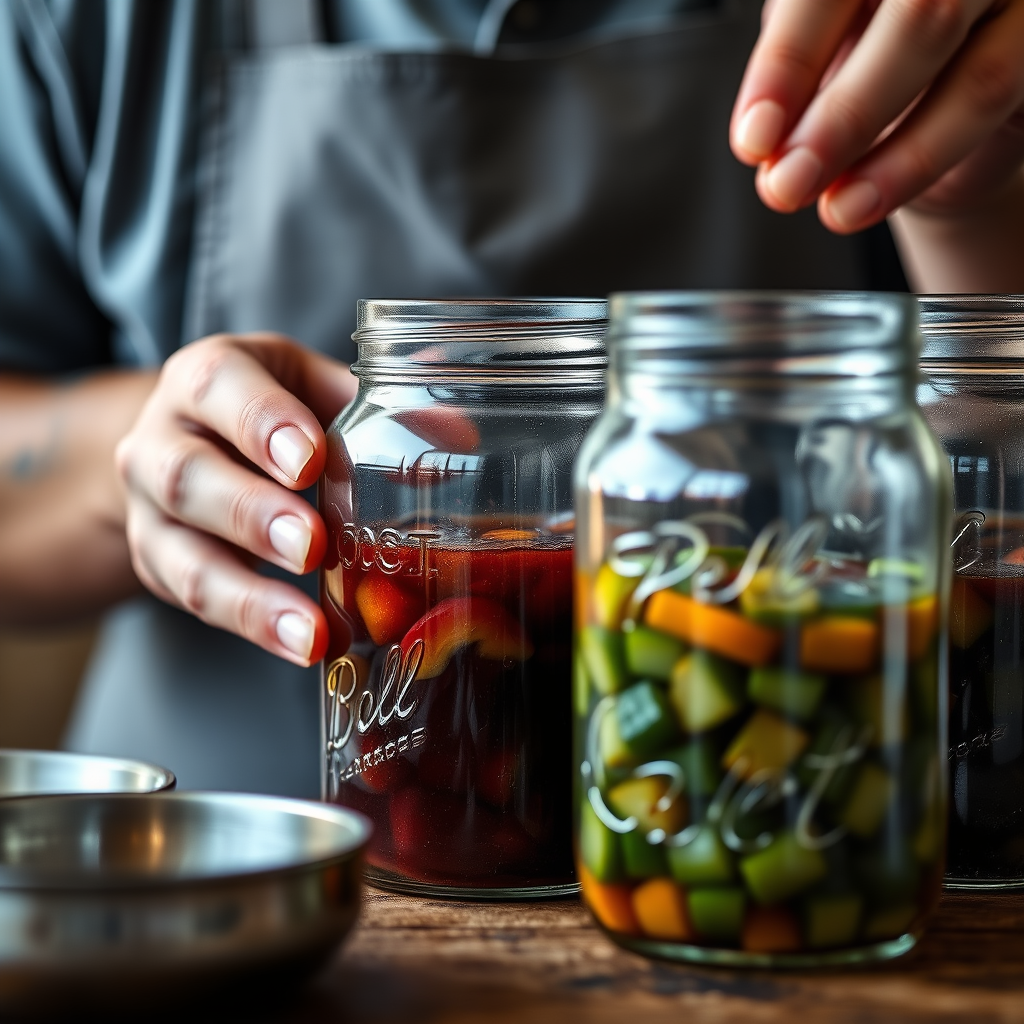
1. Gather Ingredients: You will need 4 cups of finely chopped bell peppers (any color), 1 cup of finely chopped jalapeño peppers (adjust based on desired heat), 1 1/2 cups of apple cider vinegar, 5 cups of granulated sugar, and 1 package (1.75 oz) of fruit pectin.
2. Prepare Your Jars: Sterilize 8 half-pint canning jars in boiling water for 10 minutes, then keep them in the hot water until ready for use to prevent breakage.
3. Cook the Mixture: In a large pot, combine the chopped peppers and vinegar, then bring to a boil over medium heat. Stir in the sugar and pectin, returning to a rolling boil for exactly 1 minute, stirring constantly.
4. Fill the Jars: Remove the jars from the hot water, ladle the hot pepper jelly into each jar, leaving 1/4-inch headspace. Wipe the rims to ensure a proper seal, then apply the sterilized lids and screw on the bands until fingertip tight.
5. Process the Jars: Place the filled jars back into the boiling water bath, ensuring they are covered by at least 1 inch of water. Process for 5 to 10 minutes, depending on your altitude (5 minutes at sea level, increasing by 1 minute for every 1,000 feet above sea level).
6. Cool and Store: After processing, remove the jars and place them on a clean towel or cooling rack. Allow them to cool for 12 to 24 hours without disturbance. Once cooled, check that each jar has sealed properly (the lid should not flex when pressed). Store sealed jars in a cool, dark place.
Top 7 Ingredients for Canning Pepper Jelly (2024)
| # | Ingredient | Quantity | Acidity Level | Pectin Content |
|---|---|---|---|---|
| 1 | Bell Peppers | 4 cups | Low | 0% |
| 2 | Jalapeño Peppers | 1 cup | Medium | 0% |
| 3 | Apple Cider Vinegar | 1.5 cups | High | 0% |
| 4 | Granulated Sugar | 5 cups | N/A | 0% |
| 5 | Fruit Pectin | 1 package (1.75 oz) | N/A | High |
| 6 | Water | As needed | N/A | 0% |
| 7 | Salt (optional) | To taste | N/A | 0% |
Warning Signs: When Not to Follow This

Do not proceed with canning pepper jelly if you observe any spoilage signs in your ingredients, such as mold, off smells, or discoloration; these can compromise the safety of the final product. Avoid canning in a contaminated kitchen or without proper sterilization equipment, as this increases the risk of bacterial growth. If jars fail to seal during the cooling period (typically 12-24 hours), discard the jelly, as this indicates potential spoilage.
The Most Common Mistakes (And Their Consequences)
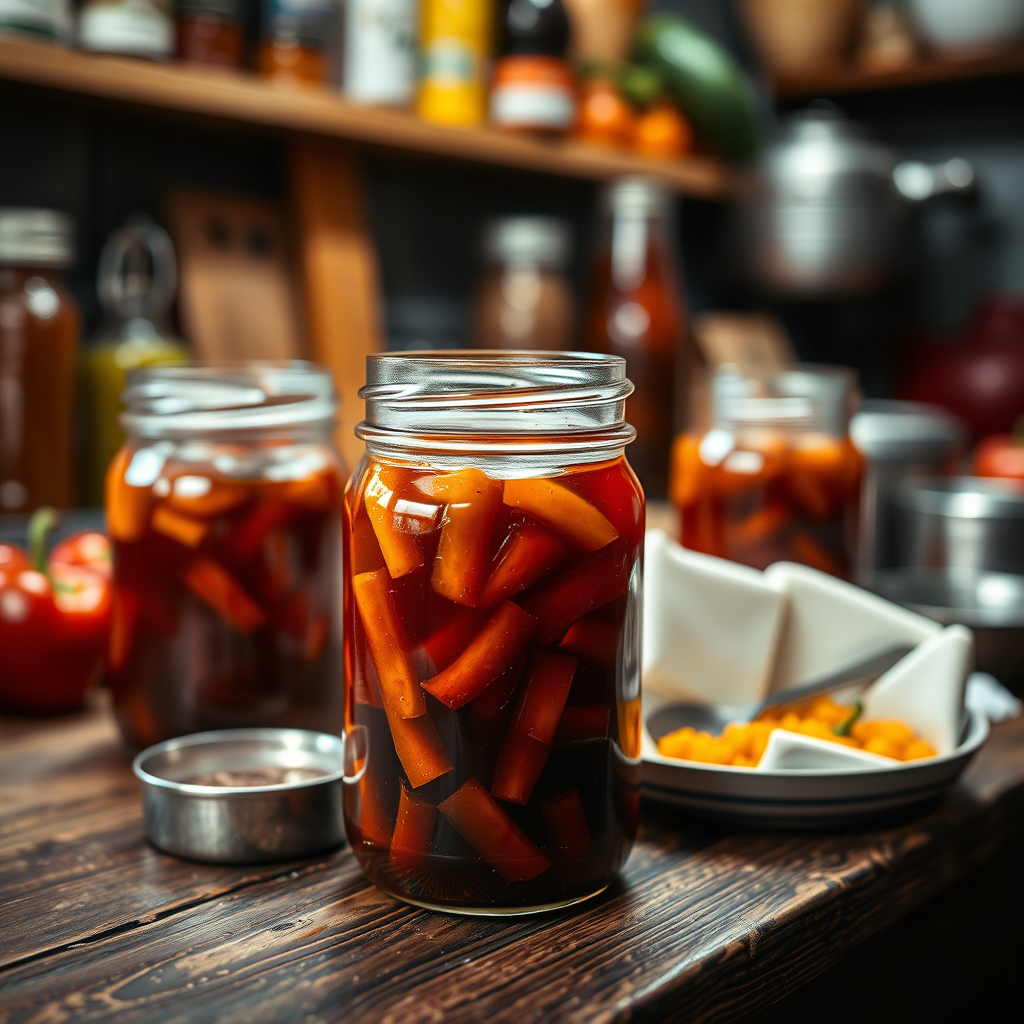
– Skipping the sterilization of jars: This oversight can lead to microbial contamination, resulting in spoilage or foodborne illness. Always ensure your jars are properly sterilized before use.
– Incorrect measurements of sugar or vinegar: These ingredients are critical for maintaining the correct pH level necessary for safe canning. Deviating from the specified amounts can jeopardize safety—follow the recipe precisely.
– Failing to process jars in a boiling water bath: Omitting or reducing the recommended processing time can result in improperly sealed jars, leading to spoilage over time. Always adhere to the specified processing time based on your altitude.
Special Cases That Need a Different Approach
– Using low-acid peppers or adding additional ingredients: If incorporating low-acid peppers or fruits, adjust the acidity by adding extra vinegar or using a tested recipe designed for these variations.
– High altitude canning: For those living at elevations above 1,000 feet, it’s essential to adjust processing times according to USDA guidelines. Generally, increase processing time by 1 minute for each additional 1,000 feet of elevation.
– Ingredient allergies: If you have allergies to specific ingredients like pectin or certain peppers, consider using alternative gelling agents or modifying the recipe while ensuring the final product remains safe for canning.
When You Need a Professional
If you have concerns about the safety of your canned goods due to a failed seal or an unusual appearance, consult a food preservation expert or your local extension service for guidance. Additionally, if you wish to experiment with recipes that diverge from proven methods, seeking professional advice is wise to avoid health risks associated with improper canning. Should you experience any adverse reactions after consuming home-canned goods, such as gastrointestinal distress, contact a healthcare professional immediately.
Sources and Further Reading
– USDA Complete Guide to Home Canning – This resource offers in-depth information on safe canning practices and tested recipes.
– National Center for Home Food Preservation – A trusted source for guidelines on food preservation methods, including canning techniques and recipes.
– Ball Canning and Preserving Book – A comprehensive guide that includes various canning recipes, safety tips, and troubleshooting advice specific to fruits and jellies.
By following this guide, you will be well-equipped to create delicious and safe pepper jelly that can be enjoyed throughout the year. Happy canning!
Frequently Asked Questions
What ingredients do I need for a basic pepper jelly recipe for canning?
To make a basic pepper jelly for canning, you’ll need fresh peppers (such as bell peppers or jalapeños), sugar, vinegar, pectin, and water. It’s essential to choose ripe, flavorful peppers to achieve the best taste in your jelly. Ensure all ingredients are measured accurately for proper gel consistency during the canning process.
How do I safely can pepper jelly at home?
To safely can pepper jelly at home, start by sterilizing your canning jars and lids in boiling water. Cook the pepper jelly mixture until it reaches the desired temperature, then pour it into the prepared jars, leaving appropriate headspace. Finally, process the jars in a boiling water bath for the recommended time to ensure a safe seal and prevent spoilage.
Why did my pepper jelly not set properly after canning?
If your pepper jelly did not set properly, it could be due to an insufficient amount of pectin or not cooking the mixture long enough to activate the pectin. Additionally, using overly juicy peppers or not following the right ratios of sugar to vinegar can affect the gel consistency. Always follow a tested recipe and check the pH level to ensure a successful set.
What is the best type of peppers to use for making pepper jelly?
The best types of peppers for making pepper jelly depend on your taste preference. For a milder jelly, sweet bell peppers work well, while jalapeños or habaneros can add a spicy kick. Mixing different types of peppers can also create a unique flavor profile, so feel free to experiment to find your ideal combination.
Which methods can I use to enhance the flavor of my pepper jelly?
To enhance the flavor of your pepper jelly, consider adding herbs like cilantro or basil, or spices such as garlic or onion powder during cooking. You can also incorporate fruit juices or zest, like lime or orange, for a citrusy twist. Experimenting with different flavor additions can elevate your pepper jelly and make it a standout condiment.
References
- Jelly
https://en.wikipedia.org/wiki/Jelly - https://extension.psu.edu/pepper-jelly-recipe
https://extension.psu.edu/pepper-jelly-recipe - https://nchfp.uga.edu/how/can_06/pepper_jelly.html
https://nchfp.uga.edu/how/can_06/pepper_jelly.html - https://www.uga.edu/
https://www.uga.edu/ - Google Scholar Google Scholar
https://scholar.google.com/scholar?q=pepper+jelly+canning - https://www.foodsafety.gov/food-safety-charts/canning-home
https://www.foodsafety.gov/food-safety-charts/canning-home - Google Scholar Google Scholar
https://scholar.google.com/scholar?q=pepper+jelly+recipe - https://pubmed.ncbi.nlm.nih.gov/
https://pubmed.ncbi.nlm.nih.gov/ - https://www.nutrition.gov/topics/food-safety/canning
https://www.nutrition.gov/topics/food-safety/canning - https://extension.wsu.edu/pierce/2020/09/pepper-jelly-recipe/
https://extension.wsu.edu/pierce/2020/09/pepper-jelly-recipe/