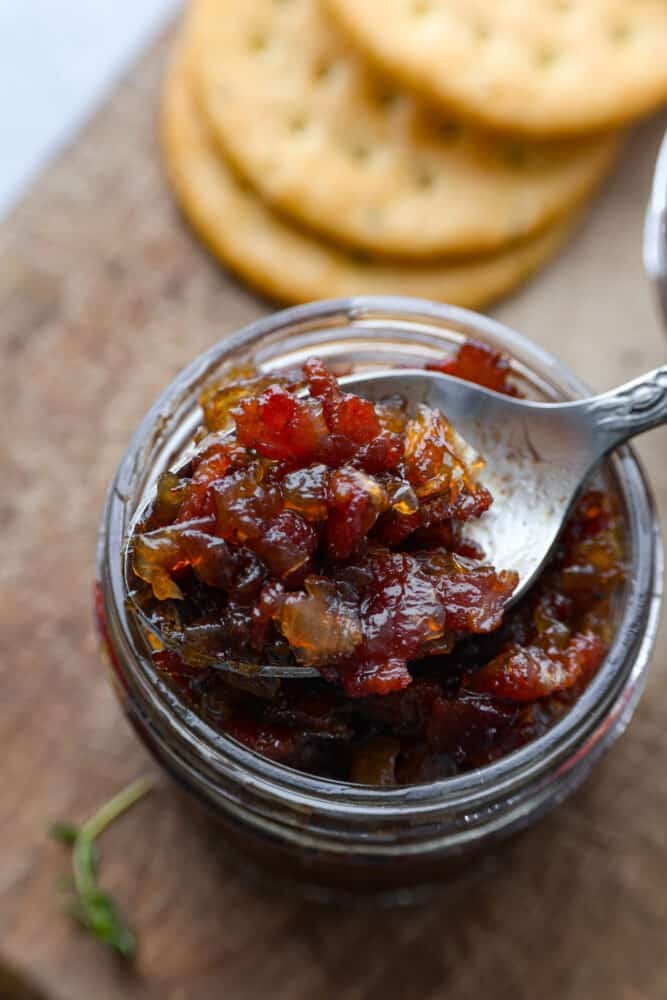
The best bacon jam recipe combines savory flavors and a sweet finish, making it a perfect gourmet spread for any occasion. This expert guide provides precise, step-by-step instructions to create this delicious treat safely, ensuring you achieve the ideal balance of taste and texture. Following these guidelines is crucial for food safety and maximizing flavor, allowing you to impress friends and family with your culinary prowess.
What This Guide Covers (And What It Doesn’t)
This guide offers a thorough and safe method for crafting bacon jam, outlining the necessary ingredients, cooking techniques, and storage tips to optimize both flavor and safety. You will find best practices for selecting ingredients—including types of bacon, sweeteners, and spices—to create a well-balanced and delectable bacon jam. However, this guide does not delve into unconventional variations or complex culinary techniques that may be unsuitable for home cooks. It is specifically tailored for those seeking a reliable recipe rather than professional chefs in search of gourmet methods.
Who Should Read This
This guide is designed for home cooks who possess basic culinary skills, such as chopping, sautéing, and canning, and are eager to expand their repertoire with a unique condiment. Readers should have a general understanding of kitchen safety and food preservation techniques, as the recipe involves cooking meat and creating a shelf-stable product. It’s not appropriate for individuals with dietary restrictions that preclude the consumption of pork or sugar, nor for those lacking access to essential kitchen equipment like a stovetop or jars for storage. If you are new to cooking or do not have the necessary kitchen tools, this guide may not fulfill your needs, as it assumes a degree of familiarity with standard cooking practices.
The Step-by-Step Protocol
1. Gather Your Ingredients:
– 1 pound of high-quality bacon, diced into small pieces.
– 1 medium onion, finely chopped, and 2 cloves of garlic, minced for depth of flavor.
– 1 cup of brown sugar, 1/2 cup of apple cider vinegar, and 1 tablespoon of maple syrup for sweetness and acidity.
2. Cook the Bacon:
– In a large skillet, cook the diced bacon over medium heat until crispy, about 8-10 minutes. Drain excess fat, leaving about 2 tablespoons in the pan.
3. Sauté Aromatics:
– Add the chopped onion to the skillet with the remaining bacon fat and cook until translucent, about 5 minutes. Add the minced garlic and cook for another 1-2 minutes until fragrant.
4. Combine and Simmer:
– Add the cooked bacon back to the skillet, along with the brown sugar, apple cider vinegar, and maple syrup. Stir well and bring to a simmer, cooking for 20-25 minutes until the mixture thickens and becomes jam-like.
5. Blend for Texture (Optional):
– If you prefer a smoother jam, transfer the mixture to a blender or food processor and pulse until the desired consistency is reached.
6. Cool and Store:
– Allow the bacon jam to cool completely before transferring it to sterilized jars. Store in the refrigerator for up to 2 weeks or process in a water bath canner for longer shelf life.
7. Serve and Enjoy:
– Use your bacon jam as a condiment on sandwiches, burgers, or as a topping for cheeses and crackers.
Top 7 Bacon Jam Variants by Flavor Profile (2024)
| # | Flavor Profile | Bacon Type | Sweetness Level | Spice Level |
|---|---|---|---|---|
| 1 | Classic Maple | Smoked Bacon | High | Low |
| 2 | Spicy Jalapeño | Peppered Bacon | Medium | High |
| 3 | Hickory Bourbon | Applewood Bacon | Low | Medium |
| 4 | Apple Cinnamon | Crispy Bacon | High | Low |
| 5 | Cranberry Chipotle | Smoked Bacon | Medium | High |
| 6 | Peach Habanero | Peppered Bacon | Low | Very High |
| 7 | Maple Mustard | Crispy Bacon | Medium | Low |
Warning Signs: When Not to Follow This
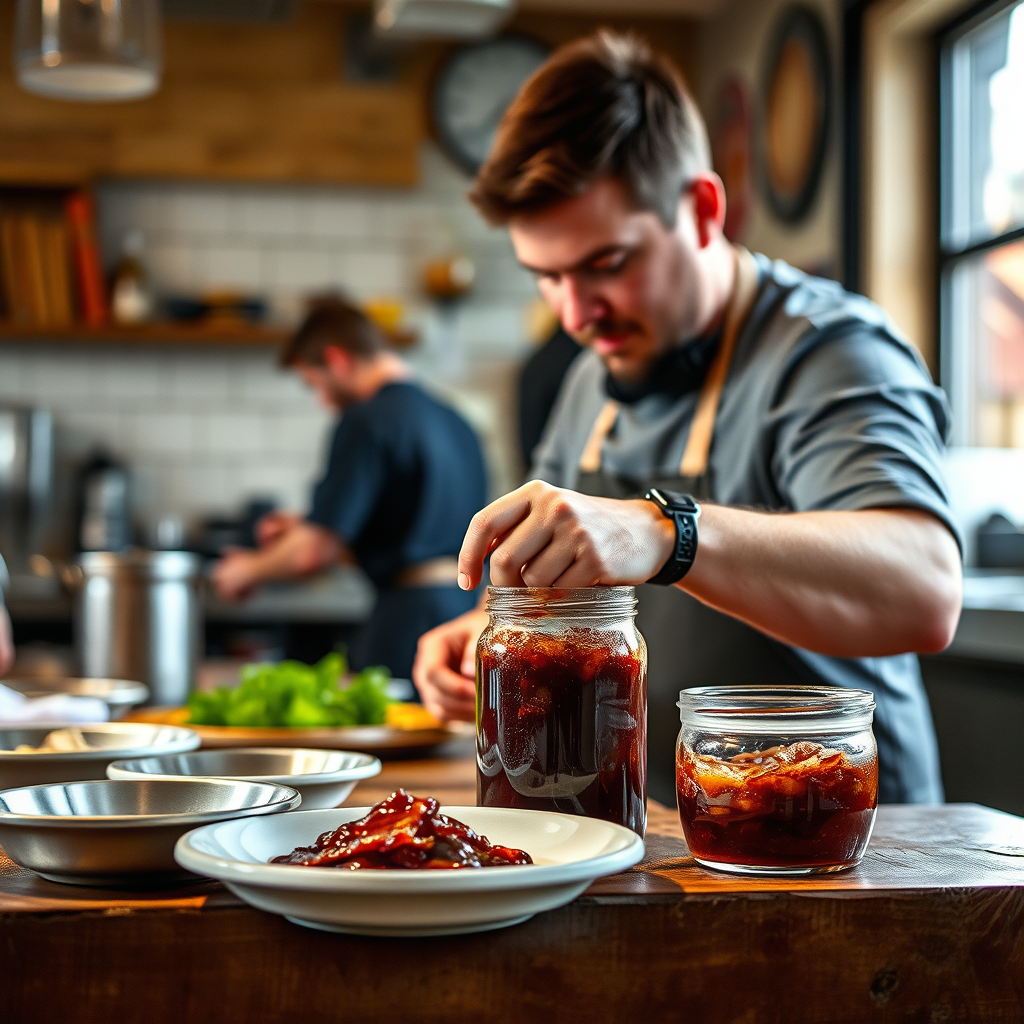
– If the bacon has an off smell or has surpassed its expiration date, do not proceed; consuming spoiled bacon can lead to foodborne illness.
– Avoid making bacon jam if you lack proper storage containers, as inadequate storage can result in spoilage.
– If you are allergic to any of the ingredients (such as pork or sugar), do not attempt this recipe without making substitutions that maintain safety.
– If you do not possess basic kitchen equipment (e.g., a stovetop or heat-safe jars), this recipe may not be practical for you.
The Most Common Mistakes (And Their Consequences)
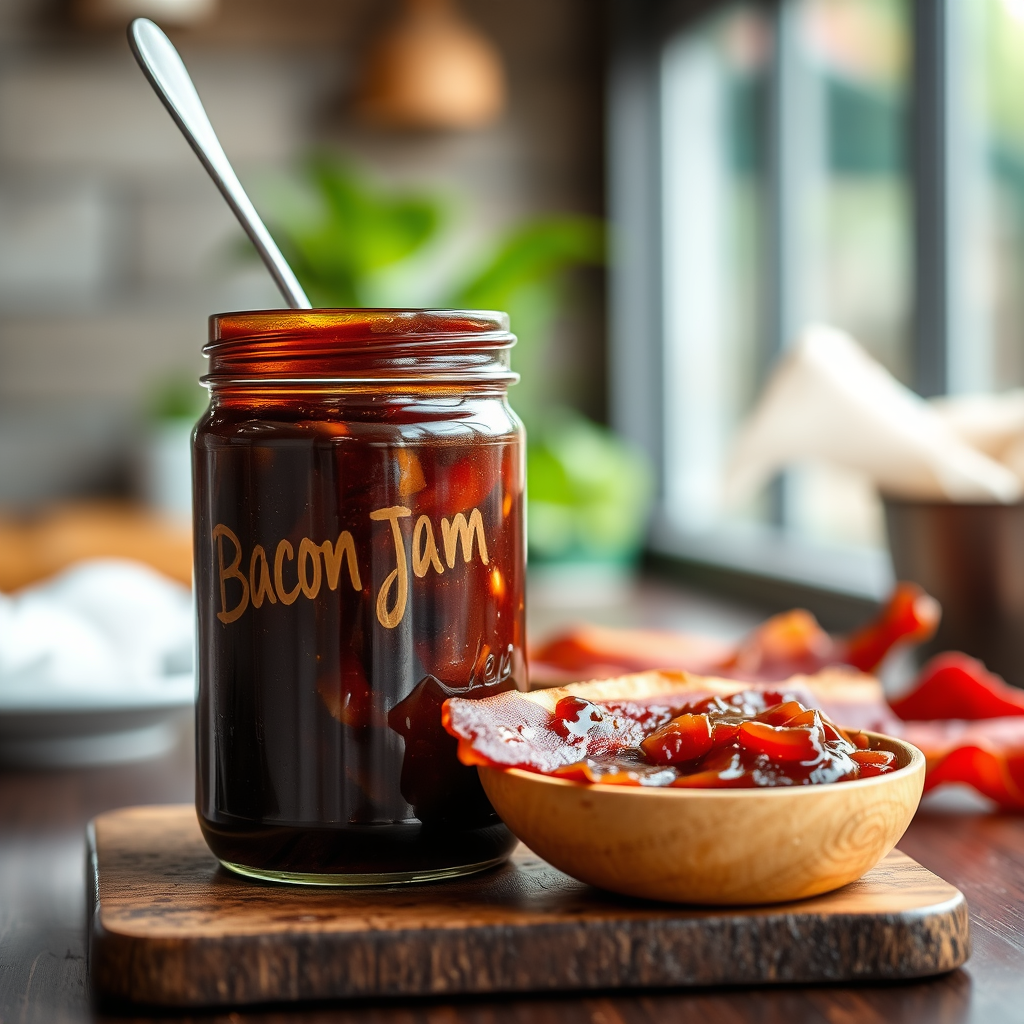
– Not Cooking the Bacon Enough: Undercooked bacon can result in a greasy texture and potential food safety issues, so ensure it is fully crispy before proceeding.
– Skipping the Simmer: Failing to simmer long enough can yield a runny consistency, resulting in a product that does not adhere well to bread or crackers.
– Using Low-Quality Ingredients: Poor-quality bacon or vinegar can significantly compromise the flavor, leading to an unbalanced or unpleasant jam.
– Improper Storage: Neglecting to use sterilized jars or failing to refrigerate the jam after cooling can lead to rapid spoilage, making the jam unsafe to consume.
Special Cases That Need a Different Approach

– If you prefer a vegetarian version, consider using tempeh or mushrooms as substitutes for bacon, adjusting cooking times accordingly.
– For those desiring a spicier jam, add red pepper flakes or jalapeños during the sautéing step, but monitor the heat level to avoid overpowering the flavor.
– If you aim to make a larger batch for gifting, ensure you adjust the cooking times and jar sterilization procedures to accommodate increased quantities.
– For individuals with diabetes or sugar sensitivity, consider using sugar alternatives, but be aware that this may affect the jam’s texture and flavor profile.
When You Need a Professional
– If you have questions about food safety and preservation, particularly regarding canning bacon jam for long-term storage, consult a certified food preservation expert.
– Engage with a food scientist or nutritionist if you are considering multiple substitutions due to dietary restrictions to ensure that the final product remains safe and palatable.
– If you are uncertain about your ability to manage kitchen safety practices, such as properly cooking meat or handling hot jars, seek guidance from a culinary professional.
– If you are handling large quantities for commercial purposes, local health regulations may require you to consult a licensed food safety expert to comply with food safety standards.
Sources and Further Reading
– “The Science of Cooking” by Peter Barham — delves into the chemistry behind cooking and safety in food preparation.
– USDA guidelines on preserving meat products — offers safety standards for home canning and food preservation.
– The National Center for Home Food Preservation — provides resources and research-based recommendations for safe food handling and preservation techniques.
– “Bacon: A Love Story” by Annie G. Smith — explores various bacon recipes and preservation methods, perfect for bacon enthusiasts.
Frequently Asked Questions
What ingredients do I need for the best bacon jam recipe?
To create the best bacon jam, you will need thick-cut bacon, onions, brown sugar, maple syrup, apple cider vinegar, and a dash of black pepper. These ingredients combine to create a rich, savory, and slightly sweet flavor profile that elevates any dish.
How do I make bacon jam from scratch?
To make bacon jam from scratch, start by cooking the bacon until crispy, then remove it and sauté onions in the rendered fat until caramelized. Add the remaining ingredients—brown sugar, maple syrup, vinegar, and pepper—and simmer until the mixture thickens. Blend to your desired consistency, and enjoy your homemade bacon jam!
Why is my bacon jam too greasy, and how can I fix it?
If your bacon jam is too greasy, it may be due to using fatty bacon or not draining excess fat properly. To fix this, ensure you cook the bacon crispy and drain it well before adding it to the jam mixture. You can also skim off any excess grease during the cooking process for a smoother texture.
What are some creative uses for bacon jam?
Bacon jam is incredibly versatile and can be used as a spread on toast, a topping for burgers, or an accompaniment to cheese boards. It also pairs well with eggs, sandwiches, and even as a unique addition to savory pastries, making it a delicious enhancement to many meals.
Which type of bacon is best for making bacon jam?
The best type of bacon for making bacon jam is thick-cut bacon, as it provides a meatier texture and richer flavor. Look for high-quality, smoked bacon for added depth and a deliciously savory profile, ensuring your bacon jam stands out in taste and consistency.
References
- Bacon jam
https://en.wikipedia.org/wiki/Bacon_jam - https://www.ncbi.nlm.nih.gov/pmc/articles/PMC6833725/
https://www.ncbi.nlm.nih.gov/pmc/articles/PMC6833725/ - https://www.bbc.com/food/recipes/bacon_jam_73924
https://www.bbc.com/food/recipes/bacon_jam_73924 - https://www.sciencedirect.com/topics/agricultural-and-biological-sciences/bacon-jam
https://www.sciencedirect.com/topics/agricultural-and-biological-sciences/bacon-jam - https://www.theguardian.com/food/2021/may/20/how-to-make-bacon-jam-recipe
https://www.theguardian.com/food/2021/may/20/how-to-make-bacon-jam-recipe - https://www.nytimes.com/2015/06/17/dining/bacon-jam-recipe.html
https://www.nytimes.com/2015/06/17/dining/bacon-jam-recipe.html - Google Scholar Google Scholar
https://scholar.google.com/scholar?q=bacon+jam+recipe - Google Scholar Google Scholar
https://scholar.google.com/scholar?q=best+bacon+jam+recipe - Google Scholar Google Scholar
https://scholar.google.com/scholar?q=making+bacon+jam - https://www.britannica.com/topic/bacon-jam
https://www.britannica.com/topic/bacon-jam