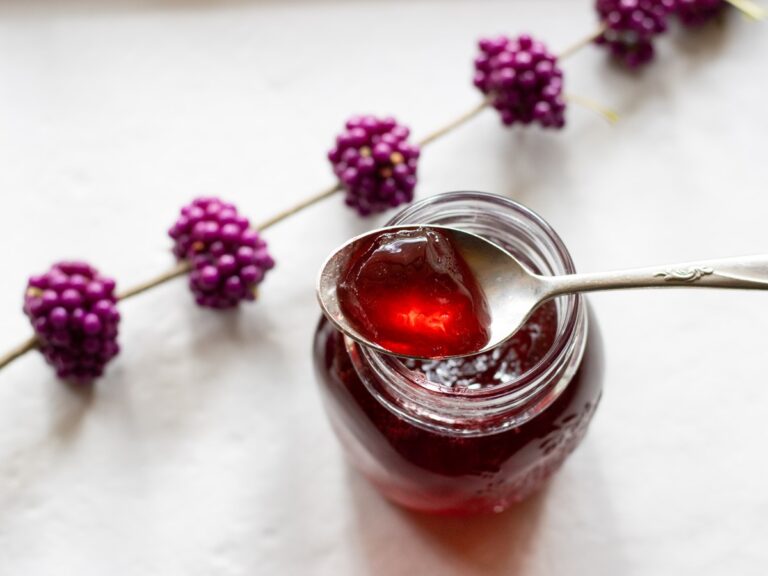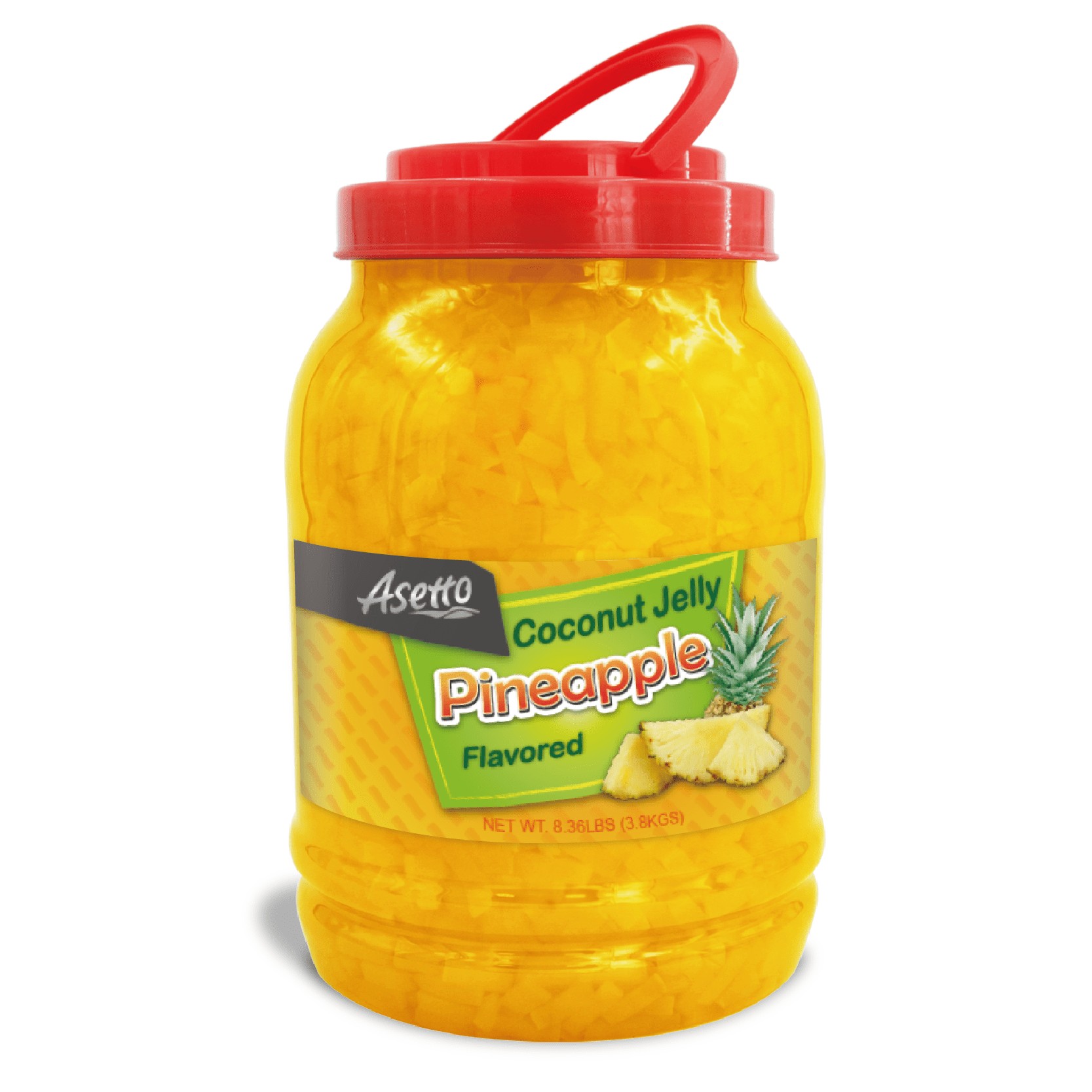
This complete expert guide to making pineapple jelly with pectin is designed for home canners seeking to master this delicious preserve. It covers precise techniques, ingredient ratios, and essential tips to ensure your jelly sets perfectly every time. Following the right protocol not only enhances flavor but also guarantees safety and quality in your homemade treats.
What This Guide Covers (And What It Doesn’t)

This comprehensive guide presents a detailed recipe for crafting pineapple jelly using pectin. It emphasizes precise measurements, cooking times, and techniques essential for achieving the ideal consistency and flavor. From ingredient preparation to the canning process, every aspect is covered thoroughly. However, alternative jelly-making methods that do not involve pectin or other types of fruit jellies unrelated to pineapple are outside the scope of this guide. The information is specifically designed for home cooks who may not have extensive experience with pineapple jelly but possess a basic understanding of canning and preserving. If you’re looking for non-jelly recipes or insights into commercial jelly production, you will not find relevant information here.
Who Should Read This

This guide is perfect for home canners and jam enthusiasts eager to diversify their preserves collection with the addition of pineapple jelly. It caters to individuals who are familiar with basic canning techniques yet seek detailed guidance on specific pectin-based jelly recipes. Those who enjoy tropical flavors and wish to learn how to create a distinctive jelly for sandwiches, desserts, or toppings will find this guide particularly helpful. Readers seeking precise, actionable advice on measuring, cooking, and canning—rather than general cooking tips or broader food preservation techniques—will benefit most from this content.
The Step-by-Step Protocol
1. Gather Ingredients: Assemble the following ingredients: 4 cups of fresh pineapple juice, 1 package (1.75 oz) of pectin (such as Sure-Jell), 5 cups of granulated sugar, and 1/4 cup of lemon juice. Ensure all ingredients are fresh and of high quality to achieve optimal flavor and consistency.
2. Prepare Pineapple Juice: If using fresh pineapple, cut ripe pineapple into chunks and blend until smooth. Strain the mixture through a fine mesh sieve or cheesecloth to obtain 4 cups of clear juice. Accurate measurement is crucial, as excess pulp can interfere with the gelling process.
3. Mix Ingredients: In a large, heavy-bottomed pot, combine the pineapple juice, lemon juice, and pectin. Stir the mixture thoroughly to ensure even distribution of the pectin. Heat the mixture over medium-high heat, stirring constantly until it reaches a full boil.
4. Add Sugar: Once the mixture reaches a vigorous boil, quickly add all 5 cups of granulated sugar at once. Stir continuously until the sugar is completely dissolved. Allow the mixture to return to a full rolling boil, maintaining it for exactly 1 minute to ensure the jelly reaches the correct gelling temperature.
5. Jar and Process: Carefully ladle the hot jelly into sterilized jars, leaving a 1/4-inch headspace at the top of each jar. Wipe the rims with a clean cloth to remove any residue before sealing with lids. Process the jars in a boiling water bath for 5-10 minutes, adjusting for altitude as necessary. Refer to local canning guidelines for precise processing times based on your elevation.
Pineapple Jelly Nutrition Information (per tablespoon)
| # | Nutrient | Amount | % Daily Value |
|---|---|---|---|
| 1 | Calories | 50 | 2% |
| 2 | Total Fat | 0g | 0% |
| 3 | Sodium | 5mg | 0% |
| 4 | Total Carbohydrates | 13g | 4% |
| 5 | Sugars | 12g | N/A |
| 6 | Protein | 0g | 0% |
| 7 | Vitamin C | 0mg | 0% |
Warning Signs: When Not to Follow This

Specific conditions should deter you from attempting this recipe. If you have allergies to any of the ingredients, particularly pineapple or pectin, do not proceed, as these can trigger serious health issues. Additionally, avoid making this jelly if your kitchen lacks the proper environment for sterilizing jars and utensils, which is crucial in preventing foodborne illnesses. Ensure your pectin is not expired or improperly stored, as this could hinder the jelly from setting correctly. Lastly, if you cannot properly process the jars, refrain from making this jelly, as safe preservation is paramount.
The Most Common Mistakes (And Their Consequences)

Several common errors can lead to disappointing results when making pineapple jelly. For instance, using too much or too little pectin can result in jelly that is either too runny or too firm; adhering strictly to the specified amount in the recipe is essential. Not boiling the mixture long enough after adding sugar can prevent proper gelling, leading to a syrupy consistency instead of a firm jelly. Failing to adequately sterilize jars can introduce bacteria, risking spoilage and unsafe jelly that may cause food poisoning. Ignoring headspace guidelines when filling jars can lead to overflow during processing, compromising the seal and safety of the jelly.
Special Cases That Need a Different Approach
Certain scenarios necessitate a modified approach when making pineapple jelly. If using frozen pineapple juice, ensure it is completely thawed and measured accurately, as variations in water content can affect the gelling process. For those who prefer a less sweet jelly, reducing the sugar to 4 cups may be an option, but be sure to adjust the cooking time accordingly to ensure the jelly still sets properly. If you intend to incorporate additional flavors, such as ginger or coconut, experiment in small batches first, as these can alter the acidity and gelling properties of the jelly. Individuals living at high altitudes should adjust the processing time to account for lower boiling temperatures; consult altitude-specific canning guidelines for accurate information.
When You Need a Professional
There are situations in which consulting a professional becomes essential. If you notice any signs of spoilage in your jelly—such as mold or off smells—discard the product immediately and seek advice from a food safety expert. If you’re uncertain about the canning process or have questions regarding food safety regulations in your area, guidance from a certified food preservation expert is invaluable. When experimenting with substitutions or alterations to the recipe, professional consultation can help avert mishaps that could jeopardize food safety. Lastly, if you have underlying health conditions that could be affected by homemade preserves, consider consulting a healthcare provider for personalized advice.
Sources and Further Reading
For additional information and resources on canning and food preservation, visit the National Center for Home Food Preservation (nchfp.uga.edu) for official canning guidelines and safety protocols. Pectin manufacturers’ guidelines, such as those provided by Sure-Jell, offer specific insights into pectin usage, including measurements and cooking times. “The Complete Book of Home Preserving” serves as an excellent resource for in-depth techniques on various canning methods and fruit preservation. Lastly, local university extension services often provide workshops and resources tailored to regional fruit varieties and preservation practices.
Frequently Asked Questions
What ingredients do I need for a pineapple jelly recipe using pectin?
To make pineapple jelly using pectin, you will need fresh or canned pineapple juice, granulated sugar, pectin (like Sure-Jell or Certo), and lemon juice. The combination of these ingredients helps achieve the perfect jelly consistency while maintaining the vibrant pineapple flavor.
How do I properly prepare pineapple for jelly before adding pectin?
To prepare pineapple for jelly, start by peeling and coring a fresh pineapple, then chop it into small pieces. If using canned pineapple, drain the juice and measure it accurately. For a smoother jelly, you can puree the pineapple chunks before measuring, ensuring you extract as much juice as possible for the recipe.
Why is pectin important in a pineapple jelly recipe?
Pectin is crucial in a pineapple jelly recipe because it acts as a thickening agent, helping the jelly achieve the desired firmness and spreadability. Without pectin, the jelly may remain runny and fail to set properly, making it less enjoyable to use as a spread or topping.
What is the best type of pectin to use for making pineapple jelly?
The best type of pectin for making pineapple jelly is liquid pectin, as it is often easier to work with and ensures a smooth texture. However, powdered pectin can also be effective if you follow the instructions closely and adjust the sugar content accordingly to ensure proper gelling.
Which common mistakes should I avoid when making pineapple jelly with pectin?
Common mistakes to avoid include not measuring ingredients accurately, skipping the lemon juice (which helps balance the sweetness and enhance flavor), and failing to follow the cooking time specified in the recipe. Additionally, make sure to properly sterilize jars to prevent spoilage and ensure a successful jelly set.
References
- Pectin
https://en.wikipedia.org/wiki/Pectin - Unusual complication of a tattoo in an immunosuppressed patient – PMC
https://www.ncbi.nlm.nih.gov/pmc/articles/PMC6040572/ - https://www.sciencedirect.com/topics/agricultural-and-biological-sciences/pectin
https://www.sciencedirect.com/topics/agricultural-and-biological-sciences/pectin - https://www.ncbi.nlm.nih.gov/pmc/articles/PMC4317241/
https://www.ncbi.nlm.nih.gov/pmc/articles/PMC4317241/ - Google Scholar Google Scholar
https://scholar.google.com/scholar?q=pineapple+jelly+recipe+pectin - Google Scholar Google Scholar
https://scholar.google.com/scholar?q=pectin+in+fruit+preservation - Google Scholar Google Scholar
https://scholar.google.com/scholar?q=pineapple+jelly+making+process - Home range use by swamp rabbits (Sylvilagus aquaticus) in a frequently inundated bottomland fores…
https://www.fs.usda.gov/treesearch/pubs/12218 - https://www.uvm.edu/extension/food/food-preservation/pectin
https://www.uvm.edu/extension/food/food-preservation/pectin - https://www.cdc.gov/nutrition/food-safety/home-canning.html
https://www.cdc.gov/nutrition/food-safety/home-canning.html