Crafting authentic Irish coffee requires precision and adherence to tradition, making this guide essential for enthusiasts and professionals alike. This expert resource delves into the exact ingredients, techniques, and safety protocols needed to create a genuinely satisfying drink. Understanding these details not only enhances flavor but also ensures a safe and enjoyable experience with this beloved classic.
What This Guide Covers (And What It Doesn’t)
This guide offers a thorough recipe for crafting authentic Irish coffee, outlining the essential ingredients, preparation techniques, and serving suggestions needed to create a traditional experience. It delves into the historical background of Irish coffee, exploring its origins and cultural significance in Ireland, along with variations on the classic recipe. However, it does not include modern adaptations like flavored variations or non-alcoholic substitutes, which cater to a different audience.
Who Should Read This
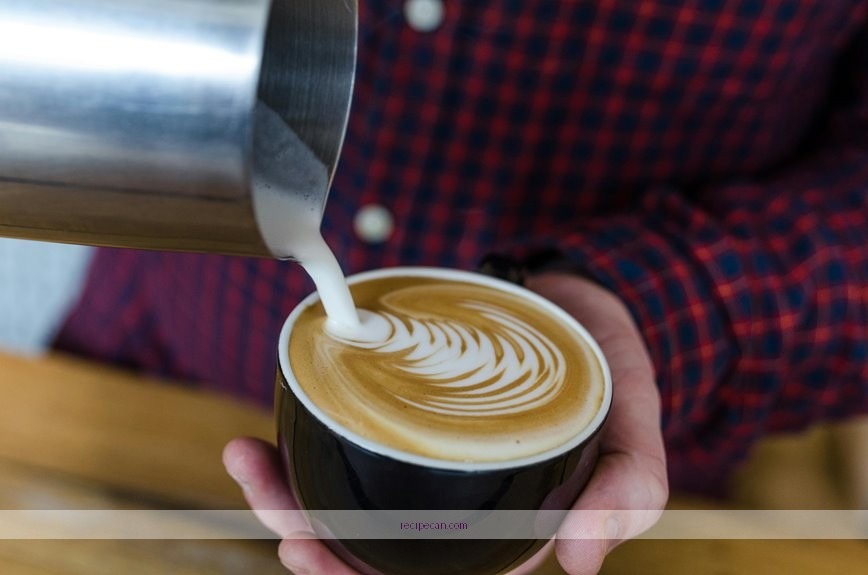
Home bartenders and coffee enthusiasts eager to master the art of making traditional Irish coffee will find this guide invaluable. A basic understanding of coffee brewing techniques and familiarity with spirits, particularly whiskey, will enhance your experience. This guide is not for those seeking quick or simplified recipes; instead, it emphasizes the importance of quality ingredients and precise techniques to achieve the authentic taste.
The Step-by-Step Protocol
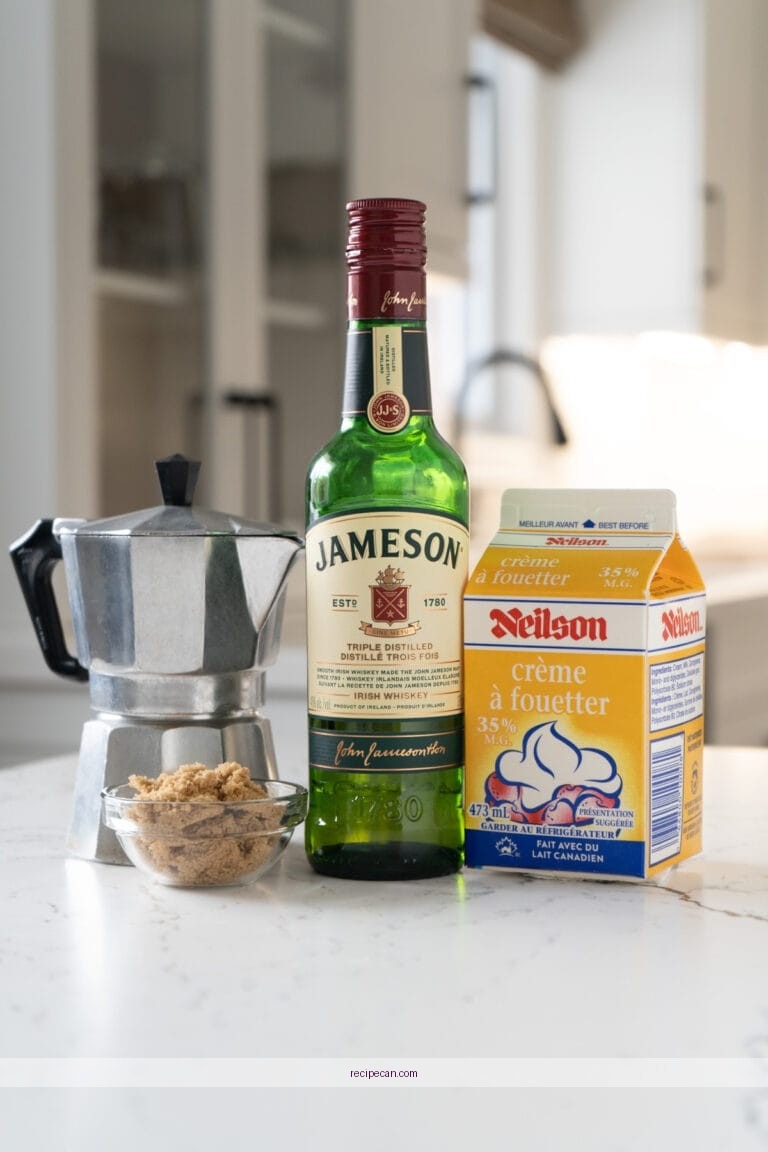
1. Gather Ingredients: Use 2 oz of freshly brewed, strong Irish coffee, 1.5 oz of Irish whiskey (such as Jameson), 1-2 teaspoons of brown sugar, and heavy cream for topping.
2. Preheat Glassware: Fill a heat-resistant glass with hot water to warm it up, then empty the glass before pouring in the coffee.
3. Mix Ingredients: Combine hot coffee and brown sugar in the glass, stirring until the sugar is completely dissolved. Add the Irish whiskey and stir gently.
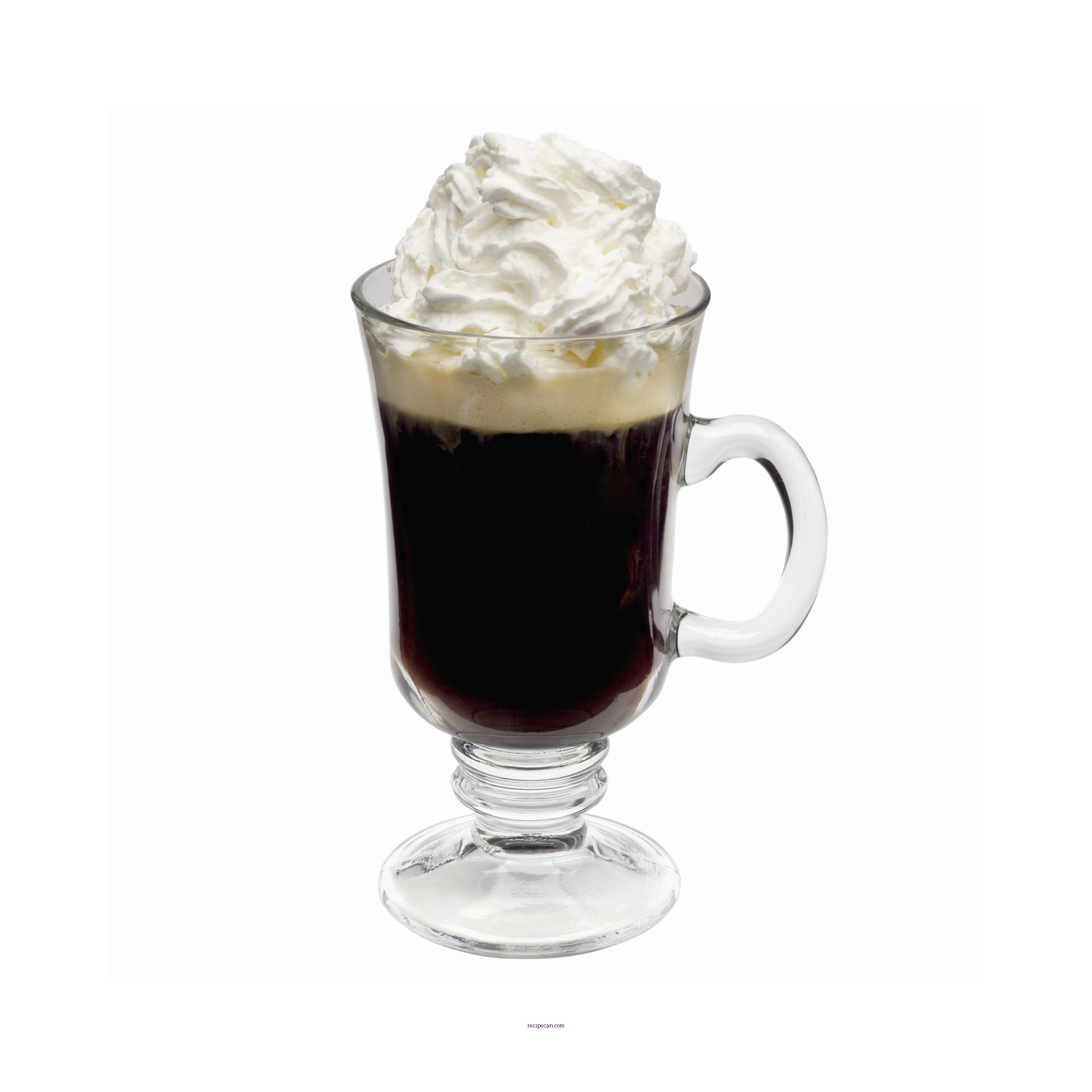
4. Add Cream: Using the back of a spoon, carefully float 1 oz of lightly whipped heavy cream on top of the coffee mixture to create a layered effect.
Top 7 Irish Whiskeys for Authentic Irish Coffee (2024)
| # | Brand | Type | ABV (%) | Flavor Profile |
|---|---|---|---|---|
| 1 | Jameson | Blended | 40% | Smooth, Sweet |
| 2 | Bushmills | Single Malt | 40% | Fruity, Spicy |
| 3 | Redbreast | Single Pot Still | 40% | Rich, Full-bodied |
| 4 | Green Spot | Single Pot Still | 40% | Fruity, Oaky |
| 5 | Tullamore D.E.W. | Blended | 40% | Smooth, Light |
| 6 | Connemara | Peated | 40% | Smoky, Rich |
| 7 | Kilbeggan | Blended | 43% | Spicy, Smooth |
Warning Signs: When Not to Follow This
It’s essential to avoid making Irish coffee if you are sensitive to caffeine. The combination of strong coffee and whiskey may heighten your heart rate or trigger anxiety. Additionally, individuals with a history of alcohol dependency or those currently in recovery should steer clear of this recipe, as it contains whiskey. If you lack access to quality ingredients, such as authentic Irish whiskey and freshly brewed coffee, it’s best not to attempt this recipe; the result will not reflect the traditional experience.
The Most Common Mistakes (And Their Consequences)
A frequent error is using pre-packaged coffee or low-quality whiskey, which results in a bland and unbalanced drink that fails to honor the authentic flavor profile of Irish coffee. Moreover, neglecting to dissolve the brown sugar completely can lead to an overly sweet drink with a grainy texture, detracting from the overall smoothness. Finally, over-whipping the cream can make it too stiff, preventing it from floating correctly on top of the coffee and ruining both the visual appeal and texture.
Special Cases That Need a Different Approach
For those seeking a lower-calorie option, consider using a sugar substitute, but be sure to select one that dissolves well in hot liquids to preserve the recipe’s integrity. If dietary restrictions necessitate the use of decaffeinated coffee, ensure it is of high quality and brewed strong enough to maintain the rich flavor essential to authentic Irish coffee. For those with lactose intolerance, opt for a lactose-free alternative or a non-dairy cream that can still be whipped and float atop the drink.
When You Need a Professional
If you experience adverse reactions to alcohol or caffeine while consuming Irish coffee, such as severe headaches or gastrointestinal distress, seek medical advice immediately. Additionally, those with dietary restrictions or allergies, particularly to alcohol or dairy, should consult a nutritionist or dietitian for tailored advice on enjoying this beverage safely. If you have doubts about the quality or authenticity of your ingredients, especially the whiskey, consider reaching out to a knowledgeable bartender or local expert in Irish spirits.
Sources and Further Reading
“The Irish Coffee: An Illustrated History” by John O’Connell provides a detailed account of the origins and evolution of Irish coffee, offering context for its cultural significance. The Specialty Coffee Association’s guidelines on brewing techniques highlight the importance of using high-quality coffee for crafting traditional drinks. For insights into selecting and using their whiskey in cocktails, including authentic Irish coffee recipes, visit the Jameson Distillery website.
Frequently Asked Questions
What is the traditional authentic Irish coffee recipe?
The traditional authentic Irish coffee recipe consists of just a few key ingredients: hot brewed coffee, Irish whiskey, sugar, and a layer of thick cream. Start by warming a glass, then mix hot coffee with brown sugar until dissolved, add Irish whiskey, and top with lightly whipped cream for the perfect finish. This classic combination highlights the rich flavors of the coffee and whiskey, making it a beloved drink.
How do I make an authentic Irish coffee at home?
To make an authentic Irish coffee at home, begin by brewing a strong cup of coffee. Then, in a heat-resistant glass, combine the hot coffee with 1 to 2 tablespoons of brown sugar and 1.5 ounces of Irish whiskey, stirring well. Finally, float a layer of lightly whipped cream on top by pouring it over the back of a spoon, ensuring the cream remains separate from the coffee for that signature look.
Why is brown sugar preferred in an authentic Irish coffee recipe?
Brown sugar is preferred in an authentic Irish coffee recipe because it adds a deeper, caramel-like sweetness that complements the robust flavors of the coffee and whiskey. Unlike white sugar, which can taste more refined and less complex, brown sugar enhances the overall richness of the drink, making each sip more flavorful and satisfying.
What type of Irish whiskey is best for an authentic Irish coffee?
The best type of Irish whiskey for an authentic Irish coffee is typically a smooth, triple-distilled variety, such as Jameson or Bushmills. These brands offer a balanced flavor profile that blends harmoniously with the coffee without overpowering it. Opting for a quality Irish whiskey ensures a more enjoyable and authentic drinking experience.
Which coffee is ideal for making authentic Irish coffee?
The ideal coffee for making authentic Irish coffee is a medium to dark roast with rich, bold flavors. Look for freshly brewed, high-quality coffee, preferably made from Arabica beans, as they provide a smooth taste that pairs well with the whiskey and cream. Avoid overly acidic or light roasts, as they may not complement the other ingredients effectively.
References
- Irish coffee
https://en.wikipedia.org/wiki/Irish_coffee - https://www.bbc.co.uk/food/recipes/irish_coffee_20436
https://www.bbc.co.uk/food/recipes/irish_coffee_20436 - NYT Cooking – Recipes and Cooking Guides From The New York Times
https://www.nytimes.com/recipes/1020325/irish-coffee - https://www.sciencedirect.com/topics/food-science/irish-coffee
https://www.sciencedirect.com/topics/food-science/irish-coffee - https://www.britannica.com/topic/Irish-coffee
https://www.britannica.com/topic/Irish-coffee - Google Scholar Google Scholar
https://scholar.google.com/scholar?q=authentic+irish+coffee+recipe - Google Scholar Google Scholar
https://scholar.google.com/scholar?q=irish+coffee+history - Google Scholar Google Scholar
https://scholar.google.com/scholar?q=coffee+recipes+origin - https://www.cdc.gov/nutrition/index.html
https://www.cdc.gov/nutrition/index.html - https://www.nih.gov/news-events/news-releases/coffee-healthy-diet
https://www.nih.gov/news-events/news-releases/coffee-healthy-diet