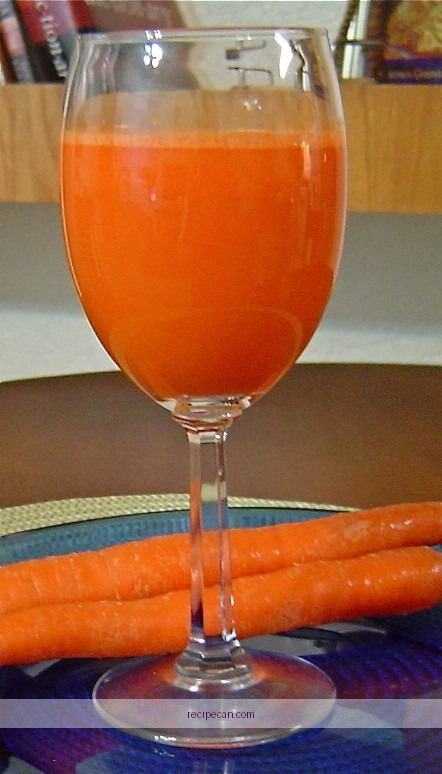
Discover the best vegetable juicer recipes that not only tantalize your taste buds but also boost your health. With vibrant combinations like kale and cucumber or beet and carrot, these recipes are designed to maximize flavor and nutrition. Say goodbye to bland drinks; these delicious options will have you juicing daily for a refreshing health kick. Get ready to transform your vegetable intake and enjoy every sip.
Unlock the refreshing world of vegetable juicer recipes that are not only delicious but also packed with nutrients! In this article, you will discover a variety of easy-to-follow recipes that will help you make the most of your juicer, ensuring you enjoy vibrant flavors and health benefits in every sip. From invigorating green juices to sweet and tangy blends, these recipes will inspire you to embrace the art of juicing.
Recipe Overview
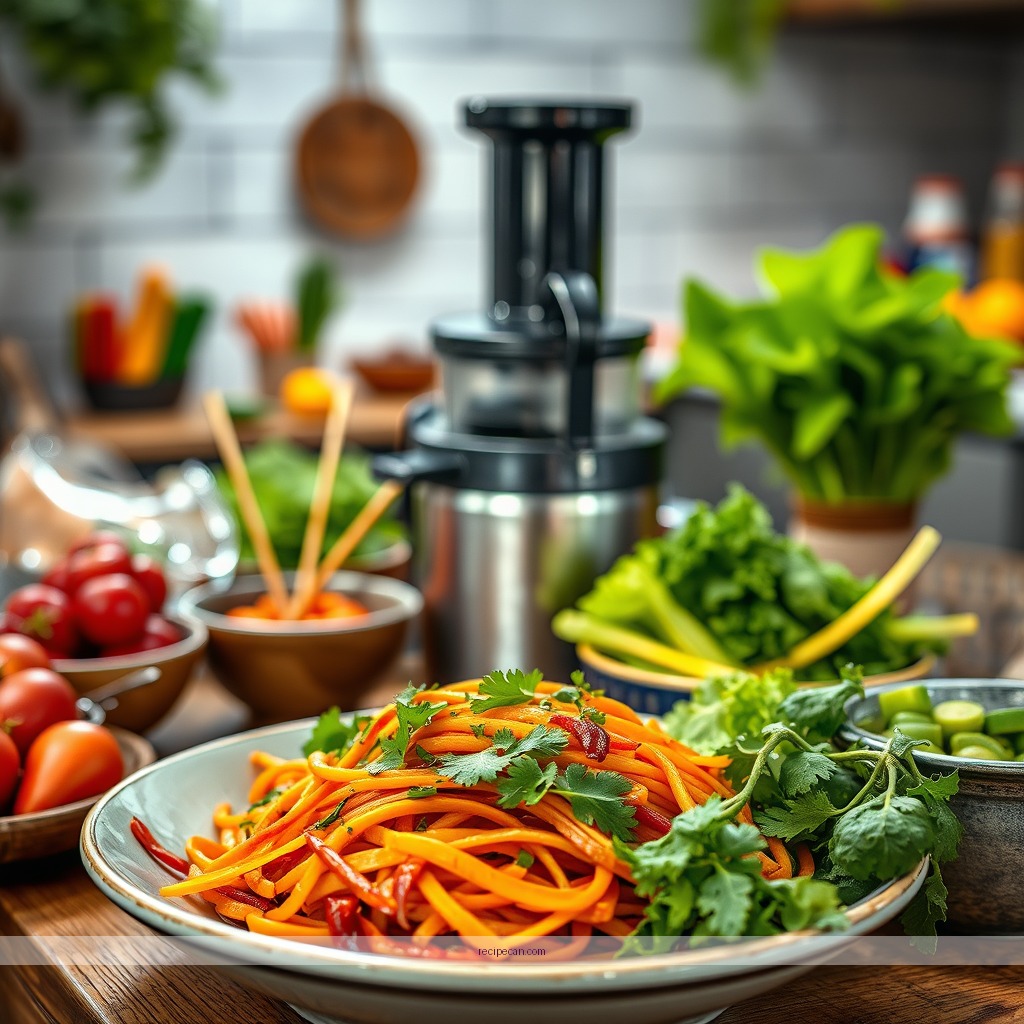
Vegetable juicing is a fantastic way to incorporate more nutrients into your diet while enjoying tasty, refreshing drinks. Each of these recipes is simple to prepare and perfect for anyone looking to boost their vegetable intake. Expect to serve around 2-4 people per recipe, making them great for sharing or meal prepping. Whether you’re a seasoned juicer or just starting, these recipes will delight your taste buds while providing essential vitamins and minerals.
Time Required
– 🕐 Prep Time : 10 minutes
– 🍳 Juicing Time : 5 minutes
– ⏱ Total Time : 15 minutes
Ingredients
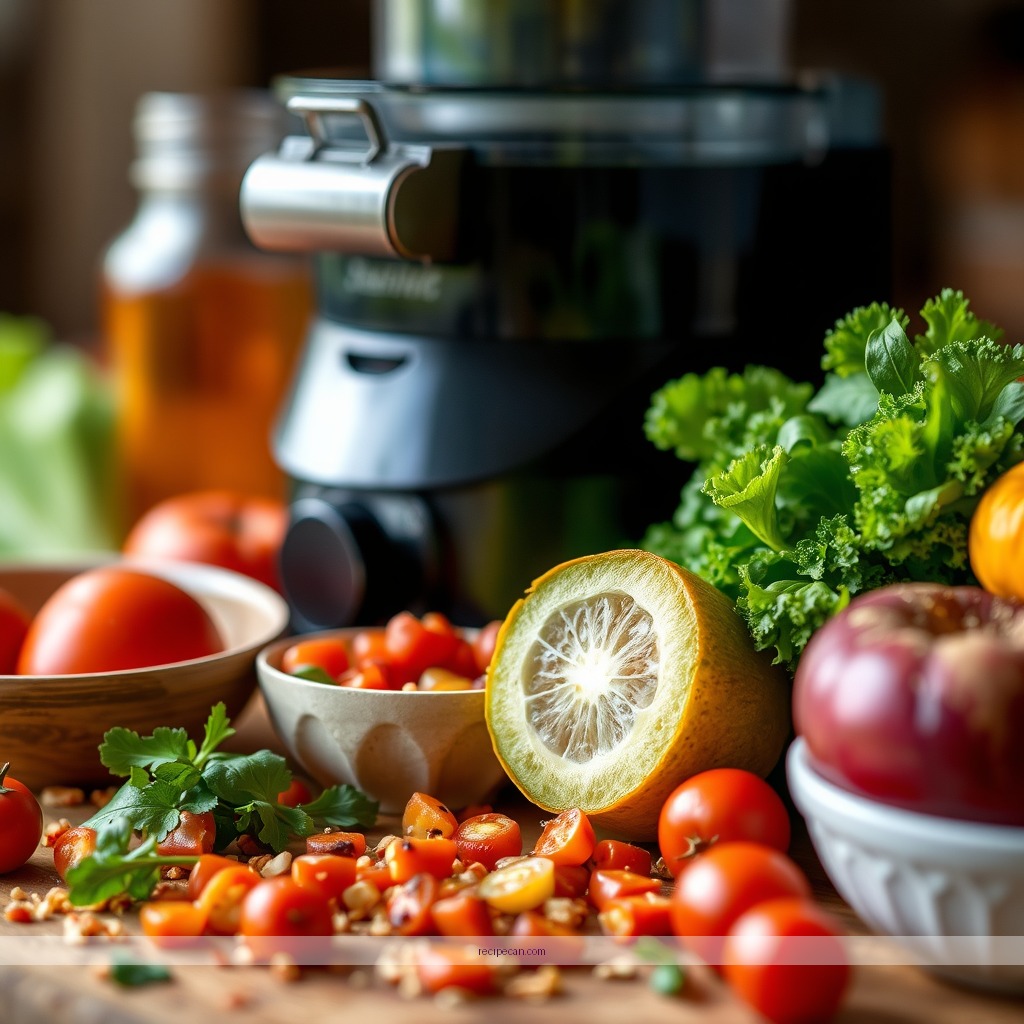
Juicing is all about fresh, high-quality ingredients. Using organic vegetables can enhance the flavor and nutrient content of your juices. Here’s what you’ll need for some fantastic vegetable juices:
Main Ingredients
– 2 large carrots, peeled and chopped
– 1 cucumber, chopped
– 2 stalks of celery, chopped
– 1 cup of spinach leaves
– 1 small beet, peeled and chopped
– 1 lemon, juiced
– Optional: 1-inch piece of ginger root, peeled for an extra kick
Step-by-Step Instructions

Recipe 1: Classic Green Juice
1. Start by washing all your vegetables thoroughly to remove any dirt and pesticides. This step is crucial for ensuring the purity of your juice.
2. Chop the vegetables into manageable pieces that will fit your juicer. The smaller the pieces, the easier they will juice.
3. Begin juicing the spinach, cucumber, and celery first, followed by the carrots and beet. This order helps maximize juice yield, as softer ingredients release juice more readily.
4. Finish by adding fresh lemon juice for a zesty flavor that balances the earthy tones from the vegetables.
Recipe 2: Carrot-Orange Delight
1. Peel and chop the carrots into small chunks, setting them aside for juicing.
2. Juice the carrots first, which provides a sweet base. Next, juice two ripe oranges to add a refreshing sweetness and vibrant color.
3. Stir the juice well to blend the flavors, and serve chilled for a refreshing drink on a warm day.
Heat & Temperature Guide
Cooking Method
Juicing is a cold extraction process that preserves the nutrients and enzymes in vegetables, making it an ideal choice for health-conscious individuals.
Temperature & Timing
Juicing does not require heat, allowing the vegetables to retain their natural flavor and nutrient content.
How to Know It’s Done
Juicing is complete when all the vegetables have been processed, and you see liquid extracted into your container. The juice should be smooth with minimal pulp remaining.
What to Avoid & Precautions
Juicing can be straightforward, but here are some common pitfalls to watch out for:
Overloading the Juicer
Avoid putting too many vegetables at once, as this can clog the juicer and lead to less efficient juicing. Work in batches for the best results.
Skipping Cleaning
Always clean your juicer immediately after use. This prevents residue build-up, which can affect the taste of future juices and damage your machine.
Common Mistakes & How to Fix Them
Not Using Fresh Ingredients
Using wilted or expired vegetables can impact the taste and nutritional value of your juice. Always opt for the freshest produce available, preferably organic.
Juicing Without Balance
Some might load up on sweet vegetables like carrots without balancing them with greens. Aim for a mix to keep your juices nutritious and well-rounded, enhancing both flavor and health benefits.
Ignoring Taste Preferences
Not everyone enjoys the same flavor profiles. If a juice feels too earthy or bitter, consider adding more sweet fruits or vegetables to balance the taste, such as apples or oranges.
How to Serve
Plating & Presentation
Serve your juices in clear glasses to showcase their vibrant colors. A garnish of a lemon slice or a sprig of mint elevates the presentation and adds a hint of freshness.
What Goes Well With It
These juices pair wonderfully with light snacks such as nuts, whole-grain crackers, or fresh fruits. They also complement a variety of meals, enhancing your overall dining experience.
Storage & Reheating
Fresh juice is best consumed immediately for maximum nutrient retention, but you can store it in an airtight container in the refrigerator for up to 24 hours. Shake well before serving, as separation may occur.
Top 7 Vegetables for Juicing (Nutritional Value per 100g)
| # | Vegetable | Calories | Vitamin C | Fiber |
|---|---|---|---|---|
| 1 | Carrot | 41 | 7.6mg | 2.8g |
| 2 | Cucumber | 16 | 2.8mg | 0.5g |
| 3 | Celery | 16 | 3.1mg | 1.6g |
| 4 | Spinach | 23 | 28.1mg | 2.2g |
| 5 | Beet | 43 | 4.9mg | 2.0g |
| 6 | Lemon | 29 | 53mg | 2.8g |
| 7 | Ginger | 80 | 0.1mg | 2.0g |
Embrace the joy of vegetable juicing and start experimenting with these recipes today! With just a few fresh ingredients and a little creativity, you can enjoy nourishing drinks that taste amazing and support your health. By incorporating these vibrant juices into your daily routine, you’ll not only satisfy your taste buds but also enhance your overall well-being. So grab your juicer, and let the healthy sipping begin!
Frequently Asked Questions
What are some easy vegetable juicer recipes for beginners?
For beginners, simple vegetable juicer recipes include combinations like carrot and apple juice or cucumber and spinach juice. Start with equal parts of your chosen vegetables and a splash of citrus, like lemon, to enhance flavor. These recipes not only provide a refreshing taste but also pack a nutritious punch, making them perfect for those new to juicing.
How can I make my vegetable juices taste better?
To improve the taste of your vegetable juices, try adding a small amount of fruit, such as apples or pears, which can naturally sweeten the flavor. Herbs like mint or basil can also add a fresh twist. Additionally, incorporating a dash of ginger or lemon juice can enhance the overall taste and provide extra health benefits.
Why should I include leafy greens in my vegetable juicer recipes?
Including leafy greens like kale or spinach in your vegetable juicer recipes is essential for boosting nutrient intake, as they are rich in vitamins A, C, and K, as well as minerals like iron. These greens add a vibrant color and unique flavor to your juices while promoting overall health. Juicing leafy greens also makes it easier to consume the recommended daily servings of vegetables.
What are the best vegetables for juicing and why?
The best vegetables for juicing include carrots, beets, celery, and cucumbers, as they are high in water content and nutrients. Carrots provide beta-carotene for eye health, while beets help improve blood flow and lower blood pressure. These vegetables not only yield flavorful juices but also enhance your overall wellness when incorporated into your juicing routine.
Which vegetable juicer is best for leafy greens and why?
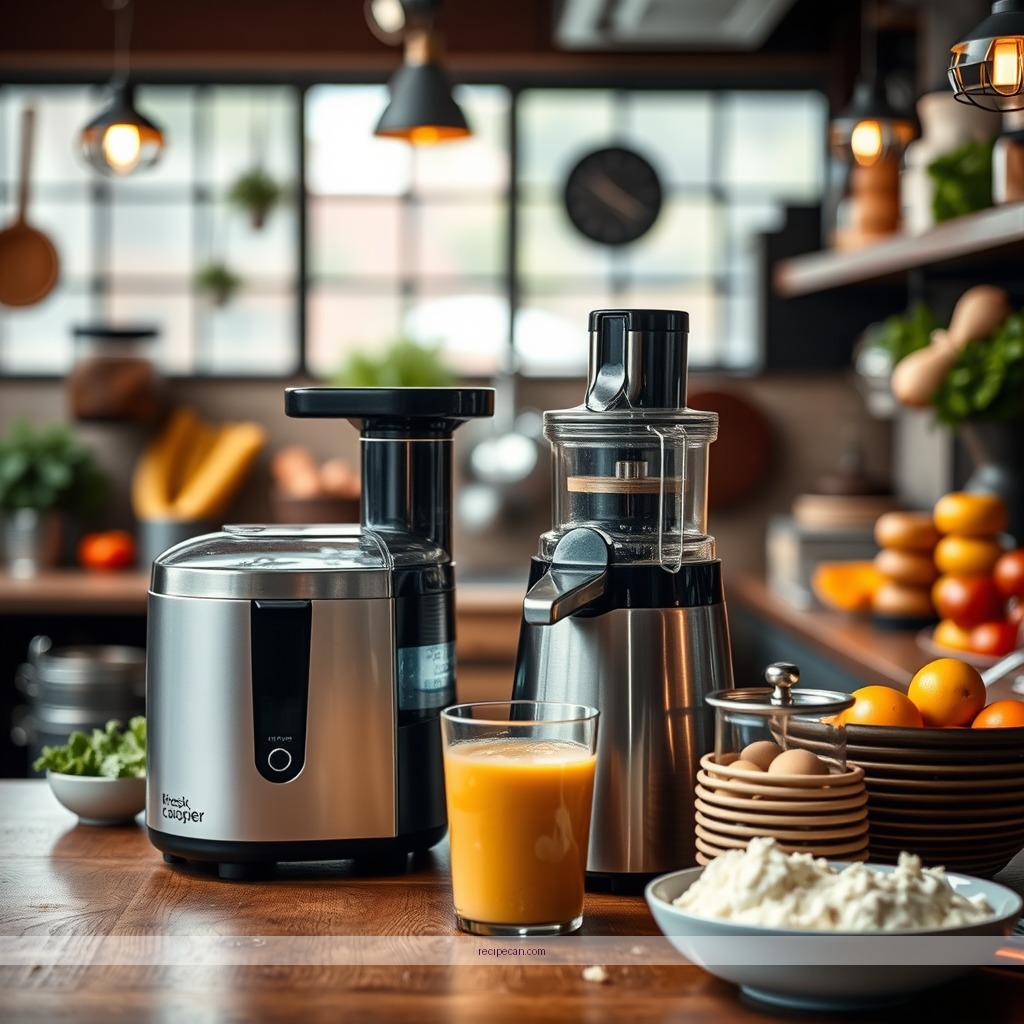
A masticating juicer is the best option for leafy greens, as it operates at a slower speed to extract maximum juice and nutrients without heat or oxidation. This type of juicer effectively breaks down fibrous materials, ensuring you get the most out of your greens. Investing in a high-quality masticating juicer can significantly enhance the quality of your vegetable juices.
References
- Vector synthesis high‐resolution electrocardiography, atrial natriuretic peptide and N‐terminal p…
https://www.ncbi.nlm.nih.gov/pmc/articles/PMC6680234/ - https://www.healthline.com/nutrition/juicing-benefits
https://www.healthline.com/nutrition/juicing-benefits - https://www.mayoclinic.org/healthy-lifestyle/nutrition-and-healthy-eating/in-depth/juicing-and-smoothies/art-20045925
https://www.mayoclinic.org/healthy-lifestyle/nutrition-and-healthy-eating/in-depth/juicing-and-smoothies/art-20045925 - https://www.sciencedirect.com/topics/food-science/juicing
https://www.sciencedirect.com/topics/food-science/juicing - https://www.bbc.com/future/article/20200729-is-juicing-good-for-you
https://www.bbc.com/future/article/20200729-is-juicing-good-for-you - Healthy diet
https://www.who.int/news-room/fact-sheets/detail/healthy-diet - https://www.nutrition.gov/topics/nutrition-through-life/healthy-eating
https://www.nutrition.gov/topics/nutrition-through-life/healthy-eating - Google Scholar Google Scholar
https://scholar.google.com/scholar?q=vegetable+juicer+recipes - Google Scholar Google Scholar
https://scholar.google.com/scholar?q=benefits+of+juicing+vegetables - vegetable juicer recipes – Search results
https://en.wikipedia.org/wiki/Special:Search?search=vegetable+juicer+recipes