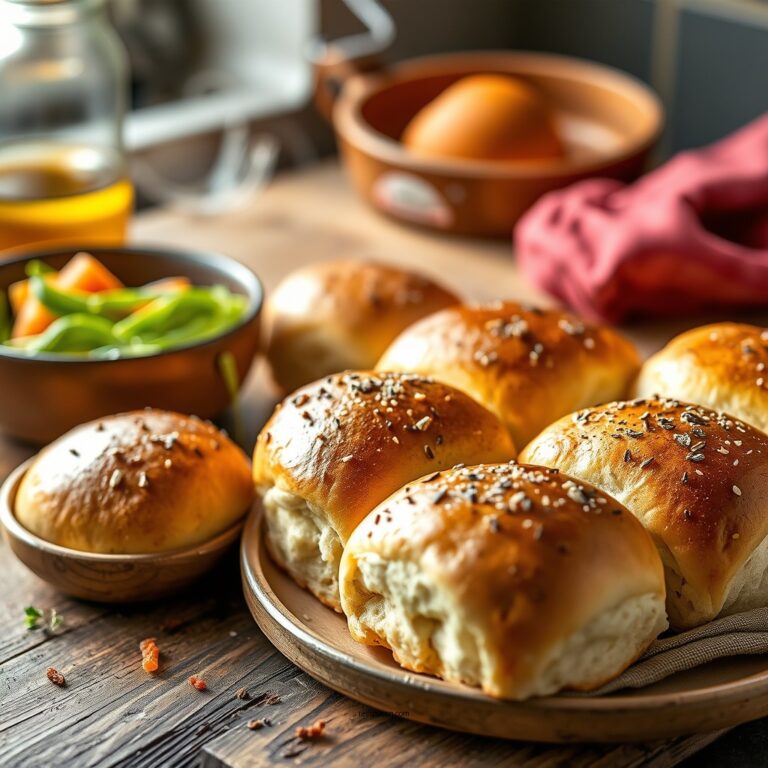
Finding the best roll recipe is essential for creating fluffy, delicious rolls that everyone will love. This guide will unveil a tried-and-true recipe that combines simple ingredients and techniques to ensure perfect rolls every time. You’ll learn how to make them from scratch, along with tips to customize them for any occasion, making them a delightful addition to your meals.
Essential Ingredients for Perfect Rolls
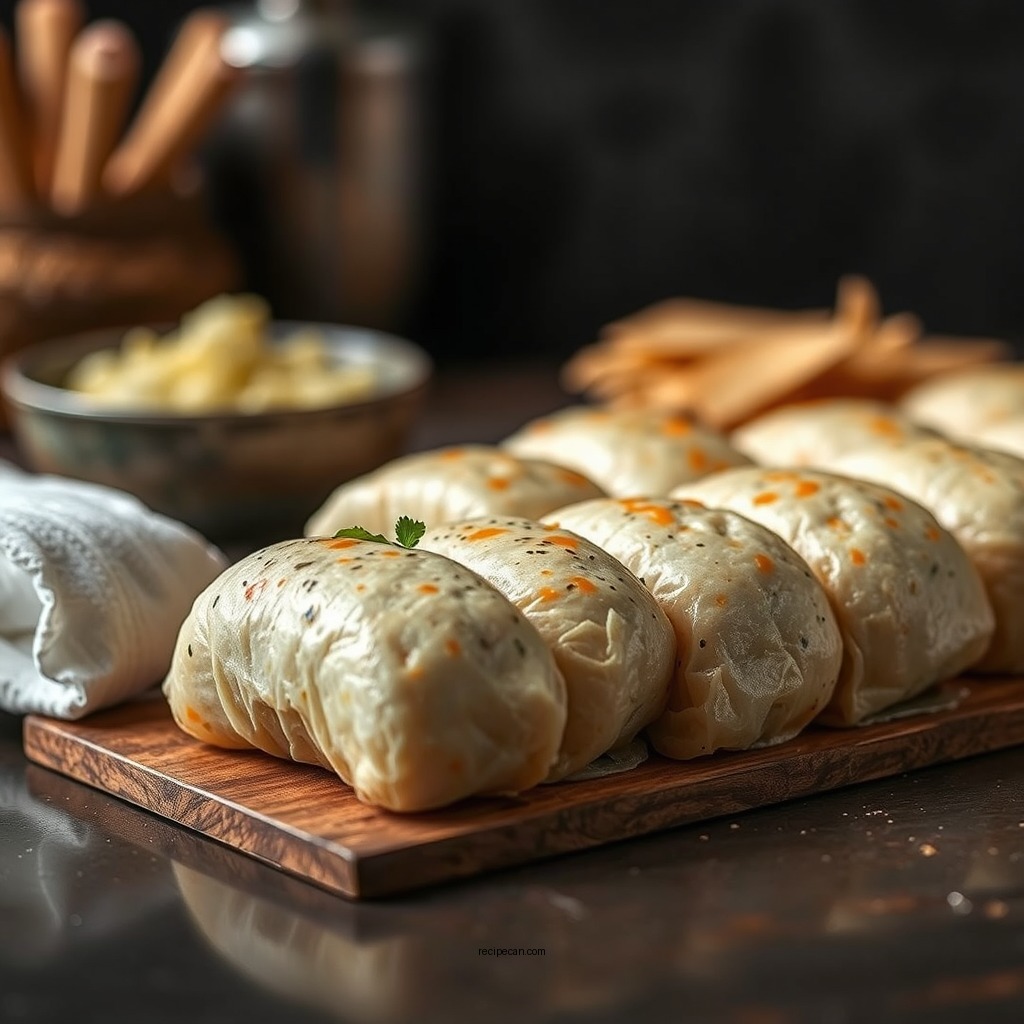
To achieve fluffy and delicious rolls, the quality and type of ingredients you use are imperative. Here’s a breakdown of the essential components:
– Flour: All-purpose flour is the best choice for roll recipes. It contains the right balance of protein to create gluten, which gives the rolls their structure and chewiness. For an even fluffier texture, you can also mix in a bit of bread flour, which has a higher protein content.
– Yeast: Active dry yeast is your best bet for reliable rising. It’s essential for fermentation, which not only helps the dough rise but also contributes to the flavor. Always check the expiration date to ensure it’s fresh, as stale yeast can lead to disappointing results.
– Sugar: A small amount of sugar not only activates the yeast by providing food during fermentation but also adds a subtle sweetness to the rolls. If you prefer a less sweet roll, you can reduce the amount, but don’t eliminate it entirely, as sugar plays a key role in the rising process.
Step-by-Step Preparation Process
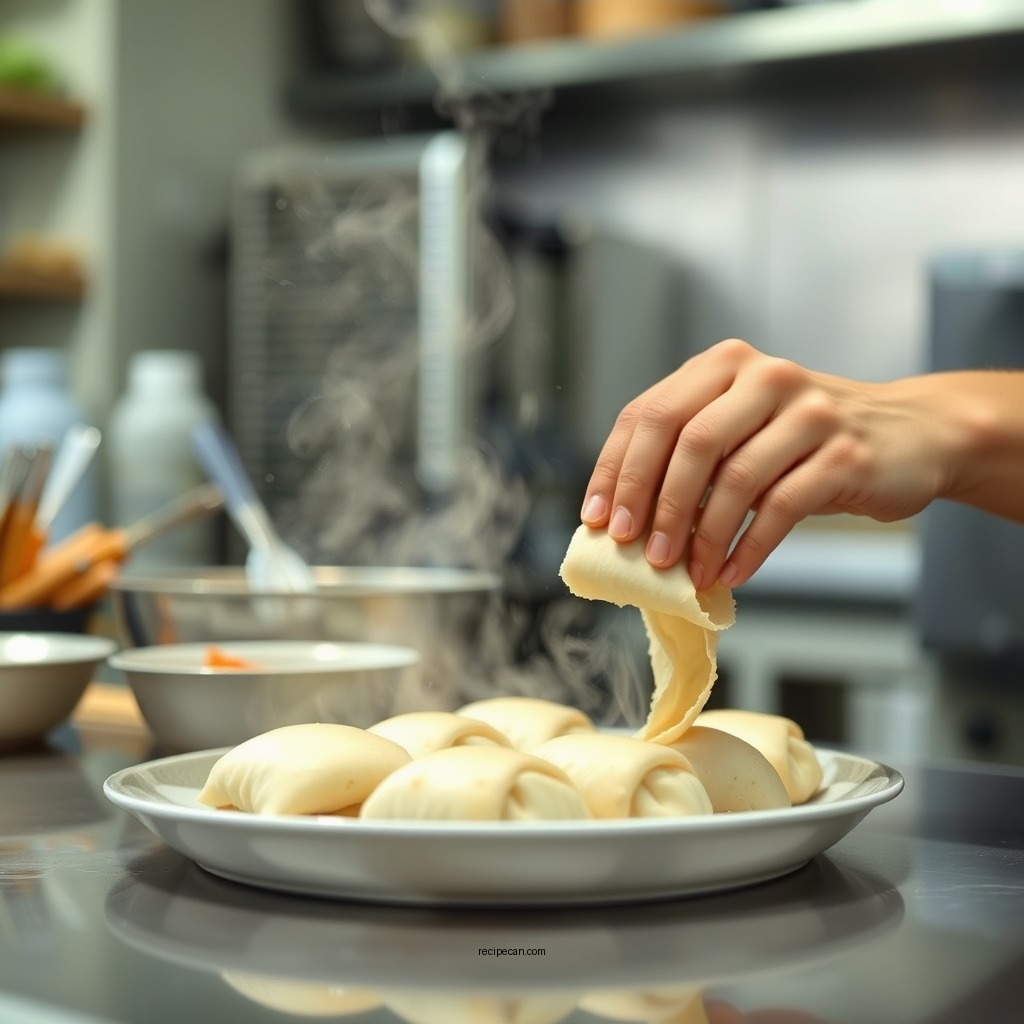
Creating the perfect roll requires attention to detail and a systematic approach. Here’s a step-by-step guide to help you through the preparation process:
– Mixing: Begin by combining your dry ingredients—flour, sugar, salt, and yeast—in a large mixing bowl. Mix these ingredients thoroughly to ensure even distribution. Once mixed, create a well in the center and add your wet ingredients (water, milk, and melted butter).
– Kneading: After mixing, knead the dough on a lightly floured surface. Knead for about 8-10 minutes until the dough is smooth and elastic. This process is crucial as it develops the gluten structure that will give your rolls their fluffy texture.
– Rising: Place the kneaded dough in a greased bowl and cover it with a clean kitchen towel. Let it rise in a warm, draft-free environment until it has doubled in size, which typically takes about 1 to 1.5 hours. This initial rise is vital for achieving light and airy rolls.
Top 7 Ingredients for Perfect Rolls
| # | Ingredient | Role in Recipe | Recommended Amount |
|---|---|---|---|
| 1 | All-Purpose Flour | Structure | 4 cups |
| 2 | Active Dry Yeast | Leavening | 2 1/4 tsp |
| 3 | Sugar | Flavor & Activation | 1/4 cup |
| 4 | Salt | Flavor | 1 tsp |
| 5 | Milk | Moisture | 1 cup |
| 6 | Butter | Richness | 1/4 cup |
| 7 | Eggs | Binding | 2 large |
Shaping Your Rolls
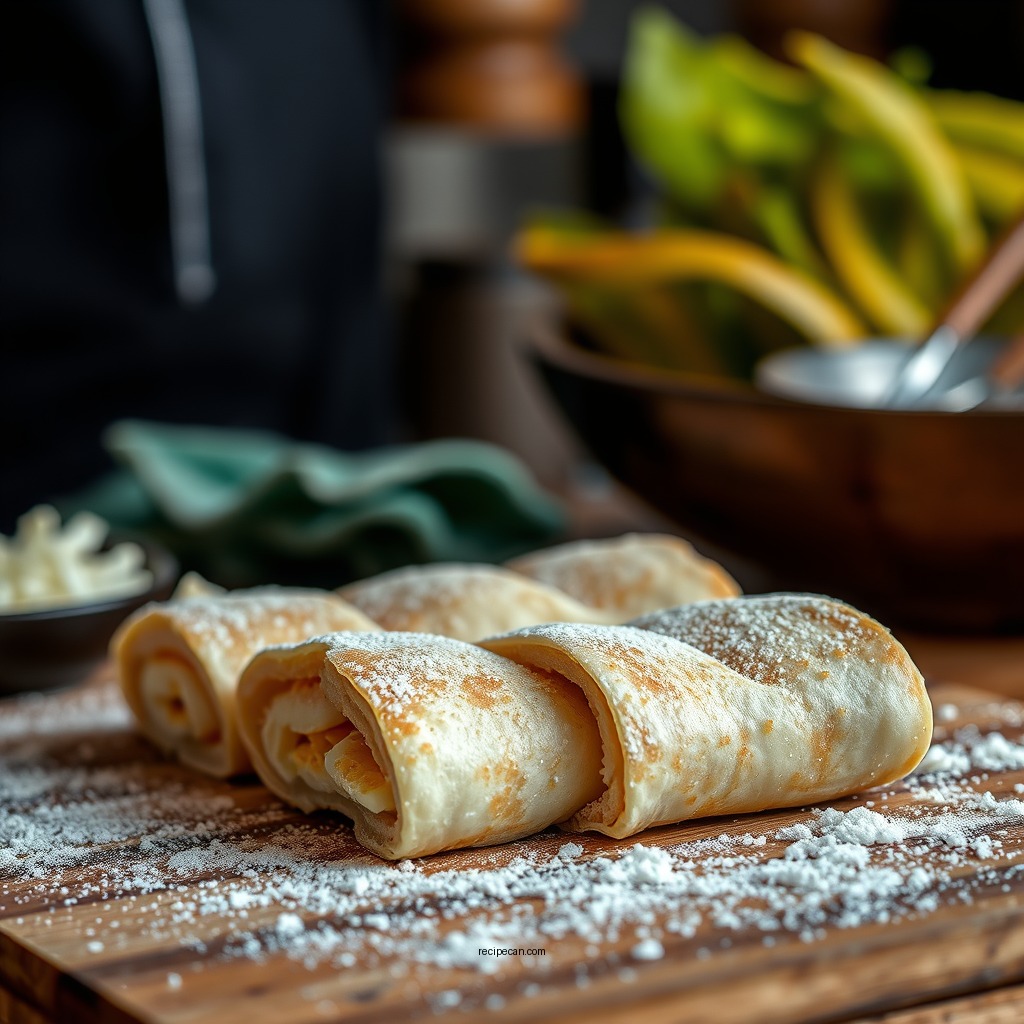
Once your dough has risen, it’s time to shape the rolls. This step is crucial for achieving that perfect round and fluffy appearance.
– Portioning: Gently punch down the risen dough to release any air bubbles before dividing it into equal pieces. A kitchen scale can help ensure uniformity, with each piece weighing around 2 ounces.
– Shaping: Take each piece and roll it into a ball by cupping it in your hand and rotating it against the surface. Tuck the edges underneath to create a smooth top. This technique helps maintain structure during the second rise and baking, resulting in perfectly shaped rolls.
Baking Techniques for Fluffy Rolls
The final steps in creating your rolls involve baking, where the magic truly happens.
– Oven Temperature: Preheating your oven to 375°F (190°C) is essential for a good rise. The initial heat will help the rolls expand quickly, creating a light and airy texture.
– Baking Time: Bake your rolls for 15-20 minutes, or until they are golden brown on top. Keep an eye on them towards the end of the baking time to prevent over-browning. A digital thermometer can help; the internal temperature of the rolls should reach 190°F (88°C) when fully baked.
Baking Time for Different Roll Types
Customization Ideas
One of the best aspects of rolls is their versatility. Here are some fantastic ideas to customize your rolls:
– Add-Ins: Consider incorporating fresh herbs, shredded cheese, or minced garlic into the dough for an aromatic twist. Experiment with spices like rosemary or thyme for a gourmet touch. For a sweeter option, add cinnamon and sugar for cinnamon rolls.
– Toppings: After shaping the rolls, you can brush them with melted butter or an egg wash for a glossy finish. For an added flavor boost, sprinkle them with sea salt, sesame seeds, or fresh herbs before baking.
Troubleshooting Common Issues
Even seasoned bakers can run into problems. Here are some common issues and how to solve them:
– Dough Not Rising: If your dough isn’t rising, check the freshness of your yeast. It should be bubbly after being activated. Additionally, ensure that the environment is warm enough; a cold kitchen can hinder the rising process.
– Dense Rolls: If your rolls turn out dense, it might be due to over-kneading or using too much flour. Always measure your flour accurately, and stop kneading once the dough is smooth and elastic.
In summary, mastering the art of making fluffy rolls takes practice, the right ingredients, and a bit of patience. Following this recipe and incorporating the tips provided will lead you to success in the kitchen.
These rolls can easily become a staple at any family gathering, enhancing your meals with their delightful texture and flavor. Don’t hesitate to try out different variations, and be sure to share your results with friends and family. Happy baking!
Frequently Asked Questions
What is the best roll recipe for beginners?
The best roll recipe for beginners typically includes simple ingredients like all-purpose flour, yeast, sugar, salt, water, and butter. A straightforward method involves mixing the dry ingredients, adding warm water and melted butter, kneading the dough, and allowing it to rise. This classic recipe yields soft, fluffy rolls that are easy to master and perfect for any meal.
How can I make my rolls fluffier and softer?
To achieve fluffier and softer rolls, ensure you’re using fresh yeast and allow your dough to rise in a warm, draft-free environment. Incorporating vital wheat gluten can also enhance the texture. Additionally, avoid over-kneading, as this can lead to denser rolls, and try using milk instead of water for a richer flavor.
Why do my rolls come out dense and heavy?
Dense and heavy rolls often result from using too much flour or not allowing the dough to rise sufficiently. Make sure to measure your flour accurately by spooning it into the measuring cup rather than scooping it directly, which can compact the flour. Additionally, ensure your yeast is fresh and active to promote proper rising.
Which toppings work best for homemade rolls?
The best toppings for homemade rolls include melted butter, garlic, and herbs for a savory flavor, or cinnamon and sugar for a sweet twist. You can also sprinkle sesame seeds, poppy seeds, or even cheese on top before baking for added texture and taste. Experimenting with various toppings can elevate your rolls and suit different occasions.
What is the best way to store leftover rolls?
To store leftover rolls, allow them to cool completely, then place them in an airtight container or a resealable plastic bag. For longer storage, you can freeze them by wrapping each roll in plastic wrap and then placing them in a freezer bag. This method helps maintain their freshness and prevents freezer burn, allowing you to enjoy them later.
References
- https://en.wikipedia.org/wiki/Roll_(food
https://en.wikipedia.org/wiki/Roll_(food - https://www.bbc.com/food/recipes/rolls_75984
https://www.bbc.com/food/recipes/rolls_75984 - https://www.sciencedirect.com/topics/food-science/rolls
https://www.sciencedirect.com/topics/food-science/rolls - Kumquat and Chocolate Yule Log Recipe
https://www.nytimes.com/recipes/1019824/soft-yeast-rolls.html - https://www.mayoclinic.org/healthy-lifestyle/nutrition-and-healthy-eating/in-depth/bread-and-rolls/art-20046010
https://www.mayoclinic.org/healthy-lifestyle/nutrition-and-healthy-eating/in-depth/bread-and-rolls/art-20046010 - https://www.britannica.com/topic/roll-bread
https://www.britannica.com/topic/roll-bread - https://pubmed.ncbi.nlm.nih.gov/?term=best+roll+recipe
https://pubmed.ncbi.nlm.nih.gov/?term=best+roll+recipe - Google Scholar Google Scholar
https://scholar.google.com/scholar?q=best+roll+recipe - Google Scholar Google Scholar
https://scholar.google.com/scholar?q=yeast+roll+recipe - Google Scholar Google Scholar
https://scholar.google.com/scholar?q=baking+rolls+techniques