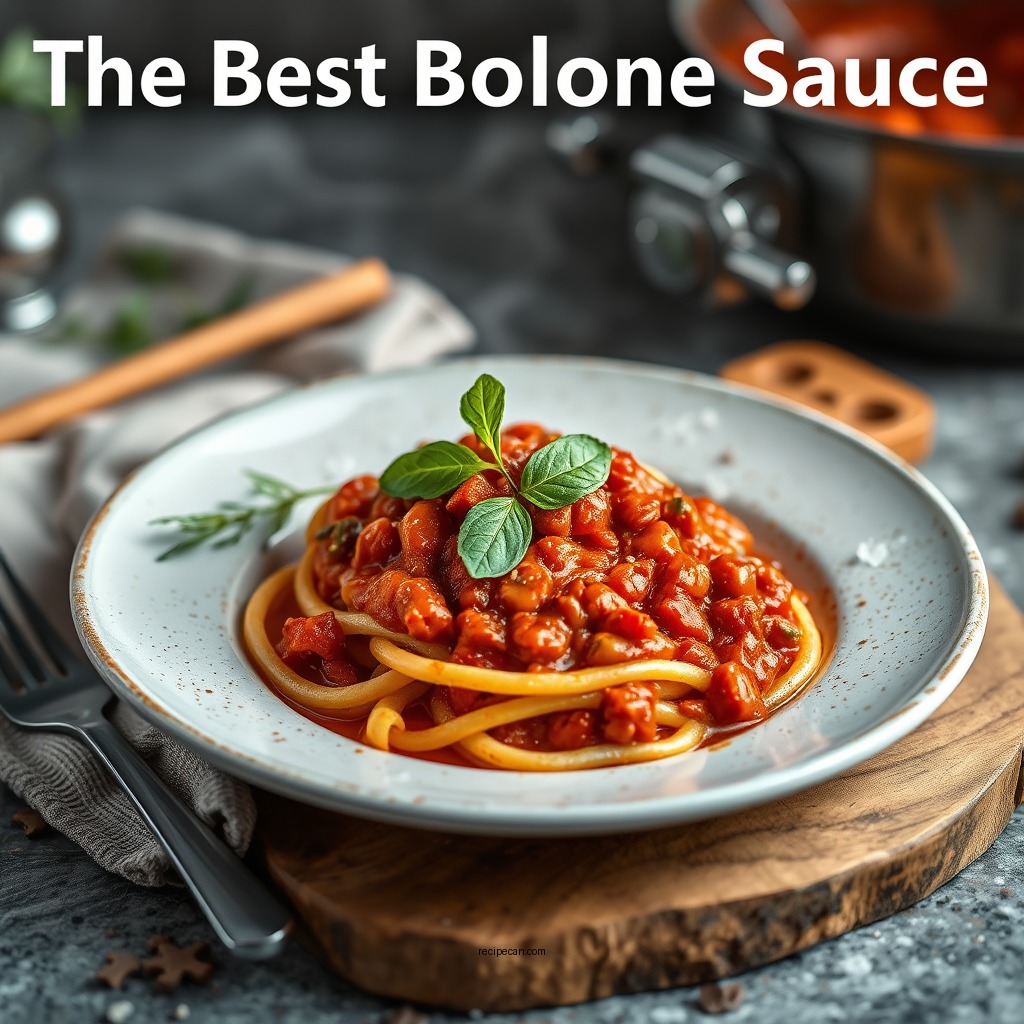
Creating the best bolognese sauce involves a harmonious blend of flavors, textures, and techniques that can truly elevate any pasta dish. This recipe combines ground meat, fresh vegetables, and aromatic herbs to create a sauce that sings with flavor. In this article, you’ll learn the essential steps to make the best bolognese sauce that will impress family and friends alike.
Ingredients You’ll Need
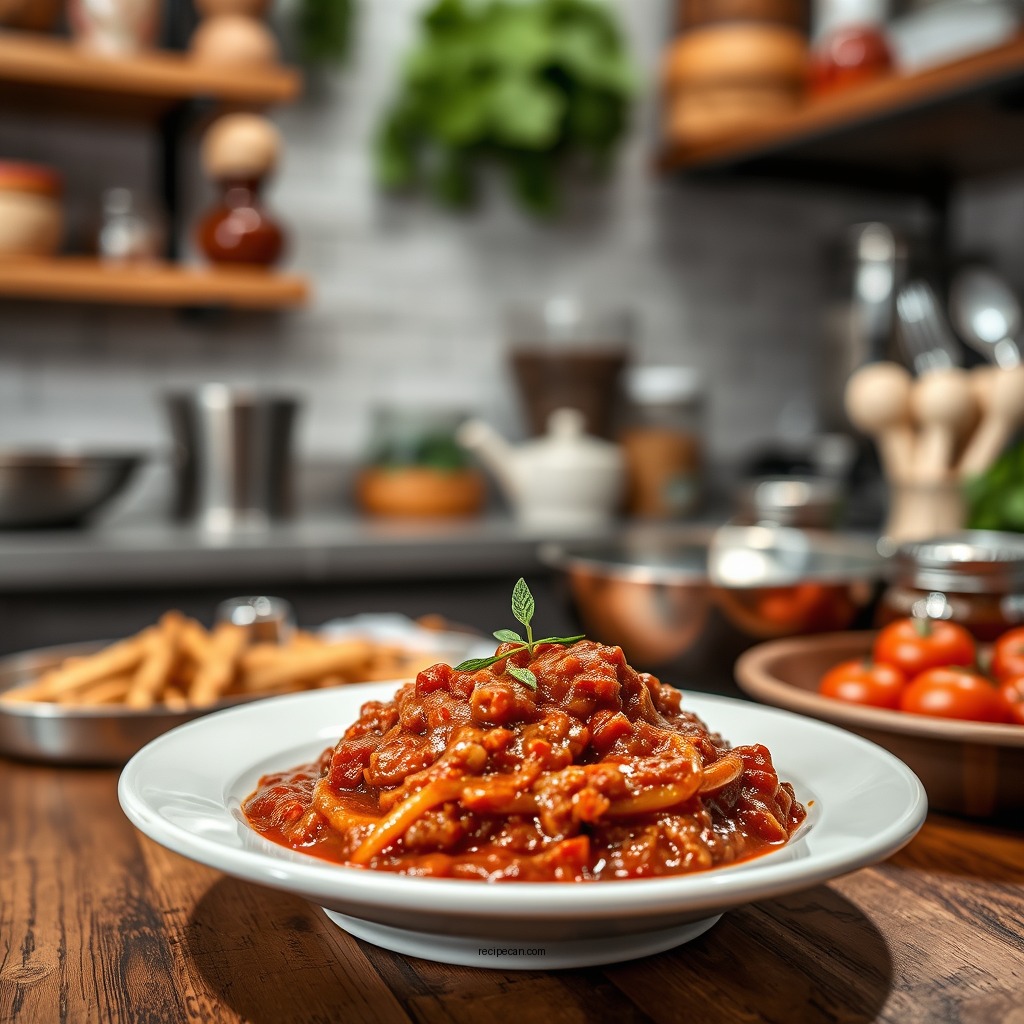
To craft a truly authentic bolognese sauce, quality ingredients are paramount. Here’s what you’ll need:
– Ground Meat: Traditional recipes often use a combination of beef and pork, but you can opt for just one type or try other options like veal or turkey for a different flavor profile.
– Fresh Vegetables: A classic mirepoix of finely chopped onion, carrot, and celery forms the base of the sauce, imparting a natural sweetness and depth.
– Aromatic Herbs: Fresh bay leaves, thyme, and parsley are essential for infusing the sauce with rich, herbal notes. Opt for fresh herbs whenever possible for the best flavor.
The Preparation Process
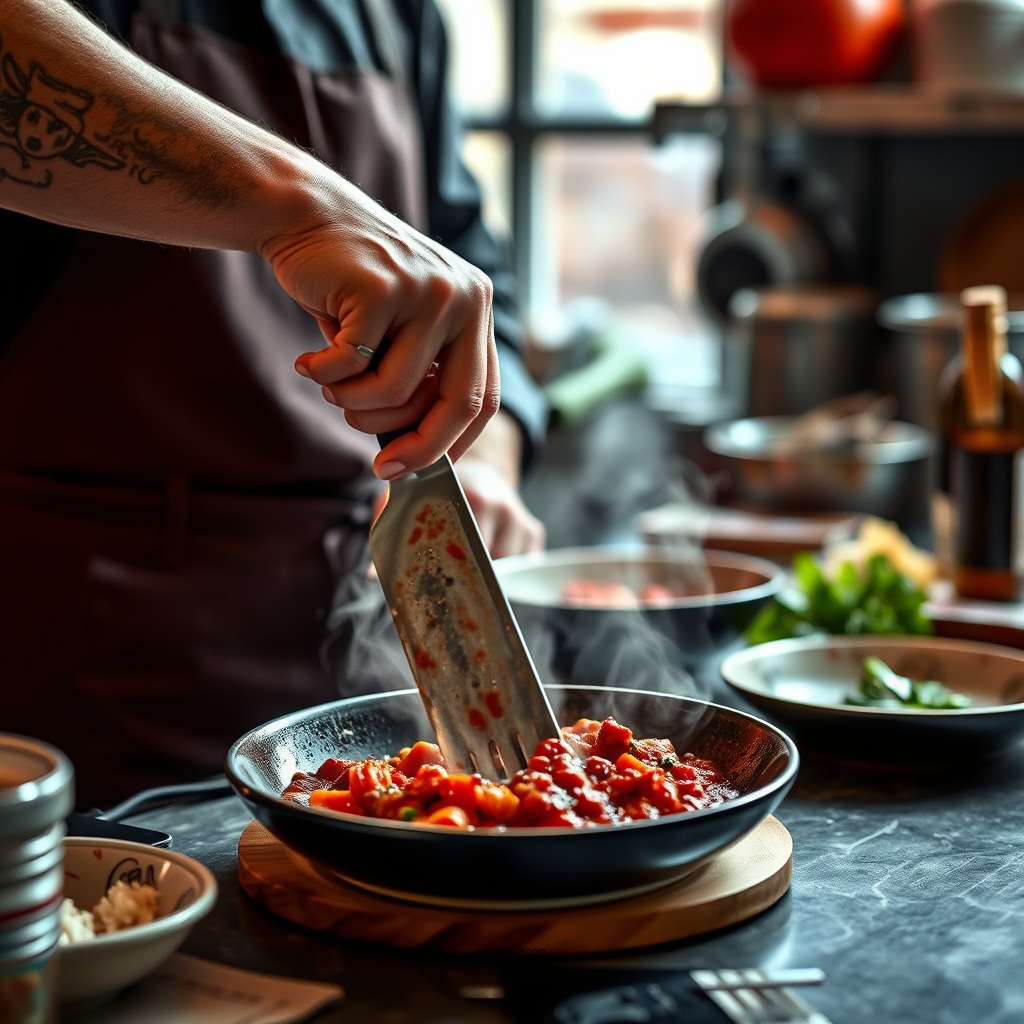
Preparation is key to achieving a well-balanced bolognese sauce. Start by finely chopping your vegetables for even cooking. This can be done by hand or with a food processor for efficiency. The goal is to create small, uniform pieces that will meld into the sauce.
Once your vegetables are ready, heat a generous amount of high-quality olive oil in a large pot or Dutch oven over medium heat. Add the chopped vegetables to the pot and sauté until they are soft and fragrant, typically about 5 to 7 minutes. This step is crucial as it caramelizes the sugars in the vegetables, enhancing the overall flavor of the sauce.
Cooking the Sauce
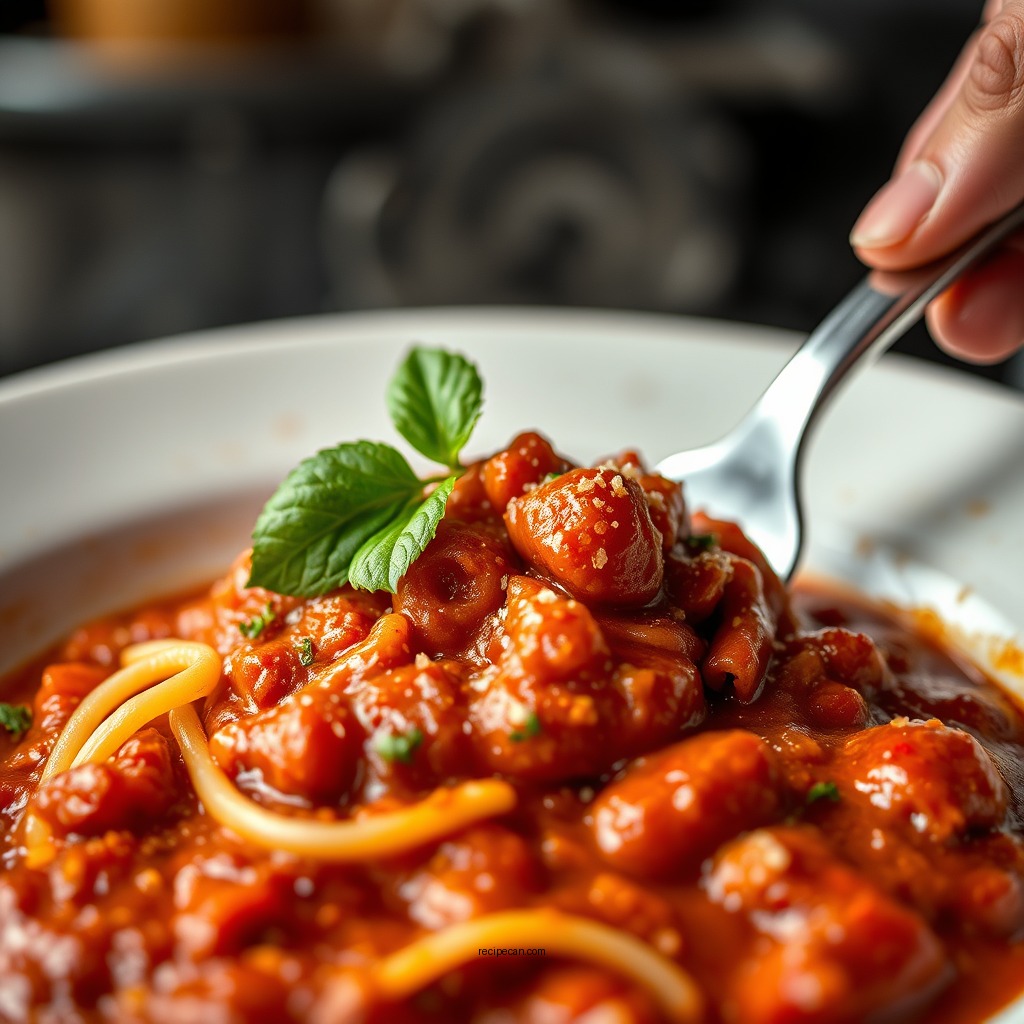
The next step involves browning the meat. Increase the heat slightly and add your ground meat to the pot. Use a wooden spoon to break it apart, ensuring it browns evenly. Browning the meat develops deep, complex flavors through the Maillard reaction, which is essential for a rich bolognese.
Once the meat is browned, incorporate the sautéed vegetables, stirring to combine. At this point, add tomato paste to build an initial layer of acidity and depth. Follow this with crushed tomatoes, which will form the base of your sauce. The balance of meat and tomato is critical; too much meat can make the sauce heavy, while too much tomato can make it too acidic. Aim for a good balance to allow each ingredient’s flavor to shine.
Simmering for Flavor
Allow the sauce to simmer gently for at least an hour; this is where the magic happens. A long, slow simmer allows the flavors to meld beautifully. If time permits, letting it go for two to three hours can result in an even richer sauce.
Stir occasionally to prevent sticking and ensure even cooking. If the sauce becomes too thick, you can add a splash of water or stock. Conversely, if it’s too thin, allow it to simmer uncovered to reduce the liquid.
📋 MANDATORY DATA TABLE
Top Ingredients for Bolognese Sauce (2024)
| # | Ingredient | Quantity (per batch) | Flavor Impact |
|---|---|---|---|
| 1 | Ground Beef | 500g | Rich and savory |
| 2 | Ground Pork | 250g | Adds sweetness and fat |
| 3 | Onion | 1 medium | Sweetness and depth |
| 4 | Carrot | 1 medium | Natural sweetness |
| 5 | Celery | 1 stalk | Herbal notes |
| 6 | Crushed Tomatoes | 400g | Acidity and body |
| 7 | Tomato Paste | 2 tbsp | Intensifies flavor |
📈 MANDATORY BAR CHART
Flavor Contributions of Bolognese Ingredients
Serving Suggestions
Once your bolognese sauce has reached its peak flavor, it’s time to serve it. The sauce pairs beautifully with a variety of pasta shapes, but traditionally, tagliatelle or pappardelle are the best choices due to their wide surfaces that hold the sauce well.
To enhance the dish further, serve with a generous grating of freshly grated Parmesan cheese on top, along with a sprinkle of chopped fresh parsley. This not only adds a burst of flavor but also a touch of color that makes the dish visually appealing.
Additionally, consider pairing the dish with a robust red wine, such as Chianti or Barolo, which complements the richness of the sauce beautifully.
Variations to Try
While the traditional bolognese is a classic, there are several variations worth exploring:
– Different Meats: For a lighter version, use ground turkey or chicken. These meats can provide a unique twist while maintaining a similar texture.
– Add Red Wine: Incorporating a splash of red wine during the cooking process can add depth and complexity. Allow it to reduce before adding the tomatoes.
– Creamy Bolognese: For a richer sauce, consider adding a splash of milk or cream towards the end of cooking. This can help mellow out the acidity of the tomatoes.
Storage and Reheating Tips
To store your bolognese sauce, let it cool completely before transferring it to an airtight container. It can be stored in the refrigerator for up to three days or frozen for up to three months. When reheating, do so gently on the stove or microwave. If the sauce has thickened, add a splash of water or broth to restore its consistency.
By following these steps, you can create a bolognese sauce that is hearty, delicious, and perfect for any occasion. Experiment with the variations and find your personal favorite. Don’t forget to share your culinary creations with friends and family!
Frequently Asked Questions
What are the key ingredients for the best bolognese sauce recipe?
The best bolognese sauce recipe typically includes ground meat (beef, pork, or a mix), onions, carrots, celery, garlic, tomatoes (canned or fresh), red wine, and milk. For enhanced flavor, adding herbs like bay leaves, thyme, and a pinch of nutmeg can elevate the sauce, making it rich and aromatic.
How long should I simmer my bolognese sauce for the best flavor?
For the best flavor, bolognese sauce should be simmered for at least 1.5 to 2 hours. This slow cooking process allows the flavors to meld beautifully, resulting in a rich and hearty sauce. If time permits, simmering for up to 4 hours can deepen the flavors even further.
Why is milk added to bolognese sauce, and what does it do?
Milk is added to bolognese sauce to soften the acidity of the tomatoes and create a creamier texture. It helps in balancing the flavors and adds richness to the sauce, making it more complex and satisfying on the palate.
What is the best type of meat to use for a traditional bolognese sauce?
The best type of meat for a traditional bolognese sauce is a combination of ground beef and ground pork, as this mix provides a balanced flavor and texture. Some recipes also use pancetta for added depth, but the beef and pork combination remains the classic choice for authenticity.
Which pasta pairs best with bolognese sauce?
The best pasta to pair with bolognese sauce is a wide, sturdy option like tagliatelle, pappardelle, or fettuccine, as these shapes hold the sauce well. While spaghetti is a popular choice, the thicker pasta types enhance the overall dining experience by allowing each bite to be coated in the rich bolognese sauce.
References
- Bolognese sauce
https://en.wikipedia.org/wiki/Bolognese_sauce - https://www.bbc.co.uk/food/recipes/ragu_bolognese_72101
https://www.bbc.co.uk/food/recipes/ragu_bolognese_72101 - https://www.nytimes.com/2020/01/29/dining/bolognese-sauce-recipe.html
https://www.nytimes.com/2020/01/29/dining/bolognese-sauce-recipe.html - https://www.theguardian.com/food/2020/oct/17/how-to-make-a-perfect-bolognese-sauce
https://www.theguardian.com/food/2020/oct/17/how-to-make-a-perfect-bolognese-sauce - https://www.sciencedirect.com/topics/food-science/bolognese-sauce
https://www.sciencedirect.com/topics/food-science/bolognese-sauce - https://www.britannica.com/topic/Bolognese-sauce
https://www.britannica.com/topic/Bolognese-sauce - Google Scholar Google Scholar
https://scholar.google.com/scholar?q=bolognese+sauce+recipe - Google Scholar Google Scholar
https://scholar.google.com/scholar?q=best+bolognese+sauce+preparation - Google Scholar Google Scholar
https://scholar.google.com/scholar?q=traditional+bolognese+sauce+recipe - https://www.cooking.nytimes.com/recipes/1019286-bolognese-sauce
https://www.cooking.nytimes.com/recipes/1019286-bolognese-sauce