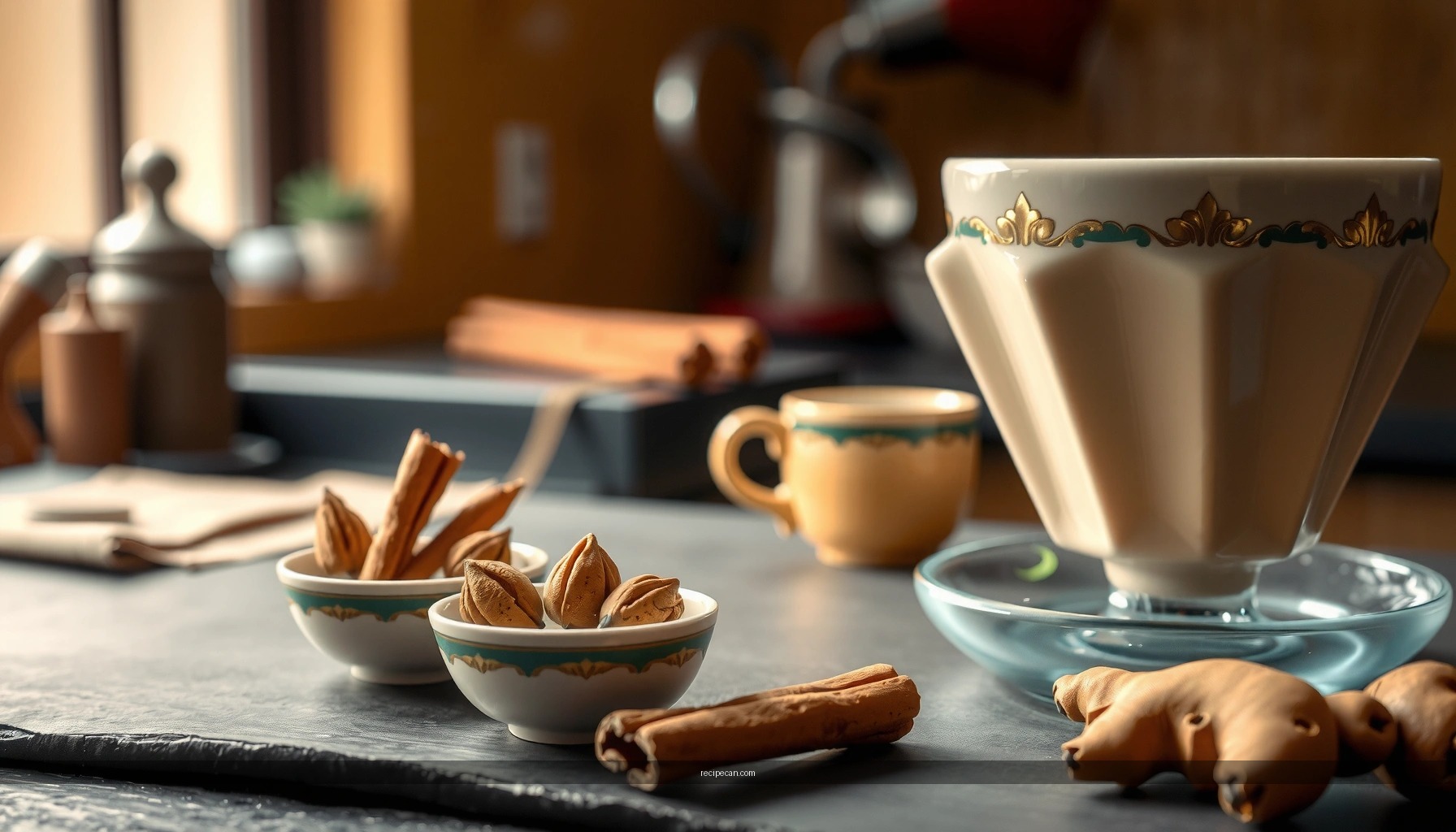
Get a perfect tea masala recipe with step-by-step instructions for spiced tea that tastes rich, aromatic, and never bitter. This guide answers how to choose and balance the right spices, get the strongest flavor from tea masala, and brew it to the ideal strength every time. If you want the tastiest cup under predictable conditions, follow this method and you’ll consistently win.
Brew the perfect tea masala by first simmering whole spices to build a deep, aromatic base, then steeping black tea and finishing with milk and sweetener to balance heat, bitterness, and richness. With the steps below, you’ll get a consistent, restaurant-quality spiced tea using simple whole spices—plus clear guidance to adjust strength to your exact taste.
Gather Ingredients for Tea Masala
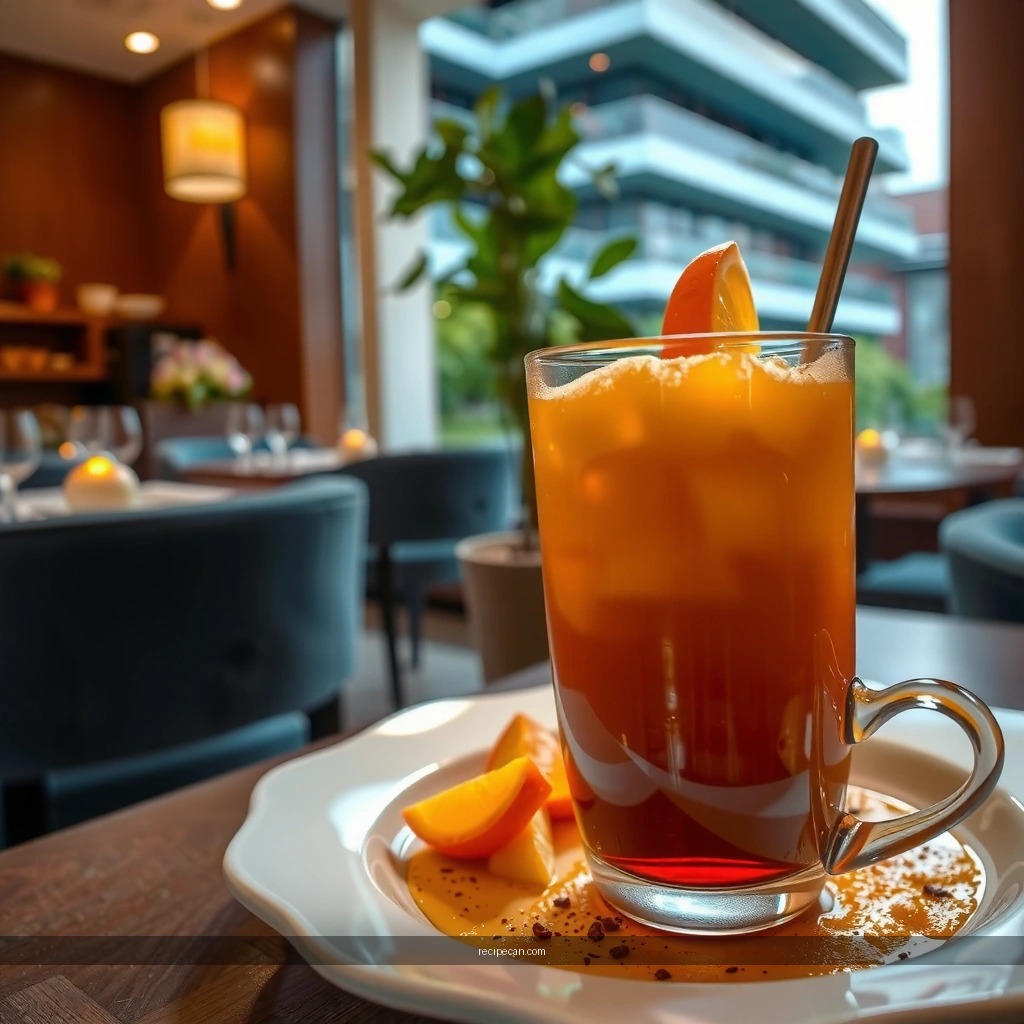
A great tea masala recipe starts with ingredient discipline: use whole spices, fresh ginger (or high-quality ginger powder if needed), and a tea base that matches your desired body and intensity.
– Choose classic spices like ginger, cardamom, cinnamon, and cloves
– Ginger provides a sharp, warming brightness and helps round out the tea’s astringency.
– Green cardamom is aromatic and slightly sweet—ideal for an elegant, non-bitter profile.
– Cinnamon adds gentle sweetness and a “bakery” warmth without overpowering.
– Cloves are potent; a small amount delivers depth and complexity.
– Use tea leaves (or tea bags) and fresh milk or water base
– Traditional masala chai typically uses black tea (e.g., Assam-style for boldness, Darjeeling-style for lighter florals, or a blended CTC for strength).
– You can brew the spice base in water, then add milk later (most consistent), or brew the whole thing in milk (more direct, but easier to scorch).
– Keep sweetener options like jaggery or sugar ready
– Jaggery lends caramel-like notes and a “classic” Indian chai profile.
– Sugar is predictable and easy to dial in—especially if you’re tasting frequently.
Suggested single-cup (about 250–300 ml) ingredient set
– Water: 150 ml
– Milk: 100–150 ml
– Black tea: 1 to 1½ tsp loose tea (or 1 tea bag)
– Fresh ginger: 1 inch, peeled and lightly crushed/sliced
– Green cardamom: 3–4 pods, lightly crushed
– Cinnamon stick: ½ to 1 inch (or ¼ tsp powder)
– Cloves: 2 small
– Sweetener: 1–2 tsp jaggery (to taste) or sugar
– Optional: pinch of salt (enhances spice perception)
– Optional: pinch of black pepper or nutmeg (for twist)
To help you choose the “right” spice intensity for everyday drinking, use this quick, practical reference for spice strength and expected impact.
Tea Masala Preference Guide (Single-Cup Benchmark)
| # | Tea Style Target | Spice Base Time | Tea Steep Time | Milk Ratio | Flavor “Punch” |
|---|---|---|---|---|---|
| 1 | Light & Fragrant | 6 min | 2:30 min | 1:1 (milk:water) | ★★★☆☆ |
| 2 | Balanced Everyday | 8 min | 3:00 min | 1.2:1 (milk:water) | ★★★★☆ |
| 3 | Classic Masala Chai | 10 min | 3:30 min | 1.5:1 (milk:water) | ★★★★★ |
| 4 | Bold & Spicy | 12 min | 4:00 min | 1.8:1 (milk:water) | ★★★★☆ |
| 5 | Ginger-Forward (Zing) | 10 min | 3:15 min | 1.3:1 (milk:water) | ★★★★★ |
| 6 | Mild & Comforting | 6–7 min | 2:45 min | 2.0:1 (milk:water) | ★★★☆☆ |
| 7 | Reduced Clove Spice | 9 min | 3:10 min | 1.4:1 (milk:water) | ★★★★☆ |
Prepare the Tea Masala Base
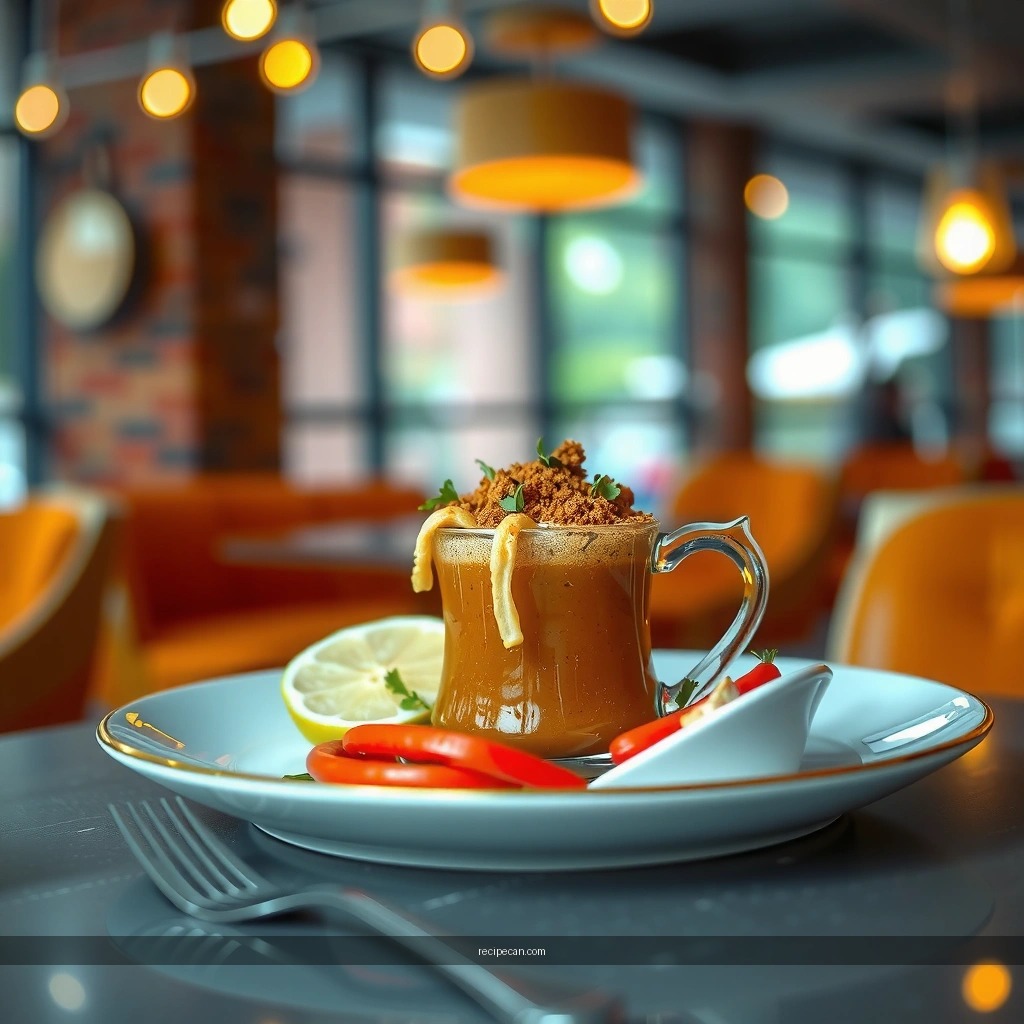
This is where your spiced tea moves from “tastes okay” to “tastes intentional.” Simmering whole spices first creates a layered aroma before the tea leaves contribute bitterness.
– Lightly crush whole spices for better flavor release
– Crush cardamom pods and cloves with the back of a spoon (or a mortar and pestle). Whole spices release flavor more efficiently when slightly broken, not pulverized.
– Slice or lightly crush ginger so it infuses quickly without making the brew harsh.
– Simmer spices with water first to build the aroma
– In a small saucepan, add water + cinnamon + cloves + cardamom + ginger.
– Keep it at a gentle simmer; vigorous boiling can make some spices taste sharp.
– Add ginger to balance warmth and freshness
– Ginger is often the first note you smell. Use it early so its brightness stays present even after the tea and milk finish the flavor.
A practical benchmark: simmer the masala base for 6–12 minutes, depending on whether you want a light or bold spiced tea. If you’re making tea for guests or for consistent home servings, choose a single time range and repeat it.
Brew the Spiced Tea
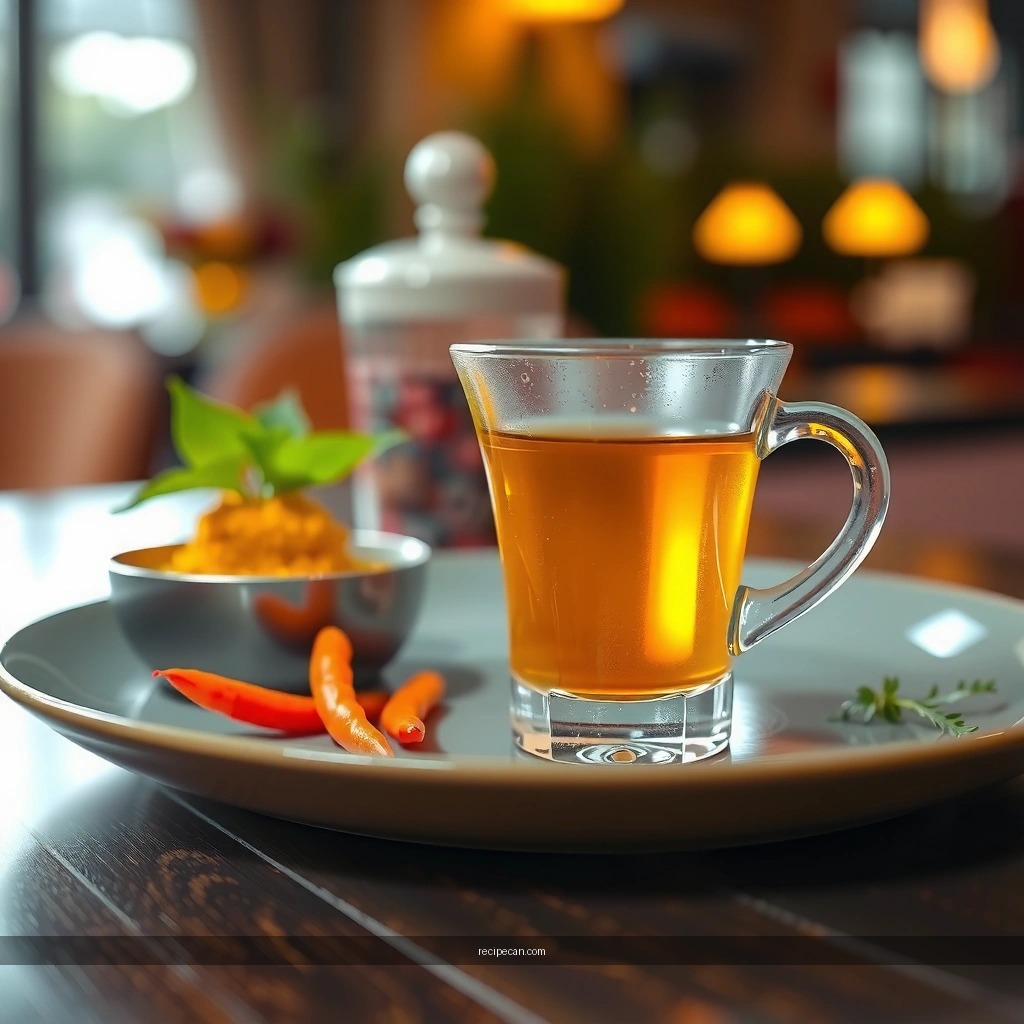
Once the spice aroma is in the water, the tea leaves determine color, body, and caffeine strength.
– Add tea leaves and steep until the color and strength are right
– Add black tea to the simmering spice water.
– Steep without boiling hard. Aim for a controlled steep where the tea deepens from amber to a richer brown.
– Strain for a smooth, clear cup (optional but common)
– Straining removes spice fragments and helps produce a clean texture—especially important if you’re serving to people who prefer no “bits.”
– If you like rustic chai, you can pour directly after turning off heat (just be mindful of clove pieces).
– Adjust the simmer time for stronger or lighter tea
– For a stronger tea masala, increase steep time in small increments (15–30 seconds) rather than jumping to a much longer time at once.
– Over-steeping increases bitterness; you can counterbalance bitterness with slightly more milk or a modest bump of jaggery.
Tasting method for control (highly repeatable)
1. Start with your targeted steep time (e.g., 3:00–3:30 minutes).
2. Taste the brewed tea portion (spice + tea, without milk yet).
3. Decide whether to push tea time or reduce it next batch—this prevents you from “fixing” bitterness later.
Add Milk and Sweeten
Milk is where the spice becomes smooth and drinkable. Sweetener then rounds out the final flavor profile.
– Pour in milk and bring to a gentle boil
– Add milk to the strained (or unstrained) tea base.
– Bring to a gentle boil and let it simmer briefly—just enough to unify flavors.
– Add jaggery/sugar to taste while simmering
– Jaggery dissolves best with a brief simmer. If it’s not melting, stir and allow 30–60 seconds more.
– Add sugar/jaggery gradually, tasting as you go. This avoids oversweetening, which can dull the spices.
– Stir well to ensure even sweetness and spice distribution
– Stir continuously during the final 20–30 seconds to distribute sweetness and prevent caramelized hotspots.
Why gentle boiling matters
A rolling boil can create a “milk-thin” texture and sometimes bring scorched notes. A controlled simmer protects the creamy mouthfeel that chai lovers expect.
Customize Your Tea Masala Flavor
Customization is what turns a standard tea masala recipe into your signature cup. Adjust one variable at a time so you can learn your ideal balance.
– Make it stronger with extra ginger or extra cardamom
– Add ginger in small increments for a sharper, fresher warmth.
– Add cardamom for a fragrant lift without increasing bitterness.
– Go lighter by reducing cloves and cinnamon
– Cloves are dominant and can easily push the cup into a medicinal direction. Reducing cloves is the fastest way to make chai “more drinkable.”
– Reduce cinnamon if you want a less sweet, less woody profile.
– Add a pinch of black pepper or nutmeg for a twist
– Black pepper adds a subtle heat and complexity that works especially well with ginger-forward chai.
– Nutmeg provides a warm, dessert-like aroma (use very sparingly—too much becomes overpowering).
If you’re preparing spiced tea for a group, start with a “balanced classic masala” base and keep optional add-ins at the table (e.g., extra crushed cardamom pods or a pinch of pepper). This improves satisfaction while keeping the base consistent.
Serving Tips and Storage
A well-made tea masala should be easy to serve, consistent in aroma, and practical for repeat batches.
– Serve hot with snacks, or strain for a cleaner texture
– Serve with samosas, pakoras, biscuits, or simple roasted nuts.
– If you’re aiming for a smoother professional-style presentation, strain the final cup or strain after the spice-water simmer.
– Reuse leftover prepared spice mix for quick next batches
– You can simmer the whole spices once, strain, and use the remaining spices in the next batch (or lightly dry and store).
– Another option: make a small “whole spice blend” (measured cinnamon, cardamom, cloves, dried ginger) and keep it ready. Then you only add fresh ginger and tea leaves per batch.
– Store spice mix in an airtight container away from moisture
– Whole spices protect aroma longer than ground spices, especially when kept dry.
– Store away from sunlight and humidity to maintain fragrance.
Batch workflow (efficient and consistent)
1. Keep a measured container of whole spices for chai.
2. Brew the spice base ahead of time for the week (within safe refrigeration time) and finish each cup with fresh tea + milk.
3. Record your steep and simmer times for the first batch—then replicate for every future cup.
Spice up your routine with this easy tea masala recipe—start by simmering the whole spices, then brew and finish with milk and sweetness. Follow the steps, taste as you go, and make it your perfect strength; try one batch today and save your favorite spice balance for next time.
Final take: if you want “perfect” tea masala every time, treat it like a repeatable process—build aroma by simmering whole spices in water, steep black tea with precision, and finish with milk and jaggery/sugar for balance. Once you lock in your preferred base simmer time and tea steep time, you’ll be able to customize ginger, cardamom, cinnamon, and cloves confidently while keeping the result smooth, aromatic, and consistently satisfying.
Frequently Asked Questions
What is a tea masala recipe, and what makes it taste different from regular chai?
A tea masala recipe is a spice blend simmered with tea and milk (or water) to create a flavorful, aromatic chai. Unlike plain tea, masala chai uses warm spices like ginger, cardamom, cinnamon, cloves, and black pepper to add depth, fragrance, and a balanced sweetness-spice profile. The exact combination and proportions determine whether your tea masala tastes more floral, ginger-forward, or strongly spiced.
How do I make an easy tea masala recipe at home without getting a bitter taste?
Start by gently simmering the spices (or prepared masala) with water for 5–7 minutes to extract flavor before adding tea. Use fresh or lightly crushed whole spices, and avoid boiling tea for too long—steep for about 2–3 minutes or as per your tea strength. If you’re using black tea, keep the heat medium and strain promptly to prevent over-extraction that causes bitterness.
Which spices are best for a classic tea masala recipe?
A classic tea masala recipe often includes crushed ginger, green cardamom, cinnamon sticks, and a pinch of cloves. Black pepper or fennel can be added for a sharper, more layered flavor, while nutmeg (optional) adds warmth and a creamy aroma. For most people, this spice set creates the most “authentic chai” taste without overpowering the tea.
Why does my tea masala turn out too strong or too weak, and how can I fix it?
Tea masala can become too strong if you simmer the spices too long or use too much concentrated spice powder; it can be too weak if spices are not simmered enough or the tea-to-water ratio is low. Use a consistent starting point such as simmering masala with water for 5–7 minutes, then adding tea and milk and simmering only briefly. Taste and adjust gradually—add a little more ginger or cardamom for lift, or dilute with extra milk/water for a smoother cup.
What is the best method to store and reuse tea masala for quick chai every day?
For convenience, make a small batch of dry tea masala (spice blend) or a thicker wet masala paste and store it in an airtight container. Dry masala can last longer at room temperature in a cool, dry place, while wet paste should be refrigerated and used within about a week for best flavor. When brewing, simply add the stored masala to water to simmer briefly, then proceed with tea and milk—this keeps your chai consistent and fast.
References
- Masala chai
https://en.wikipedia.org/wiki/Masala_chai - https://www.britannica.com/topic/chai
https://www.britannica.com/topic/chai - Google Scholar Google Scholar
https://scholar.google.com/scholar?q=masala+chai+recipe+cardamom+ginger+cinnamon - Google Scholar Google Scholar
https://scholar.google.com/scholar?q=chai+tea+spices+preparation+milk+brewing+technique - Google Scholar Google Scholar
https://scholar.google.com/scholar?q=spiced+tea+ginger+cinnamon+cardamom+black+tea - https://pubmed.ncbi.nlm.nih.gov/?term=masala+chai
https://pubmed.ncbi.nlm.nih.gov/?term=masala+chai - https://pubmed.ncbi.nlm.nih.gov/?term=spiced+tea
https://pubmed.ncbi.nlm.nih.gov/?term=spiced+tea - https://pubmed.ncbi.nlm.nih.gov/?term=chai+ginger+cardamom+cinnamon
https://pubmed.ncbi.nlm.nih.gov/?term=chai+ginger+cardamom+cinnamon - https://pubmed.ncbi.nlm.nih.gov/?term=black+tea+milk+processing+preparation
https://pubmed.ncbi.nlm.nih.gov/?term=black+tea+milk+processing+preparation - Ginger: Usefulness and Safety | NCCIH
https://www.nccih.nih.gov/health/ginger