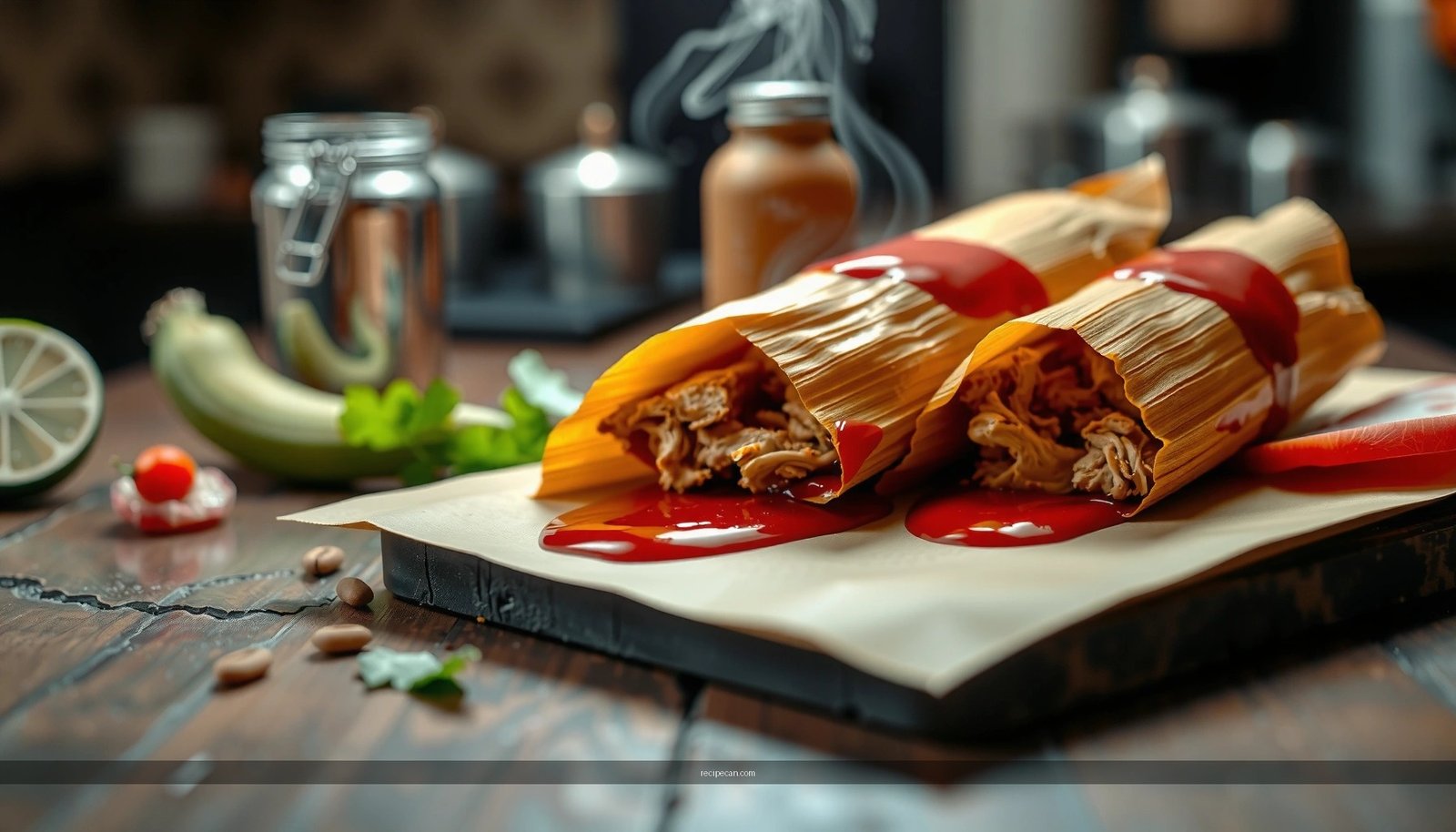
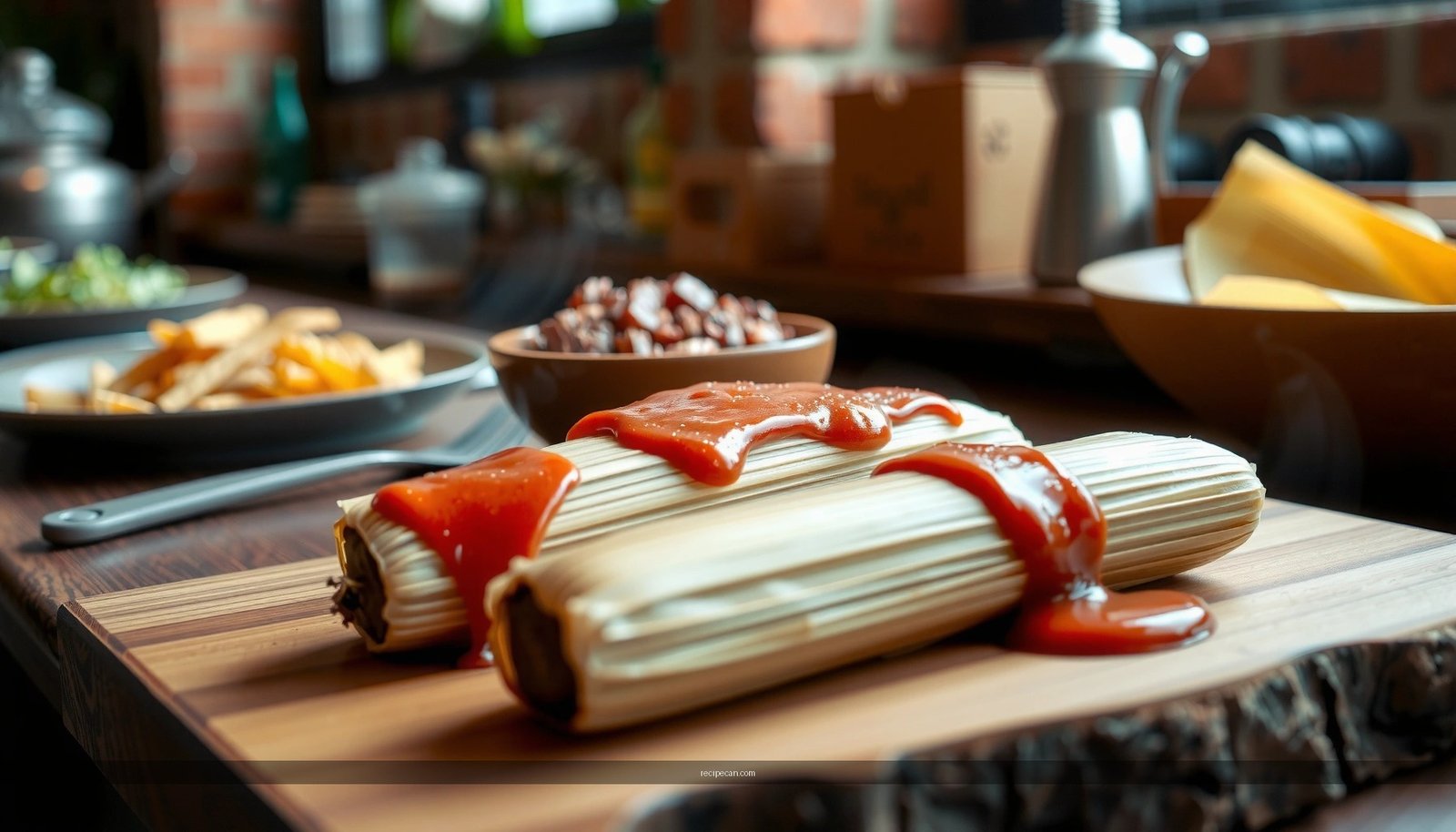
Learn how to make tamale soup step by step with a recipe that delivers bold masa flavor, hearty toppings, and a rich, spoon-thick broth every time. This direct guide answers the question of what ingredients and cook times you need to get the best texture and heat level—without guesswork. If you want a dependable tamale soup recipe that tastes like it came from a favorite kitchen, this is your blueprint.
This tamale soup recipe delivers a thick, tamale-inspired one-pot meal by building a deeply seasoned base, simmering until savory and rich, and finishing with masa-thickened texture plus classic toppings. In practical terms: you’ll sauté aromatics, brown your meat (or warm beans), develop the chili-spice depth, simmer with broth, then thicken with masa harina so every spoonful tastes like warm tamales.
Gather Ingredients for Tamale Soup
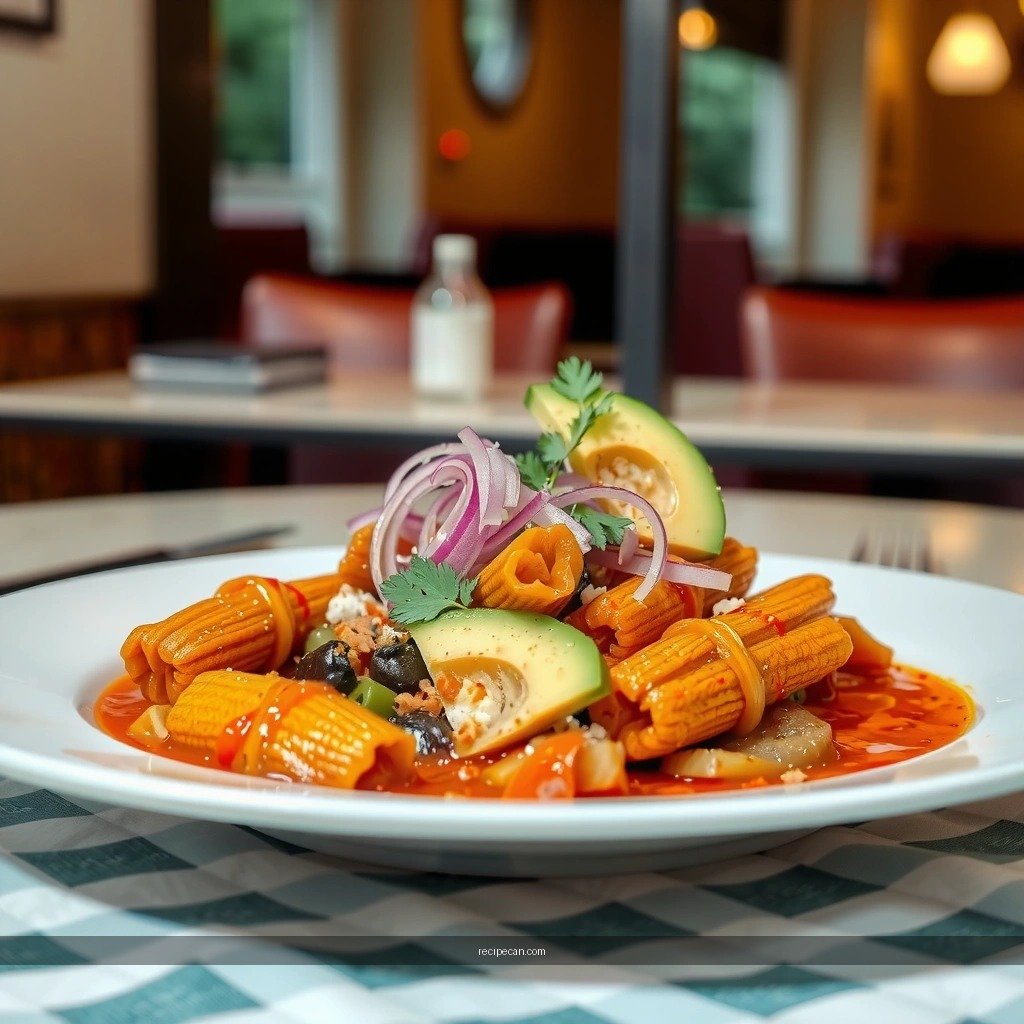
A great tamale soup starts with the right balance of heat, body, and “tamale flavor”—typically chili seasoning, corn sweetness, and masa-thickened broth. Choose ingredients that align with your dietary preferences, but keep the core flavor profile consistent.
Protein options (pick one):
– Ground beef (80/20 works well for flavor, 90/10 for leaner results)
– Shredded chicken (or boneless chicken thighs)
– Beans (pinto or black beans for a satisfying vegetarian version)
Base flavor pantry:
– Onion and garlic for the aromatic foundation
– Chili powder and ground cumin for classic Mexican-inspired warmth
– Smoked paprika (optional but highly recommended) for a “roasted” feel
– Broth (chicken or beef broth; vegetable broth works for vegetarian soup)
Tamale-inspired add-ins:
– Crushed tomatoes (or tomato sauce) to add tang and richness
– Corn (canned whole kernel or frozen)
– Beans (if not using meat—pinto/black are ideal)
Thickeners:
– Masa harina (the key tamale-style thickener)
– Optional: a small extra spoon of masa at the end if you want a thicker, spoon-coating consistency
Toppings (choose what you love):
– Shredded Mexican cheese (or sharp cheddar)
– Cilantro
– Sour cream or Mexican crema
– Tortilla strips (store-bought or homemade)
– Optional extras: diced avocado, pickled jalapeños, lime wedges
Quick flavor targets (so your soup doesn’t taste “flat”)
Aim for a finished soup that is:
– Slightly smoky + earthy (cumin, chili, optional smoked paprika)
– Mildly tangy (tomatoes)
– Moderately thick (masa harina)
– Bright at the end (cilantro, lime, or a touch more salt)
Tamale Soup Thickness Guide (Masa Harina vs. Result)
| # | Soup Batch (Approx.) | Masa Harina | Estimated Thickening | Practical Outcome |
|---|---|---|---|---|
| 1 | 3 cups | 2 tbsp | Light | Brothy, easy to drink |
| 2 | 4 cups | 3 tbsp | Moderate | Spoonable, coats broth lightly |
| 3 | 5–6 cups | 4 tbsp | Balanced | Classic tamale-soup body |
| 4 | 7–8 cups | 6 tbsp | Thick | Hearty, holds toppings well |
| 5 | 9–10 cups | 7–8 tbsp | Very thick | Meal-prep thick, spoon-stable |
| 6 | 4 cups (quick fix) | 1.5–2 tbsp extra | Boost | Use gradually to avoid clumps |
| 7 | Too thick recovery | — | Thin gently | Add 1/2 cup broth at a time |
Prep the Base and Flavor Build
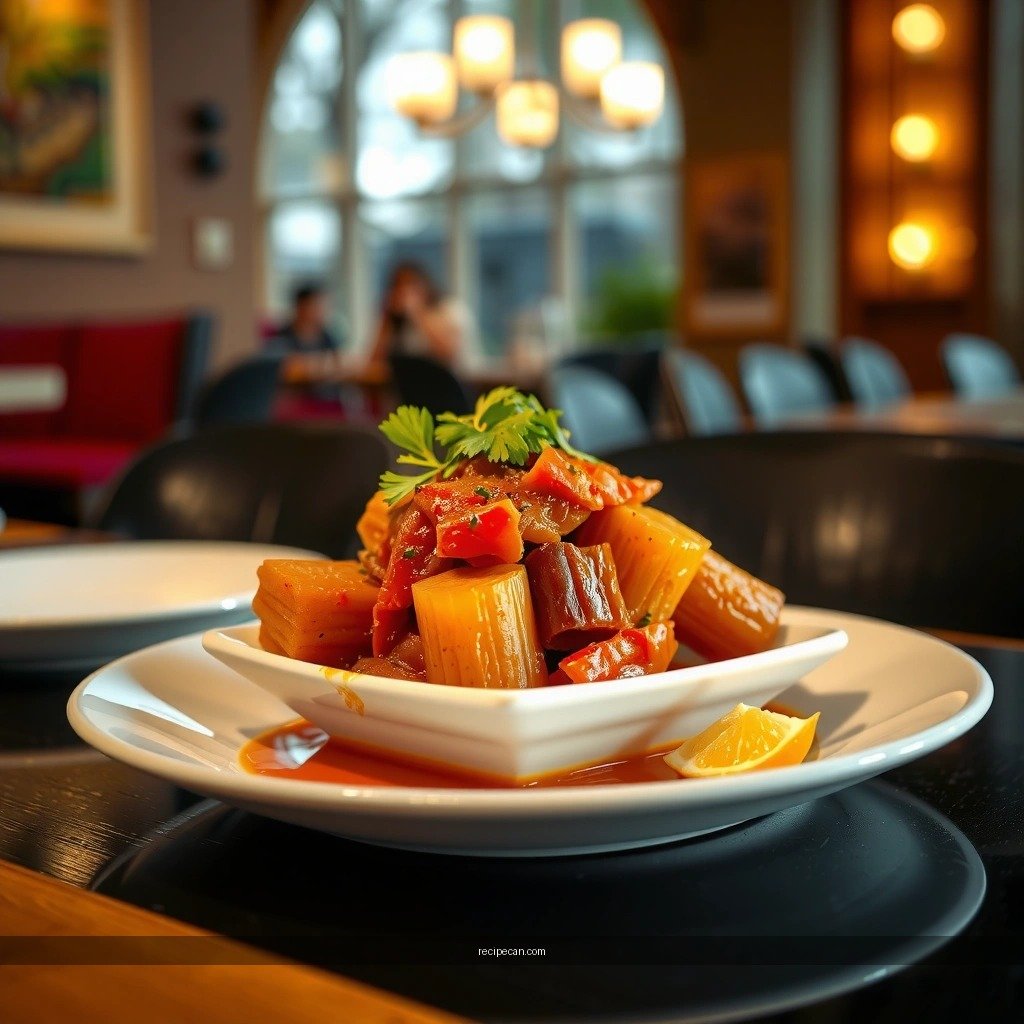
To make tamale soup taste “authentic,” don’t rush the flavor build. The goal is to create a seasoned foundation where chili, cumin, tomatoes, and aromatics bloom together before the broth goes in.
– Dice 1 medium onion and mince 3–4 cloves garlic.
– Cook in oil (or bacon fat if you’re leaning traditional) until the onion turns translucent and the garlic smells fragrant—usually 2–4 minutes.
– Professional tip: keep the heat medium. Garlic burns fast and can add bitterness that no topping can fix.
2) Brown your meat (or warm beans)
– For ground beef: brown until the pink is gone, then drain excess grease if needed.
– For shredded chicken: sear briefly in the pot to add depth, then season.
– For beans: warm them in the pot with the spices for a few minutes to “toast” them slightly—this helps avoid a bland bean taste.
3) Season aggressively (early, not late)
Add and toast spices for 30–60 seconds:
– Chili powder
– Ground cumin
– Smoked paprika (optional)
– Salt and black pepper
Then add:
– Crushed tomatoes (or tomato sauce)
– Optional aromatics like jalapeño or chipotle in adobo for smoky heat
This step matters because spice compounds dissolve into fat and liquid during simmering, creating a more integrated flavor across the whole soup.
Simmer Until Thick and Savory
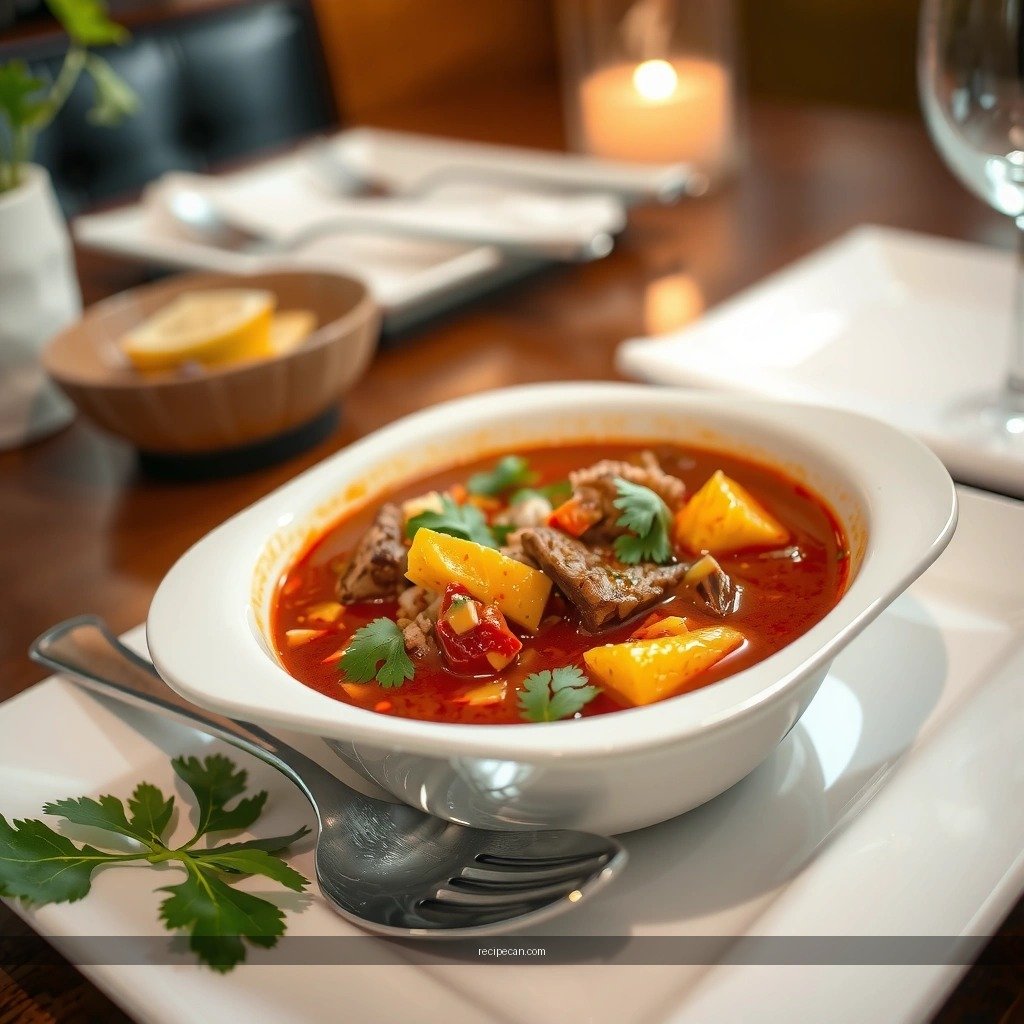
Once the base is built, simmering is where the soup becomes cohesive. You’re aiming for broth that tastes like chili-spiced tomatoes—not like separate ingredients.
1) Add broth and simmer
– Pour in chicken/beef/vegetable broth (commonly 6–8 cups depending on pot size).
– Bring to a gentle boil, then reduce to a simmer.
– Simmer 15–25 minutes so the flavors meld.
2) Thicken with masa harina
Masa harina is what makes tamale soup feel substantial. It thickens while adding that signature corn-meal character.
How to do it cleanly:
– Whisk masa harina with a splash of cold broth (or water) until smooth.
– Stir the slurry slowly into the simmering soup.
– Simmer another 5–10 minutes until thickened.
3) Taste and adjust salt, heat, and seasoning
This is the “quality control” stage:
– If flat: add salt.
– If dull: add a little cumin or chili powder.
– If heat is needed: add jalapeño or a pinch of cayenne.
– If too sharp: a small spoon of sour cream at serving (or a bit more broth to dilute) can smooth it.
Add Tamale-Inspired Texture
Tamale soup is not just spicy broth—it’s a hearty bowl with corn and legumes that echo the fillings of tamales.
1) Include corn and beans
– Add corn (canned or frozen) during the simmer so it stays tender.
– If you didn’t use beans as the main protein, add pinto or black beans now.
– For best texture, avoid boiling aggressively after the masa step; you want a gentle simmer.
2) Add diced peppers or jalapeños for kick
– Sautéed jalapeño or diced poblano adds body and heat.
– For smoke-forward flavor, consider a small amount of chipotle powder or chipotle in adobo (start small—this can dominate quickly).
3) Keep the soup hearty without overcooking add-ins
Overcooking can make corn mushy and reduce bean integrity. A practical rule:
– Add delicate add-ins (corn) after the base simmers about 10 minutes.
– Add beans warmed already for less time in the pot.
If you’re meal prepping, slightly under-simmer the add-ins—reheat usually thickens and softens further.
Serve with the Best Toppings
Toppings are where tamale soup turns into a restaurant-style bowl. Use contrasts: creamy vs. crunchy, bright vs. rich.
Core topping approach:
1) Shredded cheese first so it begins melting from the hot soup.
2) Cilantro for freshness.
3) Sour cream or Mexican crema for tang and creaminess.
4) Tortilla strips last for crunch.
Pro serving ideas
– Add lime wedges so guests can brighten the heat.
– Top with avocado for silky texture and mildness.
– Serve extra tortilla strips on the side to keep them crisp.
Suggested sides
– Chips and salsa
– Mexican rice (or cilantro-lime rice)
– Warm cornbread for an authentic, comforting pairing
A key workflow tip: prep toppings before cooking finishes. Tamale soup is best served immediately after it’s been thickened and seasoned.
Storage and Reheating Tips
Tamale soup stores extremely well because flavors continue to meld over time, and masa thickening becomes even more integrated.
Refrigeration
– Store leftovers in an airtight container in the fridge.
– It typically keeps 3–4 days.
Reheating
– Reheat gently on the stovetop, adding broth or water if it thickened too much.
– Microwave in short intervals, stirring between.
Freezing
– Freeze portions in freezer-safe containers.
– For best texture, simmer slightly less before freezing, since masa continues to absorb liquid as it cools.
– Thaw in the refrigerator, then reheat gently, adjusting with broth.
One operational tip for batch cooking: label containers with the date and note whether the soup is “thicker style” or “brothier style,” so reheating is consistent.
Tamale soup is one of those dishes where technique matters more than complexity. If you build the flavor base properly, simmer until the broth tastes cohesive, and thicken with masa harina rather than relying on shortcuts, you’ll get that thick, tamale-inspired comfort in every bowl. Customize freely—meat or beans, mild or hot, extra corn or extra spice—and use toppings to create contrast. Make a pot tonight, store leftovers for quick lunches, and enjoy a reliable, high-flavor meal that feels both homemade and satisfying.
Frequently Asked Questions
What is the best tamale soup recipe if I want it thick and hearty?
Start with a base of sautéed onions, garlic, and bell pepper, then simmer with broth, diced tomatoes, and corn until flavorful. For thickness, stir in masa harina (or ground masa) gradually and let the soup cook 10–15 minutes so it thickens without lumps. Add shredded chicken or beef, black beans, and plenty of corn, then finish with chili powder, cumin, and dried oregano for classic tamale soup flavor.
How do I make tamale soup without masa lumps?
Mix masa harina with a small amount of cold water or broth first to create a smooth slurry, then whisk it into the simmering soup slowly. Keep the soup at a gentle simmer rather than a rolling boil, and stir frequently while it thickens. If you do notice lumps, use an immersion blender or whisk them out right away before the masa sets.
Why does my tamale soup taste bland, and how can I fix it?
Bland tamale soup is usually under-seasoned or missing depth from aromatics and properly toasted spices. Add a pinch more salt, then boost flavor with chili powder, cumin, garlic powder, and a touch of smoked paprika if you have it. For extra richness, simmer longer, stir in a little tomato paste, or add a splash of lime juice at the end to brighten the taste.
Which meat is best for tamale soup—chicken, turkey, or beef?
Chicken is the most common choice because it stays tender and pairs well with corn, beans, and chili seasoning. Beef works great if you simmer it longer for a deeper, savory flavor, while turkey is a lighter option that still holds up well in a hearty soup. Whichever you choose, shred the meat and simmer briefly so the flavors fully blend into the tamale soup base.
What toppings go best with tamale soup, and how should I serve it?
Traditional tamale soup toppings include shredded cheese, sour cream, sliced green onions, cilantro, avocado, and tortilla strips or crushed tortilla chips for crunch. Add toppings right before serving so they don’t get soggy, and offer optional heat like jalapeños or hot sauce. Serve with warm cornbread or rice if you want it extra filling and comfort-food style.
References
- Google Scholar Google Scholar
https://scholar.google.com/scholar?q=tamale+soup+recipe - Google Scholar Google Scholar
https://scholar.google.com/scholar?q=traditional+tamale+ingredients+masa+cooking - Google Scholar Google Scholar
https://scholar.google.com/scholar?q=Mexican+soup+with+masa+chile+recipe+tamale+soup - Tamale
https://en.wikipedia.org/wiki/Tamale - https://www.britannica.com/topic/tamale
https://www.britannica.com/topic/tamale - https://pubmed.ncbi.nlm.nih.gov/?term=nixtamalization+masa+corn
https://pubmed.ncbi.nlm.nih.gov/?term=nixtamalization+masa+corn - chili pepper capsaicin metabolism – Search Results – PMC
https://www.ncbi.nlm.nih.gov/pmc/?term=chili+pepper+capsaicin+metabolism - Food | The Guardian
https://www.theguardian.com/food/search/tamale%20soup - https://www.nytimes.com/search?query=tamale%20soup
https://www.nytimes.com/search?query=tamale%20soup - tamale soup recipe – Search results
https://en.wikipedia.org/wiki/Special:Search?search=tamale+soup+recipe