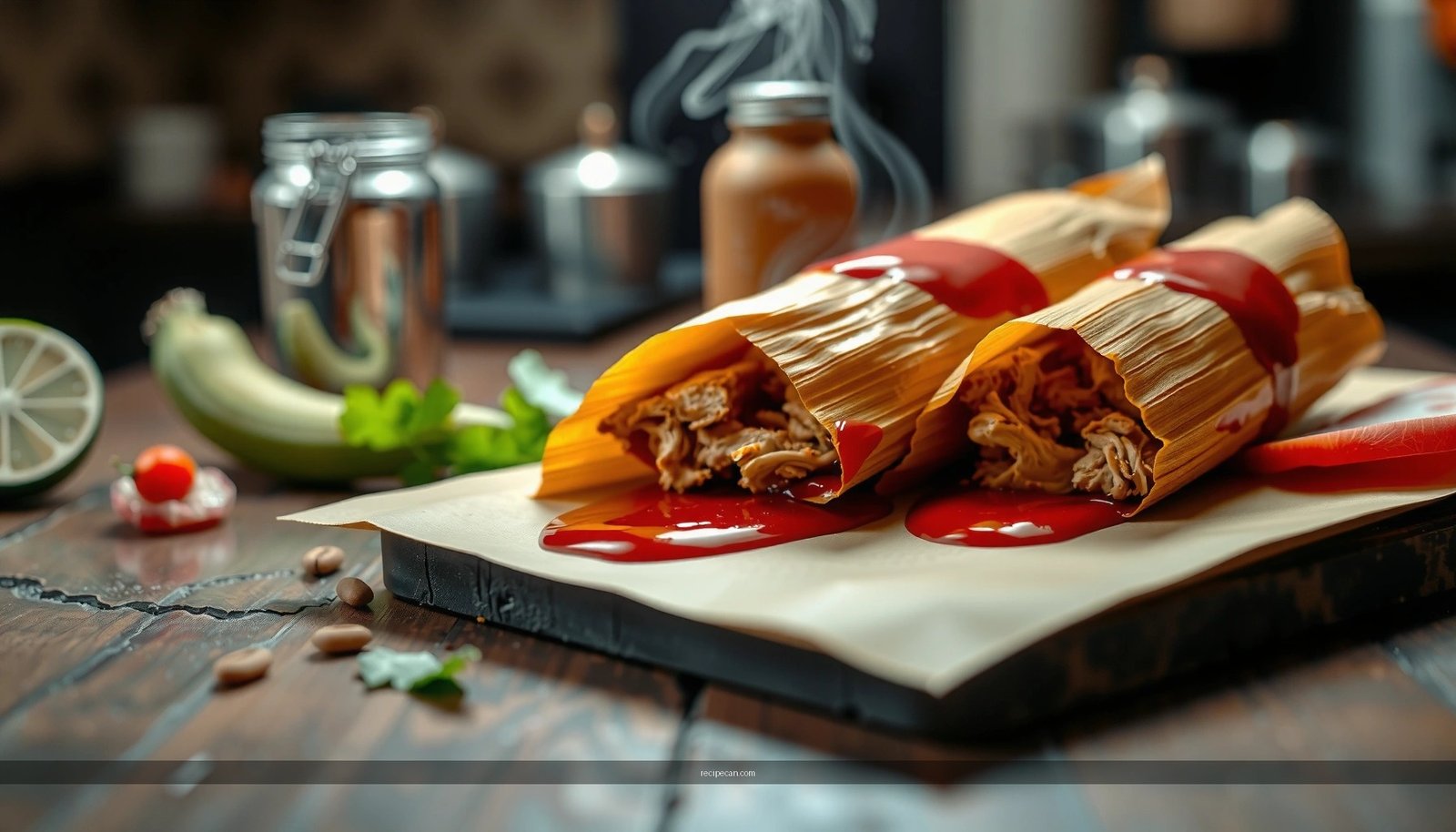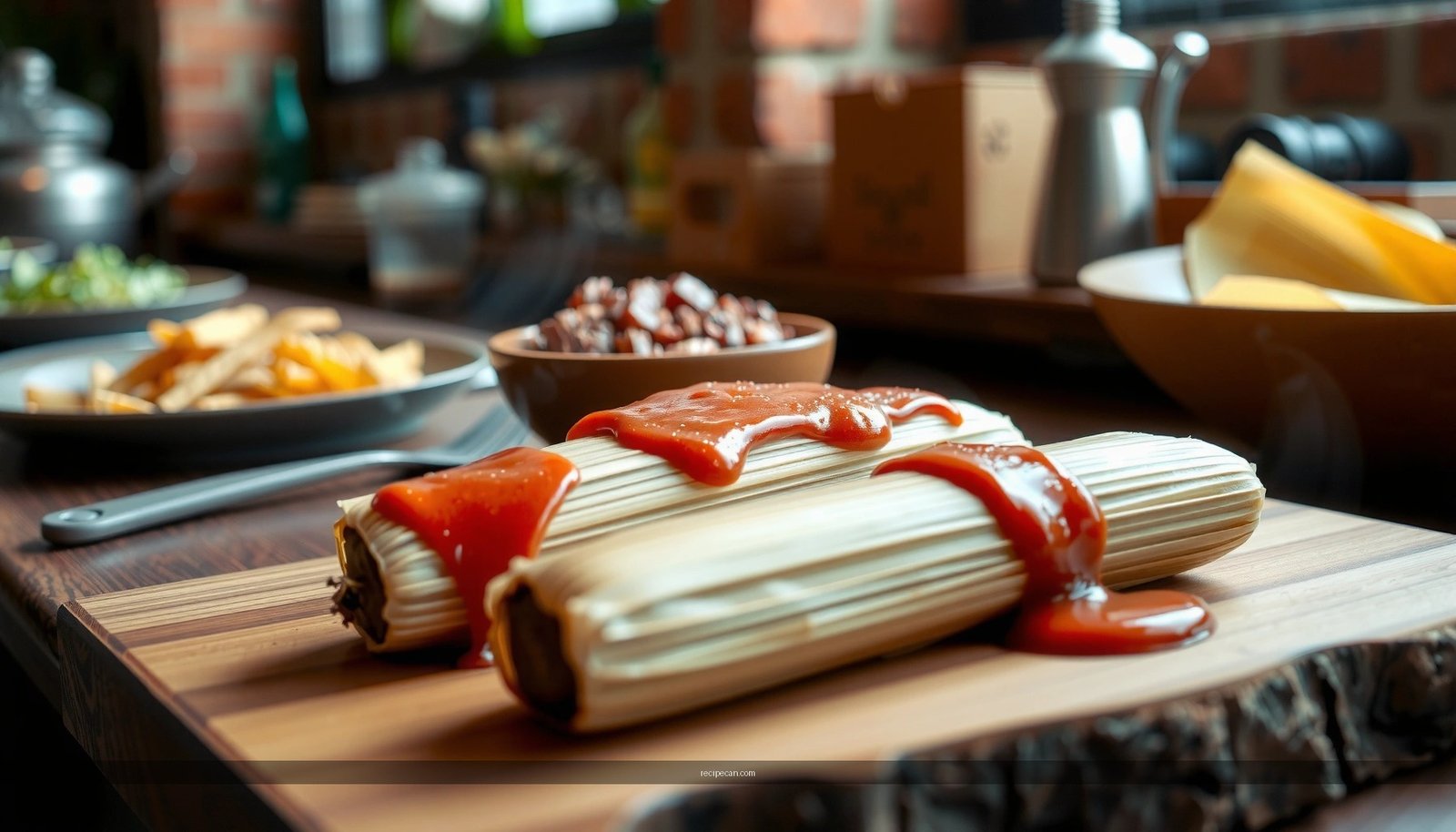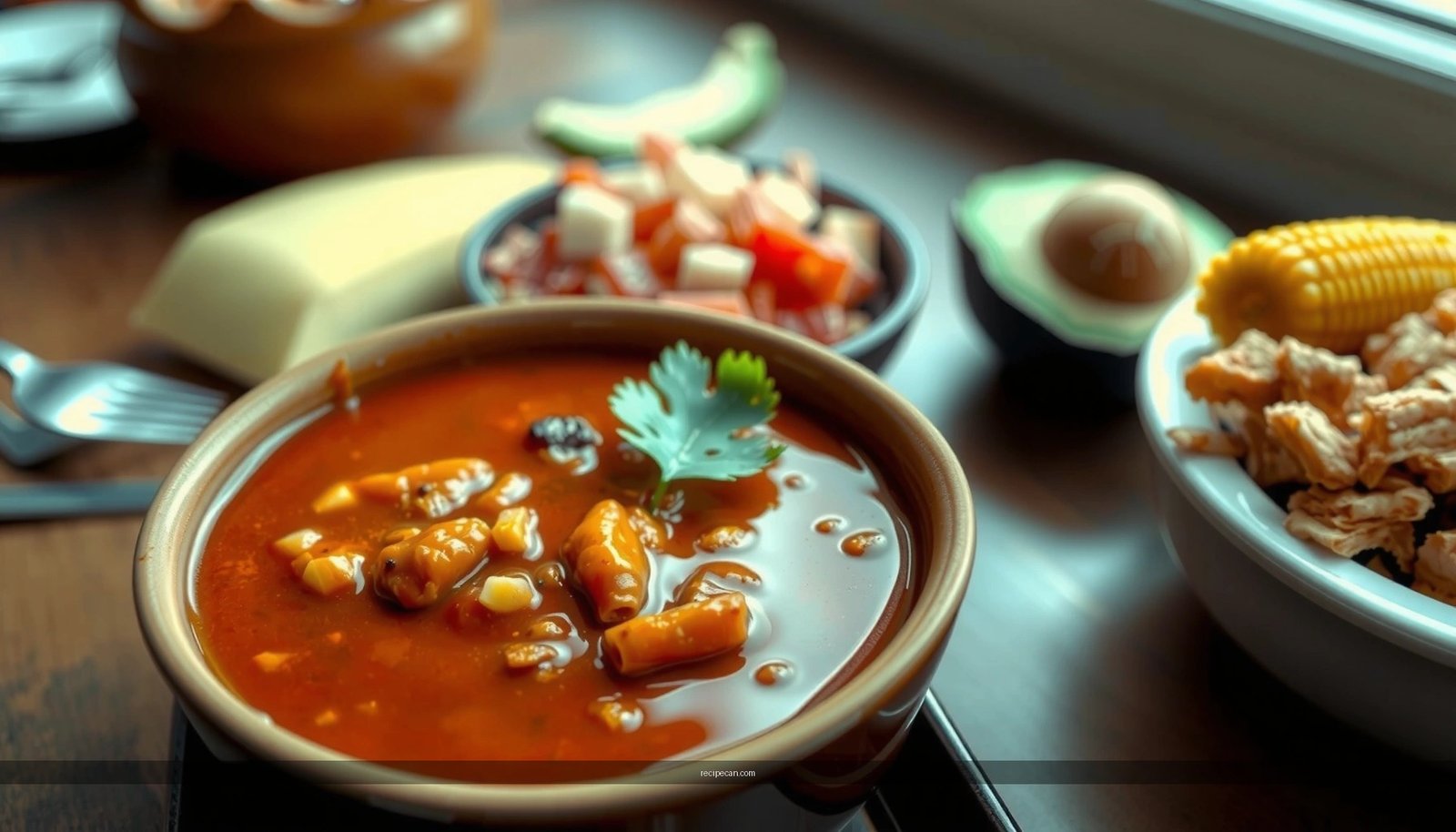
Looking for tamale sauce recipes that deliver real flavor fast? This guide picks the best tamale sauce for each filling—whether you want smoky, rich red, bright green, or creamy options—and explains how to make it without guesswork. You’ll leave with a clear winner for your next tamale batch, plus the steps and ingredient cues that make the sauce stick the landing.
The easiest way to nail tamale sauce recipes is to build flavor from chiles (or tomatillos), then control thickness with smart simmering until the sauce is pourable and clings to the masa. Below are three reliable styles—classic red, zesty green, and spicy chipotle—plus practical consistency and balancing techniques so your sauce elevates every filling instead of overpowering it.
Chile-to-Liquid Ratios That Commonly Yield Pourable Tamale Sauce (8–12 Servings)
| # | Sauce Style | Dried Chile / Base | Total Liquid (cups) | Cook Time to Thicken | Ease Score |
|---|---|---|---|---|---|
| 1 | Classic Red (Guajillo + Ancho) | 20–24 guajillo + ancho blend (total) | 3.0 | 18–25 min | ★★★★☆ |
| 2 | Classic Red (Dried Chile Only) | 24–28 dried chile (new mexico/guajillo blend) | 3.5 | 22–30 min | ★★★☆☆ |
| 3 | Zesty Green (Tomatillo + Green Chile) | 2 lb tomatillos + 2–4 poblanos/jalapeños | 3.0 | 12–18 min | ★★★★☆ |
| 4 | Zesty Green (Cilantro-Forward) | 2 lb tomatillos + 1–3 jalapeños | 2.8 | 10–16 min | ★★★★☆ |
| 5 | Chipotle (Adobo + Broth) | 8–12 chipotles (canned) | 3.25 | 16–22 min | ★★★☆☆ |
| 6 | Smoky Red (Chile + Toasted Spices) | 22–26 dried chiles | 3.25 | 20–28 min | ★★☆☆☆ |
| 7 | Quick Red (Fewer Chiles + Longer Blend) | 14–18 dried chiles | 3.5 | 25–35 min | ★★★☆☆ |
Classic Red Tamale Sauce
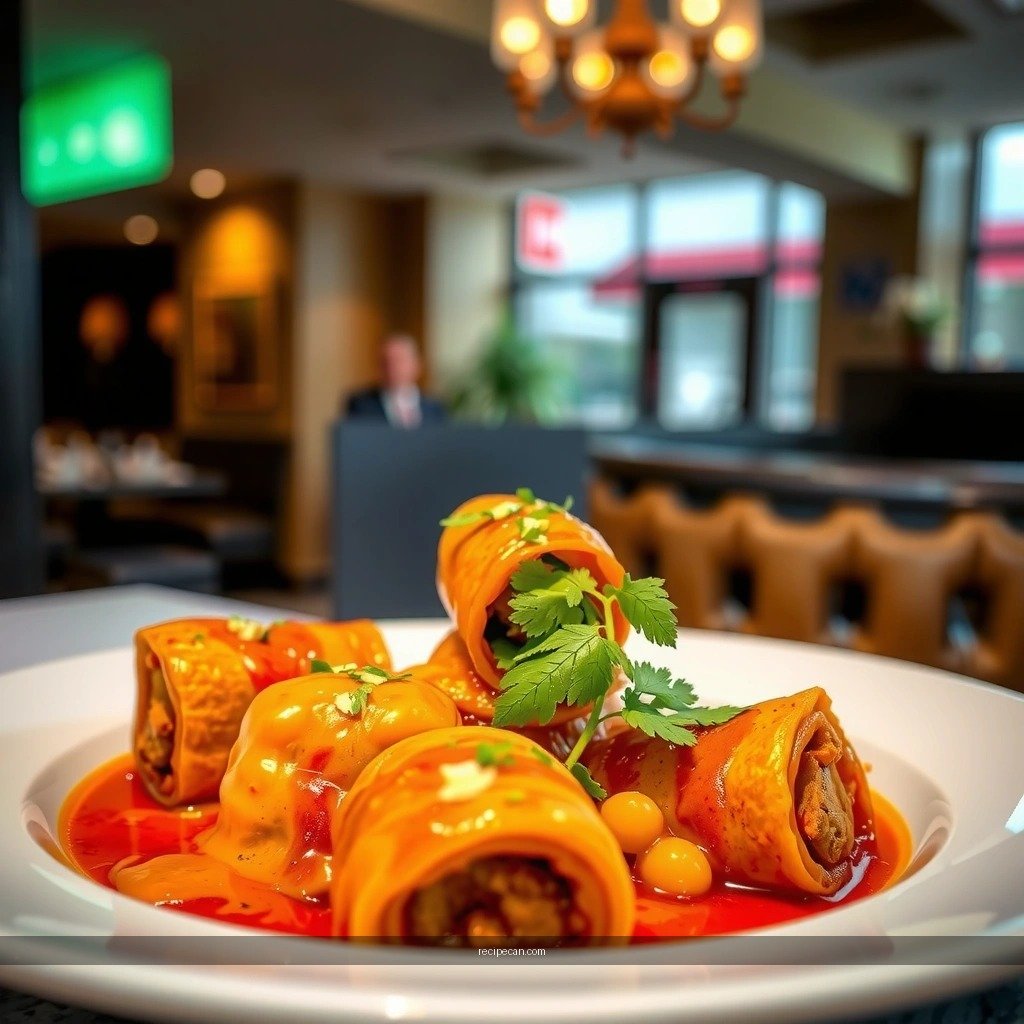
Classic red tamale sauce is the “workhorse” of tamale sauce recipes: it’s deep, smoky, and versatile enough to complement many fillings. The foundation is dried chiles, commonly guajillo and ancho, which bring dried-fruit sweetness, earthy depth, and gentle heat. To keep this sauce easy and consistent, treat it like a two-phase process: build flavor first (chile + aromatics), then refine texture (blend and simmer).
Start with dried chiles and aromatics. Toasting (briefly) dried chiles in a dry pan until fragrant helps unlock flavor. Then rehydrate with hot water or broth so they blend without grit. In a blender, combine rehydrated chiles with:
– garlic (fresh or roasted)
– onion (white or yellow)
– optional cumin or Mexican oregano for an authentic warm note
– a small splash of vinegar or lime juice if you want a tighter, less flat profile
Blend until smooth, then simmer to thicken. After blending, strain if you prefer an ultra-smooth “restaurant” consistency. Simmer the sauce 18–25 minutes, stirring, until it coats the back of a spoon. This simmer phase does more than thicken—it rounds sharp chile notes and integrates spices into a cohesive sauce.
Actionable example (balanced red). If your sauce tastes bitter after blending, it’s often a sign of over-toasting or under-rehydrating. Fix it by:
– adding a small amount of warm broth (to smooth bitterness)
– simmering longer to mellow edges
– finishing with a pinch of sugar or a teaspoon of brown sugar if the chiles taste too dry
Zesty Green Tamale Sauce
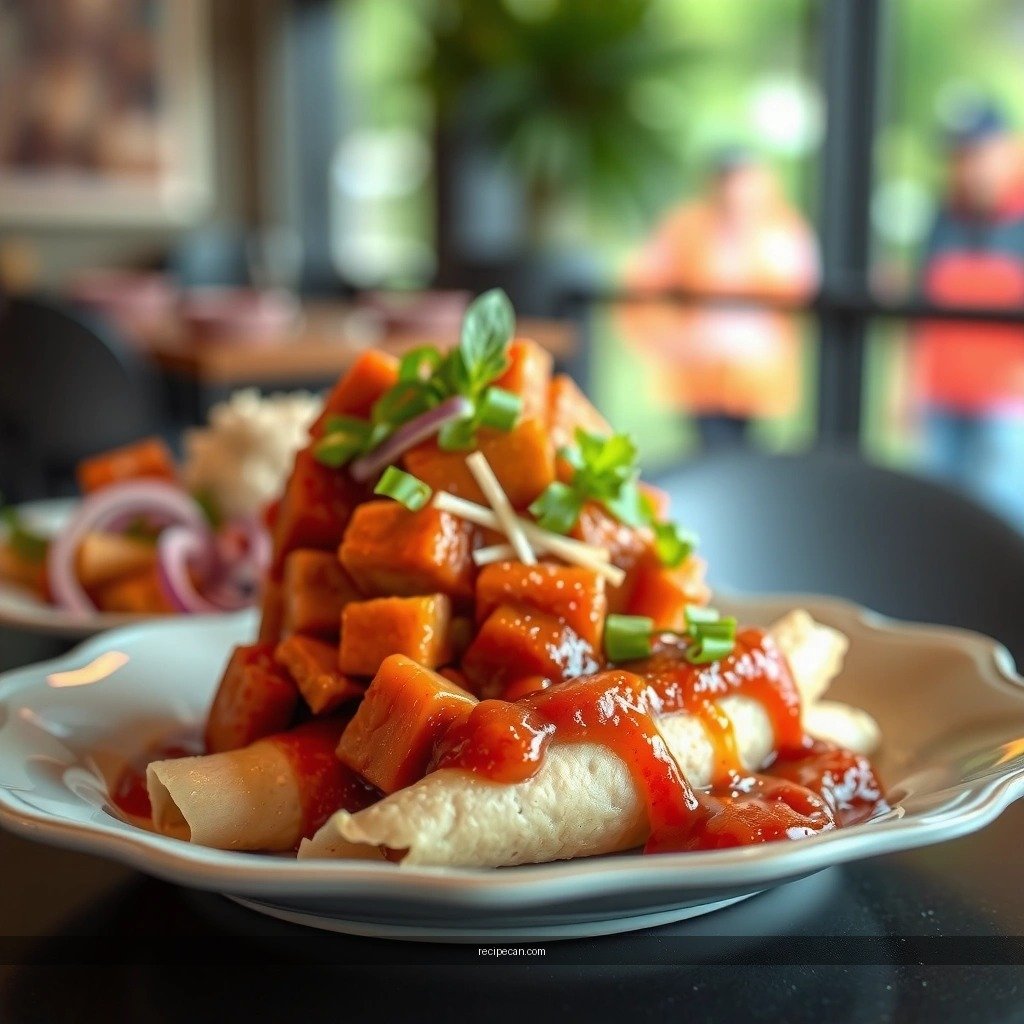
Zesty green tamale sauce gives you brightness—ideal when you want a flavorful contrast to rich meats or when your filling is naturally delicate. The key ingredient is tomatillos, which contribute tangy, citrus-like acidity, plus their natural body. Green chiles add heat and complexity without requiring heavy sweetness.
Use tomatillos and green chiles for a bright base. Husk and rinse tomatillos, then roast or simmer until softened. Combine them with:
– roasted or raw green chiles (jalapeño or poblano)
– garlic and onion (for savory backbone)
– cilantro (added during blending for freshness)
– lime juice or tomatillo cooking liquid to emphasize tang
Balance with cilantro and a touch of sweetness or lime. Tomatillos can range from tart to moderately sweet depending on ripeness. After simmering briefly, taste and adjust with lime juice for sharper brightness. If your sauce tastes too sour, add a controlled sweetness—often a teaspoon of honey, brown sugar, or a bit of pineapple juice—just enough to lift, not to candy.
Actionable example (restaurant-clean green). Cilantro can turn dull if boiled too long. For a vivid sauce:
– blend cilantro in
– simmer only 10–16 minutes (enough to integrate and slightly reduce)
– avoid letting the sauce aggressively boil
Spicy Chipotle Tamale Sauce
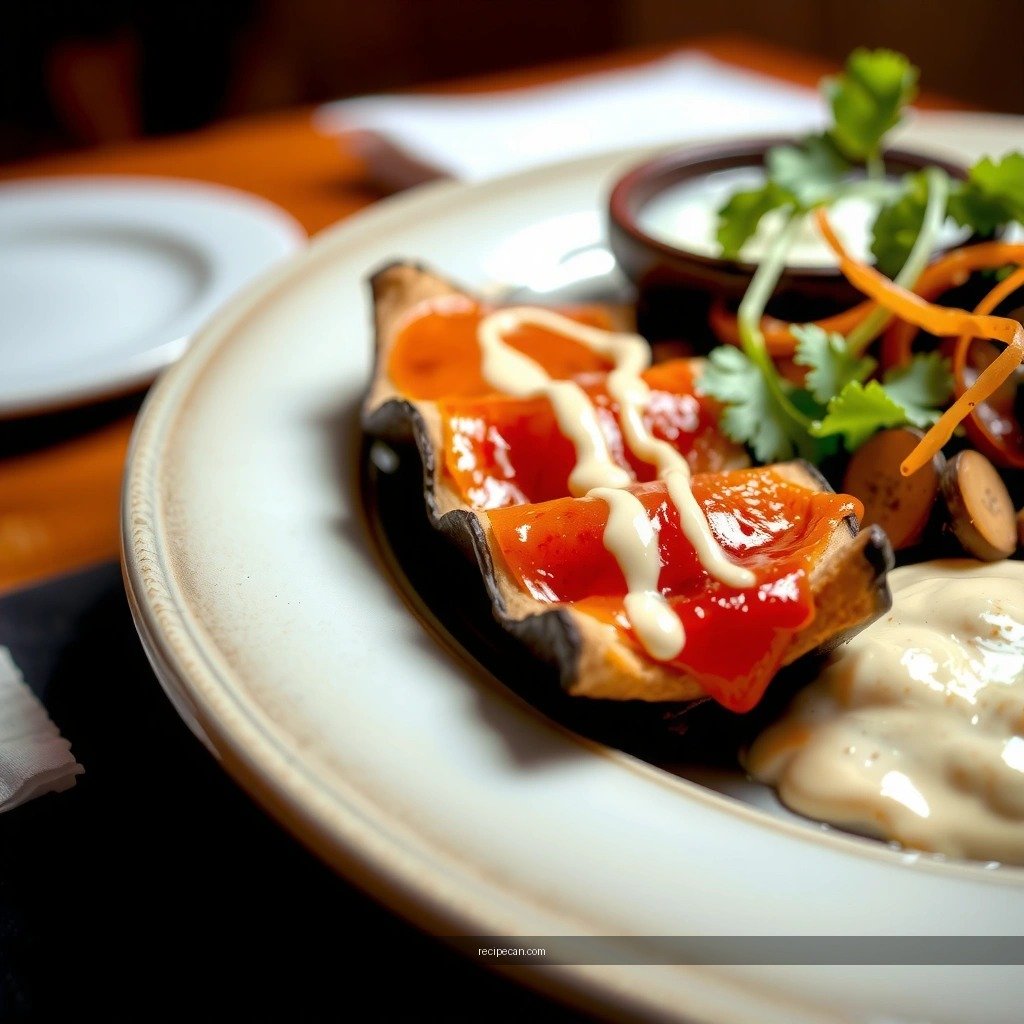
Spicy chipotle tamale sauce recipes deliver smoky heat and deep adobo flavor—great for tamales with savory, fatty fillings like pork, shredded beef, or saucy mole-style combinations. The dominant ingredient is chipotles in adobo, which bring both smoke and a seasoned tomato-chile base.
Start with chipotles in adobo for smoky heat. Blend chipotles (use adobo sauce, not only the peppers) with aromatics like garlic and onion, plus broth to manage intensity. A typical approach:
– add most of the liquid first (broth or water)
– blend, then simmer to thicken and integrate
– taste at least twice: after blending and again after simmering
Adjust spice level by using more/less adobo and adding broth as needed. If the sauce is too hot, don’t just dilute with water—use broth and increase simmering time slightly so the flavor remains robust. Conversely, if it’s not smoky enough, add an extra chipotle (or a bit more adobo) and simmer 3–5 minutes to round the edges.
Actionable example (controlled heat). For predictable spice:
– start with 6–8 chipotles for a batch that serves multiple people
– increase by 1–2 chipotles if you want more heat
– use a quick “taste-and-adjust” step: simmer 5 minutes, taste, then decide
How to Get the Right Consistency
Consistency is where most tamale sauce recipes succeed or fail. The goal isn’t a thick paste; it’s a pourable sauce that coats tamales and clings lightly without soaking through the masa.
Aim for a pourable sauce that coats but doesn’t soak through. A practical test: dip a spoon. The sauce should coat and slowly slide—more like warm maple syrup than runny stock. If it looks watery, simmer longer with gentle stirring. If it’s too thick, loosen with broth, water, or a splash of reserved chile soaking liquid.
Simmer longer to reduce or add liquid to loosen if too thick.
– Too thin: simmer 5–10 minutes at a low to medium simmer, stirring frequently.
– Too thick: add broth 1/4 cup at a time, then simmer 3–5 minutes to re-integrate.
Also consider the serving moment. Tamale sauce tastes better slightly warm, and temperature affects viscosity. If you’re holding sauce for later, it may thicken as it cools—so plan to re-warm and loosen with a small splash of broth if needed.
Flavor Boosters and Balancing Tips
Great tamale sauce recipes are rarely “one-note chile.” They’re a calibrated blend of salt, acid, and sometimes sweetness. The best approach is to taste and adjust after simmering, because flavors concentrate as the sauce reduces.
Add salt gradually and taste after simmering. Salt can flatten complexity if added too early or too much at once. A better workflow:
1. simmer until you reach your target texture
2. taste
3. add salt in small increments
4. simmer 2–3 minutes to let it distribute evenly
Use acid (lime, vinegar) or sweetness (brown sugar, pineapple) to round out flavors. If your sauce tastes dull, too smoky, or “flat,” acid is often the missing element. For red and chipotle sauces, a small amount of lime juice or vinegar can lift chile and spice. For green sauces, lime helps accent tomatillo tang.
If your sauce tastes harsh or overly sharp, sweetness can stabilize it. Use sweetness strategically:
– add a teaspoon at a time
– aim for “balanced,” not “dessert-like”
– pineapple juice works well with green tomatillo profiles, while brown sugar is excellent for red chile depth
Quick troubleshooting guide:
– Bitter: likely over-toasting or under-rehydration → add broth, simmer, and strain if needed.
– Sour: too much tomatillo or vinegar → add a touch of sweetness and simmer.
– Flat: insufficient salt or missing acid → add salt first, then acid if needed.
– Too thick: loosen with broth and re-simmer briefly.
Pairing Tamale Sauce with Fillings
The best tamale sauce recipes don’t just taste great alone—they’re designed to complement specific fillings by contrast or resonance. Think of sauce flavor as an instrument: red and smoky chipotle add depth; green adds brightness; both can be adjusted for heat level.
– Match red sauces with beef, pork, or mole-style fillings. Their smoky chile profiles enhance savory, slow-cooked proteins and help mole-adjacent flavors feel cohesive rather than scattered.
– Pair green sauces with chicken, cheese, or veggie tamales for freshness. Tomatillo brightness cuts through richness (especially cheese) and keeps vegetable flavors lively.
Professional serving tip: If you’re presenting multiple tamales at an event or household meal, consider serving sauce on the side for the first round. Let guests tailor heat and tartness to their preference, then you can re-sauce consistently after feedback.
Red vs Green vs Chipotle: Best Fit for Common Tamale Fillings
| # | Filling Category | Best Sauce | Why It Works | Recommended Heat |
|---|---|---|---|---|
| 1 | Shredded Pork (pulled/tangy) | Chipotle | Smoky heat amplifies savory richness | Medium–Hot |
| 2 | Beef Brisket (braised) | Red | Chile sweetness and smoke harmonize with braise | Mild–Medium |
| 3 | Chicken in Tomatillo Sauce | Green | Ties into tang profile for a cohesive bite | Mild |
| 4 | Cheese Tamales (queso/queso fresco) | Green | Acid cuts through fat; cilantro keeps it bright | Mild–Medium |
| 5 | Vegetable Tamales (beans/peppers) | Green | Highlights fresh notes without heavy chile weight | Mild |
| 6 | Mole-Style Fillings | Red | Red chile depth supports complex mole notes | Medium |
| 7 | Spicy Shredded Beef | Chipotle | Extra smoke and heat reinforces existing spice | Medium–Hot |
Tamale sauce recipes come down to a flavorful base, careful balancing, and the right simmer-to-thickness ratio. Choose a red, green, or chipotle style based on the filling you’re serving, adjust heat and acidity to taste, and prioritize consistency so the sauce enhances the tamale rather than drowning it. Once you make one batch and dial in your preferred thickness, consider doubling the recipe—tamale sauce holds well and gives you a dependable “ready to serve” upgrade for your next round of tamales.
Frequently Asked Questions
What are the best tamale sauce recipes for homemade tamales?
The most popular tamale sauce recipes are red chile sauce, green chile sauce, and mole-style sauces, depending on the filling and regional tradition. For a classic red option, simmer dried guajillo and ancho chiles with garlic, onion, broth, and a pinch of cumin, then blend until smooth and season to taste. For green, blend tomatillos with roasted green chiles, cilantro, and lime, and simmer briefly to thicken. These tamale sauce recipes coat masa well and add deep flavor without making it too thin.
How do you thicken tamale sauce so it sticks to the masa?
If your tamale sauce is too thin, simmer it uncovered to reduce and naturally concentrate flavor. You can also thicken by blending in a small amount of soaked chile solids, using a bit of masa harina slurry (mix 1–2 tablespoons with water and stir in), or adding a spoonful of refried beans for body. Always simmer after blending so the tamale sauce reaches a smooth consistency that clings to spooned masa. Taste as you thicken, because reduction can intensify salt and heat.
Why do some tamale sauce recipes turn bitter, and how can you prevent it?
Bitterness usually comes from over-toasting dried chiles, not removing seeds and stems, or using too much chile rind when blending. To prevent it, toast chiles briefly just until fragrant, then soak them in hot water until softened before blending. Also strain the sauce if you want a smoother, less harsh flavor, and simmer gently to mellow the chile notes. Adding a small amount of sugar or a splash of vinegar near the end can balance bitterness in many tamale sauce recipes.
Which dried chiles are best for a rich red tamale sauce?
For a robust red tamale sauce, many cooks use a combination of ancho (mild and chocolatey) and guajillo (fruity and tangy), often with a touch of pasilla for depth. If you want more heat, add arbol chiles sparingly since they can dominate quickly. Soak the dried chiles until pliable, blend with onion, garlic, broth, and spices like cumin or oregano, then simmer to develop flavor. Choosing the right mix is key to getting authentic, flavorful tamale sauce recipes that aren’t flat.
How long should you simmer tamale sauce before using it?
After blending, simmer tamale sauce for about 15–30 minutes to meld flavors and remove any raw taste from aromatics. If your sauce has chile solids or thicker texture, simmer a bit longer while stirring to avoid scorching. For best results, cool the sauce slightly before spreading or drizzling so it thickens a touch and coats the masa evenly. Following a consistent simmer time helps tamale sauce recipes taste balanced and ready for assembly.
References
- Google Scholar Google Scholar
https://scholar.google.com/scholar?q=tamale+sauce+recipe+mole - Google Scholar Google Scholar
https://scholar.google.com/scholar?q=red+chile+sauce+for+tamales+recipe - Google Scholar Google Scholar
https://scholar.google.com/scholar?q=salsa+verde+tamales+sauce+recipe - Tamale
https://en.wikipedia.org/wiki/Tamale - https://en.wikipedia.org/wiki/Mole_(sauce
https://en.wikipedia.org/wiki/Mole_(sauce - Mole (sauce)
https://en.wikipedia.org/wiki/Mole_poblano - Salsa (food)
https://en.wikipedia.org/wiki/Salsa_roja - Salsa verde
https://en.wikipedia.org/wiki/Salsa_verde - Pumpkin seed
https://en.wikipedia.org/wiki/Pipian - https://www.britannica.com/topic/tamale
https://www.britannica.com/topic/tamale