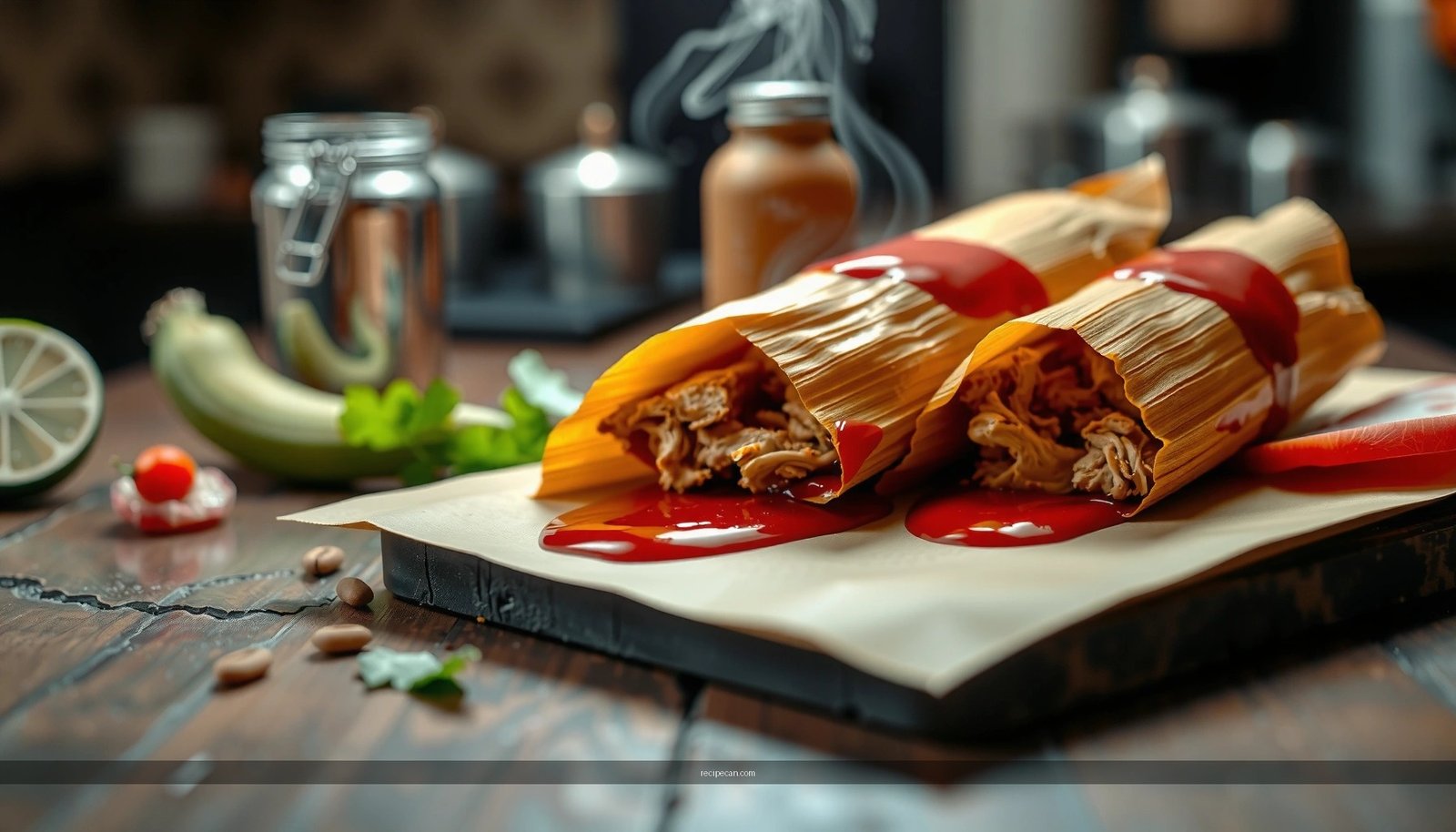
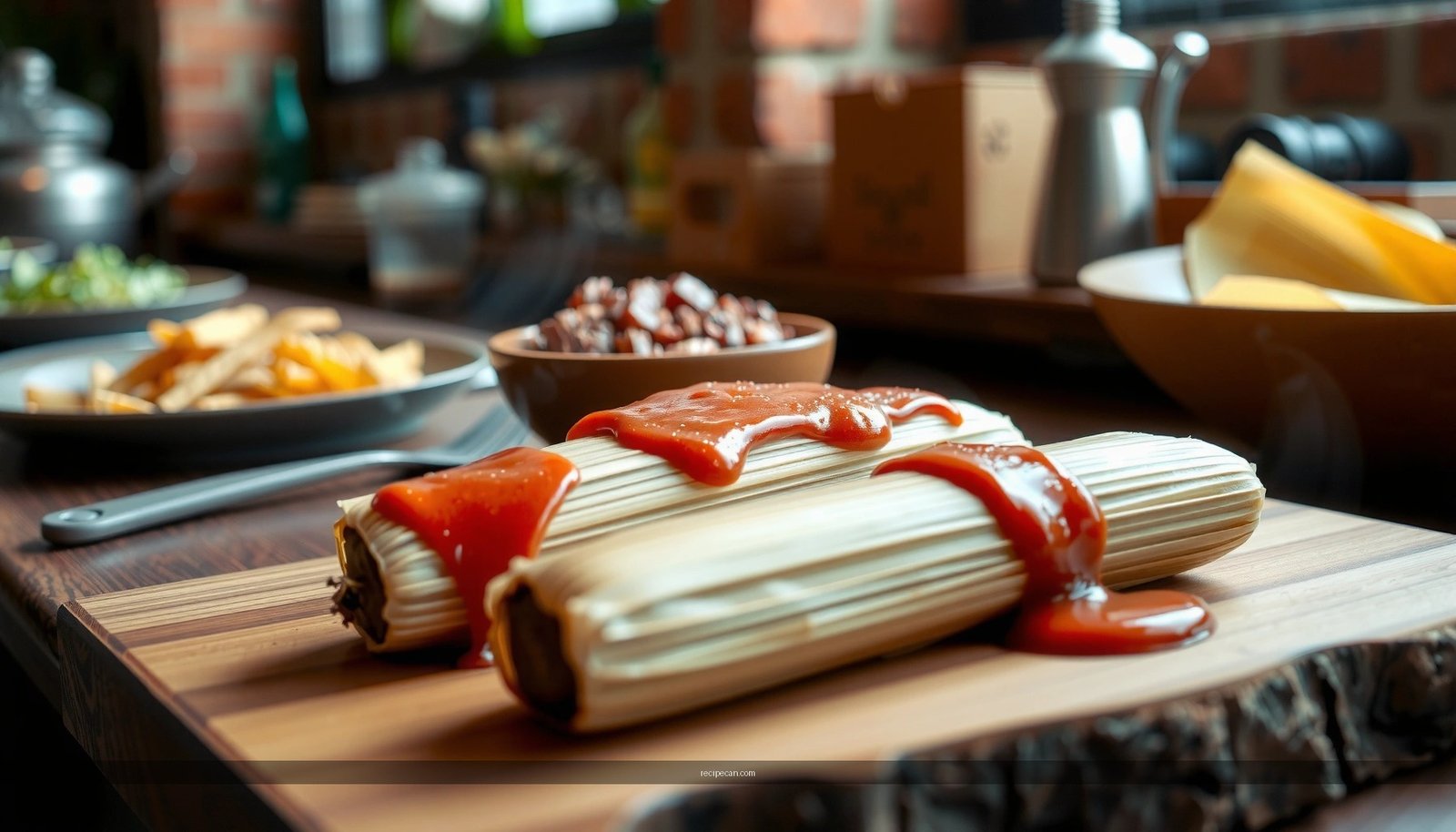
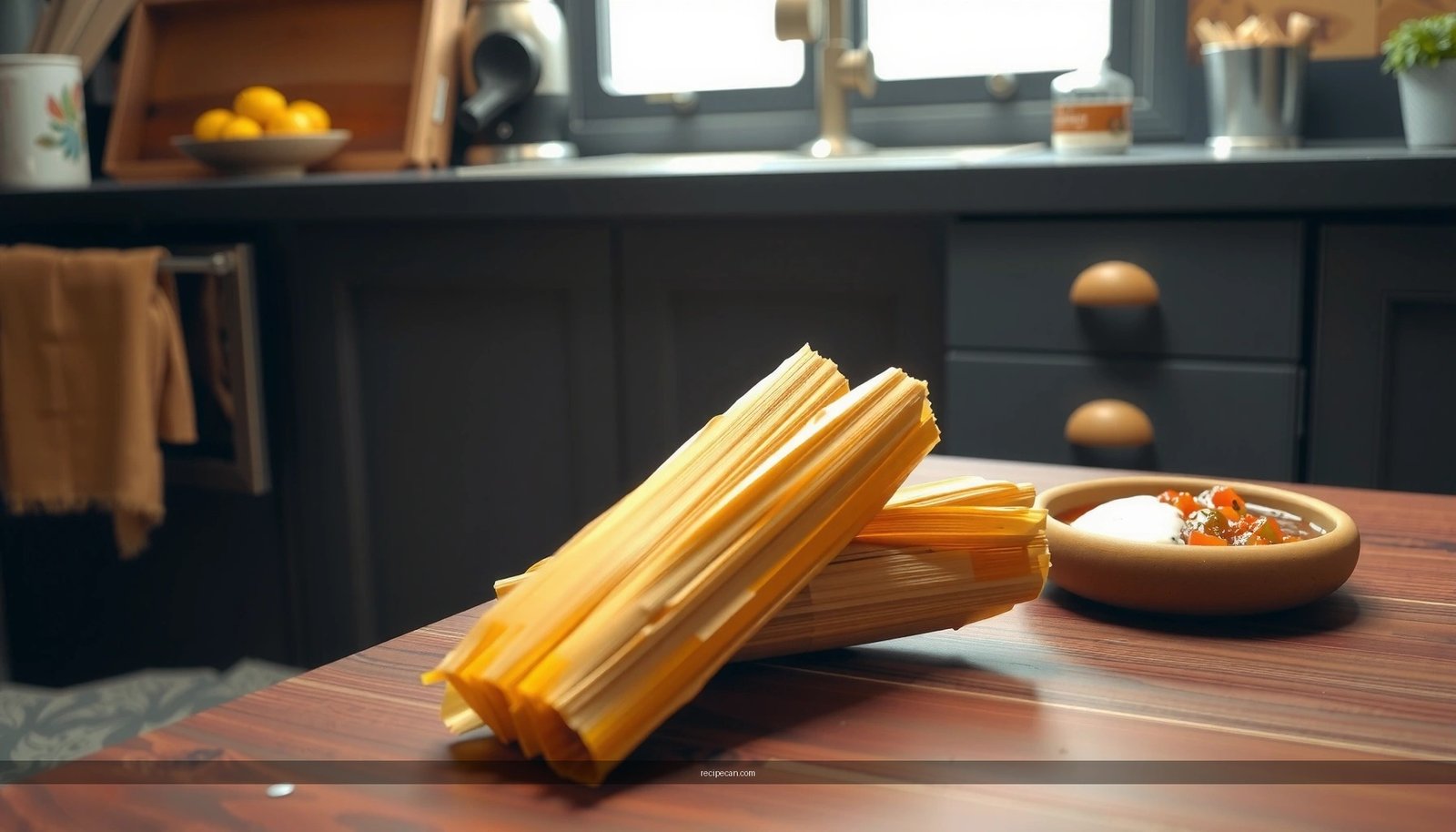
Get a classic tamale recipe pork that delivers tender pork and the right masa texture every time—without guesswork. This guide answers how to cook pork tamales at home from start to finish, including seasoning, steaming times, and the consistency that keeps them from turning out dry or gummy. If you want classic results, this is the method to follow.
You can make classic pork tamales at home by cooking fork-tender pork shoulder, building a richly seasoned chili-forward filling, and then steaming assembled tamales in set masa corn dough until the texture is tender and cohesive. This recipe guide breaks down every stage—pork, masa, assembly, and steaming—so your pork tamales hold their shape, stay juicy, and deliver that signature traditional corn flavor.
Choose Your Pork for Tamale Filling
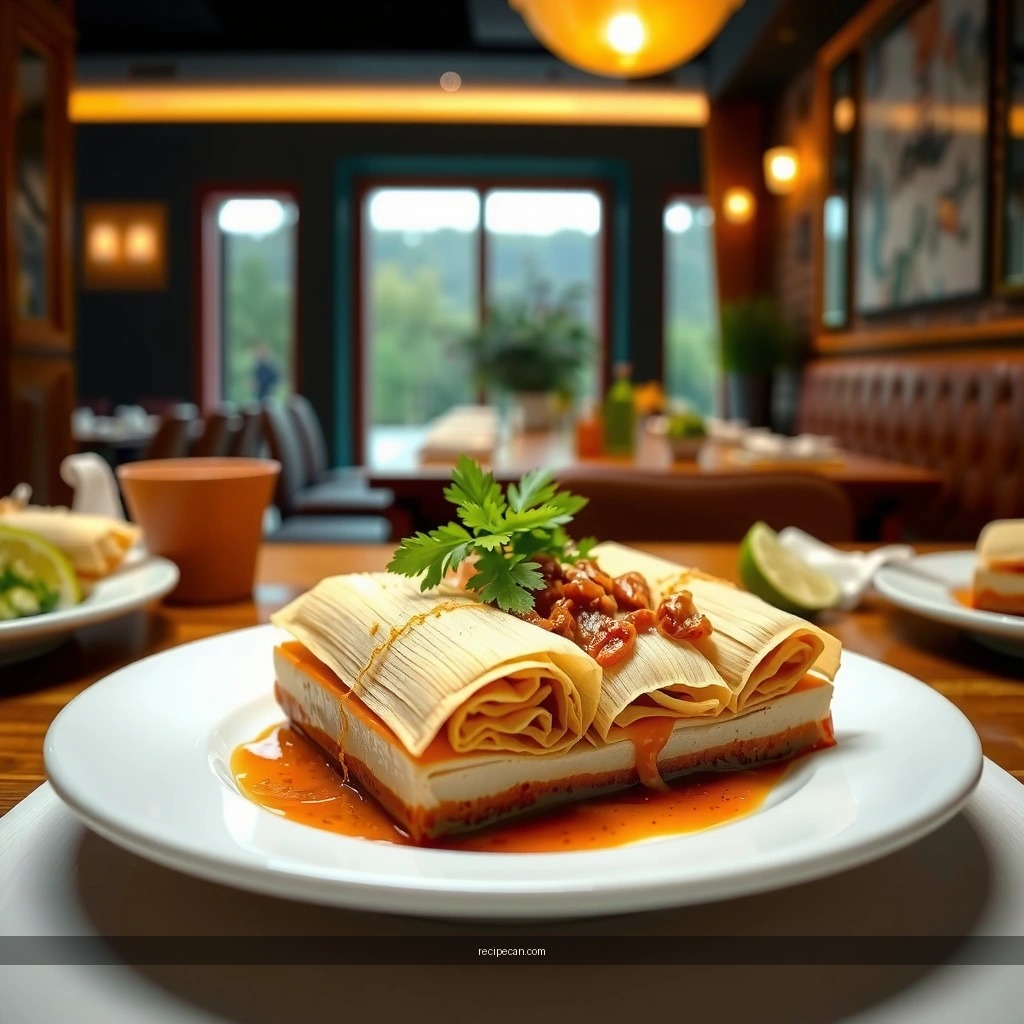
For classic pork tamales, the meat choice matters as much as the seasoning. Pork shoulder (sometimes labeled pork butt) is the gold standard because it contains enough fat and connective tissue to become silky when cooked low and slow. That melting texture is what makes shredded pork feel “integrated” into the masa rather than dry or crumbly.
What to look for:
– Cut: Pork shoulder or pork butt (bone-in or boneless both work).
– Flavor baseline: Pork shoulder naturally supports chili, garlic, onion, and smoky chile flavors.
– Texture target: Fork-tender shredding after simmering.
How to prep effectively:
1. Trim aggressively but not obsessively. Remove thick exterior fat and silverskin, but leave a manageable amount so the filling stays moist.
2. Cook until fork-tender. Simmer in broth (or a mix of broth and water) until the pork pulls apart easily.
3. Shred correctly. Shred while the pork is warm so the strands stay fine and evenly sized.
Seasoning framework for an authentic tamale pork filling:
A reliable pork tamale profile typically includes:
– Chili heat + color: dried chiles (like guajillo and ancho) or chile paste/sauce
– Aromatic depth: garlic and onion (sautéed before simmering improves flavor)
– Savory body: broth, sometimes a small amount of tomato or tomatillo depending on preference
– Balance: salt to make the filling taste “complete,” not just spicy
A business-friendly way to think about it: your pork filling is the “product core.” If it’s under-seasoned or too dry, the entire tamale can taste flat—even if the masa is perfect.
Pork Shoulder Tamale Filling—Realistic Yield & Time Benchmarks
| # | Starting Pork (Shoulder) | Typical Cook Time (Simmer) | Shredded Yield | Filling Portioning |
|---|---|---|---|---|
| 1 | 2 lb (900 g) | 2 hr 15 min – 2 hr 45 min | ~1.5–1.7 lb (680–770 g) | 10–12 tamales |
| 2 | 3 lb (1.35 kg) | 2 hr 30 min – 3 hr 10 min | ~2.3–2.6 lb (1.05–1.18 kg) | 16–20 tamales |
| 3 | 4 lb (1.8 kg) | 2 hr 45 min – 3 hr 30 min | ~3.0–3.4 lb (1.36–1.54 kg) | 22–28 tamales |
| 4 | 5 lb (2.25 kg) | 3 hr – 4 hr | ~3.8–4.3 lb (1.72–1.95 kg) | 28–36 tamales |
| 5 | 6 lb (2.7 kg) | 3 hr 15 min – 4 hr 15 min | ~4.6–5.2 lb (2.09–2.36 kg) | 36–45 tamales |
| 6 | 2.5 lb (1.13 kg) | 2 hr 20 min – 3 hr | ~1.9–2.1 lb (860–970 g) | 12–15 tamales |
| 7 | 3.5 lb (1.6 kg) | 2 hr 35 min – 3 hr 20 min | ~2.7–2.95 lb (1.22–1.34 kg) | 18–23 tamales |
Make the Masa (Masa Dough) Right
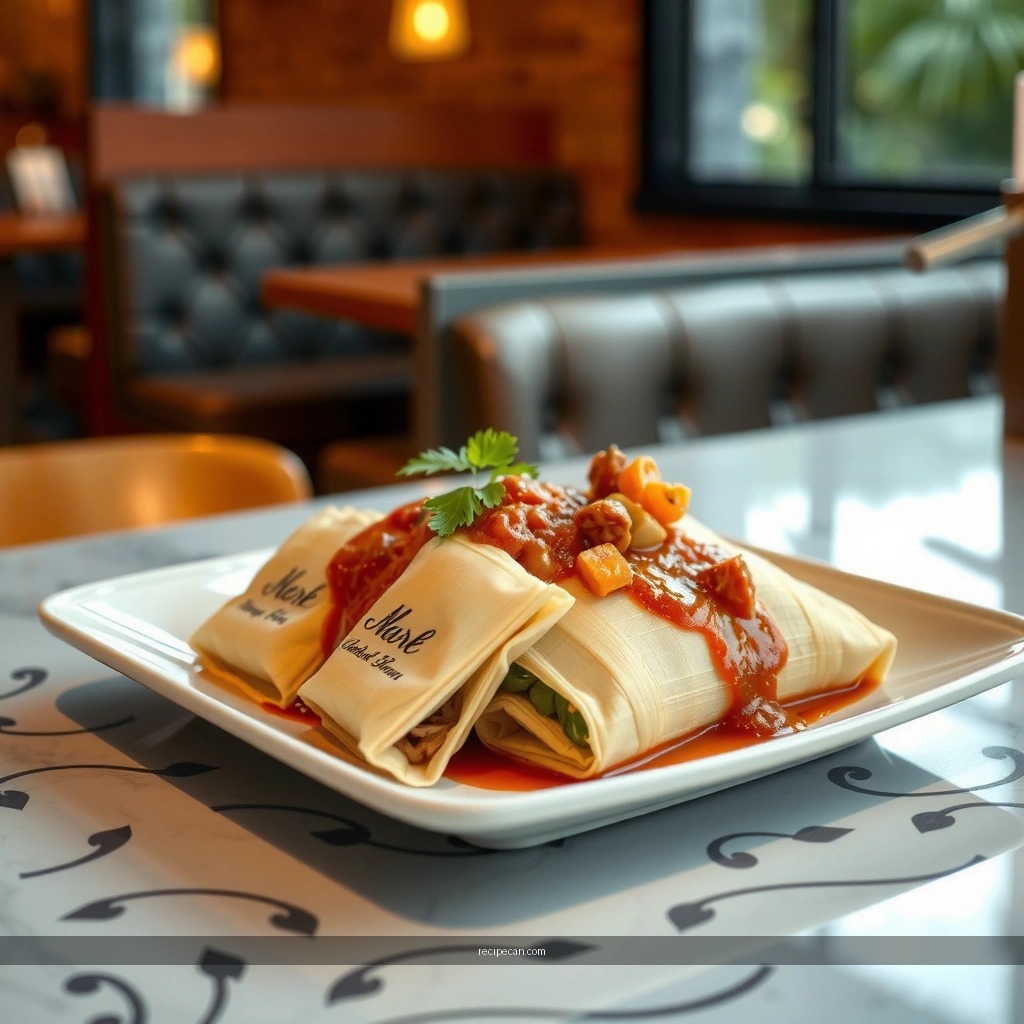
Masa is where many home cooks either hit the jackpot—or get disappointed. For pork tamales, you want masa that’s light, spreadable, and elastic enough to hold when folded and steamed. If it’s too stiff, your tamales can become dense and prone to tearing. If it’s too loose, they can sag and leak filling.
Two common approaches:
1. Use prepared masa (ideal for consistency and speed).
2. Mix masa harina yourself with broth and seasoning (preferred when you want control over flavor and texture).
Consistency checks (the practical method):
– The masa should spread like thick peanut butter.
– When you swipe it with a spoon, it should hold a ridge briefly before relaxing.
– If you’re assembling multiple batches, re-check consistency after resting—masa can firm up slightly.
Seasoning inside the masa:
A classic pork tamale masa is salted and often has a subtle richness. Many cooks use:
– Broth instead of plain water for immediate flavor
– A fat component (often lard) depending on the style you’re following
– Salt as the main “structure” seasoning
Analytical tip: Treat masa like dough with engineering constraints—your goal is “functional plasticity.” The right texture ensures a clean fold, stable steaming, and a tamale that slices/unwraps without crumbling.
Cook and Season the Pork Filling
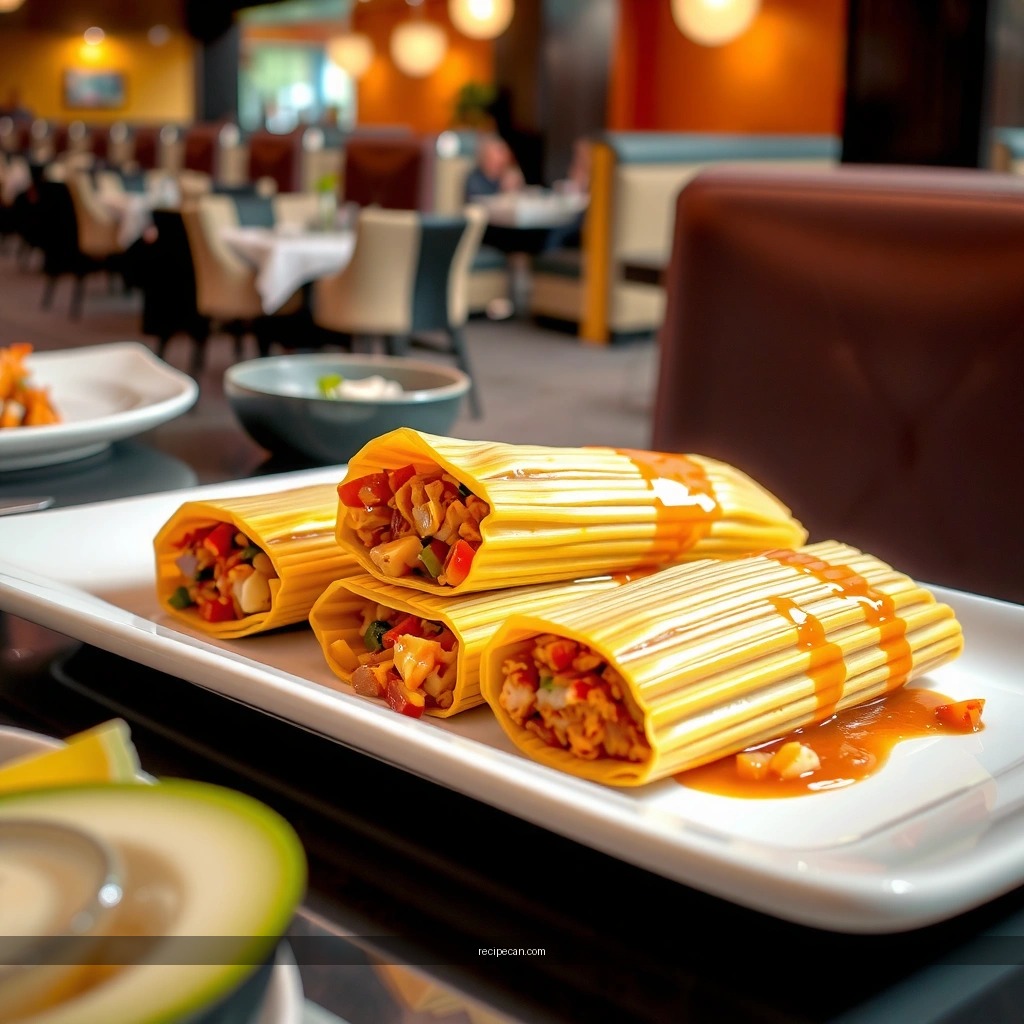
Your tamale pork filling should be deeply flavored, moderately thick, and cohesive—not watery. The thickness matters because the masa can’t compensate for loose filling during steaming; excess liquid leads to uneven texture and soggy masa.
How to build the flavor:
1. Toast and rehydrate dried chiles (if using). Toast briefly until fragrant, then soak until soft.
2. Blend chile sauce components: chiles with garlic, onion, and enough broth to puree smoothly.
3. Simmer pork with sauce until the pork absorbs flavor.
4. Thicken intentionally. You may reduce the sauce, or use an optional thickener (like a small amount of masa or blended toasted dried chile) to reach “spoonable but not runny.”
Why “thicken” is non-negotiable:
– Too thin: filling spreads and makes masa gummy.
– Too thick: filling becomes pasty and can feel heavy.
Shred and combine:
After the pork is tender, shred it and mix it back into the thickened sauce. Aim for a filling that clings to a spoon, with visible strands of pork.
Heat strategy:
If you’re tailoring pork tamales to a group, control spice by adjusting chile type and quantity:
– Guajillo + ancho: smoky, medium warmth, flavorful
– Arbol: sharp heat—use sparingly for higher spice levels
Prepare Corn Husks and Assemble Tamales
Corn husks are the wrapping that protect the masa during steaming and help develop that characteristic steamed corn aroma. Proper husk prep affects both texture and ease of unwrapping.
Husk prep steps:
1. Soak corn husks until pliable (usually 30 minutes to 2 hours depending on dryness).
2. Rinse and pat dry so they don’t steam off excess water.
3. Remove tough seams if needed so masa spreads smoothly.
Assembly best practices:
– Spread masa evenly to avoid thick/thin zones.
– Add filling consistently in the center—enough for flavor, not so much that it pushes out.
– Fold neatly with a predictable shape. There are regional styles (fold lengthwise or create a pouch), but the principle is the same: secure the masa so the filling stays inside.
Securing tamales:
If your husks are flexible and sturdy, you may not need ties. For more reliability—especially for batches intended for storage—tie with soaked kitchen twine or additional strips of husk. The goal is to prevent opening during steaming.
Steam the Tamales Until Set
Steaming is where classic pork tamales become “tamales” rather than just wrapped corn dough. You’re cooking through moisture and gelatinizing masa, so timing and steam stability matter.
Setup:
– Use a steamer with a rack so tamales sit above the water.
– Keep water at a gentle simmer—strong boiling can be uneven and may disturb tamale arrangement.
Cooking time and readiness indicators:
– Steam consistently until masa pulls away slightly from the husk.
– If you lift one carefully, masa should be set—no raw dough streaks.
– Depending on tamale size, steaming often falls around 75 to 120 minutes for home batches. Larger tamales generally take longer.
Resting for texture and handling:
After steaming, let tamales rest briefly before unwrapping. This step improves structure: the masa firms slightly, and juices redistribute so the pork filling feels integrated rather than loose.
Serve, Store, and Reheat Pork Tamales
Tamales are ideal for meal prep because they freeze extremely well. Treat storage and reheating as part of the product experience: moisture preservation is key.
– Salsa (red or salsa verde)
– Mexican crema
– Crumbled queso fresco
– Optional: sliced radish, chopped onion, or a squeeze of lime
Storage:
– Cool completely before refrigerating to avoid condensation.
– Refrigerate in an airtight container for a few days.
– Freeze for longer storage, ideally wrapped individually or layered with parchment to prevent sticking.
Reheating without drying:
– Best: steam again until hot throughout.
– Alternative: microwaving with moisture (cover and add a damp paper towel or splash of water) and heat in shorter intervals.
Quality note: Overheating is the enemy. Pork tamales can dry out if reheated aggressively, especially in the microwave without coverage.
—
Tamale success comes down to four controllable variables: tender shredded pork, properly seasoned and correctly textured masa, well-prepped husks with neat assembly, and steady steaming until set. Use the pork shoulder yield benchmarks to plan portions, aim for a filling that’s flavorful and thick enough to stay put, and steam until the masa loosens from the husk. Follow these steps, and you’ll consistently produce tender, classic pork tamales at home—ready for immediate serving or freezer-friendly enjoyment.
Frequently Asked Questions
What is the best pork tamale recipe for beginners?
A beginner-friendly pork tamale recipe usually uses masa harina plus a simple pork filling seasoned with chili powder, garlic, cumin, and onion. Choose a cut like pork shoulder or pork butt because it becomes tender enough to shred easily for tamales. Make sure the masa is well hydrated and spreadable so the tamales cook evenly and don’t turn out dry or tough.
How do I make pork tamales with tender shredded pork?
Cook pork shoulder until it’s fork-tender, then shred it and mix with a flavorful pork tamale sauce (often made from blended dried chiles or a simple adobo-style mixture). Sauté onion and garlic first to deepen the flavor, then simmer the shredded pork with seasoning until the filling is moist but not watery. Let the filling cool slightly before assembling tamales so the masa doesn’t become overly soft.
Which masa texture works best for pork tamales that hold together?
For pork tamales, the masa should be thick, smooth, and easily spreadable—typically achieved by mixing masa harina with warm broth and whipping in lard or vegetable shortening until fluffy. If the masa feels stiff, add a little warm liquid; if it’s loose, add a small amount of masa harina. A good test is that the masa should form a soft shape without collapsing and can be spread without tearing.
Why do my pork tamales come out dry or hard?
Dry pork tamales usually result from masa that’s under-hydrated, overcooked steaming, or filling that absorbs too much moisture. Steam them consistently and avoid opening the steamer frequently, and check doneness by looking for masa that pulls away cleanly from the corn husk. If your tamales harden after cooling, consider slightly increasing broth in the masa next time and steaming until just set.
How long should I steam pork tamales, and how do I know they’re done?
Most pork tamales take about 60–90 minutes to steam, depending on tamale size and how tightly they’re packed in the pot. They’re usually done when the masa easily pulls away from the husk and the center feels firm rather than doughy. If they need more time, re-cover and steam in 10–15 minute intervals until fully set.
References
- Tamale
https://en.wikipedia.org/wiki/Tamale - Pork
https://en.wikipedia.org/wiki/Pork - Cut of pork
https://en.wikipedia.org/wiki/Pork_shoulder - Carnitas
https://en.wikipedia.org/wiki/Carnitas - Masa
https://en.wikipedia.org/wiki/Masa_harina - https://en.wikipedia.org/wiki/Chipotle_(chile
https://en.wikipedia.org/wiki/Chipotle_(chile - https://www.britannica.com/topic/tamale
https://www.britannica.com/topic/tamale - Google Scholar Google Scholar
https://scholar.google.com/scholar?q=tamales+pork+recipe - Google Scholar Google Scholar
https://scholar.google.com/scholar?q=tamale+masa+porcine+filling+study - Google Scholar Google Scholar
https://scholar.google.com/scholar?q=traditional+tamales+preparation+meat+filling+techniques