If your sweet tea recipe gag leaves the glass tasting too sweet, here’s the fastest fix that actually saves the batch: add more unsweetened black tea or a splash of water to rebalance the ratio without ruining the flavor. Want it quicker? Start with a small dilution test, then adjust with lemon juice to sharpen sweetness rather than add more sugar. This is the clear winner for the “too sweet” problem—and you’ll know you’ve nailed it after the first taste.
Sweet tea recipe gags—especially when it turns cloying, oddly flat, or “stuck-together” sweet—usually come from an imbalance between sugar and tea strength. The fastest fix is to reduce sugar in the right way, brew a stronger tea base (without burning it), and chill properly so sweetness tastes clean rather than heavy.
Sweet tea is deceptively simple: steep black tea, sweeten while hot, then chill. But “too sweet” doesn’t just mean “add less sugar.” It often means your tea flavor is underdeveloped or your sugar concentration is high enough that it overwhelms tannins and aroma—making the drink seem harsh, dull, or even slightly artificial. If you’ve ever wondered why your sweet tea tastes great hot but disappointing after cooling (or why it tastes sugary and thin at the same time), the answers are in ratios, steep time, and temperature control.
Why Your Sweet Tea Recipe Gag Happens
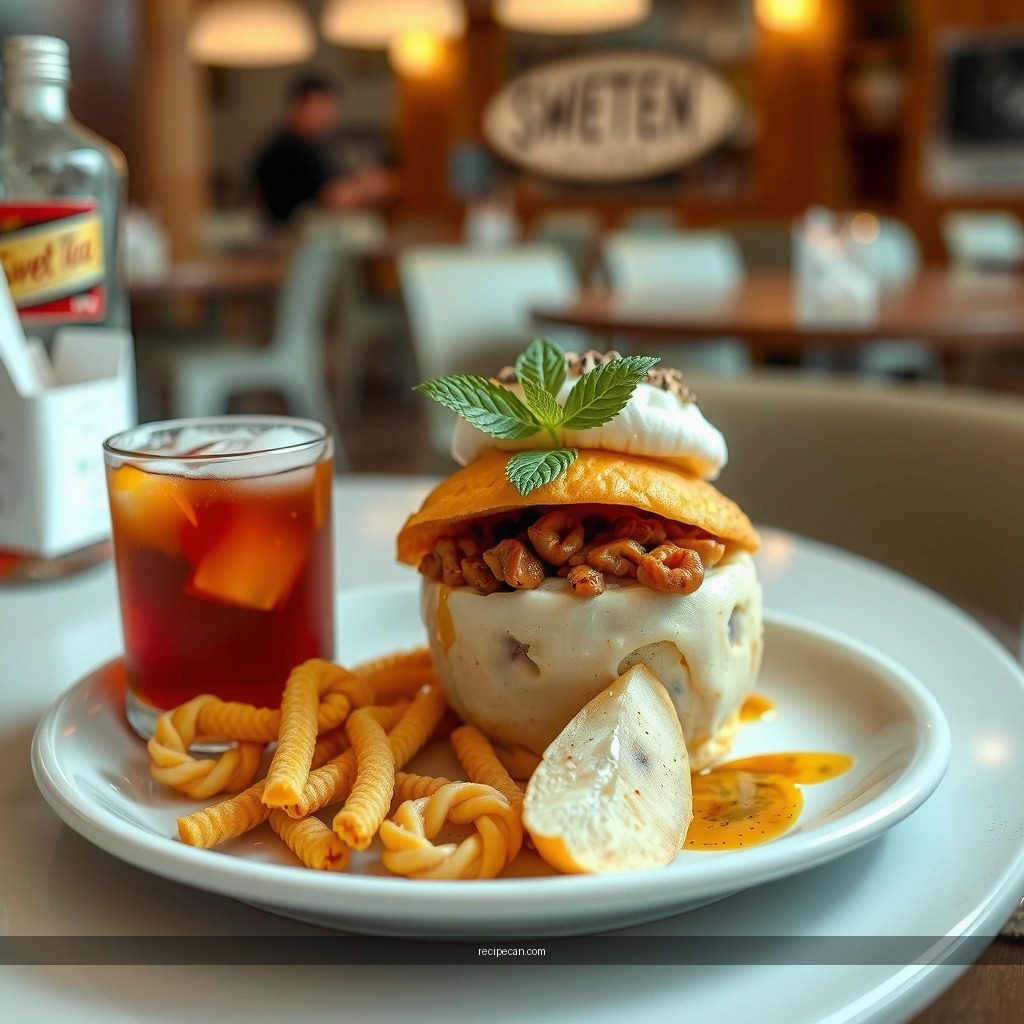
– Over-sweetening masks the tea flavor
Sugar doesn’t only add sweetness—it also changes how you perceive bitterness, acidity, and mouthfeel. When sugar is too high relative to the tea base, your palate stops detecting tea complexity. The result is frequently described as “syrupy,” “stale,” or “one-note sweet,” even if the tea itself is fine.
– Too-weak brewing doesn’t balance the sugar
Black tea provides structure: tannins (slight astringency), roasted or malty notes, and aromatic compounds. If the tea is too weak—because water isn’t hot enough, steeping time is too short, or tea amount is too low—sugar becomes the only dominant flavor. You’ll experience a “sweet water” effect: sweet, but lacking depth.
A common pattern is: people add sugar to taste while the tea is hot, but they’re compensating for a tea base that never got strong enough. Another frequent issue is using the right tea but the wrong steep method—like steeping tea too briefly or using a brew temperature that never fully extracts flavor. For consistency (especially if you’re making sweet tea for a group), you want sweetness to land on top of a well-developed tea base—not replace it.
Sweet Tea Ratio That Prevents the Gag
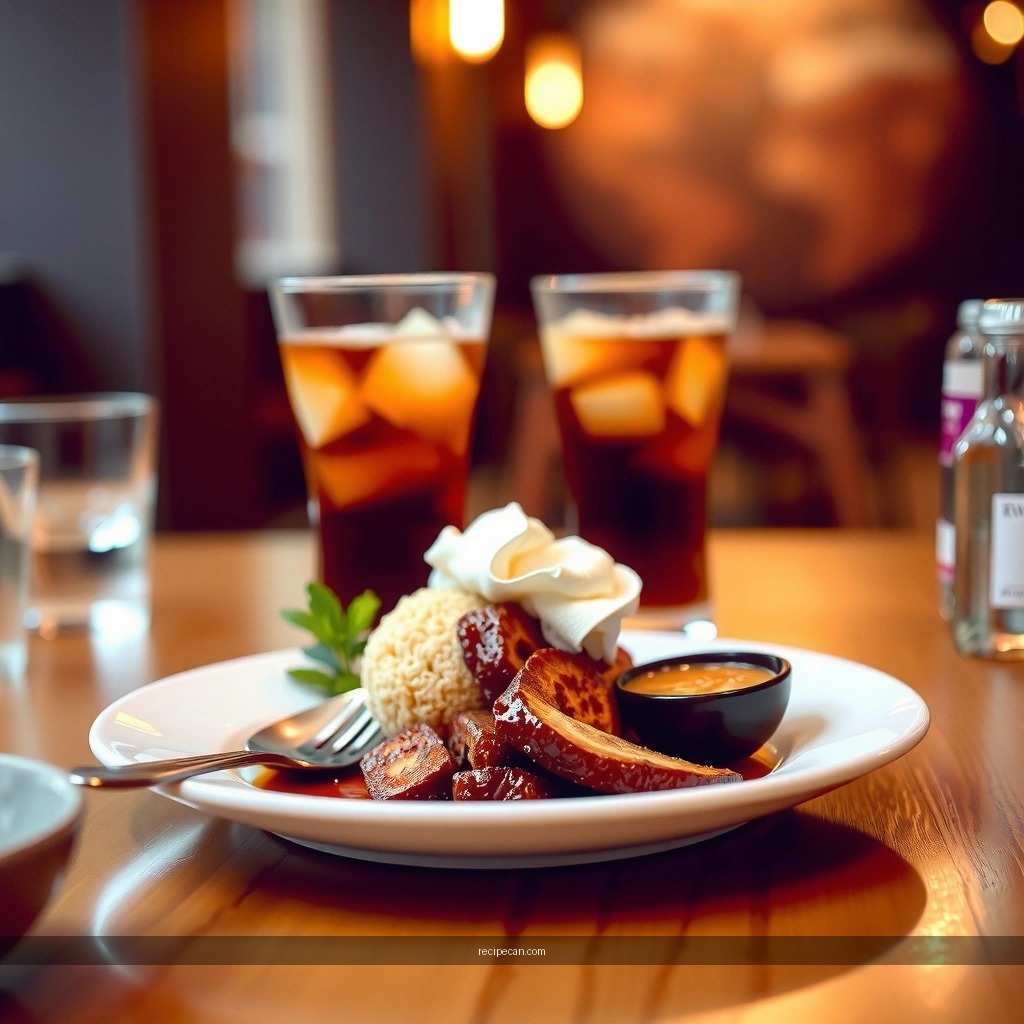
– Use a consistent tea-to-water amount before adding sugar
Think of sugar as a finishing ingredient, not the foundation. Before you measure sweetness, lock in a reliable tea-to-water ratio so the tea can carry flavor. In practice: adjust sugar after the tea has been brewed and tasted as a base.
– Add sugar while the tea is hot so it dissolves fully
Hot tea dissolves sugar completely and evenly, preventing grainy texture and “sugar pockets” that can make the finished drink seem uneven or overly sweet in patches. Even if you eventually chill it, the dissolution step affects how quickly and how evenly sweetness integrates.
To make this operational, treat your process like a standard recipe workflow:
1. Brew the tea to a consistent strength.
2. Sweeten the hot tea to a measured target.
3. Chill fully to reveal the final flavor balance.
Below is a practical reference you can use to align sweetness level with tea strength—especially if you’re troubleshooting an “off” batch.
Sweet Tea Sweetness Targets vs. Tea Strength (Per 1 Quart)
| # | Tea Strength | Black Tea (tbsp/qt) | Water Temp | Recommended Sugar (cups) | Balance Rating |
|---|---|---|---|---|---|
| 1 | Classic Bold | 2 | 205–212°F | 1.00 | ★★★★★ |
| 2 | Light & Refreshing | 1.5 | 205–212°F | 0.75 | ★★★★☆ |
| 3 | Sweet-Forward (Small Groups) | 1.75 | 200–205°F | 1.10 | ★★★★☆ |
| 4 | Under-Brewed (Common “Gag” Risk) | 1.0 | 180–195°F | 1.00+ | ★★☆☆☆ |
| 5 | Too Sweet (Overcompensated) | 1.5 | 205–212°F | 1.25 | ★★★☆☆ |
| 6 | Bold & Balanced | 2.25 | 205–212°F | 0.90 | ★★★★★ |
| 7 | Crisp Tea (Low Sugar) | 2 | 205–212°F | 0.50 | ★★★★☆ |
Brewing Tips for Better Flavor Balance
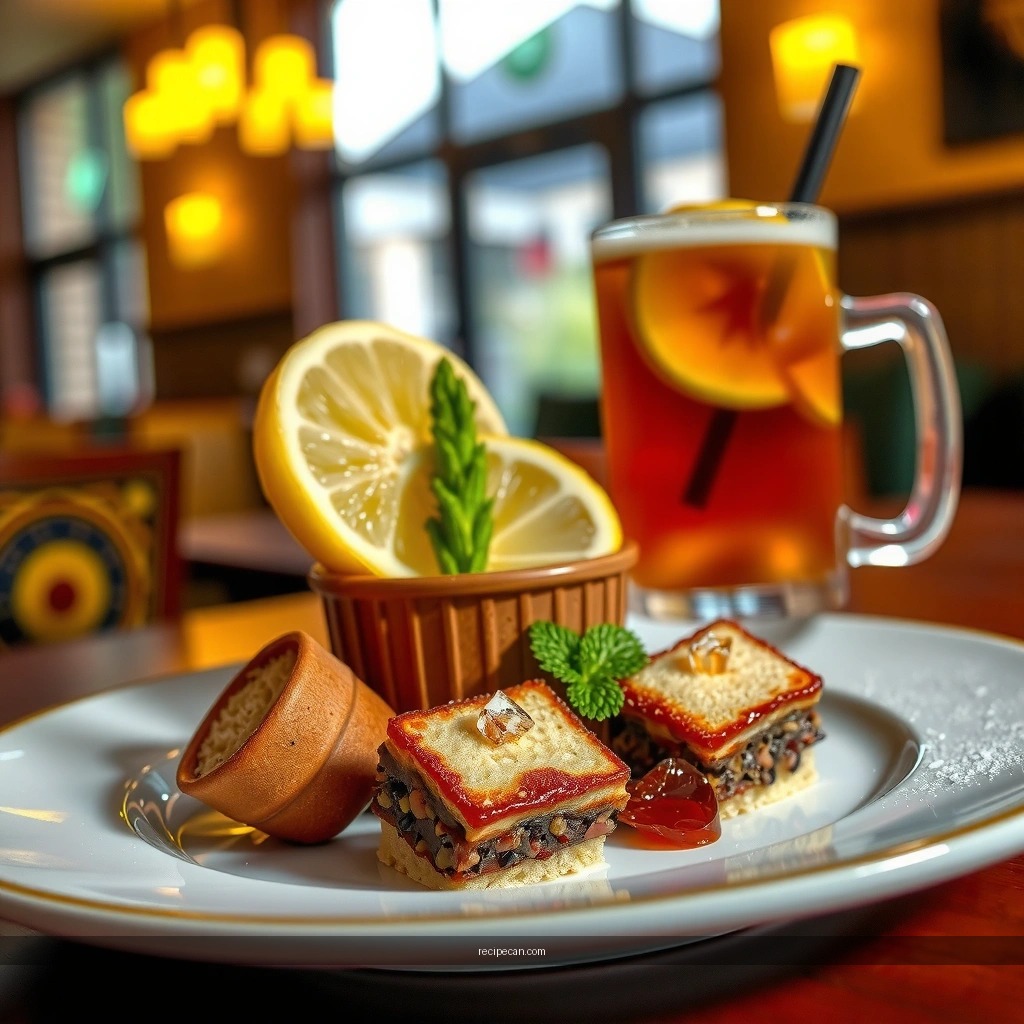
– Steep tea long enough to develop a strong base
Weak tea is one of the top drivers of sweet tea “gags” because it forces sugar to do all the work. For black tea, a common improvement is extending steeping time slightly while keeping the water hot enough to extract flavor. If you’re using bagged tea, you may also need more bags or a longer steep for the same quart volume.
– Use quality black tea for a classic sweet tea taste
Flavor quality matters because tea character becomes more noticeable as you adjust sugar. If your tea is dusty, low-grade, or flavor-thin, reducing sugar can make the drink taste flat. For consistent results, choose a black tea designed for full-bodied flavor—typically a traditional black tea or a blend with robust aroma.
A business-ready takeaway: if you maintain the same tea brand and source, you’ll reduce variability dramatically. Sweet tea should taste repeatable, not accidental.
Adjusting Sugar Without Ruining the Batch
– Reduce sugar next time, or dilute with water/unsweet tea
If your batch is already too sweet, don’t just add more ice and hope it “fixes.” Ice chills but won’t reduce the sugar concentration enough. The most reliable rescue is dilution: add a measured amount of water or a batch of unsweetened (or lightly sweetened) tea base to reset the ratio.
– Taste at multiple steps: hot, then after chilling
Sweetness perception changes with temperature. Many people under-sweeten hot tea but find it perfect after chilling—or oversweeten hot tea and then realize it’s cloying when cold. Use a two-step tasting workflow:
1. Sweeten the hot tea to your baseline target.
2. After chilling, confirm balance and adjust only in small increments.
Actionable method for corrections:
– If you overshot sugar, remove some concentrate into a separate pitcher, add dilute tea/water to that portion, then blend back gradually. This approach gives control and prevents “going too far” in the other direction.
Chilling, Storage, and Serving Tricks
– Chill completely for the best flavor and texture
Chilling isn’t optional if you want “true” sweet tea flavor balance. As the tea cools, sweetness integrates and aromas settle. If you serve warm or partially chilled tea, the drink may taste sharper or more syrupy than it will after it’s fully cold.
– Store covered and keep it cold for clean, consistent results
Sweet tea picks up off-notes faster than people expect, especially in warm conditions or uncovered storage. Use a covered container, keep it refrigerated promptly, and avoid leaving it at room temperature for extended periods. Consistency improves even further if you label the batch date and track adjustments (like “1 cup sugar per quart” or “0.90 cups sugar per quart”).
For serving, consider that glassware and ice volume can affect perceived sweetness. A very large ice load can dilute slightly as it melts; conversely, warm glasses can shift taste. The best solution is portion control: use the same ice volume for repeatable results.
Quick Troubleshooting Checklist
– If it’s too sweet: cut sugar or dilute with unsweet tea
Fast fix: blend in an equal amount of unsweetened tea concentrate, taste, then fine-tune. This is more reliable than simply adding water because it maintains tea flavor strength while reducing sugar impact.
– If it tastes flat: steep longer or brew stronger next batch
Flatness often indicates that the tea base lacks extraction. Next time, steep longer (or increase tea quantity) rather than adding more sugar. Additional sugar can hide bitterness but won’t fix missing tea character; it can actually worsen the “gag” by making sweetness the only note.
A useful “diagnostic mindset”:
– Too sweet + thin/flat? Your tea base is likely under-extracted—strengthen the tea and reduce sugar next time.
– Too sweet + heavy/syrupy? Your sugar ratio is high—dilute or reduce sugar, while keeping brewing method consistent.
– Great hot, wrong cold? You’re likely tasting too early—chill fully, then adjust in small steps.
Sweet tea should taste bold and refreshing—not cloying or off-balance. Use the ratio and brewing tips above, adjust sugar based on taste after chilling, and serve cold for the best results—then try one corrected batch today.
Frequently Asked Questions
What is a sweet tea recipe gag and why do people search for it?
A “sweet tea recipe gag” usually refers to a playful viral twist or prank that revolves around making (or misunderstanding) classic sweet tea. People search for it because they’re looking for humorous content that still ties back to real sweet tea instructions, ingredients, and serving tips. It also helps them recreate the joke while getting an actually drinkable batch of southern sweet tea.
How do you prevent sweet tea recipe gags from turning the tea bitter?
Bitterness often comes from steeping too long, using water that’s too hot for fragile tea leaves, or accidentally burning the tea while heating. Use strong black tea as the base, steep only until the color looks right, then strain promptly before adding sugar. If your gag includes extra steps (like unusual ingredients or longer waits), taste frequently so your sweet tea stays balanced and not harsh.
Why does “sweet tea” sometimes taste grainy, and how can you fix it?
Grainy sweet tea is usually caused by sugar not dissolving fully, especially if sugar is added to cold tea. To avoid this, dissolve sugar in a portion of hot tea or hot water first, then combine with the rest of the brewed tea. For any sweet tea recipe gag that involves a quick mix or layered prank, keep the sugar dissolve step as the “real” part of the process.
What’s the best way to follow a sweet tea recipe gag while still serving safe, fresh tea?
If the gag encourages making a large batch in advance, prioritize food safety by cooling quickly and refrigerating promptly. Brew, strain, sweeten once the tea is hot enough to dissolve sugar, then chill before serving over ice. For consistency, use the same tea brand and steep time each time so the sweet tea result matches the joke rather than surprising guests with off-flavors.
Which ingredients work best for a sweet tea recipe gag (classic vs. creative twists)?
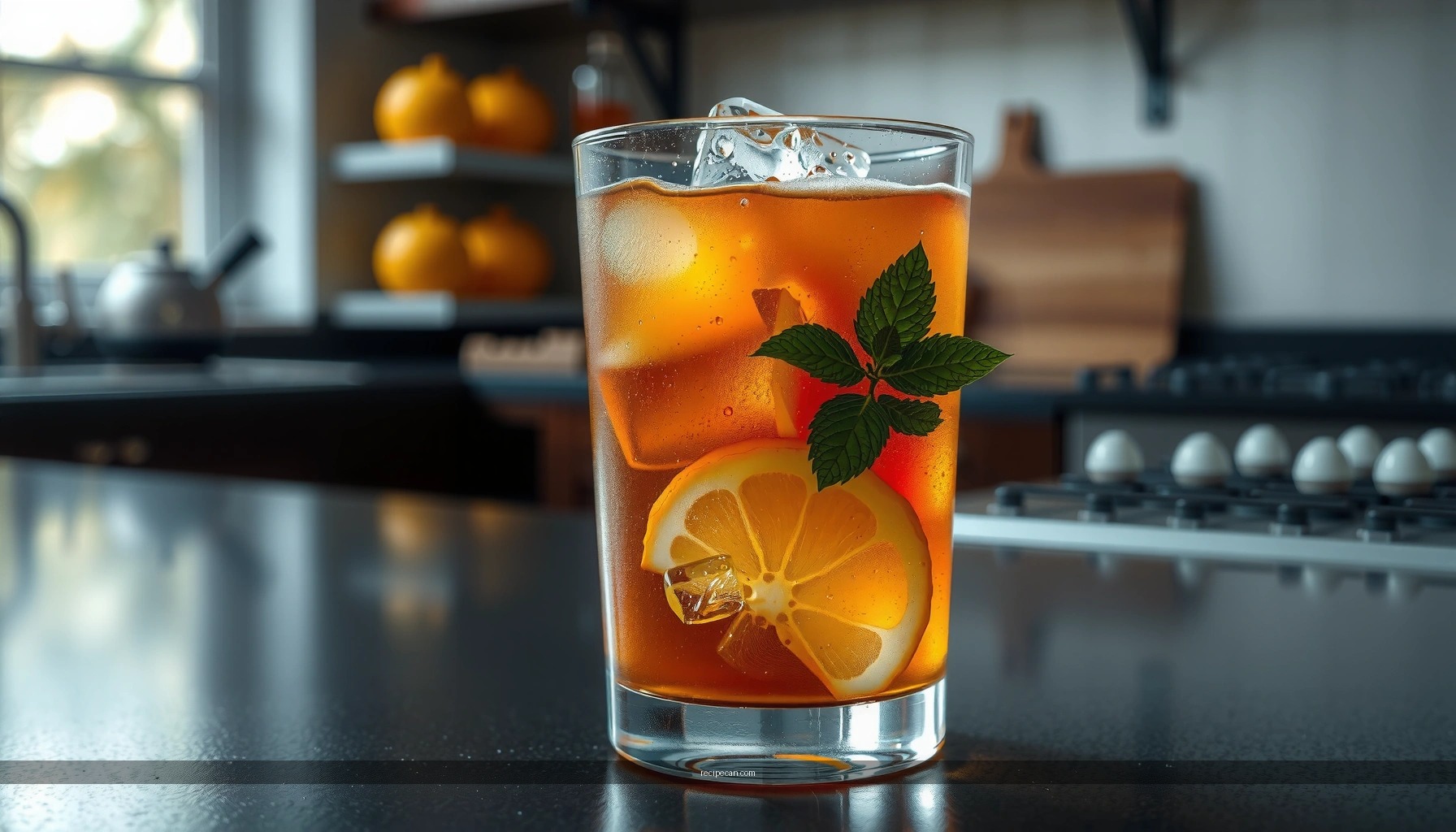
Classic sweet tea typically uses black tea, water, granulated sugar, and optional lemon slices for a traditional bright finish. If your gag includes a twist—like flavored syrup, unusual garnishes, or a “surprise” sweetener—choose add-ins that dissolve well and don’t overpower the tea tannins. The best approach is to keep the base recipe reliable, then use the gag ingredient in a controlled amount so the final sweet tea still tastes good.
References
- Sweet tea
https://en.wikipedia.org/wiki/Sweet_tea - Iced tea
https://en.wikipedia.org/wiki/Iced_tea - https://www.britannica.com/topic/tea
https://www.britannica.com/topic/tea - https://www.cdc.gov/foodsafety/keep-food-safe.html
https://www.cdc.gov/foodsafety/keep-food-safe.html - https://www.foodsafety.gov/keep-food-safe/keep-hot-foods-hot-and-cold-foods-cold
https://www.foodsafety.gov/keep-food-safe/keep-hot-foods-hot-and-cold-foods-cold - https://www.fsis.usda.gov/food-safety/safe-food-handling-and-preparation/keeping-food-safe-hot-and-cold
https://www.fsis.usda.gov/food-safety/safe-food-handling-and-preparation/keeping-food-safe-hot-and-cold - https://pubmed.ncbi.nlm.nih.gov/?term=iced+tea+microorganisms
https://pubmed.ncbi.nlm.nih.gov/?term=iced+tea+microorganisms - Google Scholar Google Scholar
https://scholar.google.com/scholar?q=sweet+tea+recipe - https://scholar.google.com/scholar?q=iced+tea+food+safety+temperature Google Scholar
https://scholar.google.com/scholar?q=iced+tea+food+safety+temperature - Google Scholar Google Scholar
https://scholar.google.com/scholar?q=sugary+beverages+microbial+growth