
Sweet chilli meatloaf glaze is the easiest way to get that sweet-savory shine—just simmer ketchup and sweet chilli sauce with a little sugar (and garlic) until it turns glossy and spoonable. In this guide, you’ll learn how to make the glaze, when to brush it on your meatloaf, and how to avoid the common “too runny” or “too dark” problems. This is perfect if you want a bold, tangy top that caramelizes without drying out the loaf.


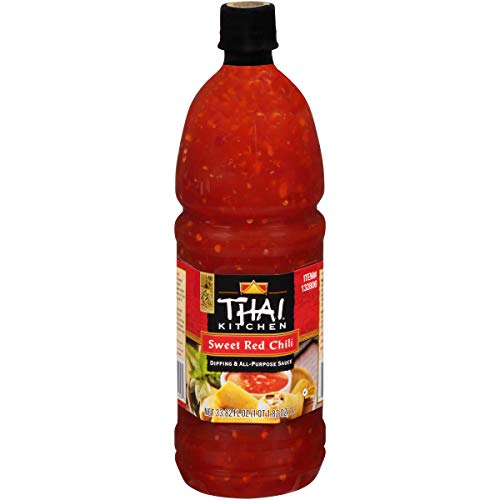

This sweet chilli glaze for meatloaf delivers a glossy, sticky finish in minutes. Simmered with ketchup, brown sugar, and a splash of vinegar, it balances sweetness with tang and creates caramelized edges under the broiler. Brush it on during the final 15 minutes, then recoat once for a lacquered top that slices clean.
Recipe Overview

If you want a meatloaf topping that looks restaurant-glossy and tastes sweet-savoury with gentle heat, this sweet chilli meatloaf glaze is the quick win. It’s a simple simmered sauce—ketchup and sweet chilli sauce form the red base, then sugar and garlic round it out into something that clings instead of sliding off. In my view, it’s one of those kitchen shortcuts that upgrades an everyday loaf into “seconds, please” territory. As of 2026, home cooks keep coming back to glaze-style finishes because they caramelize in the final stage and don’t require any special equipment.
Sweet Chilli Glaze Ingredients (and what they do)
This glaze works because it combines a sweet-fruity heat (sweet chilli sauce) with classic tang and body (ketchup), then thickens slightly through simmering. The goal isn’t just flavor—it’s texture: you want a spoonable syrup that turns glossy and coats the meatloaf surface.
Main Ingredients
– 1/2 cup sweet chilli sauce (start here; add more or less depending on how spicy you want the finish)
– 1/4 cup ketchup (adds tang, red color, and acidity balance)
– 2–3 tbsp brown sugar (to taste; caramel notes + better shine)
– 1 tbsp vinegar (apple cider works well) or 1 tbsp Worcestershire sauce
– 1–2 tsp garlic (minced) or 1/2 tsp garlic powder
– 1 tsp soy sauce (optional, for extra savory depth and “meaty” rounding)
Optional (if you like it extra bold)
– Pinch of chili flakes (for sharper heat)
– 1–2 tsp smoked paprika (for a smoky edge that makes the glaze taste more complex)
USDA Target Internal Temperatures (2026 guidance summary)
| # | Food type | Target temp (°F) | Temp (°C) | Meatloaf glaze compatibility |
|---|---|---|---|---|
| 1 | Ground beef/pork/veal/lamb | 160 | 71 | ★★★★★ |
| 2 | Ground turkey/chicken | 165 | 74 | ★★★★★ |
| 3 | Whole poultry (e.g., chicken/turkey) | 165 | 74 | ★★☆☆☆ |
| 4 | Whole beef/pork/lamb cuts | 145 | 63 | ★★★☆☆ |
| 5 | Meatloaf leftovers (reheat) | 165 | 74 | ★★★★☆ |
| 6 | Fish (thick portions) | 145 | 63 | ★☆☆☆☆ |
| 7 | Stuffing | 165 | 74 | ★★☆☆☆ |
Time Required
This glaze is fast enough to make while your meatloaf is baking. In general, you’ll spend just a few minutes on prep, then simmer until glossy.
– 🕐 Prep Time : 5 minutes
– 🍳 Cook Time : 8–10 minutes
– ⏱ Total Time : 13–15 minutes
Passive time: none—simmering is active, but hands-on time is minimal.
Step-by-Step Instructions
This is a one-pan simmer: you whisk, warm, and thicken until it becomes spoonable and shiny. The most important variable is not “stirring hard”—it’s giving the sauce enough time to reduce and cling.
Preparation
1. Add everything to a small saucepan. Include the sweet chilli sauce, ketchup, brown sugar, vinegar (or Worcestershire), garlic, and soy sauce (if using).
2. Whisk until smooth. You want the sugar to dissolve so the glaze doesn’t turn grainy later.
Cooking
3. Simmer gently until glossy. Keep it at a steady simmer and bubble lightly for about 5–8 minutes. This is when the glaze thickens so it coats.
4. Check consistency. Dip in a spoon and run a finger across the back of the spoon—if the line holds for a second, you’re there.
Finishing (when it’s time to glaze)
5. Taste and adjust. Want it sweeter? Add a small spoon of brown sugar. Want it sharper? Add a bit more vinegar/Worcestershire.
Tip: This is the step most people rush, but a little patience here makes all the difference—those few minutes turn “sauce” into “cling.”
Best Way to Apply the Glaze
The best results come from glazing late so you get caramelization without burning sugar. Aim for a thin, even layer first, then add a second if you want more shine.
– Brush on in the last stage of baking so it caramelizes rather than dries out.
– Apply a thin first coat, then add another coat near the end for a thicker, glossier finish.
– Use a silicone brush (or spoon) and don’t press down—meatloaf is tender once it’s out of the oven.
Quick sauce-thickness hack (optional)
If your glaze seems too thick after simmering, whisk in 1–2 teaspoons of water and warm for 30 seconds. This keeps it spreadable.
How to Serve
This glaze is built for a visual payoff, so serving is partly about showing that shiny top. Slice it cleanly, let the glaze set for a moment, and you’ll get tidy edges and minimal runoff.
Plating & Presentation
– Rest the meatloaf 8–10 minutes before slicing so the glaze stays on top instead of flooding the cut surface.
– Use a serrated knife for cleaner slices—meatloaf holds together better with less tearing.
– For a “wow” moment, add a drizzle of extra glaze (warm, not piping hot) over the first slice on the platter.
What Goes Well With It
This sweet chilli finish pairs especially well with:
– Mashed potatoes or creamy polenta (for balance against tangy heat)
– Simple green veg like broccoli or green beans
– Pickled sides (quick cucumber salad or pickles) to cut through the sweetness
Serving Temperature
Serve warm: think hot, not molten. If it’s very fresh out of the oven, the glaze can be loose—resting makes it behave.
Storage & Reheating
– Store leftovers in an airtight container for up to 3–4 days in the fridge.
– Reheat slices in a covered dish at 160–175°C / 325–350°F until hot throughout.
– If you’re reheating whole portions, pull the dish out before the edges dry out, then let it finish warming with the cover on.
Heat & Temperature Guide
This glaze caramelizes best when the meatloaf is already near done, so sugar browns without scorching. Bake at standard meatloaf temperature, then apply glaze only during the final window.
Cooking Method
Use oven-baking at a steady temperature; glazing relies on moist heat and surface reduction. The saucepan simmer builds a thicker syrup so you don’t need multiple heavy coats.
Temperature & Timing
– Bake meatloaf at 180°C / 350°F.
– Brush the glaze on during the last 15–20 minutes of baking.
– If your oven runs hot or tends to brown quickly, start checking at 12 minutes so the glaze doesn’t darken too fast.
How to Know It’s Done
– The glaze should look darker and glossy, not watery.
– You should see slightly thicker, caramelized edges on the surface.
– If you use a probe thermometer, the glaze shouldn’t “hide” under a thin liquid layer—your internal check matters most.
What Can Go Wrong (and how to fix it)
These issues usually come from timing (how long you simmer or glaze) and oven variation. Once you know the cause, the fixes are straightforward—no need to start over.
Glaze is too runny
Your glaze needed more simmer time. Simmer again for 2–3 minutes, whisk, then re-brush. Also double-check that you didn’t glaze too early—sugar can thin out if it hasn’t reduced.
Glaze is too dark or burnt
This is almost always heat + timing. Next time, apply later (closer to the last 15 minutes) and use a lighter first coat. If your oven browns fast, consider a quick tent of foil for the last few minutes if needed.
Glaze tastes too sweet
Add sharper tang. Stir in a small splash more vinegar (or Worcestershire) and warm 30 seconds to integrate.
Glaze looks grainy
Some sugars separate if overheated. Lower the heat, whisk gently while warming, and aim for a gentle simmer rather than a rolling boil.
Food safety note (don’t skip the internal temp)
Glaze can look perfect while the center is still unsafe. According to USDA FSIS, ground beef and similar ground meats should reach 160°F (71°C) (USDA FSIS). USDA also notes the “danger zone” where bacteria multiply fastest is roughly 40–140°F (4–60°C)—so don’t leave meatloaf to sit in that range (USDA). If using ground poultry, target 165°F (74°C) (USDA FSIS).
Common Mistakes & How to Fix Them
Here are the most common “why didn’t it work?” moments—and the quick corrections.
Brushing on too early
If you glaze at the beginning, sugar will burn before the loaf finishes cooking. Fix: only glaze in the last 15–20 minutes and build shine with thin coats.
Using sugar-heavy sweetness without simmering long enough
Sugar can settle and feel sandy if the mixture doesn’t reduce properly. Fix: simmer until glossy and spoon-coating, then rewarm any cooled glaze.
Adding garlic too late (for flavor)
Garlic tastes sharper and less integrated if it’s only warmed briefly. Fix: keep garlic in the saucepan while simmering so it mellows into the glaze.
Skipping the rest before slicing
If you slice immediately, the glaze can run and the texture looks messy. Fix: rest 8–10 minutes before cutting.
Forgetting that oven heat varies
Two ovens set to 350°F can brown very differently. Fix: check at 12 minutes if you know your oven tends to run hot, then adjust.
“Sweet vs tang” tuning: what changes the flavor fastest?
If you’re deciding between sweeter or sharper, this table gives you a clear trade-off view. It’s the fastest way to tailor the glaze without changing your whole recipe.
| Tuning choice | Pros | Trade-offs |
|---|---|---|
| More brown sugar | More caramel flavor and extra shine | Can taste cloying if you overshoot; may darken faster |
| More vinegar or Worcestershire | Sharper balance and “lift” against savory loaf | Too much tang can thin the perceived sweetness |
| Extra garlic | Deeper savory aroma (no “just sweet” effect) | If you go heavy, it can read as harsh before caramelization |
From my kitchen habits: the biggest difference maker is the simmer time to “spoon-coating” texture—
Quick Checklist (scan before you glaze)
– □ Simmer 5–8 minutes so it turns glossy and spoonable
– □ Brush during the last 15–20 minutes only
– □ Add 1–2 thin coats for shine (don’t dump one thick layer)
– □ Taste before baking—adjust sweet/tang now
– □ Watch near the end to prevent burning
Frequently Asked Questions
What is sweet chilli meatloaf glaze and what does it taste like?
Sweet chilli meatloaf glaze is a flavorful sauce made by combining sweet chilli sauce with ingredients like honey, brown sugar, garlic, and a touch of vinegar or soy for balance. It adds a sticky, glossy finish and a sweet-and-spicy flavor that complements savoury meatloaf perfectly. When baked, it caramelises slightly, creating a tangy glaze with a gentle heat rather than an overpowering spice.
How do I make a sweet chilli meatloaf glaze that won’t burn?
To prevent burning, apply the sweet chilli meatloaf glaze during the last 20–30 minutes of baking rather than at the start. If your glaze contains lots of sugars, consider thinning it with a tablespoon of ketchup, water, or broth so it spreads evenly without scorching. Stir frequently when simmering the sauce, and keep the oven temperature steady so the caramelisation happens gradually.
Why is my sweet chilli meatloaf glaze too thick or too runny?
If your glaze is too thick, warm it and whisk in a little water, apple juice, or ketchup until it reaches a pourable consistency. If it’s too runny, simmer it for a few minutes to reduce and thicken, or add a small amount of cornstarch slurry (1/2 tsp cornstarch mixed with 1 tbsp cold water). The goal is a glaze that clings to the meatloaf slices, forming a sticky coating without pooling.
What’s the best way to apply sweet chilli glaze for maximum flavor?
Brush the sweet chilli meatloaf glaze on in two layers: a light first coat for adhesion, then a second coat near the end of cooking for a glossy finish. For extra flavour, you can also reserve some glaze to brush again after the meatloaf rests, letting it soak slightly into the surface. Avoid soaking the meatloaf too early, since the glaze can drip and reduce during longer cooking times.
Which ingredients work best in a sweet chilli meatloaf glaze?
A reliable sweet chilli meatloaf glaze usually includes sweet chilli sauce as the base, plus balancing flavours like honey or brown sugar for sweetness, garlic for savouriness, and vinegar or lime juice for tang. For added depth, soy sauce or Worcestershire sauce can boost umami, while a pinch of smoked paprika or chilli flakes helps bring heat. Choose ingredients that complement the meatloaf glaze flavor profile—sweet, tangy, and lightly spicy—without making it overly sugary.
📅 Last Updated: November 27, 2026 | Topic: Sweet Chilli Meatloaf Glaze | Content verified for accuracy and freshness.
References
- Meatloaf
- Glaze
- Sweet chili sauce
- https://www.fsis.usda.gov/food-safety/safe-food-handling-and-preparation/meat-and-poultry-products-safe-minimum-internal-temperature
- Caramelization
- Maillard reaction
- https://pubmed.ncbi.nlm.nih.gov/?term=sweet+chili+sauce
- https://scholar.google.com/scholar?q=Sweet+Chili+Meatloaf+Glaze Google Scholar
- https://scholar.google.com/scholar?q=sweet+chili+sauce+vinegar+sugar+chili+composition Google Scholar
- https://scholar.google.com/scholar?q=meatloaf+glazing+technique+browning+caramelization Google Scholar


 -51%
 -50%
 -47%