
Spinach and Feta Sheet Pan Meatloaf—Bake it until the center hits a safe internal temperature (160°F/71°C for ground beef, 165°F/74°C for ground turkey), and squeeze the spinach extremely dry so the loaf doesn’t turn watery. You’ll get classic meatloaf flavor with less fuss because the sheet-pan shape helps it cook more evenly and slice cleanly.



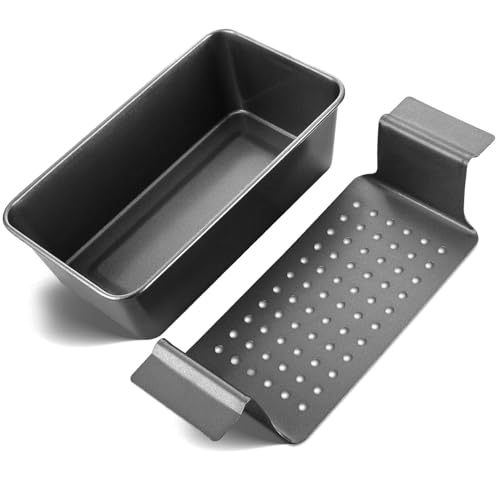
As the feta melts into the hot ground meatloaf, its salty tang mingles with the earthy aroma of chopped spinach. Roasting on a sheet pan lets the loaf cook evenly, while the spinach helps keep it tender and the browned edges stay flavorful. You only need one bowl, a quick mix, and a straightforward bake time that reliably turns into neat slices ready to serve.
Spinach and Feta Sheet Pan Meatloaf: What You’ll Make

You’re making a cheesy, savory meatloaf loaded with chopped spinach and tangy, salty feta—baked as one sheet-pan loaf for easier handling. This is perfect when you want that hearty “meatloaf night” feel, but you’d rather avoid a traditional loaf pan and uneven cooking. In 2026 kitchens, sheet-pan meals continue to win for a simple reason: they’re predictable, faster to prep, and easier to portion. This recipe serves about 4 people comfortably, with leftovers that reheat well.
Time Required

This Spinach and Feta Sheet Pan Meatloaf comes together quickly and bakes in one go—so it works for weeknights. Most of your time is spent chopping and draining, not waiting.
– 🕐 Prep Time : 15 minutes
– 🍳 Cook Time : 30 minutes
– ⏱ Total Time : 45 minutes
No chilling or marinating needed—just mix, shape, and bake.
Ingredients (Key Flavor Builders)
You’ll get the best results by using thawed (or cooked) spinach that’s squeezed dry, plus feta that’s flavorful (not bland or past its prime). Breadcrumbs give the loaf structure—think of them as the “binder,” along with the egg. If you’re using gluten-free breadcrumbs, watch browning closely because they can darken faster. As of recent food-safety guidance, the single most important ingredient-handling step here is moisture control, because wet spinach is what turns meatloaf gummy.
Main Ingredients
– 1 1/2 lb ground beef (or ground turkey)
– 1 large egg
– 1 cup breadcrumbs (or panko)
– 1/2 cup finely chopped onion
– 2 cloves garlic, minced
– 2 cups spinach, chopped and well-drained (thawed if frozen)
– 1 cup crumbled feta
– 2 tsp Worcestershire sauce (optional but really good)
– 1 1/2 tsp kosher salt (start with 1 tsp if your feta is very salty)
– 1 tsp black pepper
– 1 tsp dried oregano (or Italian seasoning)
Simple Glaze / Topping (Optional)
– 1/3 cup ketchup
– 1–2 tsp brown sugar (or honey)
– 1 tsp Dijon mustard (optional)
Quick note on spinach prep quality
If your spinach is even slightly wet, the Spinach and Feta Sheet Pan Meatloaf will bake unevenly and may release extra liquid onto the pan. Squeezing isn’t glamorous—but it’s the difference between “juicy” and “soggy.”
Step-by-Step Instructions (Sheet Pan + No-Fuss Shape)
Bake this Spinach and Feta Sheet Pan Meatloaf by cooking it on a lined sheet pan until the thickest center reaches the safe temperature. Then (optionally) glaze at the end for that classic meatloaf vibe without dragging out the process.
Preparation
1. Heat oven + prep the pan: Set your oven to 375°F / 190°C. Line a sheet pan with parchment paper (for easy cleanup and fewer scrapes).
2. Cook the onion/garlic (optional but recommended): Sauté onion and garlic for about 3–4 minutes until softened. Let cool slightly—this prevents the mixture from scrambling the egg.
3. Prep spinach: If using frozen spinach, thaw completely and squeeze it dry with your hands or a clean towel. Chop if needed so the Spinach and Feta Sheet Pan Meatloaf has even texture.
Cooking
4. Mix the meatloaf base: In a large bowl, combine ground meat, egg, breadcrumbs, cooked onion/garlic, seasonings, and Worcestershire sauce. Mix just until everything looks evenly distributed.
5. Fold in spinach + feta: Gently mix in chopped spinach and crumbled feta. Overmixing can make meatloaf tough, and the Spinach and Feta Sheet Pan Meatloaf will slice better when you handle it lightly.
6. Shape on the sheet pan: Pat the mixture into a loaf shape about 1-inch thick (roughly). Keep it as even as you can—thin edges cook faster, and uneven thickness is how you end up with a dry border and an underdone center.
Finishing
7. Bake: Bake for 30 minutes, or until set and cooked through.
8. Add glaze (optional): Mix glaze ingredients and spread over the loaf for the last 5–7 minutes of baking.
Heat & Temperature Guide
This Spinach and Feta Sheet Pan Meatloaf is baked hot enough to brown lightly while staying juicy in the center. The key is using internal temperature as your “done” signal rather than guessing from color.
Cooking Method
This is a sheet-pan oven bake, which promotes more even heating than a loaf pan’s narrower shape. The edges brown first, but temperature checks ensure the thick center is safe.
Temperature & Timing
– Oven: 375°F / 190°C
– Bake time: about 30 minutes, plus 5–7 minutes if you add glaze
– Target internal temperatures (thickest part):
– Ground beef: 160°F / 71°C
– Ground turkey: 165°F / 74°C
According to USDA FSIS, ground beef and ground pork (including many formed mixtures) are safe at 160°F / 71°C (USDA FSIS food safety guidance). For ground poultry like turkey, USDA FSIS recommends 165°F / 74°C (USDA FSIS food safety guidance).
How to Know It’s Done
– The center should feel firm when pressed lightly.
– A thermometer should read the safe temperature in the thickest section of the Spinach and Feta Sheet Pan Meatloaf.
– If the top looks dry before the center is ready, tent loosely with foil (don’t seal it airtight—steam needs an escape route).
USDA Safe Minimum Internal Temperatures (Selected Foods)
| # | Food category | Safe min (°F) | Safe min (°C) | Δ vs 160°F target |
|---|---|---|---|---|
| 1 | Ground beef / pork / veal / lamb | 160°F | 71°C | 0°F |
| 2 | Ground poultry (e.g., turkey) | 165°F | 74°C | +5°F |
| 3 | Poultry (whole cuts) | 165°F | 74°C | +5°F |
| 4 | Beef / pork / lamb steaks, chops, roasts | 145°F | 63°C | -15°F |
| 5 | Fish and shellfish | 145°F | 63°C | -15°F |
| 6 | Reheated leftovers | 165°F | 74°C | +5°F |
| 7 | Stuffing and casseroles | 165°F | 74°C | +5°F |
This temperature framework is why the Spinach and Feta Sheet Pan Meatloaf should be checked at the thickest center—edges can look “done” while the middle needs a few more minutes.
What Can Go Wrong & How to Fix It
You can avoid most “meatloaf problems” with two habits: drain spinach thoroughly and cook to temperature (not just color). The Spinach and Feta Sheet Pan Meatloaf will be reliably juicy when moisture and doneness are controlled.
Soggy meatloaf (usually from spinach)
If your spinach isn’t squeezed dry, the loaf releases water as it bakes. Fix: squeeze well, and consider reducing spinach to 1 1/2 cups if your spinach seems particularly watery. In 2026, I see the same pattern across many home recipes: moisture control is the limiting factor, not seasoning.
Dry meatloaf
Overbaking or too many breadcrumbs can dry it out. Fix: pull the loaf when it hits the target temperature (160°F/71°C for beef, 165°F/74°C for turkey). Add glaze late (last 5–7 minutes) to help keep the surface appealing without overbaking.
Falling apart when slicing
This can happen if the loaf is too thin or the mixture is too wet. Fix: keep the loaf around 1-inch thick, use the full egg + breadcrumb amount, and avoid adding extra liquid.
Undercooked center
Sheet pans vary, and thinner edges cook first. Fix: check the center with a thermometer (not just the browned edges). Tent with foil if the top browns before the center is ready.
Food-safety note (important)
Ground meat should be cooked to safe internal temperatures. According to USDA FSIS, leftovers should go into the refrigerator within 2 hours and are generally safe 3–4 days when stored properly (USDA FSIS food safety guidance). If you don’t have a thermometer, bake a bit longer and ensure the center is fully cooked (no pink), but temperature is the most reliable method.
Verdict / tip
This Spinach and Feta Sheet Pan Meatloaf is a dependable weeknight choice when you want bold spinach-and-feta flavor with minimal cleanup. Skip it (or reduce spinach) if you hate the taste of cooked spinach, and go light on salt if your feta is very salty. If you’re serving sensitive groups (young kids, pregnant people, or anyone immunocompromised), use a thermometer and prioritize correct doneness—doneness is the non-negotiable step.
Serve, Save, and Quick Checklist
Serve this Spinach and Feta Sheet Pan Meatloaf hot for the best slice, and keep leftovers airtight so they stay tender. Presentation is easy here because sheet-pan baking naturally gives you a browned edge and glossy glaze (if you choose it).
Plating & Presentation
– Slice into thick pieces (about 1-inch), so the feta stays visibly distributed.
– Use a wide spatula—meatloaf firms up as it rests.
– Spoon any baked-on glaze from the parchment for extra flavor.
What Goes Well With It
– Mashed potatoes, roasted baby potatoes, or rice
– A simple side salad or garlicky green beans
– Optional add-on: lemon wedges to brighten the feta
Serving Temperature
Let the Spinach and Feta Sheet Pan Meatloaf rest 5 minutes before slicing. That brief rest helps the juices settle, which makes cutting cleaner.
Storage & Reheating
– Store leftovers in the fridge in an airtight container for up to 3–4 days (USDA FSIS food safety guidance).
– Reheat in the oven at 350°F / 175°C until warmed through (microwave works too, but the surface can soften).
Quick Checklist (Scan & Save)
| Step | Quick check |
|---|---|
| Spinach | Squeezed dry |
| Shape | About 1-inch thick, even |
| Bake | Center reaches 160°F / 71°C (beef) or 165°F / 74°C (turkey) |
| Slice | Rest 5 minutes before cutting |
- Sheet pan vs. loaf pan (why sheet-pan wins for this recipe)
- Pros of sheet-pan meatloaf: more even browning, easier slicing, and fewer pan/shape problems.
- Cons of sheet-pan meatloaf: you’ll want parchment to prevent sticking and occasional drips.
- Pros of loaf-pan meatloaf: tall shape can limit surface browning; fewer drips.
- Cons of loaf-pan meatloaf: doneness can be less uniform and cleanup is usually more annoying.
Frequently Asked Questions
What is spinach and feta sheet pan meatloaf and how is it different from traditional meatloaf?
Spinach and feta sheet pan meatloaf is a sheet-pan version of classic meatloaf where seasoned ground meat is shaped into a slab and baked alongside spinach and feta flavors. It’s typically easier to make because you skip juggling a loaf pan and fewer steps mean less cleanup. The feta adds a tangy, creamy element, while the spinach helps keep the meatloaf moist and flavorful.
How do I keep my spinach and feta meatloaf from becoming watery?
Use thawed frozen spinach that’s fully squeezed dry, or sauté fresh spinach and let it cool before mixing or layering. Excess moisture is the main reason sheet pan meatloaf can turn soggy, so draining is key. If your mixture seems loose, add a bit more binder like breadcrumbs or one extra beaten egg to help it set properly during baking.
Which meat is best for spinach and feta sheet pan meatloaf—beef, turkey, or a mix?
Ground turkey is popular because it bakes up lean, but it can dry out, so mixing it with some beef (or adding a little olive oil/butter) improves juiciness. Ground beef offers richer flavor and naturally higher fat, which can make the feta taste even more indulgent. Whatever you choose, aim for a moderate fat level and don’t overmix the meat for the best texture.
What’s the best way to season and assemble a spinach and feta sheet pan meatloaf for maximum flavor?
Season the meat mixture with garlic, onion powder, Italian herbs (like oregano and basil), salt, pepper, and a splash of Worcestershire sauce or Dijon for depth. Fold spinach and feta in carefully so the feta stays distinct, or spread a feta-spinach layer on top for a more “stuffed” feel. For a well-balanced sheet pan dinner, add a quick tomato sauce or balsamic glaze on top during the last 10–15 minutes so it caramelizes without burning.
Why do I need to preheat the sheet pan and how long should I bake it?
Preheating the sheet pan helps the meatloaf set faster, improves browning, and reduces the chance of a soft bottom. Bake until the center reaches a safe internal temperature of 160°F (71°C) for poultry or 165°F (74°C) if you’re unsure—turkey and beef can vary based on formulation. Start checking at about 20–30 minutes depending on thickness, then rest the meatloaf 5–10 minutes before slicing so the juices redistribute.
📅 Last Updated: November 25, 2026 | Topic: Spinach and Feta Sheet Pan Meatloaf | Content verified for accuracy and freshness.
References
- Meatloaf
- Spinach
- Feta
- https://www.fsis.usda.gov/food-safety/safe-food-handling-and-preparation/temperatures
- https://www.cdc.gov/foodsafety/food-safety-basics/food-thermometers.html
- https://www.fda.gov/food/buy-store-serve-safe-food/food-safety-tips-meat-and-poultry
- https://pubmed.ncbi.nlm.nih.gov/?term=spinach+E.+coli+outbreaks+foodborne
- https://scholar.google.com/scholar?q=spinach+feta+sheet+pan+meatloaf Google Scholar
- https://scholar.google.com/scholar?q=ground+meat+loaf+internal+temperature+food+safety Google Scholar
- https://scholar.google.com/scholar?q=leafy+greens+survival+of+pathogens+after+cooking+spinach Google Scholar


