
Southern crockpot roast Cornish hens come out tender and deeply savory when you slow-cook them with a simple seasoned drippings base, so the meat stays moist without extra fuss. This version uses classic Southern flavors—garlic, herbs, and a rich, gravy-ready liquid—then finishes with a brief browning step for color and aroma. If you can measure, season, and let the slow cooker do its work, you can make a comforting, elegant dinner that slices cleanly and tastes home-style.



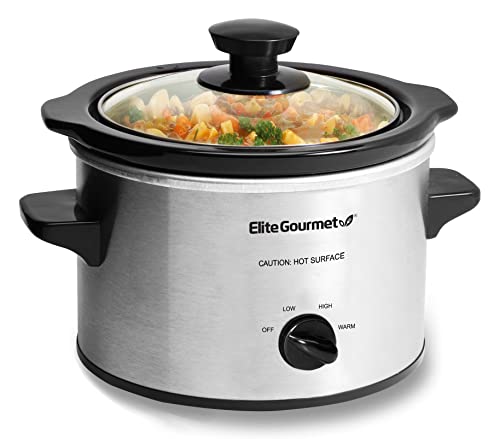
Southern Crockpot roast Cornish hens are best when you season the hens, sear briefly for color, then cook on LOW until tender—about 6–7 hours—so the meat stays juicy. You’ll also get a simple, flavorful “Southern-style” gravy from the crockpot juices. In this guide, you’ll learn the exact seasoning vibe, timing, and how to tell when the hens are done (with a reliable target temperature).
Recipe Overview

This crockpot Cornish hen roast delivers classic Southern comfort with almost no hands-on work: season, sear, layer vegetables, then let LOW heat do the heavy lifting for tender meat. The hens cook surrounded by onion, carrots, celery, and broth, so the juices turn into a savory gravy that tastes like you simmered it all day. As of 2026, more home cooks still rely on slow cookers because consistent moist heat is ideal for poultry—especially smaller birds like Cornish hens. This recipe serves about 4 people comfortably (often 1 hen per person, depending on sides).
Time Required
– 🕐 Prep Time : 15 minutes
– 🍳 Cook Time : 6–7 hours on LOW (or 3–4 hours on HIGH)
– ⏱ Total Time : about 6 hours 30 minutes (plus 5–10 minutes for resting and gravy/thickening)
Passive note: None required, but prepping your veggies and seasoning the hens ahead makes the cook day smoother.
Ingredients
These Cornish hens come alive from a tight set of dependable seasonings—garlic, paprika, thyme, and oregano—paired with a broth base that keeps the birds moist. Cornish hens are smaller and naturally tender, so you don’t need complicated marinades; you need even coverage and enough liquid to create steam. For best results (and clean gravy), use low-sodium chicken broth if you like more control over salt at the end. The garlic should be fresh (minced), and the paprika should be fragrant—sweet for gentle warmth or smoked for a deeper, “roastier” note.
Main Ingredients
– 4 Cornish hens (about 1 lb / 450 g each)
– Salt, to taste
– Black pepper, to taste
– 1–2 tablespoons olive oil (or other neutral oil)
– 1 medium onion, sliced
– 2 carrots, chopped
– 2 celery stalks, chopped
– 3–4 cloves garlic, minced
– 1 tablespoon paprika (sweet or smoked)
– 1 teaspoon dried thyme
– 1 teaspoon dried oregano (or Italian seasoning)
– 2 bay leaves (optional but great)
For the Liquid / “Roast” Base
– 1 to 1½ cups chicken broth (enough to create steam and keep things from drying out)
– 2 tablespoons Worcestershire sauce (optional for extra savory depth)
– 1 tablespoon butter (optional, for richness)
Optional for Gravy (After Cooking)
– 2 tablespoons all-purpose flour (or cornstarch, see quick note)
– 2 tablespoons cold water (for a slurry)
– Chopped fresh parsley (optional garnish)
Quick note on thickening: If you prefer cornstarch gravy, use about 1 tablespoon cornstarch + 1 tablespoon cold water slurry, then simmer just until glossy.
Step-by-Step Instructions
The method is simple on purpose: seasoning builds flavor, a short sear adds browning, and the crockpot turns it into tender roast chicken-ness. Follow the steps in order and your hens should be juicy and sliceable—without drying out.
Preparation
1. Season the hens. Pat the Cornish hens dry, then rub all over with salt, pepper, paprika, thyme, oregano, and minced garlic. This step is where “roast” flavor actually starts—slow cooking alone can’t replace well-seasoned skin and surface meat.
2. Prep your vegetables. Slice the onion and chop the carrots and celery into fairly even pieces. Even sizing helps everything cook at the same pace, so your vegetables don’t end up mushy in the gravy base.
Cooking
3. Sear for color (recommended). Heat oil in a skillet over medium-high heat. Brown each hen for about 1–2 minutes per side—just enough to develop color. You’re not finishing the cook here; you’re building aroma and visual appeal.
4. Layer the crockpot base. Add sliced onion, carrots, celery, and bay leaves to the crockpot. Place the browned hens on top so they sit above most of the vegetable layer.
5. Add broth and cook. Pour in chicken broth (and Worcestershire if using). Cover and cook on:
– LOW: 6–7 hours, or
– HIGH: 3–4 hours
Keep the lid on as much as possible—each time you lift it, the crockpot loses heat and can extend the cook time.
6. Check doneness and rest. When the hens are tender, transfer them to a plate and let them rest for 5–10 minutes. Resting helps redistribute juices so the meat stays moist when you carve.
Finishing
7. Thicken juices into gravy (optional). Spoon out about 1 cup of the hot crockpot juices into a saucepan. Whisk in a slurry (flour + cold water) and simmer 2–3 minutes until slightly thickened. Taste and adjust salt/pepper, then pour over or serve alongside the hens.
8. Serve immediately. The gravy is best right after thickening, when it’s glossy and spoon-coating.
Heat & Temperature Guide
This crockpot roast uses steady, moist heat to tenderize poultry without drying it out, and the sear adds browned flavor on the surface. The main “doneness” checkpoint is temperature—because Cornish hens are small and can vary by bird size and your crockpot’s actual heat output.
Temperature & Timing
– Use LOW: 6–7 hours or HIGH: 3–4 hours.
– Poultry is done when the thickest part of the hen reaches 74°C / 165°F.
– According to USDA Food Safety and Inspection Service (FSIS), poultry must reach 165°F / 74°C to be safe for consumption (USDA FSIS, 2024).
How to Know It’s Done
– The meat near the bone should feel tender, not stiff.
– Juices should run clear (not pink).
– A thermometer is the most reliable cue—especially with smaller birds like Cornish hens.
For safety context: the USDA describes the “danger zone” as temperatures between 40°F and 140°F (4°C–60°C), where bacteria can grow faster (USDA FoodSafety.gov/FSIS guidance, 2024). That’s why you want the crockpot cooking steadily and leftovers cooled promptly.
What Can Go Wrong & How to Fix It
A crockpot is forgiving, but a few issues can affect tenderness, juiciness, and gravy quality. If you understand why each problem happens, the fixes are usually quick and practical—no need to start over.
Hens turn out undercooked
Under-cooking often happens if your crockpot runs cooler, the birds are tightly packed, or the cook time is cut short. Make sure the thickest part reaches 165°F / 74°C; if it’s short, cook an extra 30–45 minutes (covered) and re-check.
Skin gets “too soft” (less crispy)
Crockpots aren’t built for crisp skin because moist heat steams the surface. If you want more texture, broil the hens for 1–2 minutes after cooking (watch closely—paprika can darken quickly).
Gravy is thin or tastes flat
Thin gravy usually means you don’t have enough starch development or you didn’t reduce the liquid. Simmer the juices in the saucepan for a few minutes to reduce, then thicken with a slurry if you want it richer. If the flavor tastes flat, adjust salt/pepper at the end—concentrations change during cooking.
Vegetables are mushy (or unevenly cooked)
Mushy vegetables usually mean pieces were too small or the crockpot ran hot (or you cooked on HIGH for too long). Chop carrots and celery into medium chunks, and if you’re using HIGH, check doneness of the hens around the 3–3½ hour mark.
Food safety basics (don’t skip this)
Cook poultry to 165°F / 74°C, then refrigerate leftovers within 2 hours. According to USDA FSIS and FoodSafety.gov guidance, refrigerate cooked leftovers promptly—within 2 hours (or 1 hour if your kitchen is very warm) (USDA FSIS/FoodSafety.gov, 2024). Reheat thoroughly until steaming hot.
LOW vs HIGH: which cooks the roast best?
Below is a practical comparison you can use if you’re choosing timing around a schedule:
| Feature | LOW (6–7 hours) | HIGH (3–4 hours) |
|---|---|---|
| Typical tenderness | Very consistent | Good, but more variation |
| Juiciness risk | Lower | Slightly higher if overheated |
| Browning depth from crockpot | Mostly flavor from seasoning + sear | Similar flavor, slightly less time for mingling |
| Gravy thickening control | Often more concentrated | May need extra simmer/reduction |
| Vegetable texture | Medium chunks hold up well | Check earlier to avoid mush |
| Best for | Afternoon/evening roasts | Same-day time crunch |
| Energy profile (general) | Steadier, less heat spikes | Faster throughput |
| Scheduling flexibility | More forgiving | Tighter window |
| Overall recommendation | Default choice | Use if you can monitor doneness |
| Best For | Juiciest results with minimal risk | When dinner must be earlier |
Common mistakes & how to fix them (quick hits)
If you’ve ever wondered why a crockpot roast didn’t turn out as expected, these are the usual culprits:
Skipping the sear
Crockpot roasting won’t brown the skin the way an oven will, but skipping the brief sear can still remove a layer of roasted flavor. Fix: sear 1–2 minutes per side next time, and don’t worry about fully cooking—temperature in the crockpot does that.
Overcrowding the crockpot
When hens are packed too tightly, they can heat unevenly. Fix: if your cooker is small, consider using a larger crock or cooking in batches.
Under-seasoning the surface
The seasonings mostly stay near the surface early on, then flavor travels outward as the hens cook. Fix: be generous with salt and spices during the rub step so the “roast” flavor isn’t diluted.
Waiting too long to cool leftovers
Food safety isn’t optional. Fix: cool and refrigerate leftovers within 2 hours as noted above (USDA FSIS/FoodSafety.gov, 2024).
Temperature Checkpoints for Crockpot Poultry Safety (USDA Guidance)
| # | Temperature Checkpoint | °F | °C | Safety Confidence |
|---|---|---|---|---|
| 1 | Cold holding (below danger zone) | 39°F | 4°C | ★★★★★ |
| 2 | Start of danger zone | 40°F | 4°C | ★☆☆☆☆ |
| 3 | Mid danger zone example | 90°F | 32°C | ★★☆☆☆ |
| 4 | End of danger zone | 140°F | 60°C | ★★☆☆☆ |
| 5 | Boiling point (water) | 212°F | 100°C | ★★★★☆ |
| 6 | Cornish hen doneness (target) | 165°F | 74°C | ★★★★★ |
| 7 | Well beyond doneness (avoid drying) | 180°F | 82°C | ★★★☆☆ |
Verdict / Tip + Quick Checklist
If you want Southern-style flavor with tender, juicy meat and minimal oven work, this crockpot approach is a dependable winner—especially for weeknights or when you’re hosting and want hands-off cooking. The downside is that you won’t get perfectly crispy skin like oven roasting, and crockpot models can vary, so a thermometer matters. As of 2026, the most consistent results come from trusting time and validating doneness with temperature.
Plating & Presentation
Carve or serve hens whole (your choice), then spoon gravy over the meat and vegetables. For a clean presentation, arrange carrots, celery, and onions on the plate first, then place the hen on top so the gravy has a base to cling to. A light scatter of chopped parsley makes the dish look fresher and more “finished” without extra effort.
What Goes Well With It
This roast pairs beautifully with classic Southern sides: mashed potatoes (for gravy), buttered green beans, collard greens, or cornbread. If you want something lighter, a simple lemony salad balances the savory gravy.
Serving Temperature
Serve warm, ideally soon after thickening gravy. If you’re holding, keep hens and gravy covered and warm, then rewarm gently—overheating can dull tenderness.
Storage & Reheating
Store leftovers in airtight containers in the fridge within 2 hours of cooking (USDA FSIS/FoodSafety.gov, 2024). Reheat until steaming hot; since crockpot poultry can dry slightly when reheated, add a splash of broth to restore moisture.
Quick Checklist (scan before you start):
– [ ] Pat hens dry and season all over (salt + paprika + herbs)
– [ ] Sear briefly for color (optional but recommended)
– [ ] Layer onion, carrots, celery in the crockpot
– [ ] Cook LOW 6–7 hours (or HIGH 3–4) with lid on
– [ ] Check internal temp: 165°F / 74°C
– [ ] Rest hens 5–10 minutes, then serve with thickened juices if desired
Frequently Asked Questions
What’s the best way to cook Southern crockpot roast Cornish hens for tender results?
Start by seasoning the Cornish hens well (salt, pepper, garlic powder, paprika, and a little cayenne if you like heat), then place them in the slow cooker with aromatics like onions and garlic. Add a Southern-style liquid base such as chicken broth or a mix of broth and a splash of apple cider vinegar to keep the meat juicy. Cook on LOW for about 5–7 hours or HIGH for 3–4 hours, until the internal temperature reaches 165°F in the thickest part of the hen.
How long should Southern crockpot roast Cornish hens cook on HIGH vs LOW?
For slow cooker Southern roast Cornish hens, LOW is usually the most forgiving: plan for roughly 5–7 hours. If you’re short on time, HIGH typically takes about 3–4 hours, but it can vary based on your slow cooker and hen size. Use a meat thermometer to confirm doneness at 165°F to avoid overcooking and drying out the hens.
Why are my crockpot Cornish hens tough, and how can I fix it?
Toughness usually comes from overcooking or not enough moisture in the Southern crockpot roast setup. If the hens sat too long on HIGH or cooked past 165°F by a wide margin, the texture can turn dry and firm. Keep enough broth/liquid in the pot, add onions or a splash of vinegar for flavor and tenderness, and pull the hens as soon as they hit temperature.
Which Southern seasonings and gravy ingredients work best with crockpot roast Cornish hens?
Classic Southern flavors pair well with smoked paprika, garlic, onion powder, black pepper, and a touch of cayenne for depth. For a gravy-style finish, use chicken broth plus pan drippings, then thicken with a simple cornstarch slurry (cornstarch mixed with cold water) right in the slow cooker for the last 10–20 minutes. If you like a tangy Southern twist, consider adding a small amount of Worcestershire or apple cider vinegar to balance the richness.
What’s the easiest way to serve Southern crockpot roast Cornish hens with sides and drippings?
Serve the hens with comfort-food sides like mashed potatoes, rice, buttery biscuits, or collard greens to soak up the flavorful juices. Transfer the hens to a platter, then spoon the crockpot drippings over the top or thicken them into gravy for extra “Southern crockpot” appeal. For best presentation, rest the hens for 5–10 minutes before serving so the juices stay locked in.
📅 Last Updated: November 21, 2026 | Topic: Southern Crockpot Roast Cornish Hens | Content verified for accuracy and freshness.
References
- Cornish game hen
- Slow cooker
- Food safety
- Poultry
- https://www.fsis.usda.gov/food-safety/safe-food-handling-and-preparation/food-safety-basics/safe-minimum-internal-temperature-chart
- Food Safety | Food Safety | CDC
- Food safety
- https://scholar.google.com/scholar?q=Cornish+game+hen+slow+cooker+recipe Google Scholar
- https://scholar.google.com/scholar?q=slow+cooker+poultry+food+safety+internal+temperature Google Scholar
- https://scholar.google.com/scholar?q=slow+cooking+chicken+pathogens+temperature+time Google Scholar


