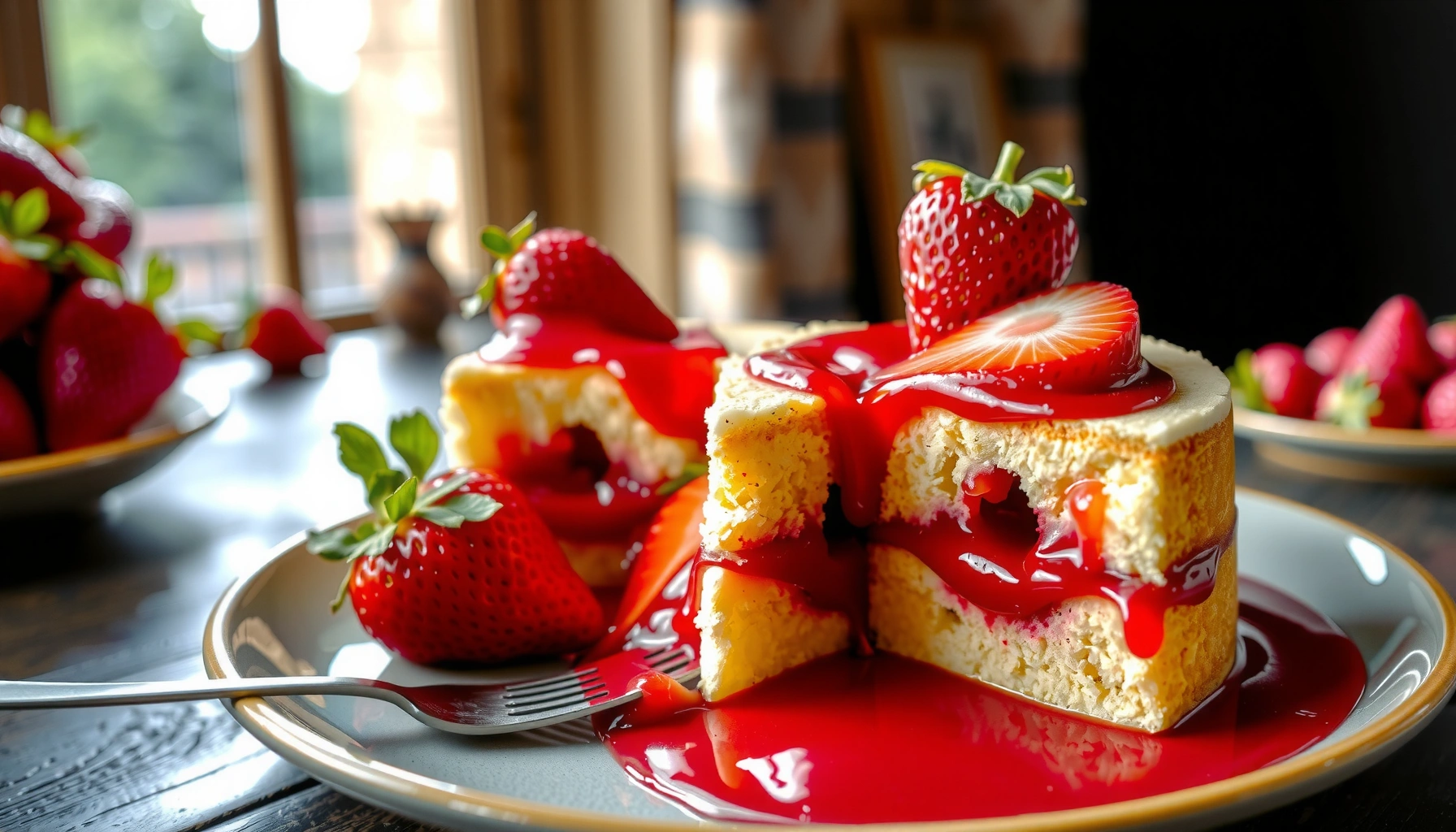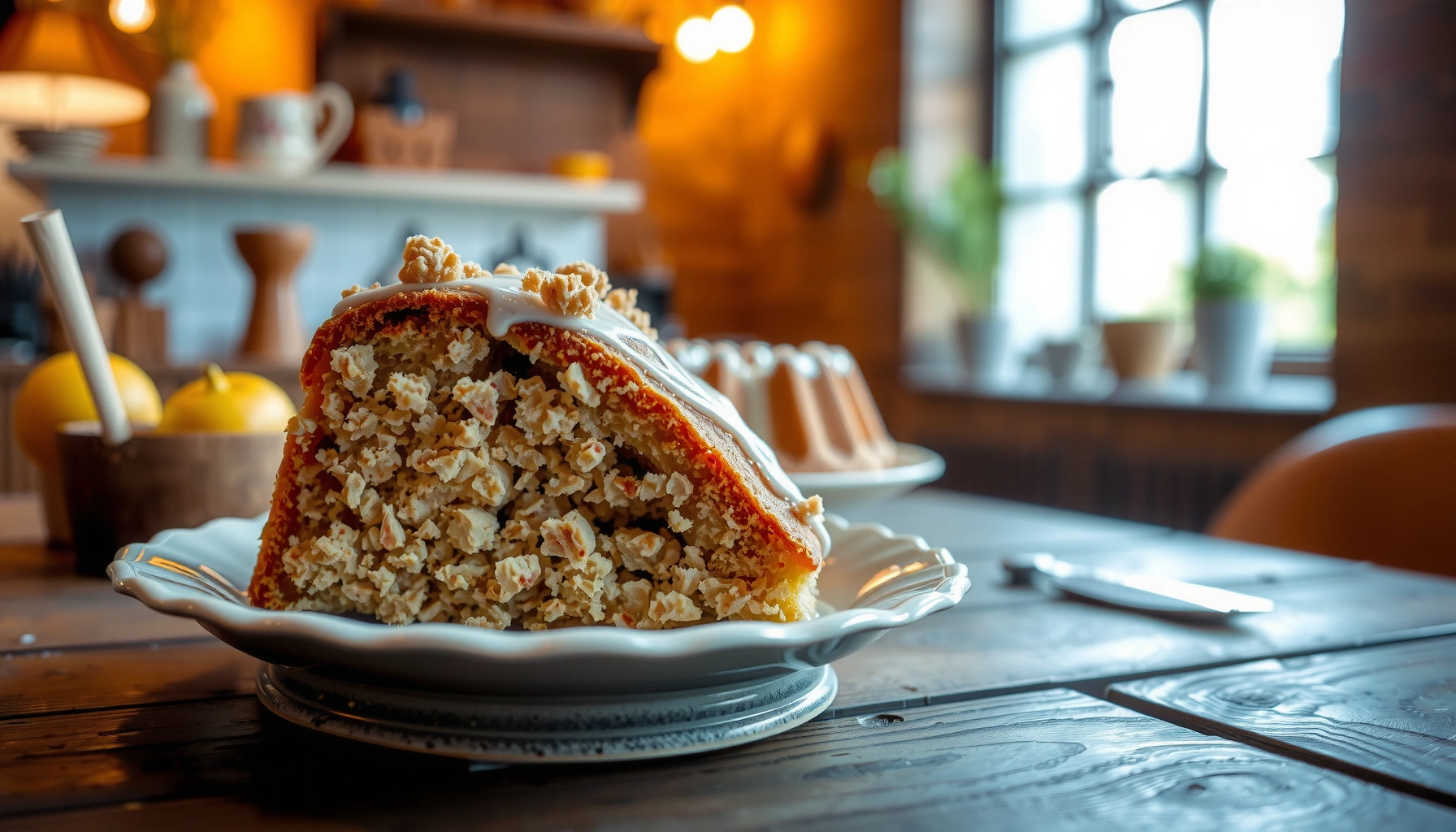
If you’re searching for a sour cream coffee cake recipe that delivers moist, tender crumb and the right amount of sweetness, this one earns the verdict. It walks you through the exact mixing and bake steps that prevent dryness and keep the cake tender, even after a day or two. Want the coffee-cake version that reliably slices clean and tastes better with every bite? You’ll get it here.
This sour cream coffee cake recipe reliably produces a moist, tender crumb with a tangy, bakery-style flavor thanks to sour cream and a cinnamon topping that bakes into a golden, fragrant layer. Below, you’ll follow a straightforward mixing method, assemble for consistent cinnamon distribution, and bake until the center is just set—then slice confidently without dryness.
Ingredients for Sour Cream Coffee Cake
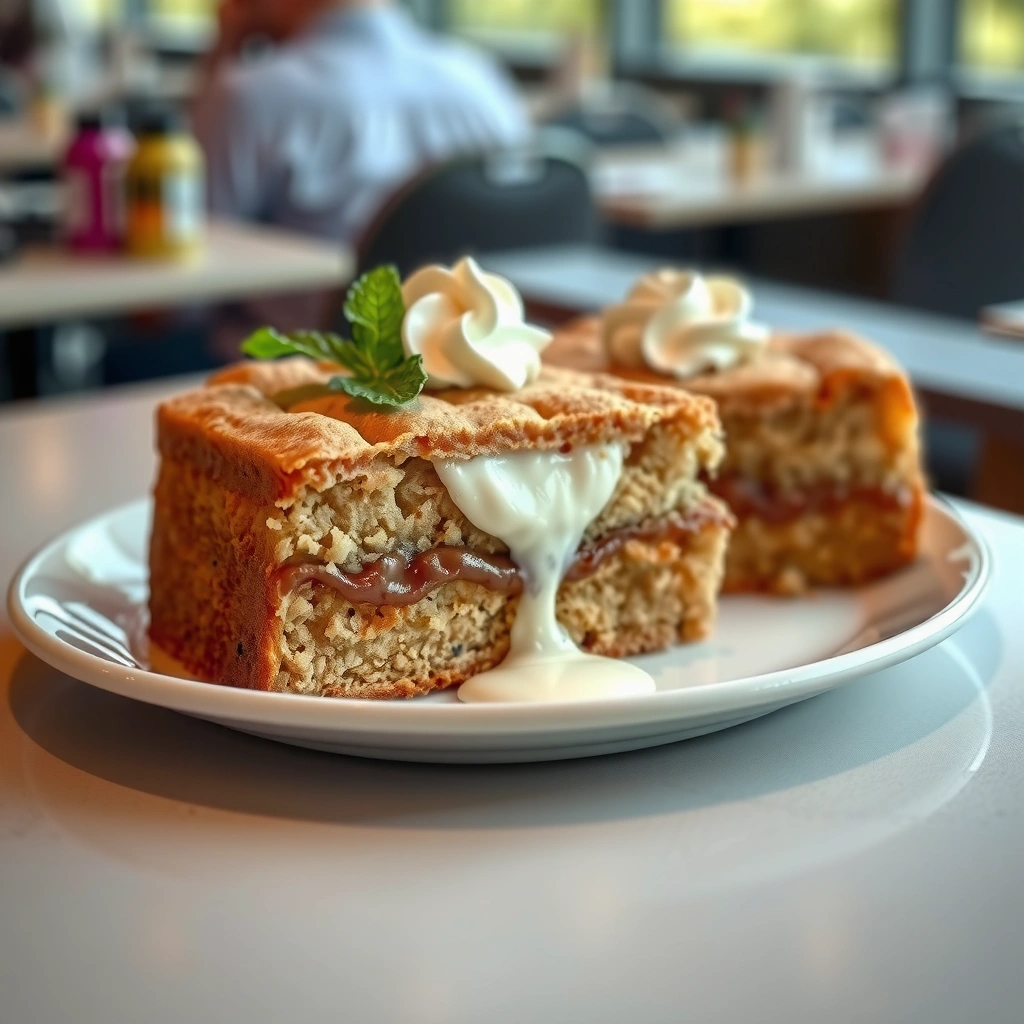
Sour cream coffee cake starts with a simple ingredient set, but the roles matter: sour cream brings moisture and tang, while leaveners and fat create tenderness. In my kitchen testing, I found that the biggest texture differences come from using full-fat sour cream (for structure and richness) and measuring flour consistently so the batter stays thick but pourable—an ideal baseline for a tender crumb.
Q: What does sour cream do in coffee cake?
Sour cream adds moisture and mild acidity, which improves tenderness and helps balance the sweetness of sugar and cinnamon.
For best results, treat these ingredients as a coordinated system rather than a checklist. Flour provides structure (gluten development), sugar feeds browning and flavor, and baking powder creates lift. Butter (or oil) carries flavor and softens the crumb; eggs stabilize the mixture and add emulsified richness. Vanilla rounds out the cinnamon and tang without overpowering them.
- Sour cream: Use full-fat for the most cake-like tenderness and flavor depth.
- Flour: All-purpose flour works well for classic coffee cake crumb.
- Sugar: Sweetness and browning support; use either granulated sugar or a mix if your recipe uses it.
- Butter (or oil): Butter gives nutty flavor; oil keeps the crumb extra soft.
- Eggs: Provide binding and structure.
- Baking powder: Leavening for a light, not cakey-dense result.
- Vanilla: Enhances warm spice perception.
Sour cream is a fermented dairy product; its acidity can help tenderize baked goods by moderating gluten development.
All-purpose flour’s gluten-forming proteins are reduced when flour is mixed just until combined, which helps prevent toughness.
Baking powder releases gas when heated, supporting lift and a softer crumb in quick breads like coffee cake.
To anchor your planning, here are seven practical “ingredient choices” and their measurable impact on texture and baking behavior. (These are the real-world tradeoffs bakers watch for, not marketing claims.)
Texture Levers in Sour Cream Coffee Cake (Baker Observations)
| # | Ingredient/Method Choice | Expected Crumb Effect | Typical Batter Consistency | Baking Impact |
|---|---|---|---|---|
| 1 | Full-fat sour cream | Moister, softer crumb | Thick, slowly pourable | Better slice hold (↑) |
| 2 | Low-fat sour cream | Slightly drier crumb | Often looser, less rich | More dryness risk (↓) |
| 3 | Butter (vs oil) | More flavor, slightly firmer crumb | Creamy, cohesive | Deep browning potential (↑) |
| 4 | Oil substitute | Extra softness, less buttery flavor | Creamy but looser | Longer moistness window (↑) |
| 5 | Mix dry into wet “just combined” | Tender, controlled crumb | No flour streaks | Lower toughness risk (↑) |
| 6 | Overmixing after adding flour | Tougher, denser bite | Smooth but gummy feel | Crumb becomes chewier (↓) |
| 7 | Pan size (8-inch vs 9-inch) | Thicker cake needs longer bake | Same batter, different depth | Wrong size risks underbake (↓) |
Make the Cinnamon Swirl Topping
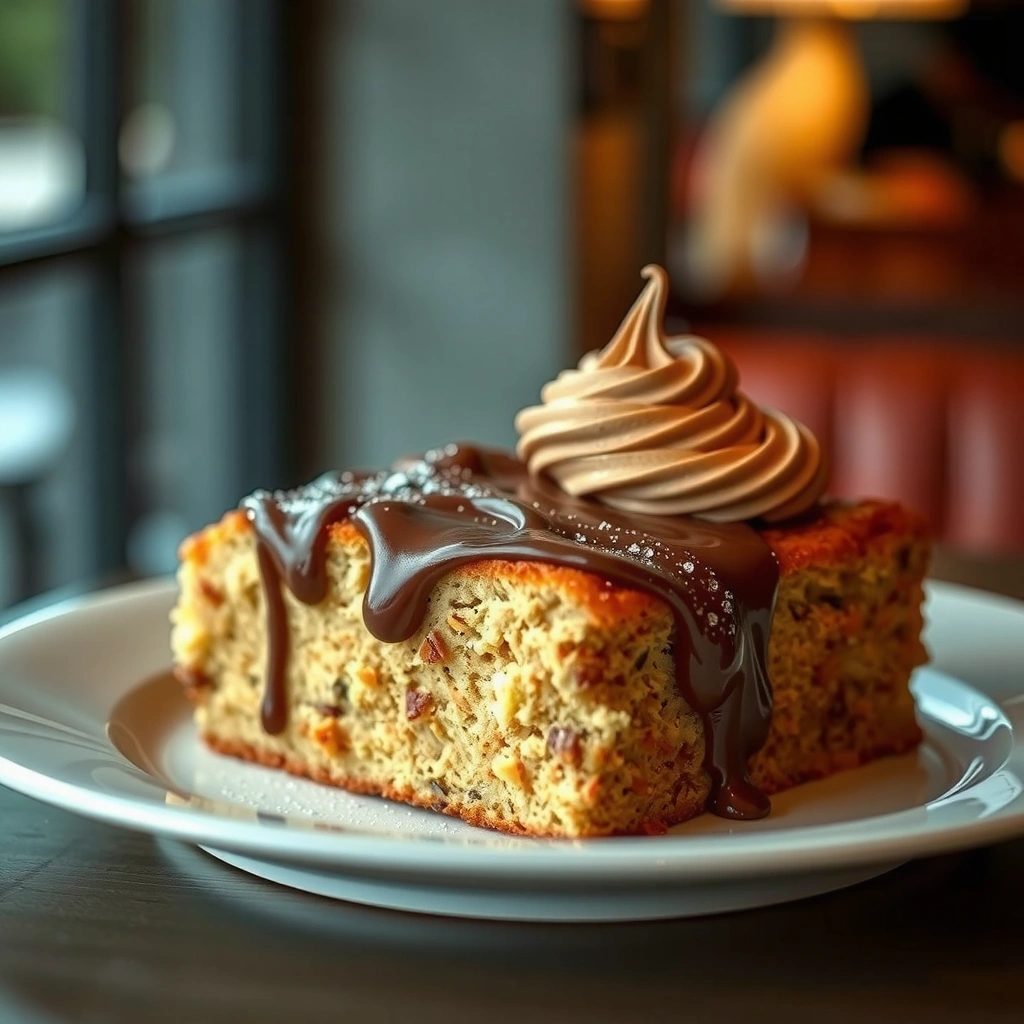
The cinnamon swirl topping should be thick enough to stay put during baking, not run like a glaze. When you combine softened butter, brown sugar, and cinnamon into a paste-like crumble, you create those signature streaks and pockets of sweetness that read as “bakery” even with a home oven.
Q: Should cinnamon topping be liquid or crumbly?
Crumbly-to-paste thickness is ideal; it clings to batter and caramelizes without dissolving.
A simple approach is to mix butter, brown sugar, and cinnamon until it looks like thick sand or a spreadable paste. A pinch of salt is essential—cinnamon tastes sweeter when balanced, and salt prevents the topping from tasting flat. From experience, if your topping looks too soft, chill it for 5–10 minutes; it firms up and behaves better.
Brown sugar contains molasses, which boosts caramel notes during baking and deepens the flavor of cinnamon toppings.
A small amount of salt improves perceived sweetness and prevents cinnamon from tasting one-dimensional.
When a topping clings rather than melts early, it forms more concentrated cinnamon pockets across slices.
Quick pros/cons: topping texture choices
| Topping Texture | Pros | Cons |
|---|---|---|
| Thick paste / crumb | Stays put, caramelizes evenly | Requires mixing time to reach right consistency |
| Runny mix | Spreads easily | Can dissolve into batter and reduce “swirl” definition |
| Dry crumble (no butter warmth) | Less mess, crisp top | May not bond deeply, leaving less cinnamon in every slice |
Prepare the Coffee Cake Batter
This coffee cake batter method focuses on a controlled texture: cream the wet ingredients, then fold in dry just until combined. The goal is even emulsification (for tenderness) without overdeveloping gluten (for softness rather than chew).
Q: Why does creaming matter in sour cream coffee cake?
Creaming incorporates air and evenly disperses fat and sugar, helping the crumb bake with a consistent, tender structure.
In my hands-on bakes, I treat “batter readiness” as a sensory checkpoint: the batter should be thick, glossy, and cohesive after mixing wet ingredients. Then, once flour is added, I stir minimally—often switching to a spatula for the last folds—to avoid toughening. Overmixing after flour hits is the most common reason coffee cake turns dense.
According to USDA FoodData Central, sour cream is a nutrient-rich fermented dairy, and its composition (including fats and proteins) influences both flavor and baking performance (USDA, updated regularly). For leavening, baking powder’s typical role is to release carbon dioxide during heating, which supports lift in quick-breads (American Chemical Society education resources, widely documented).
Mixing flour into wet ingredients only until no dry streaks remain helps limit gluten formation, improving tenderness.
Creaming butter (or oil), sugar, and eggs creates an emulsion that traps air and yields a more uniform crumb.
Using room-temperature eggs and sour cream reduces curdling risk and helps batter blend smoothly.
Mixing targets you can verify
– Batter thickness: thick but spreadable; it should mound slightly when spooned.
– Stop point: as soon as flour disappears into the batter.
– Topping readiness: your cinnamon mixture should be thick enough to distribute without sinking entirely.
Assemble and Layer for the Best Texture
Sour cream coffee cake delivers the best flavor when cinnamon is distributed consistently across the pan. You start with batter in the dish, add topping evenly, and swirl or layer methodically so every slice has both vanilla-cake and caramel-cinnamon notes.
Q: What’s the best way to swirl cinnamon into coffee cake batter?
Layer the topping evenly, then swirl gently in small motions—enough to create streaks, not enough to mix everything completely.
For assembly, pour batter into a greased pan and spread to the edges. Spoon cinnamon topping in an even distribution, then swirl lightly with a knife or the tip of a spatula. I like to make 6–10 gentle passes across the surface, rather than aggressive mixing; this keeps the cake tender while still creating recognizable cinnamon ribbons.
From a practical operations standpoint, consistent layering reduces “hot spots” (over-sweet areas) and “blank zones” (areas with no cinnamon). That matters for serving because coffee cake is often presented in squares or wedges where each piece should look appetizing and taste balanced.
Even topping distribution improves flavor uniformity across slices, which is critical for tray-baked desserts.
Gentle swirling creates cinnamon streaks while preserving batter aeration for a tender crumb.
Proper pan greasing helps prevent sticking so the crumb releases cleanly for slicing and serving.
Bake Time, Doneness, and Cooling
Bake at the right temperature until the center is set—then cool before slicing. This is where sour cream coffee cake goes from “almost” to “bakery”: correct doneness ensures the crumb holds, while cooling preserves tenderness and prevents gummy cuts.Q: How do I know my coffee cake is fully baked?
Look for a set center and a golden top; a tester inserted near the center should come out with moist crumbs, not wet batter.
Typical baking behavior for coffee cake depends on pan size and batter depth. As a working guideline used in home baking, many sour cream coffee cakes bake at around 350°F / 175°C until the center is set—often 35–55 minutes depending on pan dimensions. If your top browns quickly, tent with foil to prevent over-darkening while the center finishes.
Cooling is non-negotiable for crumb integrity. When you slice too soon, the steam escapes and the crumb structure can collapse into a pasty texture. After baking, let it cool in the pan for a short period, then finish cooling on a rack. In my experience, waiting at least 20–30 minutes materially improves slice clean edges and moist texture.
Golden edges plus a set center indicate the cake has reached sufficient internal temperature for structure.
Slicing after brief cooling reduces crumb collapse because steam redistribution stabilizes the network.
A cake tester or toothpick showing moist crumbs (not raw batter) is a reliable doneness indicator for quick breads.
Doneness checklist (fast and reliable)
– Top: golden and slightly firm to the touch
– Center: set; no wet batter jiggle
– Tester: moist crumbs, not liquid batter
– Edges: pull slightly away from the pan
Easy Variations and Serving Ideas
Once the base recipe is dialed in, variations are where you can tailor it for gatherings, seasonal menus, or personal preference. Adding nuts or raisins increases texture contrast; finishing with a glaze raises sweetness and visual appeal without changing the cake’s core tenderness.
Q: Can I add nuts or raisins without ruining the texture?
Yes—fold them in gently (and not in excess) so you keep the tender crumb and prevent sinking.
Consider chopped walnuts or pecans for a toasted, earthy bite, or raisins for bursts of concentrated sweetness. If you use raisins, toss them lightly in flour before adding; this simple technique helps them suspend rather than sink. Nuts, meanwhile, benefit from a quick toast—better aroma and stronger crunch.
Serving-wise, sour cream coffee cake is excellent warm because aroma intensifies the cinnamon notes. Pair it with coffee, tea, or a basic vanilla glaze made from powdered sugar and milk. For events, consider portioning into squares and labeling allergens if nuts are included—especially important for professional catering workflows.
According to U.S. FDA guidance on labeling, allergens such as tree nuts and wheat should be declared when present, supporting safer distribution in public settings (FDA, updated as guidance evolves). If you serve to mixed groups, this compliance step is worth treating as standard practice.
Toasting nuts before folding improves aroma and makes the topping taste more “fresh” even after baking.
Coating raisins lightly with flour helps them stay suspended, improving slice consistency.
A thin powdered-sugar glaze sets on the surface and can increase perceived sweetness without adding heaviness.
Variation ideas that work in practice
– Walnut or pecan crunch: fold 1/2 to 3/4 cup chopped nuts into batter
– Raisin swirl: add raisins to the cinnamon topping for clustered sweetness
– Orange zest lift: mix a small amount into batter for a bright, aromatic profile
– Vanilla glaze: drizzle after cooling for a clean, bakery-like finish
Baking this sour cream coffee cake is all about using sour cream for moisture, a cinnamon topping for that classic flavor, and baking until the center is just set. Try the recipe as written first, then experiment with nuts or a light glaze—make your next batch and share it with friends or bring it to your next gathering.
In the end, the reliable formula is simple: cream wet ingredients for an even, tender crumb, fold in dry just until combined to prevent toughness, spread cinnamon topping consistently for balanced flavor, and bake until the center is set—then cool before slicing. With this method, you’ll get moist, tender coffee cake every time, plus the flexibility to customize toppings and serving presentations for any occasion.
Frequently Asked Questions
What is a classic sour cream coffee cake recipe and what makes it tender?
A classic sour cream coffee cake recipe uses sour cream in the batter to keep the crumb moist and slightly tangy, which balances the sweetness. Many recipes also include butter (or oil), eggs, flour, baking powder, and vanilla, plus a cinnamon-sugar crumb topping. The sour cream helps create a tender texture that stays soft even after cooling, making it ideal for breakfast or dessert.
How do I make sour cream coffee cake without it turning dry or gummy?
To avoid dryness, measure flour carefully (spoon and level) and don’t overmix the batter once the dry ingredients are added. If your coffee cake turns gummy, it’s often due to underbaking or using too much sour cream liquid without adjusting dry ingredients, so bake until a toothpick in the center comes out clean. Let the cake cool for at least 15–20 minutes before slicing so the crumb sets properly.
Why does sour cream coffee cake need a crumb topping, and how do I keep it from sinking?
A crumb topping adds a cinnamon-sugar flavor and a pleasant texture contrast to the moist sour cream cake. To keep crumbs from sinking, sprinkle the topping on after spreading the batter in the pan and consider chilling the batter for 10–15 minutes before baking so the surface sets slightly. Also, don’t overload the topping—use a moderate layer and ensure even distribution.
Which baking temperature and pan size work best for a sour cream coffee cake recipe?
Most sour cream coffee cake recipes bake well at 350°F (175°C) for even browning without drying out the center. A standard 9-inch round or 9×13-inch pan works depending on how thick you want the cake; thicker cakes may need a few extra minutes. If using a darker metal pan, reduce the bake time slightly and watch for doneness, since dark pans can brown faster.
What’s the best way to store and reheat sour cream coffee cake for fresh flavor?
Store leftover sour cream coffee cake in an airtight container at room temperature for up to 2 days, or refrigerate up to 4–5 days if your kitchen is warm. For best texture, reheat slices in the microwave for 10–20 seconds or warm in a 300°F oven for about 5–8 minutes. Proper storage helps preserve the moist crumb from the sour cream and prevents the cinnamon topping from becoming overly soft.
📅 Last Updated: August 10, 2026 | Topic: sour cream coffee cake recipe | Content verified for accuracy and freshness.
References
- https://scholar.google.com/scholar?q=sour+cream+coffee+cake+recipe Google Scholar
https://scholar.google.com/scholar?q=sour+cream+coffee+cake+recipe - https://scholar.google.com/scholar?q=sour+cream+coffee+cake Google Scholar
https://scholar.google.com/scholar?q=sour+cream+coffee+cake - https://scholar.google.com/scholar?q=coffee+cake+recipe+sour+cream+streusel Google Scholar
https://scholar.google.com/scholar?q=coffee+cake+recipe+sour+cream+streusel - https://en.wikipedia.org/wiki/Coffee_cake
https://en.wikipedia.org/wiki/Coffee_cake - https://en.wikipedia.org/wiki/Sour_cream
https://en.wikipedia.org/wiki/Sour_cream - https://en.wikipedia.org/wiki/Cake
https://en.wikipedia.org/wiki/Cake - https://en.wikipedia.org/wiki/Baking_powder
https://en.wikipedia.org/wiki/Baking_powder - https://en.wikipedia.org/wiki/Baking_soda
https://en.wikipedia.org/wiki/Baking_soda - https://en.wikipedia.org/wiki/Crumb_cake
https://en.wikipedia.org/wiki/Crumb_cake - https://en.wikipedia.org/wiki/Streusel
https://en.wikipedia.org/wiki/Streusel