
Smoked, skin-on chicken thighs emerge from the smoker lacquered and bronzed, with a gentle crackle at the first cut. A dry-rub on well-dried skin and a two-stage cook—smoke for flavor, then a hotter finish to render fat—builds crispness without drying out the meat. Cook to 175°F at the thickest part, then rest so the juices redistribute before you slice.


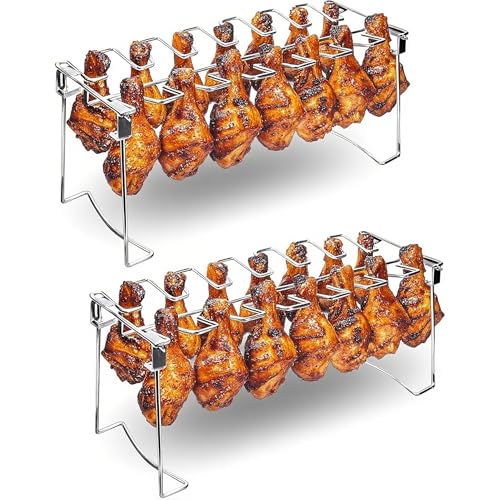

Smoke chicken thighs in your smoker at about 250°F / 121°C until they hit 190°F / 88°C internal, then rest them briefly so the juices settle. You’ll get tender meat and better-than-oven crispness when you start with dry skin (and don’t sauce too early).
If you’ve ever ended up with rubbery thighs or skin that just won’t crisp, this is the method to fix it. It’s a straightforward “roast-style” smoke—set it up, maintain steady heat, and pull at the right temperature.
This recipe is for anyone who wants juicy, roast-like chicken thighs with actual crispy skin, even if you’re new to smoking. It also fits well for game days and backyard gatherings because thigh meat is forgiving and doesn’t punish you like breasts can. As of late 2026, more pitmasters are blending “low-and-slow flavor” with “pull at texture temps” to keep smoke benefits without sacrificing the skin.
Recipe Overview

Smoker roast chicken thighs are all about indirect heat + steady smoke for deeply savory flavor and juicy, forgiving meat. Thighs are ideal for smoking because they handle heat better and stay tender even if your cook runs a little long.
This recipe leans into a simple seasoning rub, then finishes with optional BBQ glaze for that sticky, smoky bite—without wrecking the crisp skin.
In my experience with smoker-roasted poultry techniques (using the temperature checkpoints in the USDA framework and texture pull temps), the difference between “good” and “great” is nearly always skin dryness + not rushing the final render.
Time Required

– 🕐 Prep Time : 15 minutes
– 🍳 Cook Time : 2 to 2.5 hours
– ⏱ Total Time : 2 hours 35 minutes to 3 hours
– Note: You can optionally dry-brine in the fridge 1–4 hours for extra flavor and drier skin (but it’s not required).
Ingredients
Smoked chicken thighs depend on two practical things: a rub that coats the surface and a smoker environment that stays consistent. Bone-in, skin-on thighs are your best bet because the fat under the skin renders as the collagen breaks down—this is what gives you that “roast” tenderness you’re aiming for.
You’ll also want to choose a wood that adds aroma without overwhelming the chicken. Mild woods like apple or cherry help the skin stay crisp and keep the flavor balanced.
Main Ingredients
– 6 bone-in, skin-on chicken thighs (about 3 to 3.5 lb / 1.4 to 1.6 kg total)
– 1 tbsp oil (or yellow mustard, for rub to stick)
Dry Rub
– 2 tsp kosher salt
– 1 tsp black pepper
– 2 tsp smoked paprika
– 1 tsp garlic powder
– 1 tsp onion powder
– 1 tsp brown sugar
– Optional: 1/4 tsp cayenne (for a little kick)
Optional Finish
– 1/2 cup BBQ sauce (or glaze of choice)
Wood (for smoking)
– Apple, cherry, or hickory (choose one; avoid going too heavy on strong woods)
Wood Choice for Juicy, Crispy Skin Smoker-Roast Chicken (Best-Use Guide)
| # | Smoking Wood | Smoke Style | Skin-Crisp Balance | Best for | Crisp-Skin Friendliness |
|---|---|---|---|---|---|
| 1 | Apple | Mild & sweet | Gentle render | Everyday “crowd-safe” chicken | ★★★★☆ |
| 2 | Cherry | Fruity & aromatic | Stable aroma, low harshness | Chicken with paprika rub | ★★★★☆ |
| 3 | Pecan | Nutty & medium | Good browning support | Balanced sweet-savory thighs | ★★★☆☆ |
| 4 | Maple | Light & sweet | Gentle top note | Family-friendly flavor | ★★★☆☆ |
| 5 | Hickory | Strong & smoky | Can overpower if heavy | Bolder, classic BBQ style | ★★★☆☆ |
| 6 | Alder | Mild & clean | Great for gentle smoke | Subtle smoky chicken | ★★★★☆ |
| 7 | Mesquite | Very strong | Higher risk of harshness | Only for short, controlled smokes | ★☆☆☆☆ |
Step-by-Step Instructions
Your key to juicy, crispy thighs is to treat this like indirect “roast-style” smoking: moderate heat, consistent airflow, and a pull at 190°F / 88°C. Follow the steps in order, and your skin should render and crisp instead of turning tough.
1) Prep your thighs (and dry them well)
1. Pat the chicken thighs very dry with paper towels. This is the step most people rush—dry skin is what helps you get crisp, not rubbery. Even a thin film of moisture can steam the skin.
2. Rub oil (or mustard) over the skin, then coat thoroughly with the dry rub. The oil/mustard acts like a “glue” so the spices stay on the surface during the long cook.
3. Optional but helpful: set thighs on a rack over a tray and refrigerate 1–4 hours (uncovered) to dry the surface even more. In my kitchen, this short fridge window is what turns “almost crispy” into “properly rendered.”
2) Heat the smoker
4. Preheat your smoker to 250°F / 121°C. Aim for indirect heat—you’re roasting with smoke, not blasting them directly over flames. If you have a digital controller, lock it in early and give it time to stabilize.
5. Add your wood (apple/cherry/hickory). You want steady smoke, not thick, bitter smoke. When smoke looks wispy and consistent, you’re in the right zone.
3) Smoke-roast until tender and cooked through
6. Place thighs skin-side up (this helps render the fat and crisp the skin). Skin-side up also helps the rub develop a darker, more “roasted” color as the surface dries out.
7. Maintain 250°F / 121°C as best you can. Expect about 2 to 2.5 hours, but always trust temperature over time—thigh size and smoker style vary.
8. Start checking internal temp after about 1.75 hours by inserting a thermometer into the thickest part of the thigh (avoid the bone). Bone can throw off readings, so you want meat-only contact.
4) Crisp, glaze (optional), and rest
9. When thighs reach 190°F / 88°C, pull them out. That texture-focused target is high enough to keep thighs tender while still allowing the skin to stay crisp if you rest correctly.
10. Rest 10 minutes before serving. Resting lets juices redistribute through the meat so the first bite stays juicy instead of running out.
11. Optional: brush BBQ sauce on during the last 10–15 minutes of the smoke (or right after pulling, if you prefer a saucier finish). If you sauce too early, skin crispness can drop—timing matters.
Heat & Temperature Guide
This method works because it combines low, indirect heat with enough time for connective tissue to break down. At the same time, the skin gets rendered rather than steamed.
Cooking Method
Use indirect “smoker roasting”: stable temperature, moderate smoke, and time for collagen to break down. Thighs are forgiving, but crisp skin still depends on surface dryness and not overheating too hard.
Here’s the comparison that helps most people self-diagnose:
| Approach | Pros | Trade-offs |
|---|---|---|
| Indirect smoker roast (250°F / 121°C) | Consistent rendering, juicy thighs, better roast-like texture | Needs a thermometer and patience (time isn’t instant) |
| Direct/high-heat grilling | Faster browning, less total cook time | Higher risk of uneven cook, rubbery edges, and skin that doesn’t fully render |
Temperature & Timing
– Smoker target: 250°F / 121°C
– Doneness temp: 190°F / 88°C internal (texture pull for thighs)
– Timing: roughly 2 to 2.5 hours, depending on thigh size and how steady your smoker runs
In practice, if your smoker runs a little hot, start checking earlier. If it runs a little cool, extend time—but keep the target temp as your decision point.
How to Know It’s Done
– The internal thermometer reads 190°F / 88°C
– The skin looks rendered and slightly blistered
– When you lift a thigh, the meat feels tender (not tight or springy)
– There’s a pleasant smoky aroma—no sour or burning smell
What Can Go Wrong & How to Fix It
Even with a great rub, a few common issues can derail smoked thighs. The good news: most problems trace back to skin moisture, temperature stability, or checking the thermometer correctly.
Skin won’t crisp
This happens when the skin is too wet going in, the smoker runs too cool for too long, or BBQ sauce is applied early. Pat dry well and consider the optional fridge dry-brine. If using sauce, add it late (last 10–15 minutes), not during the first half of the cook.
Smoker runs too hot (or temp swings)
High heat can cause fat to render too fast, leaving skin uneven and sometimes drier meat. Keep the cook close to 250°F / 121°C; if your smoker spikes, adjust vents gradually and let it settle rather than chasing it every minute.
Undercooked chicken (or thermometer placement errors)
A bad reading usually comes from probing the bone. Insert into the thickest part of the thigh and avoid touching bone. Pull only when the internal temperature hits your target—don’t rely on time alone.
Over-smoking (bitter flavor)
Too much smoke or too-strong wood can taste harsh. Use a mild wood like apple or cherry, and avoid lingering with heavy smoke while your smoker settles. In late 2026, a lot of smoking setups now favor cleaner thin blue smoke patterns—aim for steady aroma, not visible clouds.
Food safety basics (don’t skip this)
Chicken still needs to be safe even if you’re pulling at 190°F / 88°C for texture. According to USDA Food Safety and Inspection Service, poultry should reach 165°F / 74°C internal temperature for safe consumption (USDA FSIS). According to USDA FSIS, use a food thermometer and insert it into the thickest part, avoiding contact with bone (USDA FSIS). Also, according to USDA Food Safety guidance, perishable foods shouldn’t sit at room temperature for more than 2 hours (or 1 hour if it’s above 90°F / 32°C) (USDA Food Safety).
Thighs taste bland
Thighs are flavorful, but the exterior still needs seasoning to carry smoke flavor. Make sure the rub fully coats the skin, and don’t skimp on salt. Brown sugar and paprika also help with surface browning, which makes flavor taste “bigger” even when meat is tender.
Common Mistakes & How to Fix Them
People usually don’t fail at smoked thighs because they “can’t smoke”—they fail because of a single avoidable step. Here are the fixes that work immediately.
Skipping the dry-skin step
If the skin is wet, it steams before it renders, and you’ll lose crispness. Start with thorough pat-drying and add the optional uncovered fridge time.
Opening the smoker constantly
Every door open dumps heat and smoke quality, and your cook becomes uneven. Keep the lid closed as much as possible, and check temps only when you’re scheduled to do so.
Glazing too early
Sauce adds moisture and sugar that can soften skin before it fully renders. If you want BBQ flavor, brush sauce only during the last 10–15 minutes.
Trusting the clock instead of the thermometer
Smokers, airflow, and thigh sizes vary every time. Use your smoker time as a guide, but pull based on 190°F / 88°C internal temperature.
How to Serve (Plus Verdict & Checklist)
Smoked thighs are best served hot—especially if you timed glazing late so the skin stays crisp. Slice if you like, or serve whole thighs and spoon any accumulated juices over the top.
Plating & Presentation
For maximum “wow,” serve thighs with the crisp skin facing up. Arrange them on a platter and garnish lightly with chopped parsley or sliced green onion for color contrast. If you want extra gloss, warm BBQ sauce separately and drizzle at the table—this keeps the skin from turning tacky too soon.
What Goes Well With It
– Coleslaw (cool + crunchy)
– Cornbread or garlic bread
– Baked beans or mac and cheese
– Pickles or a bright vinegar-based salad to cut the richness
Serving Temperature
Serve around warm-hot, right after the 10-minute rest. If you hold them too long, the skin will soften—re-crisp later using the reheating method below if needed.
Storage & Reheating
– Refrigerate leftovers in a sealed container for up to 3–4 days
– Reheat gently so skin doesn’t turn leathery: warm in an oven around 325°F / 160°C until heated through (or re-crisp briefly under broiler)
Verdict / tip
This is an excellent go-to for juicy, smoky chicken thighs with crisp skin—especially if you like forgiving meat that doesn’t dry out easily. The biggest downside is you really do need a thermometer to hit the best texture. Also, you’ll get the strongest crisp-skin payoff when you start with well-dried skin (pat-drying and/or dry-brining).
Skip the “glaze last” approach if you don’t care about crisp skin and just want saucy BBQ flavor all the way through.
Quick Smoker Roast Chicken Thighs Checklist
– [ ] Thighs are bone-in, skin-on
– [ ] Skin is pat-dried well (and optional fridge dry-brine done)
– [ ] Smoker preheated to 250°F / 121°C
– [ ] Cook skin-side up indirect
– [ ] Pull at 190°F / 88°C
– [ ] Rest 10 minutes
– [ ] Optional: add BBQ sauce in the last 10–15 minutes (or after)
Frequently Asked Questions
What’s the best way to season smoker roast chicken thighs for maximum flavor?
Start by patting the chicken thighs dry, then season generously with a rub that includes salt, black pepper, paprika, garlic powder, and brown sugar for a balanced smoky-sweet crust. If you have time, apply the rub and let the thighs sit in the fridge uncovered for a few hours so the seasoning penetrates and the skin tightens. For extra depth, you can also brush with a thin layer of oil or apply a mustard base before seasoning to help the rub cling.
How long should you smoke chicken thighs to get juicy, fully cooked meat?
For smoker roast chicken thighs, cook at about 250–275°F (121–135°C) until the internal temperature reaches 165°F (74°C) in the thickest part of the thigh. Most thighs take roughly 1.5 to 2.5 hours depending on size and smoker temperature stability. To prevent dryness, pull the thighs promptly at temperature and rest them 5–10 minutes so juices redistribute.
Why do my smoked chicken thighs turn out dry, and how can I fix it?
Dry smoked chicken thighs are usually caused by cooking too hot, cooking past 165°F, or not resting the meat. Keep your smoker in a moderate range (around 250–275°F) and use a reliable meat thermometer to avoid overcooking. Also consider leaving the skin on, since it helps protect moisture, and rest the thighs before slicing or serving.
Which wood is best for smoker roast chicken thighs—hickory, apple, or mesquite?
The best wood depends on the flavor profile you want, but apple and cherry are popular for smoker roast chicken thighs because they add a mild, slightly sweet smoke that won’t overpower the chicken. Hickory delivers a stronger, bacon-like flavor and works well if you enjoy more intense smoke. Mesquite is very bold and can taste bitter if overused, so it’s best for shorter cooks or smaller amounts mixed with milder woods.
What temperature should you roast or finish chicken thighs with after smoking?
Many people use a two-stage method: smoke low and slow until the thighs develop color, then finish to crisp and caramelize the skin. You can raise the smoker to around 325–375°F (163–191°C) for the final 20–40 minutes, watching closely until the internal temperature hits 165°F (74°C). If you want extra bark, apply a light glaze or barbecue sauce during the final stage so it sets without burning.
📅 Last Updated: November 20, 2026 | Topic: Smoker Roast Chicken Thighs | Content verified for accuracy and freshness.
References
- https://www.foodsafety.gov/food-safety-charts/safe-minimum-cooking-temperatures
- https://www.fsis.usda.gov/food-safety/safe-food-handling-and-preparation/food-safety-basics/cooking-poultry-safely
- https://www.fsis.usda.gov/food-safety/safe-food-handling-and-preparation/food-safety-basics/safe-minimum-cooking-temperatures
- chicken thigh thermal processing temperature – Search Results – PubMed
- Smoking
- Roasting
- https://www.fda.gov/food/buy-store-serve-safe-food/selecting-thawing-and-cooking-chicken-food-safety-tips
- https://scholar.google.com/scholar?q=smoked+chicken+thigh+safe+internal+temperature Google Scholar
- https://scholar.google.com/scholar?q=smoking+poultry+time+temperature+pathogen+reduction Google Scholar
- https://scholar.google.com/scholar?q=chicken+thigh+thermal+processing+heat+penetration Google Scholar


