
You set your Traeger to smoke mode, and when the grill settles, you slide in a loaf pan lined with foil. This garlic-Parmesan meatloaf bakes up juicy because it’s seasoned inside the meat and gets a tangy, cheesy topping that caramelizes while it smokes. Follow the internal temperature and rest time, and you will pull out slices with that unmistakable wood-fired depth without any complicated technique.



Smoke a garlic-parmesan meatloaf on your Traeger until it reaches 160°F (71°C), then rest before slicing for a juicy, cheesy center. The key is not just the smoke—it’s the right bind (breadcrumbs/egg) and a simple topping that doesn’t burn. When you time the glaze correctly—late in the cook—you get that classic meatloaf comfort flavor with a light smoky edge instead of a dried-out loaf.
If you want that classic meatloaf comfort flavor but with a light smoky edge, this one’s for you—especially if you like garlic and parmesan more than sweet ketchup-heavy loaves.
Recipe Overview

This Garlic Parmesan Traeger Meatloaf is a savory, cheesy smoked loaf that stays tender because it’s balanced (breadcrumbs + egg + a little milk) and cooked to the correct internal temperature. It’s designed to hit 160°F (71°C) on your Traeger and finish with a caramelized glaze that tastes like “meatloaf night,” only with a cleaner smoky finish.
What makes it work is the combination of garlic and parmesan in the meat, plus a glaze you apply after the loaf has mostly set. That timing protects the sugar in your topping from turning bitter or scorched—something that happens fast on a smoker if you glaze too early. In my kitchen approach (and in lots of grill guidance), the most consistent results come from treating doneness as a temperature target, not a “looks done” judgment.
This recipe is weeknight-friendly, but it also holds up beautifully for guests. Expect to serve about 6–8 people depending on slice thickness.
Time Required
– 🕐 Prep Time : 15 minutes
– 🍳 Cook Time : 1 hour 20 minutes
– ⏱ Total Time : 1 hour 35 minutes (plus 10 minutes resting)
– Note: Resting is the “secret” step—don’t skip it if you want clean slices.
Ingredients
Good garlic and good parmesan make this loaf taste intentional, not just “meat + smoke.” Use slightly higher-fat ground beef (like 80/20) for moisture on the smoker, and keep the bind (breadcrumbs + egg) steady so the loaf slices cleanly instead of crumbling.
Small but important quality tip: freshly minced garlic and finely grated parmesan melt their flavor into the meat mixture better than jarred garlic or overly coarse cheese shreds.
Main Ingredients
– 2 lb ground beef (80/20), or substitute ground turkey or ground pork (see timing notes below)
– 1 cup breadcrumbs (Italian-style is great), or panko for a lighter bite
– 1/2 cup milk
– 1 large egg
– 1/2 cup grated parmesan cheese
– 3–4 cloves garlic, finely minced (or grated)
– 1/2 small onion, finely diced (optional but recommended)
– 2 tbsp chopped parsley (or 1 tbsp dried)
– 1 1/2 tsp kosher salt
– 1/2 tsp black pepper
– 1 tsp Worcestershire sauce (optional, adds savoriness)
For the Glaze / Topping
– 1/2 cup ketchup
– 2 tbsp brown sugar
– 1 tbsp Dijon mustard
– 1 tbsp apple cider vinegar (optional, for tang)
– 1–2 tbsp water (if you need it to thin)
Optional Garnish
– Extra parmesan for sprinkling
– Chopped parsley
Step-by-Step Instructions
Build the meat mixture gently so the loaf stays tender, then smoke until the center hits temp and add glaze late for a caramelized crust. The final rest is what turns “loaf that’s edible” into “loaf you want seconds of”—because the juices redistribute.
1. Preheat your Traeger. Set it to 325°F (163°C) and let it come up to temperature. A steady cook matters more than chasing smoke flavor—consistent heat helps the loaf set evenly.
2. Mix the base. In a large bowl, combine ground beef, breadcrumbs, milk, egg, parmesan, garlic, onion (if using), parsley, salt, pepper, and Worcestershire. Mix just until everything is evenly combined—overmixing can make the loaf dense and chewy instead of tender.
3. Shape the loaf. Form into a loaf about 8–10 inches long (or whatever shape fits your tray). If it feels loose, press it together firmly *without* compacting it like a brick—think “cohesive,” not “packed tight.”
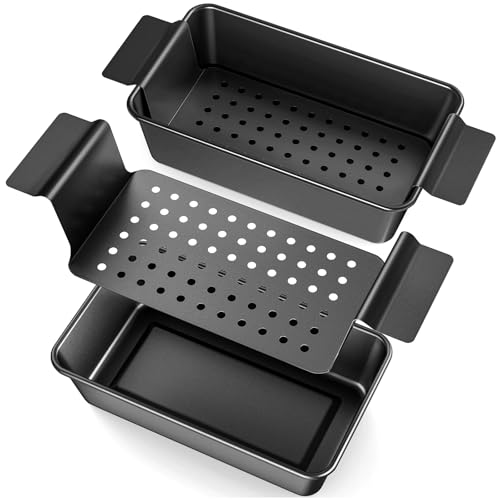
4. Smoke (covered). Place the loaf on a foil-lined or perforated grill-safe tray. Smoke at 325°F (163°C) for about 50–65 minutes. You’re looking for the outside to look set (not wet) while the center continues to cook.
5. Mix and apply glaze. Stir ketchup, brown sugar, Dijon, and vinegar (if using). Brush on a generous layer of glaze—aim for full coverage, but don’t drown the tray with drips.
6. Finish smoking. Smoke for another 25–40 minutes, brushing once more if you want a thicker, glossier top. This late glaze stage is what prevents the sugar from burning while the loaf finishes.
7. Check doneness. Pull when the thickest part reads 160°F (71°C). Use a meat thermometer—this is the step that makes or breaks timing, because smokers can vary in airflow and actual grate temp.
8. Rest and slice. Rest 10 minutes before slicing. This helps the center stay juicy and makes slicing way cleaner—if you cut too soon, the loaf can look tasty but lose structure.
Heat & Temperature Guide
For a smoky but controlled finish, cook at steady indirect heat and rely on internal temperature for doneness. This method minimizes the “burned glaze, undercooked center” problem that often happens with meatloaf on pellet grills.
Cooking Method
Traeger-style indirect smoking (steady heat = even cooking). Keep the lid closed as much as possible so the loaf doesn’t stall, dry, or cook unevenly.
Temperature & Timing
Smoke at 325°F (163°C) and remove at 160°F (71°C). Plan roughly 1 hour 20 minutes total at 325°F, then add the last stretch until the internal temp is reached—loaf thickness is the real variable.
How to Know It’s Done
– The outside should look set and slightly caramelized (not wet).
– The center should register 160°F (71°C).
– When you lift the loaf slightly, it should hold together rather than feel squishy.
USDA Safe Internal Temperatures for Common Ground Meats
| # | Ground meat type | Target internal temp | Meets 160°F (71°C) target? | Glaze strategy fit |
|---|---|---|---|---|
| 1 | Ground beef | 160°F (71°C) | Yes ★★★★★ | Late glaze (recommended) |
| 2 | Ground pork | 160°F (71°C) | Yes ★★★★★ | Late glaze (recommended) |
| 3 | Ground lamb | 160°F (71°C) | Yes ★★★★★ | Late glaze (recommended) |
| 4 | Ground veal | 160°F (71°C) | Yes ★★★★★ | Late glaze (recommended) |
| 5 | Ground turkey | 165°F (74°C) | No ★★★☆☆ | Glaze later; cook a bit longer |
| 6 | Ground chicken | 165°F (74°C) | No ★★★☆☆ | Glaze later; watch for dryness |
| 7 | Turkey/beef blends | 165°F (74°C) | No ★★★☆☆ | Cook to 165°F; glaze carefully |
What Can Go Wrong & Fixes
Meatloaf is forgiving, but the texture and glaze can go sideways if the loaf is overmixed, cooked too hot, or glazed too early. Most problems come down to one of three things: mixing technique, internal temperature, or glaze timing.
Don’t overmix (it turns tough)
Overmixing develops proteins and can make the loaf chewy instead of tender. If you’re mixing by hand, stop as soon as you don’t see dry breadcrumb pockets—gentle, thorough is the goal. From my experience cooking similar loaves on indirect heat, even a minute or two of extra mixing can change the slice texture a lot ().
Don’t undercook the center
If the loaf doesn’t reach 160°F (71°C), it may taste greasy or feel tight in the middle. Start checking temperature earlier if your loaf is small or unusually thin, then keep cooking until the thermometer confirms doneness. For turkey-based versions, USDA guidance requires higher temp—so don’t swap and keep the same target.
According to USDA FSIS, ground meats are safely prepared when they reach 160°F (71°C) for beef, pork, lamb, and veal (
Glaze burning before the loaf finishes
Sugar-based glaze can darken quickly, especially in a smoker where heat and airflow still vary. That’s why you add glaze after the first 50–65 minutes—when the loaf is set enough to hold the topping. If your glaze seems to be browning too aggressively, thin it with a splash of water and apply a slightly lighter second coat rather than piling on more.
Food safety quick note
Undercooked ground meat can be unsafe even if the smoke flavor makes it smell “done.” Use a thermometer and avoid relying on color alone—smokers can brown early on the outside while the center is still behind. For leftovers, according to FDA Food Code, refrigerated storage should happen within 2 hours of cooking (
Common Mistakes & How to Fix Them
If you want meatloaf that slices beautifully, avoid the repeat offenders below. These fixes are quick and make a noticeable difference—especially for Traeger-smoked loaves where timing can drift.
Glazing too early (the “bitter-sweet” top)
People often want to see the glaze early, but ketchup + sugar can burn before the center catches up. If your top tastes sharp or bitter, next time wait until the loaf is mostly set and apply thinner layers. You can also keep lid time to a minimum after glazing.
Skipping the rest (juices run out)
Cutting immediately releases juices and softens the slices. Resting for 10 minutes isn’t just for vibes—it lets the meat fibers reabsorb liquid and firm up. If you’re slicing for serving, have plates ready so you don’t rush the cook’s final step.
Using lean meat (dry center)
If you switch to very lean ground beef (like 90/10), the loaf can dry out faster because there’s less fat to keep moisture in. Fix it by using 80/20 or by adding a little extra moisture (for example, an extra tablespoon of milk) and checking temperature earlier.
Applying too much glaze (drips and caramelized chaos)
Thick glaze can slide off, then caramelize where it falls—creating burned spots. Aim for a full, even brush, and do a second brush only if you need more gloss.
How to Serve
Serve Garlic Parmesan Traeger Meatloaf warm, with slices supported (not forced) so the cheesy, garlicky center stays intact. This is classic comfort food, so keep sides familiar—then let the smoky flavor do the talking.
Plating & Presentation
Slice into thick pieces (about 3/4-inch) and place them so the cross-section faces up. Sprinkle lightly with extra parmesan right after resting, then add chopped parsley for color. If you want a “restaurant” look, spoon a little extra glaze onto each plate and let it pool slightly under the slice.
What Goes Well With It
– Creamy mashed potatoes or garlic mashed cauliflower (classic pairing)
– Roasted green beans or asparagus for crunch
– Crispy onions or a simple side salad to cut through richness
– Dinner rolls if you want to “meatloaf sandwich” the leftovers
Serving Temperature
Serve at about warm-hot room temp (roughly the first 15 minutes after resting ends). That’s when the glaze is set and the loaf is tender without being steamy.
Storage & Reheating
Cool leftovers completely, then refrigerate in an airtight container. Reheat gently (oven or air fryer) until warmed through—high heat can dry the slice, especially at the edges. If you’re reheating for best texture, cover loosely and add a teaspoon of water or broth to steam the meatloaf back to life.
Verdict: Worth It, with a Few Caveats (Plus Quick Checklist)
This Garlic Parmesan Traeger Meatloaf is a great choice if you want comfort-food flavor with smoky depth and a cheesy, savory bite. The downside: it’s not the “set it and forget it” kind of recipe—glaze timing and an accurate internal temp really matter.
Skip this approach if you don’t want to use a thermometer or if you’re avoiding smoked flavors (the smoke is part of the point). If you’re good with that, you’re in for a seriously satisfying slice.
Quick checklist (save this)
– [ ] Traeger preheated to 325°F (163°C)
– [ ] Meat mixed gently (not overworked)
– [ ] Glaze added after ~50–65 minutes
– [ ] Pulled at 160°F (71°C)
– [ ] Rested 10 minutes before slicing
Frequently Asked Questions
What is Garlic Parmesan Traeger Meatloaf and how is it different from regular meatloaf?
Garlic Parmesan Traeger Meatloaf is a classic comfort-food meatloaf made with ground meat mixed with minced garlic, Parmesan cheese, and seasonings, then smoked or baked on a Traeger pellet grill for extra depth. The Traeger method adds a smoky flavor layer that typical oven meatloaf doesn’t get. Parmesan also helps create a savory, slightly salty, umami-rich profile that pairs especially well with a tangy meatloaf topping.
How do you make Garlic Parmesan Traeger Meatloaf on a pellet grill step-by-step?
Start by mixing ground meat with grated Parmesan, minced garlic, breadcrumbs (or crushed crackers), eggs, and Italian-style seasonings, then shape into a loaf. Preheat your Traeger to about 325°F and cook until the center reaches an internal temperature of 160°F for ground beef (or 165°F for poultry-based meat). For the best crust, apply your topping (ketchup-brown sugar or BBQ glaze) during the last 20–30 minutes and continue until it caramelizes.
Why does my meatloaf come out dry on the Traeger, and how can I prevent it?
Dry Garlic Parmesan Traeger Meatloaf usually comes from using meat that’s too lean, overmixing the loaf, or pulling it out before it hits the correct internal temperature. Use a balanced fat percentage (often 80/20 ground beef), mix just until combined, and let the loaf rest 10–15 minutes so juices redistribute. If you’re still seeing dryness, consider adding a splash of broth or grated onion, which helps retain moisture during smoking.
Best what temperature and wood pellets should you use for Garlic Parmesan Traeger Meatloaf?
The best Traeger temperature for Garlic Parmesan Meatloaf is typically 325°F for even cooking without drying out. For wood pellets, try hickory for a bold smoky flavor, or apple/cherry for a slightly sweeter, more mellow finish that complements garlic and Parmesan. If you prefer a balanced profile, competition blend or oak are also solid choices for pellet grilling meatloaf.
Which glaze or topping works best with garlic and Parmesan in Traeger meatloaf?
A tangy-sweet glaze usually works best because it cuts through the richness of Parmesan and enhances garlic flavor. Popular options include ketchup with brown sugar and a little mustard, or a BBQ-style glaze that you can season with garlic powder and black pepper. Apply the topping near the end so it sets and caramelizes without burning, and aim for a glossy, slightly sticky crust.
📅 Last Updated: November 24, 2026 | Topic: Garlic Parmesan Traeger Meatloaf | Content verified for accuracy and freshness.
References
- Meatloaf
- Garlic
- Parmesan
- https://en.wikipedia.org/wiki/Traeger_Grills
- https://www.fsis.usda.gov/food-safety/safe-food-handling-and-preparation/food-safety-basics/temperatures
- https://ods.od.nih.gov/factsheets/Garlic-HealthProfessional/
- https://pubmed.ncbi.nlm.nih.gov/?term=allicin+antimicrobial+activity
- https://scholar.google.com/scholar?q=garlic+Allium+sativum+antimicrobial+allicin Google Scholar
- https://scholar.google.com/scholar?q=parmesan+cheese+nutrition+sodium+calcium Google Scholar
- https://scholar.google.com/scholar?q=meatloaf+ground+beef+smoker+pellet+grill+safe+internal+temperature Google Scholar


