
Discover how to make a simple clam juice recipe that elevates your dishes with rich, savory flavor. This recipe stands out as the best choice for enhancing soups and seafood dishes, delivering depth without overwhelming the palate. By following easy steps, you’ll unlock a versatile ingredient that transforms your cooking.
Creating your own clam juice is a straightforward and rewarding process that can significantly enhance your cooking. This recipe not only captures the essence of fresh clams but also provides a rich, briny flavor perfect for soups, sauces, and seafood dishes. With just a handful of ingredients and minimal preparation time, you can craft a delicious base that elevates your culinary creations. Let’s dive into the process!
Recipe Overview
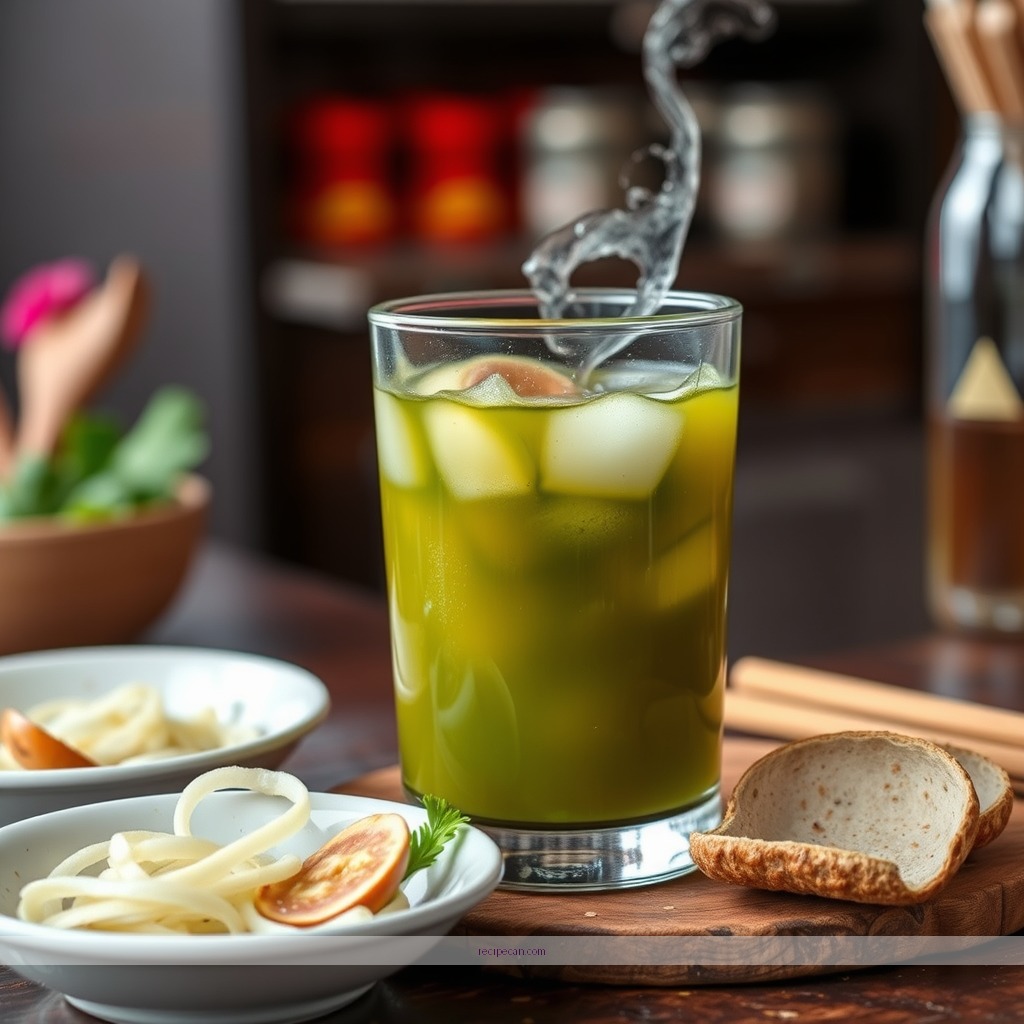
Making clam juice at home is surprisingly easy and rewarding. It’s perfect for enhancing dishes like clam chowder, seafood pasta, and risottos. This recipe yields about 2 cups of clam juice, ideal for a weeknight meal or a special occasion, and it takes less than an hour from start to finish. The flavor is fresher and more vibrant than store-bought options, allowing you to control the depth and quality of the taste in your dishes.
Time Required
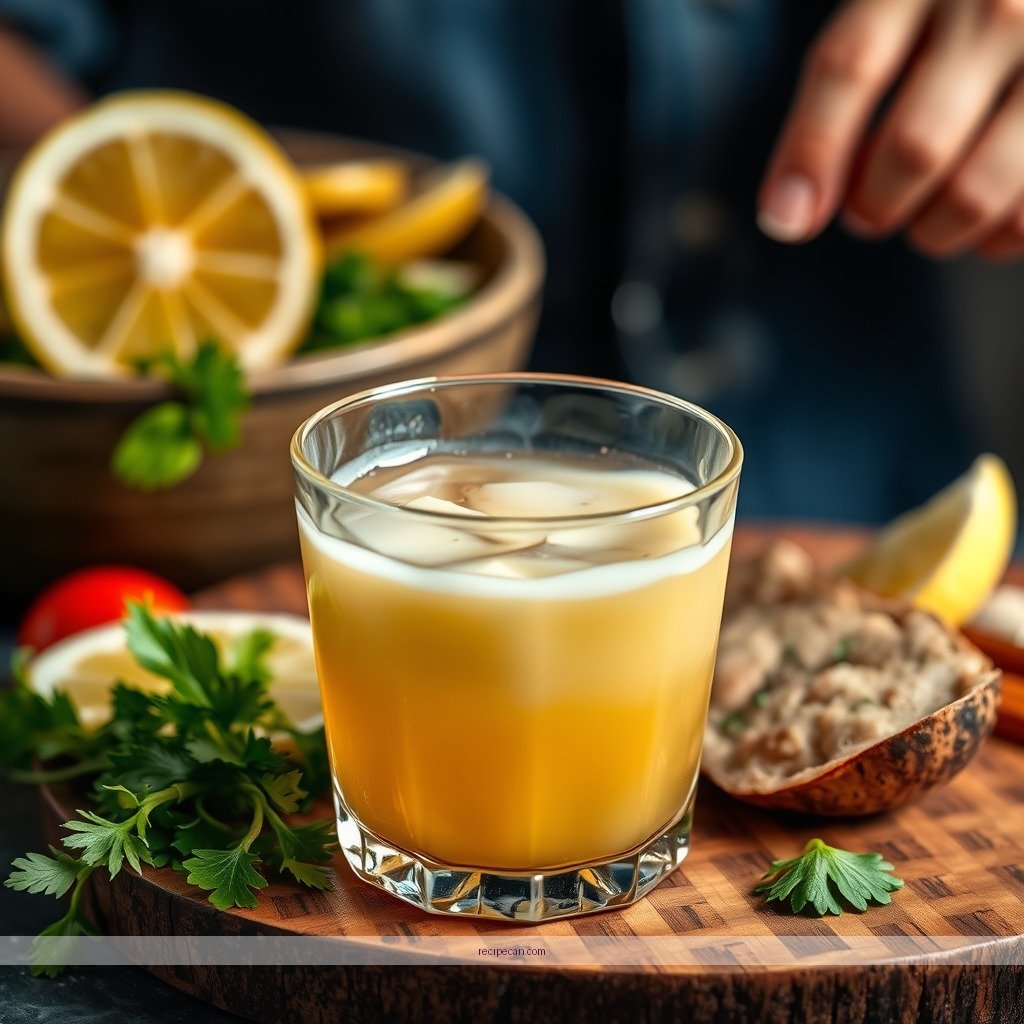
– 🕐 Prep Time: 10 minutes
– 🍳 Cook Time: 30 minutes
– ⏱ Total Time: 40 minutes
Ingredients
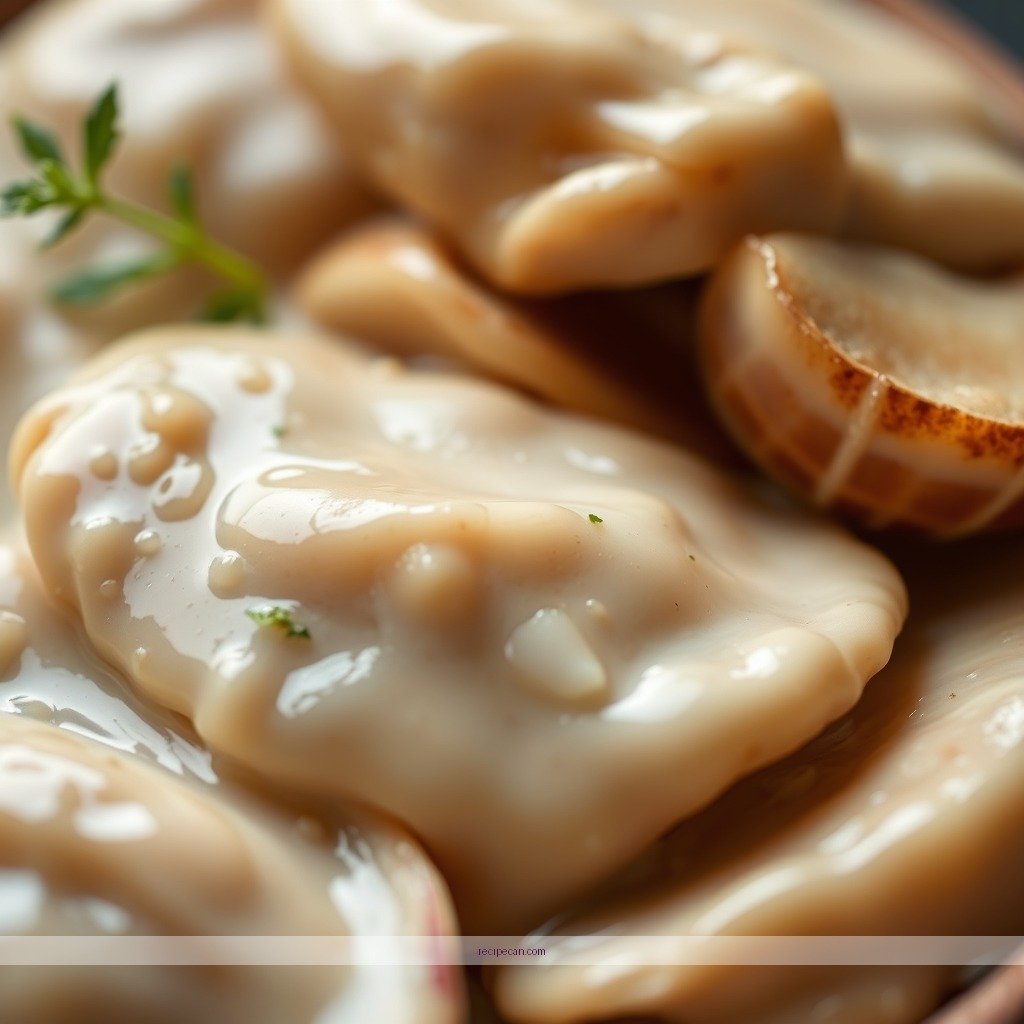
Fresh clams are the star of this recipe, and their quality is crucial for the best flavor. Look for live clams at your local market, ensuring they are tightly closed. The flavor can be further enhanced with optional seasonings that add depth to the clam juice.
Main Ingredients
– 2 pounds fresh clams, scrubbed clean
– 4 cups water
Optional Seasonings
– 1 garlic clove, smashed
– 1 bay leaf
– A pinch of black pepper
Step-by-Step Instructions
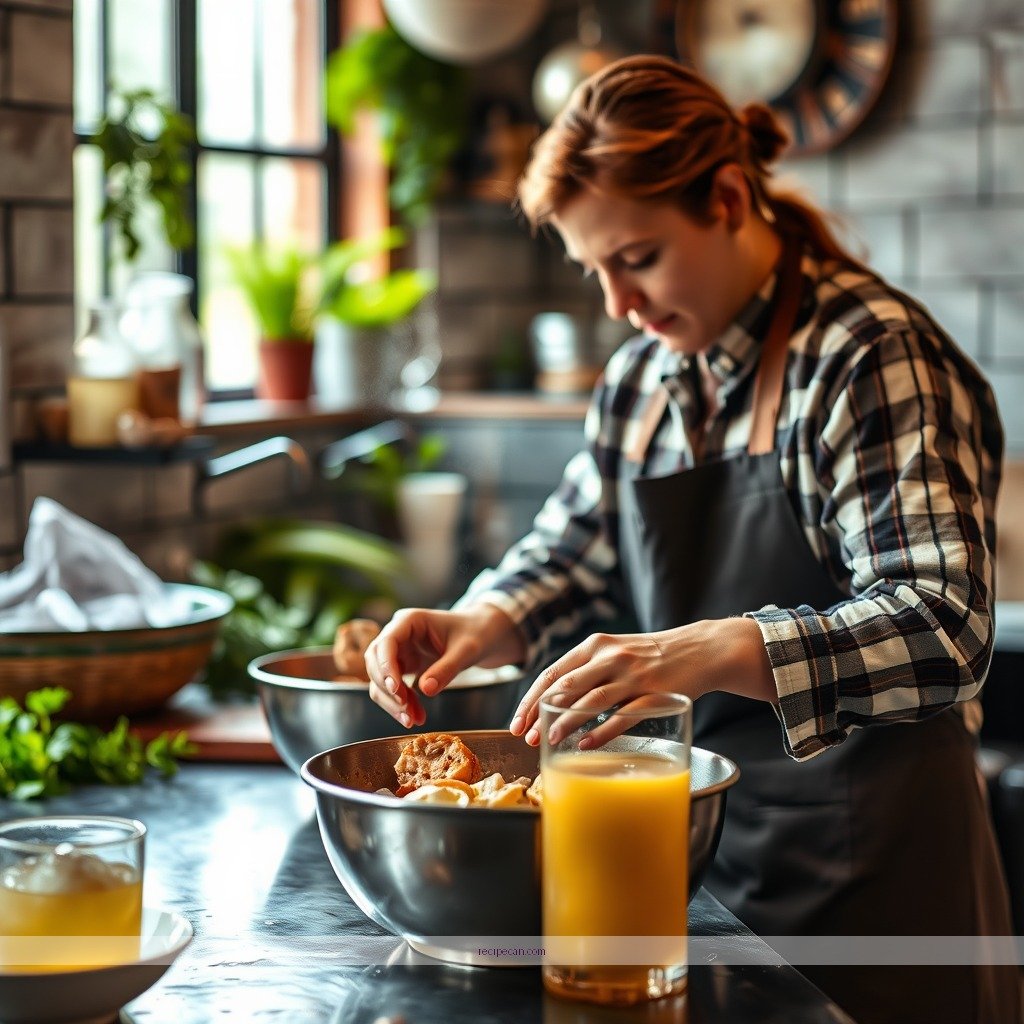
1. Prepare the Clams: Begin by scrubbing the clams under cold running water. This step is essential to remove any sand or grit that can affect the flavor of your clam juice. Discard any clams that are open and do not close when tapped, as they are likely dead and not suitable for cooking.
2. Combine Ingredients: In a large pot, combine the cleaned clams and water. If you’re using optional flavorings, add the smashed garlic, bay leaf, and black pepper. These ingredients will infuse the clam juice with additional depth and aroma.
3. Simmer the Mixture: Bring the pot to a boil over medium heat, then reduce to a simmer. Cover the pot and let it cook for about 20 minutes, or until all the clams have opened. This is a crucial step, as the heat will release the briny essence from the clams into the liquid.
4. Strain the Juice: Carefully remove the clams from the pot using a slotted spoon. Pour the liquid through a fine mesh strainer or cheesecloth into a bowl to capture the clam juice while filtering out any bits of shell or grit. This ensures a smooth and clear liquid that can be used in your recipes.
5. Cool and Store: Allow the clam juice to cool before transferring it to an airtight container. Store it in the refrigerator for up to a week or freeze for longer storage. This homemade clam juice can be a handy ingredient to have on hand for various dishes.
What to Avoid & Precautions
Making clam juice is straightforward, but there are a few common pitfalls to watch out for. Understanding these will help you create the best results with ease.
Don’t Skip Cleaning the Clams
Skipping the cleaning process can result in sandy juice. Always scrub your clams thoroughly to ensure a clean flavor. A little extra time spent cleaning will greatly enhance the final product.
Watch the Cooking Time
Overcooking the clams can lead to a rubbery texture. Remove them from the heat as soon as they’ve opened to maintain their tender consistency. Timing is key to achieving that perfect balance of flavor and texture.
Common Mistakes & How to Fix Them
Even the best cooks can make mistakes, but being aware of them will make your clam juice preparation smoother.
Using Dead Clams
If you use clams that are already dead, the juice can taste off. Always check that your clams are alive before cooking; they should be tightly closed or close when tapped.
Not Straining Properly
Failing to strain the juice can leave gritty sediment. Take your time to strain thoroughly for a smooth and clear liquid. If you notice any residual grit, consider straining it again through a coffee filter or finer mesh.
Overcooking the Clams
Overcooked clams can become rubbery and lose their delicate flavor. Keep a close eye on them during the cooking process and remove them promptly once they are open.
How to Serve
Plating & Presentation
Use clam juice in dishes like clam chowder, seafood risottos, or pasta sauces to enhance flavor without overwhelming the palate. The clear, rich liquid can also be drizzled over grilled fish or used as a base for a seafood stew.
What Goes Well With It
Clam juice pairs beautifully with garlic bread, fresh herbs, and a squeeze of lemon to brighten your dishes. Consider serving your clam-infused creations with a crisp green salad or crusty bread to soak up the delicious flavors.
Storage & Reheating
Store any unused clam juice in the fridge for up to a week. It can be reheated gently on the stove; just avoid boiling to retain its flavor. If freezing, consider portioning it into ice cube trays for easy use in future recipes.
Clam Juice Flavor Profile Comparison (2024)
| # | Type of Clam | Flavor Intensity | Brininess Level | Best Used For |
|---|---|---|---|---|
| 1 | Cherrystone Clams | High | Moderate | Chowders |
| 2 | Manila Clams | Medium | Low | Pasta Dishes |
| 3 | Little Neck Clams | High | High | Soups |
| 4 | Quahog Clams | Moderate | Moderate | Stuffing |
| 5 | Surf Clams | Low | High | Fritters |
| 6 | Pacific Clams | Medium | Moderate | Stews |
| 7 | Cockle Clams | Low | Low | Salads |
Making clam juice at home not only enhances your cooking but also connects you with the essence of fresh seafood. This simple recipe allows you to create a flavorful base that can be used in various dishes, providing a delightful ocean essence that is hard to replicate. Enjoy using this flavorful base in your next culinary creation!
Frequently Asked Questions
What is a simple clam juice recipe that I can make at home?
A simple clam juice recipe involves simmering fresh clams in water with aromatics like garlic and onion. Start by cleaning 2 pounds of clams and placing them in a pot with 4 cups of water, 2 minced garlic cloves, and half a chopped onion. Bring to a boil, then reduce heat and simmer for about 10-15 minutes until the clams open, then strain the liquid to obtain a flavorful clam juice.
How can I use clam juice in cooking?
Clam juice is a versatile ingredient that can enhance the flavor of various dishes. You can use it as a base for soups and chowders, to deglaze pans after sautéing seafood, or as a flavorful addition to risottos and pasta dishes. Its briny taste can elevate the umami profile of your meals significantly.
Why is clam juice a popular ingredient in seafood recipes?
Clam juice is a popular ingredient in seafood recipes because it adds a rich, briny flavor that complements other seafood elements. Its natural saltiness and depth enhance dishes like clam chowder, seafood stews, and pasta sauces, making it an excellent choice for those looking to intensify the taste of their seafood dishes.
What is the best way to store homemade clam juice?
The best way to store homemade clam juice is to let it cool completely and then transfer it to an airtight container. It can be refrigerated for up to a week or frozen for longer storage, where it can last up to three months. Label the container with the date for easy reference when you’re ready to use it in your recipes.
Which brands offer high-quality bottled clam juice?
Some of the top brands known for offering high-quality bottled clam juice include Bar Harbor, Roland, and Ocean’s. These brands are recognized for their consistent flavor and quality, making them reliable choices for recipes that call for clam juice. Always check for natural ingredients and avoid those with added preservatives for the best taste.
References
- https://en.wikipedia.org/wiki/Clam_jus
https://en.wikipedia.org/wiki/Clam_jus - Histomorphological effects of the oil extract of Sphenocentrum jollyanum seed on benign prostatic…
https://www.ncbi.nlm.nih.gov/pmc/articles/PMC6369320/ - https://www.sciencedirect.com/topics/agricultural-and-biological-sciences/clam-juice
https://www.sciencedirect.com/topics/agricultural-and-biological-sciences/clam-juice - https://pubmed.ncbi.nlm.nih.gov/17403094/
https://pubmed.ncbi.nlm.nih.gov/17403094/ - https://www.bbc.co.uk/food/recipes/clam_jus_82927
https://www.bbc.co.uk/food/recipes/clam_jus_82927 - https://www.cdc.gov/foodsafety/challenges/seafood.html
https://www.cdc.gov/foodsafety/challenges/seafood.html - Ovarian cysts and infertility: A connection? – Mayo Clinic
https://www.mayoclinic.org/healthy-lifestyle/nutrition-and-healthy-eating/expert-answers/clam-juice/faq-20057806 - Google Scholar Google Scholar
https://scholar.google.com/scholar?q=clam+juice+recipe - Google Scholar Google Scholar
https://scholar.google.com/scholar?q=clam+juice+nutrition - Google Scholar Google Scholar
https://scholar.google.com/scholar?q=benefits+of+clam+juice