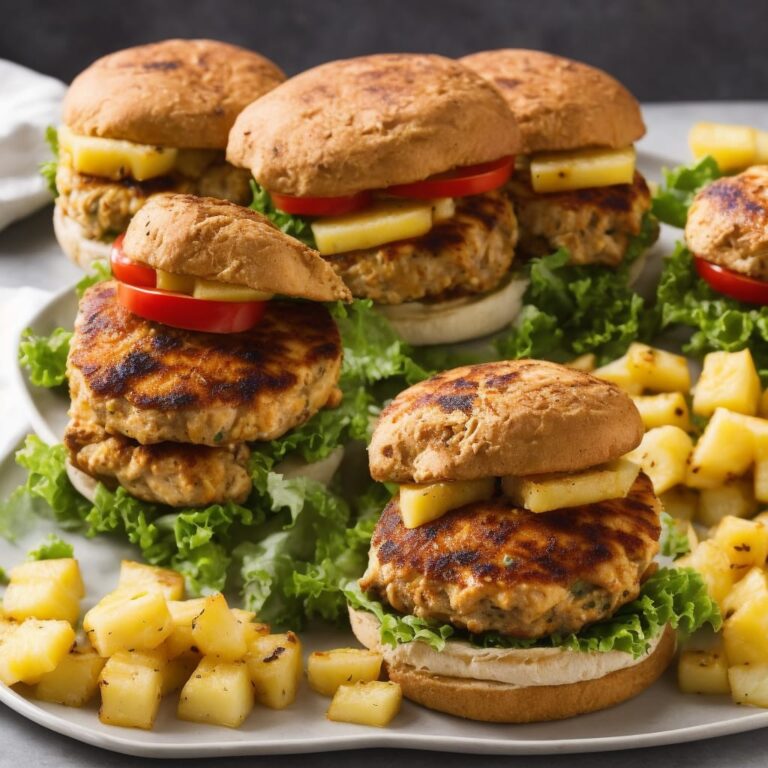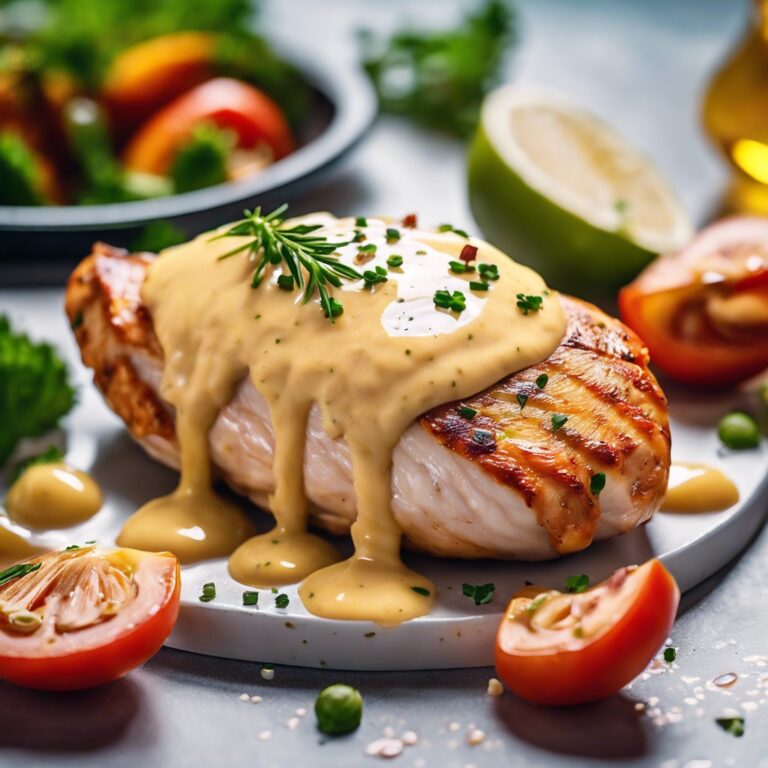
This simple basic mayonnaise recipe is the easiest way to whip up a creamy, delicious condiment at home. With just a few ingredients and minimal effort, you can achieve a fresher taste that outshines store-bought versions. Discover how to create the perfect mayonnaise that elevates your dishes without the preservatives.
Making basic mayonnaise at home is not only quick and easy, but it also allows you to enjoy a fresh, flavorful condiment that can elevate your culinary creations. With just a few simple ingredients, you can whip up a creamy mayonnaise that far surpasses store-bought versions in taste and quality. In this guide, you will learn how to create homemade mayonnaise from scratch in just minutes, making it the perfect addition to sandwiches, salads, and dips.
Essential Ingredients for Homemade Mayonnaise
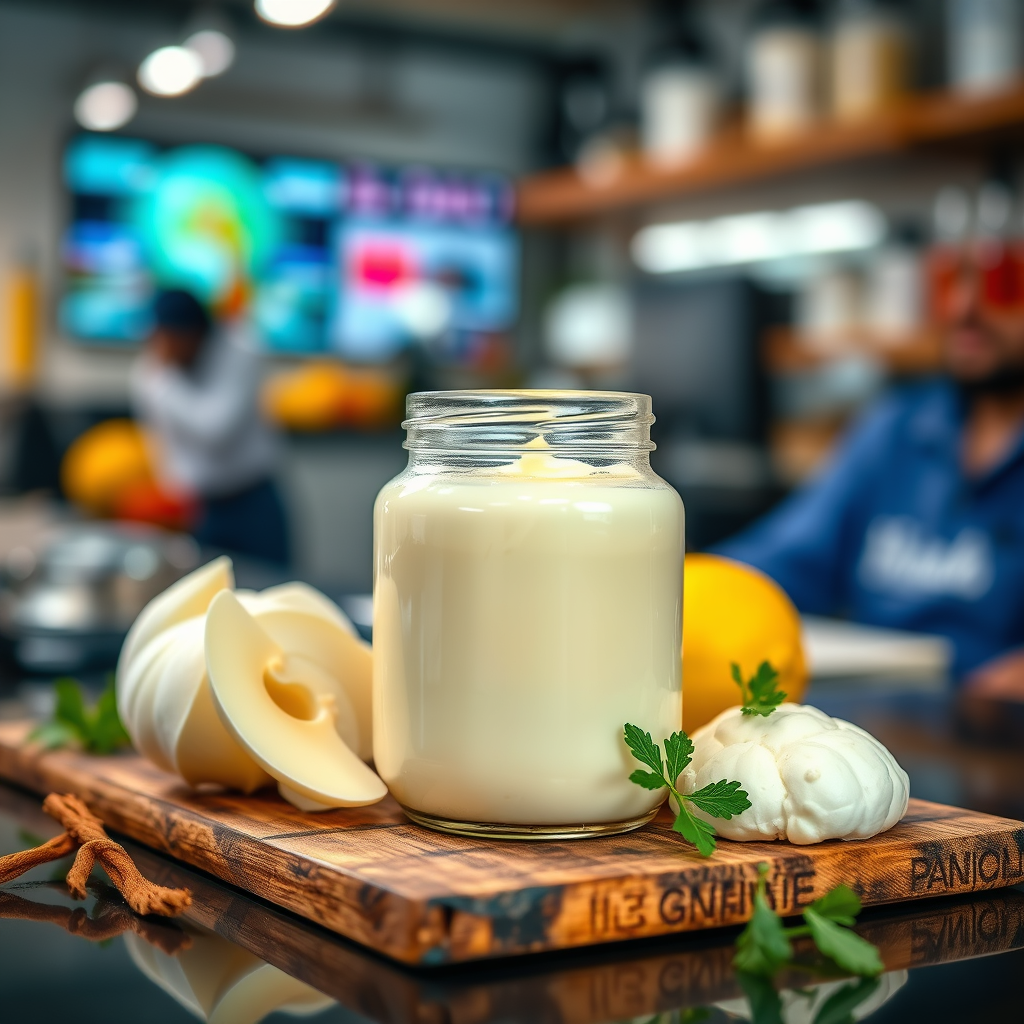
To make homemade mayonnaise, you’ll need a few essential ingredients that are easy to find:
– Fresh eggs: The base of any good mayonnaise is egg yolks. Use room temperature eggs for better emulsification, as they help the ingredients blend more easily.
– Oil: The choice of oil is crucial. Opt for a neutral-tasting oil, such as canola, sunflower, or even light olive oil, to avoid overpowering the flavor of your mayonnaise.
– Acid: A splash of acid, whether it’s lemon juice or vinegar, is essential. It not only adds tanginess to your mayo but also helps stabilize the emulsion, ensuring a creamy texture.
Step-by-Step Instructions

Creating homemade mayonnaise may seem daunting, but with the following straightforward steps, you’ll have delicious mayo in no time:
1. Combine the egg yolk and acid: In a bowl or food processor, start by adding one egg yolk along with a tablespoon of lemon juice or vinegar. This mixture forms the basis of your emulsion.
2. Gradually add oil: While whisking vigorously or running your food processor, slowly drizzle in about one cup of oil. It’s crucial to add the oil gradually to allow the emulsion to form properly.
3. Whisk or blend until thickened: Continue whisking or blending until all the oil is incorporated and the mixture thickens to your desired consistency. This process should take a few minutes.
Tips for Perfect Consistency
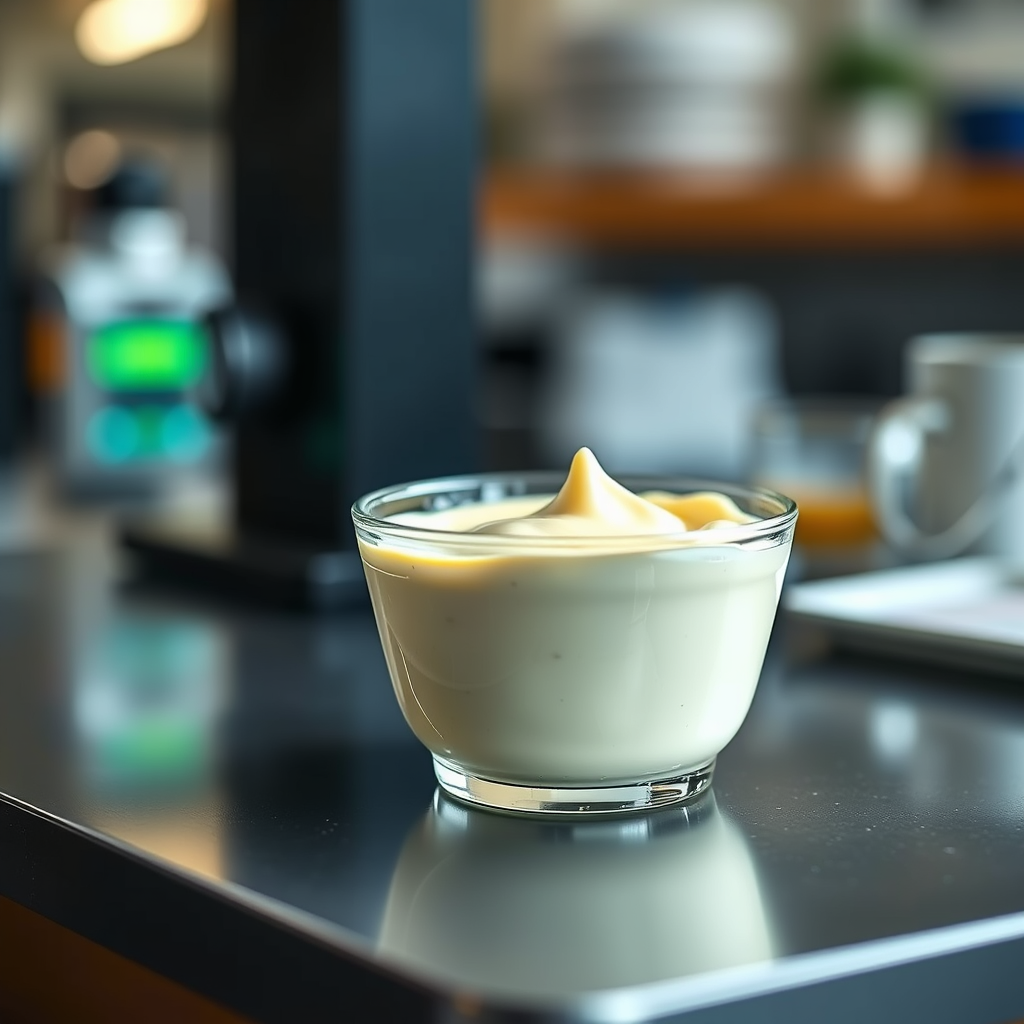
Achieving the ideal consistency for your homemade mayonnaise is key to its success. Here are some tips to help you perfect your mayonnaise:
– Start adding oil slowly: This allows for proper emulsification. If you pour the oil too quickly, the mixture may separate instead of coming together.
– Adjust thickness: If your mayonnaise is too thick, you can adjust the consistency by adding more oil gradually or incorporating a small amount of water.
– Lighten it up: For a lighter mayonnaise, consider using half oil and half a neutral liquid like water or a light broth. This can create a fluffy texture that still tastes great.
Flavor Variations to Try

Once you’ve mastered the basic mayonnaise recipe, you can easily customize it to suit your taste. Here are some delightful flavor variations to consider:
– Garlic mayonnaise: For a delicious aioli, simply add minced garlic to the mayonnaise during the mixing process. This will bring a robust flavor that pairs well with fries and sandwiches.
– Herb-infused mayo: Mix in fresh or dried herbs, such as dill, basil, or parsley, for an herby twist. This variation is perfect for enhancing the flavors of salads and grilled vegetables.
– Spicy mayo: If you prefer a kick, incorporate hot sauce or cayenne pepper to your mayonnaise. This spicy version works wonderfully on burgers and as a dipping sauce for seafood.
Storing Your Homemade Mayonnaise
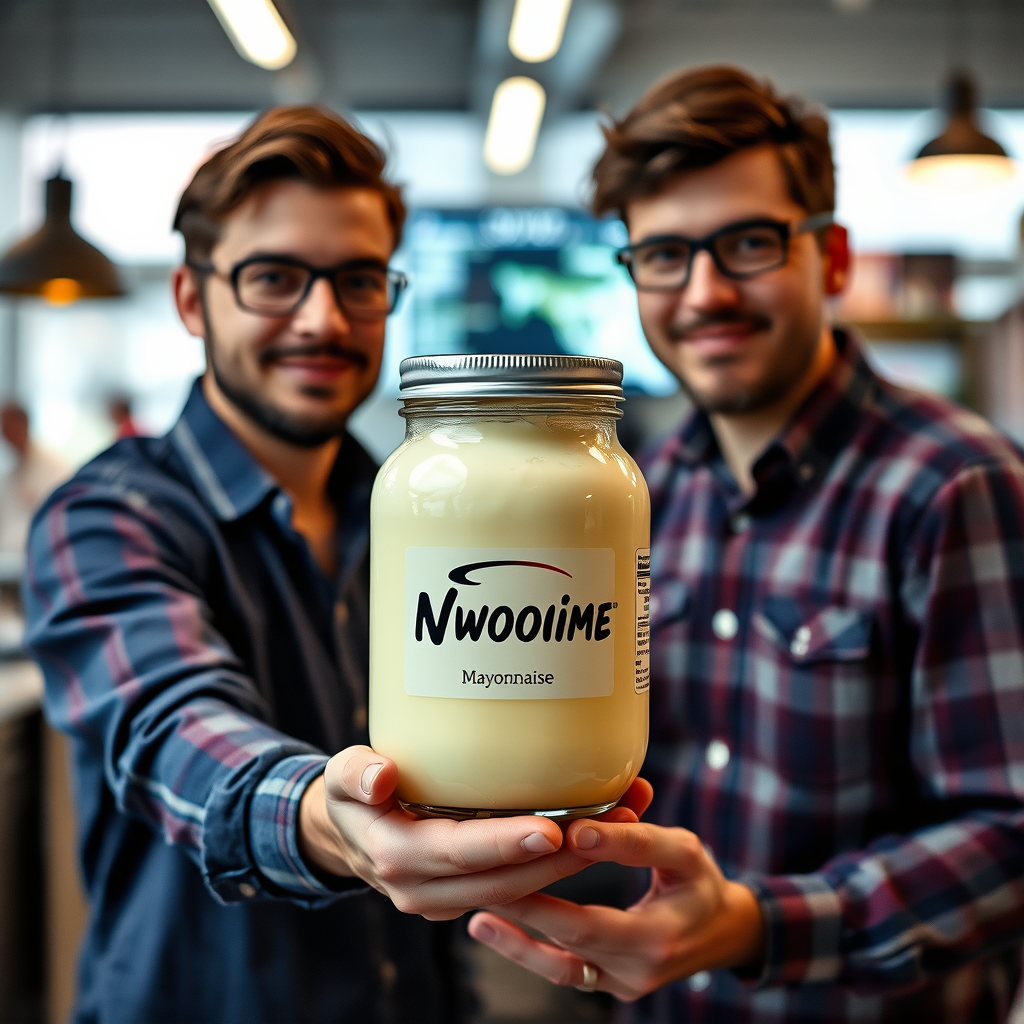
Proper storage is essential to maintain the freshness and safety of your homemade mayonnaise:
– Refrigeration: Keep your mayonnaise in an airtight container in the refrigerator. This helps prevent contamination and preserves its freshness.
– Shelf life: Homemade mayonnaise can last up to one week, but it’s important to always check for signs of spoilage, such as off-odors or unusual textures, before use.
– Labeling: Consider labeling the container with the date it was made. This way, you can easily track its freshness and avoid using it past its prime.
Comparison of Homemade Mayonnaise Variations
| # | Variation | Key Ingredient | Flavor Profile | Best For |
|---|---|---|---|---|
| 1 | Garlic Mayonnaise | Minced Garlic | Savory, Rich | Sandwiches, Dips |
| 2 | Herb-Infused Mayo | Fresh Herbs | Fresh, Aromatic | Salads, Grilled Veggies |
| 3 | Spicy Mayo | Hot Sauce | Zesty, Fiery | Burgers, Seafood |
| 4 | Curry Mayo | Curry Powder | Warm, Spicy | Wraps, Dips |
| 5 | Chipotle Mayo | Chipotle Peppers | Smoky, Spicy | Tacos, Fries |
| 6 | Truffle Mayo | Truffle Oil | Earthy, Luxurious | Gourmet Dishes |
| 7 | Lemon Zest Mayo | Lemon Zest | Bright, Tart | Seafood, Salads |
Common Mistakes to Avoid
While making mayonnaise is straightforward, certain pitfalls can lead to disappointing results. Here are common mistakes to avoid:
– Using cold eggs: Cold eggs can hinder the emulsification process, resulting in a broken mayonnaise. Always use eggs at room temperature for the best outcome.
– Adding oil too quickly: Pouring in oil too quickly can prevent the emulsion from forming and lead to separation. Always add it gradually while whisking or blending.
– Not using enough acid: Acid is vital for both flavor and stability. Skipping or skimping on acid can result in a bland and unstable mayonnaise.
By being mindful of these common issues, you can ensure that your homemade mayonnaise turns out perfectly every time.
Homemade mayonnaise is not only easy to prepare, but it also allows for endless customization of flavors to suit individual tastes. By following these simple steps and tips, you’ll have a delicious condiment ready to enhance your meals. Try making your own mayonnaise today, and experience the significant difference in flavor and freshness it brings to your culinary creations!
Frequently Asked Questions
What are the basic ingredients for a homemade mayonnaise recipe?
The basic ingredients for a homemade mayonnaise recipe include egg yolks, oil, vinegar or lemon juice, and mustard. Using fresh, high-quality ingredients will enhance the flavor and texture of your mayonnaise. Olive oil or canola oil is often preferred for a smooth consistency, while Dijon mustard adds a subtle tang.
How do you make mayonnaise from scratch without a blender?
To make mayonnaise from scratch without a blender, you can use a whisk and a bowl. Start by whisking together the egg yolks, mustard, and vinegar in a bowl, then slowly drizzle in the oil while continuously whisking until the mixture thickens. This traditional method requires patience but results in a rich and creamy mayonnaise.
Why does my homemade mayonnaise keep separating?
Homemade mayonnaise can separate due to several factors, including adding the oil too quickly or not using enough emulsifiers. To prevent separation, ensure you add the oil very slowly at first while whisking vigorously. If your mayonnaise does separate, you can try to save it by whisking in a teaspoon of warm water or starting with a new egg yolk and gradually adding the separated mixture.
What is the best oil to use for making mayonnaise?
The best oil to use for making mayonnaise is a neutral-flavored oil like canola or grapeseed oil, which allows the flavor of the mayonnaise to shine through. However, for a more robust taste, extra virgin olive oil is also an excellent choice, providing a rich flavor. Avoid using oils with strong flavors, like sesame oil, as they can overpower the mayonnaise.
Which method is quicker for making mayonnaise: hand whisking or using an immersion blender?
Using an immersion blender is the quicker method for making mayonnaise, as it emulsifies the ingredients in a matter of seconds. Simply combine all the ingredients in a tall container, insert the immersion blender, and blend until thickened. This method is not only faster but also minimizes the risk of separation compared to hand whisking.
References
- Mayo
https://en.wikipedia.org/wiki/Mayo - https://www.sciencedirect.com/topics/food-science/mayonnaise
https://www.sciencedirect.com/topics/food-science/mayonnaise - https://www.nytimes.com/2020/06/08/cooking/mayonnaise-recipe.html
https://www.nytimes.com/2020/06/08/cooking/mayonnaise-recipe.html - https://www.foodnetwork.com/recipes/articles/how-to-make-mayonnaise
https://www.foodnetwork.com/recipes/articles/how-to-make-mayonnaise - Google Scholar Google Scholar
https://scholar.google.com/scholar?q=basic+mayonnaise+recipe - Google Scholar Google Scholar
https://scholar.google.com/scholar?q=mayonnaise+preparation+techniques - Google Scholar Google Scholar
https://scholar.google.com/scholar?q=making+mayonnaise+home+recipe - https://www.verywellfit.com/what-is-mayonnaise-4688840
https://www.verywellfit.com/what-is-mayonnaise-4688840 - https://en.wikipedia.org/wiki/Special:Search?search=basic+mayonnaise+recipe
https://en.wikipedia.org/wiki/Special:Search?search=basic+mayonnaise+recipe - https://www.ncbi.nlm.nih.gov/search/research-articles/?term=basic+mayonnaise+recipe
https://www.ncbi.nlm.nih.gov/search/research-articles/?term=basic+mayonnaise+recipe