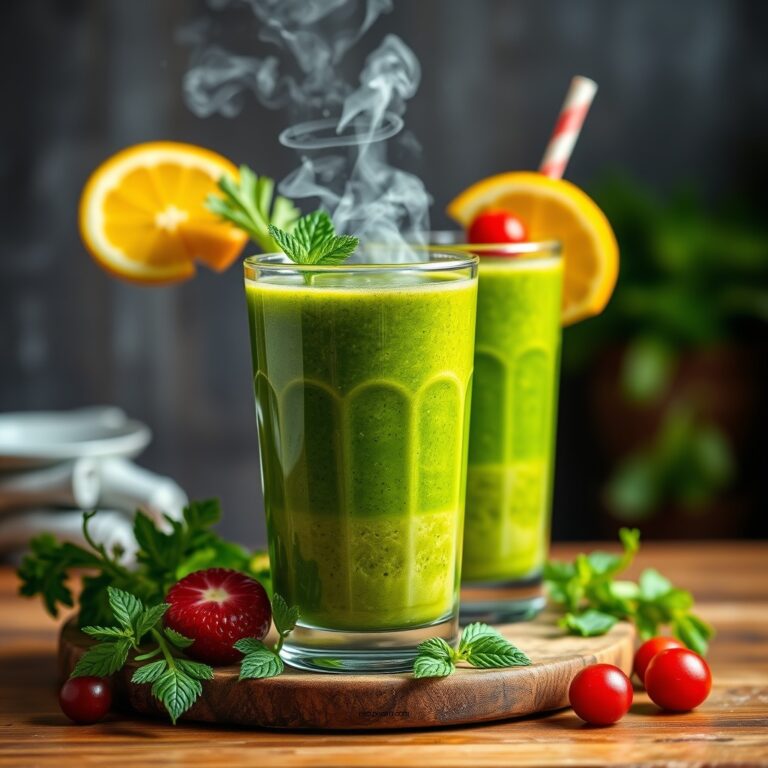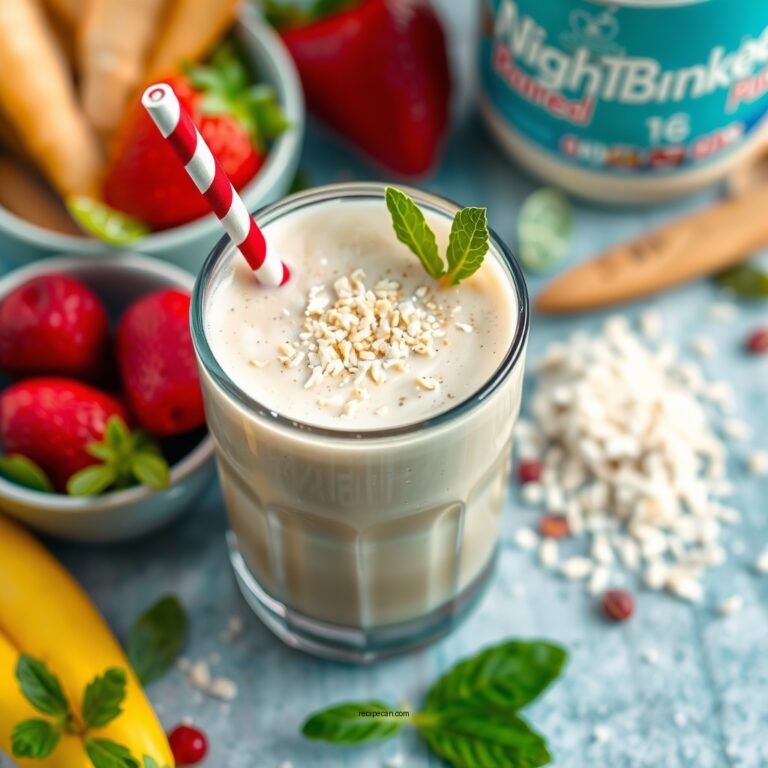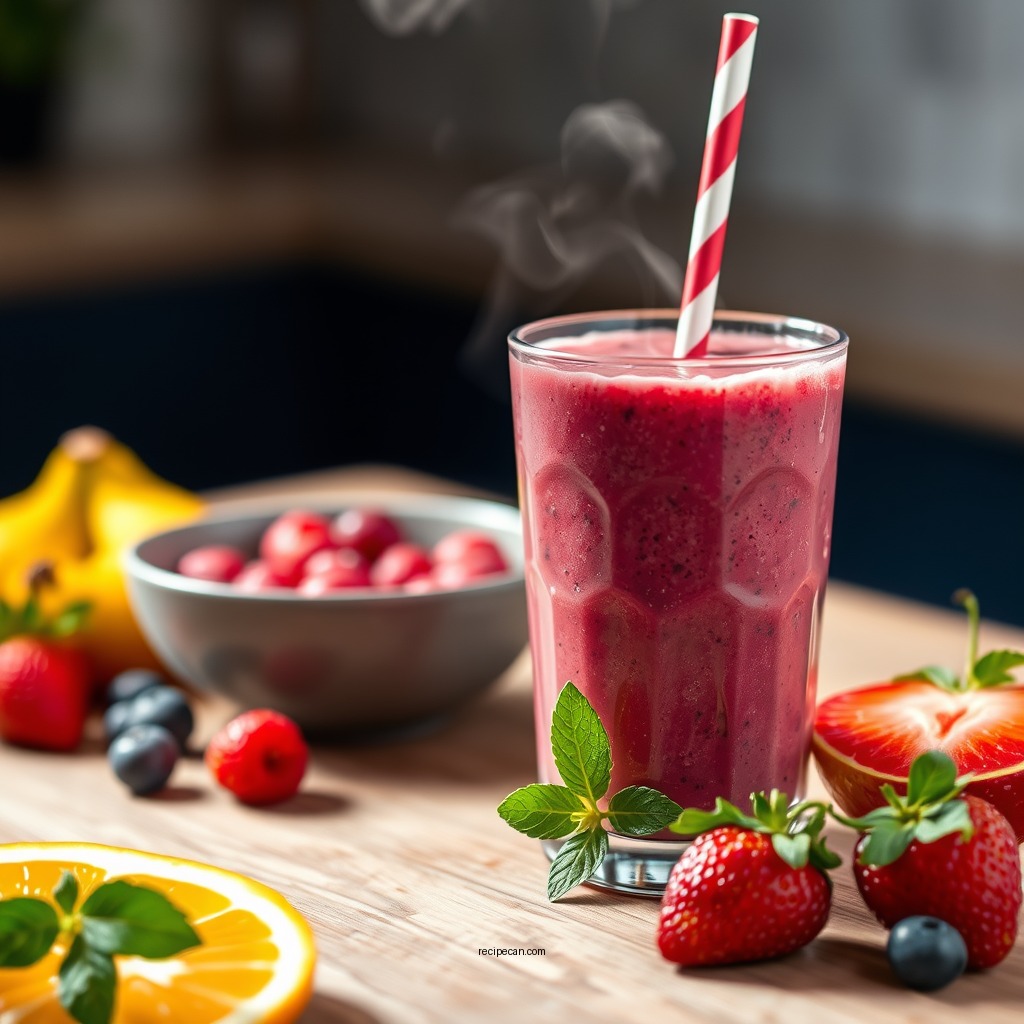
Discovering how to make a basic fruit smoothie is straightforward and rewarding. You can create a delicious and nutritious smoothie in just minutes with a few simple ingredients. This guide will walk you through a basic recipe, tips for customization, and essential blending techniques, enabling you to enjoy a healthy treat any time of the day.
Essential Ingredients for a Basic Fruit Smoothie
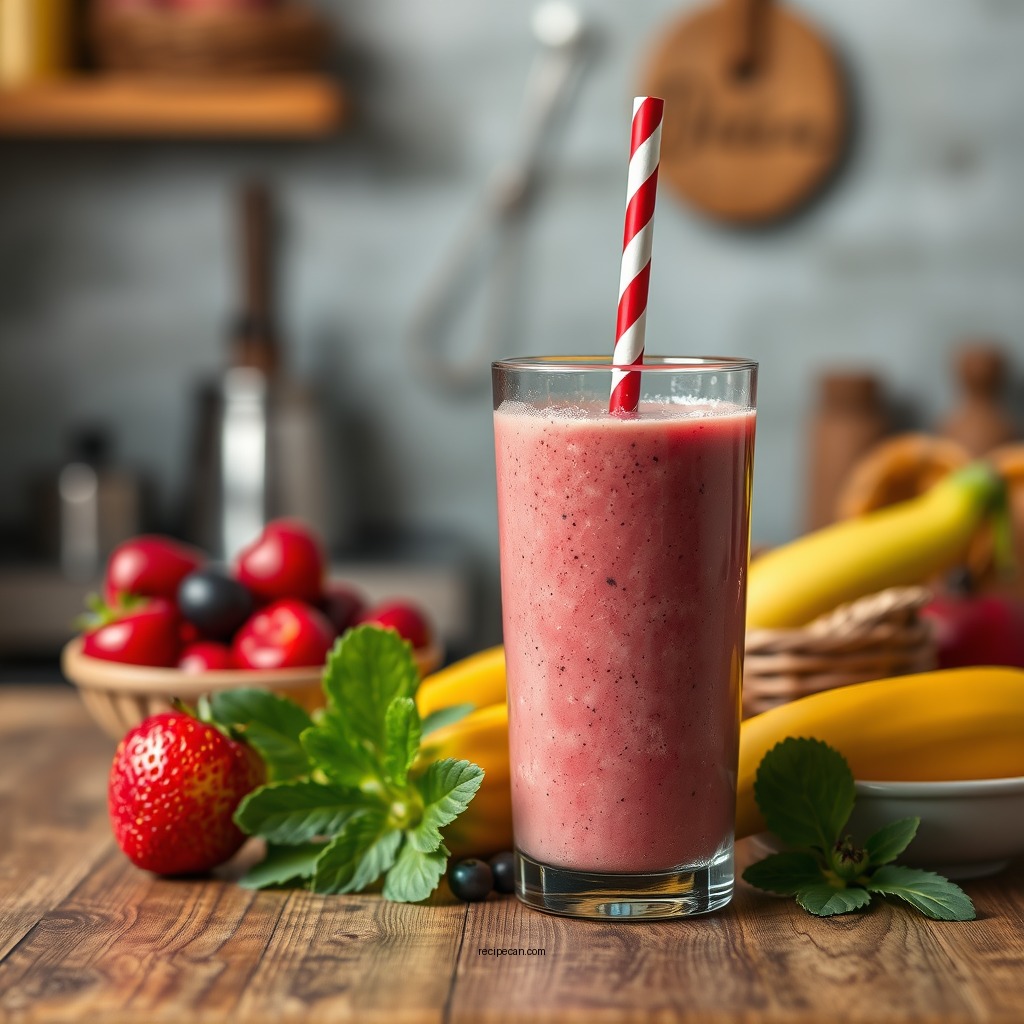
When embarking on your smoothie-making journey, understanding the essential ingredients is crucial. The beauty of a fruit smoothie lies in its versatility, allowing you to mix and match based on your preferences and dietary needs.
– Fresh or Frozen Fruit: Common options include bananas, berries (like strawberries, blueberries, and raspberries), mangoes, and peaches. Fresh fruit adds a vibrant flavor, while frozen fruit can enhance the creaminess and chill of your smoothie.
– Liquid Base: The choice of liquid determines the consistency and flavor profile of your smoothie. Water, fruit juice, or milk (dairy or plant-based, such as almond, soy, or oat milk) are popular options. Start with about one cup of liquid for optimal blending.
– Optional Add-ins: To elevate the nutritional value and flavor of your smoothie, consider incorporating yogurt (for creaminess and probiotics), honey (for natural sweetness), or spinach (for an extra dose of vitamins without altering the taste significantly).
Step-by-Step Guide to Making Your Smoothie
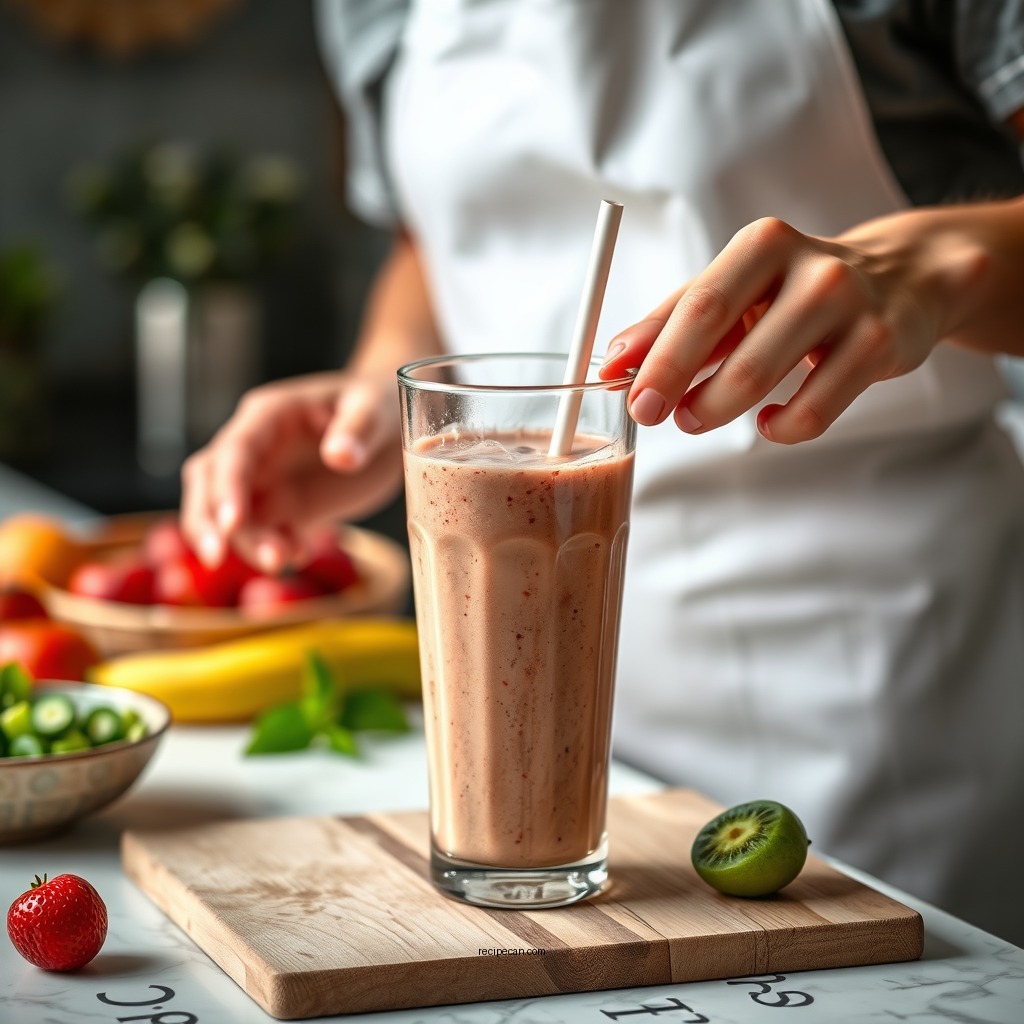
Making a fruit smoothie is not only quick but also a fun process. Here is a straightforward step-by-step guide to help you craft the perfect smoothie.
1. Prepare Your Fruit: If you’re using fresh fruit, wash it thoroughly and cut it into manageable pieces. This ensures that it blends evenly. If you’re using frozen fruit, there’s no need to thaw it beforehand; it can go straight into the blender.
2. Measure Ingredients: A good starting point is to use about 1-2 cups of fruit. This can vary based on the type of fruit and personal preference. For the liquid base, one cup is generally sufficient, but adjust according to your desired consistency.
3. Blend: Begin blending at a low speed to mix the ingredients without splattering. Gradually increase to high speed until the mixture is smooth. This typically takes about 30 seconds to a minute, depending on the power of your blender.
Tips for Achieving the Perfect Consistency
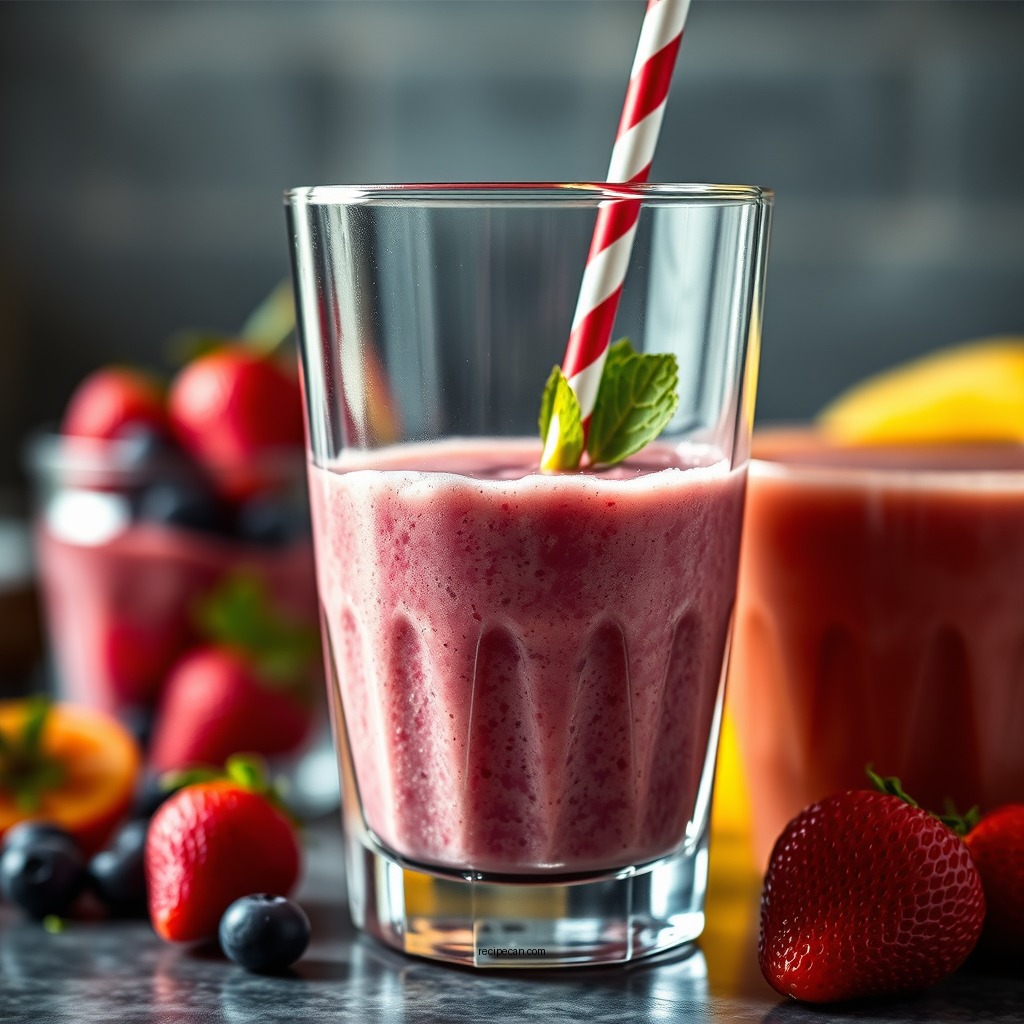
Achieving the right consistency is essential for a delightful smoothie experience. Here are some tips to help you get it just right:
– Adjust Liquid: If your smoothie is too thick, add more liquid gradually until you reach your desired consistency. Conversely, if it’s too thin, reduce the amount of liquid or add more fruit.
– Blend in Stages: To ensure a smooth blend, consider blending the fruit first before adding the liquid. This method allows the fruit to break down more effectively, leading to a creamier texture.
– Use Frozen Fruit: Frozen fruit not only makes your smoothie colder and more refreshing but also helps thicken it. It can be a great substitute for ice, which can dilute the flavor.
Top Fruits Used in Smoothies (2024)
| # | Fruit | Popularity (%) | Nutritional Benefits |
|---|---|---|---|
| 1 | Banana | 35% | Rich in potassium |
| 2 | Strawberries | 25% | High in vitamin C |
| 3 | Blueberries | 20% | Antioxidant-rich |
| 4 | Mango | 15% | Rich in vitamins A and C |
| 5 | Peaches | 10% | Good for digestion |
| 6 | Raspberries | 7% | High in fiber |
| 7 | Pineapple | 5% | Supports digestion |
Customization Ideas for Flavor and Nutrition
Customization is key to making smoothies that suit your taste and nutritional needs. Here are several ideas to help you personalize your smoothie:
– Add Spices: Incorporating spices can elevate the flavor profile of your smoothie significantly. A dash of cinnamon or nutmeg can add warmth and complexity, while ginger can provide a refreshing kick.
– Protein Boost: If you’re looking to make your smoothie more filling, consider adding protein powder, Greek yogurt, or nut butter. These ingredients not only enhance the nutritional value but also help keep you satiated longer.
– Superfoods: For an added health boost, consider integrating superfoods like chia seeds, flaxseeds, or even a handful of spinach. These ingredients are rich in omega-3 fatty acids, fiber, and essential vitamins, contributing to overall wellness.
Troubleshooting Common Smoothie Issues
Even experienced smoothie makers face challenges. Here are some common issues and how to resolve them:
– Too Thick: If your smoothie is thicker than desired, gradually add more liquid (water, juice, or milk) until you achieve the desired consistency.
– Too Thin: In contrast, if your smoothie is too thin, try adding more fruit or a handful of ice. This not only thickens the smoothie but also keeps it refreshing.
– Unbalanced Flavor: If the flavor of your smoothie is lacking, consider adjusting the sweetness. Adding honey, maple syrup, or even a splash of vanilla extract can enhance the flavor without overpowering the other ingredients.
Smoothie Popularity by Type (2024)
Creative Serving Suggestions
Once you’ve perfected your smoothie, it’s time to consider how to serve it. Presentation can elevate the experience, making your smoothie not only nutritious but also visually appealing.
– Garnish: Top your smoothie with fresh fruit slices, granola, or seeds to add texture and visual appeal. A sprig of mint can also provide a fresh touch.
– Smoothie Bowls: For a delightful twist, pour your smoothie into a bowl and add toppings such as sliced fruits, nuts, and seeds. This not only makes for a more substantial meal but also turns it into an artful presentation.
– On-the-Go: If you find yourself busy, use a travel cup with a lid for easy transport. Some cups even come with built-in straws, making it easy to enjoy your smoothie wherever you are.
Incorporating these creative serving suggestions can make your smoothie experience even more enjoyable and can encourage you to explore various combinations of flavors and textures.
You can easily whip up a basic fruit smoothie by following these simple steps and tips. Experimenting with different ingredients and flavors will help you find your favorite combinations. Enjoy the process and feel free to share your creations with friends and family!
Frequently Asked Questions
What are the basic ingredients needed for a fruit smoothie recipe?
A basic fruit smoothie recipe typically requires fresh or frozen fruits, such as bananas, berries, or mangoes, along with a liquid base like water, milk, or juice. You can also add yogurt for creaminess and protein, as well as ice to achieve a thicker texture. This simple combination allows for easy customization based on personal taste and dietary preferences.
How do I make a fruit smoothie thicker?
To make your fruit smoothie thicker, consider adding ingredients like frozen fruits, Greek yogurt, or a banana. You can also reduce the amount of liquid you use, or incorporate oats or nut butter for added texture. Blending for a longer time can also help create a smoother, denser consistency.
Why should I use frozen fruit in my smoothie recipe?
Using frozen fruit in your smoothie recipe not only helps achieve a thicker and colder texture, but it also preserves the fruit’s nutrients and flavor. Frozen fruits are often picked at peak ripeness, ensuring maximum freshness, and they can be more convenient and cost-effective than fresh varieties, especially when certain fruits are out of season.
What is the best fruit combination for a refreshing smoothie?
The best fruit combination for a refreshing smoothie often includes a mix of tropical fruits like pineapple and mango, paired with tart berries such as strawberries or blueberries. Adding a splash of coconut water or lime juice can enhance the freshness and provide a delightful flavor balance. Experimenting with different combinations can lead to your perfect smoothie blend.
Which fruits should I avoid in my smoothie recipe?
While most fruits are great for smoothies, you may want to avoid overly fibrous fruits like kiwi or avocado if you prefer a smoother texture. Additionally, fruits high in sugar, like grapes or bananas, can make your smoothie overly sweet if not balanced with tart fruits. It’s best to use a mix of fruits to ensure both flavor and nutritional balance.
References
- Smoothie
https://en.wikipedia.org/wiki/Smoothie - https://www.mayoclinic.org/healthy-lifestyle/nutrition-and-healthy-eating/in-depth/smoothies/art-20044036
https://www.mayoclinic.org/healthy-lifestyle/nutrition-and-healthy-eating/in-depth/smoothies/art-20044036 - https://www.health.harvard.edu/staying-healthy/smoothie-safety
https://www.health.harvard.edu/staying-healthy/smoothie-safety - https://pubmed.ncbi.nlm.nih.gov/30712345/
https://pubmed.ncbi.nlm.nih.gov/30712345/ - https://www.cdc.gov/nutrition/index.html
https://www.cdc.gov/nutrition/index.html - https://www.nutrition.gov/topics/nutrition-101/healthy-recipes/smoothies
https://www.nutrition.gov/topics/nutrition-101/healthy-recipes/smoothies - https://www.sciencedirect.com/topics/food-science/smoothie
https://www.sciencedirect.com/topics/food-science/smoothie - https://www.ncbi.nlm.nih.gov/pmc/articles/PMC6114435/
https://www.ncbi.nlm.nih.gov/pmc/articles/PMC6114435/ - Google Scholar Google Scholar
https://scholar.google.com/scholar?q=fruit+smoothie+recipe - Google Scholar Google Scholar
https://scholar.google.com/scholar?q=nutritional+benefits+of+smoothies