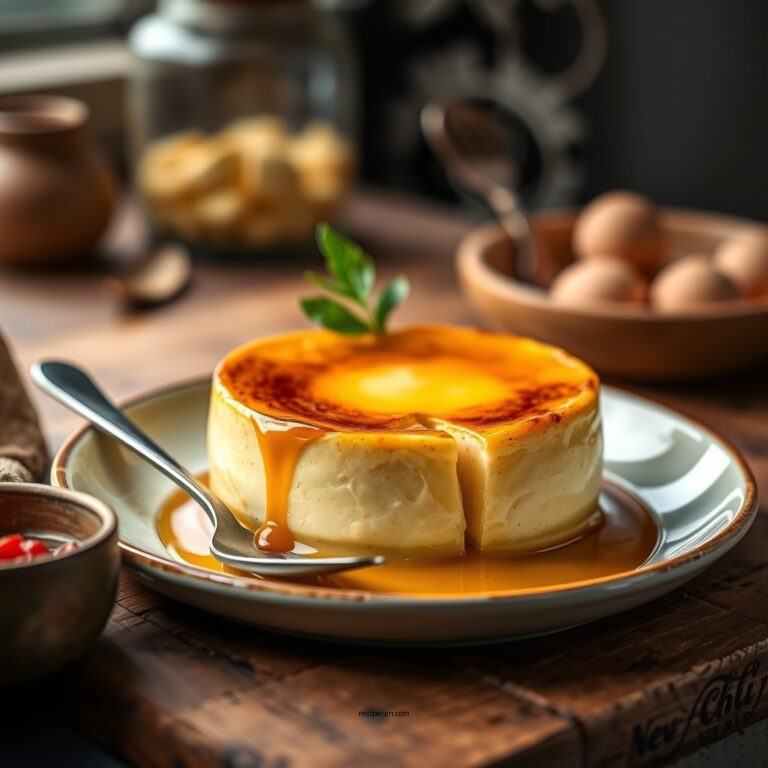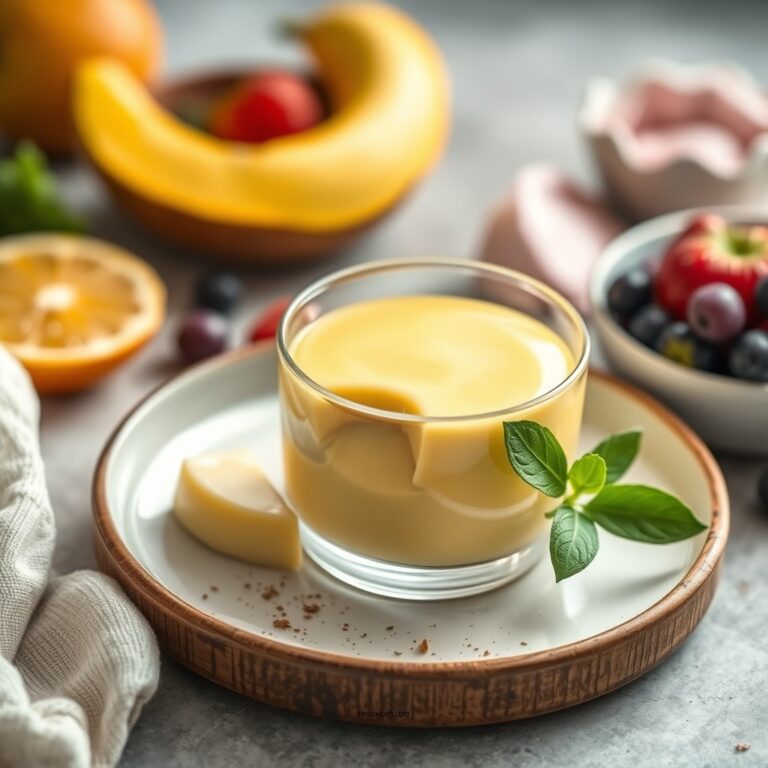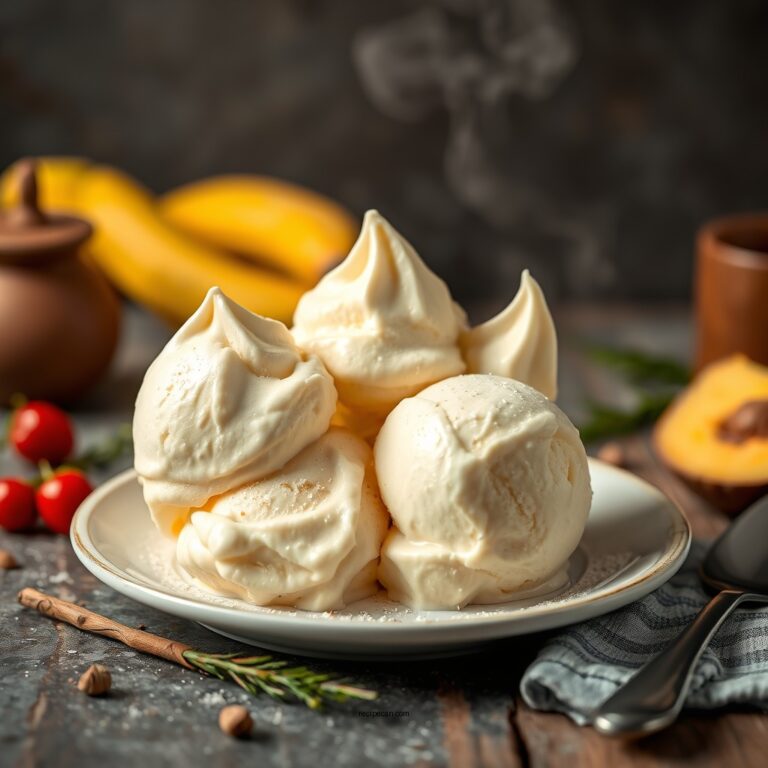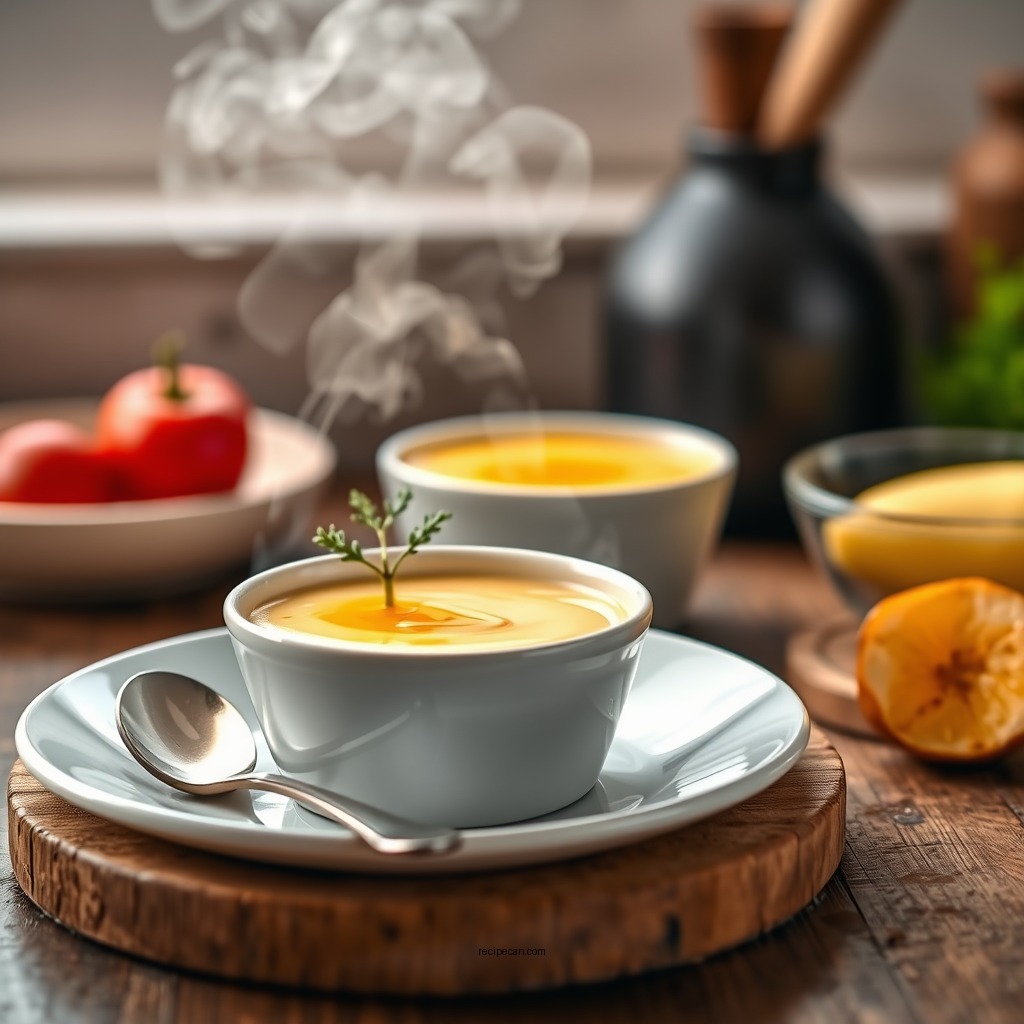
Making a basic egg custard is an accessible culinary endeavor that requires only a handful of simple ingredients. This rich and creamy dessert can be savored on its own or serve as a versatile base for various other delightful dishes. In this recipe, you’ll not only discover how to craft a classic egg custard but also gain insights into the techniques and tips that will elevate your custard-making skills, ensuring a perfect result every time.
Ingredients You’ll Need
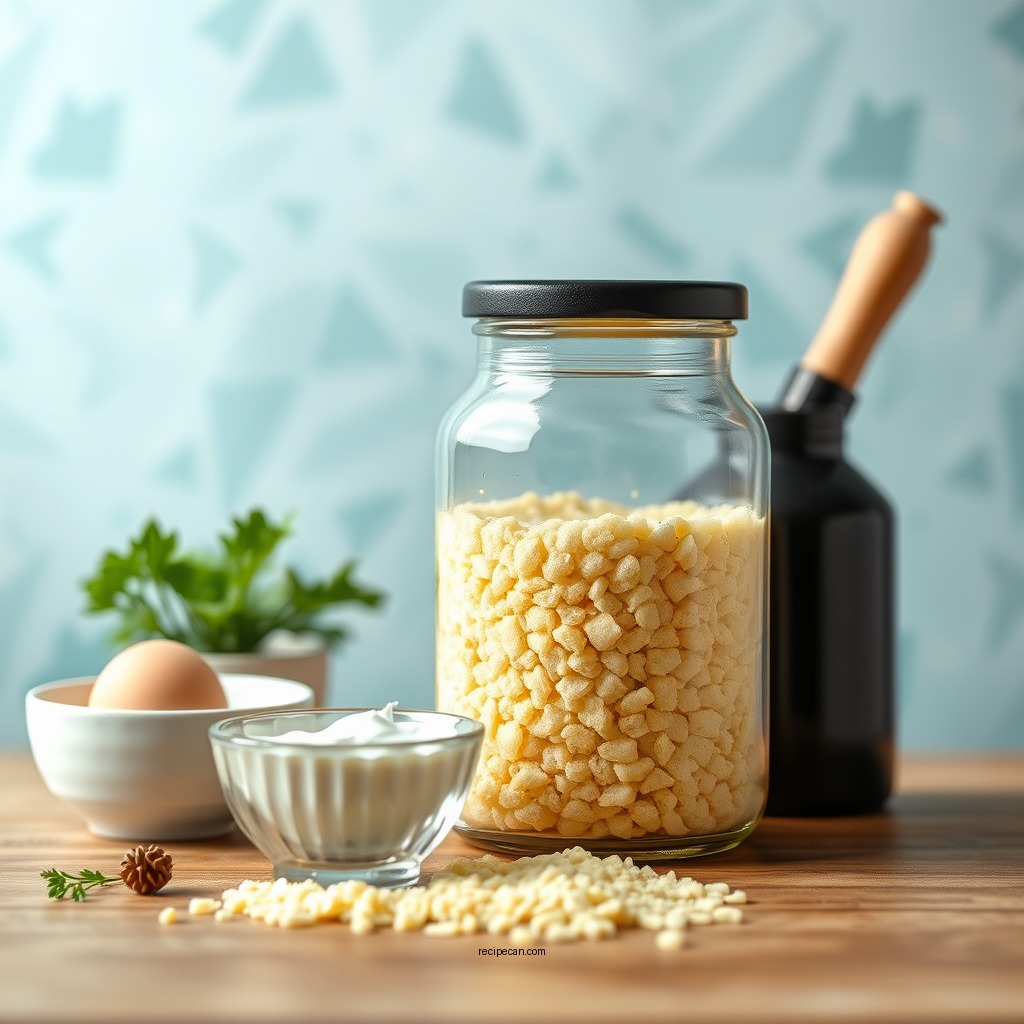
Creating a delectable egg custard starts with the right ingredients. Here’s what you’ll need:
– Eggs: Essential for structure and richness, eggs provide the custard with its silky texture. Typically, large eggs are used in custard recipes.
– Milk or Cream: The choice between milk and cream can greatly affect the flavor and texture of your custard. Whole milk offers a rich taste, while heavy cream can provide an even creamier consistency.
– Sugar: Sugar sweetens the custard, and the amount can be adjusted to suit personal preferences. Granulated sugar is most commonly used, but brown sugar can add a hint of caramel flavor.
– Vanilla Extract: This ingredient enhances the overall flavor of the custard. While pure vanilla extract is recommended for the best taste, you can also experiment with other extracts or spices, such as almond or nutmeg.
Equipment Required
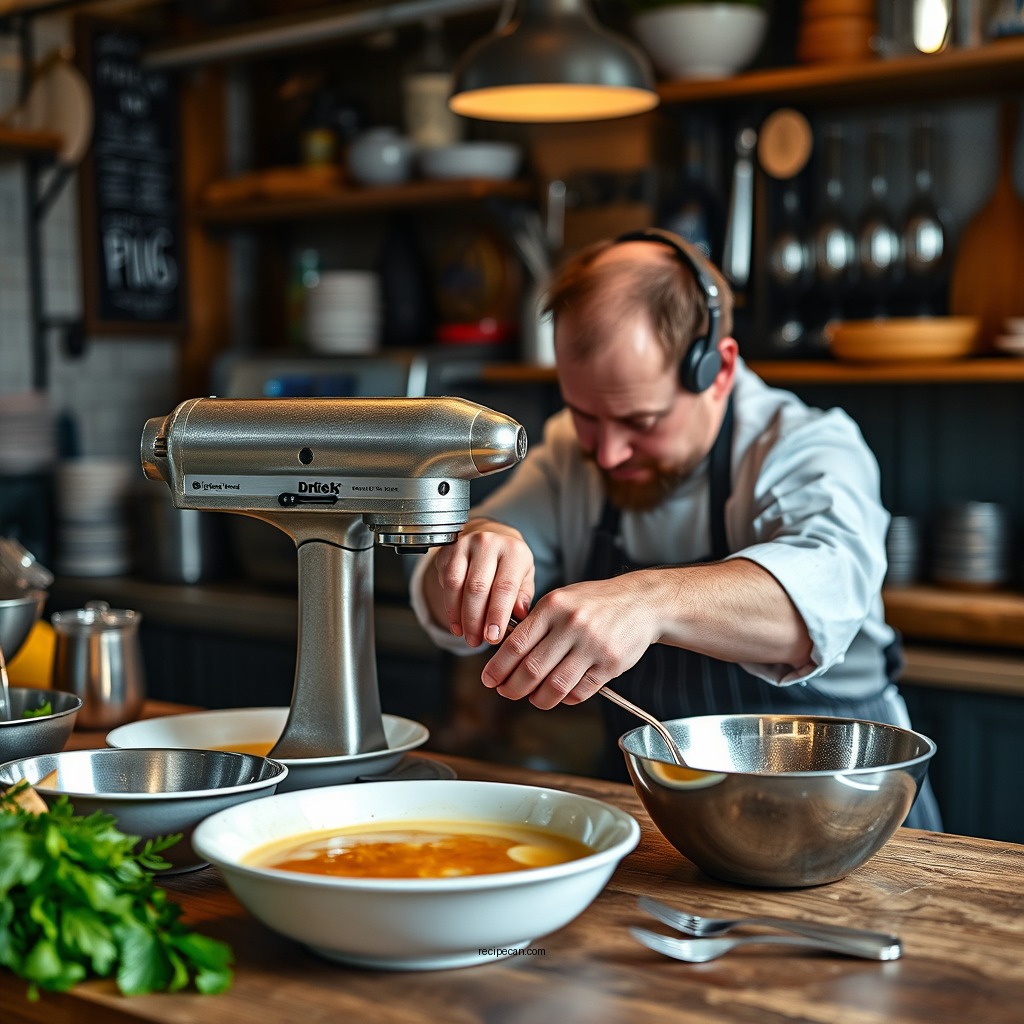
To successfully prepare your egg custard, you’ll need some kitchen essentials:
– Mixing Bowls: A medium-sized bowl for mixing the ingredients is crucial. Glass or stainless steel bowls are preferred for their durability.
– Whisk: A whisk is vital for beating the eggs and ensuring that the mixture is smooth and well combined.
– Baking Dish: A shallow baking dish is ideal for even cooking, allowing the custard to set properly without overcooking the edges.
– Oven or Water Bath: Baking the custard in a water bath (bain-marie) helps to create gentle heat, preventing curdling and ensuring a smooth texture.
Step-by-Step Instructions
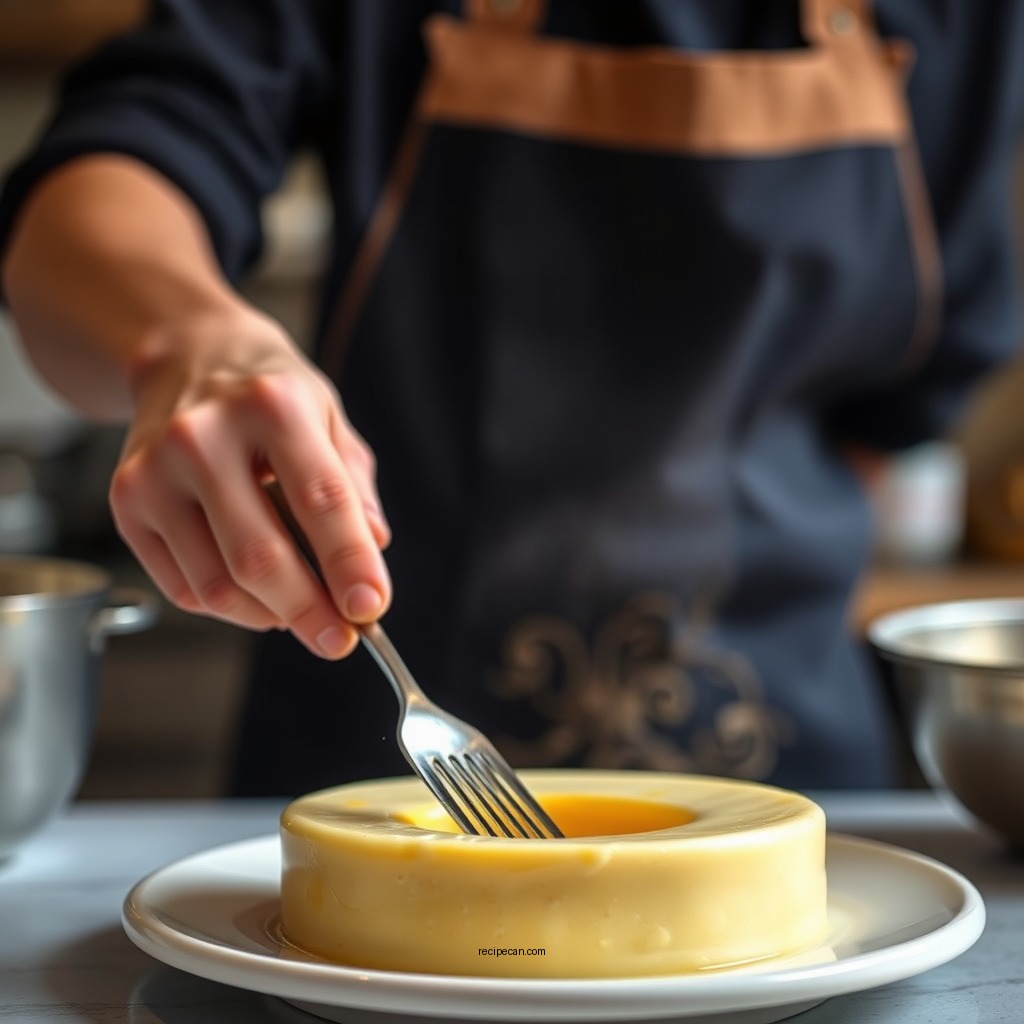
Making a basic egg custard involves a few straightforward steps:
1. Preheat the Oven: Preheat your oven to 325°F (160°C). This temperature ensures that the custard cooks evenly without scorching.
2. Mix Ingredients: In a mixing bowl, whisk together the eggs and sugar until well combined. Gradually add the milk or cream and the vanilla extract, whisking until the mixture is smooth. This step is crucial as it helps to incorporate air into the mixture, providing a lighter texture.
3. Pour Mixture: Carefully pour the custard mixture into your prepared baking dish. If desired, you can strain it through a fine sieve to remove any lumps for an ultra-smooth custard.
4. Prepare the Water Bath: Place the baking dish in a larger pan. Fill the outer pan with hot water until it reaches halfway up the sides of the custard dish. This water bath method protects the custard from direct heat.
5. Bake: Bake the custard for about 40 to 50 minutes or until it is set but still slightly jiggly in the center. A knife inserted in the center should come out clean.
Cooking Techniques
Understanding the cooking techniques is essential for perfecting your custard:
– Water Bath Method: This technique is vital for custard, as it creates a gentle cooking environment that helps to prevent the delicate egg proteins from curdling. Always ensure that your water bath is filled with hot water before placing it in the oven.
– Bake Until Set: Keep a close eye on the custard as it bakes. The custard is done when the edges are set, but the center still has a slight wobble. Overbaking can lead to a grainy texture, so it’s better to err on the side of caution.
Essential Ingredients for Egg Custard
| # | Ingredient | Quantity | Purpose |
|---|---|---|---|
| 1 | Eggs | 4 large | Structure & richness |
| 2 | Milk | 2 cups | Creaminess |
| 3 | Sugar | 1/2 cup | Sweetness |
| 4 | Vanilla Extract | 1 teaspoon | Flavor enhancement |
| 5 | Salt | A pinch | Flavor balance |
| 6 | Nutmeg (optional) | 1/4 teaspoon | Flavor enhancement |
Tips for Perfect Custard
To achieve the perfect egg custard, consider the following tips:
– Use Fresh Ingredients: The quality of your eggs and milk directly impacts the flavor and texture of your custard. Fresh ingredients yield a richer and more flavorful custard.
– Avoid Overcooking: Custard is sensitive to heat. Always monitor the baking process closely, and remove it from the oven as soon as it is set but still slightly jiggly in the center.
– Cool Before Serving: Once baked, allow the custard to cool for at least 30 minutes before serving. This cooling period helps it to set further and develop its flavor.
Variations of Egg Custard
Egg custard is incredibly versatile, allowing for various interpretations:
– Flavored Custards: Consider adding chocolate, lemon zest, or almond extract for a unique twist on the traditional recipe. Each flavor can transform the custard into a different dessert experience.
– Baked vs. Stovetop: While this recipe focuses on baked custard, you can also make a stovetop version that is cooked in a saucepan. This method can yield a thicker custard that is perfect for filling pastries.
Egg Custard Flavor Variations
The key to a delicious egg custard lies in the balance of ingredients and proper cooking techniques. By using quality ingredients, adhering to the outlined steps, and avoiding overcooking, you can ensure that your custard is creamy and delightful. Whether you choose to enjoy it plain or incorporate it into other desserts, mastering this simple egg custard recipe will open up a world of culinary possibilities. Now, gather your ingredients and embark on your journey to create your own basic egg custard!
Frequently Asked Questions
What are the basic ingredients for a simple egg custard recipe?
The basic ingredients for a simple egg custard recipe include eggs, milk, sugar, and vanilla extract. Typically, you’ll use whole eggs or a combination of whole eggs and egg yolks for richness, while whole milk provides a creamy texture. Sweeten with granulated sugar and enhance the flavor with pure vanilla extract.
How do you make egg custard from scratch?
To make egg custard from scratch, start by preheating your oven to 350°F (175°C). Whisk together eggs, sugar, milk, and vanilla in a mixing bowl until smooth, then pour the mixture into a baking dish or individual ramekins. Place the dish in a larger pan filled with hot water and bake for about 30-40 minutes, or until the custard is set.
Why did my egg custard turn out lumpy?
Lumpy egg custard can occur if the eggs are overcooked or if the mixture was not properly blended. To prevent this, make sure to whisk the ingredients thoroughly before baking and monitor the baking time closely, removing the custard from the oven as soon as it is set but still slightly jiggly in the center.
What is the best way to store leftover egg custard?
The best way to store leftover egg custard is to cover it tightly with plastic wrap or transfer it to an airtight container and refrigerate. It can stay fresh for up to three days in the refrigerator. For longer storage, consider freezing the custard, though this may affect its texture upon thawing.
Which types of milk are suitable for an egg custard recipe?
Whole milk is the most common choice for a rich and creamy egg custard, but you can use other types like 2% milk or even a dairy-free alternative such as almond or coconut milk. Keep in mind that non-dairy milks may alter the flavor and texture slightly, so choose one that complements your desired taste.
References
- Custard
https://en.wikipedia.org/wiki/Custard - https://www.bbc.co.uk/food/recipes/classic_vanilla_custard_73447
https://www.bbc.co.uk/food/recipes/classic_vanilla_custard_73447 - https://www.nytimes.com/recipes/1019852/classic-vanilla-custard
https://www.nytimes.com/recipes/1019852/classic-vanilla-custard - https://www.mayoclinic.org/healthy-lifestyle/nutrition-and-healthy-eating/in-depth/custard/art-20424972
https://www.mayoclinic.org/healthy-lifestyle/nutrition-and-healthy-eating/in-depth/custard/art-20424972 - https://www.verywellfit.com/custard-nutrition-facts-4171752
https://www.verywellfit.com/custard-nutrition-facts-4171752 - https://www.sciencedirect.com/topics/food-science/custard
https://www.sciencedirect.com/topics/food-science/custard - https://www.ncbi.nlm.nih.gov/pmc/articles/PMC6701759/
https://www.ncbi.nlm.nih.gov/pmc/articles/PMC6701759/ - Google Scholar Google Scholar
https://scholar.google.com/scholar?q=basic+egg+custard+recipe - Google Scholar Google Scholar
https://scholar.google.com/scholar?q=custard+nutrition - Google Scholar Google Scholar
https://scholar.google.com/scholar?q=hints+for+making+perfect+custard