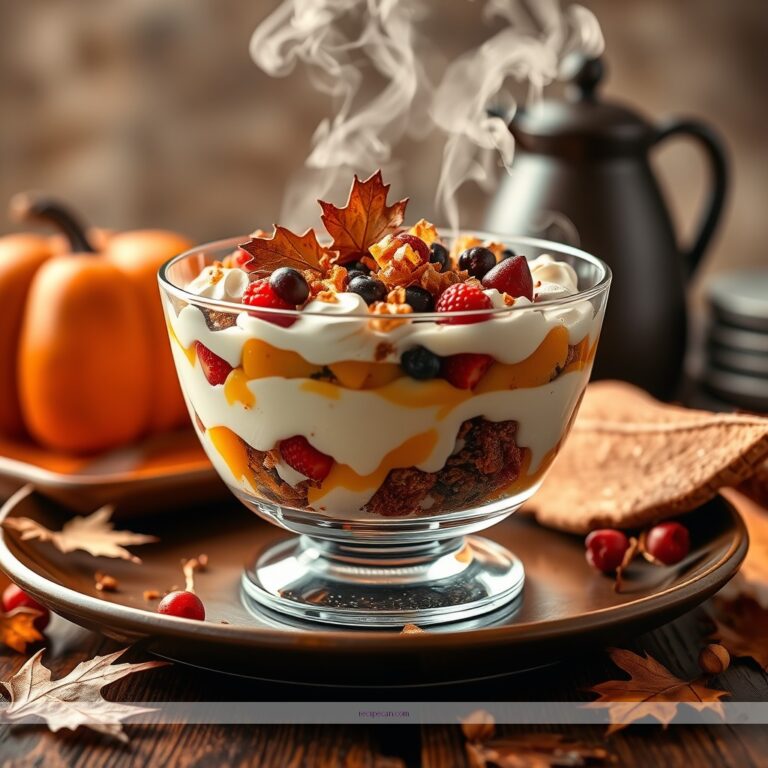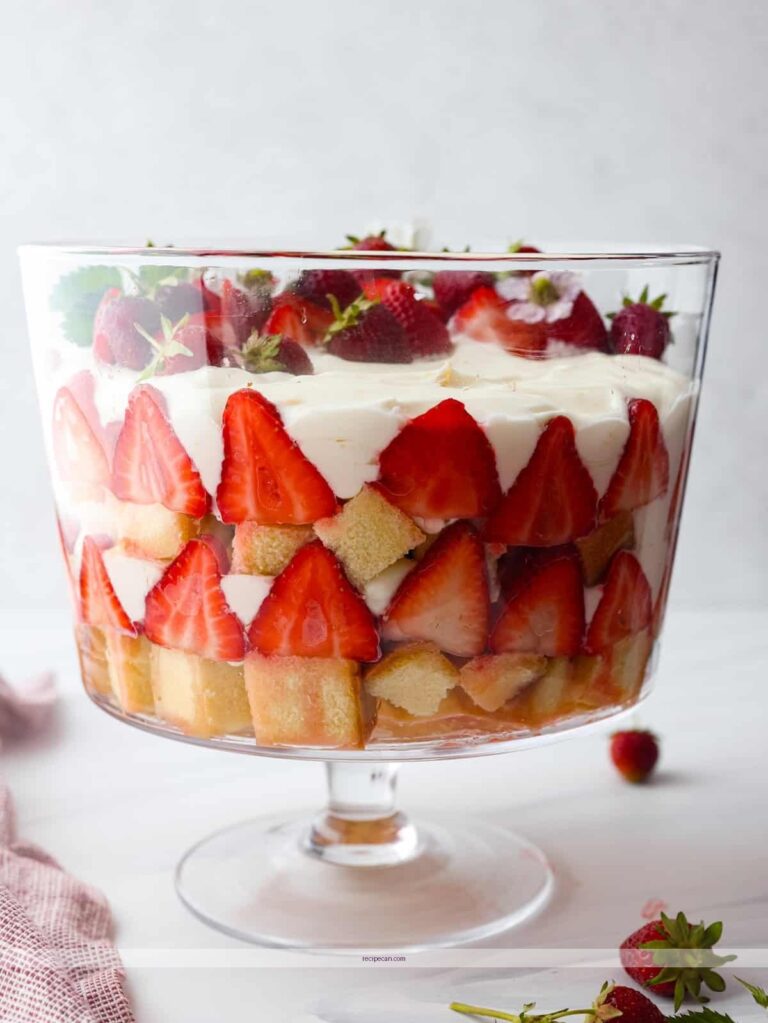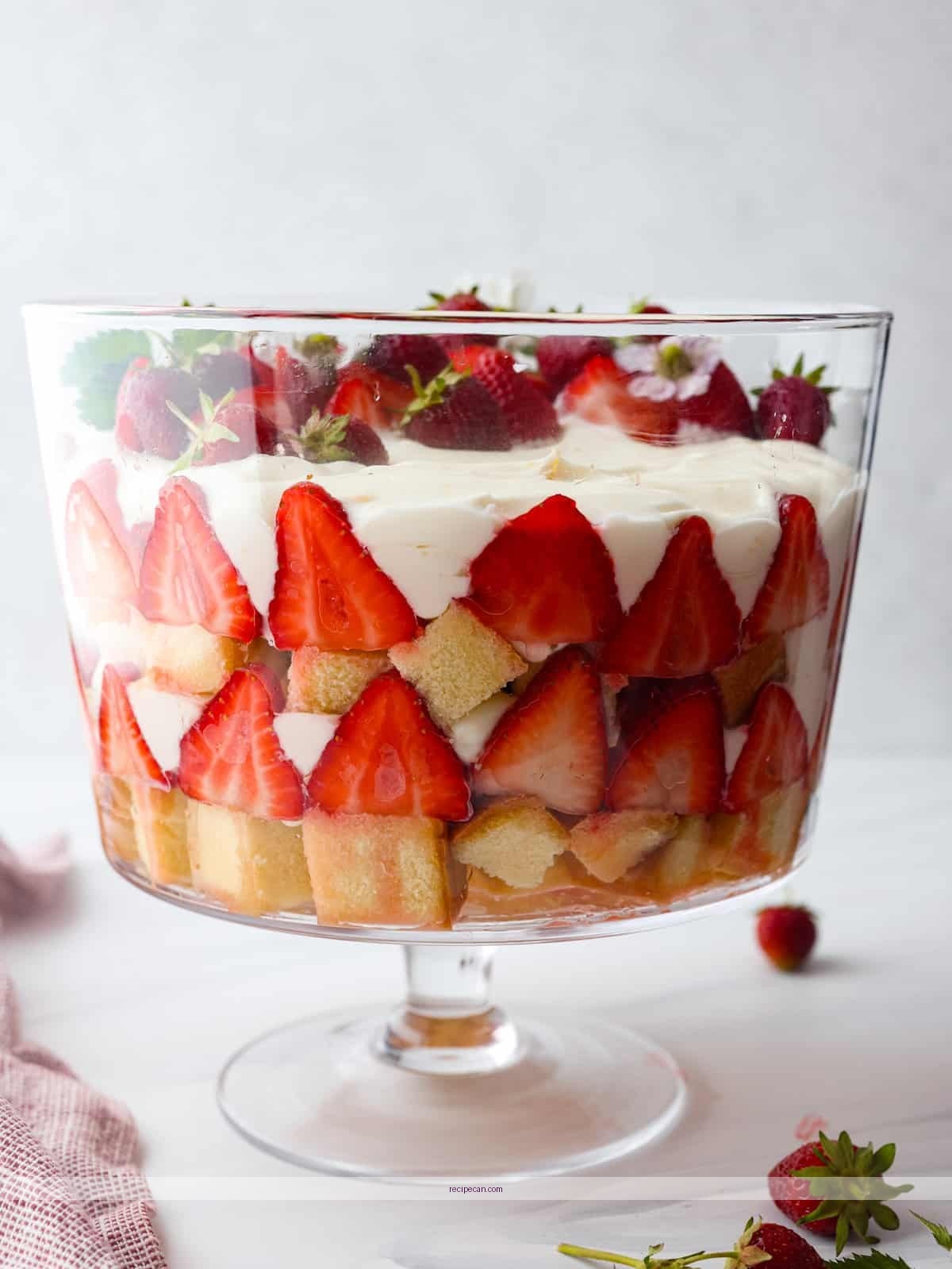
This simple and delicious trifle recipe stands out as the ultimate dessert for gatherings, combining rich flavors and stunning presentation. Whether you’re hosting a party or looking to impress guests at a family dinner, this recipe delivers both ease and elegance. Discover how to create a show-stopping trifle that will leave everyone asking for seconds.
Trifle is a layered dessert that combines sponge cake, custard, fresh fruit, and whipped cream into a stunning presentation that is just as delightful to eat as it is to look at. This classic British dessert is not only visually appealing but also simple to prepare, making it perfect for any occasion—from family gatherings to formal celebrations. By following this straightforward recipe, you can create a trifle that will impress your guests and satisfy your sweet tooth.
Recipe Overview
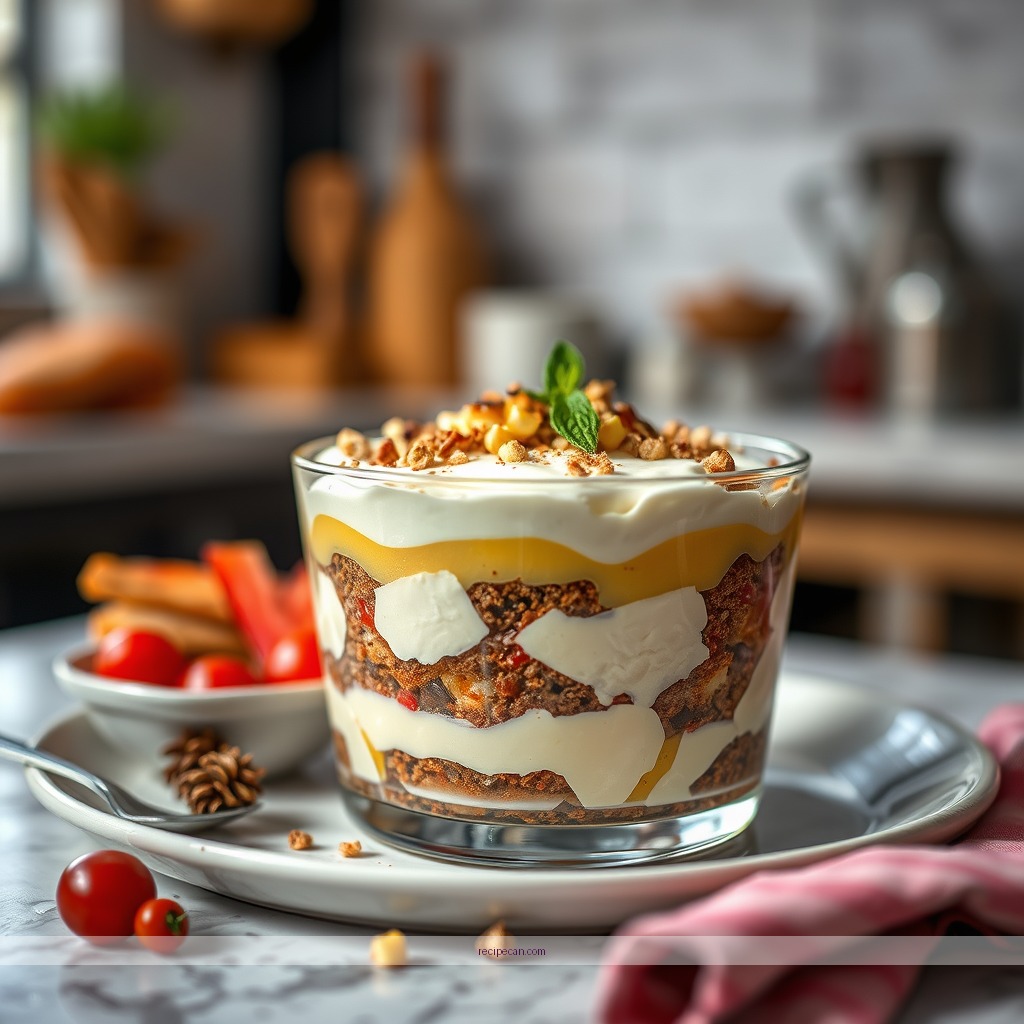
Trifle is a traditional British dessert that celebrates a blend of textures and flavors in an eye-catching presentation. The layers of sponge cake absorb the richness of the custard, while the fresh berries provide a burst of flavor and color. This recipe is designed to yield about 6 servings, making it a generous treat for sharing. It’s simple enough for beginners, yet elegant enough to be a centerpiece at any gathering.
Time Required
– 🕐 Prep Time : 20 minutes
– 🍳 Chill Time : 2 hours (for best flavor)
– ⏱ Total Time : 2 hours 20 minutes
Ingredients
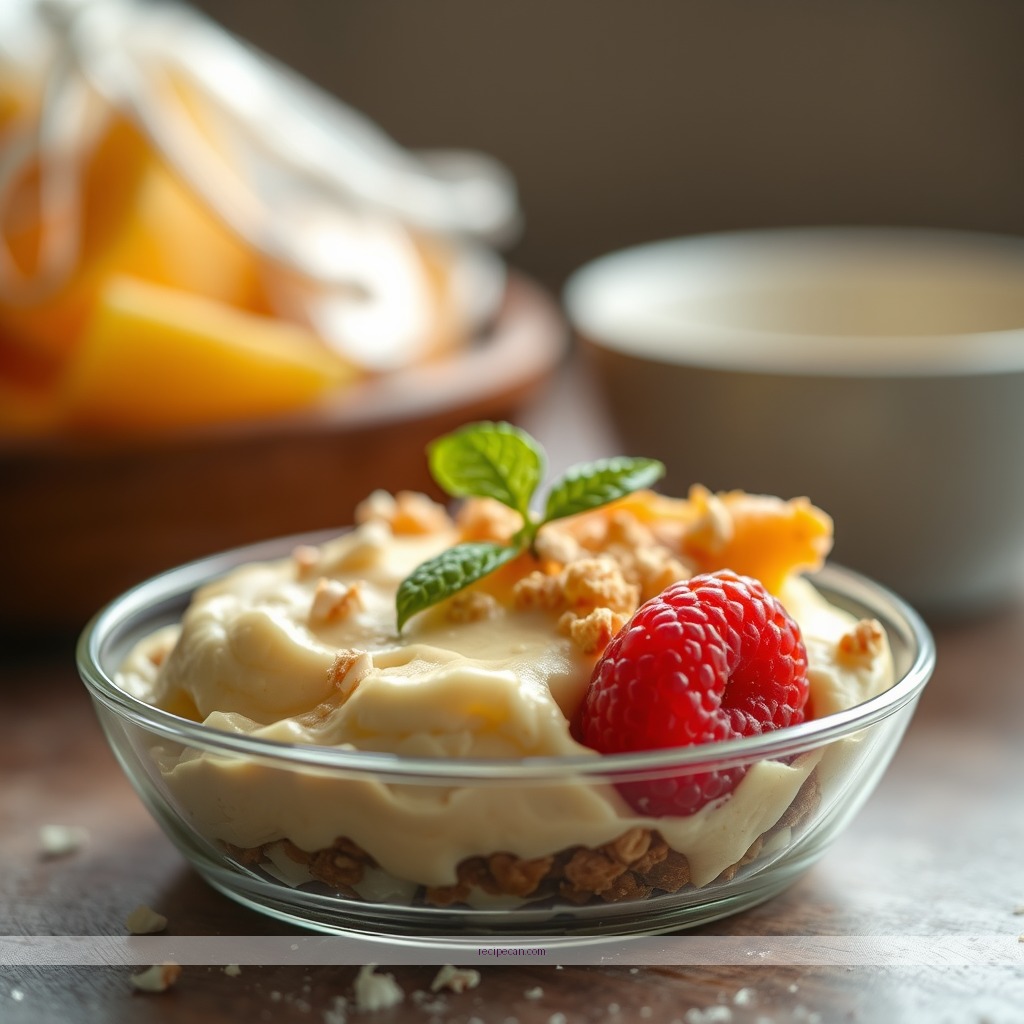
The success of your trifle largely depends on the quality of your ingredients. Fresh, ripe berries will enhance the dessert’s flavor, while a good custard will provide creaminess. Whenever possible, opt for homemade custard or high-quality store-bought options.
Main Ingredients
– 1 pound (450g) fresh mixed berries (strawberries, blueberries, raspberries)
– 1 pound (450g) sponge cake or ladyfingers, cut into slices
– 2 cups (480ml) vanilla custard
– 1 cup (240ml) heavy whipping cream
– 2 tablespoons sugar (for sweetening the cream)
– Fresh mint leaves (for garnish)
Step-by-Step Instructions

1. Prepare the Berries: Start by washing the mixed berries thoroughly. Slice the larger strawberries into halves or quarters to ensure even distribution throughout the trifle. Set aside a few of the prettiest berries for garnishing later.
2. Layer the Cake: In a large trifle dish, arrange a layer of sponge cake or ladyfingers at the bottom. For added flavor, consider soaking them lightly in fruit juice or sherry—just a drizzle will do. This step enhances the flavor without making the layers soggy.
3. Add Custard: Using a spoon, gently spread a layer of vanilla custard over the cake, making sure to cover the entire surface evenly. The custard acts as a creamy bridge between the cake and fruit layers.
4. Add Berries: Generously distribute the mixed berries on top of the custard layer. Spread them out to ensure every bite is packed with fruity goodness.
5. Repeat Layers: Continue the layering process with more sponge cake, custard, and berries until you reach the top of your trifle dish. Finish with a final layer of custard for a smooth top.
6. Whip the Cream: In a separate mixing bowl, whip the heavy cream with the sugar until soft peaks form. Take care not to overwhip, as this can lead to a grainy texture. Once ready, spread the whipped cream over the final custard layer.
7. Chill and Serve: Cover the trifle with plastic wrap and place it in the refrigerator for at least 2 hours. This chilling time allows the flavors to meld beautifully. Just before serving, garnish with fresh mint leaves and the reserved berries for an extra touch of elegance.
Heat & Temperature Guide
Cooking Method
This recipe does not involve cooking on the stove or oven, but the chilling process is essential to achieving the best flavors and textures.
Temperature & Timing
The trifle should be chilled in the refrigerator at a temperature of approximately 4°C (39°F) for a minimum of 2 hours, allowing the layers to set properly.
How to Know It’s Done
The trifle is ready to serve when it has been properly chilled. The layers should hold their shape when sliced, and the flavors will be harmonized.
What to Avoid & Precautions
Creating a trifle is a rewarding experience, but there are a few common pitfalls to be aware of:
Soggy Layers
To avoid soggy layers, do not soak the sponge cake too long. A light drizzle of juice or sherry will suffice; excess moisture can lead to an undesirable texture.
Overwhipped Cream
Whipping cream requires attention; it can quickly turn from fluffy to grainy if overwhipped. Stop as soon as soft peaks form, and remember that a gentle hand is key.
Common Mistakes & How to Fix Them
Soggy Cake Layers
If your cake layers turn out soggy, it may be due to over-soaking. To fix this in the future, simply apply a light drizzle instead of soaking the cake.
Lumpy Custard
Sometimes custard can develop lumps if not properly mixed. To prevent this, whisk vigorously while cooking and ensure it is cooked over low heat.
Stiff Whipped Cream
If your whipped cream becomes too stiff, consider adding a splash of milk and gently folding it in to restore a creamy texture.
How to Serve
Plating & Presentation
Serve your trifle in clear glass dishes to showcase the beautiful layers. For an elegant twist, use individual glasses for a personal touch, perfect for parties or gatherings.
What Goes Well With It
Trifle pairs beautifully with a cup of tea or coffee, making it an excellent choice for afternoon gatherings. You might also consider serving it alongside light cookies or biscuits.
Storage
Trifle can be stored in the refrigerator for up to 3 days. However, for the best flavor and texture, it is recommended to enjoy it within 24 hours of preparation.
In conclusion, creating a trifle is not only an enjoyable culinary experience but also a delightful way to celebrate special moments. The vibrant layers and delicious flavors make this dessert a standout choice for any occasion. Gather your ingredients, follow the steps, and treat yourself and your loved ones to a beautifully crafted homemade trifle!
Frequently Asked Questions
What are the essential ingredients for a classic trifle recipe?
A classic trifle typically includes layers of sponge cake (often ladyfingers), custard, fruit (such as strawberries or raspberries), whipped cream, and sometimes jelly. You can also add sherry or another fortified wine for flavor. Using high-quality ingredients will elevate your trifle and make it a delightful dessert for any occasion.
How do I make a no-bake trifle?
To make a no-bake trifle, start by layering store-bought sponge cake or cookies with prepared pudding or custard, fresh fruit, and whipped cream in a clear glass dish. Allow the trifle to chill in the refrigerator for at least a few hours to let the flavors meld. This method is perfect for quick and easy preparation without the need for baking.
Why is my trifle soggy?
A soggy trifle often results from overly moist cake or inadequate chilling time. To prevent this, ensure that your sponge cake is not overly saturated with liquid and let your trifle chill long enough for the layers to set. Additionally, consider using a denser cake or cutting back on liquids like fruit juices or syrups.
What is the best fruit to use in trifle?
The best fruits for trifle are those that complement the creamy layers and add a fresh flavor, such as strawberries, raspberries, blueberries, and bananas. Seasonal fruits like peaches or mixed berries can also create a delightful combination. Choose ripe fruits for the best taste and presentation.
Which type of cream is best for topping a trifle?
The best cream for topping a trifle is heavy whipping cream, as it whips up beautifully and holds its shape well. To enhance the flavor, consider adding a bit of vanilla extract or powdered sugar to your whipped cream. This will create a rich and fluffy topping that pairs perfectly with the layers of your trifle.
References
- https://en.wikipedia.org/wiki/Trifle
https://en.wikipedia.org/wiki/Trifle - https://www.bbc.co.uk/food/recipes/trifle_89864
https://www.bbc.co.uk/food/recipes/trifle_89864 - https://www.britannica.com/topic/trifle-dessert
https://www.britannica.com/topic/trifle-dessert - https://www.nytimes.com/2009/12/23/dining/23mini.html
https://www.nytimes.com/2009/12/23/dining/23mini.html - https://www.sciencedirect.com/topics/food-science/trifle
https://www.sciencedirect.com/topics/food-science/trifle - Small RNA Regulators of Plant-Hemipteran Interactions: Micromanagers with Versatile Roles – PMC
https://www.ncbi.nlm.nih.gov/pmc/articles/PMC5003895/ - Google Scholar Google Scholar
https://scholar.google.com/scholar?q=recipe+for+trifle - Google Scholar Google Scholar
https://scholar.google.com/scholar?q=trifle+dessert+history - Google Scholar Google Scholar
https://scholar.google.com/scholar?q=traditional+trifle+recipe - https://www.theguardian.com/food/2020/dec/14/how-to-make-a-trifle-a-recipe-for-the-perfect-trifle
https://www.theguardian.com/food/2020/dec/14/how-to-make-a-trifle-a-recipe-for-the-perfect-trifle