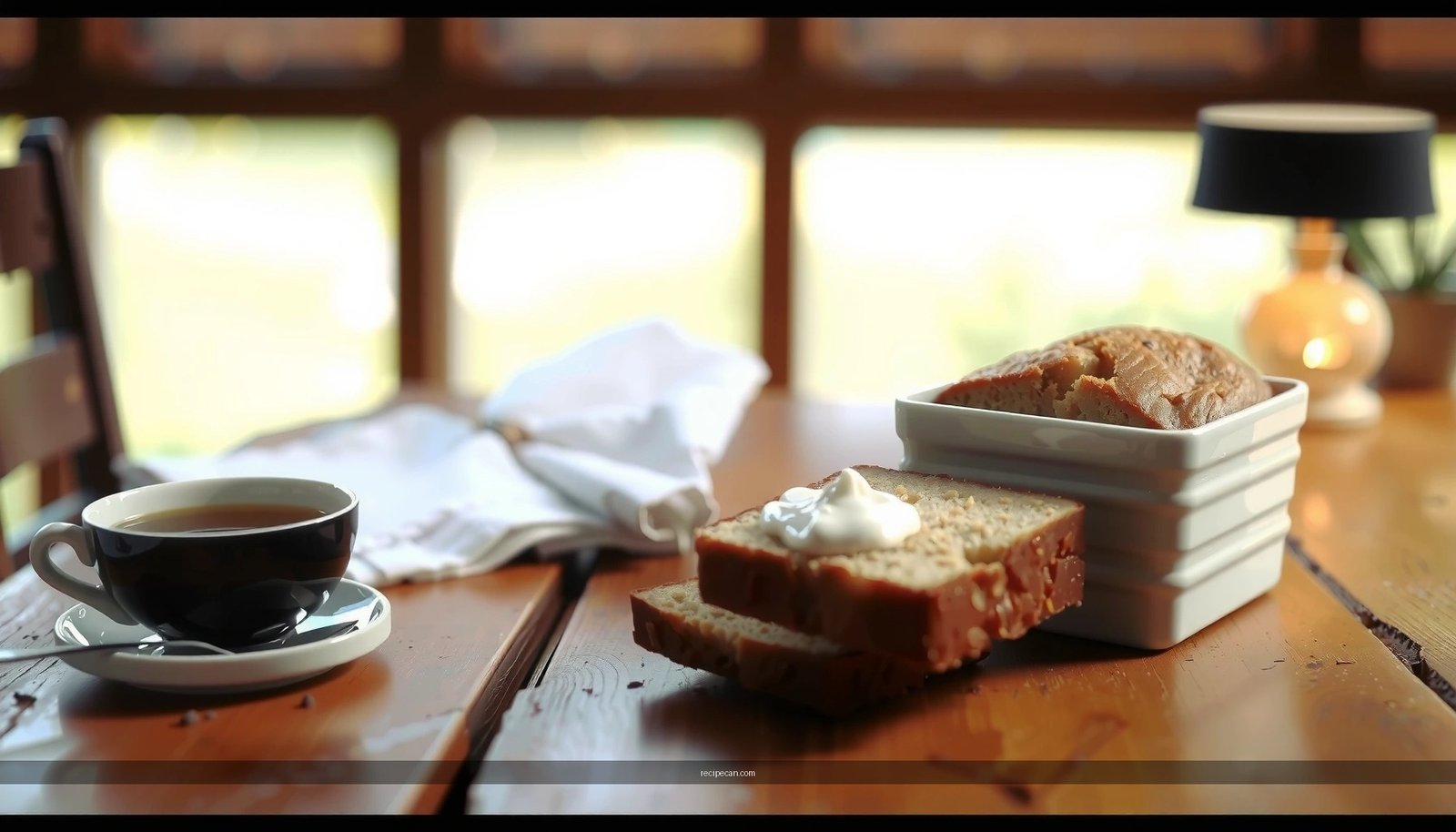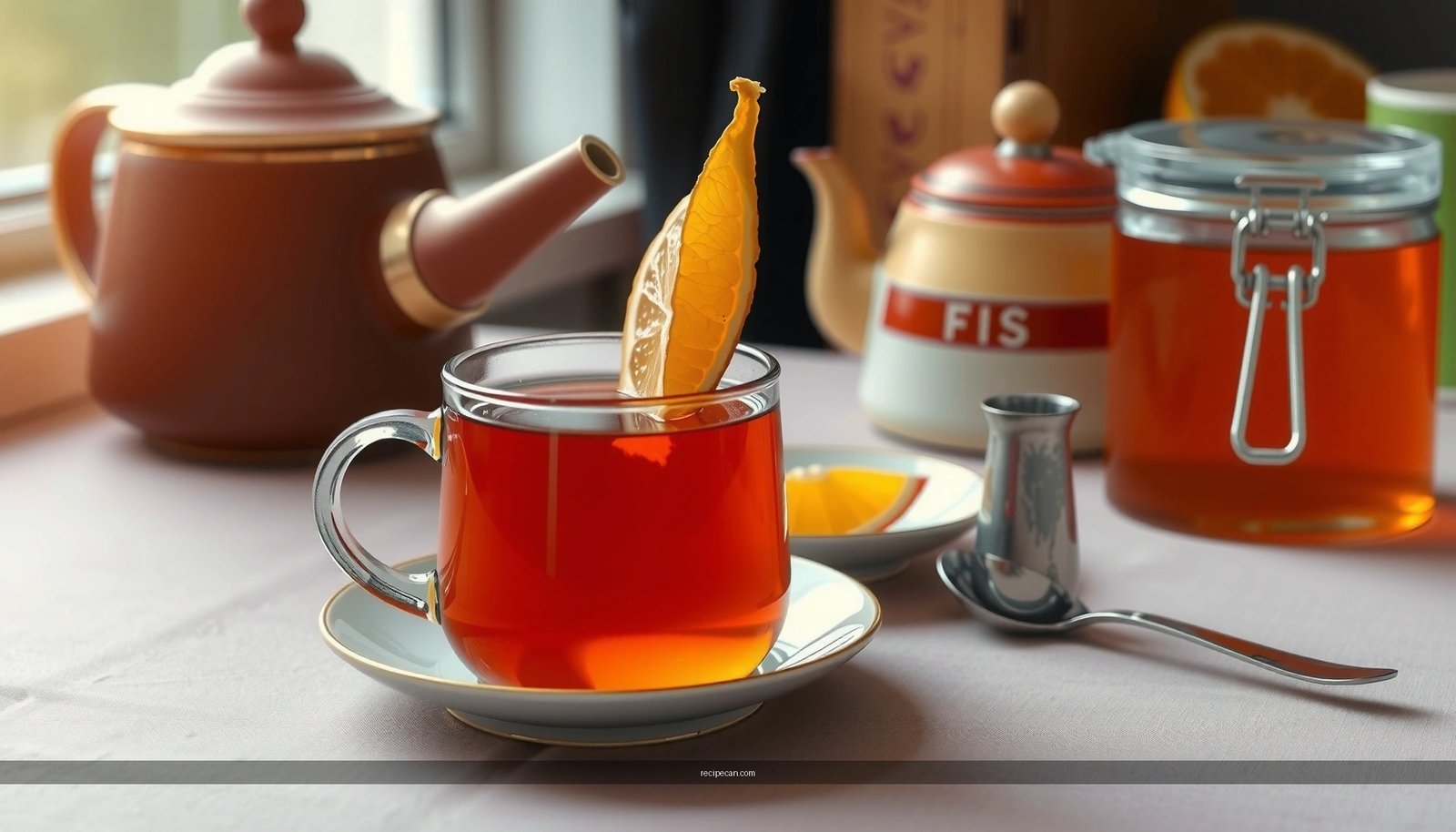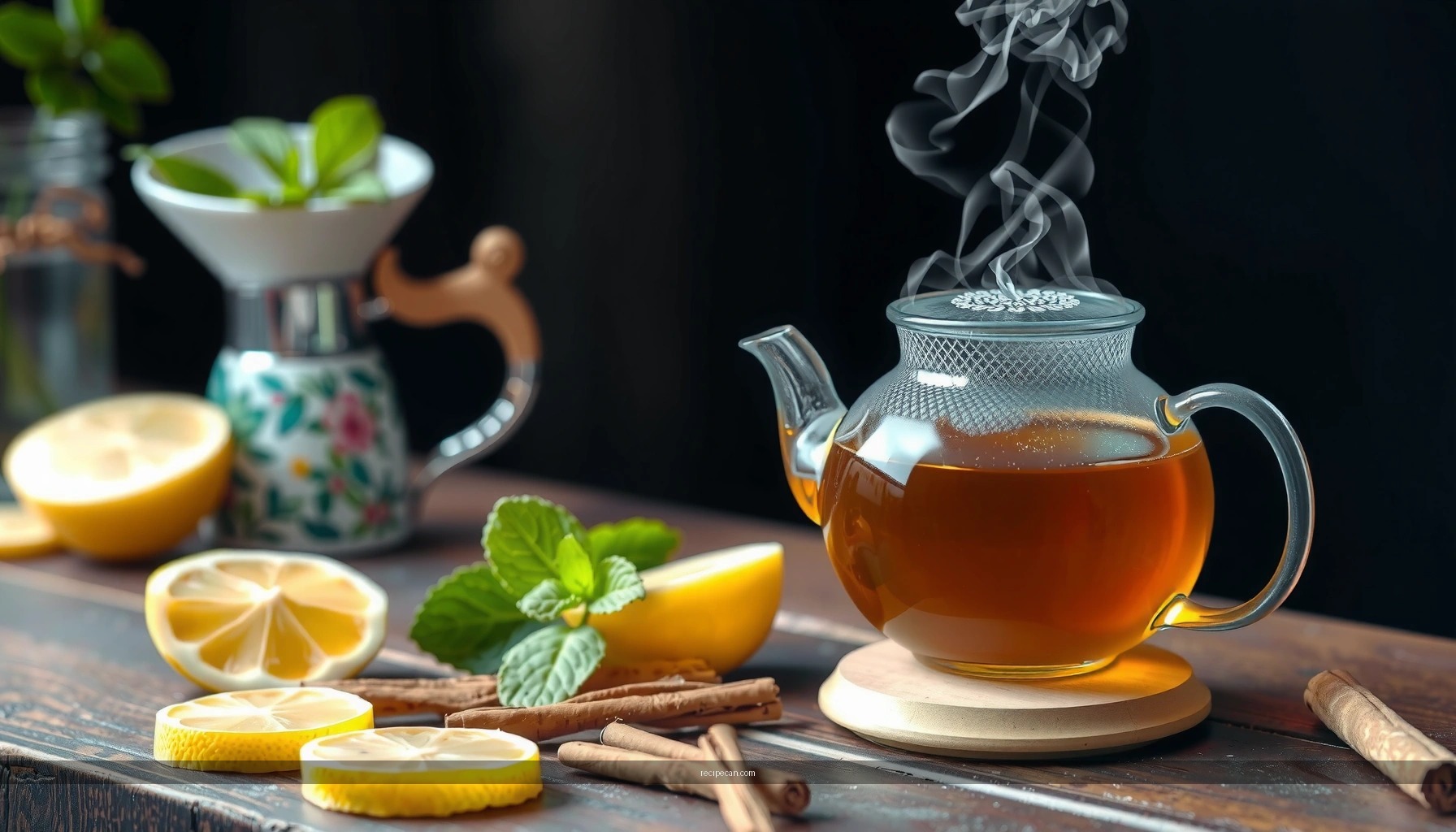
Looking for recipe tea you can actually nail at home? This guide picks the best delicious recipe tea methods and walks you through brewing and flavor-building so every cup comes out rich, balanced, and not bitter. You’ll get clear, step-by-step tea recipes—including timing and ingredient choices that determine whether your batch tastes flat or truly outstanding.
Recipe tea is the fastest way to make consistently great tea at home: brew a specific blend of ingredients using repeatable measurements and timings. In this guide, you’ll learn how to choose the right tea base, balance flavor add-ins, and dial in strength so every cup tastes intentional—whether you’re making herbal, spiced, or fruit-forward recipe tea.
Choose Your Recipe Tea Type
Selecting a recipe tea type is the decision that controls everything downstream—flavor intensity, caffeine level, aroma, and even your ideal serving temperature.
– Pick a style like herbal, black, green, spiced, or fruit tea
Herbal recipe tea (e.g., chamomile, peppermint, rooibos) is typically caffeine-free and excels for bedtime or calming routines. Black tea offers deeper, malty notes and stands up well to cinnamon, citrus peel, and ginger. Green tea is more delicate; recipe tea that uses green tea typically needs gentler steeping to avoid bitterness. Spiced tea (chai-style or simplified spice blends) is all about controlled heat and fragrance—think cinnamon, cardamom, cloves, and ginger. Fruit tea can be made with black/green bases or entirely herbal; it shines with berries, citrus, hibiscus, and apple notes.
– Decide whether you want hot or iced recipe tea
Hot recipe tea generally needs precise steeping time to protect flavor balance. Iced recipe tea is less forgiving: strong flavors can taste harsh when chilled, while weak blends can taste flat. A practical approach is to brew a slightly stronger base hot and then chill quickly—especially for fruit and spiced recipes.
– Match flavors to the occasion (relaxing, energizing, or soothing)
Use a simple “purpose filter”:
– Relaxing: chamomile + honey, peppermint + citrus, rooibos + vanilla
– Energizing: black tea + citrus peel, green tea + ginger, yerba mate (if you use it)
– Soothing: ginger + lemon, cinnamon + honey, hibiscus + orange
A helpful way to align expectations is to understand how tea types typically behave when steeped. The table below summarizes what most home brewers experience when choosing their tea base and brewing goals.
Recommended Tea Base Choices for Common Recipe Tea Goals
| # | Recipe Tea Goal | Best Base Type | Typical Brew Water (°C) | Steep Time (min) | Repeatability |
|---|---|---|---|---|---|
| 1 | Calming / evening | Chamomile or Rooibos | 95°C | 5–8 | ★★★★☆ |
| 2 | Warming spiced comfort | Black tea | 90–95°C | 3–5 | ★★★★☆ |
| 3 | Bright, citrus-forward | Black or Green | 80–95°C | 2–4 | ★★★☆☆ |
| 4 | Fresh, light energizing | Green tea | 70–80°C | 1.5–3 | ★★★☆☆ |
| 5 | Fruit-forward, crowd-pleasing | Hibiscus base or Black | 90–100°C | 4–7 | ★★★★★ |
| 6 | Low bitterness margin | Herbal (peppermint, lemon balm) | 90–100°C | 5–10 | ★★★★★ |
| 7 | Spiced tea for batching (iced) | Black tea + spices | 90–95°C | 3–5 | ★★☆☆☆ |
Gather Ingredients and Flavor Add-Ins
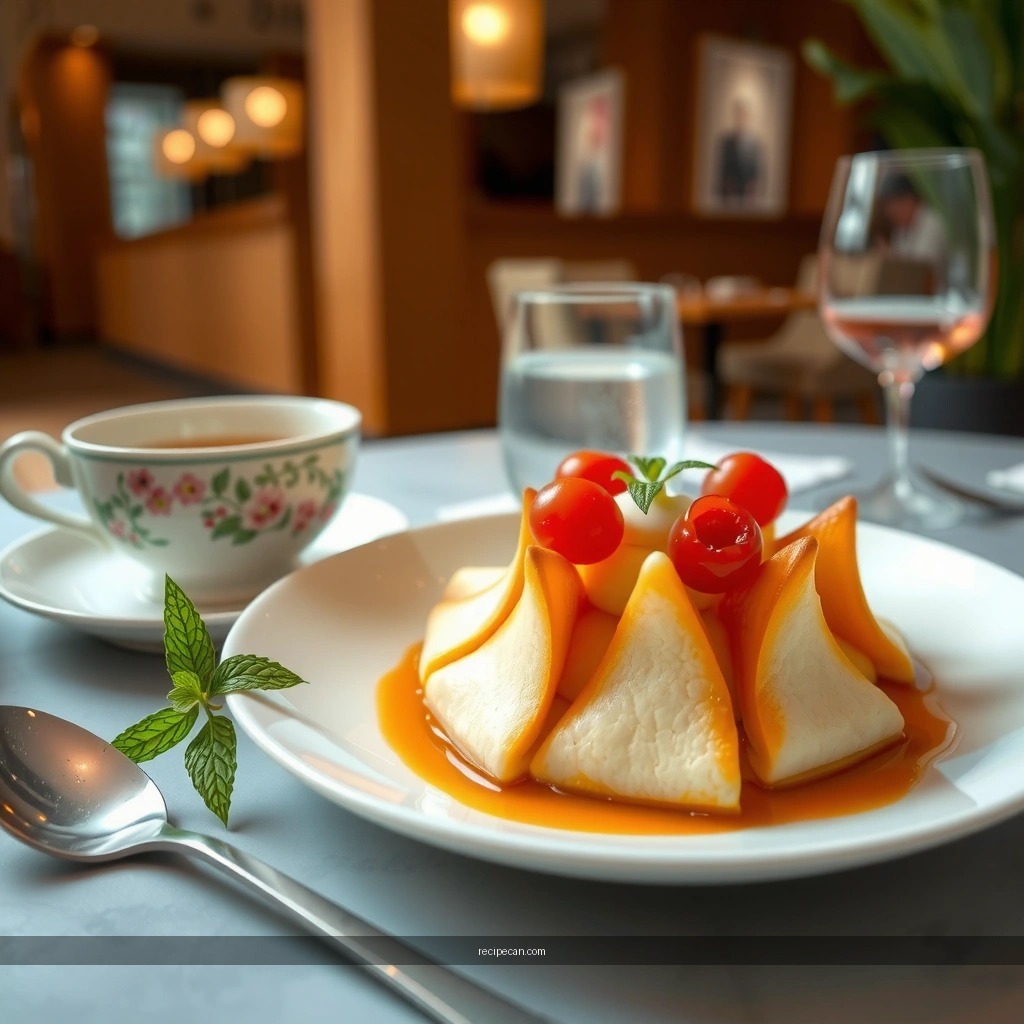
Think of recipe tea ingredients as two layers: a tea base (for body and tannin balance) and flavor add-ins (for aroma and brightness).
– Use tea base leaves/bags plus add-ins like ginger, lemon, cinnamon, or honey
A reliable home workflow is to start with:
– Base: black tea bags, green tea leaves, or herbal blends
– Add-ins: fresh ginger slices, lemon peel (avoid lots of pith), cinnamon sticks, dried orange peel, honey, or vanilla
– Balance sweetness, acidity, and spice for the best flavor
A common mistake in recipe tea is adding everything at once and then “fixing” with extra sweetness. Instead, aim for balance:
– Sweetness (honey, sugar) softens bitterness and spice heat
– Acidity (lemon juice or hibiscus) brightens and sharpens fruit notes
– Spice (ginger, cinnamon, cloves) brings warmth and depth
If a tea tastes sharp, add a touch of honey after steeping. If it tastes flat, try more aromatic peel (citrus) or a pinch more cinnamon—never just more hot water.
– Measure ingredients so the recipe tea tastes the same each time
Consistency is the main advantage of making recipe tea at home versus improvising. For one mug (about 350–400 ml), start with:
– 1 tea bag or 1–2 grams of loose tea
– Add-ins: typically 2–6 slices ginger, or 1 cinnamon stick, or a strip of citrus peel
– Sweetener: usually 1–2 teaspoons, adjusted only after steeping
Once you find your sweet spot, record the exact quantities and steep time in a simple “tea log.”
Brewing Basics for Perfect Strength
Perfect strength comes from two controls: water temperature and steep time. The goal is to extract flavor without extracting harshness.
– Use the right water temperature for your tea type
In practice:
– Green tea: 70–80°C to preserve freshness
– Black tea: 90–95°C for body
– Herbal tea: 95–100°C since most herbs tolerate higher heat
Too hot or too long can turn a recipe tea bitter, especially with green tea and citrus peel.
– Steep for the recommended time to avoid bitterness
Use a timer. A strong rule of thumb:
– Green: 1.5–3 minutes
– Black: 3–5 minutes
– Herbal/spiced fruit: 5–8 minutes (some blends 10 minutes)
Spices like cinnamon sticks can continue releasing flavor even after steeping, so taste and adjust early.– Taste and adjust by extending steep time or adding a small amount of flavor
If your tea is underwhelming:
– Extend steeping by 30–60 seconds (not minutes at a time)
– Add a small extra amount of aromatic ingredient (e.g., a second cinnamon stick segment)
– Avoid adding more tea leaves every attempt—adjusting one variable at a time produces predictable results
Easy Recipe Tea Options to Try
Once your method is stable, recipe tea becomes a repeatable system. Here are three high-satisfaction options that balance familiar flavors with clear technique.
– Try a simple ginger-lemon tea with honey (great for warming up)
How to make: Brew black or herbal base (herbal is most soothing), steep ginger slices, then add lemon peel and honey after steeping.
Why it works: ginger provides warmth and aroma; lemon peel lifts the profile; honey rounds out sharp edges.
– Make a cinnamon-spiced black tea for cozy flavor
How to make: Steep black tea with a cinnamon stick and optional clove (use sparingly). Add a small honey amount after steeping.
Why it works: black tea’s tannins pair naturally with cinnamon’s sweet spice notes.
– Blend fruit-forward iced tea with berries or citrus slices
How to make: Brew a hot fruit tea base or a black tea base with hibiscus/dried berries, then chill quickly over ice. Add fresh citrus slices right before serving.
Why it works: quick chilling locks in brightness; fresh citrus prevents a “cooked” flavor.
Sweetening, Garnishing, and Serving Tips
Serving is part of the recipe tea experience. Small presentation and timing changes can dramatically improve perceived flavor.
– Add sweeteners after steeping so they dissolve properly
Honey and sugar dissolve better in hot tea, but adding them too early can sometimes dull aromatics. A reliable approach is: steep → taste → sweeten → serve.
– Garnish with fresh herbs, citrus wheels, or cinnamon sticks
Consider garnishes as “aroma delivery.” Examples:
– Fresh mint for peppermint tea blends
– Orange wheel for hibiscus or berry teas
– Cinnamon stick for spiced black tea (visual + scent)
– Serve hot or over ice, and strain if using loose spices
Loose spices can leave sediment. For clean results:
– Use a fine strainer or tea infuser
– If batch-making iced recipe tea, cool first, then refrigerate—don’t leave it hot too long or the spice notes can intensify beyond your target.
Make It Your Own (Simple Custom Swaps)
Customization works best when you keep the brewing method constant and change only one flavor variable at a time.
– Swap flavors while keeping the same brewing method and steep time
For example, keep your base and steeping time identical, then try:
– Ginger → cardamom
– Lemon peel → orange peel
– Cinnamon stick → vanilla bean or star anise (lightly)
– Adjust spice intensity by using more/less cinnamon or ginger
Spice intensity doesn’t just come from “more.” It also comes from form:
– Powdered spices extract faster and can taste harsher if oversteeped
– Whole spices (sticks/slices) release more gradually and are easier to control
Increase gradually: one extra cinnamon stick segment or one additional ginger slice per mug.
– Keep a “favorite” recipe tea log to repeat what works
A simple log improves results over time. Record:
– tea base type and brand
– grams or number of tea bags
– add-ins and exact amounts
– water temperature and steep time
– sweetness level and whether you added lemon juice after steeping
Recipe tea is about consistency: the right ingredients plus repeatable steps. Start with one easy recipe, brew it with correct time and temperature, and then tweak sweetness and spices until it matches your taste.
Try one new recipe tea this week and save the version you like best for next time. If you want, tell me which flavors you enjoy (e.g., citrus, ginger, cinnamon, berries) and whether you prefer hot or iced—I can suggest a few tightly measured home recipes based on your preferences.
Frequently Asked Questions
What is recipe tea and how is it different from regular tea?
Recipe tea is tea prepared using a specific method or flavor formula—often combining brewed tea with ingredients like herbs, spices, honey, citrus, or milk. Unlike plain regular tea, recipe tea is designed for a consistent taste outcome, such as a soothing bedtime blend or a spiced “chai-style” cup. Many people search for recipe tea when they want more flavor, health-focused ingredients, or a simple routine without guessing measurements.
How do I make recipe tea at home without it tasting bitter?
To prevent bitterness, use the right steeping time and temperature for the tea base (for many teas, 3–5 minutes and not boiling water works best). Add sweeteners or milk after steeping so they don’t affect the extraction, and include balancing ingredients like cinnamon, ginger, orange peel, or a pinch of salt if your blend feels harsh. If you’re using loose herbs, strain well and avoid overloading the blend—too many ingredients can overpower the cup.
Why should I use a measured recipe for tea blends instead of “eyeballing” ingredients?
A measured recipe tea approach helps you repeat the same flavor profile every time, which is especially useful when trying specific goals like stress relief or digestion support. Consistency also makes it easier to adjust strength—if the tea tastes too mild or too intense, you can fine-tune steep time, tea-to-water ratio, or the amount of spices. Over time, a reliable recipe tea method becomes a dependable habit rather than a trial-and-error process.
What is the best recipe tea for relaxation before bed?
A popular option is a caffeine-free herbal recipe tea blend using chamomile, lemon balm, or rooibos with warm spices like cinnamon. For a soothing flavor, consider adding a little honey after brewing and letting the tea cool slightly before sipping. Look for blends that avoid black tea or caffeinated ingredients if you want true bedtime-friendly tea.
Which ingredients work best in a homemade recipe tea for a “chai” flavor?
To build a classic chai-style recipe tea, start with black tea or rooibos (for a caffeine-free version), then add ginger, cinnamon, cardamom, and cloves. Simmer spices briefly in water first, then brew the tea, and finish with milk (dairy or plant-based) to create a creamy, rounded taste. Adjust sweetness with honey or sugar to match your preference, and strain the spices well so your chai tea stays smooth.
References
- https://scholar.google.com/scholar?q=tea+brewing+time+temperature+infusion+recipe Google Scholar
https://scholar.google.com/scholar?q=tea+brewing+time+temperature+infusion+recipe - Google Scholar Google Scholar
https://scholar.google.com/scholar?q=herbal+tea+preparation+safety+adverse+effects - Google Scholar Google Scholar
https://scholar.google.com/scholar?q=black+tea+polyphenols+brewing+parameters - Tea
https://en.wikipedia.org/wiki/Tea - Herbal tea
https://en.wikipedia.org/wiki/Herbal_tea - https://www.nccih.nih.gov/health/tea-and-your-health
https://www.nccih.nih.gov/health/tea-and-your-health - https://www.mayoclinic.org/drugs-supplements/green-tea/art-20361141
https://www.mayoclinic.org/drugs-supplements/green-tea/art-20361141 - https://www.britannica.com/topic/tea
https://www.britannica.com/topic/tea - https://www.hsph.harvard.edu/nutritionsource/food-features/tea/
https://www.hsph.harvard.edu/nutritionsource/food-features/tea/ - https://pubmed.ncbi.nlm.nih.gov/?term=tea+brewing+time+temperature
https://pubmed.ncbi.nlm.nih.gov/?term=tea+brewing+time+temperature