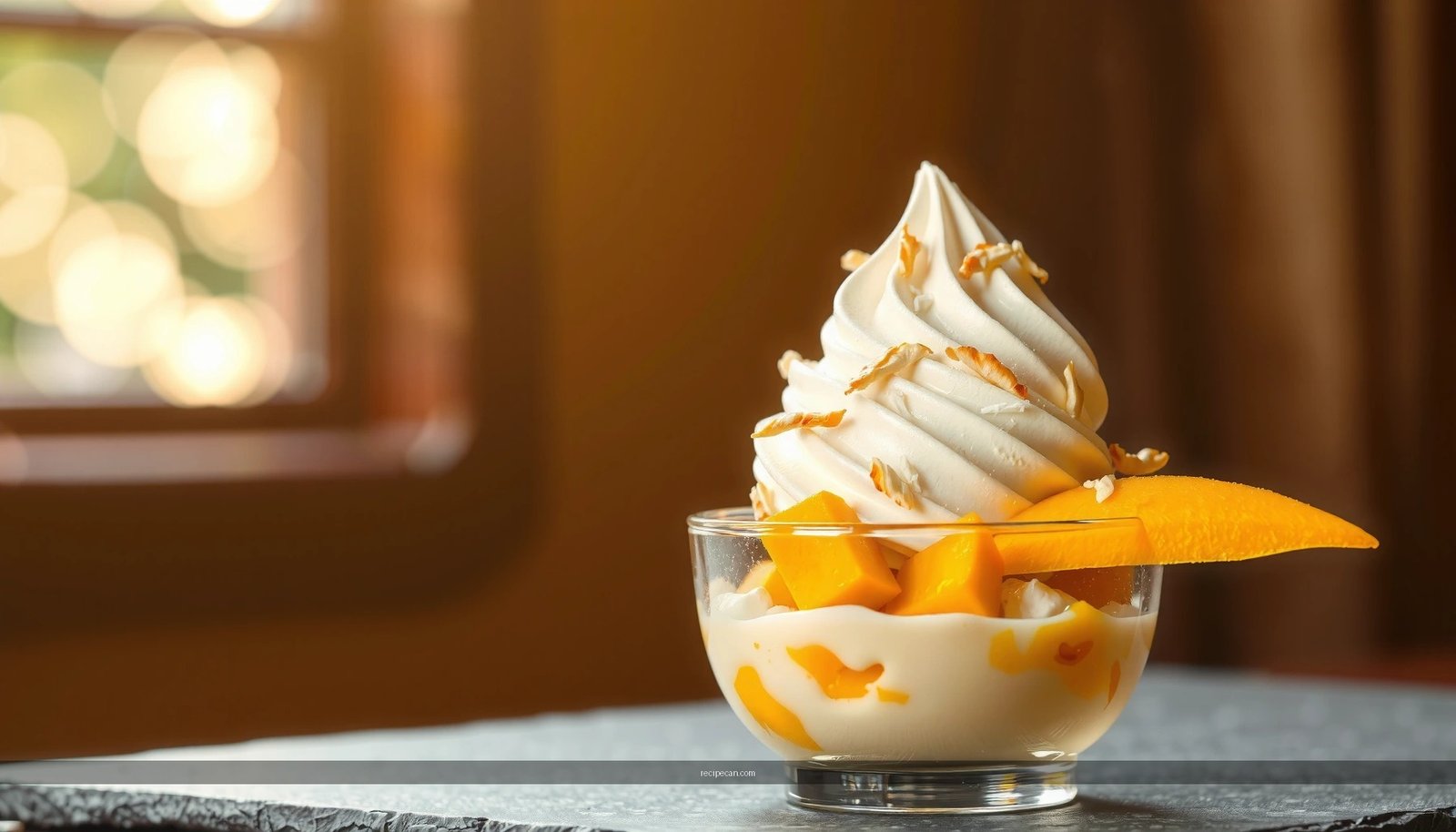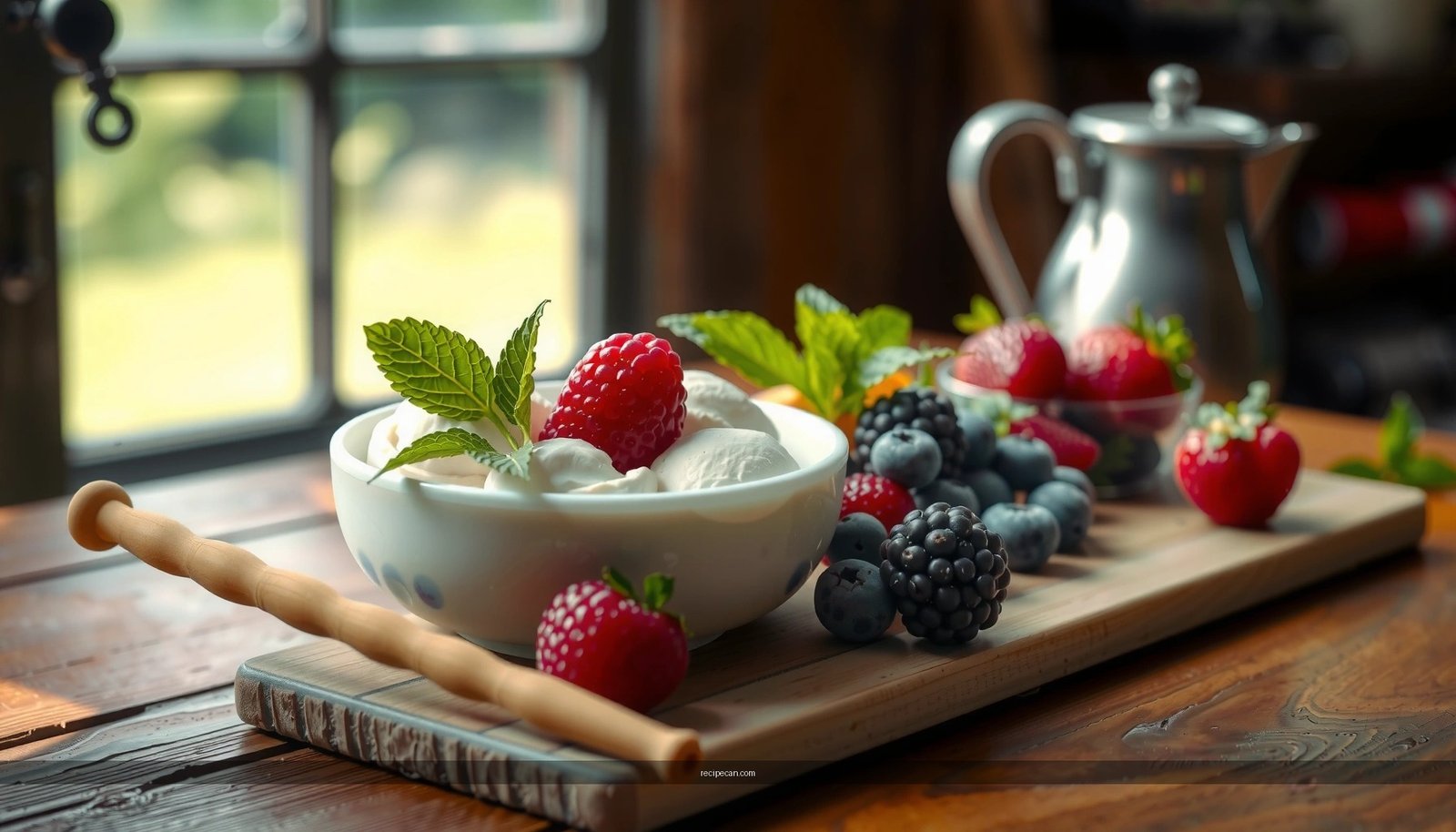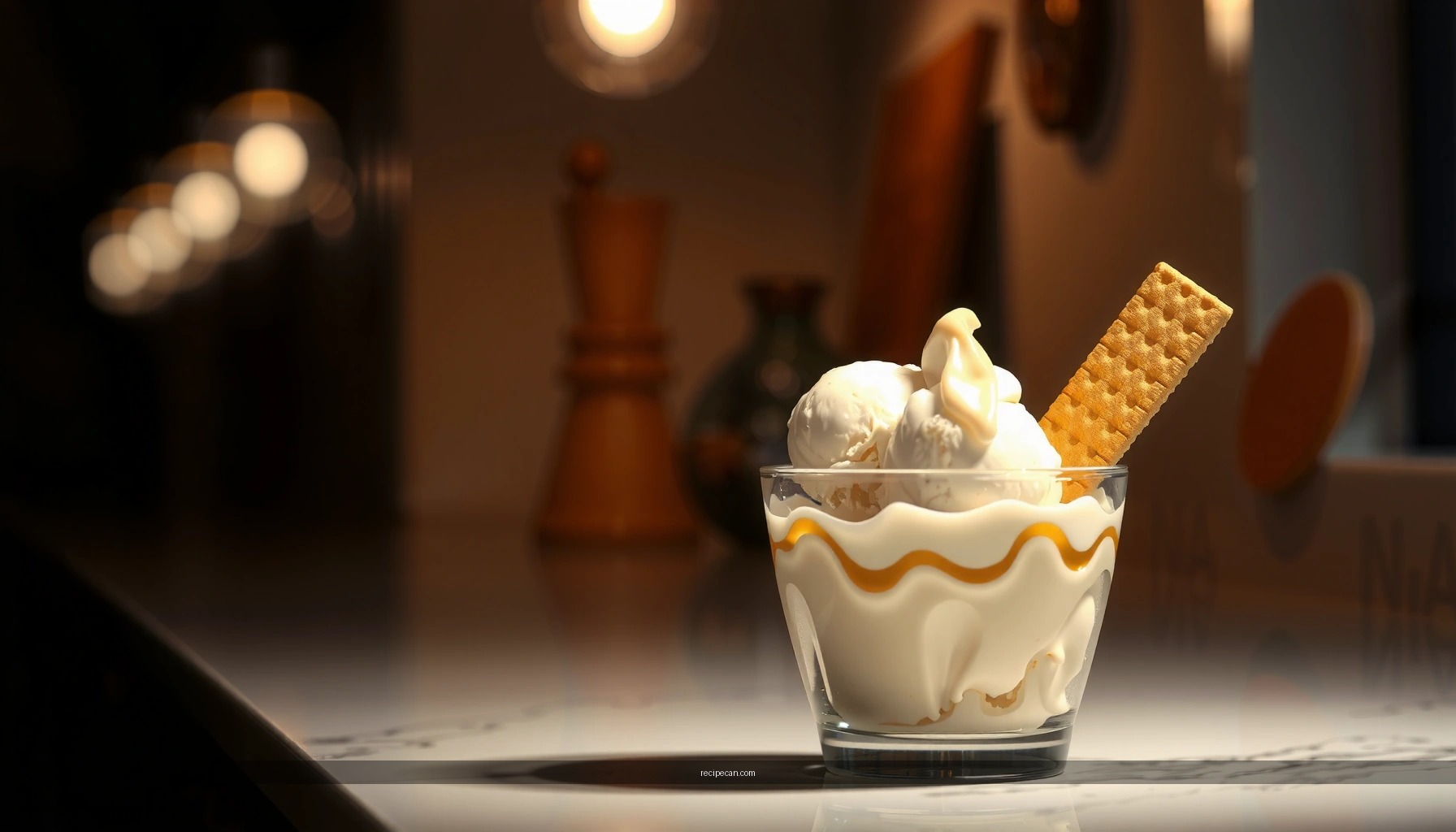
This white chocolate ice cream recipe delivers the creamy, no-fuss result you’re after, with a straightforward method that doesn’t require cooking egg yolks. It answers whether you can make standout white chocolate ice cream at home using simple ingredients and a dependable process. Follow it for a rich, smooth churn and a clean, sweet finish every time.
You can make creamy white chocolate ice cream by gently heating a cream-and-milk base, melting white chocolate into it, then chilling thoroughly and churning until scoopable. If you focus on two things—fully dissolving the chocolate and chilling the base until it’s very cold—you’ll get a smooth, rich result with minimal fuss.
Ingredients for White Chocolate Ice Cream
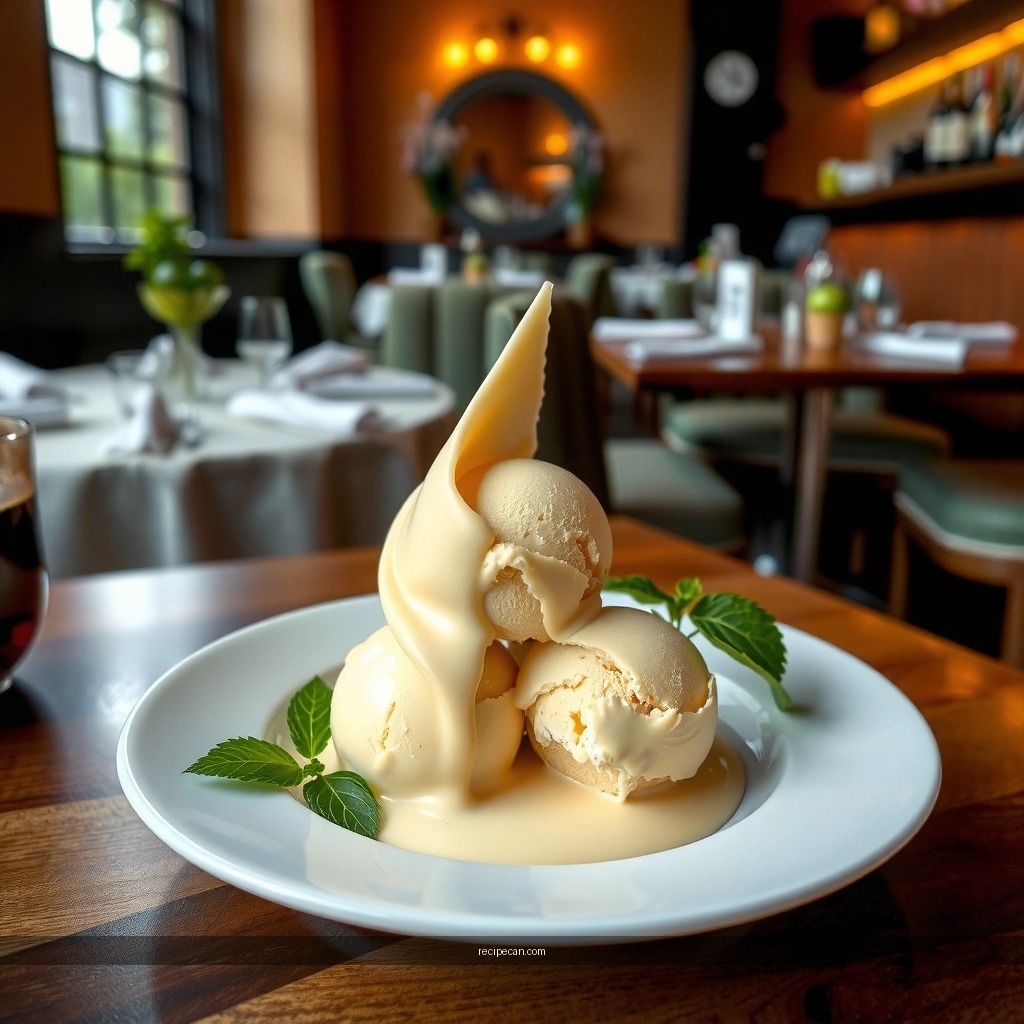
– White chocolate, heavy cream, and milk form the rich base
– Optional flavor boosts: vanilla extract and a pinch of salt
For the creamiest white chocolate ice cream, your ingredient list should support both flavor and texture. White chocolate contributes cocoa butter (for mouthfeel) and sweetness (for body). Heavy cream provides fat for a softer scoop and prevents iciness, while milk helps round out the dairy profile without making the ice cream overly heavy.
A practical, reliable ingredient set for one standard batch (about 1 quart / 900–1,000 ml) looks like this:
– 170–200 g white chocolate (good-quality bars/chips), finely chopped
– 2 cups (480 ml) heavy cream
– 1 cup (240 ml) whole milk
Optional but strongly recommended
– 1–2 tsp vanilla extract
– Pinch of salt (enhances the flavor of the chocolate)
For sweetness (adjustable)
– 1/2 to 3/4 cup (100–150 g) sugar
Optional custard method (for extra richness)
– 3–5 egg yolks (instead of some of the sugar or alongside it; see below)
—
Make the Cream Base
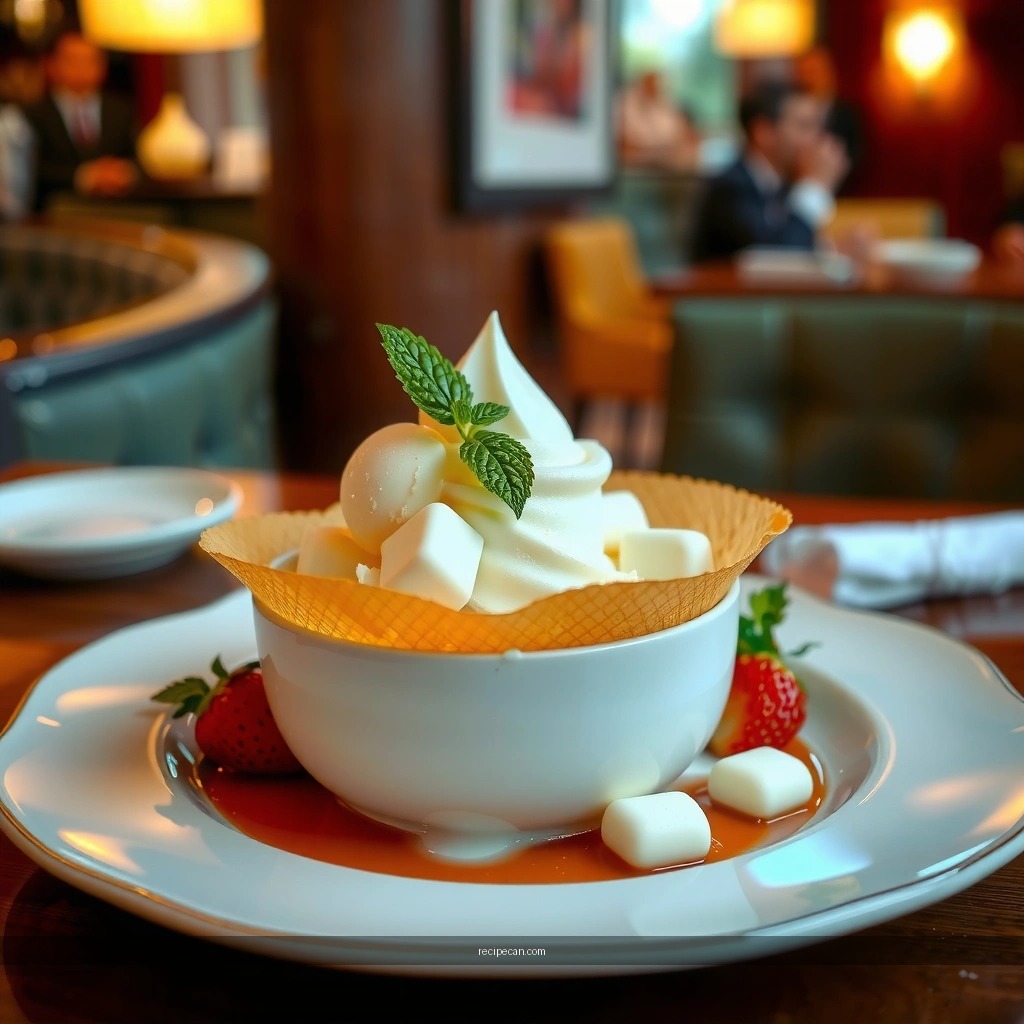
– Heat dairy gently until steaming (don’t boil)
– Stir in melted white chocolate until fully smooth
Start with a gentle heat. When dairy boils, proteins can tighten and you risk graininess or an odd texture. The goal is to warm the mixture until it’s steaming and hot, not bubbling.
Step-by-step technique
1. Chop your white chocolate finely. Smaller pieces melt faster and more evenly.
2. In a saucepan, combine:
– heavy cream
– whole milk
3. Heat over medium-low until the mixture is steaming.
– You’re aiming for roughly 82–88°C / 180–190°F (steaming), not boiling.
4. Turn off the heat (or lower to the lowest setting).
5. Add chopped white chocolate and stir until:
– fully melted
– no visible chocolate bits remain
– the mixture looks glossy and uniform
Preventing common white chocolate issues
– Don’t overheat the chocolate: white chocolate can seize if it gets too hot or if water gets introduced.
– Stir thoroughly: even small unmelted pieces can create a gritty texture after freezing.
– Add salt early or mid-way: it won’t “salt” the ice cream; it will balance sweetness and make the white chocolate taste more defined.
If you want to boost flavor complexity, this is also the point to add vanilla extract (or wait until the base has cooled slightly—both work, but adding vanilla after the heat is off preserves aroma).
—
Sweeten and Thicken
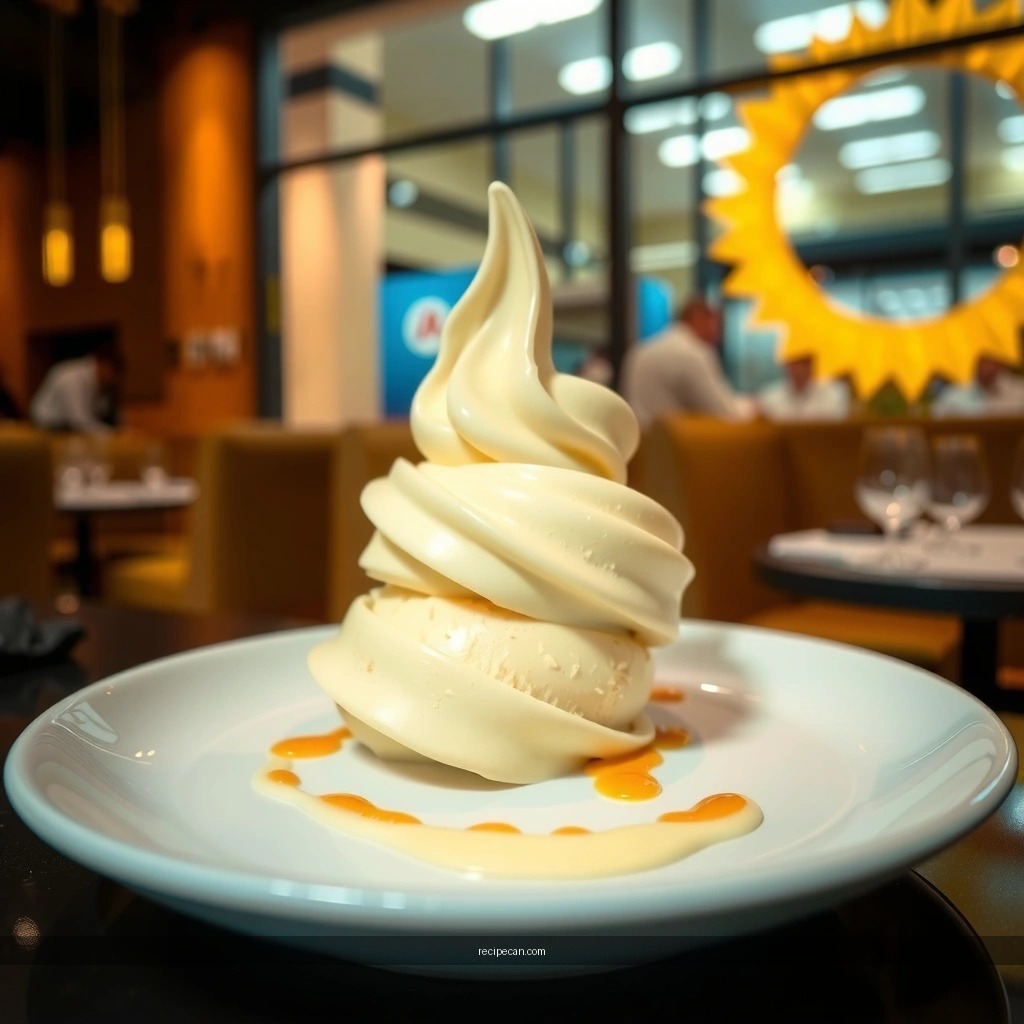
– Add sugar (and egg yolks if using a custard method)
– Cook briefly (if custard) until the mixture coats a spoon
This is where the ice cream’s structure starts to form—sweetness affects freezing point (which influences softness), and thickness affects how well the ice crystals stay small.
Option A: Simple base (no eggs)
1. Stir sugar into the hot base until dissolved.
2. Keep the mixture warm just long enough for sugar to dissolve, then proceed to chilling.
This method is fast and “no fuss,” and it performs well in most home freezers and churners.
Option B: Custard base (extra silkiness)
For a more traditional custard texture, use egg yolks:
1. Whisk egg yolks in a bowl.
2. Slowly temper: add a small amount of the warm dairy to the yolks while whisking, then return everything to the saucepan.
3. Cook gently, stirring constantly, until the mixture thickens and coats the back of a spoon.
– Target temperature is typically around 77–82°C / 170–180°F.
4. Immediately remove from heat to stop cooking.
Why this matters: egg yolks add emulsification and protein structure, often resulting in a slightly denser, creamier scoop—especially if your goal is a “premium” mouthfeel.
—
Key texture targets (what matters most for smoothness)
Home Ice Cream Texture Targets (White Chocolate Base)
| # | Process parameter | Target | Why it matters | Texture impact |
|---|---|---|---|---|
| 1 | Dairy heating before melting | Steaming only (≈82–88°C / 180–190°F) | Avoids scorching and prevents unwanted protein tightness | ★★★★★ |
| 2 | White chocolate melt condition | Turn heat off; stir to uniform gloss | Ensures even cocoa butter distribution and prevents graininess | ★★★★☆ |
| 3 | Sugar dissolution time | Stir until fully clear (typically 2–5 min) | Controls sweetness and slows ice crystal growth | ★★★★☆ |
| 4 | Custard thickening temp (if using yolks) | ≈77–82°C / 170–180°F | Builds emulsion stability without scrambling | ★★★★★ |
| 5 | Total chilling time before churning | 4–8 hours (minimum 2 hours) | Maximizes fat and sugar structure; reduces icy texture | ★★★★★ |
| 6 | Churn endpoint (soft-serve consistency) | Scoopable, holds ridges (often 18–25 min) | Avoids overchurning that makes it harder and coarse | ★★★★☆ |
| 7 | Freeze time to firm up | 2–4 hours after churning | Improves scoop resistance without drying out | ★★★★☆ |
—
Chill the Ice Cream Mixture
– Cool to room temperature, then refrigerate until very cold
– Proper chilling improves texture and prevents icy ice cream
Chilling is not optional if you want the “easy, no fuss” version of professional texture. When the base starts too warm, the ice maker has to do extra cooling work and you tend to get larger ice crystals—those are what you perceive as iciness.
What “very cold” means in practice
– Let the mixture cool to roughly room temperature first (about 30–60 minutes).
– Then refrigerate until it’s very cold, typically 4–8 hours.
– If you can, churn with a base that feels cold to the touch and is clearly chilled throughout.
Why it prevents icy ice cream
White chocolate ice cream has a high fat component, but fat alone doesn’t guarantee smoothness. During chilling, you help:
– fat stabilize and emulsify properly
– sugar dissolve uniformly
– chocolate components distribute consistently
– the final temperature at churning creates smaller, finer ice crystals
If you’re short on time, aim for at least 2 hours, but expect a slightly softer or more “frosty” texture compared with a full chill.
—
Churn Into Ice Cream
– Churn according to your ice maker’s instructions
– Stop when it reaches soft-serve thickness
Once the base is thoroughly chilled, churn it according to your machine. Different models vary, but the key is to churn until it reaches soft-serve thickness—not until it’s rock-hard.
How to judge doneness
– The mixture should look creamy, airy, and thick enough to hold gentle peaks.
– Many machines land around 18–25 minutes, but trust your eyes and the texture more than the timer.
Pro tip for white chocolate texture
Because white chocolate is sensitive to heat and because cocoa butter behaves differently than dark chocolate fats, avoid overchurning. Overchurning can:
– break down some emulsion structure
– increase graininess
– make the ice cream feel heavier and less silky
—
Freeze and Serve
– Transfer to a container and freeze to firm up
– Let it soften slightly before scooping for best texture
Churned ice cream is usually soft. For the best scoop, transfer it to a container (preferably one with a tight lid) and freeze.
Best freezing practice
– Freeze for 2–4 hours so it firms up without becoming too hard.
– Press a piece of parchment or wax paper directly onto the surface (optional, but it helps reduce freezer burn).
Serving for maximum creaminess
White chocolate ice cream tastes best when it has a little flexibility:
– Remove from the freezer and let it soften 3–8 minutes before scooping.
– If it’s too cold, the cocoa butter firms and you’ll feel less of that smooth, creamy mouthfeel.
—
Make this recipe once, then adjust sweetness and vanilla to your taste next time. Gather your ingredients, follow the steps in order—especially chilling—and churn for the smoothest white chocolate ice cream; then serve immediately or freeze for later.
A final note: if you try the custard variation, take your time tempering and stop cooking as soon as it coats a spoon. That single control point—paired with a proper chill—will separate “good” homemade ice cream from truly creamy, scoopable white chocolate ice cream you’ll want to repeat.
Frequently Asked Questions
What ingredients do I need for a white chocolate ice cream recipe?
You’ll typically need heavy cream, whole milk, white chocolate, egg yolks (for a custard base), sugar, and vanilla extract. Adding a pinch of salt helps balance the sweetness of white chocolate. For best flavor, use real white chocolate (cocoa butter-based) rather than chocolate-flavored chips, and chop it finely so it melts smoothly into the ice cream base.
How do I make white chocolate ice cream without curdling the custard?
Heat the milk and cream first, then temper the egg yolks by slowly whisking in a bit of the hot dairy to avoid scrambling. Return the mixture to the saucepan and cook gently, stirring constantly, until it thickens enough to coat a spoon (usually around 170–175°F / 77–80°C). Remove from heat immediately, then stir in the white chocolate off the heat so it melts evenly without overheating.
Why does white chocolate ice cream taste grainy, and how can I fix it?
Graininess often happens when white chocolate doesn’t fully melt or when the custard is overheated, causing the fat and solids to separate. To fix it, melt the chopped white chocolate until smooth before incorporating it, and keep the cooking temperature low and controlled. Also strain the finished custard if you notice any undissolved bits, then chill it thoroughly before churning.
What’s the best way to churn white chocolate ice cream for a smooth texture?
Chill the ice cream base for at least 4–6 hours (or overnight) so the mixture is cold and ready to churn, which improves texture. Churn according to your ice cream maker’s instructions until it reaches a soft-serve consistency, then freeze it in an airtight container to firm up. If the ice cream hardens too much, let it sit at room temperature for 5–10 minutes before serving to restore creamy scoopability.
Which white chocolate should I choose for the creamiest homemade white chocolate ice cream?
Choose high-quality white chocolate with cocoa butter and a higher percentage of cocoa butter for richer flavor and better melt. White chocolate bar discs or baking bars usually melt more consistently than flavored coatings or ultra-sweet “chip” products. For a more balanced flavor, consider using slightly less sugar or adding a little vanilla and salt to complement the sweetness of the white chocolate ice cream base.
References
- Google Scholar Google Scholar
https://scholar.google.com/scholar?q=white+chocolate+ice+cream+recipe - Google Scholar Google Scholar
https://scholar.google.com/scholar?q=ice+cream+formulation+stabilizers+egg+yolk+custard+review - Google Scholar Google Scholar
https://scholar.google.com/scholar?q=white+chocolate+melting+emulsification+ice+cream - Ice cream
https://en.wikipedia.org/wiki/Ice_cream - White chocolate
https://en.wikipedia.org/wiki/White_chocolate - Custard
https://en.wikipedia.org/wiki/Custard - Temper
https://en.wikipedia.org/wiki/Tempering - Ice cream | Definition, History, & Production | Britannica
https://www.britannica.com/topic/ice-cream - https://www.sciencedirect.com/search?qs=white%20chocolate%20ice%20cream
https://www.sciencedirect.com/search?qs=white%20chocolate%20ice%20cream - https://pubmed.ncbi.nlm.nih.gov/?term=ice+cream+formulation+stabilizers+review
https://pubmed.ncbi.nlm.nih.gov/?term=ice+cream+formulation+stabilizers+review