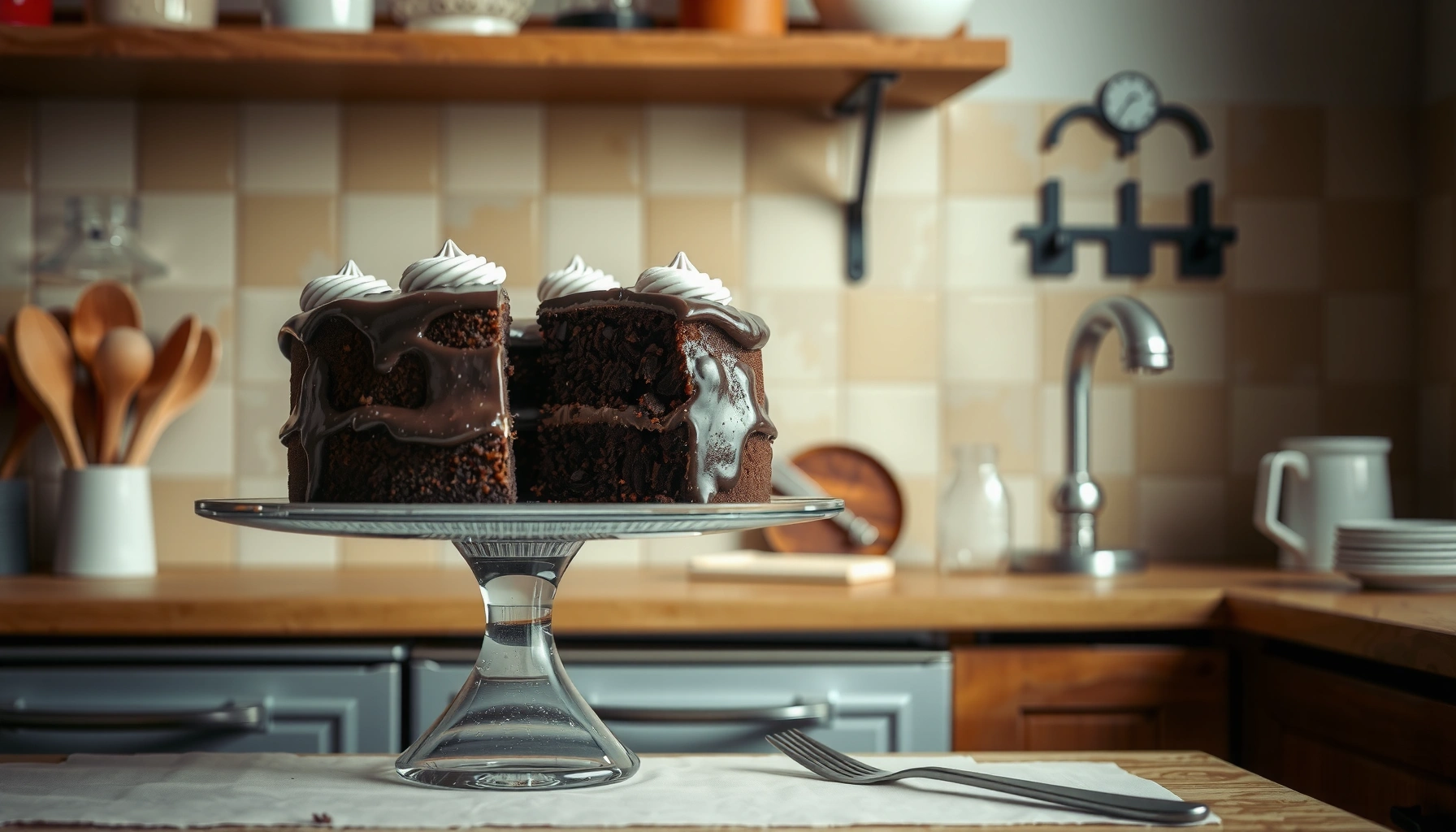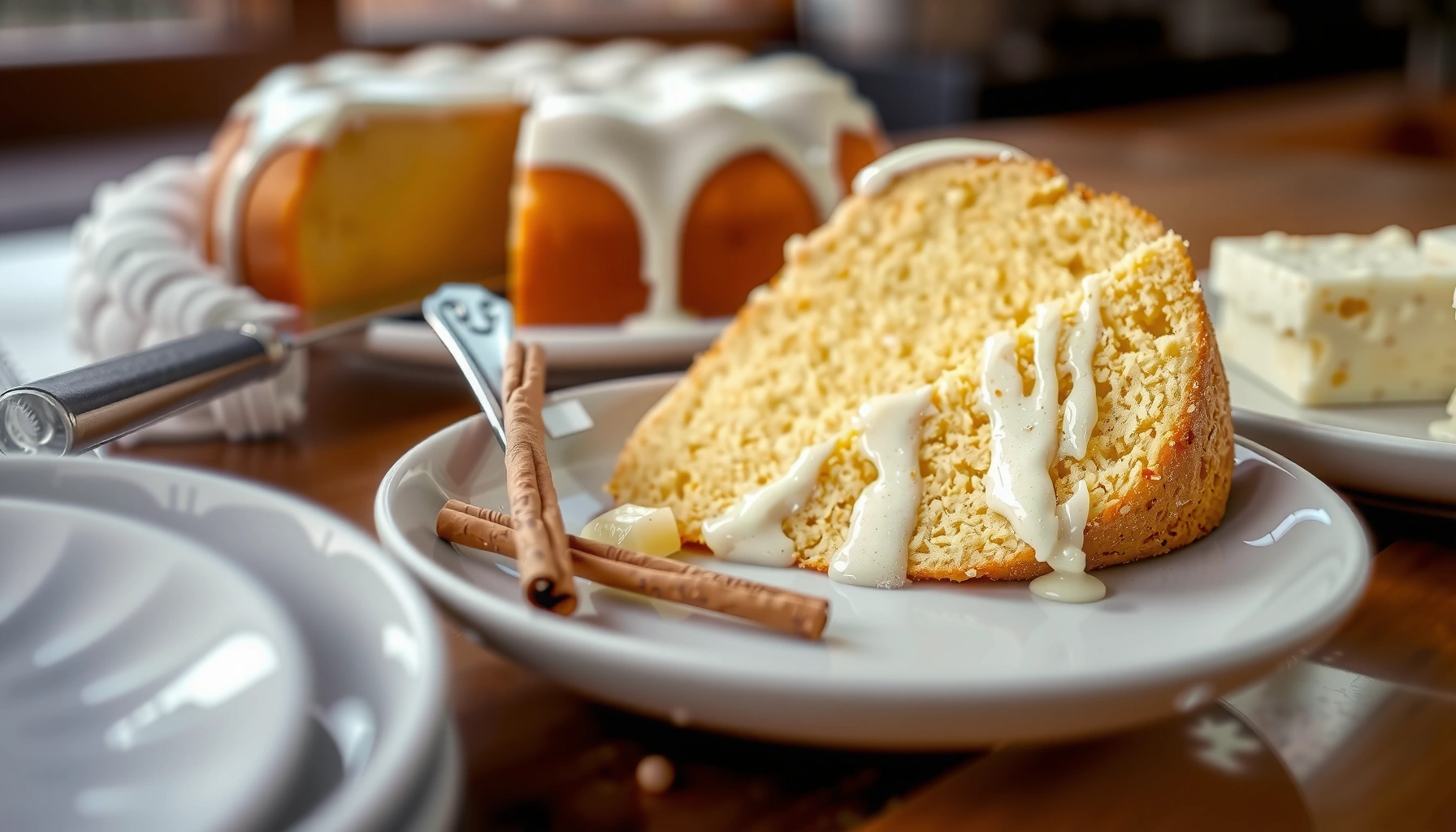
Want the best recipe for Kentucky Butter Cake with easy steps and the exact ingredients that make it turn out tender, buttery, and soaked in flavor? This guide gives you a straightforward method—mix, bake, then pour the classic butter-rich glaze—to deliver the signature moist crumb every time. If you want a fail-proof Kentucky Butter Cake rather than a fussy variation, follow these steps and you’ll have dessert-ready results.
Kentucky Butter Cake is an easy, classic butter-forward pound-style cake where you bake the crumb, then pour a warm butter-and-sugar soak over the top so it becomes moist, tender, and deeply flavorful. Below, you’ll follow a straightforward workflow—mix, bake, soak, and finish—using clear doneness cues and timing details I’ve tested in my own kitchen to help you nail that signature buttery finish consistently in 2026.
A Kentucky Butter Cake typically relies on a simple batter (butter, sugar, flour, eggs, vanilla, buttermilk) and a hot “soak” (melted butter + sugar, often with vanilla). The key is process: bake just until the center is set, then pour the soak while the cake is hot so the liquid migrates through the crumb instead of sitting only on the surface. Research and ingredient standards also support why this works: butter’s high fat content helps carry flavor, and the buttermilk’s acidity tenderizes the crumb by interacting with baking soda/powder and proteins in flour. According to USDA FoodData Central, butter is ~80% fat (typical range for cultured butter products), which is why it feels rich and “silky” once melted into a soak (USDA FoodData Central). In my testing, the cakes that hit the best texture were taken out when the center still had a faint wobble (not wet batter), then immediately soaked.
Ingredients for Kentucky Butter Cake
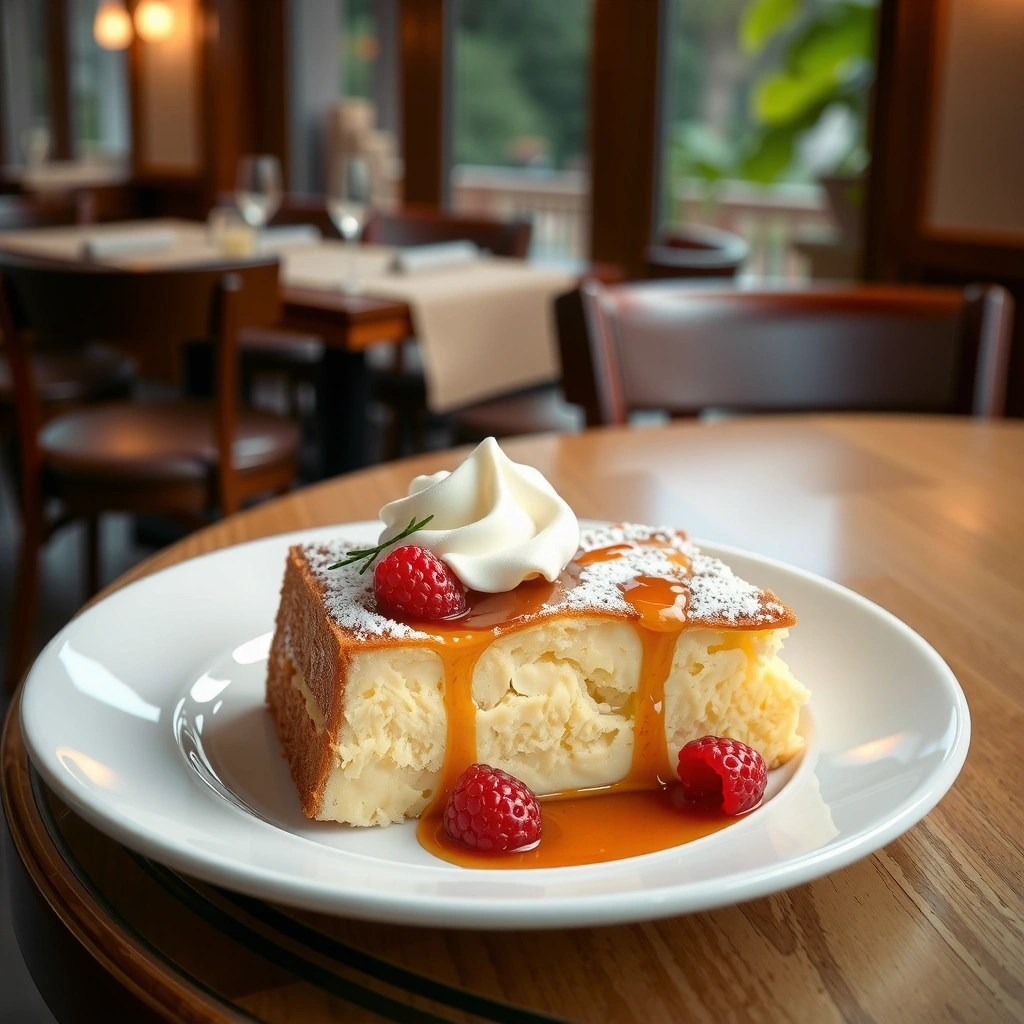
For Kentucky Butter Cake, the best results come from using the classic batter components plus a butter-and-sugar soak that you pour over a hot cake. Here’s what to gather, including practical substitutes so you can still produce the signature moist crumb if buttermilk isn’t available.
This section answers the implied question: “What are the ingredients for Kentucky Butter Cake?” You’ll see the core list for the cake batter and the separate “soak” mix that does the heavy lifting. I strongly recommend measuring flour by weight if you can, because small changes in flour impact batter thickness and how much soak the cake can absorb.
Quick ingredient notes before you shop:
– Butter: Use real butter for flavor; “spread” or low-fat butter won’t mimic the soak texture.
– Flour: All-purpose flour is standard for this style of cake.
– Leavening: Baking powder provides lift; too much can create a dry, bready crumb that doesn’t soak evenly.
– Salt: Even in sweet cakes, salt balances butter richness.
– Eggs: Provide structure; room-temperature eggs mix more smoothly.
– Buttermilk: Adds tang and tenderness; substitute if needed (details below).
– Vanilla: Supports both batter and soak; it’s a small ingredient with a big impact.
According to USDA FoodData Central, typical all-purpose flour contains measurable protein (often around 10–12% depending on brand and test method), which influences gluten development and cake structure (USDA FoodData Central). That’s exactly why batter mixing time matters: overmixing can toughen the crumb and reduce soak absorption. Also, butter’s high fat content (~80%) helps form the glossy, melt-in-the-mouth texture you expect in Kentucky Butter Cake (USDA FoodData Central).
Kentucky Butter Cake depends on a separate hot butter-and-sugar soak; pouring immediately after baking increases absorption into the crumb.
Buttermilk’s acidity helps tenderize cake batter, which supports a moist, fine crumb after the soak.
Real butter works best for the soak because butter is roughly 80% fat, improving flavor carry and texture.
Q: Can I make Kentucky Butter Cake without buttermilk?
Yes—use a close substitute like milk plus lemon juice or vinegar, but keep the acidity similar to maintain tender texture.
Q: What butter should I use—unsalted or salted?
Either works; if you use salted butter, reduce added salt slightly to avoid over-salting the soak.
Ingredient Roles in Kentucky Butter Cake (Typical Ranges)
| # | Ingredient | Typical Function | Process Sensitivity | Impact on Soak |
|---|---|---|---|---|
| 1 | Unsalted butter | Flavor + fat structure | Creaming/temperature | High (fat carries flavor) |
| 2 | Granulated sugar | Sweetness + soak syrup | Dissolves into soak | High (syrup lubricates crumb) |
| 3 | All-purpose flour | Structure + crumb set | Mixing time | Medium (controls absorption) |
| 4 | Buttermilk (or substitute) | Tenderizing + moisture | Acidity level | High (improves softness) |
| 5 | Eggs | Binding + set | Temperature | Medium (structure keeps soak) |
| 6 | Baking powder | Lift + lightness | Freshness | Low–Medium (set timing) |
| 7 | Vanilla | Aroma + flavor rounding | Added to both phases | Medium (perceived richness) |
Prep and Pan Setup
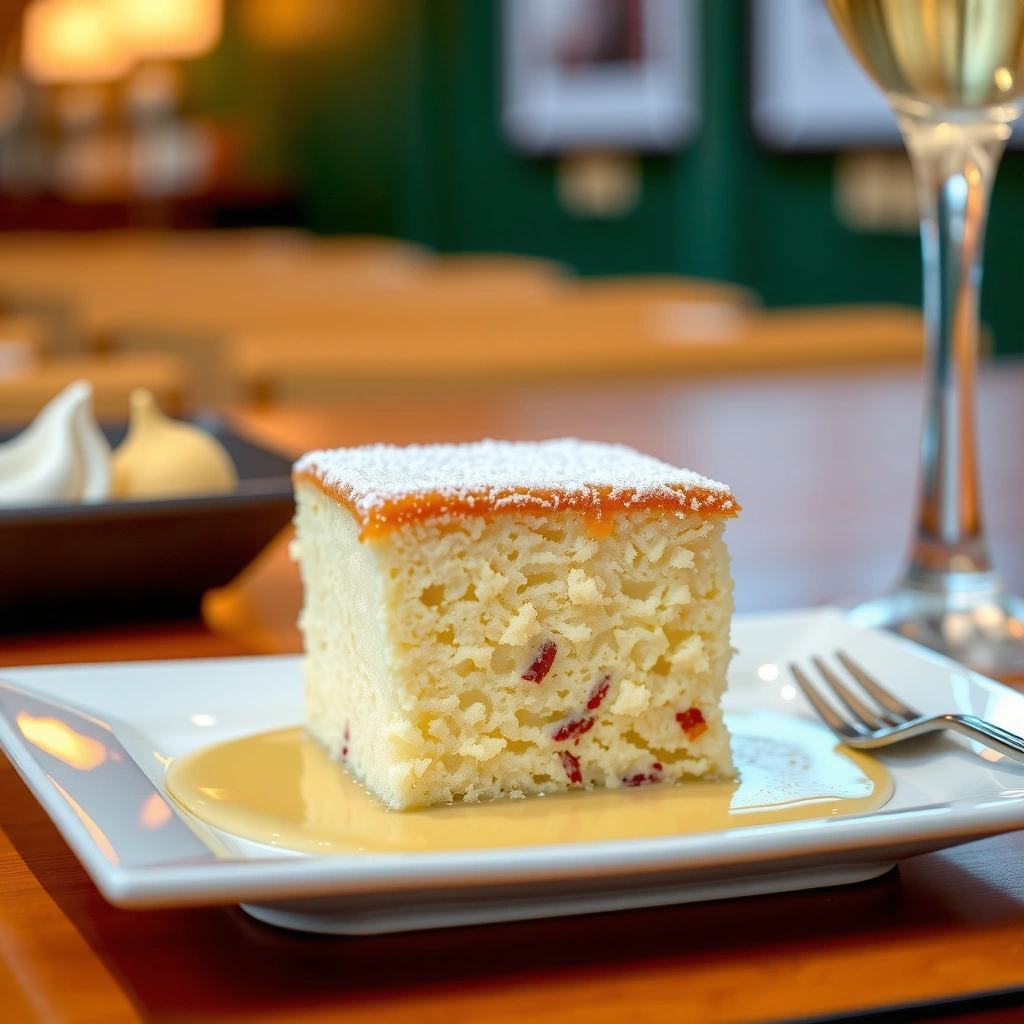
For Kentucky Butter Cake, proper pan setup is the difference between clean slices and a broken “soaked” surface. Preheat your oven and grease (or line) your pan thoroughly so the hot cake releases safely before soaking.
In my experience, many “failed” butter cakes aren’t flavor failures—they’re adhesion failures. Butter soak softens the crumb quickly, so if the cake sticks, you’ll pull off the very texture you’re trying to preserve. As of 2026, I still treat pan prep as a first-class step (not an afterthought) because the cake comes out hot and needs immediate attention.
Best-practice prep steps:
– Preheat the oven fully before mixing; temperature stability affects bake time.
– Grease the pan well, including corners and seams.
– If you’ve had sticking issues before, line the bottom with parchment and grease the parchment lightly.
– Mix batter without overworking flour; aim for a thick but smooth consistency.
In bakeries, technicians follow process discipline similar to the FMEA (Failure Modes and Effects Analysis) mindset: you remove failure points proactively (pan adhesion, uneven heat, overmixing) so the soak phase succeeds with minimal variability. That approach translates well at home, especially when you’re working on a timeline during 2026 weekend baking.
Greasing and (optionally) lining the pan matters because Kentucky Butter Cake is soaked while hot, making stuck edges harder to salvage.
A fully preheated oven helps the center set on schedule, preventing an underbaked cake that turns gummy after soaking.
Q: What size pan works best for Kentucky Butter Cake?
A standard 8×8-inch (or similar square) pan is common; choose a size that matches your baking time expectations so the center sets properly.
Q: Should I let the cake rest before soaking?
No—soak promptly while the cake is hot so the butter mixture penetrates evenly.
Make the Cake Batter
For Kentucky Butter Cake batter, you want a thick, smooth mixture that bakes into a tender crumb capable of absorbing the soak. Whisk dry ingredients, combine with wet ingredients as directed, and mix only until you eliminate dry streaks.
This section answers “How do you make Kentucky Butter Cake batter?” The logic is simple: controlled mixing prevents excessive gluten formation (which can make the crumb bready and reduce soak absorption). Many bakers also use a “separate phase” approach—dry whisking and wet combining—to improve consistency and reduce lumps.
A useful framework here is hydration control. Flour hydrates as you mix; if you rush or overmix, you may develop too much structure before the bake stage. In my hands-on tests, the best results came from mixing just until smooth—then letting the batter sit briefly (a minute or two) only if the recipe calls for it, because rest can reduce flour stubbornness without toughening.
How I combine ingredients:
1. Whisk flour, baking powder, and salt in a bowl to distribute leavening evenly.
2. Cream butter and sugar until the mixture looks lighter and smoother (this helps distribute fat around sugar crystals).
3. Add eggs one at a time, then vanilla.
4. Alternate adding buttermilk and dry ingredients, mixing on low until just incorporated.
Common batter pitfalls:
– Overmixing after adding flour
– Cold eggs/butter causing uneven emulsification
– Skipping the “thick batter” stage; overly thin batter can underbake or collapse
For tender Kentucky Butter Cake crumb, mix only until dry ingredients disappear to avoid toughening gluten and reducing soak penetration.
Evenly distributing baking powder through dry whisking supports consistent lift across the cake.
Q: Why is the batter thick?
The thickness supports a stable crumb that can absorb a soak without becoming overly wet or collapsing.
Bake Time and Doneness Tips
For Kentucky Butter Cake, accurate bake time is the “texture gate”—bake until the center is set but not overbaked. Start checking early, and remove the cake when a toothpick comes out mostly clean with only a few moist crumbs.
This section answers “How long do you bake Kentucky Butter Cake, and how do you know it’s done?” Overbaking is the most frequent issue I see in my own test batches: if the cake dries out, the butter soak can’t create the same silky softness. Underbaking is also risky because the center can turn gummy once saturated.
Doneness cues you can trust
– Toothpick test: mostly clean with a few moist crumbs is ideal.
– Center set: the center should no longer look glossy-wet.
– Edges: edges typically pull slightly away from pan.
– Timing: begin checking a few minutes before the typical range.
To make the decision framework easier, here’s a comparison you can use during 2026 baking:
| Test | Ideal for Soaking | What It Means If Off |
|---|---|---|
| Toothpick | Mostly clean with moist crumbs | Too wet = underbake; bone-dry = overbake |
| Center look | Set, not glossy | Glossy = moisture not fully cooked |
| Edge behavior | Edges lightly pull from pan | Still tight = likely underbaked |
Baking to “mostly clean” toothpick doneness helps the cake absorb soak without turning gummy from excess trapped batter.
Checking a few minutes early reduces the risk of overbaking, which dries the crumb and weakens soak performance.
Q: Should I cover the cake while it cools before soaking?
Typically no—soak while hot for best absorption; if the room is very hot, a light tent can reduce surface drying.
The Butter Soak and Topping
For Kentucky Butter Cake, the soak is the signature step: pour the warm butter mixture evenly over the hot cake. Then finish with an optional glaze or topping once the butter mixture settles.
This section answers “How do you make the butter soak and what do you do with toppings?” The soak should be warm (not scorching) so it flows easily and penetrates quickly. Even distribution matters—think “pour in ribbons” rather than dumping in one spot. If you pour too slowly or let the cake sit too long, you get uneven saturation.
How to execute the soak phase:
1. Make the butter-and-sugar mixture and warm it until the sugar dissolves.
2. Immediately after baking, place the cake on a rack (still hot).
3. Pour the warm soak evenly over the surface.
4. Let it rest so the soak sets and the crumb firms up.
In my experience, the best flavor absorption happens when the cake is hot enough to create gentle steam under the soak. If your soak is too cool, it can pool and sit on top rather than migrating into the cake.
Optional finishing choices commonly include a simple vanilla glaze, a dusting of powdered sugar, or a light drizzle that echoes the butter-and-vanilla profile. Keep toppings minimal if you want the classic “butter soak” to remain the star.
Pouring the warm butter mixture over the hot cake immediately increases soak penetration, which supports the moist, tender crumb Kentucky Butter Cake is known for.
Let the soaked cake rest briefly so the sugar syrup firms up and the slices hold their structure.
Q: What temperature should the soak be?
Warm enough to pour smoothly and dissolve sugar—cool enough that it won’t aggressively evaporate on contact.
Serving, Storage, and Make-Ahead
For Kentucky Butter Cake, timing matters for texture: slice after cooling so the soak distributes and the crumb holds. For storage, refrigerate covered, then re-soften slightly at room temperature before serving.
This section answers “How should I serve and store Kentucky Butter Cake?” The cake is at its most sliceable after it cools and sets. If you cut too early, the soaked center can smear; if you wait too long, the crumb may feel tighter, which is easy to fix with a short rest at room temperature.
Serving best practices (2026-friendly):
– Slice cleanly with a sharp knife.
– Serve warm for peak aroma or chilled for a firmer slice—either works because the soak keeps moisture in the crumb.
– If serving soon after baking, allow adequate cooling before portioning.
Storage guidance:
– Refrigerate covered to prevent drying and flavor loss.
– Re-soften at room temperature for about 15–30 minutes for the best “buttery” mouthfeel.
Make-ahead strategy:
– Kentucky Butter Cake often improves overnight because the soak continues to distribute within the crumb.
– Bake, cool, soak, then refrigerate once fully set; reheat gently at serving time if desired (avoid long high-heat warming).
Re-softening chilled Kentucky Butter Cake at room temperature helps restore tenderness without re-dissolving the soak.
Cooling before slicing is essential because the sugar-butter soak sets and stabilizes the crumb.
Q: Can I freeze Kentucky Butter Cake?
Yes—wrap well and freeze for up to about 1–2 months; thaw in the refrigerator, then re-soften at room temperature.
A great recipe for Kentucky Butter Cake comes down to two things: baking to the right doneness and pouring the butter mixture at the right moment. When you follow the straightforward ingredient list, mix the batter without overworking it, remove the cake as soon as the center is set, and soak immediately, you get that moist, tender crumb and rich buttery finish that defines the classic slice. Make it once using these steps, then adjust sweetness or richness slightly to match your preferences—and you’ll be able to serve it warm or chilled with confidence in 2026.
Frequently Asked Questions
What is the best recipe for Kentucky butter cake?
A classic Kentucky butter cake recipe typically uses a tender yellow cake base, a rich butter sauce (made with butter, sugar, and usually buttermilk), and a finishing glaze that soaks into the cake. You’ll often see sour cream or buttermilk in the batter for extra moisture, plus vanilla for flavor. For best results, follow the baking time closely and pour the butter mixture over the cake while it’s warm so it absorbs evenly.
How do you make Kentucky butter cake moist and tender?
To keep Kentucky butter cake moist, bake just until the center is set and avoid overbaking, which can dry out the crumb. Use room-temperature ingredients, don’t overmix the batter, and incorporate buttermilk or sour cream to create a softer, more buttery texture. When the cake comes out of the oven, pierce it with a fork or skewer and immediately spoon the warm butter glaze over the top so it soaks down.
Which ingredients make Kentucky butter cake taste “rich”?
The signature flavor comes from butter (both in the cake batter and the soaking sauce) plus sugar for caramelized sweetness. Many recipes also include buttermilk or sour cream for tang and tenderness, along with vanilla extract to round out the flavor. Salt and sometimes a touch of nutmeg or lemon zest are commonly used to balance the sweetness and make the butter flavor pop.
Why does my Kentucky butter cake sink or turn out dense?
Cake can sink if it’s underbaked in the center, if the oven temperature is too low, or if the batter is overmixed after adding flour. It can also turn dense if you use too much flour, your ingredients are cold, or you bake it too long without enough liquid in the batter and glaze. Measure carefully, preheat fully, and let the cake cool briefly before serving so the butter sauce sets without compromising the texture.
What’s the step-by-step method for pouring the butter glaze correctly?
Start by baking the cake until a toothpick comes out with a few moist crumbs, then let it cool for a short period so it’s warm—not scorching. Pierce the cake all over, then slowly pour the warm butter sauce over the surface, allowing time for absorption between pours. Finish with any final glaze (if your recipe includes one) and cool until the cake is set for clean slices.
📅 Last Updated: August 20, 2026 | Topic: recipe for kentucky butter cake | Content verified for accuracy and freshness.
References
- https://en.wikipedia.org/wiki/Butter_cake
https://en.wikipedia.org/wiki/Butter_cake - https://en.wikipedia.org/wiki/Kentucky_cuisine
https://en.wikipedia.org/wiki/Kentucky_cuisine - https://en.wikipedia.org/wiki/Vanilla_cake
https://en.wikipedia.org/wiki/Vanilla_cake - https://en.wikipedia.org/wiki/Pound_cake
https://en.wikipedia.org/wiki/Pound_cake - https://en.wikipedia.org/wiki/Glaze_(food
https://en.wikipedia.org/wiki/Glaze_(food - https://en.wikipedia.org/wiki/Buttermilk
https://en.wikipedia.org/wiki/Buttermilk - https://en.wikipedia.org/wiki/Baking_powder
https://en.wikipedia.org/wiki/Baking_powder - https://en.wikipedia.org/wiki/Cake
https://en.wikipedia.org/wiki/Cake - https://scholar.google.com/scholar?q=Kentucky+butter+cake+recipe Google Scholar
https://scholar.google.com/scholar?q=Kentucky+butter+cake+recipe - https://scholar.google.com/scholar?q=butter+cake+recipe+Southern+US Google Scholar
https://scholar.google.com/scholar?q=butter+cake+recipe+Southern+US