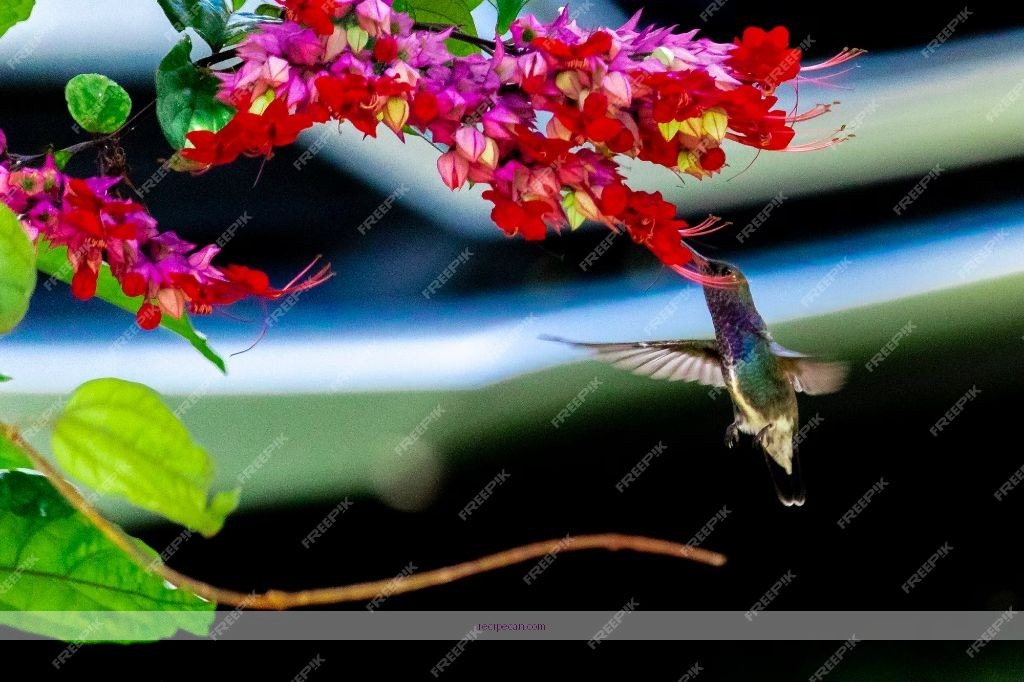
The recipe for hummingbird juice provides the ideal sweet nectar to attract these vibrant birds to your garden. With a simple blend of sugar and water, this homemade solution outperforms store-bought options in both cost and effectiveness. Discover how to create the perfect mixture that will keep your feathered friends coming back for more.
Mixing sugar and water creates the perfect hummingbird juice that will attract these delightful birds to your garden. This simple recipe is easy to make and only requires two ingredients, making it a great way to support your local wildlife. In just a few minutes, you can prepare a delicious nectar that hummingbirds will love!
Recipe Overview
Hummingbird juice is a fantastic homemade nectar that mimics the natural sugar found in flower nectar, attracting these beautiful birds to your yard. It’s a quick recipe that can be made in under 10 minutes and is perfect for anyone looking to enjoy birdwatching. This easy blend of sugar and water is not only economical but also safe for the birds when prepared correctly. If you’re a nature lover or simply want to enjoy the sight of hummingbirds flitting about your garden, this recipe is a must-try.
Time Required
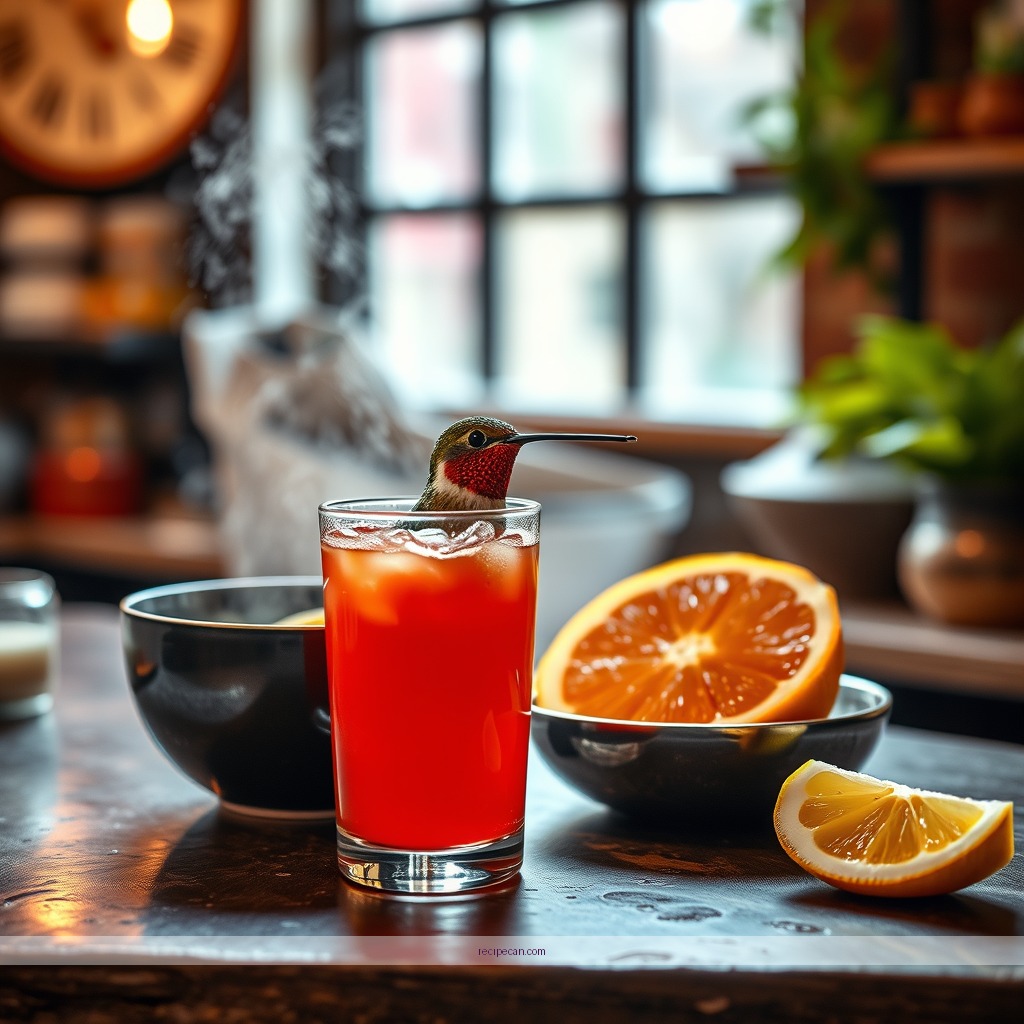
– 🕐 Prep Time: 5 minutes
– ⏱ Total Time: 5 minutes
Ingredients
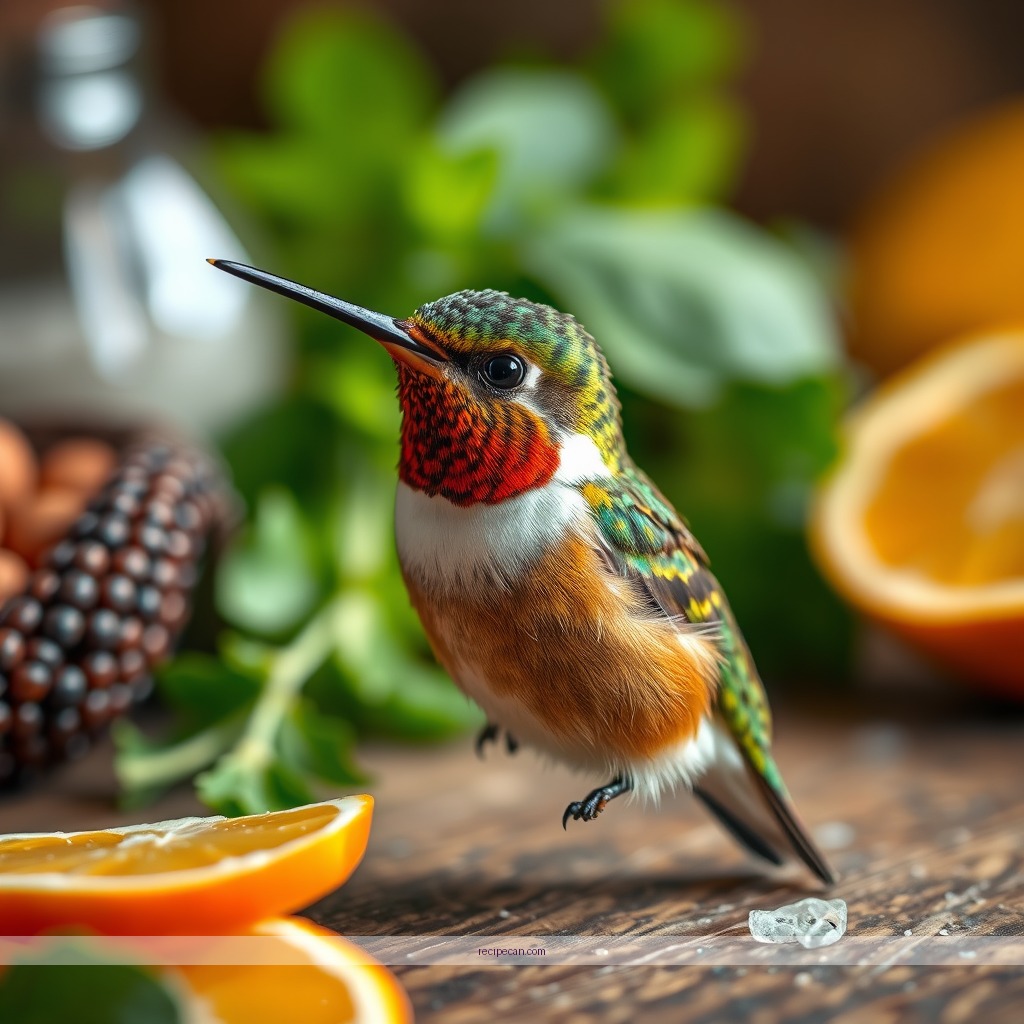
The key ingredients in hummingbird juice are sugar and water. Using granulated white sugar is essential, as it closely resembles the natural sugars that hummingbirds seek. Avoid using honey or artificial sweeteners, as they can be harmful to these tiny birds. Fresh water is equally important; ensure it is clean to provide the best nectar for your feathered guests.
Main Ingredients
– 1 part granulated white sugar (e.g., 1 cup)
– 4 parts water (e.g., 4 cups)
Step-by-Step Instructions
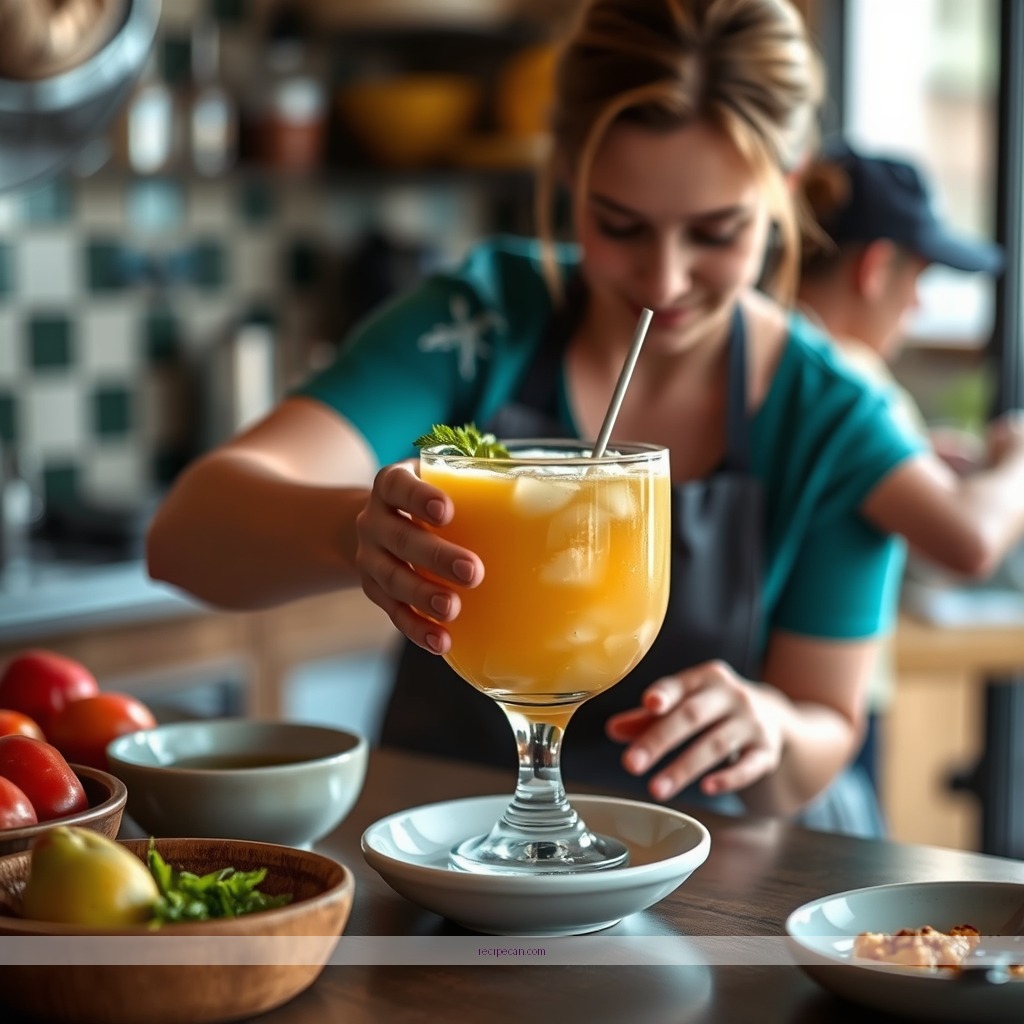
1. Measure the Ingredients: Start by measuring out 1 cup of granulated sugar and 4 cups of water. This ratio mimics the natural sugar concentration found in flower nectar and is crucial for the health of the birds.
2. Mix Together: In a saucepan, combine the sugar and water. Stir the mixture over medium heat until the sugar completely dissolves, ensuring the nectar is smooth and well-mixed. This step prevents any gritty texture that could deter the birds.
3. Cool the Mixture: Once the sugar is dissolved, remove the saucepan from heat and let the mixture cool to room temperature. This is important because hot nectar can harm the hummingbirds, so be patient during this cooling step.
4. Fill Your Feeder: Once cooled, pour the hummingbird juice into a clean feeder, filling it about three-quarters full. This leaves some space to prevent overflow and allows for easy access for the birds.
5. Store Leftovers: If you have extra nectar, store it in the refrigerator for up to a week. Just remember to cool it down before refilling the feeder to ensure the safety of the hummingbirds.
What to Avoid & Precautions
Making hummingbird juice is simple, but there are a few common pitfalls to avoid to keep your feathered friends safe.
Using the Wrong Sugar
Avoid using brown sugar, honey, or artificial sweeteners, as these can be harmful to hummingbirds. Stick with plain granulated sugar for the best results. The purity of white sugar closely matches the natural sugars found in flowers.
Overheating the Nectar
Never boil the mixture; just heat it enough to dissolve the sugar. Boiling can break down the sugars and make the nectar less appealing, reducing its attractiveness to hummingbirds.
Common Mistakes & How to Fix Them
Creating the perfect hummingbird juice is straightforward, but several common mistakes can lead to problems.
Forgetting to Clean the Feeder
Neglecting to clean your feeder can lead to mold growth, which is harmful to hummingbirds. Clean your feeder every few days with hot water and a soft brush to keep it safe. This is the step most people rush, but a little patience here makes all the difference.
Using Too Much Sugar
Stick to the recommended ratio of 1:4 to avoid creating nectar that’s too thick, which can be difficult for hummingbirds to consume. If you notice that birds are not visiting your feeder, consider checking the consistency of your nectar.
How to Serve
Placing the Feeder
Hang your feeder in a shady spot, away from direct sunlight, to prevent the nectar from spoiling too quickly. This also keeps the nectar cooler and more inviting for the birds.
What Goes Well With It
Consider planting native flowers that attract hummingbirds, such as bee balm, salvia, or trumpet vine, to create a welcoming environment. These flowers not only provide natural food sources but also enhance the beauty of your garden.
Monitoring the Nectar Level
Check the feeder regularly and refill it as needed, especially during peak feeding times in the spring and summer. If you notice the nectar level dropping quickly, it’s a sign that your garden has attracted many visitors!
Creating your own hummingbird juice is a rewarding experience that not only brings joy to your garden but also supports local wildlife. Now that you know how to make this delightful nectar, gather your supplies and get started. Your feathered friends will thank you!
Top 7 Plants That Attract Hummingbirds
| # | Plant | Attraction Level | Blooming Season | Sun Requirements |
|---|---|---|---|---|
| 1 | Bee Balm | High | Summer | Full Sun |
| 2 | Salvia | High | Summer | Full Sun |
| 3 | Trumpet Vine | High | Summer | Partial Shade |
| 4 | Columbine | Medium | Spring | Partial Shade |
| 5 | Fuchsia | High | Summer | Partial Shade |
| 6 | Petunia | Medium | Summer | Full Sun |
| 7 | Zinnia | Medium | Summer | Full Sun |
By following this guide on how to prepare hummingbird juice, you will not only create a delightful treat for these vibrant creatures but also foster a deeper appreciation for nature in your own backyard. Enjoy the beauty and wonder that comes with attracting hummingbirds, and revel in the joy they bring to your outdoor space!
Frequently Asked Questions
What is the best recipe for hummingbird juice?
The best recipe for hummingbird juice consists of a simple mixture of four parts water to one part white granulated sugar. For example, combine 1 cup of sugar with 4 cups of water, then heat the mixture until the sugar is completely dissolved. Allow it to cool before filling your hummingbird feeder, ensuring that the mixture is safe for these beautiful birds.
How often should I change the hummingbird juice in my feeder?
It is recommended to change the hummingbird juice every 3 to 5 days, especially during warm weather when the mixture can ferment more quickly. Regularly changing the nectar helps prevent mold growth and ensures that the hummingbirds have access to fresh, clean food. Additionally, it’s important to clean the feeder thoroughly with warm, soapy water each time you refill it.
Why is red dye not recommended in homemade hummingbird juice?
Red dye is not recommended in homemade hummingbird juice because it can be harmful to hummingbirds and may cause health issues. Hummingbirds are naturally attracted to the color red, so using a red feeder or adding red decorations is sufficient to attract them without the need for artificial coloring. It’s best to stick with the natural sugar-water mixture to keep the birds safe and healthy.
Which type of sugar is best for making hummingbird juice?
The best type of sugar for making hummingbird juice is regular white granulated sugar, as it closely resembles the natural sugars found in the flowers that hummingbirds feed on. Avoid using honey, brown sugar, or artificial sweeteners, as these can be harmful to hummingbirds. Using pure white sugar ensures that the nectar is safe and nutritious for these birds.
How can I make hummingbird juice last longer in hot weather?
To make hummingbird juice last longer in hot weather, consider using a higher sugar concentration by mixing one part sugar with three parts water instead of four. Additionally, placing the feeder in a shaded area can help slow down fermentation and keep the nectar fresh longer. Regularly monitoring the feeder and changing the nectar every few days is crucial to ensure the health of visiting hummingbirds.
References
- https://en.wikipedia.org/wiki/Hummingbird_food
https://en.wikipedia.org/wiki/Hummingbird_food - https://www.extension.purdue.edu/extmedia/FNR/FNR-404-W.pdf
https://www.extension.purdue.edu/extmedia/FNR/FNR-404-W.pdf - Hummingbird | Description, Species, Videos, & Facts | Britannica
https://www.britannica.com/animal/hummingbird - Cornell University
https://www.cornell.edu/ - Google Scholar Google Scholar
https://scholar.google.com/scholar?q=hummingbird+food+recipe - Google Scholar Google Scholar
https://scholar.google.com/scholar?q=hummingbird+nectar - Google Scholar Google Scholar
https://scholar.google.com/scholar?q=hummingbird+feeding+habits - https://www.fs.fed.us/wildflowers/
https://www.fs.fed.us/wildflowers/ - Google Scholar Google Scholar
https://scholar.google.com/scholar?q=recipe+for+hummingbird+juice - recipe for hummingbird juice – Search results
https://en.wikipedia.org/wiki/Special:Search?search=recipe+for+hummingbird+juice