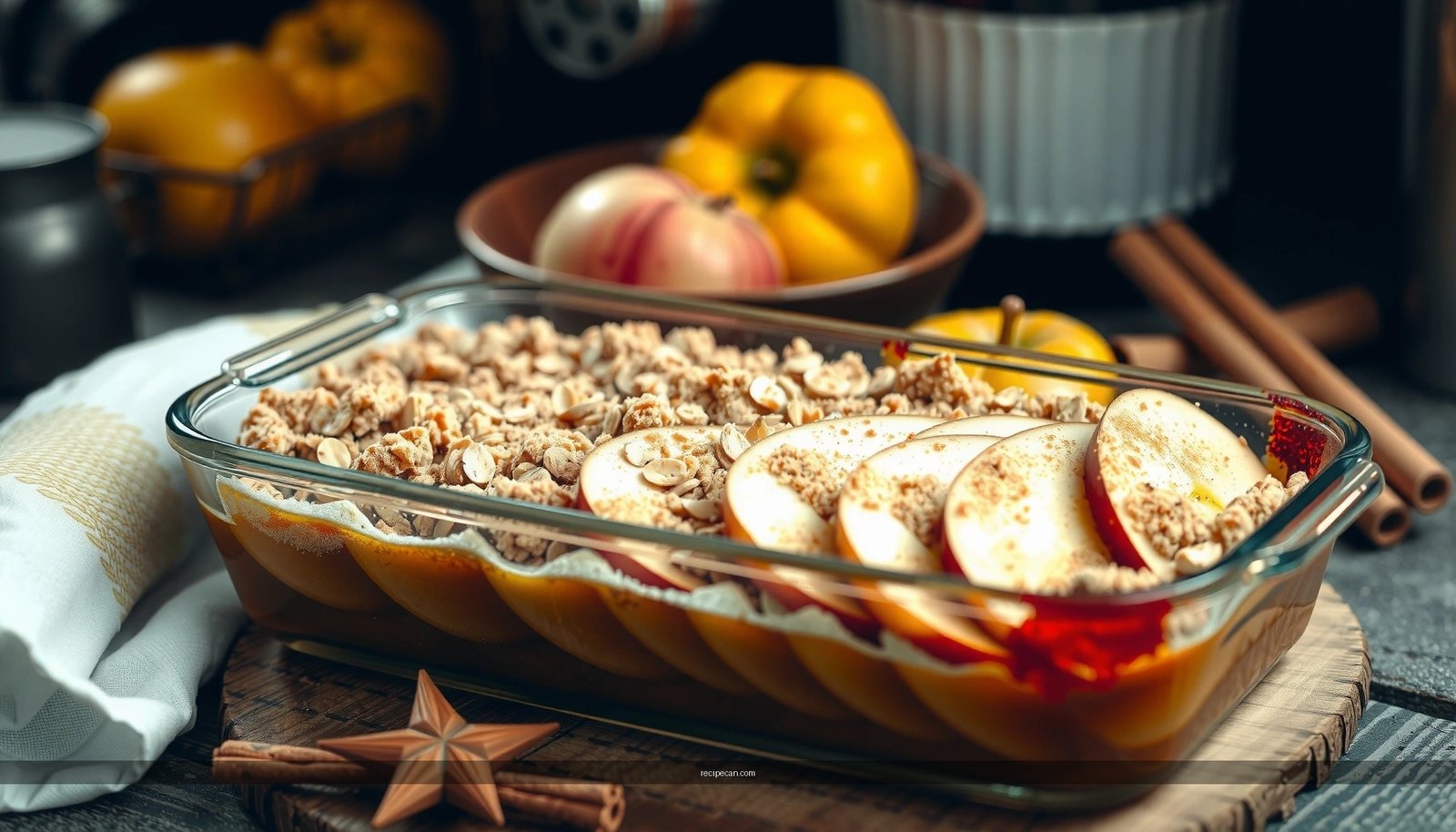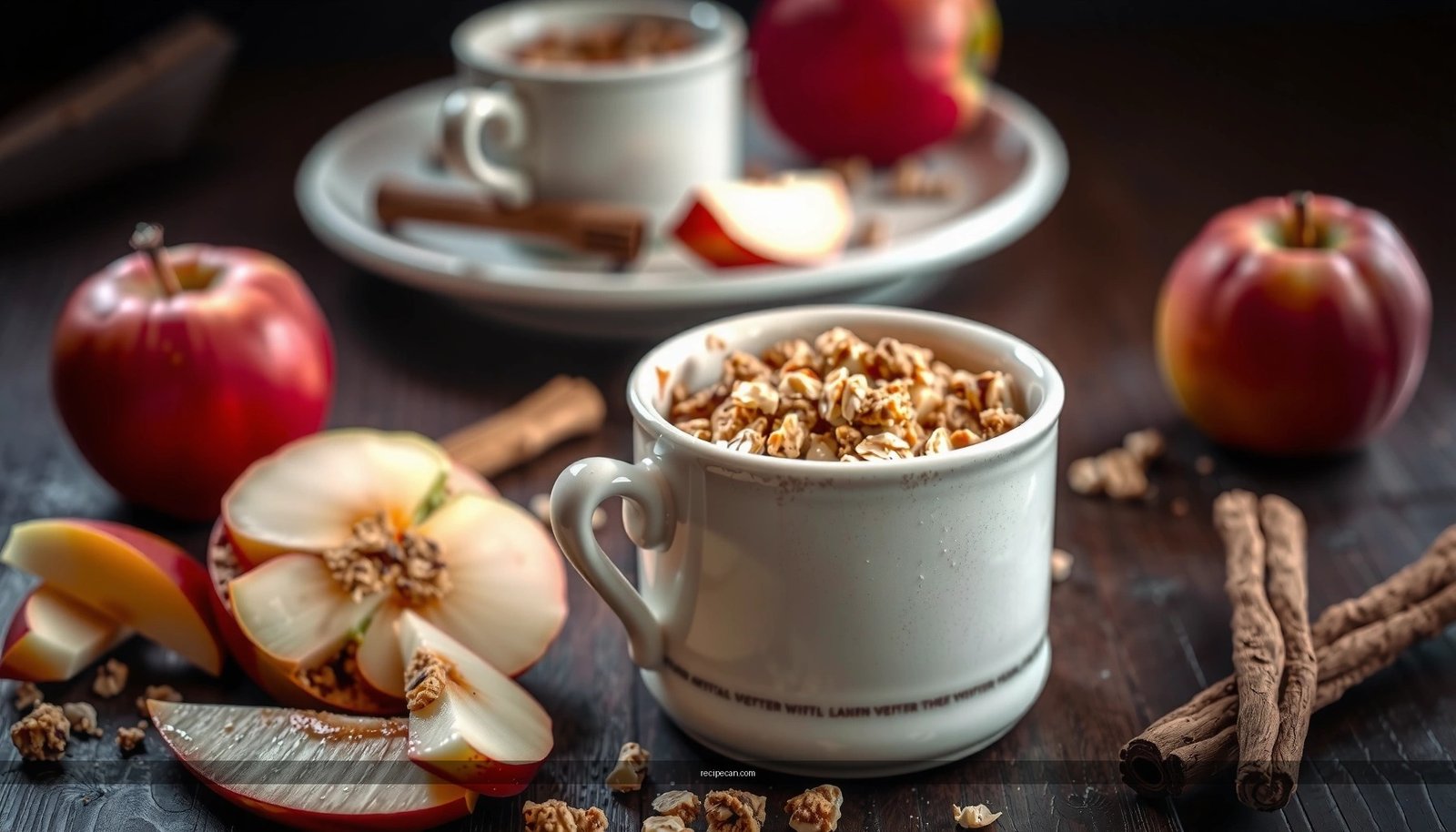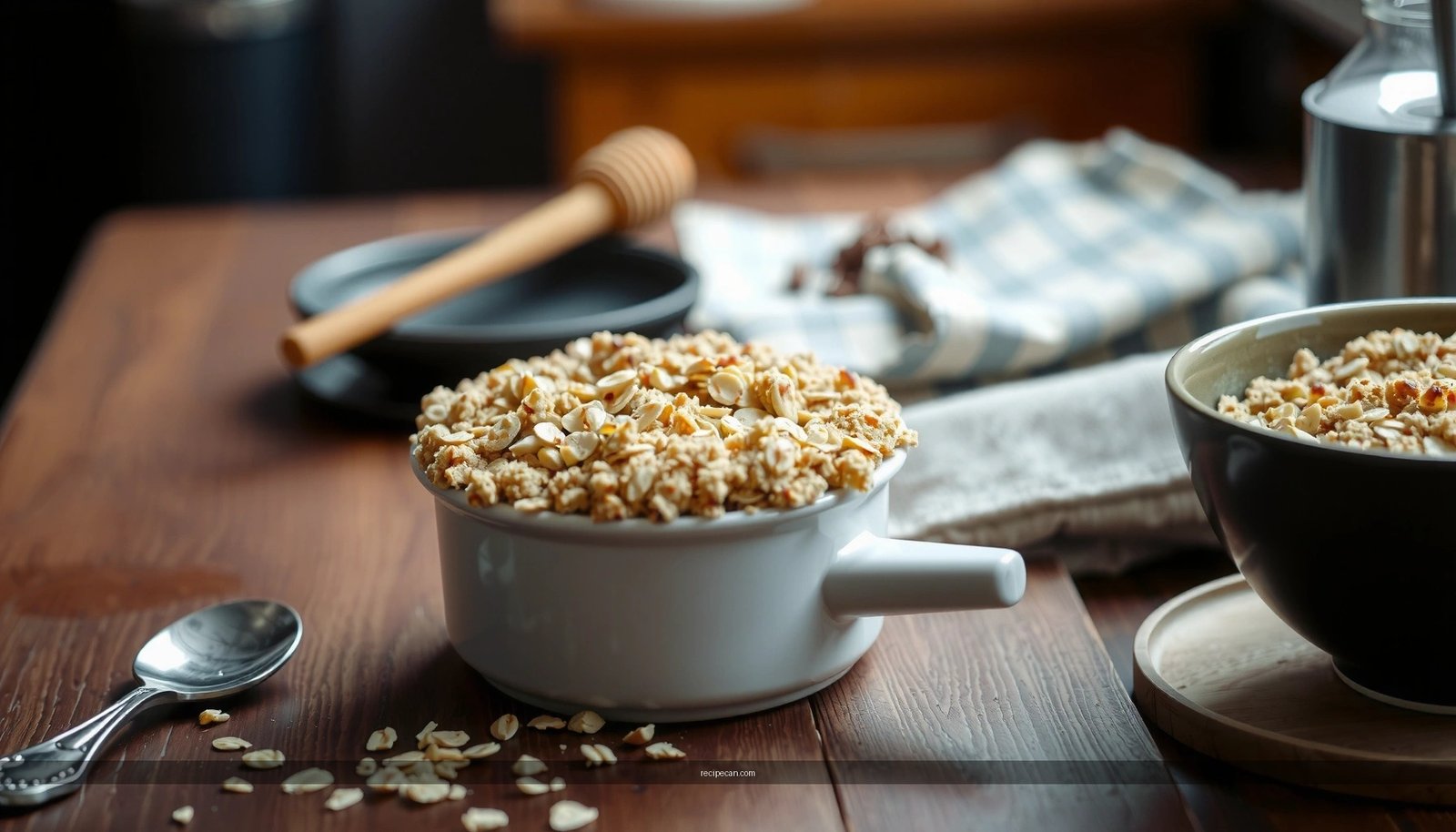
Get the best recipe for crumble topping that delivers a crisp, flavorful layer every time. This easy method yields the most reliable crunch—golden, buttery, and packed with texture—so you know exactly what to mix and bake for perfect crumble. If you want a topping that turns any fruit or pie filling into a crisp finish, this is the winner.
A great crumble topping is simply cold butter cut into flour and sugar until coarse crumbs form, then baked until golden and fragrant; the crispness comes down to texture control and oven timing. In the guide below, you’ll learn exactly what ingredients to use, how to judge the right consistency, and how to tailor the crumble for fruit desserts, cakes, and muffins.
Essential Ingredients for Crumble Topping
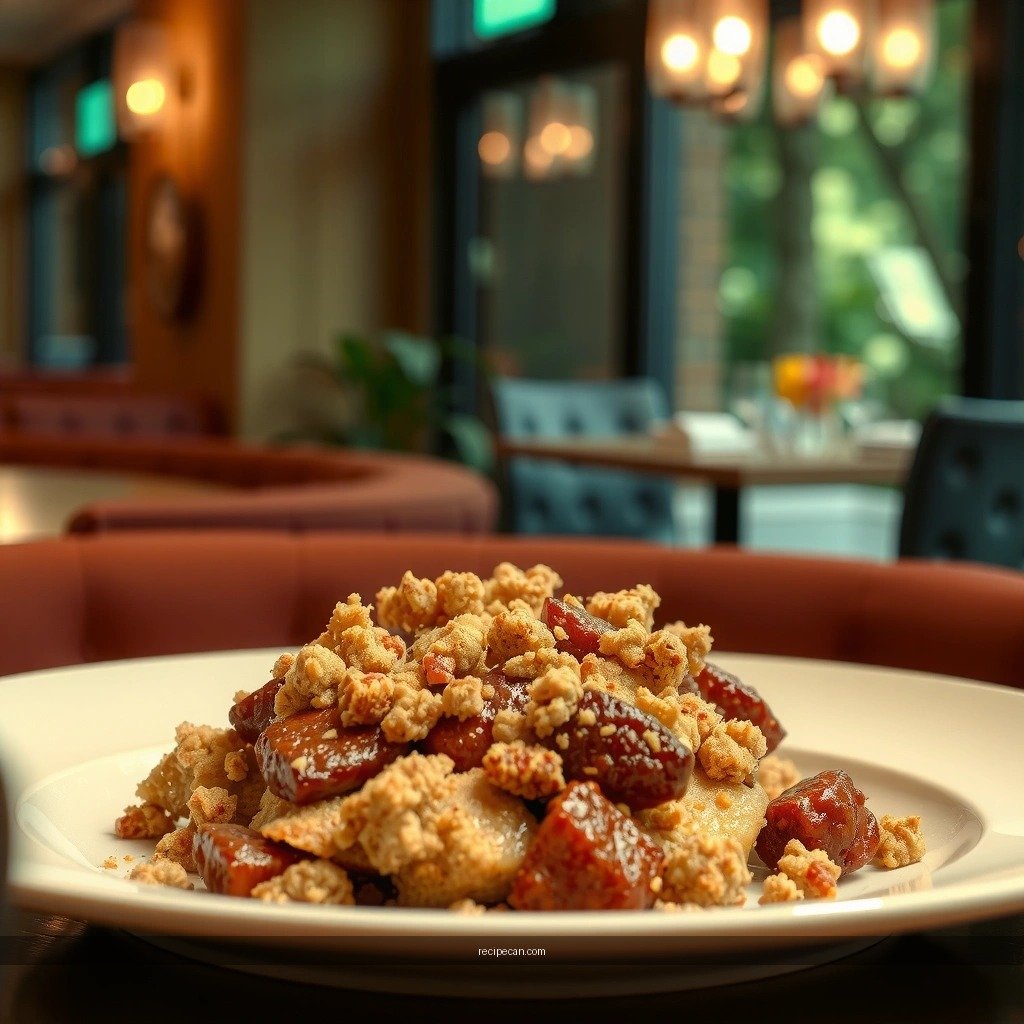
A classic crumble topping relies on three core components—flour, cold butter, and sugar—because that combination creates the uneven, sandy crumb structure that bakes into a crisp, golden layer.
– Flour (structure): All-purpose flour is the most reliable option for achieving a tender interior crumb that crisps on the edges. For extra body, you can use a 50/50 blend of all-purpose flour and whole wheat pastry flour, but stick mostly to AP flour for the most consistent results.
– Cold butter (crisping power): Butter brings flavor and, more importantly, fat distribution. When cold butter is cut into the dry mix, it forms small pockets that melt in the oven, creating the crisp, layered crumble texture. If your butter is even slightly warm, the crumb can become too uniform and turn out more like a cookie layer than a true crumble.
– Sugar (browning and sweetness): Granulated sugar delivers classic crispness and good browning through caramelization. If you prefer a deeper, molasses-like note, brown sugar works well—just be aware it can make the topping slightly softer in humid conditions.
To fine-tune flavor:
– Salt (balance): A pinch of salt makes a noticeable difference. It reduces the “flat” sweetness that can happen when the topping is only sugar and flour.
– Spices (optional but high-impact): Cinnamon is the most common choice, but nutmeg, cardamom, or even ginger (especially with apples or pears) can add a warm, bakery-style aroma.
– Mix-ins (customize texture): Oats, chopped nuts, or extra sugar can change the crunch level. Think of these as controlled variables: oats make it heartier, nuts add richness, and a touch of extra brown sugar boosts caramel notes.
How the ingredients typically ratio (quick benchmark)
For a dependable standard crumble topping, a common baseline is:
– 1/2 cup (about 60 g) flour
– 1/2 cup (about 110 g) cold butter
– 1/3 cup (about 65 g) sugar
Scale up or down depending on the size of your baking dish.
How to Make Crumble Topping (Step-by-Step)
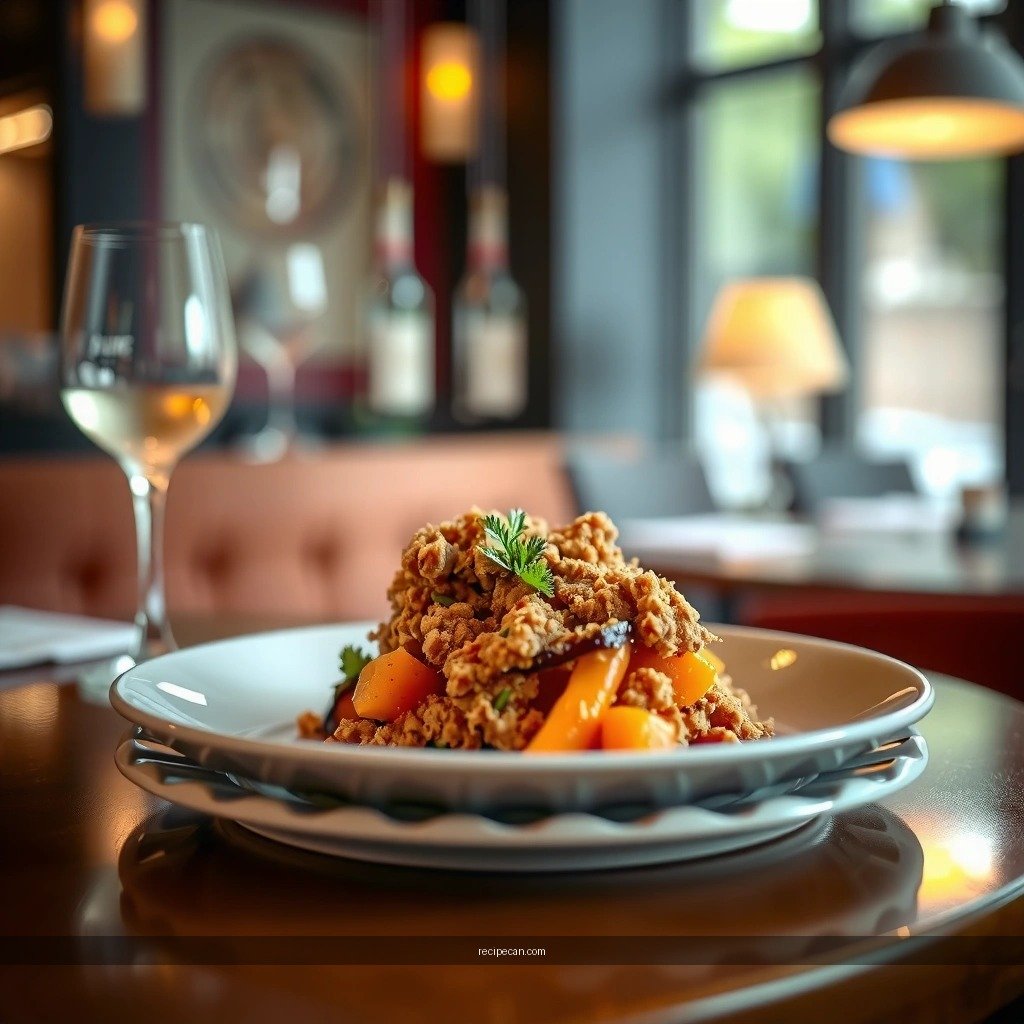
The process is simple, but there are two “technical” points—how cold your butter is and how much you mix—that determine whether your crumble bakes crisp or turns dense.
– Cut cold butter into the dry ingredients until uneven, sandy crumbs form.
Use a pastry cutter, fork, or your fingertips to break butter into small pieces. You’re aiming for crumbs ranging from pea-size to slightly larger fragments. These varied pieces create crispness gradients—some bits brown quickly while others bake more gently, which is a big reason crumble topping tastes complex.
– Do not overmix.
Overmixing develops gluten (from flour hydration) and can smear butter, causing the mixture to bake into a more uniform, heavier layer. Mix only until everything looks evenly combined and no large flour pockets remain.
– Keep the mixture slightly loose—then spread evenly.
If your mixture seems too dry, it won’t adhere to fruit; if it seems too wet, it can bake clumpy in a way that loses that delicate crunch. Use a gentle touch when leveling the topping so it bakes at the same rate across the surface.
A practical method many bakers use:
1. Combine flour, sugar, salt, and any spices in a bowl.
2. Add cold butter (cubed) and cut in until crumbly.
3. Spread immediately over your prepared fruit or batter.
Pro tip for consistent results: If your kitchen is warm or butter starts to soften, chill the crumble mixture for 10 minutes before topping your dish. Cold butter equals crisp crumble.
Perfect Texture: Tips for Best Crumbles
Crumble topping is judged more by texture than by exact measurements. Use these cues to nail it every time:
– Clumps when pressed, but crumbles easily.
When you press a handful together, it should form a loose clump; then, with a light tap, it should break back into crumbs. This indicates the butter is properly distributed—enough fat for browning, not so much that it becomes a paste.
– Chill briefly if butter gets too warm.
If the mixture looks greasy or starts sticking together like dough, return it to the refrigerator. Butter temperature affects how quickly it melts; melting too early can cause pooling and soften the finished topping.
– Adjust thickness for the behavior you want.
– Thicker crumble = crunchier bites and more pronounced browning.
– Thinner crumble = quicker browning and more “snappy” texture, but it can run the risk of becoming too dark if the dish bakes for long.
Quick troubleshooting guide
– Too dense / heavy: you likely overmixed or butter was too warm.
– Too dry / not sticking: increase butter slightly (or add 1–2 teaspoons cold butter) and mix just to combine.
– Too pale / underbrowned: bake a bit longer or ensure your oven is fully preheated.
– Soft after baking: use a middle rack and allow full cooling—many crumbles crisp as they set.
Crumble Performance Checklist (What to Expect vs. How to Fix It)
| # | Crumble Result | Most Likely Cause | Corrective Action | Confidence Impact |
|---|---|---|---|---|
| 1 | Deep golden top | Proper oven heat + butter pockets | Keep middle-rack placement; bake until fragrant | High |
| 2 | Browning too slow | Oven underheats or topping too thick | Verify preheat; thin layer or extend 3–5 min | Medium-High |
| 3 | Uneven browning (some pale, some dark) | Uneven spread or dish overcrowding | Level topping; avoid stacking; rotate once mid-bake | Medium |
| 4 | Dense, cake-like crumble | Overmixing or warm butter | Cut less; chill butter; stop mixing when sandy | High |
| 5 | Greasy or sticky top | Butter melted before baking | Chill topping 10 minutes; bake immediately | High |
| 6 | Topping won’t hold together | Dry mix or insufficient butter | Add 1–2 tsp cold butter; mix until crumbly | Medium |
| 7 | Soft after cooling | Underbaked or too much moisture underneath | Bake until set; cool on rack; reduce fruit liquid | Medium-High |
Baking Time and Temperature Guide
Crumble topping behaves predictably once you understand two variables: oven temperature and moisture underneath (from fruit or batter).
– Bake until the topping is golden and fragrant.
In many fruit crumbles, the topping bakes in the 20–30 minute window at a typical home oven temperature (commonly around 350°F / 175°C). However, dish depth matters: a deeper bake needs a few more minutes for the topping to crisp fully.
– Use the middle rack.
This position balances airflow and heat distribution, improving even browning and minimizing the risk of burning edges.
– If it browns too quickly, tent with foil.
Lightly cover the dish with foil to slow browning while the center finishes setting. Then remove the foil for the final minutes if you want extra color.
Best-practice timing approach:
Start checking at around the 18–20 minute mark. Look for:
– golden edges,
– a set, dry-looking surface,
– an aromatic butter-sugar smell.
If your crumble is topping a very juicy fruit (like peaches or berries), consider slightly thickening fruit filling (cornstarch or a reduction step) so the underside doesn’t steam the topping into softness.
Flavor Variations to Try
Once your base crumble is dialed in, variations are easy—and they meaningfully change the flavor profile and bite.
– Rolled oats for rustic crunch:
Replace a portion of flour with rolled oats (for example, swap 2–3 tablespoons of flour for oats). Oats add texture and a nutty taste that pairs especially well with apples and pears.
– Chopped nuts for richness:
Add 1/4 cup (or more, to taste) of finely chopped nuts like almonds or pecans. Nuts boost fat content and create toasted notes during baking. They’re also great for people who want a more “granola-like” crumble identity.
– Zest or vanilla for aroma:
A bit of lemon or orange zest brightens fruit desserts immediately. Vanilla extract adds warmth, but use it sparingly (it can soften the crumble if over-added). In many kitchens, zest provides the most fragrance with the least risk.
One additional professional-friendly twist:
– Brown sugar + cinnamon “coffee-shop” vibe:
Swap part of granulated sugar for brown sugar and add cinnamon. The result is deeper caramelization and a more bakery-like aroma.
Serving Ideas and Best Uses
Crumble topping isn’t limited to classic fruit crumbles. Its main advantage is texture: it delivers crisp contrast against soft fillings.
– Sprinkle over baked fruit:
Apples, berries, peaches, and even rhubarb work beautifully. For best results, cut fruit evenly and manage juices so the topping stays crisp.
– Top cakes or muffins before baking:
A crumble layer can replace or augment traditional frosting for a more rustic, snackable dessert. For muffins, use a slightly thinner layer so they bake evenly without burning.
– Serve warm with classic dairy pairings:
Vanilla ice cream is the benchmark, but whipped cream also works—especially when the topping is cinnamon-forward.To keep the crumble crisp longer:
– serve soon after baking,
– cool on a rack rather than directly on a counter surface,
– and if you must hold it, store loosely covered to reduce steam trapping.
Your crumble topping should be crisp, golden, and easy to sprinkle—just mix cold butter with flour and sugar until coarse crumbs form, then bake until browned. Follow the texture tips and baking guide, then try one variation (oats or nuts) to make it your own. Make your crumble topping today and top your next fruit bake for an instant upgrade.
Frequently Asked Questions
What is the best recipe for crumble topping?
A classic crumble topping uses equal parts flour and cold butter plus sugar for sweetness, with optional oats for extra texture. A reliable baseline is 1/2 cup (60 g) flour, 1/2 cup (60 g) sugar (brown sugar works great), and 1/4 cup (55 g) cold butter, stirred together until crumbly. For deeper flavor, add 1/4 cup (20–30 g) rolled oats and a pinch of salt. This “sandy-to-pebbly” texture is ideal for topping fruit crumbles and baking until golden.
How do you make crumble topping that stays crisp and doesn’t turn into dough?
Use cold butter and cut it into the dry ingredients until you get uneven crumbs rather than a smooth paste. Keeping the mixture chilled helps the butter firm up, which leads to crisp, crunchy crumble topping when baked. If your crumble looks wet or clumps into a dough, add a tablespoon or two of flour or oats; if it’s too dry, add a teaspoon of butter or a splash of melted butter mixed in lightly. Baking at the right temperature (often 375°F/190°C) and avoiding over-stirring are key.
Which crumble topping should you use for fruit pies and cobblers?
For fruit pies, a slightly finer crumble topping works well so it bakes evenly without overwhelming the filling. For cobblers, a mix with oats or more sugar creates a thicker, more “crunchy” crumble topping that contrasts nicely with juicy fruit. If your fruit is very watery (like berries), consider adding a bit of extra oats or using brown sugar for a sturdy, caramelized topping. Always spread the crumble evenly to prevent thin spots from burning before the fruit is tender.
Why does crumble topping sometimes burn or get too dark before the fruit is cooked?
Crumble topping can brown too quickly if the butter melts early or if the sugar content is high without enough flour or oats to absorb moisture. To prevent burning, use cold butter, distribute the topping evenly (not in thick clumps), and bake at a moderate temperature. If you notice excessive browning, loosely cover the dish with foil partway through baking while the fruit finishes cooking. Choosing brown sugar can also darken faster, so balance it with flour or oats if you tend to get over-browned results.
How can you adjust a crumble topping recipe for a gluten-free or low-sugar version?
For gluten-free crumble topping, swap the flour for a gluten-free 1:1 baking flour blend and consider adding extra oats if your blend is prone to crumbling too finely. To lower sugar, reduce the sugar by 1/4 to 1/3 and rely on cinnamon or vanilla for flavor depth, since crumble topping needs some sweetness to taste balanced. Keep the fat-to-dry ratio similar—cold butter and proper crumb formation matter more than exact sugar. Baking a few minutes longer at the same temperature can help achieve that golden crumble topping texture even with less sugar.