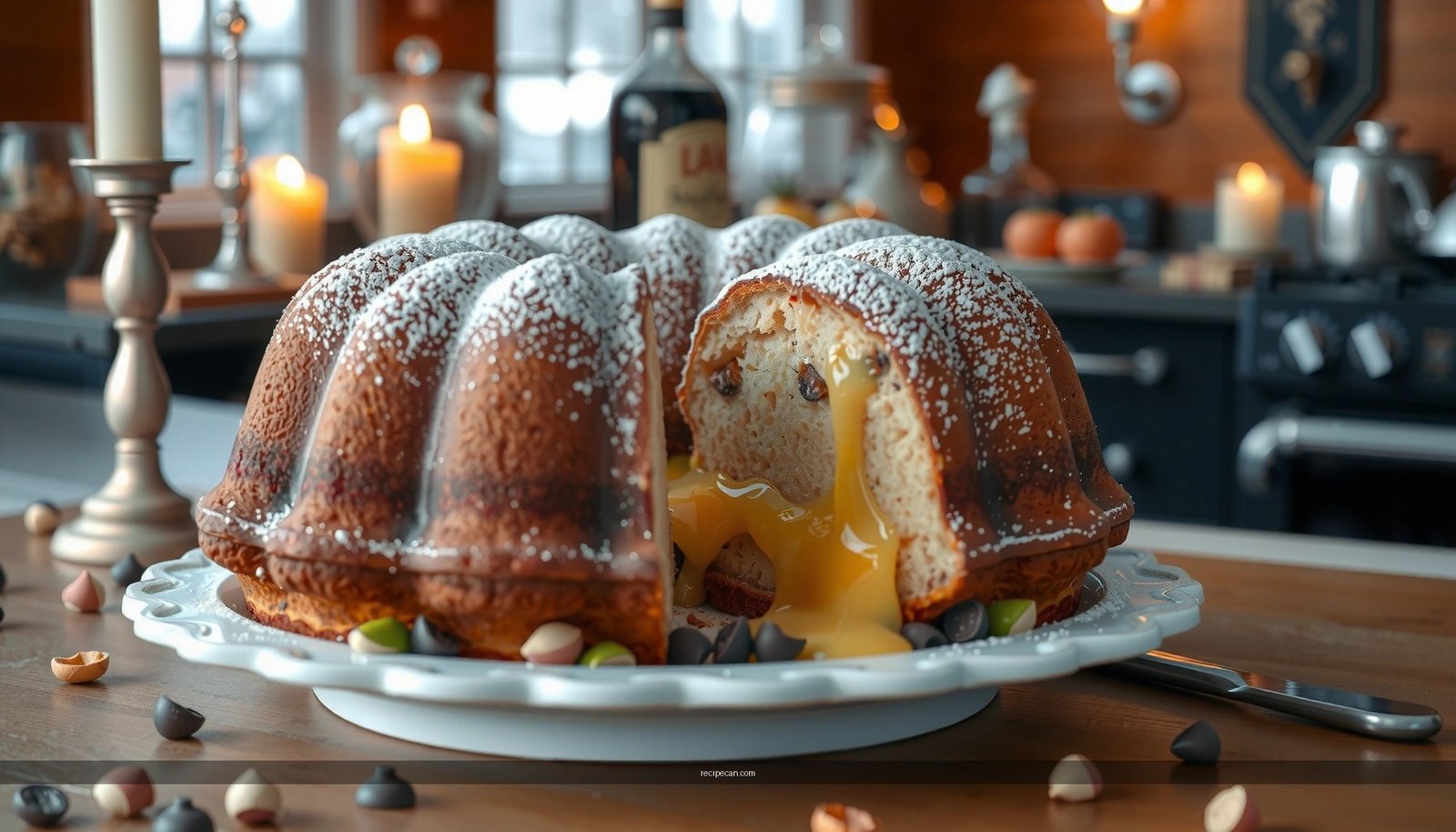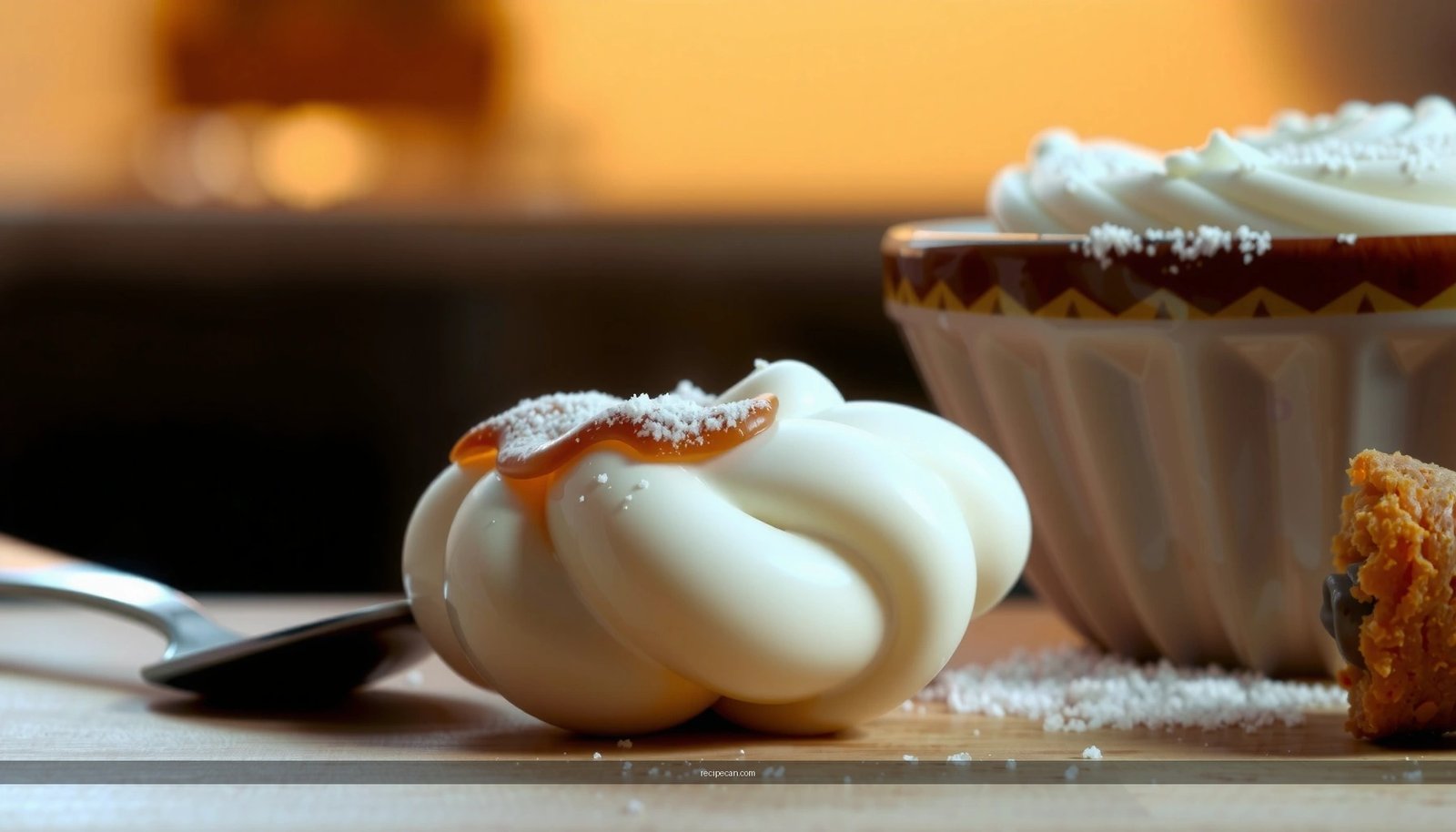
Get a classic recipe for cannoli cream—a sweet, smooth ricotta-based filling that tastes right and pipes cleanly into crispy shells. This guide shows the exact ingredient ratios and mixing method to achieve the signature cannoli texture without graininess or runniness. If you want the best possible sweet cream filling for cannoli, follow this step-by-step and you’ll know it’s done when it’s thick, glossy, and easy to spoon.
Make cannoli cream by whipping well-drained ricotta until smooth, then sweetening it with powdered sugar, vanilla, and optional chocolate chips for a thick, pipeable classic filling. With the right drainage, mixing technique, and chilling, you’ll get a creamy cannoli filling that holds its shape in shells and tastes balanced—not watery or grainy.
Gather Ingredients for Cannoli Cream

Cannoli cream (also called sweet ricotta filling) is all about proportion and texture. The ingredients below are tuned to produce a thick, spoonable-to-pipeable consistency that stays stable against the shell’s crunch.
– Use whole-milk ricotta for the creamiest results
Whole-milk ricotta has higher fat content, which improves mouthfeel and helps the filling set without becoming chalky.
– Add powdered sugar, vanilla, and optional mini chocolate chips
Powdered sugar dissolves quickly and creates a smooth finish, while vanilla gives warm, bakery-style aroma. Mini chips distribute evenly without overwhelming the ricotta base.
– Optional: a pinch of salt to balance sweetness
A tiny amount of salt makes the ricotta flavor pop and prevents the filling from tasting flat or overly sweet.
To help you plan consistently—especially when scaling for events—here’s a quick guide to typical batch sizing and what texture you should expect.
Cannoli Cream Batch Guide (Yield & Consistency Targets)
| # | Ricotta Used | Powdered Sugar | Flavoring | Expected Yield | Texture Rating |
|---|---|---|---|---|---|
| 1 | 16 oz (454 g) | 1/3 cup (approx. 40–45 g) | 1 tsp vanilla | ~10–12 cannoli | ★★★★★ |
| 2 | 20 oz (567 g) | 1/2 cup (approx. 60–65 g) | 1–1 1/2 tsp vanilla | ~13–16 cannoli | ★★★★★ |
| 3 | 24 oz (680 g) | 5/8 cup (approx. 75–80 g) | 1 1/2–2 tsp vanilla | ~16–19 cannoli | ★★★★☆ |
| 4 | 8 oz (227 g) | 2/4 cup (approx. 20–23 g) | 1/2 tsp vanilla | ~5–6 cannoli | ★★★★☆ |
| 5 | 16 oz (454 g) + drained longer | 1/3 cup (40–45 g) | 1 tsp vanilla + 1/4 tsp salt | ~10–12 cannoli | ★★★★★ |
| 6 | 16 oz (454 g) not well-drained | 1/3 cup (40–45 g) | 1 tsp vanilla | ~10–12 cannoli (but looser) | ★★★☆☆ |
| 7 | 16 oz (454 g) + extra chips | 1/3 cup (40–45 g) | 1 tsp vanilla + 1/4 cup mini chips | ~10–12 cannoli | ★★★★☆ |
Prep the Ricotta for a Smooth Texture
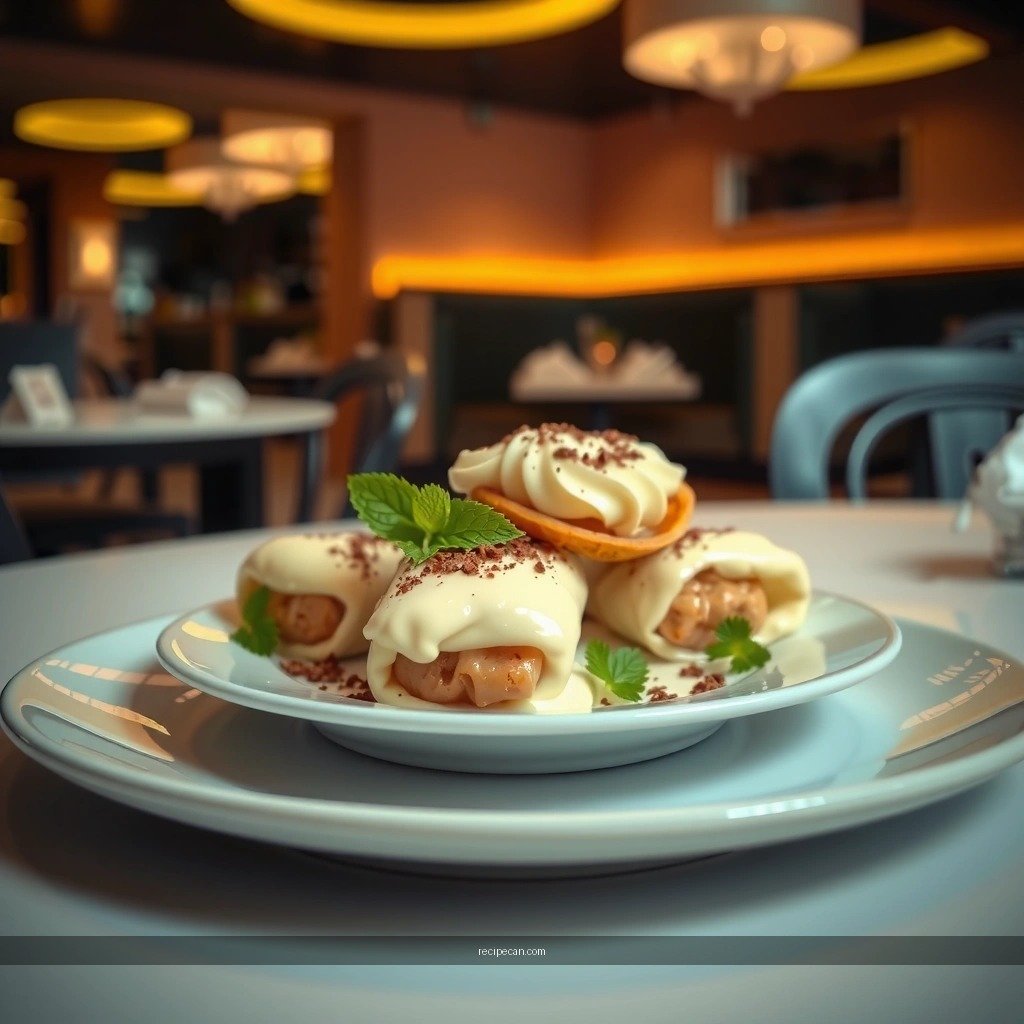
The quality of cannoli cream is won or lost before you even sweeten it. Ricotta naturally contains whey; if you skip drainage, you’ll end up with a filling that spreads rather than pipes.
– Drain ricotta to prevent a watery filling
Place ricotta in a fine-mesh strainer over a bowl and refrigerate 1–2 hours (or up to overnight for extra-firm results). If you’re short on time, press gently with a spoon against the mesh rather than squeezing hard.
– Whip or stir until creamy and lump-free
Use a whisk, spatula, or hand mixer. For a truly professional texture, aim for a smooth, satin base—no visible curds.
– Adjust thickness by adding more/less ricotta or sugar as needed
If your ricotta is especially thick, you may need slightly more powdered sugar to reach the classic sweetness. If it’s looser, drain longer first—adding more sugar can cover flavor imbalance but won’t fully fix thin texture.
Practical benchmark: lift a spoonful of whipped ricotta—good cannoli cream base should fall back slowly, not stream.
Mix and Sweeten the Cannoli Cream

Once the ricotta is smooth, sweetening becomes straightforward. The goal is a fully integrated filling with stable body, so it holds its shape when piped into shells.
– Fold in powdered sugar gradually for an even blend
Adding powdered sugar gradually prevents clumps and reduces the risk of grainy texture. Stir just until incorporated; overmixing can sometimes loosen the structure.
– Stir in vanilla (and citrus zest if desired)
Vanilla should be added after the sugar is mostly blended. Citrus zest (orange or lemon) is optional, but it’s a classic complement to ricotta’s dairy sweetness.
– Mix until thick, smooth, and fully combined
Your final mixture should be thick enough to pipe clean lines and smooth enough to feel luxurious rather than sandy.
If you want an extra-controlled result, let the mixture rest in the refrigerator for 20–30 minutes. This small chill often improves pipeability by allowing fats to re-set.
Flavor Variations and Mix-Ins
Classic cannoli cream is sweet and gently vanilla-forward, but it’s designed to take well to mix-ins. The most important rule: keep mix-ins measured so the cream stays pipeable.
– Add cinnamon or orange zest for a classic twist
Cinnamon works well in smaller amounts (about 1/8–1/4 teaspoon per 16 oz ricotta). Orange zest adds bright, aromatic lift without overpowering the filling.
– Fold in mini chocolate chips or candied fruit
Mini chips distribute better than larger pieces and help maintain a smooth texture. Candied fruit adds color and chew, but use it sparingly—too much can disrupt the cream’s structure.
– Keep mix-ins measured so the cream stays pipeable
If your filling becomes thick but difficult to pipe, it may actually be overloaded with solids. In that case, add a teaspoon of drained ricotta whey-free creaminess (or whip in a small amount of additional well-whipped ricotta) rather than adding liquid that would thin it.
Best practice for quality control: mix-ins should be folded in last, and you should stop as soon as they’re evenly distributed—overfolding can make the base feel heavy.
Pipe, Fill, and Store Correctly
Cannoli shells can go soft if they sit too long, so timing is part of “texture engineering.” The filling should be made ahead if needed, but assembly should be near service.
– Fill cannoli shells right before serving for best crunch
For maximum contrast—crisp shell and creamy interior—pipe right before presentation.
– Pipe the cream for neat, professional-looking results
Use a piping bag fitted with a wide tip to reduce clogging and help the cream flow smoothly. Fill gently to avoid shell cracking.
– Refrigerate covered; consume within 1–2 days
Store the cream in an airtight container to prevent drying and flavor absorption. While cannoli cream can last 1–2 days when properly chilled, its best sensory quality is typically day one.
Operational tip: If you’re making cannoli for a group, you can prep the cream earlier and keep it refrigerated, then pipe and fill closer to serving time.
Troubleshooting Common Cannoli Cream Issues
Even well-written recipes can fail if ricotta moisture and mixing aren’t carefully managed. Use the checks below as fast diagnostics.
– Too runny: drain ricotta longer or chill before filling
First, ensure proper drainage. If the mixture is already mixed, chill it 20–30 minutes and reassess pipeability.
– Too thick: stir in a small amount of cream or ricotta
If you over-drained or used especially dense ricotta, loosen the mixture slightly with a tablespoon of ricotta or a small splash of cream, then re-whip briefly to restore smoothness.
– Grainy: whip more thoroughly or strain again
Graininess usually comes from insufficient blending or curds that remained intact. Whip until fully smooth; for stubborn texture, strain again through a fine sieve.
A helpful mindset: treat cannoli cream as a physical system. Drainage controls water content, whipping controls curd size distribution, and powdered sugar controls sweetness and viscosity.
If you make small adjustments and measure outcomes—how it pipes, how it spreads, and how it tastes—you’ll rapidly dial in the “house style” version you prefer.
To make your cannoli cream successfully, focus on well-drained ricotta and thorough mixing for a smooth, thick texture. Drain, whip, sweeten, and fill close to serving time for the best flavor and consistency—then try a mix-in like chocolate chips for an extra-special finish. Make this recipe today and fill your cannoli shells when you’re ready to serve.
Frequently Asked Questions
What is the best recipe for cannoli cream that tastes like an Italian bakery?
A classic cannoli cream uses ricotta that’s been drained well, then sweetened with sugar and gently mixed with vanilla and optional cinnamon. Fold in mini chocolate chips and, if you like, a small amount of powdered sugar for a smoother, creamier texture. For true bakery flavor, use high-quality whole-milk ricotta and don’t overmix once the mixture is combined.
How do I make cannoli cream thick and not runny?
The key is draining the ricotta: strain it through cheesecloth or a fine-mesh sieve for several hours (or overnight) before mixing. If your mixture is still loose, add a bit more powdered sugar and fold gently until it thickens. Avoid adding watery flavorings—use extracts (like vanilla) rather than liquid ingredients that can thin the cream.
Why does my cannoli cream taste gritty or watery?
Grittiness usually comes from ricotta that wasn’t drained enough or wasn’t smooth enough before mixing; strain and, if needed, press the ricotta through a sieve. Watery cannoli cream typically results from insufficient draining or using ricotta with excess moisture. For best results, keep the ricotta cold and mix only until combined so the texture stays silky.
Which ingredients work best for authentic cannoli cream—whole milk ricotta or mascarpone?
Traditional cannoli cream is primarily made with drained whole-milk ricotta, which provides the classic tangy, light flavor. Mascarpone can be added to make the ricotta cream richer and more stable, but it may shift the traditional taste if used heavily. For authenticity, start with ricotta as the base and use mascarpone sparingly if you want extra creaminess.
Can I make cannoli cream ahead of time and how should I store it?
Yes—cannoli cream actually benefits from resting in the refrigerator for a few hours, because the flavors meld and the mixture thickens slightly. Store it covered in an airtight container and keep it cold to maintain the ricotta cream texture. For best serving results, fill cannoli shells just before eating so they stay crisp, since the filling can soften them quickly.
References
- Cannoli
https://en.wikipedia.org/wiki/Cannoli - Ricotta
https://en.wikipedia.org/wiki/Ricotta - Powdered sugar
https://en.wikipedia.org/wiki/Powdered_sugar - Orange flower water
https://en.wikipedia.org/wiki/Orange_blossom_water - Vanilla
https://en.wikipedia.org/wiki/Vanilla - Cinnamon
https://en.wikipedia.org/wiki/Cinnamon - Marsala
https://en.wikipedia.org/wiki/Marsala - Google Scholar Google Scholar
https://scholar.google.com/scholar?q=cannoli+ricotta+cream - Google Scholar Google Scholar
https://scholar.google.com/scholar?q=ricotta+cannoli+filling+recipe - Google Scholar Google Scholar
https://scholar.google.com/scholar?q=Italian+dessert+cannoli+texture+ricotta