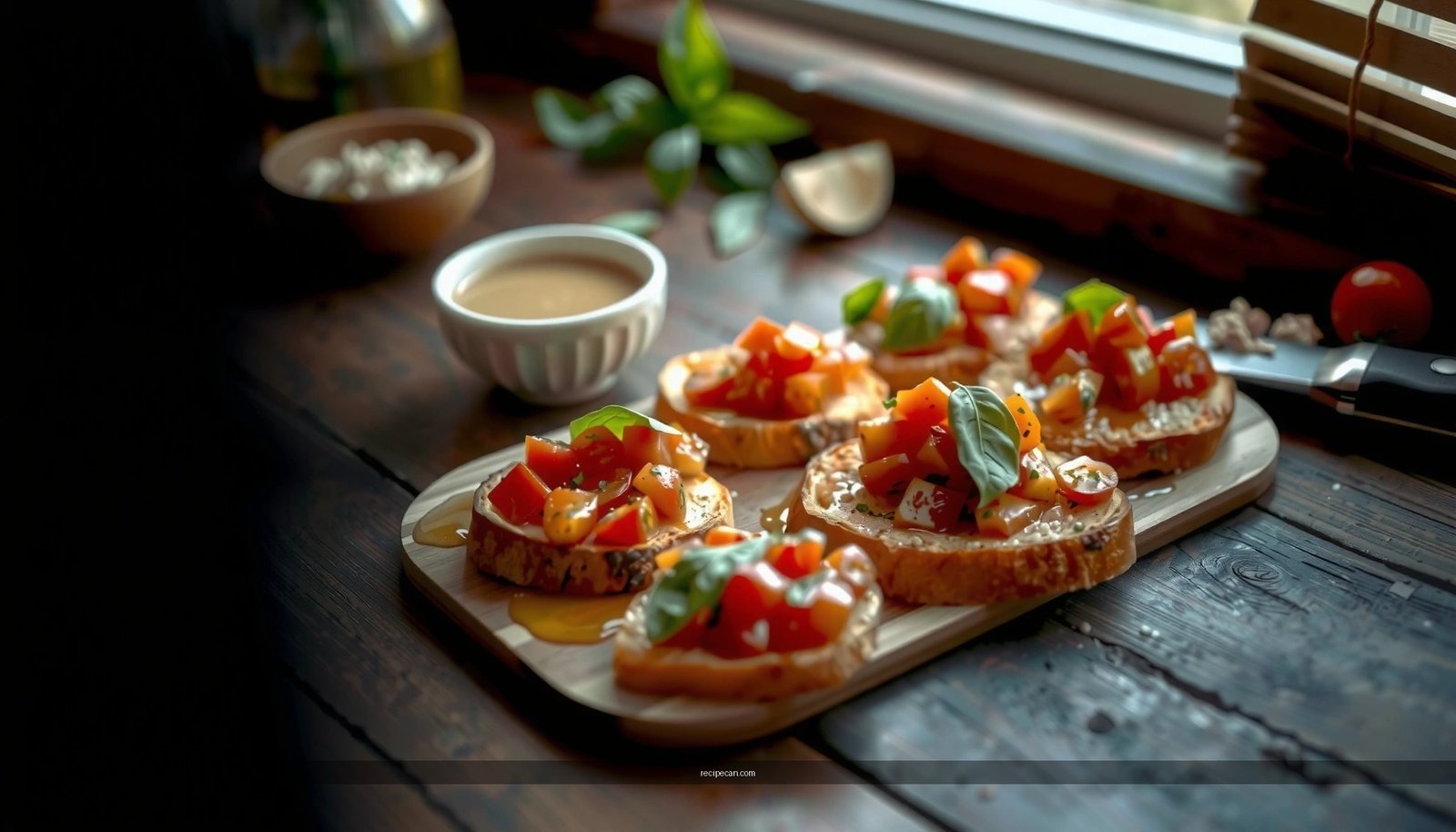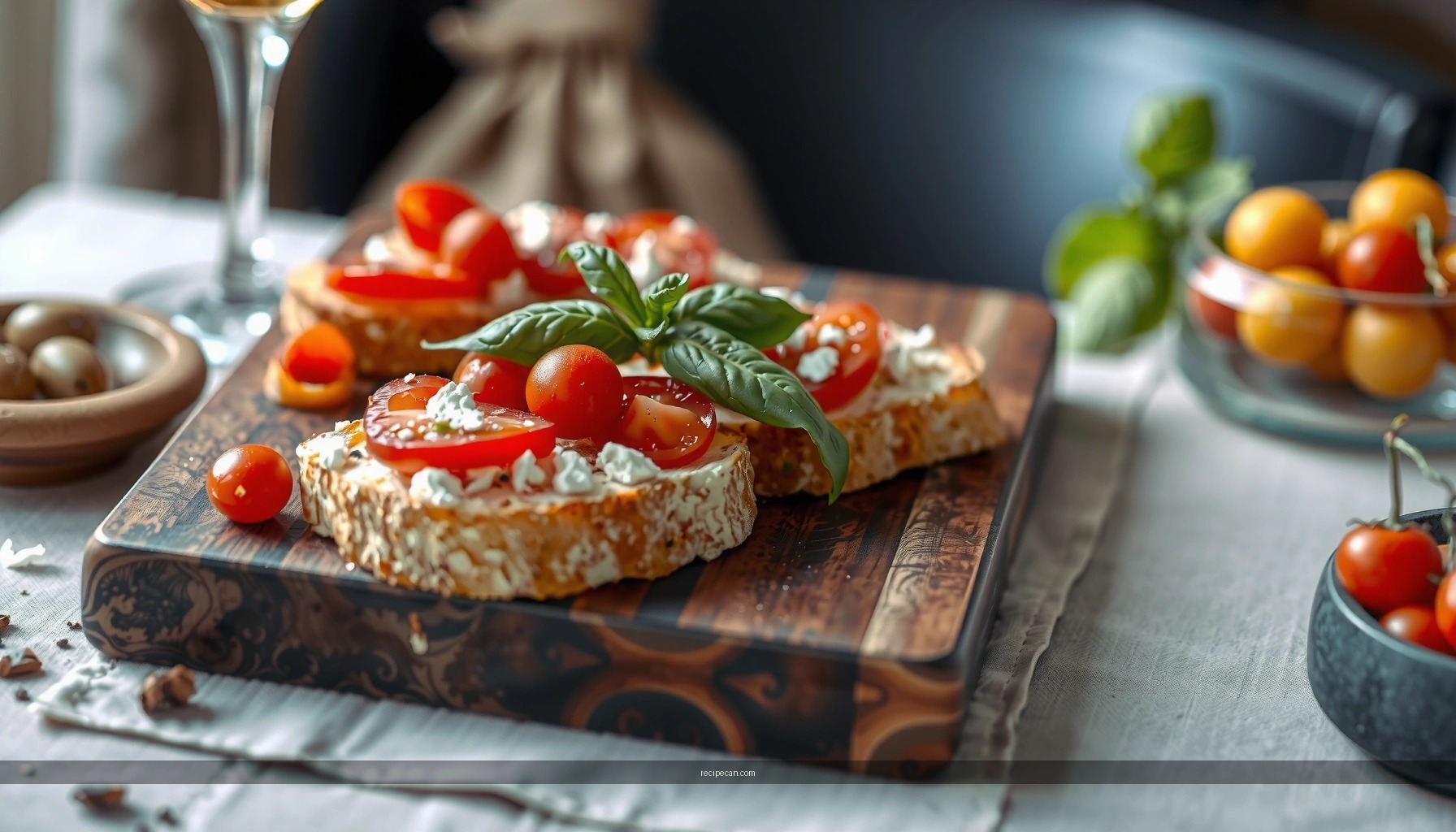
Get a simple, winning recipe for bruschetta with feta that delivers bold Mediterranean flavor without fuss. This guide answers whether you can make restaurant-quality bruschetta at home—fast, reliably, and with ingredients you can find easily. Expect crisp toasted bread, tangy feta, and a bright topping that comes together in minutes, not hours.
This recipe for bruschetta with feta is ready in minutes and delivers a bright, tangy topping over crisp toasted bread—so you get restaurant-style flavor without the complexity. With a quick tomato-feta mixture, a properly toasted base, and a few precision seasoning steps, you’ll produce an appetizer that’s bold, balanced, and reliably delicious every time.
Ingredients for Bruschetta with Feta
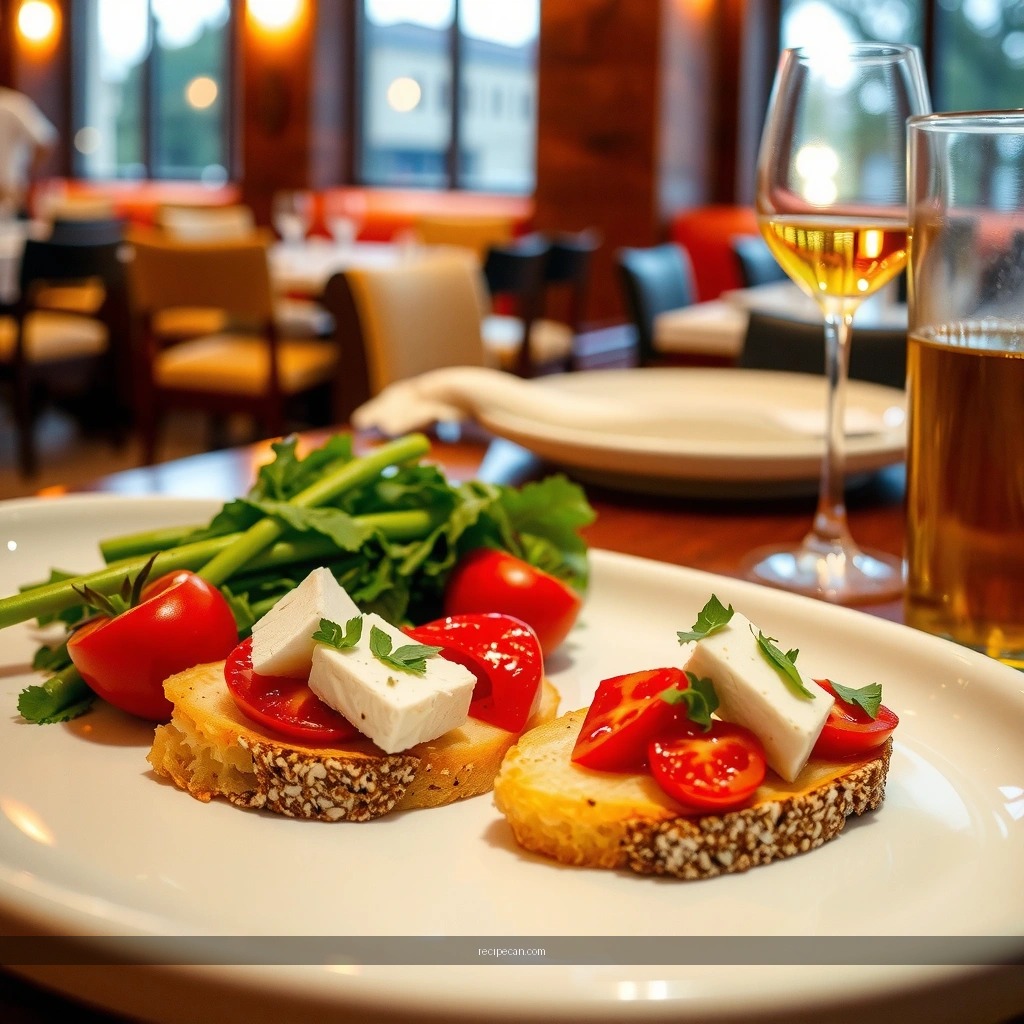
– Choose ripe tomatoes, quality feta, and fresh basil for the best flavor
– Gather garlic, olive oil, lemon juice (or vinegar), and optional red pepper flakes
To make bruschetta with feta taste intentional—not improvised—start with ingredients that can stand up to the crunchy bread. Ripe tomatoes provide juicy sweetness and acidity, feta contributes tang and saltiness, and basil adds aromatic lift. The rest of the flavor work is done by garlic, olive oil, and lemon juice (or vinegar), which tie the topping together and brighten the overall profile.
Practical ingredient guide (for 6–8 servings):
– Bread: 1 large baguette or 1–2 ciabatta rolls (cut into thick slices). Thick bread matters because it toasts without turning brittle.
– Tomatoes: 2–3 medium ripe tomatoes (or ~2 cups chopped). Use Roma or vine-ripened for less watery texture.
– Feta: 5–7 oz (140–200 g), crumbled. Look for feta packed in brine for better flavor and moisture retention.
– Fresh basil: 1 small bunch, roughly chopped (or 1/3 cup chiffonade).
– Garlic: 1–2 cloves (for rubbing bread and/or mixing into topping).
– Olive oil: 3–4 tbsp extra-virgin olive oil (plus a drizzle before serving).
– Lemon juice or red wine vinegar: 1–2 tbsp to balance richness and make the tomatoes taste “alive.”
– Salt & black pepper: Use salt carefully—feta is already salty.
– Optional red pepper flakes: 1/8–1/4 tsp for a gentle heat.
A professional tip: if you’re using very juicy tomatoes, lightly salt them first and let them drain for 5 minutes. This reduces sogginess and keeps bruschetta crisp longer.
Prepare the Tomato-Feta Topping
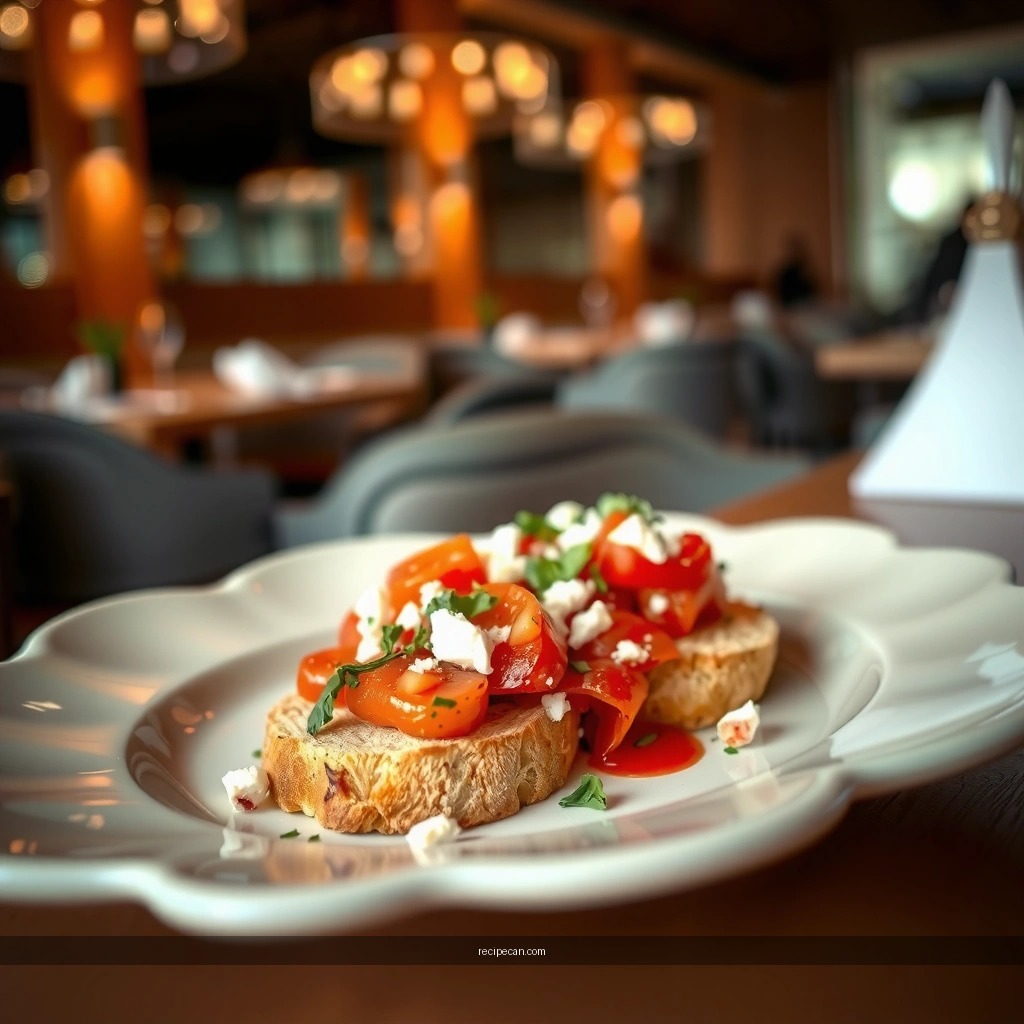
– Dice tomatoes and mix with crumbled feta, olive oil, lemon juice, and salt
– Add basil and garlic (finely chopped or grated) for a bright, savory finish
This tomato-feta topping is the flavor engine. The goal is to create a mixture that is seasoned, cohesive, and spoonable—not watery, not bland, and not overly acidic.
Step-by-step method:
1. Dice tomatoes into small, even pieces (about 1/4–1/2 inch). Uniform cuts make seasoning distribute more evenly.
2. In a bowl, combine tomatoes with crumbled feta, olive oil, and lemon juice (or vinegar).
3. Add salt and black pepper to taste. Start with a light hand—feta saltiness varies by brand.
4. Chop basil and add it last so it keeps its fresh aroma.
5. Mix in finely chopped or grated garlic. Grating gives a smoother, less sharp garlic presence in the topping.
Balancing principles (why these steps matter):
– Olive oil rounds the acidity of lemon and helps feta cling to tomatoes.
– Lemon/vinegar prevents the topping from tasting “heavy” or one-note—especially if your feta is rich.
– Garlic adds savory depth, but chopping/grating controls intensity so it complements rather than dominates.
– Basil is best added after the acidic ingredients are mixed, so the herb’s fragrance isn’t muted.
If you want a more “tomato-forward” topping, use slightly less feta and more basil. If you want “tang-forward,” increase feta slightly and add a bit more lemon juice at the end.
Topping-to-Toast Ratio for Best Texture
| # | Serving Goal | Topping per Slice | Best Bread Thickness | Expected Crunch (0–2 hrs) | Success Rating |
|---|---|---|---|---|---|
| 1 | Balanced appetizer | 2 Tbsp | 1–1.25 in | High | ★★★★★ |
| 2 | Crowd-friendly (more topping) | 2.5 Tbsp | 1.25–1.5 in | Medium-high | ★★★★☆ |
| 3 | Presentation-first | 1.5 Tbsp | 1–1.25 in | Very high | ★★★★★ |
| 4 | Quick service (immediate) | 2 Tbsp | 1–1.25 in | High | ★★★★★ |
| 5 | Late arrival planning | 1.5 Tbsp | 1.25–1.5 in | Medium | ★★★★☆ |
| 6 | Too much topping (avoid) | 3 Tbsp+ | 1.5 in+ | Low | ★★☆☆☆ |
| 7 | Make it shareable | 2 Tbsp + drizzle | 1–1.25 in | High | ★★★★☆ |
Toast the Bread Properly
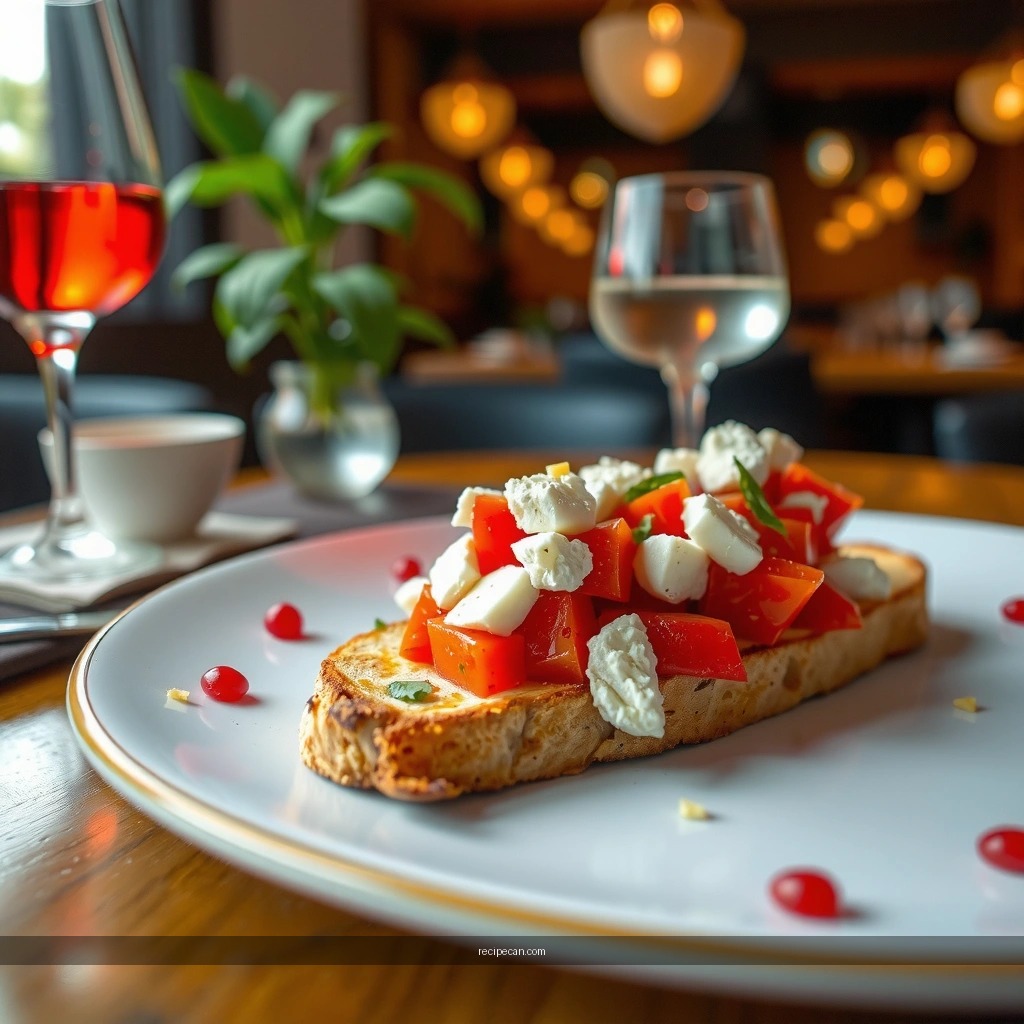
– Slice bread thick, then toast until crisp and golden
– Rub warm toast with garlic and drizzle lightly with olive oil
Toasted bread is the difference between “tasty” and “expert-level” bruschetta. The bread must be crisp enough to support juicy tomato topping without collapsing into sogginess.
How to toast for best results:
1. Slice bread thick (about 1–1.25 inches). Thin slices toast fast but can go chewy or burn before the center dries.
2. Toast in an oven preheated to 425°F / 220°C for roughly 8–12 minutes, flipping once if needed, until golden and firm.
3. While still warm, rub the surface with garlic—either a cut clove or a quick swipe—so flavor transfers without overwhelming bitterness.
4. Drizzle a light layer of olive oil. Use less than you think; too much oil can soak into the bread.
Common failure points (and fixes):
– Soggy bruschetta: toast longer, use thicker bread, and consider draining very juicy tomatoes.
– Burnt edges, under-toasted center: lower oven slightly (to 400–410°F / 205–210°C) and extend time.
– Harsh garlic taste: rub gently; don’t smear a thick layer of raw garlic.
If you’re making these for a group, toast bread in batches and keep slices on a wire rack so airflow preserves crispness.
Assemble Bruschetta
– Spoon the tomato-feta mixture generously over the toasted bread
– Add extra basil and a touch more olive oil for a polished look
Assembling is where you balance generosity with texture control. Bruschetta should be spoonable, not dripping; the topping should sit on the bread like a garnish, not flood it.
Assembly workflow:
1. Place toasted bread slices on a serving platter.
2. Spoon the tomato-feta mixture right before serving for maximum crunch.
3. Add a few fresh basil leaves on top for visual appeal and aroma.
4. Finish with a small drizzle of olive oil. This makes colors pop and improves mouthfeel by adding a glossy coating.
Chef-style plating tip: for a cleaner look, spoon topping slightly toward the center and leave a narrow border of toast visible. That border signals crispness and helps the piece hold up longer.
For events or catering, consider offering topping in a bowl and letting guests spoon it themselves—this preserves crunch while still delivering the same flavor payoff.
Flavor Boosters & Serving Tips
– Let it sit 5–10 minutes to meld flavors before serving
– Serve immediately for maximum crunch, or pair with olives, salad, or a light white wine
Even though bruschetta with feta is quick, the flavors benefit from a short rest. Letting the topping sit for 5–10 minutes allows olive oil, lemon (or vinegar), and garlic to permeate the tomatoes and mellow harsh notes.
High-impact flavor boosters (optional):
– Red pepper flakes: add a gentle heat that counters feta’s tang.
– Black pepper: more fragrant than salty; add at the end for aroma.
– Extra lemon zest: a small amount can lift the topping dramatically.
– A drizzle of balsamic glaze (minimal): works well if your tomatoes taste slightly bland; use sparingly to avoid sweetness overpowering the dish.
Serving strategy:
– For maximum crunch: assemble and serve immediately.
– If you must wait 15–30 minutes: toast bread slightly longer and use a slightly smaller topping portion per slice.
– Pair with:
– a simple arugula salad with lemon vinaigrette,
– a small board of olives and marinated artichokes,
– or a light white wine such as Sauvignon Blanc for a refreshing match with acidity.
This is also a strong choice for meal planning: it can complement grilled chicken, fish, or roasted vegetables without competing for flavor.
Make-Ahead Notes
– Prep the topping up to a day ahead and store covered in the fridge
– Toast bread right before serving to keep it crisp
Meal prep is one of the best ways to make bruschetta with feta work for busy schedules. You can handle everything in stages, keeping the bread crisp at the finish.What you can prep ahead:
– Tomato-feta topping: mix everything except possibly the final basil (basil is freshest when added last). Store covered in the fridge up to 24 hours.
– If tomatoes release excess liquid, stir and evaluate before serving; you can spoon off extra juice or adjust with a touch more olive oil and lemon.
What to do fresh:
– Toast the bread right before serving. Toasted bread dries and firms quickly, but it softens once topped—especially with juicy tomatoes.
Operational workflow for hosting:
1. Day before: prepare topping, refrigerate.
2. Day of: toast bread and rub with garlic.
3. Assemble at service time, garnish with basil, and finish with olive oil.
This staged approach ensures your appetizer looks deliberate and tastes fresh, even when you’re coordinating multiple dishes.
This recipe for bruschetta with feta combines crisp toast, juicy tomatoes, and tangy feta in minutes. Make the topping ahead if you want, toast the bread fresh, and serve immediately for the best texture—try it tonight and share your favorite variation!
Conclusion
Recipe for bruschetta with feta succeeds because it treats texture and flavor as two separate, controllable outcomes: crisp, thick toast provides structure, while a balanced tomato-feta topping delivers tang, brightness, and savory depth. By using ripe tomatoes, proper seasoning, garlic-rubbed warm bread, and a last-minute assembly for maximum crunch, you can produce a reliable, crowd-pleasing appetizer that feels both simple and thoughtfully executed.
Frequently Asked Questions
What is a simple recipe for bruschetta with feta?
Start by toasting baguette slices until crisp, then rub them lightly with garlic. Mix chopped tomatoes (or cherry tomatoes), olive oil, salt, pepper, and oregano, and let them sit for a few minutes so the juices develop. Spoon the tomato mixture onto the toast and top with crumbled feta and fresh basil. Finish with a drizzle of balsamic glaze and serve immediately for the best bruschetta with feta texture.
How do you keep feta from getting watery on bruschetta?
Use crumbled feta that’s been patted dry with a paper towel before assembling, especially if it’s packed in brine. Choose firmer feta rather than very soft varieties, and add it right before serving instead of soaking the toast in advance. You can also strain excess tomato juices from the topping or keep the tomato mixture slightly thicker by using less liquid-rich tomatoes.
Why does my tomato topping taste bland for feta bruschetta?
The most common issue is under-seasoning the tomato mixture—tomatoes need salt to taste vibrant. Let the chopped tomatoes rest with olive oil, salt, pepper, and dried herbs for 10–15 minutes to concentrate flavor. For extra punch, add a small amount of lemon zest or a splash of balsamic vinegar, and consider mixing in a few minced garlic pieces.
Best way to toast bread for bruschetta with feta?
Toast the bread in a hot oven (around 425°F/220°C) or on a grill until the edges are golden and the center stays sturdy. For extra crunch, brush the bread with olive oil before toasting, and avoid softening it with too much liquid. Rub the toasted slices with garlic while they’re still warm, then assemble the feta bruschetta right away so the bread doesn’t steam.
Which toppings pair best with feta in bruschetta?
Classic tomato and basil work beautifully, but you can also add sliced olives, roasted red peppers, or thinly sliced red onion for more contrast. If you like heat, sprinkle in red pepper flakes or chopped jalapeño, and consider adding a drizzle of honey-balsamic for sweet and savory balance. For a more filling appetizer, top with grilled zucchini or artichoke hearts and keep the feta bruschetta seasoning bright with lemon juice and fresh herbs.
References
- Bruschetta
https://en.wikipedia.org/wiki/Bruschetta - Feta
https://en.wikipedia.org/wiki/Feta - Tomato
https://en.wikipedia.org/wiki/Tomato - Olive oil
https://en.wikipedia.org/wiki/Olive_oil - Garlic
https://en.wikipedia.org/wiki/Garlic - https://www.britannica.com/topic/bruschetta
https://www.britannica.com/topic/bruschetta - Feta | Description, Production, & History | Britannica
https://www.britannica.com/topic/feta - Google Scholar Google Scholar
https://scholar.google.com/scholar?q=bruschetta+feta+recipe - Google Scholar Google Scholar
https://scholar.google.com/scholar?q=bruschetta+with+feta+tomato+garlic+olive+oil - Google Scholar Google Scholar
https://scholar.google.com/scholar?q=feta+bruschetta+ingredient+analysis