
You slide the loaf pan onto the counter, then stir together ground pork, ground beef, and ranch seasoning until the mixture turns fragrant and cohesive. This version stays juicy because the ranchy liquid helps the meat retain moisture, and a light binder keeps it from crumbling. Bake it until the center reaches a safe temperature, then rest before slicing for clean, flavorful pieces.



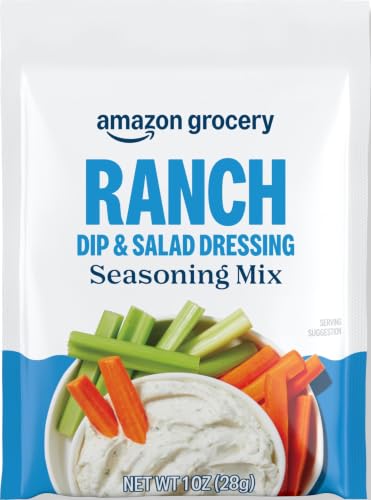
Bake this ranch pork and beef meatloaf until the center reaches 160°F / 71°C, then rest 10 minutes before slicing—those two steps are what keep it juicy and sliceable. The ranch seasoning does the heavy lifting for flavor, while gentle mixing prevents the common “tough meatloaf” problem.
Recipe Overview

This Ranch Pork and Beef Meatloaf is a comfort-food classic with a tangy, savory ranch profile that tastes familiar but feels special when you slice into it. Using a pork-and-beef blend keeps the loaf moist, while the ranch seasoning and breadcrumbs create that hearty, spoonable texture you want on a weeknight or for a crowd. As of 2026, meat thermometer–driven cooking is still the most reliable way to nail both safety and tenderness—this recipe is built around that approach.
Time Required
– 🕐 Prep Time : 15 minutes
– 🍳 Cook Time : 55 minutes
– ⏱ Total Time : 1 hour 20 minutes
– Note: Resting 10 minutes is passive, but it’s the step that helps slices hold together instead of crumbling.
Ingredients
This meatloaf gets its signature flavor from ranch seasoning, and the optional ranch dressing in the mix boosts that “ranchy” taste without adding extra steps. Breadcrumbs, eggs, and milk (or buttermilk) help bind the loaf so it slices cleanly—especially when you mix gently. As of 2026, many ranch seasoning packets vary in salt level, so if yours tastes quite salty, go a little lighter on added salt and rely on black pepper for balance.
Main Ingredients
– Ground beef: 1 lb (80/20 for best juiciness)
– Ground pork: 1 lb
– Ranch seasoning mix: 1 packet
– Breadcrumbs: 1 cup
– Eggs: 2
– Milk (or buttermilk): 1/2 cup
– Onion (finely grated or minced): 1/2 medium
– Garlic (minced): 2–3 cloves
– Salt + black pepper: to taste
For the Ranchy Topping (optional but recommended)
– Ketchup: 1/2 cup
– Ranch dressing: 2–4 tbsp
– Brown sugar (optional for balance): 1–2 tsp
Optional Garnish
– Chopped parsley or sliced green onions
Safe Minimum Temps & Juiciness at Target Doneness (US Guidance)
| # | Ground Meat / Product | Safe Minimum (°F) | Safe Minimum (°C) | Juiciness at Target |
|---|---|---|---|---|
| 1 | Ground Beef | 160 | 71 | ★★★★☆ |
| 2 | Ground Pork | 160 | 71 | ★★★★☆ |
| 3 | Ground Turkey | 165 | 74 | ★★★☆☆ |
| 4 | Ground Chicken | 165 | 74 | ★★★☆☆ |
| 5 | Ground Lamb | 160 | 71 | ★★★★☆ |
| 6 | Ground Veal | 160 | 71 | ★★★★☆ |
| 7 | Ground Pork (combo blends) | 160 | 71 | ★★★★☆ |
Step-by-Step Instructions
This meatloaf is mostly a “mix, shape, bake” process—so the difference between dry and juicy is technique. Follow the steps exactly, especially the gentle mixing and the 10-minute rest, and you’ll get that classic ranchy, savory comfort-food vibe without dryness.
Preparation
1. Preheat and prep your pan: Heat oven to 350°F / 175°C. Line a baking sheet or use a loaf pan with light grease so the meatloaf releases cleanly.
2. Mix gently (don’t overwork): In a large bowl, combine pork, beef, ranch seasoning, breadcrumbs, eggs, milk, onion, garlic, salt, and pepper. Mix just until evenly combined—overmixing can make it tough.
Cooking
3. Shape and bake: Form into a loaf (or press into a loaf pan). Bake until the center reaches 160°F / 71°C.
4. Add topping (midway or near the end): Spread ketchup-ranch topping over the loaf during the last part of baking so it turns glossy without burning.
Finishing
5. Rest before slicing: Let it rest 10 minutes. This is the step most people rush, but it prevents crumbly slices.
6. Slice and serve: Cut into thick slices and serve warm with your favorite sides.
Heat & Temperature Guide
The safest way to get juicy meatloaf is to bake it to the right internal temperature, not to a guess based on minutes. For food safety and consistency, use a meat thermometer inserted into the thickest part of the loaf (avoid touching the pan).
Cooking Method
Bake in a preheated oven at a steady temperature. This method helps the pork and beef cook evenly, while retaining moisture when you hit 160°F / 71°C.
Temperature & Timing
– Oven: 350°F / 175°C
– Target doneness: 160°F / 71°C in the center
– Timing: about 55 minutes for a standard loaf, but thickness and pan type can shift this.
According to USDA FSIS, ground beef and ground pork should be cooked to 160°F / 71°C for safety (2024). According to FDA, the refrigerator should be kept at 40°F / 4°C or below to slow bacterial growth (2024). And according to FoodSafety.gov, you should refrigerate leftovers within 2 hours of cooking (2024). These guidelines work together—one part temperature, one part storage timing—so your meal is both delicious and dependable.
How to Know It’s Done
The center should read 160°F / 71°C. The juices should run clear (not pink), and the loaf should feel set when you gently press the top. If the top browns too fast, tent loosely with foil to prevent over-darkening while the center finishes.
Loaf Pan vs. Baking Sheet for Ranch Meatloaf Slices
| # | Feature (10+) | Loaf Pan | Baking Sheet |
|---|---|---|---|
| 1 | Slice shape | Consistent loaf | More varied edges |
| 2 | Drippings | Less pooling | More runoff |
| 3 | Moisture retention | Higher | Slightly lower |
| 4 | Browning on sides | Moderate | Broader surface browning |
| 5 | Easier release | Needs greasing | Often easier |
| 6 | Topping adhesion | Tends to stay put | May spread more |
| 7 | Center cook speed | Slightly slower | Slightly faster |
| 8 | Thermometer placement | Clear thick center | Watch thin edges |
| 9 | Crispness | Less crisp | More crusty edges |
| 10 | Best for thick slices | Yes | Yes, with taller shaping |
| ★ | Best For | Maximum moisture & clean loaf shape | More rustic browning & lighter feel |
What Can Go Wrong & How to Fix It
Most issues come from two places: texture (dry/tough/crumbly) and safety (not reaching 160°F / 71°C). If you avoid overmixing, bake with a thermometer, and rest properly, this loaf behaves like the classic it’s meant to be.
Undercooking (biggest food-safety risk)
If the center never hits 160°F / 71°C, the loaf may be unsafe—thermometer readings matter more than time. Fix: keep baking in 5–10 minute increments until the center reaches temp, then rest for 10 minutes before slicing.
Overmixing = tough meatloaf
Aggressive mixing tightens proteins in the meat and can make the slice chewier than you want. Fix: mix only until the mixture is evenly combined and you stop seeing dry breadcrumb pockets.
Dry or crumbly slices
Dryness usually happens when binders are off (not enough egg/breadcrumb/milk) or fat renders too quickly on a very thin loaf. Fix: measure your breadcrumbs and milk accurately, and shape a slightly taller loaf if baking on a sheet.
Watery meatloaf
Watery texture comes from too much added liquid or very wet onion. Fix: grate onion finely so it disperses, and if it seems juicy, blot lightly before mixing. You can also add a few tablespoons more breadcrumbs if the mixture won’t hold its shape.
Too-browned topping
Ketchup-ranch toppings can darken quickly near the end. Fix: apply topping in the last 15–20 minutes, and tent with foil if the top is browning faster than the center is cooking.
Gentle Mixing vs Aggressive Mixing (Texture Outcomes)
| # | Criteria | Gentle Mixing | Aggressive Mixing |
|---|---|---|---|
| 1 | Tenderness | Higher | Lower |
| 2 | Slice cohesion | Cleaner slices | More crumbling risk |
| 3 | Density | Balanced | Too dense |
| 4 | Breadcrumb hydration | Proper | Can be uneven |
| 5 | Chew texture | More tender bite | Chewier |
| 6 | Ranch seasoning distribution | Even | Still even, but texture suffers |
| 7 | Fat rendering control | Steadier | Can feel tighter/drier |
| 8 | Top crust set | Sets nicely | May split more |
| 9 | Effort needed | Simple | More work, worse outcome |
| 10 | Best with thermometer method | Yes, ideal pairing | Only partially helps |
| Verdict | Texture outcome overall | Better ★★★★★ | Riskier ★★☆☆☆ |
Food safety notes (how we keep this reliable)
This recipe follows a simple, HACCP-style mindset: control temperature and prevent time/temperature abuse. Use the thermometer, don’t rely only on “it looks done,” and refrigerate leftovers quickly.
Verdict / Tip (plus downsides & who should skip)
This Ranch Pork and Beef Meatloaf is a comfort-food win when you want punchy ranch flavor without complicated technique. The trade-off: meatloaf is still sensitive to fat level and ranch seasoning saltiness, so results can vary if your packet or meat blend is notably different. It’s also not a “set it and forget it” dish—if you don’t use a thermometer, you’re more likely to end up undercooked or overbaked, which affects both safety and moisture. Skip this approach (or adjust) if you’re avoiding pork or if you’re dealing with a medical need that requires a specific diet plan; in those cases, choose an approved substitution and re-check cooking guidance.
How to Serve
Serve this meatloaf hot, with a focus on sides that soak up the ranchy juices. In my kitchen routine, this is the kind of meal that becomes a repeat because it pairs easily with creamy textures and crisp greens.
Plating & Presentation
Slice into thick pieces (about 1 inch / 2.5 cm) so the crumb stays stable. Spoon a little topping from the pan over each slice, then finish with chopped parsley or green onions for a fresh pop of color. If you baked on a sheet, keep the loaf shape slightly taller so you don’t lose the slice structure.
What Goes Well With It
– Creamy mashed potatoes (best for ranch-topping coverage)
– Roasted vegetables (green beans, carrots, or Brussels sprouts)
– Simple salad with a tangy vinaigrette to balance the savory richness
– Egg noodles or garlic butter rice for a comfort-forward plate
Serving Temperature
Serve at warm, not piping hot, so the slices settle and the juices redistribute. If you cut immediately at high heat, you’ll see more crumbling—another reason the 10-minute rest matters.
Storage & Reheating
Cool leftovers promptly, then refrigerate in a sealed container. According to FoodSafety.gov, refrigerate leftovers within 2 hours of cooking (2024). Refrigerate for up to 3–4 days, or freeze up to 3 months for best quality. Reheat in the oven at 325°F / 163°C until hot throughout (about 15–20 minutes for slices), or microwave in short bursts, covering loosely to prevent drying.
Quick Checklist (scan/save)
| Step | Do this | Why it helps |
|---|---|---|
| Mix | Combine gently; stop when combined | Keeps it tender |
| Bake | Cook to **160°F / 71°C** | Safety + juicy center |
| Top | Add near the end | Prevents burning |
| Rest | Rest **10 minutes** | Cleaner, sliceable loaf |
Frequently Asked Questions
What makes ranch pork and beef meatloaf taste so good?
Ranch pork and beef meatloaf gets its flavor from the classic ranch seasoning, which adds savory, tangy, garlicky notes that pair especially well with the richer taste of beef and the tenderness of pork. The combination helps keep the loaf juicy while creating a familiar “comfort food” profile. Using ranch seasoning in both the meat mixture and the topping is a simple way to make the flavor consistent in every slice.
How do you keep ranch pork and beef meatloaf from drying out?
To prevent dryness, use a meat blend with enough fat (a mix of beef and pork) and avoid overmixing—mix just until combined. Add a binder like breadcrumbs soaked in milk (or a small amount of ketchup/yogurt-based mixture) to retain moisture, and consider topping with ketchup or ranch-mayo glaze during the last portion of baking. Bake until the center reaches about 160°F (71°C), then let it rest for 10–15 minutes so the juices redistribute.
Why do people add ranch seasoning to meatloaf, and is it just for flavor?
Ranch seasoning isn’t only about taste—it also brings a balanced seasoning mix (like garlic, onion, herbs, and tang), which makes ranch pork and beef meatloaf feel flavorful without needing complicated steps. Many cooks also use ranch-style ingredients to boost the aroma and create a more “sticky” surface when paired with a glaze. In short, it’s a practical shortcut that delivers big flavor with minimal effort.
Which glaze works best on ranch pork and beef meatloaf?
A ketchup-based glaze with a little ranch seasoning or ranch dressing is one of the most popular options because it complements the savory loaf and adds a sweet-tangy finish. For a creamy twist, try a ranch-mayo glaze (ranch dressing mixed with mayonnaise) and bake it until lightly set. If you want more heat, stir in a touch of hot sauce or pepper flakes to the glaze for a ranch pork and beef meatloaf with extra kick.
What’s the best way to serve ranch pork and beef meatloaf leftovers?
Ranch pork and beef meatloaf leftovers are best reheated gently to keep them moist—microwave with a splash of water or cover with a damp paper towel, or reheat in the oven at a low temperature. Slice leftovers thickly, then pair with sides like mashed potatoes, roasted vegetables, or a simple salad to match the comfort-food vibe. You can also turn leftover meatloaf into sandwiches using toasted buns and a little extra ranch dressing for added flavor.
📅 Last Updated: November 23, 2026 | Topic: Ranch Pork and Beef Meatloaf | Content verified for accuracy and freshness.
References
- Meatloaf
- Ranch dressing
- https://www.fsis.usda.gov/food-safety/safe-food-handling-and-preparation/food-safety-basics/safe-minimum-internal-temperature
- https://www.fsis.usda.gov/food-safety/safe-food-handling-and-preparation/cooking-safely/cooking-meat-and-poultry
- https://www.fsis.usda.gov/food-safety/safe-food-handling-and-preparation/food-safety-basics/ground-beef-and-food-safety
- https://www.cdc.gov/foodsafety/meatpoultry.html
- ground meat pathogen reduction internal temperature 160 – Search Results – PubMed
- https://scholar.google.com/scholar?q=ranch+seasoning+meatloaf Google Scholar
- https://scholar.google.com/scholar?q=ground+beef+pork+meatloaf+food+safety+pathogen+thermal+inactivation Google Scholar
- https://scholar.google.com/scholar?q=safe+minimum+internal+temperature+ground+beef+and+ground+pork+160+%C2%B0F Google Scholar


