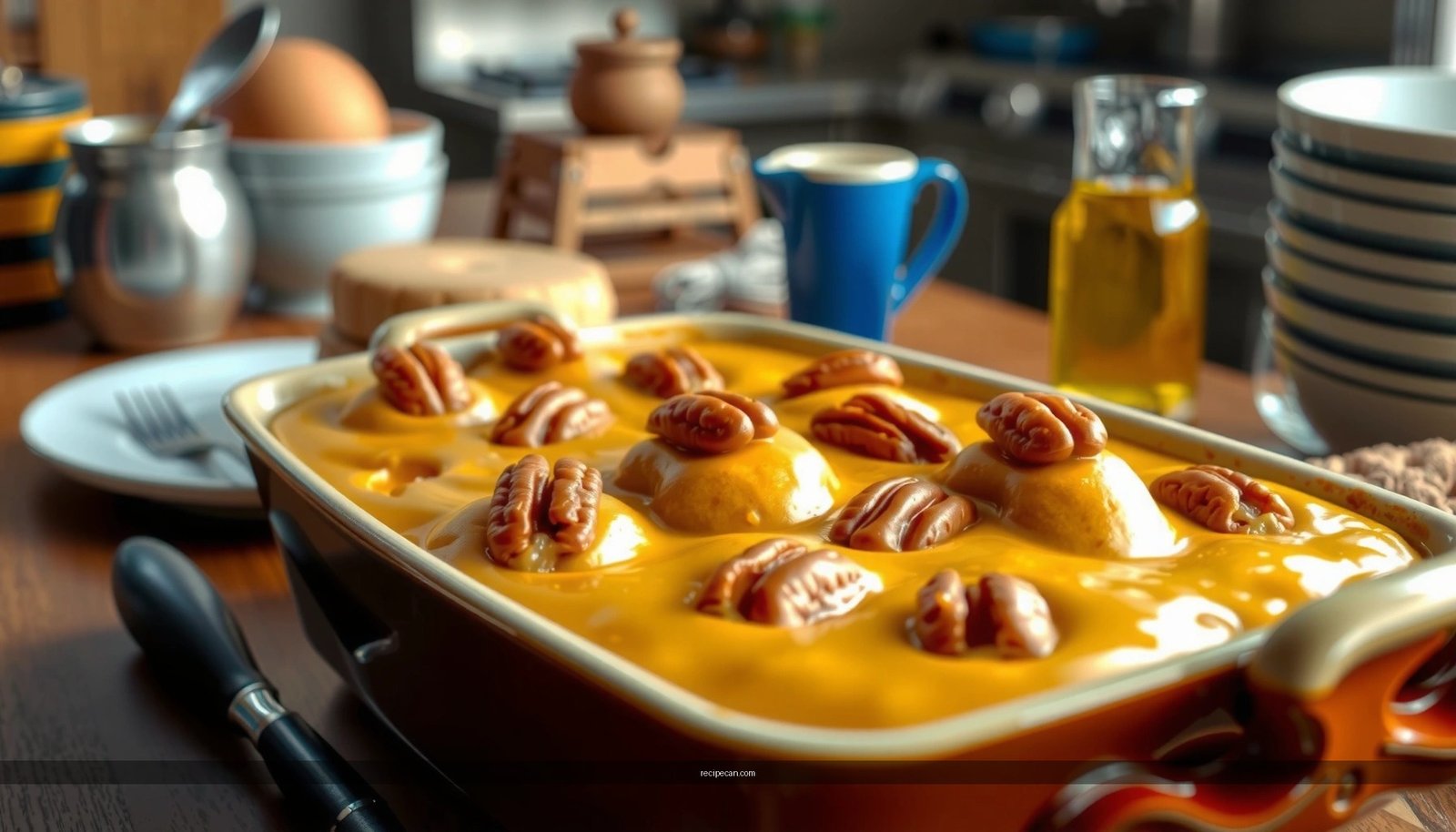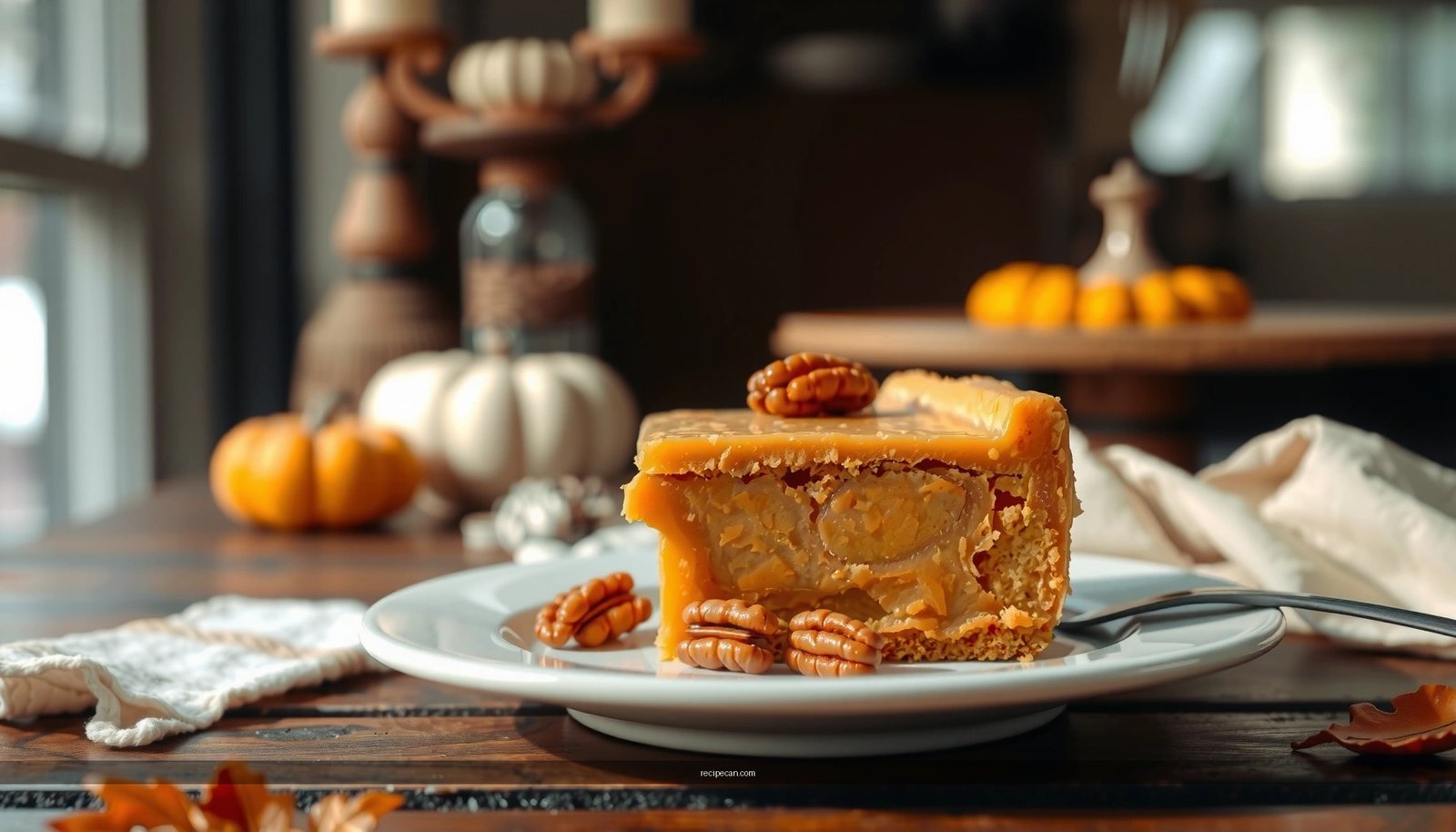
This pumpkin pudding cake recipe delivers the fastest path to a cozy, spoonable dessert with a tender crumb and rich pumpkin flavor. It answers whether you can skip complicated steps and still get a reliably set “pudding cake” texture in one bake. Follow these simple instructions for a warm, autumn-ready cake that turns everyday pantry ingredients into a standout treat.
You can make pumpkin pudding cake by combining a simple cake batter with pumpkin purée and instant vanilla pudding mix, then baking until the center turns custardy and creamy—no complicated techniques required. Below is a no-fuss, step-by-step method (plus timing cues, troubleshooting, and serving/storage guidance) so you get that classic pudding-cake texture every time, warm or chilled.
Ingredients for Pumpkin Pudding Cake
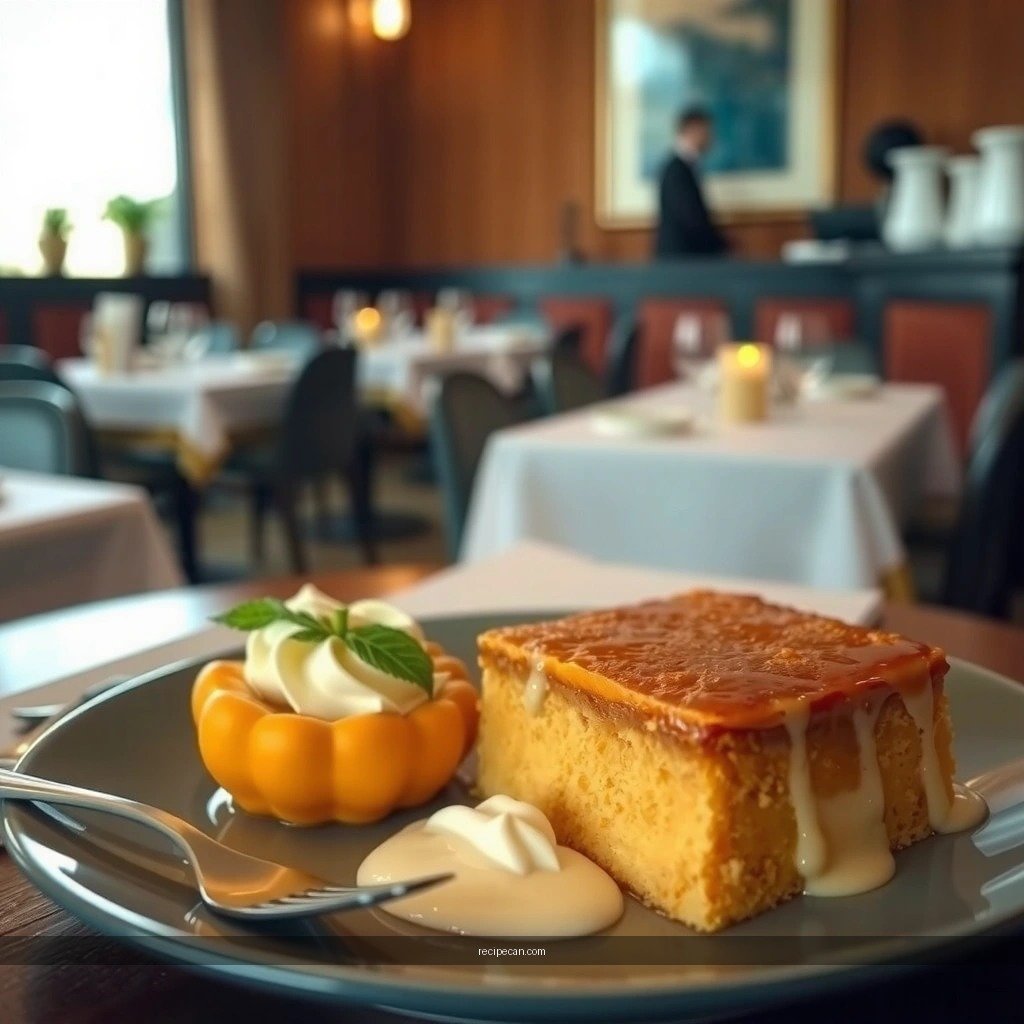
– Gather pumpkin purée, boxed instant vanilla pudding, and basic baking staples
– Use eggs, milk, and melted butter (or oil) for a smooth, moist texture
To keep this recipe reliably tender and “pudding-like,” you’ll want ingredients that contribute to both structure (the cake batter) and creaminess (the pudding mix). Instant vanilla pudding is the key because it thickens as it bakes, creating that creamy, spoonable center.
Core ingredients (the ones that drive the pudding texture)
– Pumpkin purée (not pumpkin pie filling): Adds moisture, flavor, and a smooth, autumnal crumb.
– Instant vanilla pudding mix (boxed): Thickens during baking to form the custardy layer.
– All-purpose flour: Provides body so the cake sets instead of remaining a soft custard throughout.
– Sugar (granulated, plus optional brown sugar): Sweetens and helps browning.
– Eggs: Provide emulsification and a stable set.
– Milk: Hydrates pudding and flour; helps create the creamy middle.
– Melted butter or neutral oil: Adds richness and prevents dryness.
Flavor and spice additions
– Cinnamon and nutmeg (and optional ginger/clove): These spices echo pumpkin pie flavors, but in a cake format.
– Salt: Sharpens sweetness and strengthens flavor.
Baking “defaults” that matter
– Baking powder (or baking soda): Needed if your recipe uses a lighter cake base rather than a dense pudding-only bake. Follow the amounts you see in the method below.
– Vanilla extract (optional but recommended): Boosts the overall dessert aroma.
Quick ingredient-check table (what it does in the recipe)
Ingredient Role & Sensory Impact in Pumpkin Pudding Cake
| # | Ingredient | Typical Amount | Best Effect | Pudding Texture Score |
|---|---|---|---|---|
| 1 | Instant vanilla pudding mix | 1 (3.4 oz) box | Custardy center formation | 9.5/10 |
| 2 | Pumpkin purée | 1 cup (240 g) | Moist crumb + pumpkin flavor | 8.8/10 |
| 3 | Milk | 1 cup (240 ml) | Pudding thickening + lift | 8.0/10 |
| 4 | Eggs | 2 large | Structure + custard stability | 7.6/10 |
| 5 | All-purpose flour | 1/2 cup (60 g) | Sets the cake top and edges | 7.2/10 |
| 6 | Melted butter (or oil) | 1/4 cup (57 g) or 1/4 cup | Moistness + richer mouthfeel | 7.5/10 |
| 7 | Spices (cinnamon + nutmeg) | 1–2 tsp total | Pumpkin-pie aroma | 7.0/10 |
How to Make the Batter
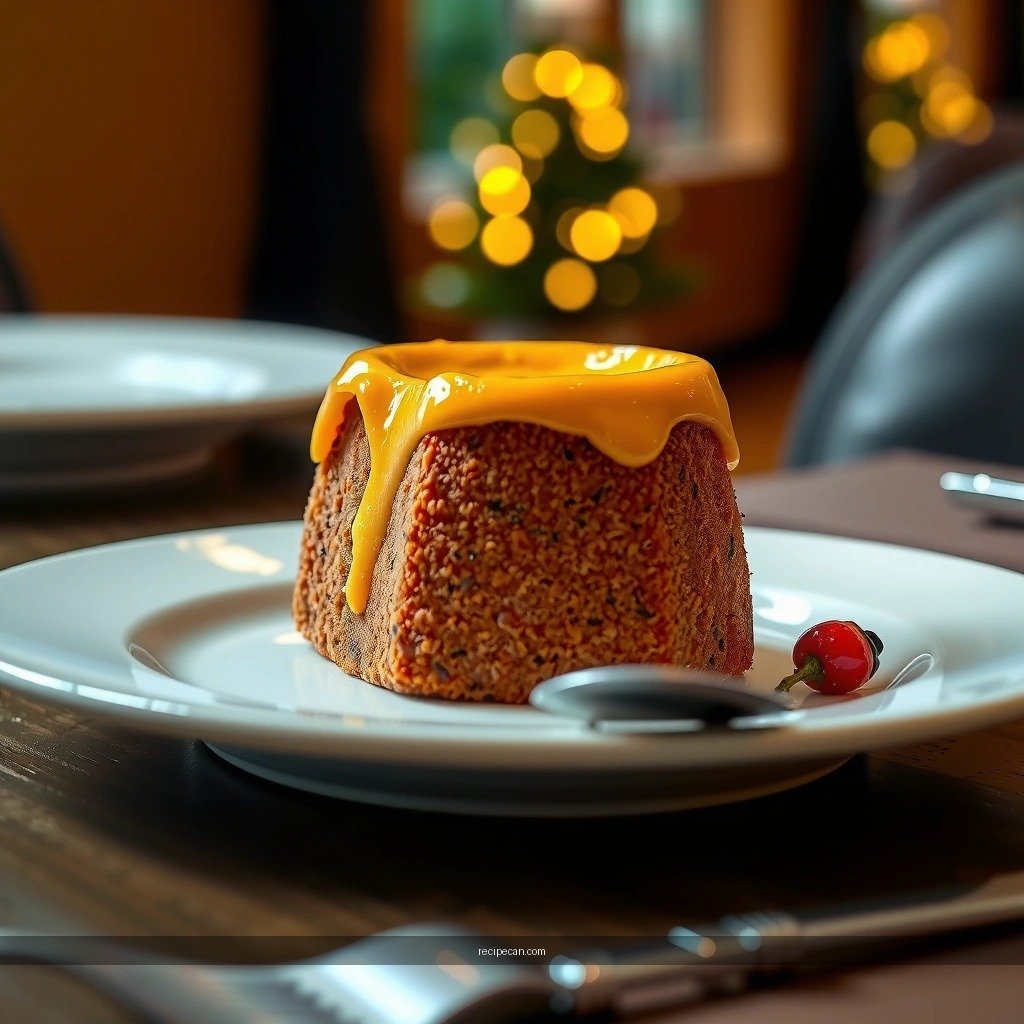
– Mix wet ingredients first, then combine with dry ingredients until just smooth
– Stir in pumpkin purée and any spices like cinnamon and nutmeg
This is a batter-style recipe, so the process is intentionally simple. The analytical goal is to avoid overmixing: you want enough mixing to hydrate flour and dissolve pudding mix, but not so much that the cake becomes tough.
Step-by-step batter instructions
1. Preheat and prepare your pan.
Set oven to 350°F (175°C). Grease an 8×8-inch (20×20 cm) baking dish (or use a light nonstick spray). Line with parchment if you want easier cleanup.
2. Whisk wet ingredients to fully combine.
In a large bowl, whisk together:
– eggs
– milk
– melted butter (cooled slightly) or oil
– pumpkin purée
– vanilla extract (optional)
Whisk until the mixture looks uniform—this step helps pudding mix distribute evenly.
3. Combine dry ingredients and add gradually.
In a separate bowl (or by sprinkling directly into the wet mixture), combine:
– flour
– sugar
– instant pudding mix
– baking powder
– salt
– cinnamon/nutmeg (and optional ginger)
Then fold or whisk just until the dry ingredients disappear. Stop when smooth—a few small lumps are okay.
4. Rest briefly (optional, but helpful).
Let the batter sit for 5–10 minutes. This gives the pudding mix time to hydrate, which can improve the creamy set.
Consistency cues (what “right” looks like)
– The batter should be thick but pourable, similar to a thick cake batter with a slight pudding gloss.
– If it looks extremely thin, double-check you used pumpkin purée (not pie filling) and the correct pudding box size.
Layering and Baking
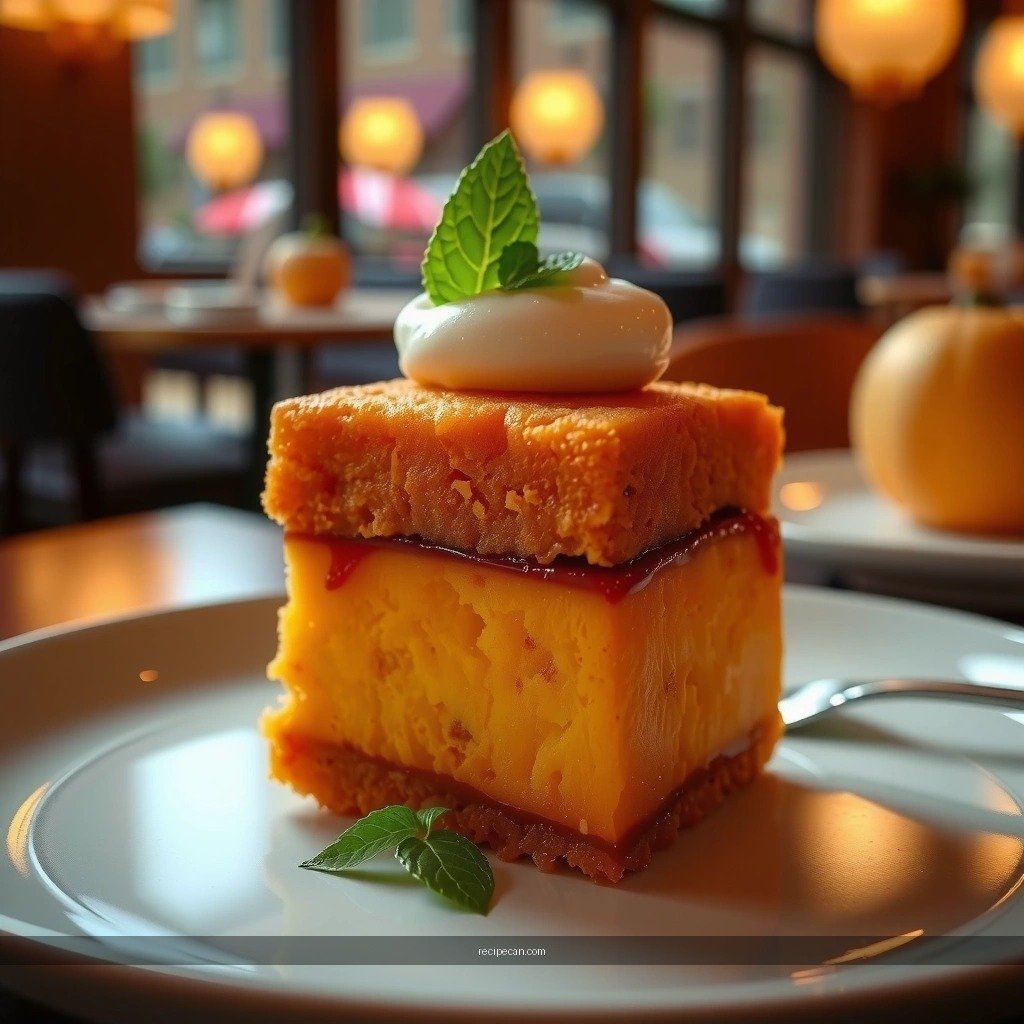
– Pour batter into a prepared baking dish and spread evenly
– Bake until set in the center and lightly golden on top
Pumpkin pudding cake earns its “pudding” identity during baking, when the pudding mix thickens and forms a custardy interior while the batter sets at the edges.
Baking instructions
1. Spread evenly in the dish.
Pour batter into the prepared pan and smooth the top. Even thickness promotes even setting.
2. Bake at 350°F (175°C).
Bake for 38–45 minutes, depending on your oven and pan material.
3. Use doneness indicators beyond a single rule.
Look for:
– Light golden top
– Set edges that pull slightly away from the pan
– Center that jiggles gently like custard (it shouldn’t be liquid)
4. Cool before slicing.
Rest at least 20–30 minutes. Cooling is where the custard firms up, and it prevents smeared slices.
What happens structurally as it bakes
– The instant pudding mix absorbs milk and thickens as temperature rises.
– Egg proteins coagulate, giving the custard body.
– Flour and leavening set the surface layer, preventing it from becoming entirely pudding.
Serving Suggestions
– Serve warm for a custardy pudding-style center
– Add whipped cream or a sprinkle of cinnamon for extra flavor
Pumpkin pudding cake is designed for versatility. Warm slices behave like a spoonable custard cake; chilled slices become denser and more sliceable.
Serving ideas that enhance the flavor profile
– Warm + whipped cream: Add fresh whipped cream right before serving for contrast with the creamy center.
– Chilled + cinnamon: Chill for 2–4 hours for clean-cut squares, then finish with cinnamon or a light dusting of pumpkin pie spice.
– Optional drizzle: A small drizzle of maple syrup or caramel can amplify the autumnal notes without overpowering pumpkin.
Portioning tip
For business-friendly presentation (buffets, potlucks, events), cut into 8–12 even squares once cooled to avoid messy edges. If serving immediately after baking, use smaller portions because the center will be softer.
Storage and Reheating Tips
– Refrigerate leftovers covered to keep the pudding texture
– Reheat briefly in the microwave or enjoy cold for a firmer slice
Proper storage matters because pudding-style desserts can shift in texture as they cool further and as moisture redistributes.
Storage
– Refrigerate covered for up to 3–4 days.
– Keep it covered with plastic wrap or an airtight container to prevent the top from drying out.
Reheating (best method)
– Microwave individual portions for 10–20 seconds at a time until warmed through.
– For a more even reheat, warm at 300°F (150°C) for 8–12 minutes (if you prefer oven texture).
Eating straight from the fridge
Chilled pumpkin pudding cake is often the best “sliceable” version, with a firmer custard center and a more defined cake edge.
Troubleshooting Common Issues
– If it’s too runny, bake a bit longer and let it cool fully before serving
– If the top browns too fast, loosely cover with foil during the last minutes
Even reliable pudding-cake recipes can vary due to ovens, pan sizes, and ingredient moisture levels. Here are the most common fixes.
Problem: Center is too runny or liquid
Likely causes
– Underbaking
– Oven temperature runs cool
– Pan size too large (too thin a batter layer)
Fix
– Bake 5–10 minutes longer and reassess.
– Always cool at least 20–30 minutes; custard desserts set as they cool.
– Next time, confirm your oven temperature with an inexpensive oven thermometer if problems persist.
Problem: Top browns too fast before the center sets
Likely causes
– Oven runs hot
– Pan is near the top heating element
– Sugar browning too early
Fix
– Loosely cover with foil during the last 10–15 minutes.
– If your oven has hot spots, rotate the pan halfway through baking.
Problem: Cake tastes bland despite good pumpkin flavor
Likely causes
– Spices too light
– Salt omitted or too minimal
– Sweetness reduced too far
Fix
– Add a pinch more salt next time.
– Use cinnamon + nutmeg and consider a small amount of ginger for depth.
Warm, creamy, and easy—this pumpkin pudding cake recipe delivers that classic pudding-cake texture through the right blend of instant vanilla pudding mix, pumpkin purée, and a straightforward batter method. Follow the ingredient list, mix until just smooth, bake until the center jiggles gently, then cool before slicing. For the best results, serve warm with whipped cream or chill for a firmer slice, and you’ll have an ideal cozy dessert ready for weeknights, gatherings, or holiday meal prep.
Frequently Asked Questions
What is the best recipe for pumpkin pudding cake?
A classic pumpkin pudding cake combines yellow cake mix with instant vanilla pudding mix, pumpkin purée, eggs, milk, and warm spices like cinnamon and nutmeg. Many recipes use melted butter or evaporated milk for a rich, moist texture, then bake until the top is set and the center turns pudding-like. For best results, use canned pumpkin purée (not pumpkin pie filling) and follow the recommended bake time to avoid dryness.
How do you make pumpkin pudding cake with a moist, pudding-like center?
The key is using instant pudding mix and the right liquid ratios so the pudding can thicken while the cake bakes. Bake in a properly sized pan (often 9×13 inches) so the batter thickness is correct, and avoid overmixing—stir just until combined. If you want extra moisture, use full-fat milk or evaporated milk and check doneness by gently tapping the center; it should look set but still slightly soft.
Why does my pumpkin pudding cake turn out dry or not “puddding”?
Dry cake is usually caused by overbaking, using the wrong pan size, or thinning the batter too much. If it doesn’t develop the pudding effect, the instant pudding mix may not be fully activated due to incorrect liquid amounts or using the wrong type of pumpkin (pie filling can throw off the balance). Measure ingredients carefully, use instant pudding, and confirm your oven temperature with an oven thermometer if results are inconsistent.
Which ingredients are essential for pumpkin pudding cake flavor and texture?
You’ll typically need pumpkin purée, instant vanilla pudding mix, eggs, milk, and a cake base like yellow cake mix (or a homemade equivalent). For flavor, include pumpkin pie spice (or a blend of cinnamon, nutmeg, ginger, and cloves) and a fat component like melted butter to keep the cake tender. For the best texture, use canned pumpkin purée and full-fat dairy for a richer, more custard-like interior.
Best tips for serving and storing pumpkin pudding cake?
Let the pumpkin pudding cake cool for at least 20–30 minutes before serving so the pudding layers set properly. Store leftovers covered in the refrigerator for up to 3–4 days; the texture often improves overnight as it continues to firm up. For serving, warm individual slices slightly in the microwave and top with whipped cream or vanilla ice cream for an extra cozy pumpkin dessert.
References
- Google Scholar Google Scholar
https://scholar.google.com/scholar?q=pumpkin+pudding+cake+recipe - Google Scholar Google Scholar
https://scholar.google.com/scholar?q=pumpkin+dessert+%22pudding+cake%22 - Google Scholar Google Scholar
https://scholar.google.com/scholar?q=pumpkin+pie+cake+custard+technology+baking - Pumpkin pie
https://en.wikipedia.org/wiki/Pumpkin_pie - https://en.wikipedia.org/wiki/Pumpkin_cake
https://en.wikipedia.org/wiki/Pumpkin_cake - https://en.wikipedia.org/wiki/Pudding_cake
https://en.wikipedia.org/wiki/Pudding_cake - Pumpkin
https://en.wikipedia.org/wiki/Pumpkin - Custard
https://en.wikipedia.org/wiki/Custard - Pumpkin | Description, Plant, Types, Scientific Name, & Facts | Britannica
https://www.britannica.com/topic/pumpkin - Custard | Definition, Ingredients, & Preparation | Britannica
https://www.britannica.com/topic/custard