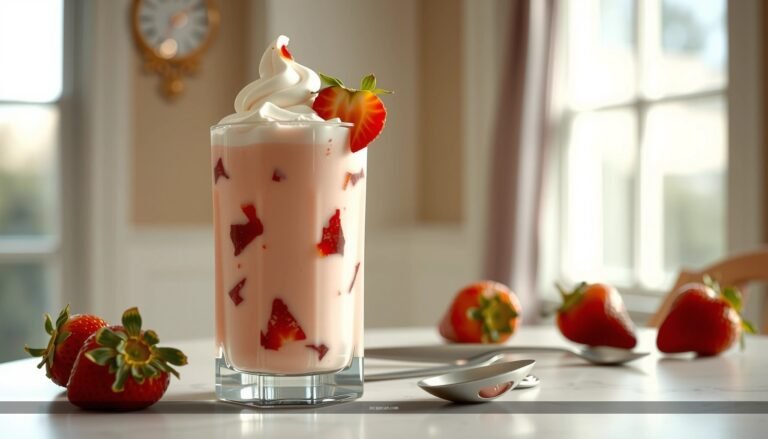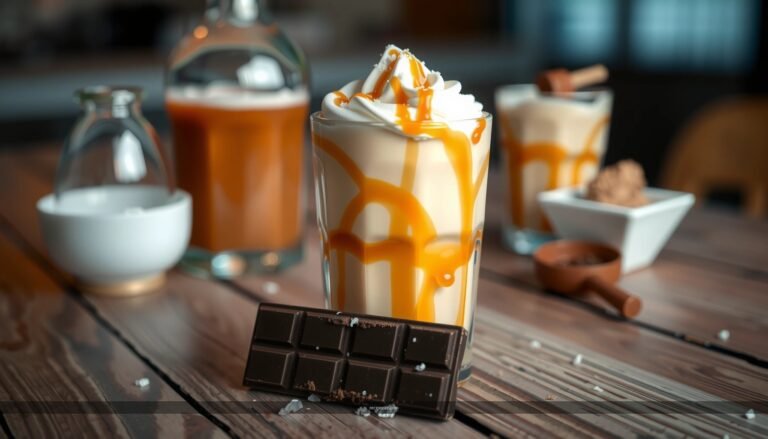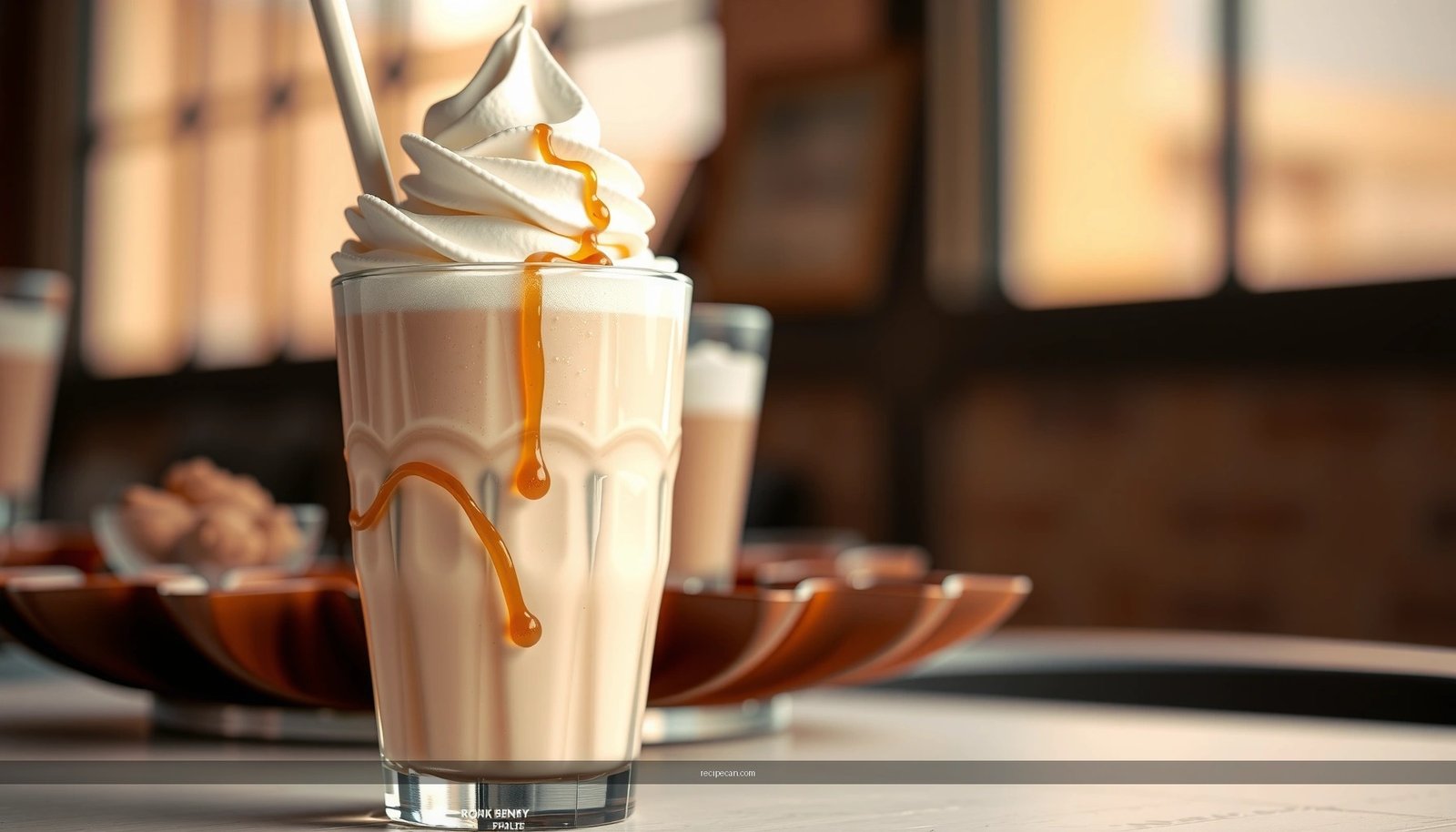
Looking for a cake milkshake recipe that delivers a creamy, sweet milkshake with real cake flavor? This guide gives you the best, easiest method—simple ingredients, quick blending steps, and a smooth finish every time. You’ll know exactly how to make it thick enough to sip with a straw and flavorful enough to taste like dessert.
Make a cake milkshake by blending cake pieces with milk until smooth and thick—optionally adding vanilla ice cream for extra creaminess. In this guide, you’ll learn a reliable, step-by-step method, which cake types produce the best texture, and how to fine-tune sweetness, thickness, and toppings for a shake that tastes like dessert from a café.
Choose Your Cake and Flavors
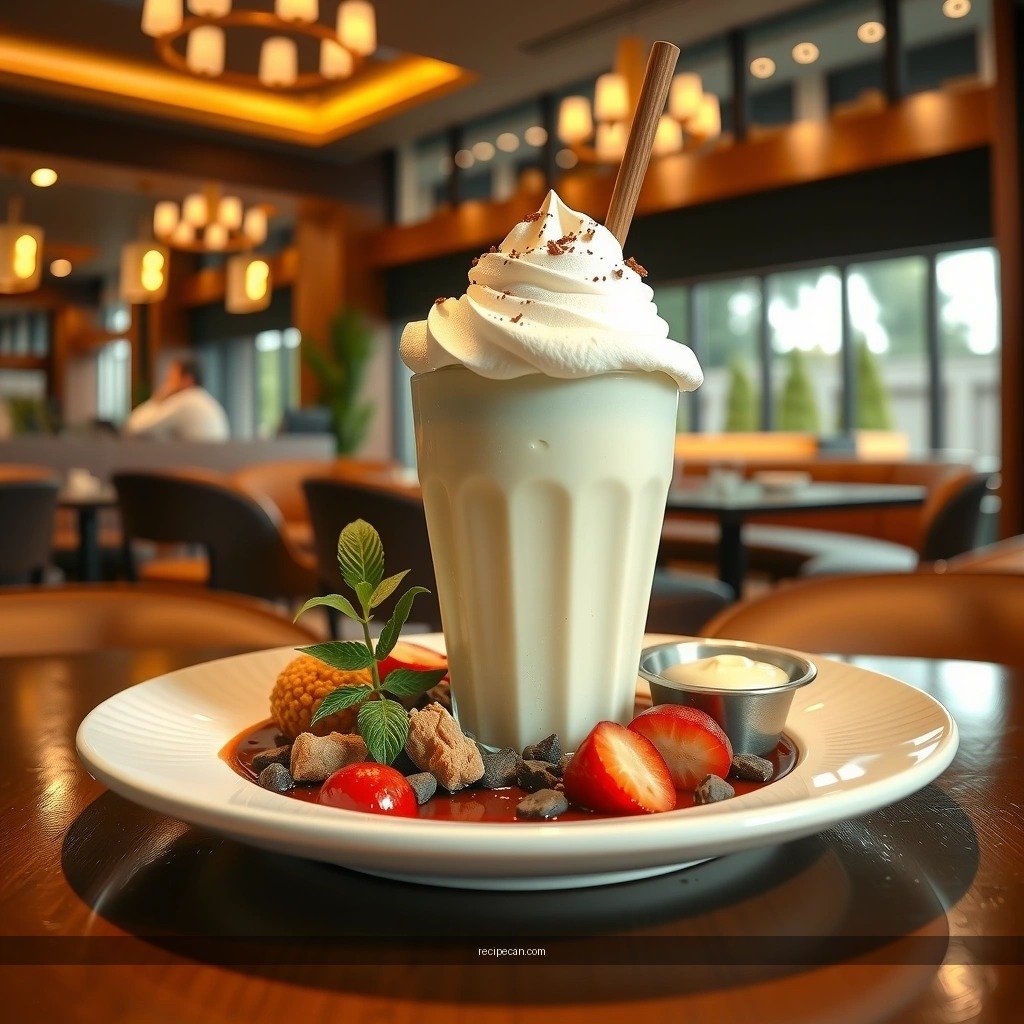
A cake milkshake is essentially a “flavor extraction” experiment: the cake supplies crumb structure, sweetness, and aromatics, while the milk (and ice cream, if used) provides liquid, fat, and temperature-driven smoothness. The goal is to pick a cake that will break down evenly and taste balanced when diluted.
Best cake types for cake milkshakes
– Vanilla cake: Most forgiving and easiest to customize. It works with caramel, fruit, and chocolate sauces because it doesn’t overpower add-ins.
– Chocolate cake: Naturally robust, so it holds up well even with extra milk. Pair it with espresso, chocolate syrup, or peanut butter for a richer profile.
– Red velvet cake: Adds a tangy cocoa balance and a light, velvety crumb. It’s excellent with cream cheese frosting flavors, berries, or vanilla ice cream.
Matching flavor add-ins to your cake
A professional rule of thumb is to match by flavor intensity and flavor function:
– If your cake is light and vanilla-forward, add caramel, strawberry, or vanilla bean to amplify sweetness and aroma.
– If your cake is deep and cocoa-heavy (chocolate), add coffee, mint, or orange to create contrast without tasting “flat.”
– If your cake has frosting-heavy notes (common with red velvet), add berries, vanilla cream, or white chocolate to emphasize creamy tang.
Practical example combinations
– Vanilla cake + caramel sauce + vanilla ice cream = “sticky toffee” vibe.
– Chocolate cake + espresso shot or cold brew = mocha milkshake experience.
– Red velvet cake + strawberry topping = a fruity-cream dessert cup.
How much leftover cake works
You can use leftover cake straight from the fridge or counter—just keep in mind that frosting melts faster during blending. For a smoother shake, include a little frosting (about 1–2 tablespoons per glass) rather than using only dry crumbs.
Recommended Cake-to-Liquid Ratios for Consistent Thickness (1 Serving)
| # | Cake Type | Cake Chunks (cups) | Milk (cups) | Optional Vanilla Ice Cream | Expected Texture |
|---|---|---|---|---|---|
| 1 | Vanilla | 0.75 | 0.50 | 2 tbsp | Very smooth ★★★★☆ |
| 2 | Chocolate | 0.70 | 0.45 | 0–3 tbsp | Thick & rich ★★★★★ |
| 3 | Red Velvet | 0.75 | 0.50 | 2–4 tbsp | Creamy with tang ★★★★☆ |
| 4 | Lemon | 0.70 | 0.55 | 2 tbsp | Bright & smooth ★★★★☆ |
| 5 | Carrot | 0.70 | 0.50 | 0–3 tbsp | Spice-forward ★★★★☆ |
| 6 | Funfetti / Confetti | 0.75 | 0.55 | 2–4 tbsp | Can be too sweet ★★★☆☆ |
| 7 | Angel Food | 0.95 | 0.55 | 3–5 tbsp | Silky & light ★★★★☆ |
Gather Ingredients and Tools
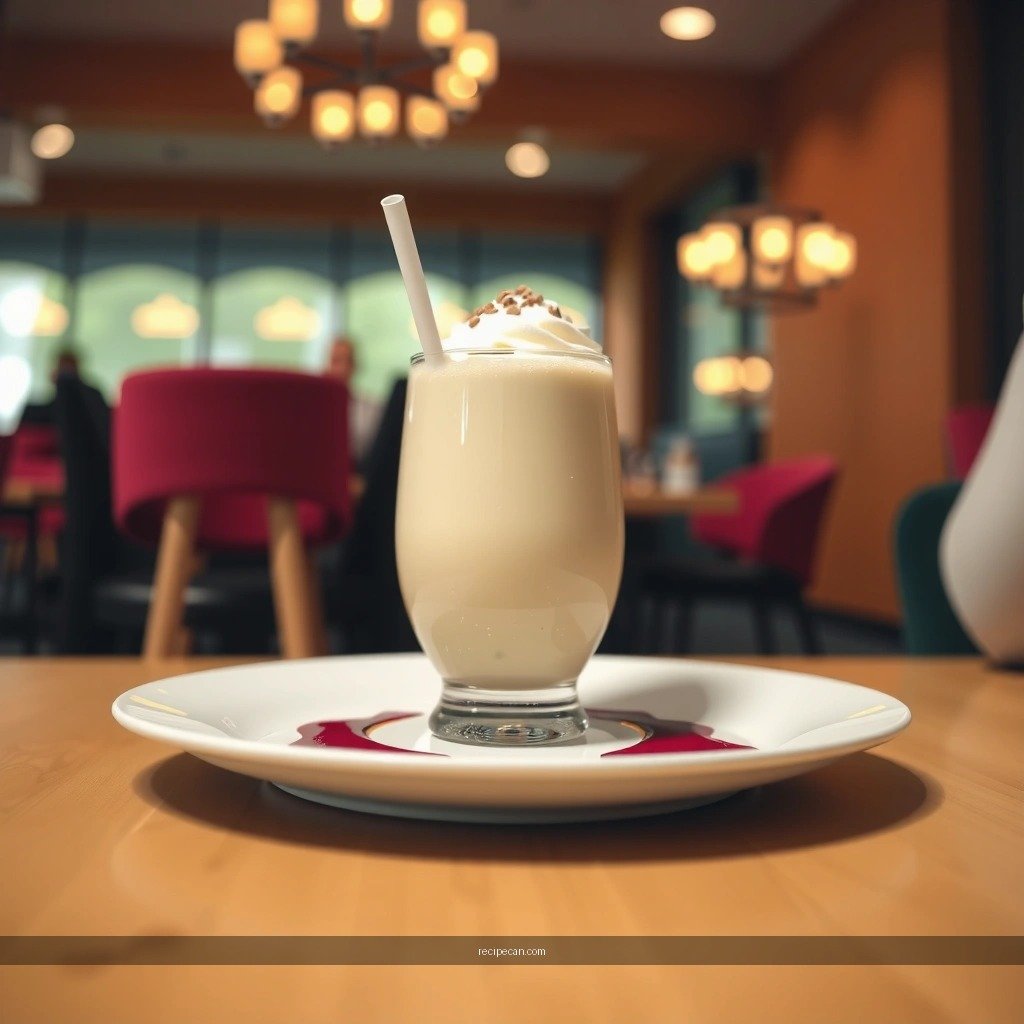
A successful cake milkshake depends more on consistency control than on fancy ingredients. Start simple, then customize once you know your base.
– Cake chunks: Use about ¾ cup to 1 cup for one thick shake. Dice or crumble for easier blending.
– Milk: Whole milk gives the creamiest mouthfeel; 2% works if you prefer a lighter profile.
– Vanilla ice cream (optional but recommended): Adds fat and stabilizes texture, helping you achieve that thick, spoonable “shake” quality.
Flavor options (choose one or two)
– Vanilla extract (¼–½ tsp) for aromatic depth
– Caramel sauce (1–2 tbsp) for dessert-shop richness
– Cold brew or espresso (1–2 tbsp concentrates) for mocha notes
– Fruit preserves or strawberry topping (1–2 tbsp) for bright sweetness
Tools you’ll actually use
– Blender: A high-powered blender is best for fully smoothing cake crumbs.
– Measuring cup/spoons: For repeatable thickness (especially important if you’re making multiple servings).
– Rubber spatula: Useful to scrape down sides so the blender doesn’t leave unmixed pockets.
Preparation note
If your cake is very firm or dry, letting it sit at room temperature for 5–10 minutes can reduce graininess. If your kitchen is warm, keep milk and ice cream chilled to avoid a runny result.
Step-by-Step Cake Milkshake Method
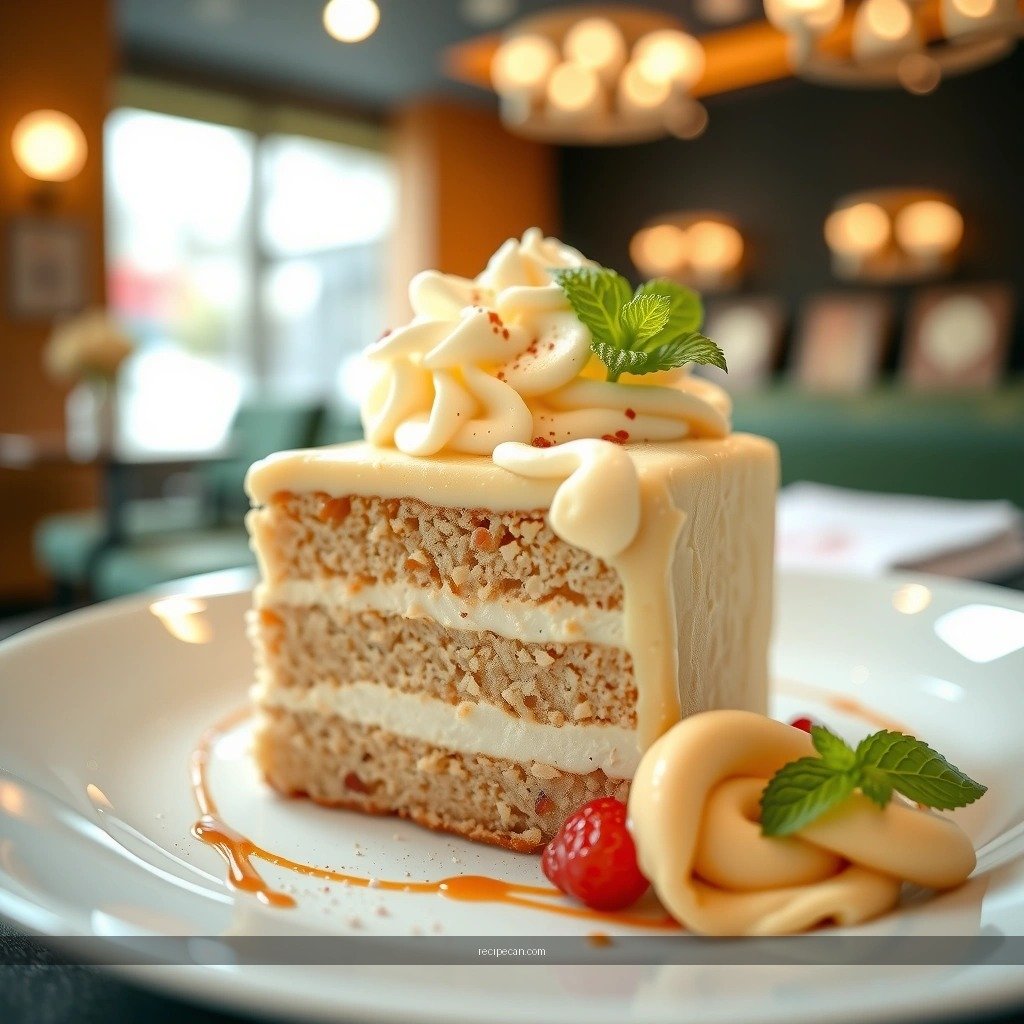
This method is built to be consistent: blend enough to smooth the cake, then adjust texture with small increments.
1. Add cake to the blender.
Start with ¾ cup cake chunks (include some frosting if the cake is frosted).
2. Pour in milk.
Add ½ cup milk first. Starting slightly thick helps prevent over-dilution.
3. Add ice cream (optional).
If you’re aiming for a richer milkshake, add 2–4 tablespoons vanilla ice cream.
4. Blend until smooth.
Blend for 30–60 seconds, then stop and scrape down the sides.
5. Blend again as needed.
If you still see cake bits, blend another 15–20 seconds.
6. Taste and fine-tune.
Add your chosen flavor element (vanilla extract, caramel, cocoa, fruit) sparingly, then blend briefly.
Consistency calibration
– If it’s too thick: add milk 1 tablespoon at a time and blend 10 seconds.
– If it’s too thin: add cake chunks 2–3 tablespoons at a time (or add ice cream) and blend again.
Why blending time matters
Cake milkshakes can go from “thick and luscious” to “overmixed and looser” if blended too long. A practical professional approach is short blend cycles with a scrape-down step in between.
Get the Perfect Texture and Thickness
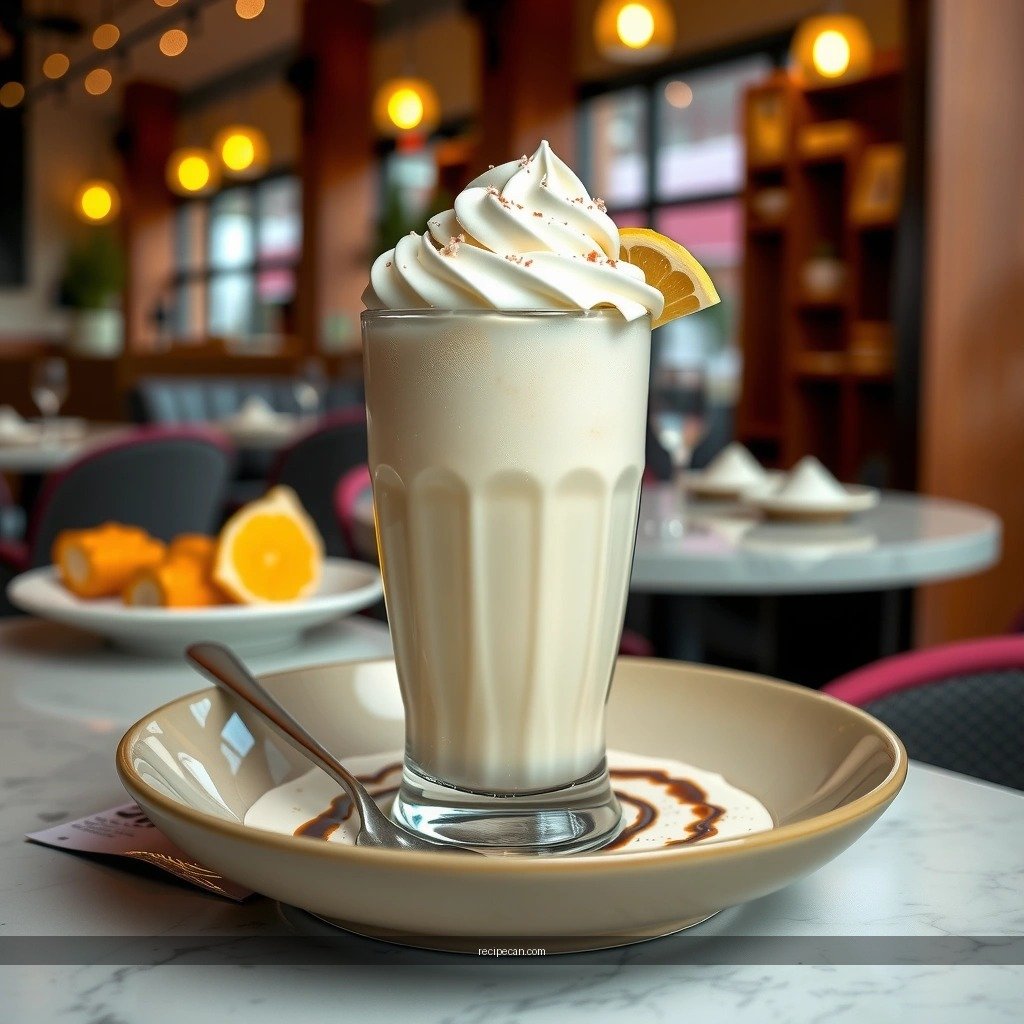
Thickness is not just preference—it affects perceived flavor intensity. Thicker shakes typically taste sweeter and more “dessert-like” because aroma and fat coat the palate more effectively.
Thicker shake (classic spoonable style)
– Use less milk (e.g., ¼–⅓ cup less than the starter amount).
– Add more cake or 1–3 extra tablespoons ice cream.
– Blend until the mixture is uniform, but avoid blending for excessively long periods once it turns smooth.
Lighter shake (drinkable, airy style)
– Add a splash more milk (1–2 tablespoons at a time).
– Blend briefly again—10–20 seconds—just to re-homogenize.
Operational tip for repeatability
If you’re making milkshakes for guests or a small event, standardize:
– your cake chunk measurement
– your starting milk volume
– your blend cycles (30–60 seconds, scrape, 15 seconds)
That way, each glass lands in the same texture zone.
Sweetness and Thickness Adjustments
Cake milkshakes vary widely in sweetness depending on the cake’s original sugar content and frosting level. Rather than automatically adding sugar, diagnose sweetness first.
Control sweetness intelligently
– If your cake already tastes sweet (e.g., frosted vanilla or funfetti), skip added sugar.
– If the cake tastes mild (e.g., less-sweet lemon or angel food), add sugar in tiny steps: 1 teaspoon at a time, blend, then taste.
Use balance tools, not just sweetness
– Pinch of salt: A small amount (literally a pinch) increases flavor clarity and makes sweetness feel less cloying.
– Vanilla extract: Adds a rounded dessert aroma without increasing volume.
– Flavor concentrates: Espresso or caramel can make the shake taste more “complete,” reducing the urge to add extra sugar.
Avoid common pitfalls
– Over-sweetening late: Once you’ve blended in extra sugar, it’s hard to “fix” without adding more liquid and changing texture.
– Too much add-in at once: Caramel and fruit can thicken unevenly. Add in small amounts and blend again.
Toppings and Serving Ideas
Toppings are the final quality layer: they add texture contrast and visual appeal, which matters for both home enjoyment and presentation for guests.
High-impact topping ideas
– Whipped cream for a classic café finish
– Sprinkles for color and crunch
– Mini slice of cake (or a few cake crumbs) for a “build-your-own” feel
– Drizzle sauce (chocolate or caramel) for aroma and sweetness control
Serving for best experience
– Serve chilled in a cold glass to keep the shake thick longer.
– Use a thick straw if you want it to stay spoon-thick without dripping too fast.
– Garnish immediately before serving to prevent toppings from soaking in.
Creative, business-friendly presentation
If you’re serving multiple shakes, create a “line” of add-ons:
– caramel drizzle jar
– chocolate syrup bottle
– sprinkles tray
– whipped cream piping option
This makes customization fast while keeping portion control consistent.
This cake milkshake recipe is quick, customizable, and ideal for turning leftover cake into a creamy treat. Pick your cake flavor, blend to your preferred thickness, and finish with toppings that match the flavor profile—make one today and try your favorite combo!
By following the cake-to-milk ratios, using blend-and-scrape cycles for smoothness, and adjusting thickness with small, measurable increments, you’ll consistently get a rich, dessert-quality cake milkshake at home. Whether you start with vanilla, chocolate, or red velvet, this method gives you predictable results—so you can focus on flavor pairing, texture, and presentation.
References
- Google Scholar Google Scholar
https://scholar.google.com/scholar?q=cake+milkshake+recipe - Google Scholar Google Scholar
https://scholar.google.com/scholar?q=milkshake+recipe+ice+cream+emulsion - Google Scholar Google Scholar
https://scholar.google.com/scholar?q=milkshake+formulation+dairy+dessert+ice+cream - Milkshake
https://en.wikipedia.org/wiki/Milkshake - https://www.britannica.com/topic/milkshake
https://www.britannica.com/topic/milkshake - https://www.bbc.co.uk/food/recipes/chocolate_milkshake_71332
https://www.bbc.co.uk/food/recipes/chocolate_milkshake_71332 - Milkshake recipes | Good Food
https://www.bbcgoodfood.com/recipes/collection/milkshake-recipes - https://www.sciencedirect.com/topics/food-science/milkshake
https://www.sciencedirect.com/topics/food-science/milkshake - https://pubmed.ncbi.nlm.nih.gov/?term=milkshakes
https://pubmed.ncbi.nlm.nih.gov/?term=milkshakes - cake milkshake recipe – Search results
https://en.wikipedia.org/wiki/Special:Search?search=cake+milkshake+recipe