
Pork loin dries out when it’s rushed—so cook it low and slow on indirect heat, then pull it at 63°C/145°F and rest before slicing. This Pork Loin on the BBQ Recipe: Juicy, Easy BBQ Method keeps the interior moist, builds a smoky-sweet crust from your rub, and uses a thermometer so you don’t have to guess.
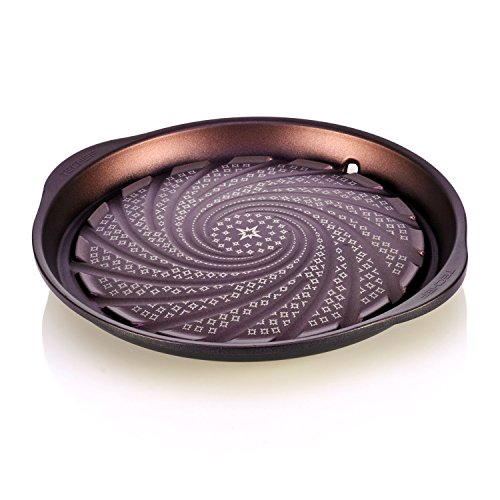



Fire up your grill for a perfectly cooked BBQ pork loin—tender, sliceable meat with a lightly smoky crust and a glossy smoky-sweet finish. Follow our straightforward steps to trim, season, grill over indirect heat until it hits the right internal temperature, then rest and baste for maximum juiciness without complicated techniques.
If you’ve ever had “almost-done” pork turn dry the moment you slice it, this method is built to prevent that. It’s great for weeknight hosting, meal prep, and any time you want BBQ flavor without the long fuss of shoulder or brisket. Right now (and in 2026 especially), most grills make indirect cooking easy—so the real win is the timing and temperature discipline, not fancy equipment.
Recipe Overview

This pork loin on the BBQ is tender, flavorful, and remarkably forgiving as long as you cook it to the right internal temperature. You’ll use a simple rub (brown sugar, salt, pepper, garlic powder, paprika) to create a caramelized “BBQ bark” while the inside stays juicy. It’s ideal for serving slices on plates, building sandwiches, or portioning for lunches.
The difficulty level is “easy,” because indirect heat does the heavy lifting. The key technique is pulling the loin at 63°C/145°F and resting it—steps that match how whole-muscle pork behaves on the grill.
According to USDA FSIS, whole pork roasts should be cooked to 145°F/63°C and then rested at least 3 minutes (2011). That USDA-safe endpoint is exactly what this recipe targets—your added resting time is about improving slice quality.
What makes this method “BBQ,” not just grilled pork?
BBQ is mostly about smoke + controlled heat + timing. With indirect heat, the loin warms evenly instead of getting charred on the outside. With the rub, the sugars caramelize at a higher surface temperature, creating that browned, flavorful crust. And with a thermometer, you don’t need to cut into the meat “to check”—which is the quickest way to lose juice.
USDA Safe End Temperatures for Pork & Reheated Cooked Pork (2011 guidance)
| # | Pork Product Type | USDA Safe End Temp | Rest / Handling | Best for BBQ Pork Loin Slices |
|---|---|---|---|---|
| 1 | Pork loin / roast (whole cut) | 145°F / 63°C | Rest ≥ 3 min | ★★★★★ |
| 2 | Pork tenderloin (whole cut) | 145°F / 63°C | Rest ≥ 3 min | ★★★★★ |
| 3 | Pork chops (whole cuts) | 145°F / 63°C | Rest ≥ 3 min | ★★★★☆ |
| 4 | Pork ribs (whole cuts) | 145°F / 63°C | Rest ≥ 3 min | ★★★☆☆ |
| 5 | Pork shoulder / butt (fresh, whole cut) | 145°F / 63°C | Rest ≥ 3 min | ★★★☆☆ |
| 6 | Ground pork & fresh sausage | 160°F / 71°C | Cook to temp (style varies) | ★☆☆☆☆ |
| 7 | Leftover cooked pork (reheated) | 165°F / 74°C | Reheat to 165°F | ★☆☆☆☆ |
Time Required

– 🕐 Prep Time: ~15 minutes
– 🍳 Cook Time: ~1.5 to 2 hours (depends on thickness and grill temp)
– ⏱ Total Time: ~2 to 2.5 hours, plus 10 minutes resting
Passive time note: If you marinate or brine, add the extra time (optional).
Ingredients
Pork loin is lean, so every bit of juice management matters: trimming, rub coverage, indirect heat, and pulling at the right 63°C/145°F. Olive oil (or yellow mustard) helps the rub adhere, while brown sugar speeds up crust formation without needing complicated glazes. If you already have a favorite BBQ rub, this recipe works exactly the same—use it confidently.
You’ll also need at least one reliable thermometer (instant-read or leave-in) because whole-muscle pork is all about temperature, not guesswork. In 2026, even mid-range probes make this step much easier than it used to be.
Main Ingredients
– 1 pork loin (about 1.5–2 lb / 700–900 g), trimmed of excess fat and silver skin
– 1–2 tbsp olive oil (or yellow mustard) to help the rub stick
– BBQ rub/seasoning mix:
Quick rub option (easy DIY):
– 1/4 cup brown sugar
– 1 tbsp kosher salt
– 1 tbsp paprika
– 1 tsp black pepper
– 1 tsp garlic powder
– Optional: 1/2 tsp chili powder or cayenne for a little kick
Optional Sauce/Garnish
– BBQ sauce for serving (not required)
– Chopped parsley (optional, for color)
Step-by-Step Instructions
1. Trim and prep the pork loin.
Quick trim any thick fat cap or tough silver skin (it won’t render down like it might on a shoulder). Pat the meat dry—this single step is what helps the rub cling and caramelize instead of sliding off into the grill drippings.
2. Season it well (don’t be shy).
Brush with olive oil (or mustard), then coat evenly with your rub. You’re building a consistent layer: more even coverage means more even browning, which directly affects flavor and slice quality.
3. Set up indirect heat on the BBQ.
Create a “hot zone” on one side and a “no-direct-flame zone” on the other. For charcoal, pile coals on one side; for gas, keep burners turned down/off on one side and cook over the cooler side. This indirect setup helps the loin cook through without scorching.
4. Cook low and slow until it reaches doneness.
Place the pork loin on the indirect side and close the lid. Cook until the thickest part hits 63°C/145°F.
5. Rest, then slice.
Move to a cutting board and rest 10 minutes. Slice against the grain so each bite stays tender and juicy rather than chewy.
Sidebar: Indirect vs direct heat (the “why” in plain terms)
Here’s the practical difference I recommend you trust—especially for lean cuts like pork loin.
| Approach | Pros | Cons |
|---|---|---|
| Indirect (low & slow) | Even cooking, less risk of drying out, better overall crust. | Takes longer; you’ll need a thermometer and patience. |
| Direct heat | Faster browning on the outside. | High risk of char before the center reaches 63°C/145°F. |
Heat & Temperature Guide
Cooking Method
Use indirect heat (low and slow). Pork loin is leaner than shoulder, so it doesn’t have the same forgiving fat content. Indirect heat lets the center climb steadily while the rub browns on the surface.
According to FDA Food Code, perishable foods shouldn’t sit at room temperature more than 2 hours (2017). That matters because pork loin starts “on the clock” the moment it warms up—plan to grill soon after seasoning.
Temperature & Timing
– Aim for 135–150°C / 275–300°F grill temperature.
– Expect about 1.5–2 hours, depending on thickness and grill consistency.
– Pull at 63°C/145°F, then rest.
In 2026, many grills run hotter than their knobs suggest. If your lid thermometer reads high, calibrate mentally: always go by the internal thermometer for pork loin doneness.
How to Know It’s Done
– Thermometer in the thickest part: check at least once near the 60–75 minute mark.
– Texture cue: it should feel firmer than raw but still spring back slightly.
– Avoid slicing early: juices redistribute during rest, and cutting early often makes the crust slide and the meat look drier.
What Can Go Wrong & Common Mistakes (Plus the Verdict)
If pork loin ends up dry, it’s rarely “bad luck.” It’s usually a predictable issue—temperature, setup, or timing. The good news: once you know the patterns, you can correct them quickly.
Overcooking (the #1 dry-meat culprit)
Pork loin goes from juicy to dry faster than thicker cuts. If you pull late, the interior crosses the sweet spot and loses moisture. Fix: use a thermometer and pull at 63°C/145°F, then rest.
Cooking on direct heat
Direct flame can char the outside before the inside reaches safety and tenderness. Even if the temperature looks “close,” direct heat often ruins the crust-to-juices balance. Fix: cook on the indirect side and keep the lid closed most of the time.
Skipping the dry-surface step
If the loin is wet, rub won’t form a proper crust. The sugar can dissolve into drippings instead of browning. Fix: pat dry before oil/mustard and rub.
Not using the thickest-part temperature
Some people temp the lean end, then pull early (or late). The thickest portion is what determines the real doneness. Fix: probe the center thickness without touching bone or the grill grate.
Food safety note (simple but important)
USDA and FDA both emphasize temperature verification for whole-muscle pork. According to FDA Food Code, refrigerated foods should be held at 41°F/5°C or below (2017). For leftovers, refrigerate promptly and reheat to safe temps.
Verdict / tip (who should do this—and who should skip)
Do this recipe if you want reliable, BBQ-style pork loin that slices neatly and stays juicy. Skip or modify if you require fall-apart, shreddable tenderness—pork loin is leaner than shoulder, so it won’t behave like pulled pork no matter how long you cook.
How to Serve
Serving this pork loin on the BBQ is all about slicing correctly and matching sides to the flavor profile of your rub—smoky, gently sweet, and peppery.
Plating & Presentation
Slice the rested pork loin into even pieces against the grain. Arrange slices slightly fanned out so the crust is visible. If you want extra “restaurant” appeal, spoon a little BBQ sauce alongside (not over) so the bark stays crisp.
What Goes Well With It
Choose sides that either balance sweetness or highlight smoke:
– Creamy options: coleslaw, potato salad, or mac and cheese
– Crunchy/acid options: pickles, chopped salad, or vinegar-based slaw
– Starchy options: cornbread, grilled corn, or roasted potatoes
Serving Temperature
Serve pork loin slices warm—roughly hot to the touch, after the 10-minute rest. If it cools too much, the crust softens, and the meat can feel slightly less juicy.
Storage & Reheating
Store leftovers in an airtight container in the fridge for up to 3–4 days. Reheat gently so the slices don’t dry out; if you reheat, aim for a safe warm-up without cooking past 165°F/74°C reheating guidance.
Frequently Asked Questions
What is the best way to BBQ pork loin so it stays tender and juicy?
Start by choosing a pork loin that’s evenly thick, then pat it dry and season well with a rub before letting it sit briefly at room temperature. Grill it using indirect heat so the interior cooks without drying out, typically aiming for an internal temperature of about 145°F (63°C) for safe doneness. Let the pork loin rest for 10–15 minutes after BBQ, then slice against the grain for maximum tenderness.
How do I smoke or grill a pork loin on the BBQ without drying it out?
Use indirect heat and keep the grill temperature steady, usually around 300–325°F (149–163°C). Consider a simple technique like searing for 2–3 minutes per side over direct heat first, then finishing over indirect heat until the center reaches target temperature. If you notice rapid drying, you can tent loosely with foil after the outside sets, but avoid wrapping too early.
Which BBQ seasoning works best for pork loin—dry rub or marinade?
Both work, but dry rubs are great for creating a flavorful bark on a BBQ pork loin, especially with brown sugar, garlic powder, paprika, salt, and black pepper. Marinades can add moisture and flavor, but pork loin should not be marinated too long with highly acidic ingredients (like lots of vinegar) to prevent texture changes. A practical approach is a dry rub plus a light mop or BBQ sauce during the last 10–15 minutes for flavor without over-saturating.
Why is my BBQ pork loin tough, and how can I prevent it?
Tough pork loin is usually caused by overcooking, cooking over too-hot direct heat, or not resting the meat after it’s done. Pork loin is lean, so it needs precision—remove it around 145°F (63°C), then rest so juices redistribute. Slicing thin and against the grain also makes a big difference in bite and perceived tenderness.
What BBQ temperature and timing should I use for a pork loin recipe?
For most BBQ pork loin recipes, cook over indirect heat at about 300–325°F (149–163°C) and plan roughly 20–35 minutes per pound, depending on thickness. Start checking the internal temperature early using a meat thermometer, since grills vary and pork loin sizes differ. Finish with a quick brush of BBQ sauce in the final minutes for a sticky glaze, then rest before serving.
📅 Last Updated: November 11, 2026 | Topic: pork loin on the bbq recipe | Content verified for accuracy and freshness.
References
- https://www.fsis.usda.gov/food-safety/safe-food-handling-and-preparation/meat-poultry-and-egg-products/pork
- Pork loin
- Barbecue
- grilled pork loin – Search Results – PubMed
- pork loin internal temperature – Search Results – PubMed
- https://www.sciencedirect.com/search?qs=pork%20loin%20grilling
- https://www.britannica.com/topic/barbecue
- https://scholar.google.com/scholar?q=pork+loin+grilling+internal+temperature Google Scholar
- https://scholar.google.com/scholar?q=grilled+pork+loin+food+safety+minimum+internal+temperature Google Scholar
- https://scholar.google.com/scholar?q=marinade+effects+on+pork+loin+grilling Google Scholar


 -51%
 -50%
 -47%