
Pork and beef meatloaf stays juicy and flavorful when you bake it to the right internal temperature—and the “classic” taste comes from a sugar-free ketchup (or tomato paste) glaze applied near the end so it caramelizes instead of burning. This easy approach keeps the loaf sliceable while you still get that shiny, tangy finish people expect from meatloaf.


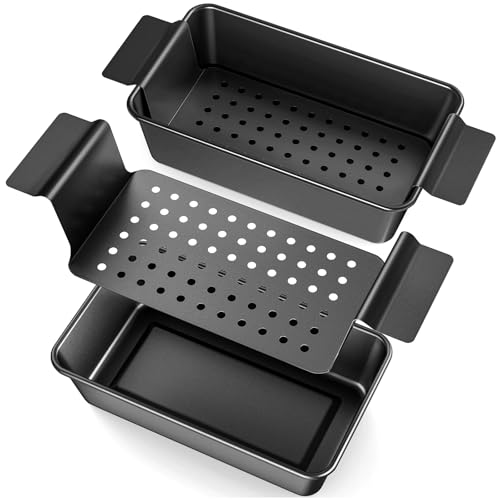

You will bake a juicy pork-and-beef meatloaf with a glossy sugar-free glaze that clings like classic comfort food. This recipe simplifies the process with straightforward mixing, easy shaping, and a glaze made to deliver sweet-and-savory flavor without added sugar. Follow the timing and internal doneness cues, and you will get clean slices and bold, reliable flavor every time.
If you want comfort-food meatloaf that fits a lower-sugar routine, this recipe layout walks you through the build, the glaze, and the doneness cues so you don’t have to guess.
Recipe Overview

This pork-and-beef meatloaf is an oven-baked, lower-sugar twist on the traditional family favorite—built to stay tender and hold together for clean slices. You’ll like it if you want the familiar ketchup-style flavor, but you’d rather skip added sugar; as of 2026, more households are making “label-first” choices that still feel indulgent at the dinner table.
– This pork-and-beef meatloaf is rich, hearty, and holds together well for slicing.
– The sugar-free glaze delivers a shiny, sweet-tang finish—without regular sugar.
– Great for weeknights, leftovers, and sandwiches (because meatloaf basically gets better the next day).
Time Required
– 🕐 Prep Time : 20 minutes
– 🍳 Cook Time : about 55 minutes (until center reaches 160°F / 71°C)
– ⏱ Total Time : 1 hour 35 minutes (includes 15 minutes rest)
– Note: If your mixture feels very soft, chilling it briefly helps shaping—plan an optional 15 minutes.
Ingredients
You’ll get the best results by balancing leaner beef with pork for tenderness, then using a sugar-free ketchup/tomato base for that classic glaze vibe. Choose a sugar-free ketchup you actually like, and pick a sweetener that behaves like brown sugar (many erythritol-based blends do). In 2026, brands and formulations vary a lot—so checking labels is part of the “secret sauce.”
Main Ingredients
– Ground pork: 1 lb (16 oz)
– Ground beef: 1 lb (16 oz)
– (Tip: 80/20 works well, but use what you like—just handle very lean blends a little more gently.)
– Breadcrumbs (or almond flour breadcrumbs): 3/4 cup
– (If using gluten-free breadcrumbs, they typically absorb similarly—no extra changes needed.)
– Egg: 1 large egg
– Onion (diced or grated): 1/2 cup
– Garlic (minced): 2 cloves
– Worcestershire sauce (check label for sugar-free if needed): 2 tablespoons
– Salt + black pepper: 1 1/2 teaspoons salt + 1/2 teaspoon black pepper
– Optional: chopped parsley or a pinch of smoked paprika: 1/4 cup parsley *or* 1/2 teaspoon smoked paprika
For the Sugar-Free Glaze
– Sugar-free ketchup: 1/2 cup
– Dijon mustard: 2 tablespoons
– Apple cider vinegar (or white vinegar): 1 tablespoon
– Sugar-free brown-sugar substitute (or brown-sugar flavored sweetener): 1 tablespoon
– (Add up to 2 tablespoons if your ketchup tastes less sweet.)
– Optional: garlic powder + pinch of chili flakes: 1/2 teaspoon garlic powder + a pinch chili flakes
Optional Garnish
– Fresh parsley: 1–2 tablespoons, chopped
– Extra black pepper: a quick finish
Step-by-Step Instructions
Think of this in two parts: mix the loaf gently, then glaze at the right moment. The timing is what keeps the glaze glossy instead of turning bitter.
– Mix just until everything comes together (overmixing can make meatloaf dense).
– Bake until the meatloaf is close to done, then glaze during the final stretch so it caramelizes.
– Rest before slicing so the juices settle instead of running out.
1. Preheat the oven. Set your oven to 350°F / 175°C. Line a baking sheet with foil (easy cleanup) or use a loaf pan if you prefer a more uniform shape.
2. Mix the meatloaf base. In a large bowl, combine pork, beef, breadcrumbs, egg, onion, garlic, Worcestershire, salt, and pepper. Mix with your hands just until no dry bits remain.
3. Shape the loaf. Form into a loaf shape (about 9 x 5 inches, roughly 2 1/2 to 3 inches tall) and place it on the pan. If the mixture feels overly loose, chill it for 15 minutes to firm it up.
4. Bake until nearly done. Bake for about 35 minutes. Start checking around the 35–40 minute mark with a thermometer inserted into the thickest part.
5. Make and apply the sugar-free glaze. Stir together glaze ingredients until smooth. In the last 15–20 minutes, spoon or brush glaze over the loaf. (This is the step most people rush, but the late application is what prevents burning.)
6. Finish baking with the glaze. Continue baking until the center reaches 160°F / 71°C (safe internal temperature for ground meats). If the glaze browns faster than you want, loosely tent with foil for the final minutes.
7. Rest, slice, and serve. Rest for 15 minutes before slicing. Use a sharp knife and cut thick slices so the loaf stays cohesive.
Heat & Temperature Guide
Meatloaf is one of those dishes where temperature cues matter more than time guesses. Even if your loaf is smaller or larger, doneness is still predictable when you use a thermometer.
Cooking Method
– Oven-baked meatloaf is ideal because it browns the outside while the center warms evenly.
– Resting after baking helps the juices redistribute for better texture and sliceability.
Temperature & Timing
– Bake at 350°F / 175°C.
– Bake until internal temperature reaches 160°F / 71°C.
Food-safety context (so you know what “safe” means): According to USDA-FSIS, ground beef/pork/veal/lamb should reach 160°F / 71°C for safety (USDA-FSIS Safe Minimum Internal Temperature Guidance, 2024). Also, according to USDA-FSIS, leftovers should generally be refrigerated promptly and kept hot/cold within safe holding guidelines (USDA-FSIS Food Safety & Safe Handling Guidance, 2023).
How to Know It’s Done
– The center should be firm to the touch, not squishy.
– Any thermometer should read 160°F / 71°C when inserted into the thickest part.
– The juices should run clear-ish rather than pink.
USDA Safe Internal Temperatures (Most Relevant to Meatloaf)
| # | Food Type | Safe Temp | Why It Matters | Fit for This Recipe |
|---|---|---|---|---|
| 1 | Ground beef, pork, veal, lamb (meatloaf base) | 160°F / 71°C | This is your target doneness. | ★★★★★ |
| 2 | Ground poultry (turkey/chicken) | 165°F / 74°C | Higher baseline safety temp. | ★★☆☆☆ |
| 3 | Whole cuts of pork/steaks/roasts | 145°F / 63°C (+rest) | Not the right target for ground meat. | ★☆☆☆☆ |
| 4 | Whole cuts of beef (steak/roast) | 145°F / 63°C (+rest) | Different rule because it’s not ground. | ★☆☆☆☆ |
| 5 | Chicken breast/thigh (whole pieces) | 165°F / 74°C | If you mix other meats, re-check targets. | ★☆☆☆☆ |
| 6 | Fish | 145°F / 63°C | Useful if you’re meal-prepping sides too. | ☆☆☆☆☆ |
| 7 | Reheated leftovers | 165°F / 74°C | Reheating meatloaf safely. | ★★★☆☆ |
What Can Go Wrong & Common Mistakes
This meatloaf is forgiving, but a few common issues can steal moisture or make the glaze go weird. The good news: once you know the patterns, you can prevent them in minutes.
Glaze tastes “off” (too bitter or too tangy)
Sugar-free sweeteners can vary a lot. If your glaze tastes harsh, add a little more sweetener substitute (start with 1/2 tablespoon) or balance with a tiny splash of vinegar. Also, choose a sugar-free ketchup brand you truly enjoy—glaze flavor quality is mostly the ketchup.
Meatloaf is dry
This usually happens from overbaking or very lean meat. Use the thermometer as your main cue, and stop when the center hits 160°F / 71°C; carryover heat continues to cook slightly after you pull it.
Meatloaf falls apart when sliced
That’s commonly a binder problem (too little breadcrumbs or egg) or underbaking. Make sure it reaches doneness and don’t skip the resting time—resting helps the proteins firm up and reabsorb juices.
Glaze burns before the meatloaf finishes
Sugar-free glaze can brown quickly because many ketchups and sweeteners react fast under heat. Apply the glaze only in the final 15–20 minutes, and tent with foil if you see aggressive darkening.
Sweetener choice affects caramelization (quick comparison)
If you’re tuning for best texture and “classic” flavor, here’s a practical comparison of common sugar-free sweetener behaviors:
| Sweetener style | Pros | Cons |
|---|---|---|
| Erythritol-based “brown sugar” blends | Often browns and spreads more like traditional sugar; good for glaze thickness | Can taste cooling/flat if the amount is too low or brand tastes off |
| Allulose | Strong browning potential and mild taste | Some blends are pricey; may make the glaze thinner depending on formulation |
| Stevia-heavy blends | Very low net carbs | Often tastes less “ketchup-like” and may not caramelize as well |
Heat & Temperature Guide (follow-through note)
Even when the oven timer says “done,” the internal temperature is what matters. According to USDA-FSIS, safe handling and cooking targets are temperature-based—not time-based (USDA-FSIS Food Safety & Safe Handling Guidance, 2023).
How to Serve, Quick Checklist & FAQ
Once it’s sliced, this meatloaf basically begs for comforting sides. This sugar-free glaze is bold enough that you don’t need a heavy sauce—just let it shine.
Plating & Presentation
– Slice thick (about 1 inch), then spoon a little extra glaze from the pan over the top.
– Garnish with chopped parsley for a fresh, green finish and a more “restaurant” look.
What Goes Well With It
– Mashed potatoes (or cauliflower mash) for classic comfort
– Roasted green beans, asparagus, or a simple salad to balance richness
– Dinner rolls (optional) for extra meatloaf-night vibes
Serving Temperature
Serve warm—best texture is within about 30 minutes of resting. If you serve too hot, slices can crumble; too cool, fat can firm up and dull the aroma.
Storage & Reheating
– Store leftovers in the fridge in a sealed container for 3–4 days.
– Reheat slices in the oven at 325°F / 165°C until warmed through (typically 15–20 minutes) to keep the loaf moist.
Verdict / Tip
Pork and beef meatloaf with sugar-free glaze is a solid choice when you want the classic look and flavor—without regular sugar. The main downsides are predictable: sugar-free sweeteners and ketchup brands vary, and some glazes brown faster than expected, so late glazing and thermometer accuracy really matter.
Skip this approach (or adjust carefully) if you’re avoiding specific sugar alcohols or particular sweeteners—check labels and choose what fits your needs.
Quick Checklist (scan & save)
– [ ] Mix gently (no overworking)
– [ ] Bake until internal temp hits 160°F / 71°C
– [ ] Apply sugar-free glaze only in the final 15–20 minutes
– [ ] Rest before slicing (15 minutes)
– [ ] Taste glaze balance (add sweetener or a tiny vinegar splash in small nudges)
Frequently Asked Questions
What is the best sugar-free glaze for pork and beef meatloaf?
A great sugar-free glaze for pork and beef meatloaf is made with a low-sugar ketchup alternative (or tomato paste), apple cider vinegar, Worcestershire sauce, and a sweetener like monk fruit or erythritol. Add garlic, smoked paprika, and a pinch of salt to boost the savory flavor so the glaze tastes balanced without sugar. Let it simmer briefly until slightly thickened, then brush it on during the last 20–30 minutes of baking for a sticky, caramelized finish.
How do I make pork and beef meatloaf that stays moist without sugar?
Use a balanced meat mixture (like 50/50 pork and ground beef) and add moisture with ingredients such as finely diced onion, grated carrot, or a splash of broth. Incorporate a binder like breadcrumbs or almond flour, and avoid overmixing the meat so the loaf doesn’t turn dense. Since sugar can help with texture, use a sugar-free glaze plus moisture-rich add-ins rather than relying on sweetness to keep the meatloaf tender.
Why does my meatloaf glaze taste bitter when it’s sugar-free?
Many sugar-free sweeteners can taste bitter if they’re used in large amounts or not cooked properly. To prevent this, choose a sweetener that’s formulated for baking (monk fruit with erythritol blend works well), and cook the glaze long enough to mellow flavors—typically 5–10 minutes. Also balance bitterness with acid (vinegar or lemon juice) and savory elements (garlic, mustard, Worcestershire) so the sugar-free glaze tastes rounded instead of harsh.
Which binder works best for low-sugar pork and beef meatloaf?
Breadcrumbs, almond flour, or crushed pork rinds are common low-sugar binder options that help the loaf hold together. Breadcrumbs give a classic texture, while almond flour is a good gluten-free choice and helps retain moisture. If you want a crispier edge, pork rind crumbs add structure without sugar, but start with less and adjust because they absorb more liquid than breadcrumbs.
How long should I bake pork and beef meatloaf and when should I apply the sugar-free glaze?
Bake pork and beef meatloaf at 350°F (175°C) for about 45–60 minutes, depending on loaf size and thickness. Apply the sugar-free glaze during the last 20–30 minutes so it can set and caramelize without burning. For food safety, cook to an internal temperature of 160°F (71°C) for ground meat, then rest the meatloaf 10 minutes before slicing for cleaner cuts.
📅 Last Updated: November 27, 2026 | Topic: Pork and Beef Meatloaf with Sugar-Free Glaze | Content verified for accuracy and freshness.
References
- https://www.fsis.usda.gov/food-safety/safe-food-handling-and-preparation/temperatures
- https://www.fsis.usda.gov/food-safety/safe-food-handling-and-preparation/ground-beef-keep-it-safe
- https://www.who.int/publications/i/item/9789240020727
- https://www.cdc.gov/nutrition/data-statistics/added-sugars.html
- https://pubmed.ncbi.nlm.nih.gov/?term=non-nutritive+sweeteners+glycemic+response+systematic+review
- Meatloaf
- Exercise helps ease arthritis pain and stiffness – Mayo Clinic
- https://scholar.google.com/scholar?q=Pork+and+beef+meatloaf+safe+cooking+temperature+ground+meat Google Scholar
- https://scholar.google.com/scholar?q=meatloaf+low+sugar+glaze+recipe+guidelines Google Scholar
- https://scholar.google.com/scholar?q=non-nutritive+sweeteners+health+effects+glycemic+response Google Scholar


 -55%
 -51%
 -50%