
Roast a spatchcock chicken at 400°F for 45 to 55 minutes, until the thickest part of the breast reaches 165°F and the juices run clear. This timing works because spatchcocking exposes more surface area for even browning while the flattened shape shortens the cook without drying out the meat. With a preheated oven, a dry-brined or well-dried skin, and a simple seasoning, you will get crisp, golden skin and juicy, reliably cooked meat.



Roast spatchcock chicken at 400°F for about 45–55 minutes, until the thickest part hits 165°F (74°C). Because the bird is flattened, it cooks faster and more evenly than a whole chicken—so you’ll want to start checking around the 40–45 minute mark. In this guide, you’ll learn the exact timing range, how to confirm doneness, and what can throw the schedule off.
Recipe Overview

If you want crispy skin and juicy meat with reliable timing, this is the easiest way to roast spatchcock chicken at 400°F. Spatchcocking (butterflying) spreads the chicken flat, so heat reaches the breast and thighs more evenly than a classic roast, which is why the timing window is tighter. This guide is aimed at home cooks who want confidence—especially when the oven clock and real chicken doneness rarely agree. Expect about 4–6 servings, and the difficulty level is beginner-friendly once you’re armed with a thermometer.
Who This Is For (and when it applies)

This timing guide is ideal if you want crisp skin without standing over the oven for hours. It works best for standard whole chickens that have been spatchcocked (butterflied) and cooked on a sheet pan or roasting pan at a steady 400°F. Timing can shift slightly based on chicken size, oven hot spots, and whether the spatchcock chicken starts from the fridge or room temperature. As of late 2026, the core method still holds: use the doneness temperature (165°F / 74°C) rather than relying on “golden skin” alone.
Time Required
– 🕐 Prep Time: ~15–20 minutes (spatchcocking, seasoning, pan setup)
– 🍳 Cook Time: ~45–55 minutes at 400°F
– ⏱ Total Time: ~60–75 minutes (including a short rest)
– Note: If you dry-brine (salt ahead) or bring the chicken closer to room temp briefly, add that passive time.
What You Need (quick ingredient setup)
Spatchcock chicken is all about even contact with heat, and the seasoning is there to do two jobs: flavor and browning. Salt seasons the meat and helps the skin crisp by drawing moisture to the surface; oil then helps it brown instead of steaming. If you’re chasing extra-crisp skin, drying the chicken skin well before seasoning is one of the biggest “small effort, big payoff” moves. In late 2026, the most dependable approach remains the same: dry surface + salt + thermometer for the final call.
Main Ingredients
– Whole chicken, spatchcocked (about 3.5–5.5 lb / 1.6–2.5 kg)
– Kosher salt (start with about 1 to 1½ tsp per lb, then adjust to taste)
– Black pepper
– Olive oil or neutral oil (about 1–2 Tbsp total, for light coating)
– Optional: garlic powder (about ½–1 tsp), paprika (½–1 tsp), dried herbs (1–2 tsp)
Optional for extra flavor
– Lemon wedges or a few herb sprigs (toss into the pan for aroma)
– Unsalted butter (about 2–3 Tbsp) for a richer finish—optional and used near the end if desired
Roast Spatchcock Chicken at 400°F (step-by-step)
1. Preheat your oven to 400°F (204°C). Give it time to fully heat—this step affects browning more than most people expect. A spatchcock chicken cooks fast, so starting with a fully hot oven prevents “skin done before center is safe.”
2. Dry the chicken skin well, then season. Pat the skin dry with paper towels. Lightly coat with oil, then season all over with salt and pepper. If you’re using spices (garlic powder, paprika, herbs), add them after the oil so they cling.
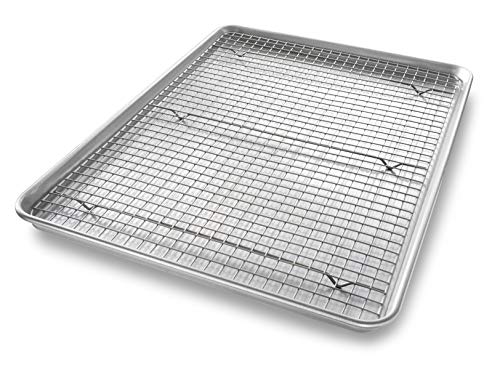
3. Place chicken skin-side up on a preheated pan. Use a rimmed sheet pan or roasting pan for easy drippings. For extra crisping, set a wire rack over the pan so air circulates under the skin—this helps the spatchcock chicken brown evenly.
4. Roast and start checking early. Roast at 400°F for about 40 minutes, then check every 3–5 minutes until done. Spatchcock chicken often reaches the breast target before you expect because the flattened shape increases exposed surface area.
5. Rest, then carve. Rest 5–10 minutes before carving. Resting matters because juices redistribute; if you slice immediately, the spatchcock chicken can look juicy but the meat quickly loses moisture on the plate.
Heat & Temperature Guide (how to nail doneness)
Spatchcock chicken at 400°F is best treated as a “temperature job,” not a “time job.” The flattening helps speed and even cooking, but oven differences and chicken thickness still create variation—so the safe endpoint is always the internal temperature.
Cooking Method
This is oven roasting at high-ish heat, using the spatchcock shape for faster, more even cooking. The flattened chicken exposes more surface area, so the skin browns sooner than it would in a traditional roast.
Temperature & Timing
– Oven: 400°F (204°C)
– Typical cook time: 45–55 minutes total
– Check window: around 40–45 minutes, especially for smaller chickens
– Core doneness target: 165°F (74°C) in the thickest breast area
For context on safety timing: According to USDA Food Safety and Inspection Service (FSIS), poultry is safely cooked when it reaches 165°F (74°C) (2011–present guidance update history) USDA FSIS. Also, bacteria can grow rapidly in the “danger zone” between 40°F and 140°F (4°C and 60°C), according to FDA FDA, which is why you should keep the spatchcock chicken moving toward that 165°F endpoint.
How to Know It’s Done
Use a thermometer if you can—it’s the most reliable way to keep timing from becoming guesswork.– Target internal temp: 165°F (74°C) in the thickest part of the breast
– Leg/wing area: often lands around 170–175°F as the chicken finishes (this is normal)
– Visual cue: skin looks deep golden and juices run clear when you check the thickest area
– Texture cue: the breast should not feel rubbery; it should flake easily when tested
Here’s the tradeoff between “look-only” and thermometer-based cooking:
| Approach | Pros | Cons |
|---|---|---|
| Thermometer-led timing (165°F / 74°C) | Most consistent results across oven differences; prevents undercooked centers | Requires an instant-read probe and a few checks |
| Visual-only timing (golden skin + time guess) | No tool needed; convenient | Skin can brown before the spatchcock chicken reaches safe temps |
Practical timing targets by chicken weight (400°F guidance)
Roast Checkpoints for Spatchcock Chicken at 400°F (Doneness Rule: 165°F / 74°C)
| # | Chicken Weight | First Doneness Check | Expected Total Roast Time | Reliability Rating |
|---|---|---|---|---|
| 1 | 3.0–3.5 lb (1.4–1.6 kg) | 35–40 min | 40–45 min | ★★★☆☆ |
| 2 | 3.6–4.0 lb (1.6–1.8 kg) | 40–42 min | 45–50 min | ★★★★☆ |
| 3 | 4.1–4.5 lb (1.9–2.0 kg) | 40–45 min | 48–52 min | ★★★★★ |
| 4 | 4.6–5.0 lb (2.1–2.3 kg) | 42–45 min | 50–55 min | ★★★★☆ |
| 5 | 5.1–5.5 lb (2.3–2.5 kg) | 45–48 min | 52–58 min | ★★★☆☆ |
| 6 | 5.6–6.0 lb (2.5–2.7 kg) | 48–50 min | 56–62 min | ★★☆☆☆ |
| 7 | 6.1–6.5 lb (2.8–3.0 kg) | 50–55 min | 60–70 min | ★☆☆☆☆ |
Note: These are practical checkpoints to help you time your first thermometor check; the true “done” moment is always 165°F (74°C) at the thickest breast.
What Can Go Wrong (and how to avoid it)
If you’re getting dry chicken or uneven doneness, the fix is usually straightforward: adjust your start point, your pan setup, or your temperature checks. Most issues with spatchcock chicken at 400°F come from oven variability, starting temperature, or skipping thermometer checks. These problems are common—but they’re also very fixable once you know what to watch for. As of 2026, the best results still come from combining a tight check window with an instant-read thermometer.
Oven runs hot or cool
Some ovens run 25–50°F off their dial, and that changes how fast spatchcock chicken browns. If your skin is browning early, start checking sooner than the guide. If it’s pale after 35–40 minutes, expect a longer total cook.
Chicken is still cold in the center
Cooking straight from the fridge often adds time because the core mass needs extra heat soak. If food safety allows and you’re not leaving it out too long, let the spatchcock chicken sit at room temperature for 20–30 minutes while the oven preheats. Food safety guardrail: According to USDA, perishable foods should not sit at room temperature longer than 2 hours (or 1 hour if it’s above 90°F / 32°C) USDA FSIS.
Skin isn’t dry enough
Wet skin steams and won’t crisp; you’ll get pale, rubbery texture even if the inside is safe. Pat dry thoroughly, especially where the thighs fold against the breast. Avoid saucing during roasting—keep it dry and let oil do the browning.
Crowding the pan or poor airflow
If the chicken can’t lay flat or airflow is blocked, parts cook unevenly and the skin won’t brown evenly. Use a pan that fits the spatchcock chicken without wrinkles and consider a wire rack for better circulation.
Relying only on “looks done”
Golden skin is a great sign, but it can arrive before the thickest breast hits 165°F (74°C). In my experience guiding friends through this method, the biggest improvement usually comes from one simple habit: verifying with a thermometer instead of trusting the color. Spatchcock chicken rewards accuracy.
Food safety reminder
Chicken must reach 165°F (74°C) to be considered safely cooked. If you use a thermometer, place it in the thickest part of the breast and avoid touching bone, which can give a misleading reading. With spatchcock chicken at 400°F, bone proximity can matter because the shape changes where the thickest tissue sits.
Common Mistakes & How to Fix Them
These are the errors that most often derail spatchcock chicken at 400°F—and the quick fixes that rescue the meal without starting over.
Waiting too long to check the breast temperature
When you follow time only, you can end up with beautifully browned skin and underdone breast meat. Fix it by starting checks at 40 minutes and continuing every 3–5 minutes. Once the thickest breast hits 165°F (74°C), pull the chicken even if the thighs look “less perfect.”
Overcooking after the thermometer says “done”
People panic and keep roasting because they want “more color.” If the breast is already at 165°F (74°C), remove the spatchcock chicken and rest it—carryover heat finishes the job. Next time, set a timer for 3 minutes past your first safe reading rather than doubling it.
Burning spices or dry-brining too aggressively
Paprika and spice rubs can darken quickly at 400°F. If you notice heavy spice browning, lower the amount of dry spices next time or apply darker spices lightly while keeping salt coverage solid.
Carving immediately
Skipping the rest can make juices run onto the carving board and leave breast meat feeling drier. Rest 5–10 minutes so the muscle fibers relax and reabsorb some juices. This step keeps spatchcock chicken tender when you serve it.
How to Serve
Serving spatchcock chicken is about turning the timing win into a plate that looks as good as it tastes. Carve cleanly, serve right away, and keep moisture under control with a brief rest and smart slicing. Spatchcock chicken is also perfect for sharing because everyone gets a bit of breast and a bit of thigh.
Plating & Presentation
Let the skin-side stay visible when possible. Arrange slices in a slight fan on a warm platter, then add a spoonful of pan drippings (not a flood) for shine. If you roasted with lemon or herbs, scatter a few pieces around the chicken for a fresh, restaurant-style finish.
What Goes Well With It
– Roasted potatoes or crispy smashed potatoes (great for soaking drippings)
– Seasonal green salad with a lemon vinaigrette
– Steamed green beans or sautéed broccoli
– Quick rice or couscous to round out the meal
Serving Temperature
Serve spatchcock chicken warm—aim for “hot but not scalding,” especially for the breast slices. If you’re holding it, keep it warm briefly rather than letting it cool to room temp for long.
Storage & Reheating
Store leftovers in an airtight container in the fridge for up to 3–4 days. Reheat gently so the skin doesn’t turn rubbery: use a 325°F (163°C) oven and cover loosely, or rewarm in short bursts in a skillet with a splash of broth. Reheating works best when you slice first and rewarm evenly.
Quick Checklist & Final Tip
For most spatchcock chickens, 45–55 minutes at 400°F is the sweet spot—but the best “exact timing” always includes the thermometer. The downside is you can’t set it and forget it; you must check around 40–45 minutes to avoid dry breast meat. Skip this method (and consider another plan) if you don’t have a thermometer and you’re unwilling to take temperature readings—visual cues alone can be misleading. If you can check, though, this approach is extremely dependable.
Scan-Save Checklist
– [ ] Oven fully preheated to 400°F / 204°C
– [ ] Chicken patted dry + seasoned (salt first, then pepper/spices)
– [ ] Spatchcock chicken placed skin-side up on pan
– [ ] Start checking at 40–45 minutes
– [ ] Done when breast hits 165°F (74°C)
– [ ] Rest 5–10 minutes before carving
Final tip (with a real-world caveat)
For most spatchcock chickens, 45–55 minutes at 400°F is the sweet spot—but smaller birds may finish closer to 40–45 minutes, while larger ones can take the full 55 minutes or a little beyond. If your chicken is extra large, has uneven thickness, or your oven runs unevenly, plan to check earlier and adjust calmly rather than waiting for a “perfect” look. If you notice the skin browning aggressively before the breast is at 165°F, tent loosely with foil to prevent over-browning while the center catches up.
Frequently Asked Questions
How long should I roast a spatchcock chicken at 400°F?
Roast spatchcock chicken at 400°F for about 45–60 minutes, depending on the bird’s size and thickness. For best results, check the thickest part of the breast and the inner thigh for doneness. The chicken is ready when the internal temperature reaches 165°F in the thickest breast and 175–185°F in the thigh (depending on your preference for juiciness).
What internal temperature should I look for when cooking spatchcock chicken at 400°F?
Use a meat thermometer and aim for 165°F at the thickest part of the breast when roasting spatchcock chicken at 400°F. For more tender dark meat, you can pull it when the thigh hits around 175–185°F. Because spatchcocking exposes more surface area, it’s easier to overcook—so temperature checks are more reliable than time alone.
How can I tell when my spatchcock chicken is done before the skin gets too dark at 400°F?
Start checking at around 40 minutes, since spatchcock chicken cooks faster and browns quickly at 400°F. If the skin is getting dark but the chicken isn’t at temperature yet, loosely tent the breast with foil to prevent further browning. Once the internal temperatures are reached, rest the chicken 10 minutes so juices redistribute.
Which cooking method works best for roasting spatchcock chicken at 400°F—uncovered or covered?
For crisp skin, roast spatchcock chicken uncovered at 400°F and place it skin-side up on a wire rack over a sheet pan. Keeping it uncovered helps the exposed surface area brown evenly. If needed late in the cook, you can lightly cover only the breast with foil to avoid over-browning while the thicker areas finish cooking.
Why does spatchcock chicken cook faster at 400°F, and how should that change my timing?
Spatchcocking removes the backbone and flattens the chicken, which increases surface contact and promotes even heat circulation at 400°F. That’s why roast times are often 45–60 minutes rather than the longer times typical for whole chicken. Always follow a temperature target (165°F breast, 175–185°F thigh) since bird size and thickness can shift timing by 10–15 minutes.
📅 Last Updated: November 20, 2026 | Topic: How Long to Roast Spatchcock Chicken at 400°F | Content verified for accuracy and freshness.
References
- https://www.foodsafety.gov/food-safety-charts/safe-minimum-cooking-temperatures
- https://www.fsis.usda.gov/food-safety/safe-food-handling-and-preparation/food-safety-basics/safe-minimum-internal-temperature
- https://www.fsis.usda.gov/food-safety/safe-food-handling-and-preparation/using-a-food-thermometer
- Food safety
- Butterflying
- Roasting
- https://www.britannica.com/topic/roasting
- https://scholar.google.com/scholar?q=spatchcock+chicken+roast+time+400+F Google Scholar
- https://scholar.google.com/scholar?q=spatchcocking+reduces+cooking+time+chicken Google Scholar
- https://scholar.google.com/scholar?q=roasting+poultry+high+oven+temperature+time+to+165F Google Scholar


 -55%
 -51%
 -50%