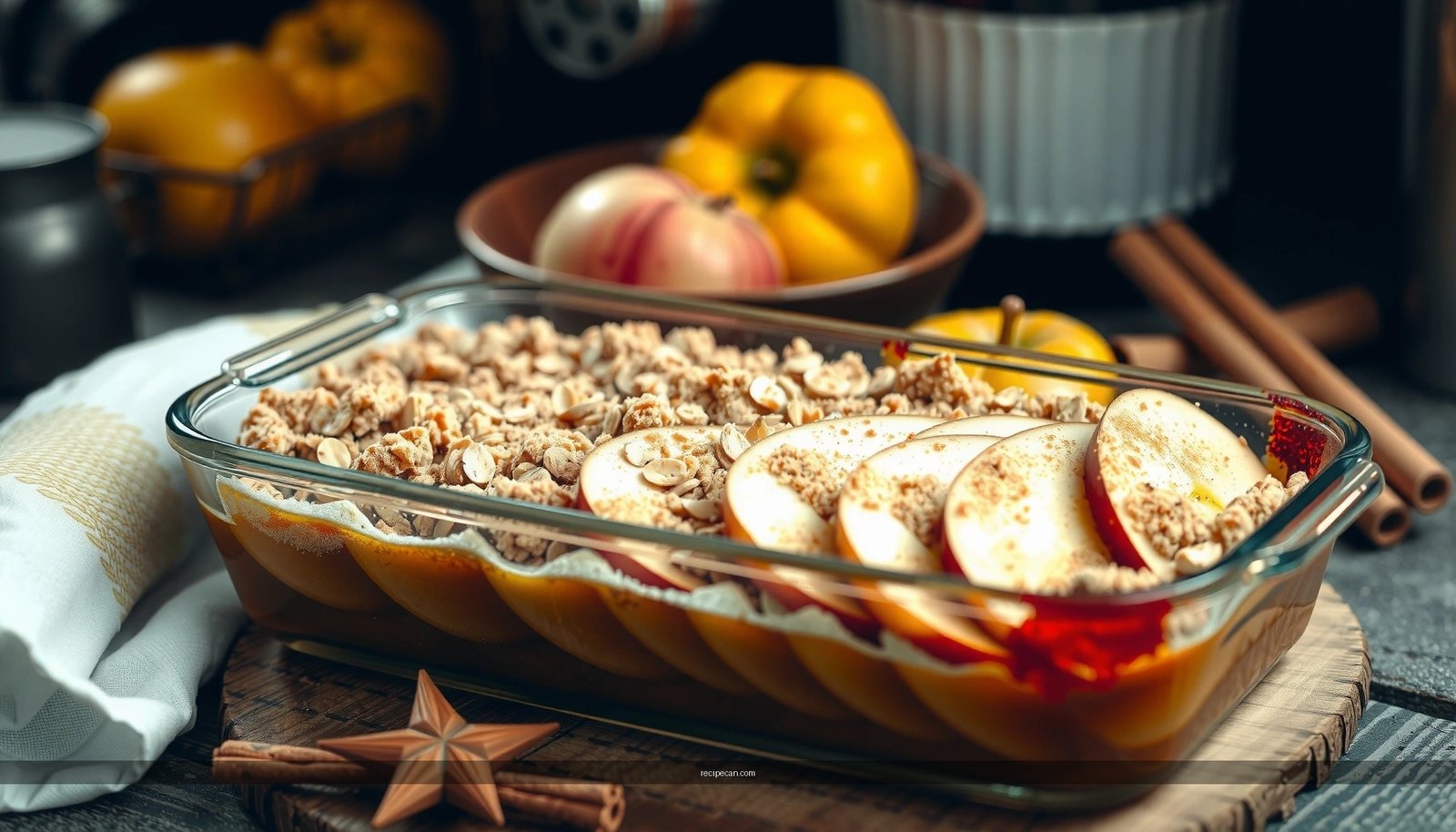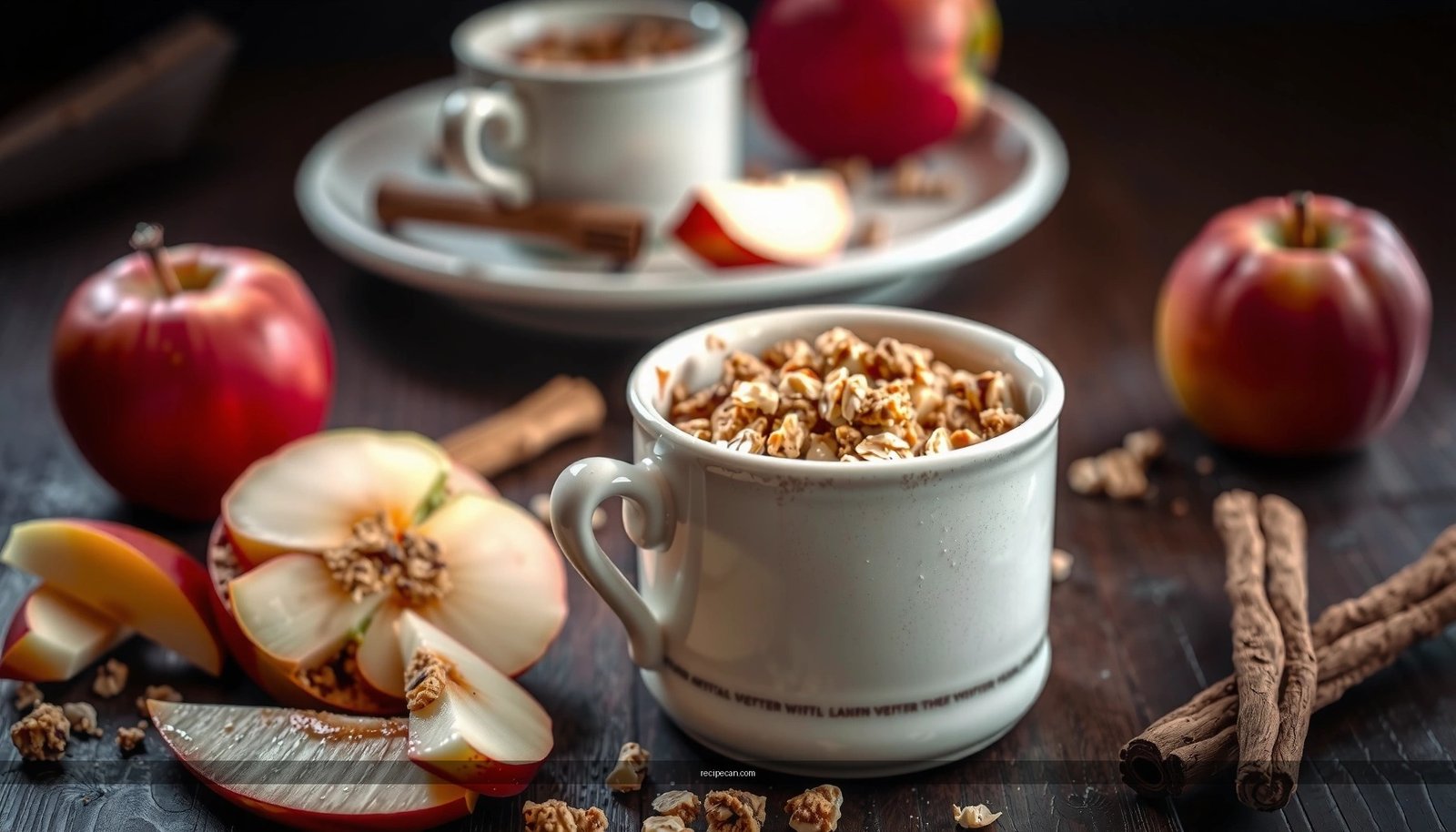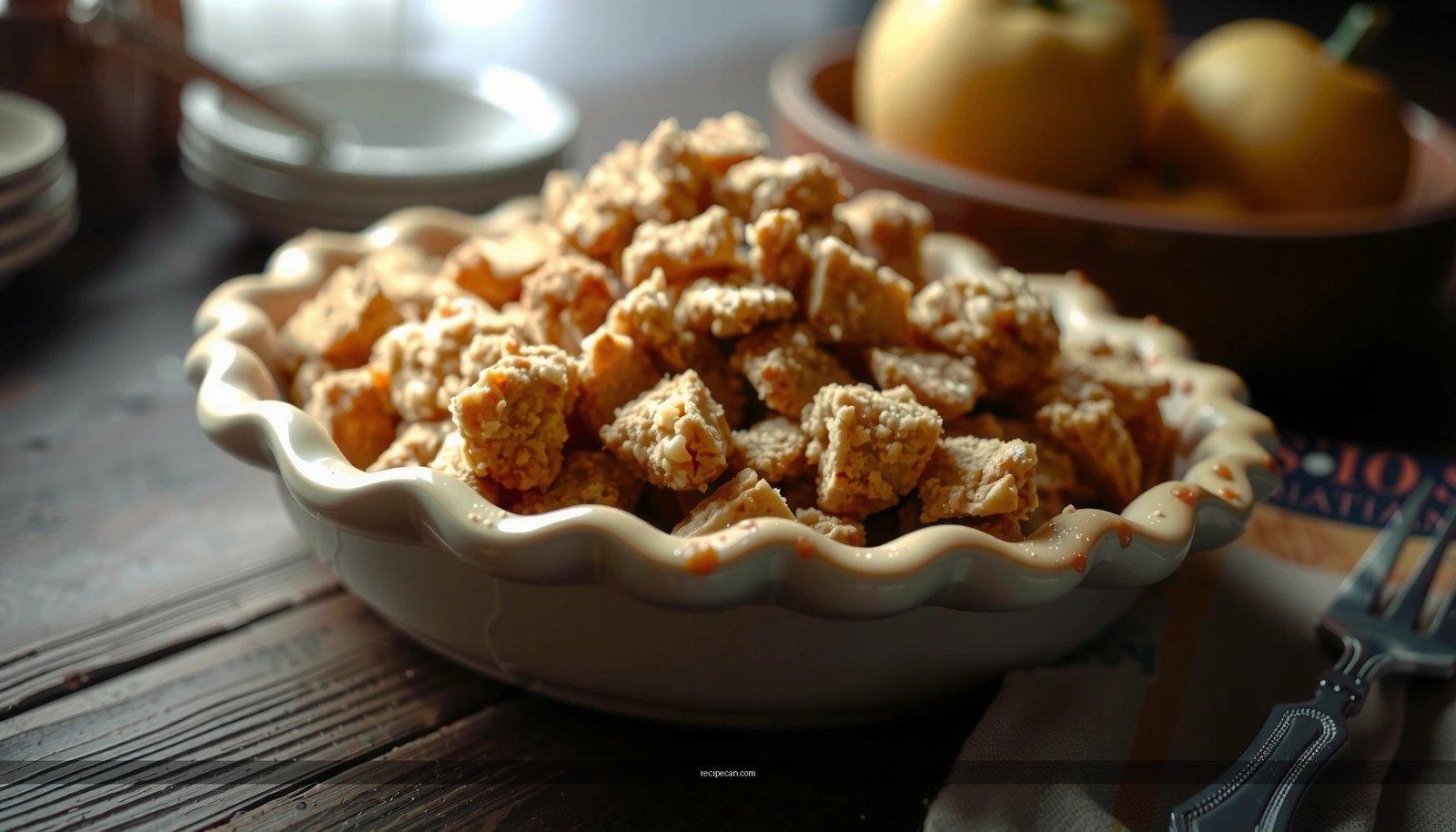
Get the pie crumble recipe that delivers the crisp, golden topping you want—no soggy crust, no guessing. This easy crumble method answers how to mix the right butter, sugar, and flour so it bakes up crunchy over any pie filling. Follow it once and you’ll consistently get that classic crumble texture, whether you’re topping fruit pie or using a rich custard.
This pie crumble recipe delivers a golden, buttery, crisp topping in minutes—so you can upgrade fruit pies (or use leftover pie filling) with reliable crunch. By balancing the right ratio of flour, butter, and sugar—and baking until the filling bubbles—you’ll consistently get crisp edges and a topping that doesn’t go soggy.
Ingredients for a Perfect Pie Crumble
A great pie crumble is less about a “mystery ingredient” and more about correct structure: enough flour to create a stable crumb, enough butter to drive browning, and enough sugar to caramelize and crisp. Think of crumble as a controlled, baked transformation of dry ingredients into crisp, tender granules.
Essential crumble basics
– Flour (all-purpose): Provides the skeletal structure that sets as it bakes. Too little flour can produce a greasy, flat topping; too much can make it taste dry.
– Butter (cold, unsalted preferred): The crispness engine. Cold butter creates uneven crumb sizes that bake into a mix of crisp and tender bits.
– Sugar (granulated or light brown): Granulated sugar crisps; brown sugar adds deeper caramel notes and slightly more moisture retention.
– Optional spices: Cinnamon, nutmeg, or ginger pair especially well with apple, pear, berry, and stone fruit pies.
Choose add-ins like oats or nuts for extra crunch
– Rolled oats: Thicker, toothsome crumble with extra browning. Use 1–2 tablespoons up to a few tablespoons depending on how rustic you want it.
– Chopped nuts (walnuts, pecans, almonds): Adds crunch and flavor complexity; toast them briefly for stronger aroma.
– Seeds (optional): A light sprinkle of pumpkin seeds can add texture, particularly for autumn fruit flavors.
A practical rule: if your filling is already sweet and thick (e.g., cooked fruit with cornstarch), keep sugar moderate in the crumble so the topping stays crisp rather than caramel-thick.
Crumble ingredient “targets” for a classic crisp top
Baking-Success Targets for Pie Crumble (Makes ~1 Pie)
| # | Crumble Component | Typical Amount | Role in Texture | Browning Impact |
|---|---|---|---|---|
| 1 | All-purpose flour | 1/2 cup (60 g) | Sets crumb structure | High (sets crisp) |
| 2 | Cold unsalted butter | 1/3 cup (75 g) | Creates crisp granules | Very High (caramelizes) |
| 3 | Granulated sugar | 1/4 cup (50 g) | Crust caramelization | High (golden color) |
| 4 | Light brown sugar (optional) | 1–2 Tbsp (10–20 g) | Adds caramel flavor | Moderate–High |
| 5 | Cinnamon (optional) | 1/2–1 tsp | Warm aroma & depth | Medium (flavor) |
| 6 | Rolled oats (optional) | 2–4 Tbsp | Extra crunch & bite | High (textural) |
| 7 | Salt | 1/8–1/4 tsp | Enhances sweetness balance | High (flavor pop) |
Make the Crumble Topping
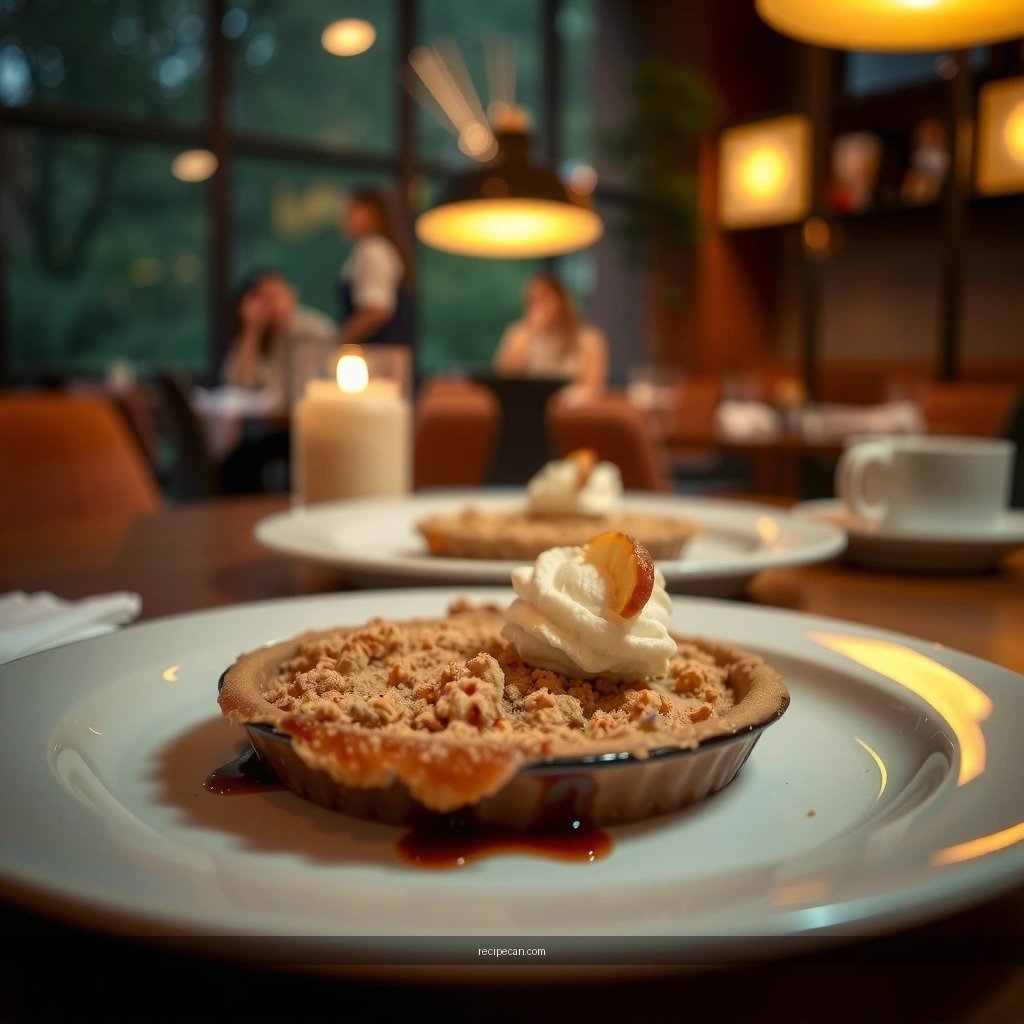
The technique is what turns “dry ingredients” into a crisp topping. Your goal is coarse crumbs—not a sandy flour pile, and not a smooth paste.
Cut or rub butter into dry ingredients
1. Chill butter before starting (cold butter cuts more cleanly).
2. Combine flour, sugar, salt, and spices in a bowl.
3. Add cold butter and work it in using either:
– Two forks or a pastry cutter (quick and consistent), or
– Your fingertips for a rustic crumb, stopping while butter still looks in pieces.
4. Stop when you see pea-sized to breadcrumb-sized chunks. Larger clumps bake into crisp “bites,” while smaller bits provide coverage and browning.
Chill briefly (optional) to help the topping stay crisp while baking
– If your kitchen is warm or your butter melts quickly, refrigerate the crumble 10–20 minutes before topping the pie.
– This delay reduces premature oil release and helps the topping bake up drier, crisper, and more evenly browned.
Analytical perspective: crispness comes from water evaporation + fat rendering + starch setting. If butter is fully melted before baking, fat pools instead of crisping, which is a common reason crumble tastes greasy or soft.
Prep Your Pie Filling
Crumble performance is tightly linked to the filling’s moisture. Even the best topping can turn soft if your filling is watery.
Use fresh fruit or pre-cooked filling to avoid excess liquid
– Fresh fruit: Aim for a thickened state—toss fruit with sugar and a thickener (commonly cornstarch or flour depending on fruit acidity).
– Pre-cooked filling (especially leftovers): Warm it first if it’s very thick, so it spreads evenly and bubbles reliably in the oven.
Fill the pie dish evenly so every bite gets topping coverage
– Don’t overfill with thin, runny filling that pools at the edges.
– When assembling, spread filling to the dish’s contour—so the crumble has consistent contact with fruit juices as it bakes.
– For very juicy fruits (berries, peaches), consider thickening slightly more than you think you need; the topping will compete with bubbling fruit.
Practical benchmarking: when the pie comes out of the oven, you want to see active bubbling in the center and along the edges—this indicates the filling has cooked through and excess liquid has reduced.
Assemble and Top Your Pie
This stage determines whether you get uniform browning and a “professional” crumble look.
Sprinkle crumble generously over the filling
– Use a light to moderate heap so fruit is covered, but don’t pack it down.
– If you press the topping too firmly, you can inhibit steam escape, leading to a softer top.
Leave a light, even layer for consistent browning
– Aim for the crumble to sit like an even blanket.
– If some spots are bare, those areas will steam and soften; if some spots are overly thick, they may remain pale while the filling continues to bubble.
Professional tip: place a baking sheet on the rack below the pie. Crumble-topped fruit pies often bubble over, and catching drips prevents scorching and bitter flavors.
Bake Time and Temperature Tips
A crisp crumble is a function of temperature management: bake hot enough for browning and evaporation, but not so aggressively that the topping burns before the filling sets.
Bake until the crumble is golden and the filling is bubbling
– Common approach: 375°F / 190°C to 400°F / 205°C.
– Bake times vary by dish depth and filling moisture. A typical fruit crumble pie often takes 35–55 minutes.
– Signs of readiness:
– Crumble turns deep golden with darker toasted edges
– Filling bubbles through (look at the center and near the rim)
– Pie juices appear glossy rather than watery
Let it cool slightly so the topping sets without getting soggy
– Rest 15–25 minutes before slicing.
– The filling thickens as it cools; that reduced steam transfer is a key reason crumble stays crisp longer.
– If you slice immediately, warm fruit steam can soften the underside of the topping.
Controlled variability: lighter fillings (thinner sauces) may need longer bake time for thickening, while already-thick leftover filling might need less time to brown the topping.
Storage and Reheating for Best Texture
Crumble is delicious fresh, but good storage and reheating can preserve the crisp effect for days.
Store covered and reheat in the oven/air fryer for renewed crispness
– Cool the pie fully, then cover loosely (or store in an airtight container).
– Refrigerate for up to 3–4 days.
– Best reheating methods:
– Oven: 325°F / 165°C until warmed through and the topping re-crispens.
– Air fryer: 300–320°F / 150–160°C for a few minutes, checking often.
– For slices: reheat just until warmed; over-reheating can dry the fruit.
Avoid microwaving if you want to keep the crumble crunch
– Microwaves steam moisture upward, which softens crumbs.
– If you must microwave due to time, briefly re-crisp afterward in a pan or toaster oven—but oven/air fryer is the reliable play.
Texture logic: crisp crumble requires a drier surface layer. Reheating with circulating hot air removes surface moisture and rehydrates crisping fat on the top.
—
This pie crumble recipe is the quick path to a golden, crispy topping and a flavorful, crowd-pleasing pie. Make it with your favorite filling, follow the bake tips for bubbling perfection, and try reheating for maximum crunch—then whip up your next crumble-topped pie today.
Frequently Asked Questions
What is the best pie crumble recipe for a flaky fruit filling?
A great pie crumble recipe usually uses a fruit base that’s thickened with cornstarch or flour so it doesn’t turn watery. Toss berries or sliced apples with sugar and a little lemon juice, then bake until bubbling before adding the crumble topping (or bake together for a crispier crust). For the crumble, use cold butter cut into flour, oats, and sugar to help the topping bake up golden and crisp.
How do you make a pie crumble topping that stays crunchy instead of soggy?
Keep the crumble topping crunchy by using cold butter and avoiding overmixing—stop once the mixture looks like coarse crumbs. Make sure your fruit filling is cooked thick (cornstarch helps), and don’t underbake the pie since sogginess often comes from excess liquid. If your pie tends to brown too fast, cover loosely with foil halfway through, then uncover at the end to finish crisping.
Why does my pie crumble get tough or dry, and how can I fix it?
Pie crumble can turn tough if the butter is fully melted or the crumble is packed too firmly; it needs to stay crumbly and tender. It can become dry if you use too much flour or not enough butter, so aim for a buttery, sandy texture. If it’s already baked and dry, try serving it with warm fruit sauce or a spoon of vanilla ice cream to balance the texture.
Which fruit works best for a pie crumble recipe—apples, berries, or peaches?
Apples, berries, and peaches all work well, but the “best” choice depends on your texture preference and seasonality. Apples hold up nicely with a thicker filling, while berries shine when slightly macerated to release juices and then thickened. Peaches are juicy, so you’ll want to increase thickener slightly (or cook the filling a bit longer) to keep the crumble crisp.
How long should you bake a pie crumble, and how do you know it’s done?
Most pie crumble recipes bake for about 35–50 minutes at 375–425°F (190–220°C), depending on your fruit and pan size. It’s done when the filling is visibly bubbling around the edges and the crumble topping turns deep golden brown. Let it rest for at least 15–30 minutes so the fruit filling can set, which helps the pie slice cleanly.