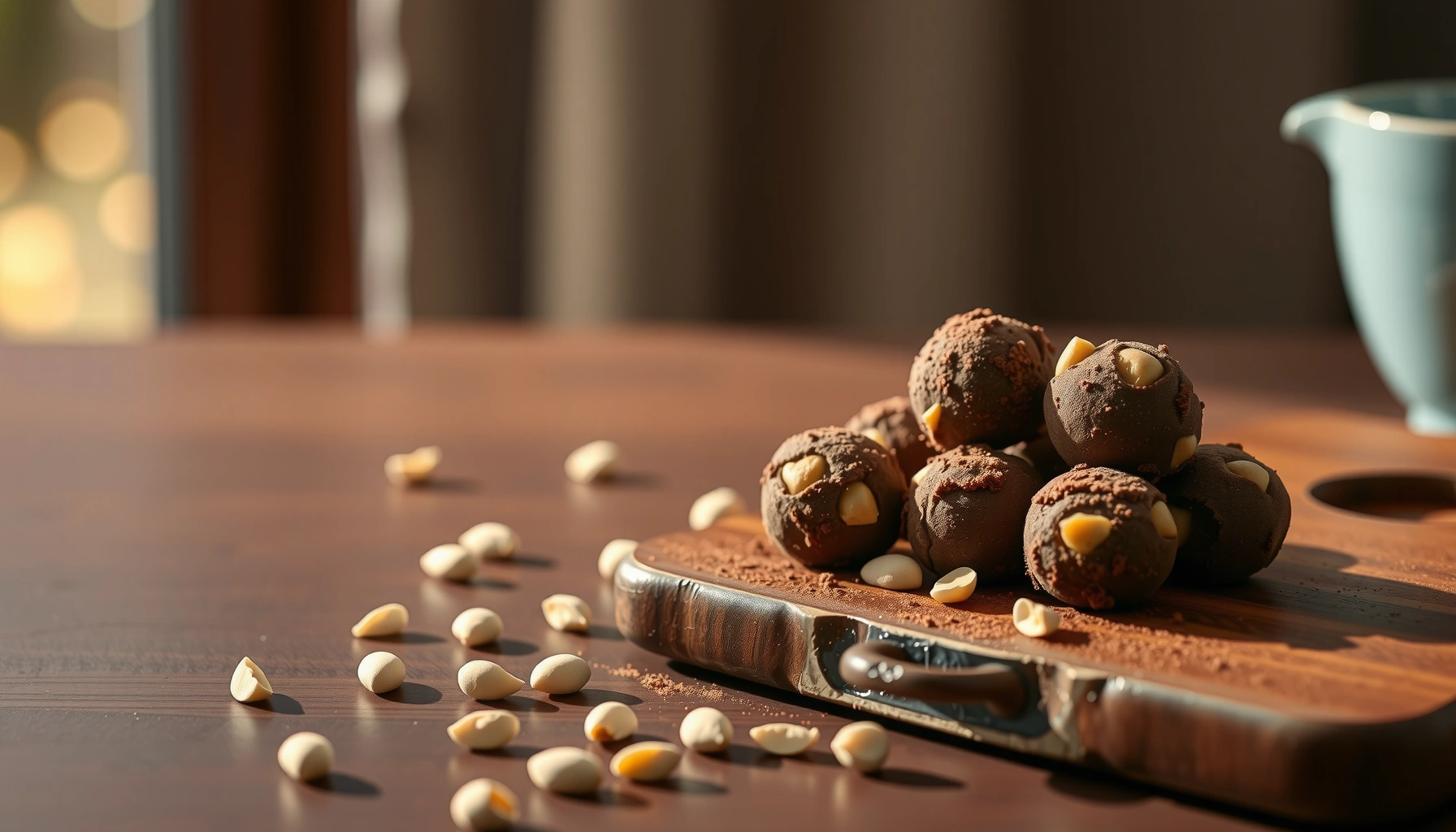
Searching for a peanut butter balls recipe no bake that actually delivers quick, foolproof bites? This easy, no-cook method shows you how to mix, roll, and set peanut butter balls fast—no baking, no complicated steps, just reliable results. If you want a sweet snack you can make in minutes with simple ingredients, this is the winning recipe.
No-bake peanut butter balls are a fast, crowd-friendly dessert you can make by mixing peanut butter with a sweetener and powdered ingredients, then rolling and chilling until they set—no oven required. With the right ingredient ratios and a few texture checks, you’ll get firm, sliceable bites (not crumbly or runny) that hold their shape and taste rich even days later.
No-bake peanut butter balls are one of the most reliable “mix, roll, chill” recipes because the chemistry is straightforward: peanut butter provides fat and structure, powdered sugar (or another powdered sweetener) adds solids that thicken the mixture, and chilling lets the fats firm up. The result is a dessert that’s easy to scale for parties, consistent for meal prep, and forgiving for beginner cooks.
—
Ingredients for a Simple Peanut Butter Balls Recipe (No Bake)
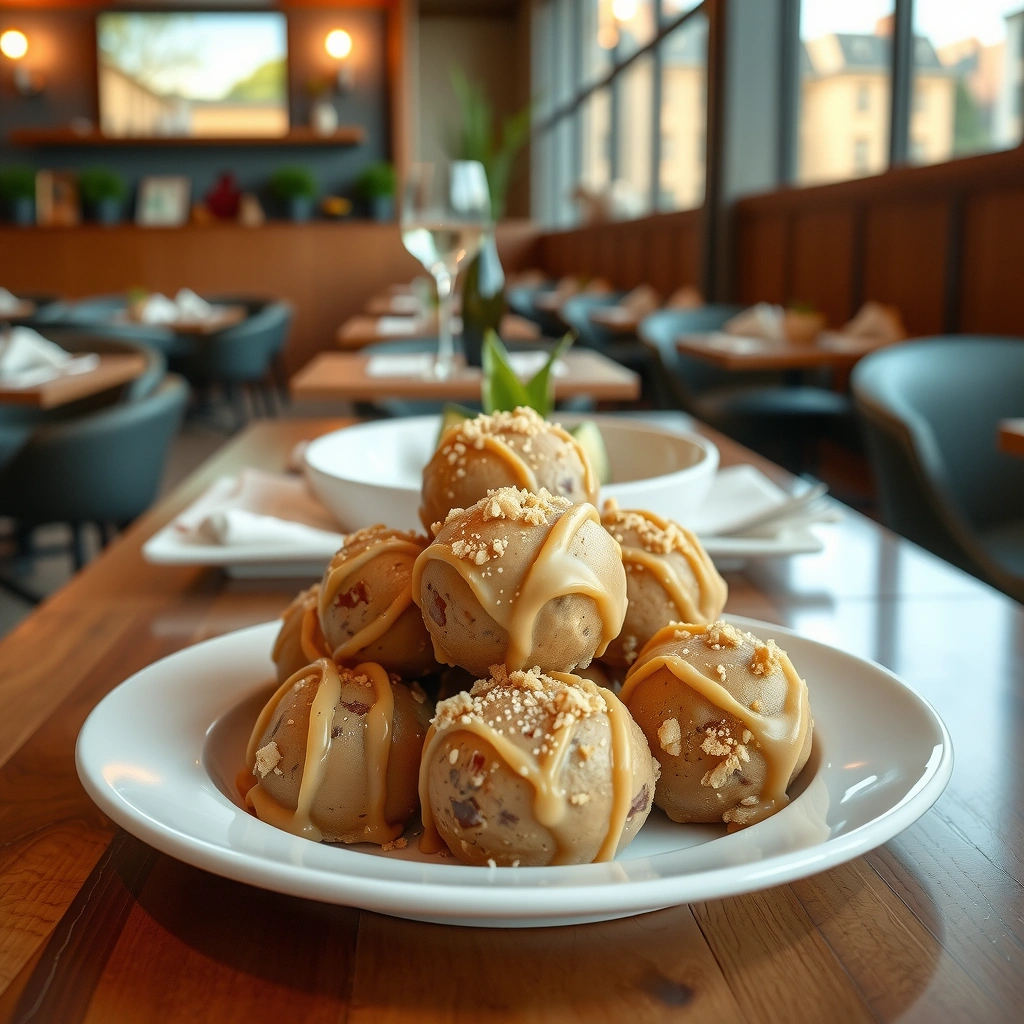
At a high level, the best peanut butter balls recipe no bake relies on three functional components: (1) a creamy fat base, (2) a powdered ingredient for structure, and (3) flavor balance. Here’s what that looks like in practice.
– Use peanut butter as the base, plus powdered sugar (or similar) for structure
Creamy peanut butter is the most consistent choice for smooth rolling. Natural peanut butter can work, but it’s often oilier; you may need to chill longer or increase the powdered ingredient slightly. Powdered sugar helps absorb extra moisture and creates a dough-like consistency you can roll without sticking.– Add a small amount of vanilla and a pinch of salt for flavor balance
Vanilla rounds out the peanut flavor and sweetens perception without adding bulk. A pinch of salt matters because peanut butter taste can become one-dimensional when sweetness is high—salt helps the flavor read “dessert-like” instead of “peanut spread.”
Actionable guidance before you start:
1) Choose peanut butter style (creamy vs. crunchy). 2) Plan for chilling time (at least 30–60 minutes, depending on your kitchen temperature). 3) Have extra powdered sugar on hand “just in case” you need to adjust texture.
—
Step-by-Step No Bake Instructions
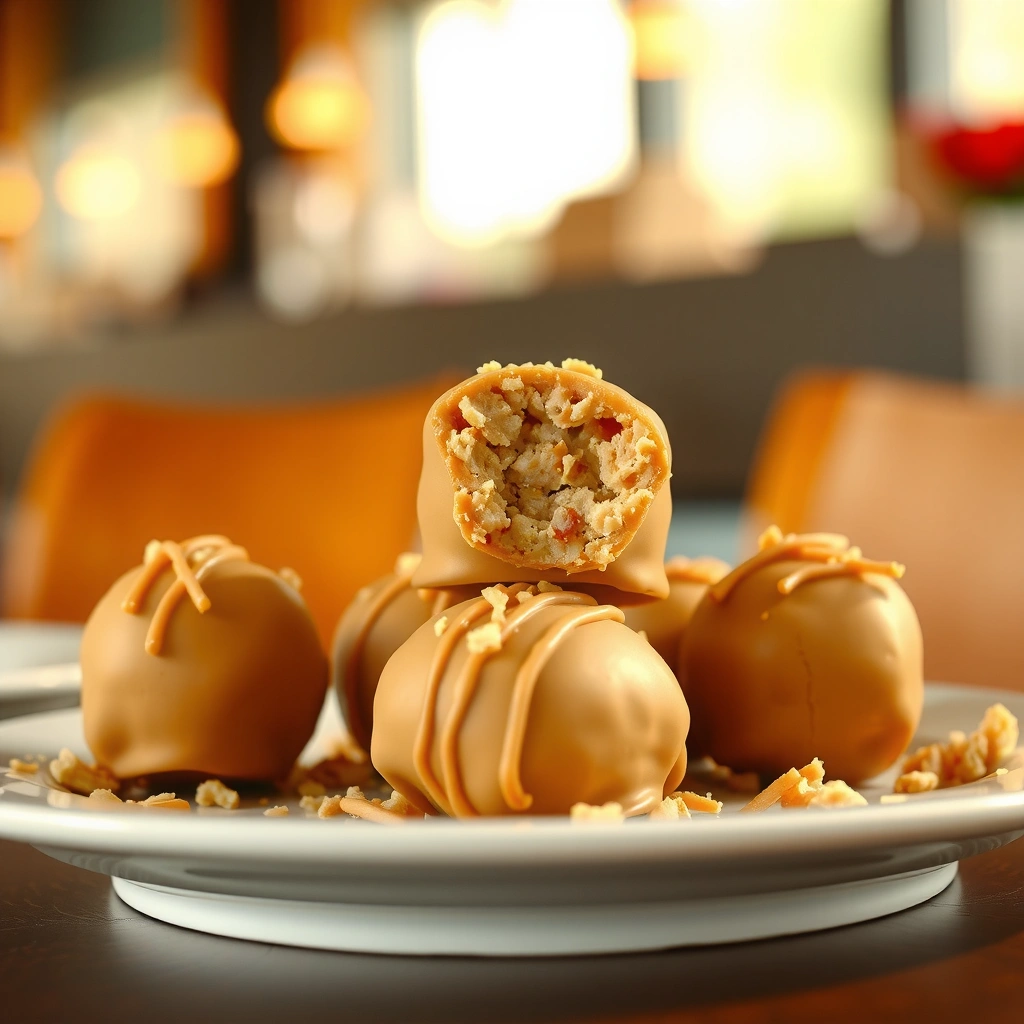
This section is the core workflow for a classic no-bake peanut butter balls recipe: mix → roll → chill. Keep your process deliberate and you’ll avoid 90% of common issues.
– Combine ingredients until a thick, rollable dough forms
Start by stirring peanut butter and your sweetener/powdered ingredient until uniform. If you’re using powdered sugar, add it gradually: the mixture should look thick and glossy but not wet. Stir in vanilla and salt last so they distribute evenly.
Texture target: a dough that holds shape when you pinch it—soft, but not sticky enough to smear across your palms.
– Roll into balls and place on a lined tray
Scoop portions (about 1 tablespoon each for small bites) and roll quickly between your palms. If sticking becomes an issue, lightly wet your hands or dust them with a tiny amount of powdered sugar. Place balls on a parchment-lined tray with space between them so they don’t fuse while chilling.
Pro tip for consistency:
Weighing isn’t necessary, but it helps if you’re making a “perfect dozen” for gifting. For most standard trays, 12–20 balls work well depending on size.
—
How to Get the Best Texture (No Crumbling, No Runny Mix)
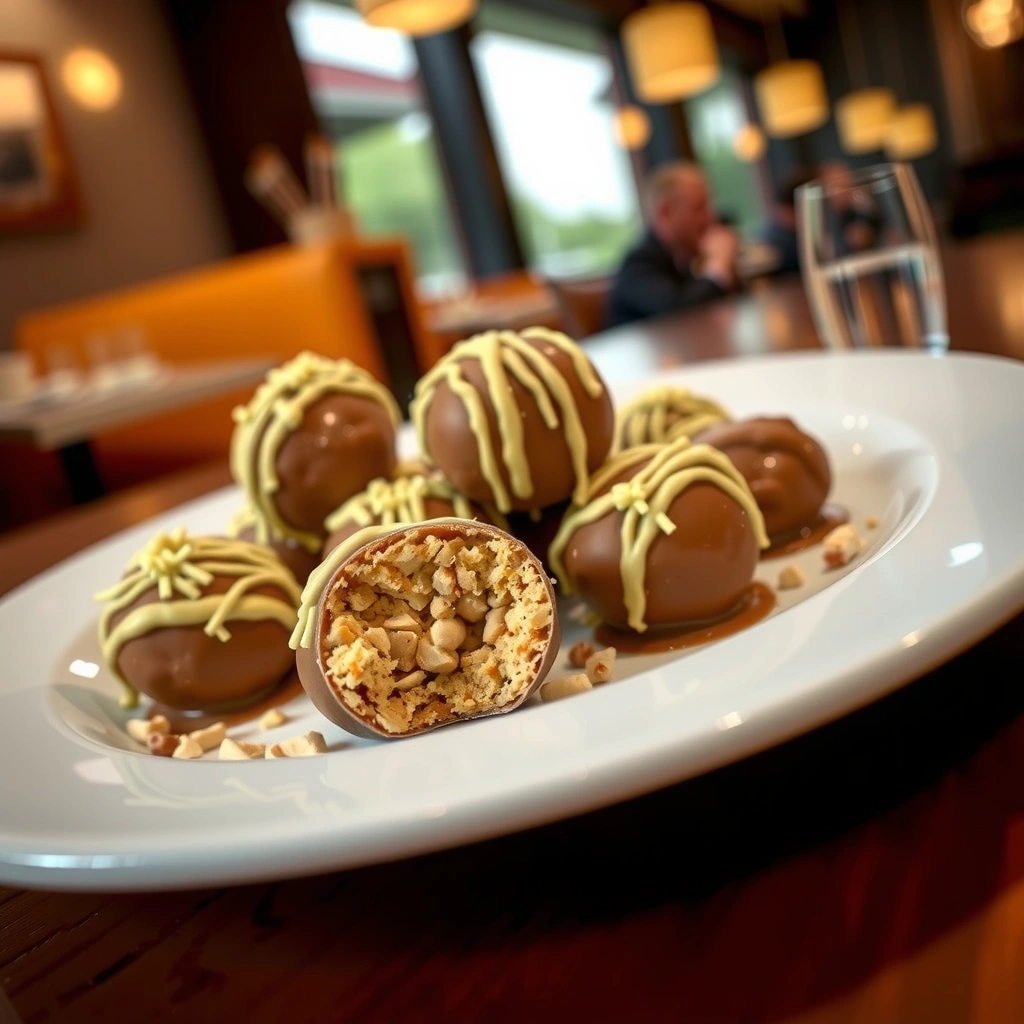
Texture is where most people either nail no-bake peanut butter balls or end up with a tray of problems. The goal is simple: a dough that can roll, and chilled balls that can hold their shape without cracking.
– Chill the mixture before rolling if it feels too soft
If your dough feels loose or spreads, chilling is the quickest correction. The fats in peanut butter firm up in the fridge, making the mixture less sticky and easier to roll. A 20–30 minute rest can be the difference between perfect spheres and messy smears.
– Add a bit more powdered ingredient if it won’t hold together
When your dough feels greasy or doesn’t form a cohesive ball, it’s usually under-thickened. Add powdered sugar (or another powdered thickener you trust) one tablespoon at a time. Stir thoroughly between additions so you don’t overcorrect.
Texture guide: what to do, fast
Use this quick “diagnose and adjust” approach while staying in the dough stage—before you roll hundreds of balls.
Peanut Butter Ball Batch Adjustments (Consistency Benchmarks)
| # | Dough Observation | Most Likely Cause | Adjustment to Try | Expected Result |
|---|---|---|---|---|
| 1 | Holds a ball when pinched, minimal smearing | Balanced fat + solids | Chill 30–60 min, then roll | ★ Firm, smooth centers |
| 2 | Sticks to hands immediately | Mixture too warm | Chill 20–30 min before rolling | ★ Easier rolling, less mess |
| 3 | Spreads into a smear | Not enough powdered solids | Add powdered sugar 1 Tbsp at a time | ★ Dough regains structure |
| 4 | Cracks when rolled | Too dry/too much powdered ingredient | Add 1–2 tsp peanut butter, mix well | ★ More pliable, cohesive balls |
| 5 | Greasy surface, ball collapses | Peanut butter oil separated (or too much oil) | Add powdered sugar 1 Tbsp + re-chill 15–20 min | ★ Better set and finish |
| 6 | Balls feel firm but crumble after dipping | Over-dried mixture or warm dip temperature | Dip at cool-touch temp; chill balls longer | ★ Clean coats, stable centers |
| 7 | Soft in fridge, melty at room temp | Not enough solids or under-chilled | Chill 60+ min; add 1 Tbsp powdered sugar | ★ Set improves, less “melt” |
—
Coating Options: Chocolate, Sprinkles, or Straight PB

Coatings aren’t just decorative; they affect mouthfeel, sweetness balance, and how quickly the balls soften at room temperature. A well-chosen coating can also help hide minor texture imperfections.
– Dip or drizzle with melted chocolate for a classic finish
Chocolate creates a stable outer layer. For best results, chill the balls until cold before coating. Melt chocolate gently (microwave in short bursts or use a double boiler) and let it cool slightly so it doesn’t melt the centers on contact. Finish with a parchment-lined tray to set.
– Roll in crushed nuts or sprinkles for extra crunch and variety
For a non-messy approach, roll chilled balls in crushed peanuts, chopped almonds, or nutty crumbs. Sprinkles add color and sweetness without complexity. If you want a “straight PB” style, you can skip dipping entirely—just roll with extra powdered sugar on the outside (sparingly) for a light, sugary shell.
Operational tip for volume cooking:
If you’re serving guests later, keep coated balls refrigerated until shortly before serving. Chocolate coatings hold up well, but room-temperature exposure still softens them.
—
Storage and Make-Ahead Tips
No-bake peanut butter balls are naturally suited for advance prep because chilling and reduced moisture help them stay consistent.
– Refrigerate until ready to serve for the firmest texture
In the refrigerator, peanut butter balls hold their shape and slice better (if you portion them larger). If you’re making them for an event, prepare the tray the day before and transport them chilled in an airtight container.
– Store in an airtight container and keep layers separated if coated
If coated with chocolate or rolled in nuts, protect the surface from smearing. Use parchment or wax paper between layers, especially for chocolate-dipped batches. Airtight storage reduces odor absorption from the fridge and helps maintain texture.
Make-ahead timeline (practical guidance):
– Best texture: 1–3 days refrigerated
– Still good: up to about a week, depending on your peanut butter and coating freshness
– Freezing option: freeze in a single layer, then transfer to a freezer bag/container once solid; thaw in the fridge
—
Common Troubleshooting Fixes
Even with a reliable base recipe, small variables—peanut butter brand, humidity, room temperature, and how much powdered sugar you scoop—can change texture. The fixes below are quick, low-risk, and grounded in what the mixture is doing.
– If the mixture is too sticky, chill longer or add a little more powdered sugar
Start with chilling first—20–30 minutes often restores rollability. If it still clings, add powdered sugar a tablespoon at a time until it becomes tacky but formable.
– If it’s too dry, add a teaspoon of peanut butter (or a splash of milk)
Dry dough won’t bind properly and can lead to cracked balls. Add peanut butter for a richer re-balance, or add a tiny splash of milk (or dairy-free alternative) to bring the dough back into cohesion. Mix thoroughly, then chill to stabilize again.
—
Peanut butter balls no bake are a quick, crowd-friendly treat—mix, roll, and chill for best results. Follow the ingredient ratios, adjust texture as needed using small increments, and choose your coating strategy (chocolate, sprinkles, nuts, or straight PB) to match your taste and schedule. Make a batch today and test your preferred variation—you’ll likely find this recipe becomes a go-to for gifting, office snacks, and last-minute dessert planning.
References
- Google Scholar Google Scholar
https://scholar.google.com/scholar?q=peanut+butter+balls+no+bake+recipe - Google Scholar Google Scholar
https://scholar.google.com/scholar?q=no-bake+peanut+butter+truffles+recipe - Google Scholar Google Scholar
https://scholar.google.com/scholar?q=peanut+butter+candy+energy+balls+no+bake - https://en.wikipedia.org/wiki/No-bake_cookie
https://en.wikipedia.org/wiki/No-bake_cookie - Peanut butter
https://en.wikipedia.org/wiki/Peanut_butter - https://en.wikipedia.org/wiki/Truffle_(confectionery
https://en.wikipedia.org/wiki/Truffle_(confectionery - Peanut butter | Description, History, Nutrition, & Facts | Britannica
https://www.britannica.com/topic/peanut-butter - https://pubmed.ncbi.nlm.nih.gov/?term=peanut+butter
https://pubmed.ncbi.nlm.nih.gov/?term=peanut+butter - https://www.fda.gov/food/people-food/food-safety-tips
https://www.fda.gov/food/people-food/food-safety-tips - Food Safety | Food Safety | CDC
https://www.cdc.gov/food-safety/index.html