Want a peach tea recipe that tastes fresh, not flat? This guide walks you through making peach tea from ripe peaches with a bright tea base and the right sweetness, so it delivers bold flavor in every glass. Follow the steps and you’ll get a reliably flavorful pitcher—whether you’re serving it hot or over ice.
Make peach tea by steeping black or green tea, then infusing it with fresh peaches (or peach syrup) so the fruit flavor naturally melds with the tea; finally sweeten and chill to taste. This simple peach tea recipe walks you through the exact steps to achieve a balanced, refreshing drink that tastes bright and aromatic whether you serve it hot or iced.
Ingredients for Peach Tea Recipe
To make great peach tea, you’re balancing three things: tea strength, peach aroma/sweetness, and final acidity and sweetness. Here’s what you’ll want on hand.
– Choose your base tea (black tea for bold flavor or green tea for lighter taste)
– Black tea (recommended for classic iced peach tea): produces a deeper body that holds up well against peach sweetness.
– Green tea (for a lighter, cleaner finish): brings a more delicate flavor and can feel less “heavy” when served over ice.
– Add peach flavor using fresh peaches, peach syrup, or peach preserves
– Fresh peaches: give the most natural “farm-fresh” aroma.
– Peach syrup: intensifies flavor quickly and helps you maintain consistency.
– Peach preserves: adds a richer, jam-like peach note (use less, or dilute well).
– Include sweetener (sugar, honey, or simple syrup) and optional lemon juice
– Sugar: easiest to measure and control.
– Honey: adds floral sweetness; stir well while the tea is warm so it dissolves fully.
– Simple syrup: ideal for iced peach tea because it blends instantly.
– Lemon juice: brightens peach flavor and prevents sweetness from tasting flat.
Quick reference: how peach type changes taste
Fresh peaches taste more “real” and aromatic; syrups taste more consistent and concentrated; preserves taste richer and thicker. Pick based on how you want the peach to present itself in the finished tea.
Typical Sweetness vs. Flavor Intensity of Peach Flavor Sources
| # | Peach Flavor Source | Sweetness Impact | Aroma Intensity | Blend Consistency | Sweetness Adjustment Needed |
|---|---|---|---|---|---|
| 1 | Fresh peaches (simmered) | ★★★☆☆ | ★★★★★ | ★★★☆☆ | Low |
| 2 | Fresh peaches (steeped, no simmer) | ★★☆☆☆ | ★★★★☆ | ★★★☆☆ | Low–Medium |
| 3 | Peach syrup (store-bought) | ★★★★☆ | ★★★★☆ | ★★★★★ | Medium (often) |
| 4 | Peach preserves (diluted) | ★★★★☆ | ★★★☆☆ | ★★★★☆ | Medium–High |
| 5 | Peach nectar | ★★★★☆ | ★★★☆☆ | ★★★★★ | Medium (often) |
| 6 | Frozen peaches (simmered) | ★★★☆☆ | ★★★★☆ | ★★★★☆ | Low–Medium |
| 7 | Peach concentrate/tea base | ★★★★★ | ★★★☆☆ | ★★★★★ | High (reduce added sugar) |
Step-by-Step: How to Make Peach Tea

This method is designed to keep the tea clean and the peach flavor pronounced, without making the drink taste syrupy.
– Brew the tea strong, then cool slightly before mixing
– Use hot water and steep longer than you would for plain tea.
– A typical starting point: 5–7 minutes for black tea and 2–4 minutes for green tea (adjust for taste).
– Let the brewed tea cool for 5–10 minutes so it doesn’t “cook” your peach flavor into something harsh.
– Simmer peaches briefly (or warm syrup) to boost aroma and flavor
– If using fresh peaches, simmer sliced or chopped peaches in a small amount of water for 3–6 minutes until fragrant.
– This quick simmer releases aroma compounds and helps the peach taste integrate into the tea.
– If using peach syrup or nectar, warm just enough to loosen it, not boil aggressively—boiling can flatten delicate notes.
– Combine tea, peach mixture, sweetener, and lemon; stir until fully blended
– Strain the peach mixture if you prefer a smoother tea; keep fruit bits if you like texture.
– Add sweetener gradually, then stir thoroughly.
– Finish with lemon juice (optional but highly recommended), tasting as you go.
– Chill to allow flavors to round out and meld—this is where “fresh peach aroma” becomes “balanced peach tea.”
What “perfectly balanced” means in practice
Balanced peach tea should taste:
1. Peach-forward on the nose (aroma first),
2. Tea-present on the palate (not watery),
3. Sweetness supported, not dominating (especially when iced),
4. A clean finish (lemon helps).
How to Sweeten and Balance Flavor
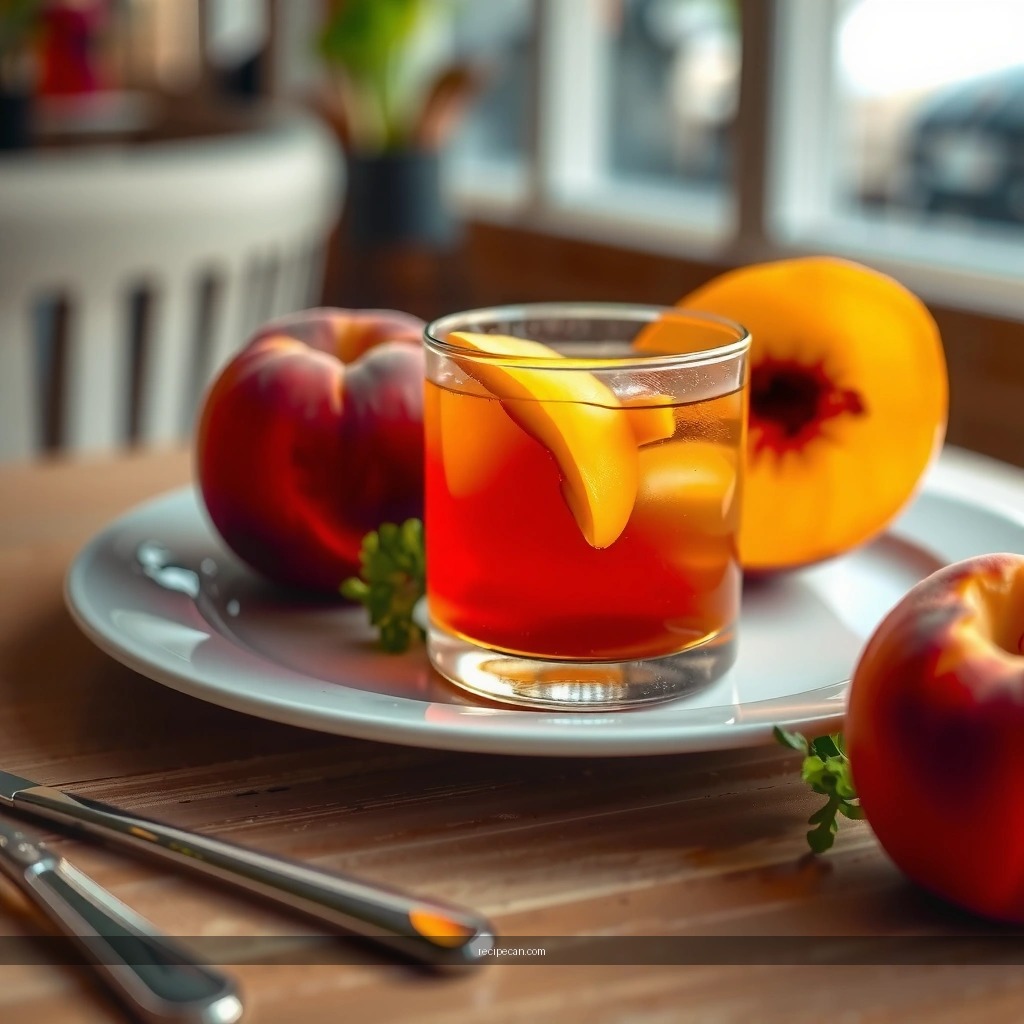
Sweetness is where many peach teas go off course—either too sugary or oddly flat. Use a taste-and-adjust approach so the final drink matches your preference.
– Taste after adding peaches—adjust sweetness gradually
– Fresh peaches vary by ripeness; syrup and preserves vary by brand.
– Add sweetener in small increments (e.g., 1 teaspoon at a time for a standard pitcher) and reassess after stirring.
– Use lemon juice to brighten the flavor and prevent sweetness from overpowering
– Lemon enhances peach perception, making the tea taste more “juicy” without necessarily adding more sweetness.
– Start with a small amount, then add more only if the tea tastes dull.
– For extra depth, add a pinch of cinnamon or vanilla (optional)
– Cinnamon: pairs well with ripe, cooked peach flavors (especially if you simmer peaches).
– Vanilla: works more subtly and can mimic the “peach dessert” vibe.
– Keep additions light—peach tea should taste like fruit and tea, not like a spice drink.
Practical balancing guideline
If your peach tea is:
– Too tart/dry: add sweetener first, then a tiny extra pinch of salt (optional) to round.
– Too sweet: add lemon juice and/or dilute with water/unsweetened tea.
– Muted peach flavor: add more peach source (syrup or simmered peaches) rather than only adding sugar.
Iced vs. Hot Peach Tea (Serving Tips)
The serving style changes how flavor is perceived, so small adjustments can make a big difference.
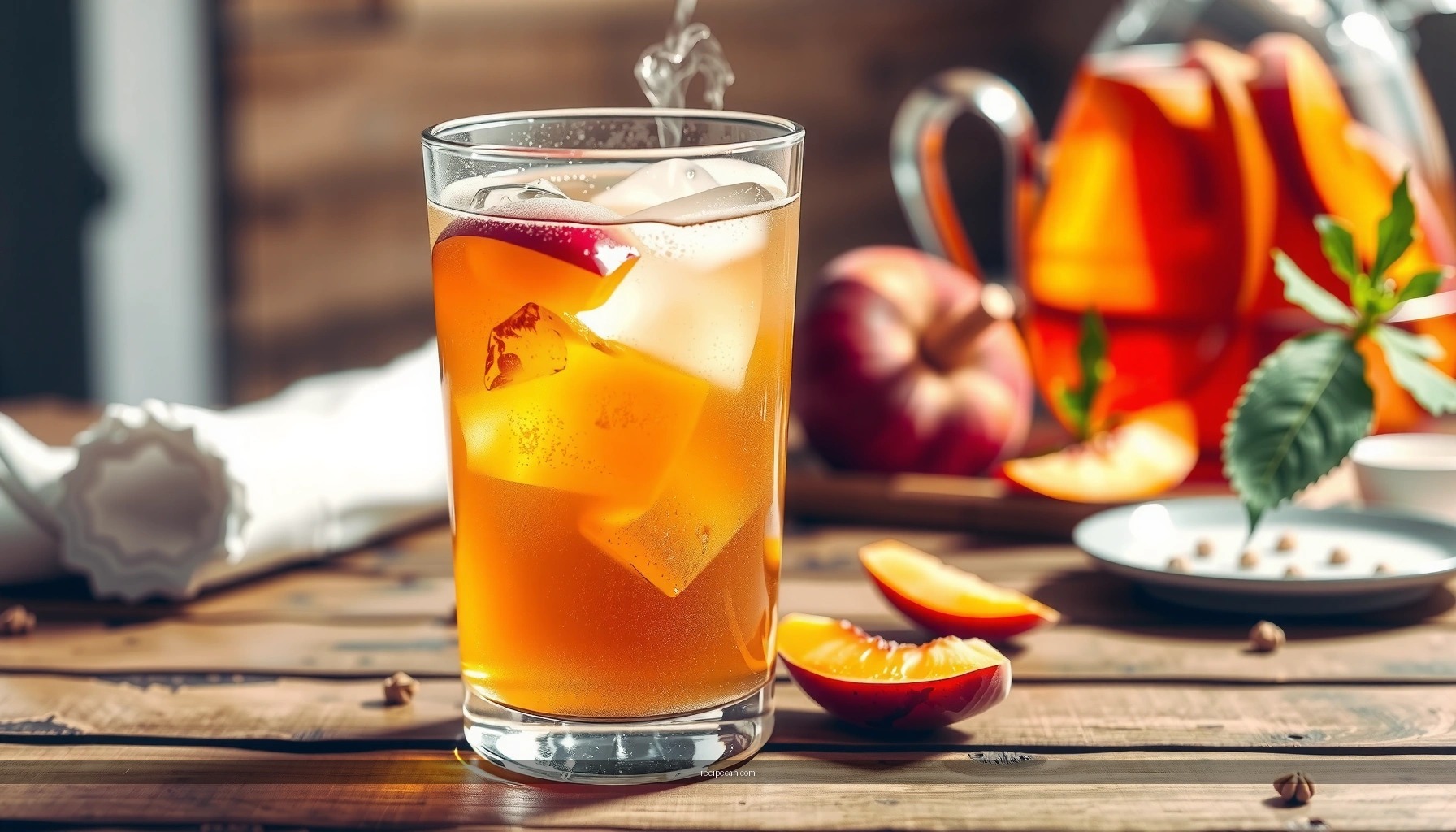
– For iced peach tea, pour over ice and chill before serving
– If you make it hot then pour over ice immediately, the tea can taste slightly sharper.
– Chill first for a smoother profile, especially if you’re using green tea.
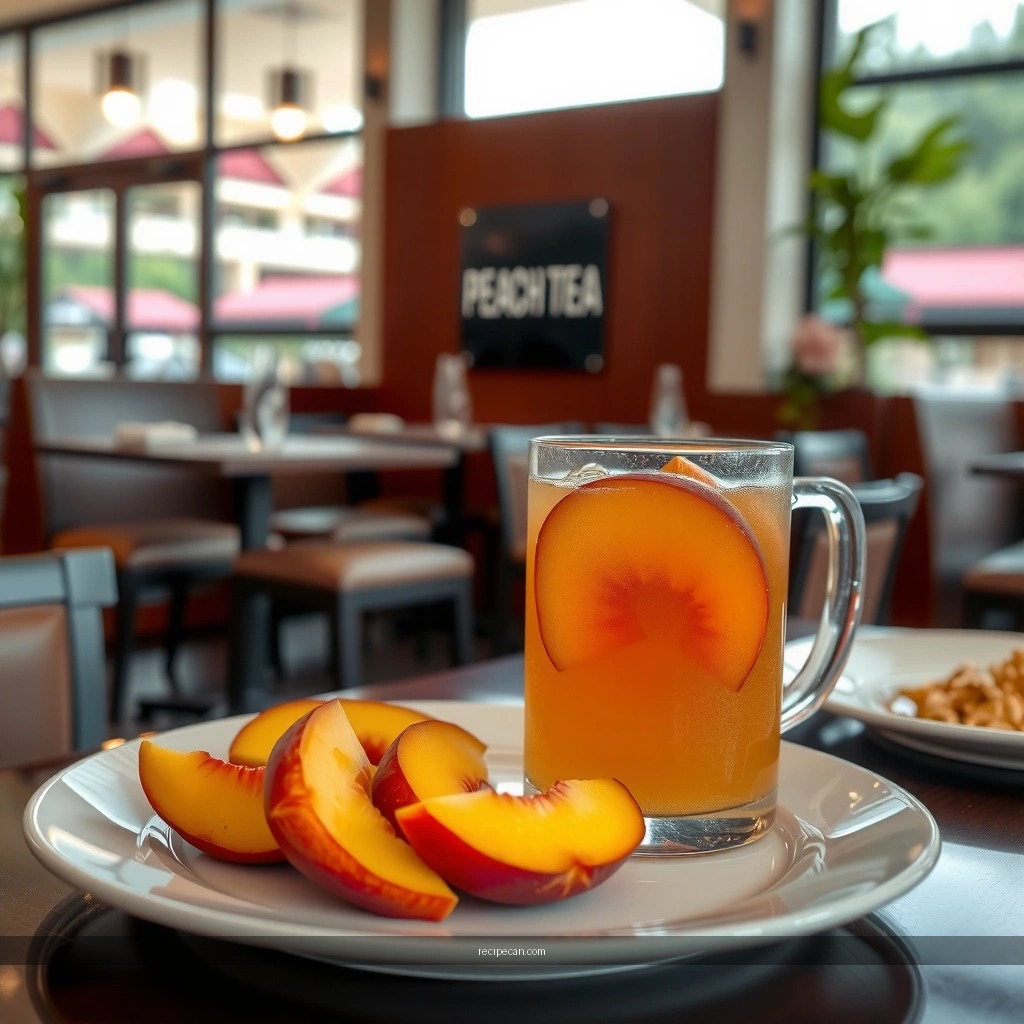
– Garnish with peach slices and fresh mint for a clean, fresh look
– Garnishes aren’t just decorative: mint can add a perception of freshness, and peach slices reinforce aroma.
– Add mint at serving so it doesn’t bruise and turn bitter.
– Serve with cold glasses and a stir to keep flavor consistent
– Sweeteners can settle slightly in colder drinks.
– Use tall glasses, stir once after pouring, and consider adding ice last if you’re batch-serving.
Hot peach tea serving notes
For hot peach tea, you can lean into warmth:
– Use slightly less lemon if you want a softer finish.
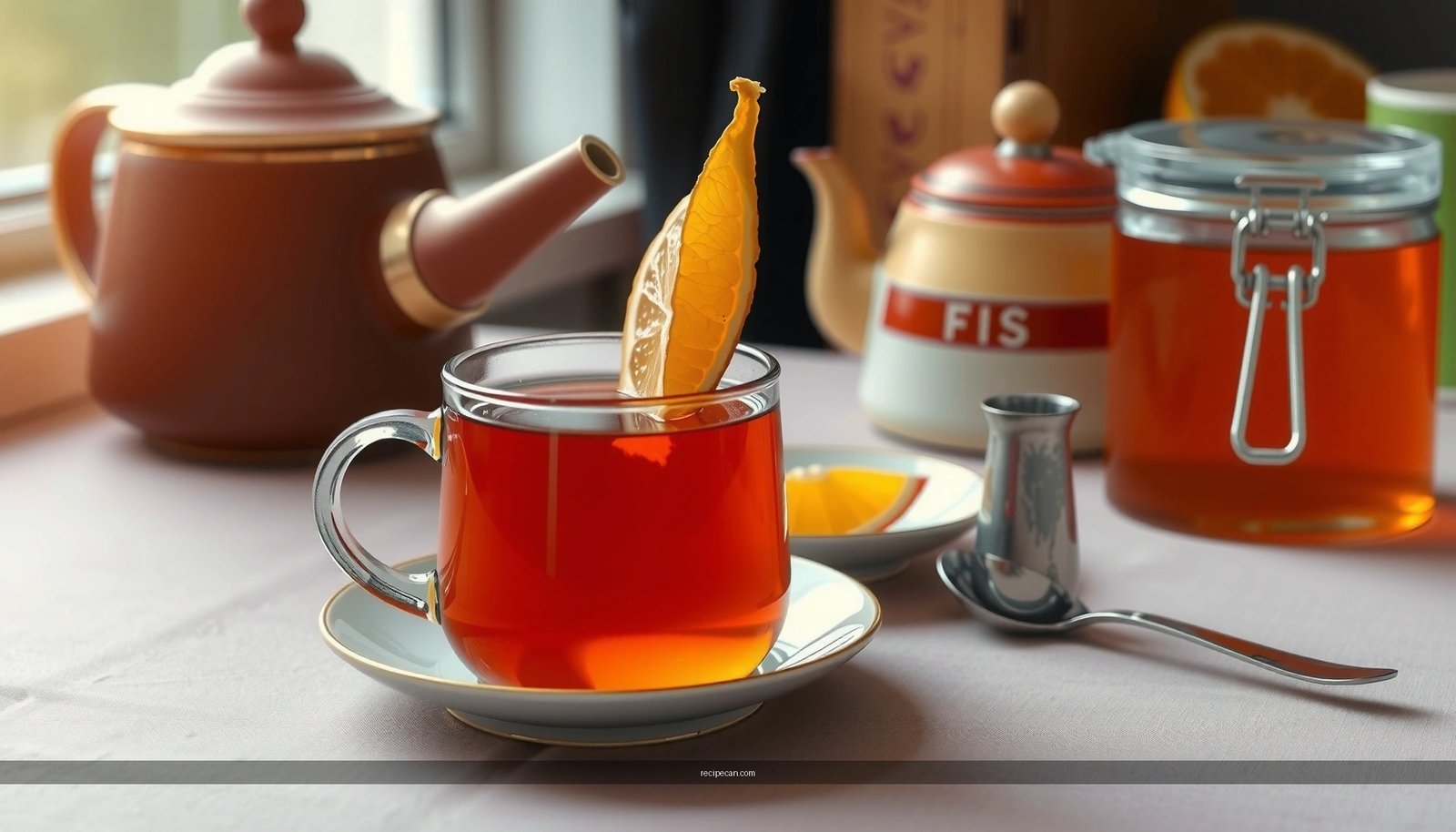
– Serve with citrus slices or a cinnamon stick if you enjoy a “comfort drink” profile.
Variations to Try (No-Fuss Options)
If you want peach tea with less prep time—or a different texture—these options deliver without sacrificing flavor balance.
– Use bottled peach nectar or tea concentrate for a faster version
– Brew tea normally, then replace some of your peach component with nectar.
– This keeps sweetness predictable and is ideal for weekday batches.
– Make peach iced tea “sun tea” style by steeping in the sun (time varies by conditions)
– Combine tea and water in a heat-safe container, then steep outdoors in strong sun.
– Time varies by weather; start tasting earlier than you think and avoid steeping until it becomes bitter.
– Try sparkling peach tea by topping with soda or sparkling water
– Brew and chill tea first, then add bubbles at serving.
– Sparkling water makes peach taste brighter and reduces the “still-syrup” effect of sweetness.
Variation tip: keep the tea base consistent
No matter which variation you choose, keep your tea brew strength consistent. Most “bad batches” happen when sweetness or peach flavor changes but the tea base doesn’t—then everything tastes either underpowered or overpowering.
Storage and Leftover Ideas
Batch-making peach tea saves time, but storage affects flavor and texture—particularly with fresh fruit and lemon.
– Refrigerate in a sealed container and use within 3–4 days
– Fresh peaches can continue releasing flavors over time.
– After 3–4 days, the tea can drift toward “stewed” rather than “fresh.”
– Reheat hot peach tea gently; don’t boil once lemon is added
– Heat gently to preserve brightness.
– Boiling can mute delicate peach notes and may make the drink taste more acidic.
– Use leftover peach tea as a base for cocktails or tea-based spritzers
– Mix with sparkling water and a squeeze of lime for a refreshing spritzer.
– For cocktails, use it as a fruit-forward mixer with spirits like bourbon or vodka; strain fruit solids if needed.
Leftover strategy
If you want the best flavor later:
– Strain fruit solids for a cleaner drink.
– Store in portions if you plan to add carbonation or extra lemon later.
Sip, taste, and adjust until it’s just right—then enjoy your homemade peach tea hot or over ice. Try one variation (fresh peaches, syrup, or sparkling) and make it your go-to summer drink.
Frequently Asked Questions
What is the best peach tea recipe for a refreshing summer drink?
A popular peach tea recipe is made with brewed black tea (or iced tea), fresh or frozen peaches, and a sweetener like honey or sugar. Simmer peaches briefly to extract flavor, then combine the peach syrup with cooled tea and serve over ice. For extra brightness, add a squeeze of lemon and adjust sweetness to taste.
How do I make peach iced tea from scratch without it tasting too watery?
To avoid watery peach tea, brew your tea strong (steep longer or use more tea leaves) and cool it before mixing. Simmer peaches with water to concentrate the peach flavor, then strain before combining with tea. Chill the mixture fully first, and use fewer ice cubes or crushed ice so the drink doesn’t dilute quickly.
Why does my peach tea taste bland, and how can I fix it?
Bland peach tea usually comes from weak tea, not enough peach infusion, or tea that sits too long before serving. Make sure you steep black tea firmly, simmer peaches to release juices, and taste-test before adding sweetener. Adding lemon zest or a small pinch of salt can also boost the peach tea flavor significantly.
Which type of tea works best for peach tea—black, green, or herbal?
Black tea is the most classic for peach tea recipes because its bold flavor pairs well with sweet fruit. Green tea also works well if you prefer a lighter, less bitter base, especially for peach iced tea. For a caffeine-free option, use herbal teas like peach-flavored rooibos or hibiscus, then balance sweetness with lemon.
How do I store peach tea and keep it tasting fresh for later?
Store peach tea in an airtight container in the refrigerator for up to 3–4 days for best flavor. If you’re making it ahead, keep the peach syrup separate and combine with freshly brewed tea when serving for the freshest peach flavor. Reheat gently or serve cold, and avoid freezing if you want to preserve the fruit taste and aroma.
References
- Google Scholar Google Scholar
https://scholar.google.com/scholar?q=peach+tea+recipe - Google Scholar Google Scholar
https://scholar.google.com/scholar?q=peach+flavored+tea+preparation - Google Scholar Google Scholar
https://scholar.google.com/scholar?q=fruit+tea+peach+infusion - Peach
https://en.wikipedia.org/wiki/Peach - Tea
https://en.wikipedia.org/wiki/Tea - Iced tea
https://en.wikipedia.org/wiki/Iced_tea - Herbal tea
https://en.wikipedia.org/wiki/Fruit_tea - Herbal tea
https://en.wikipedia.org/wiki/Tisane - https://en.wikipedia.org/wiki/Infusion_(food
https://en.wikipedia.org/wiki/Infusion_(food - https://pubmed.ncbi.nlm.nih.gov/?term=peach+tea
https://pubmed.ncbi.nlm.nih.gov/?term=peach+tea