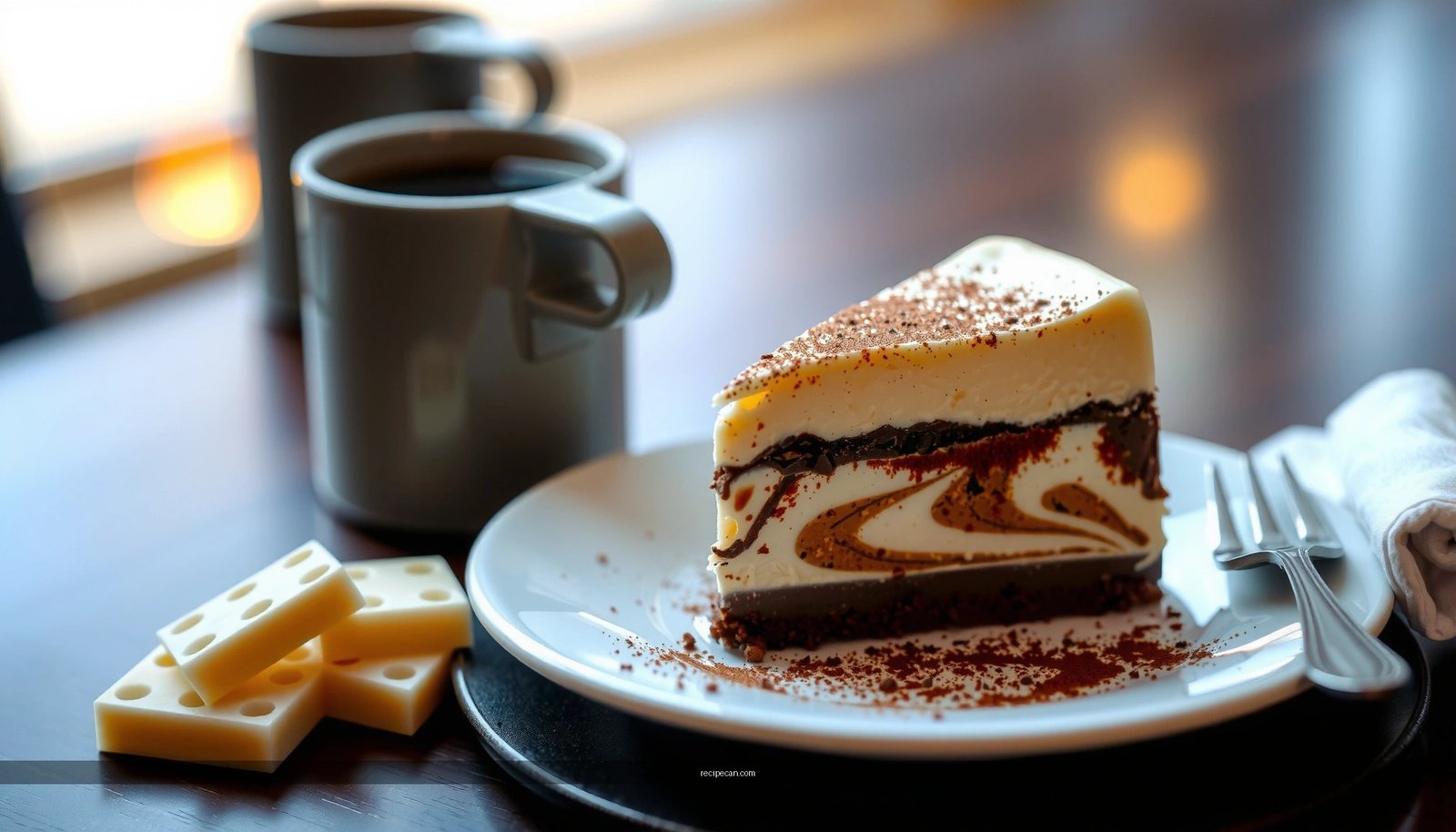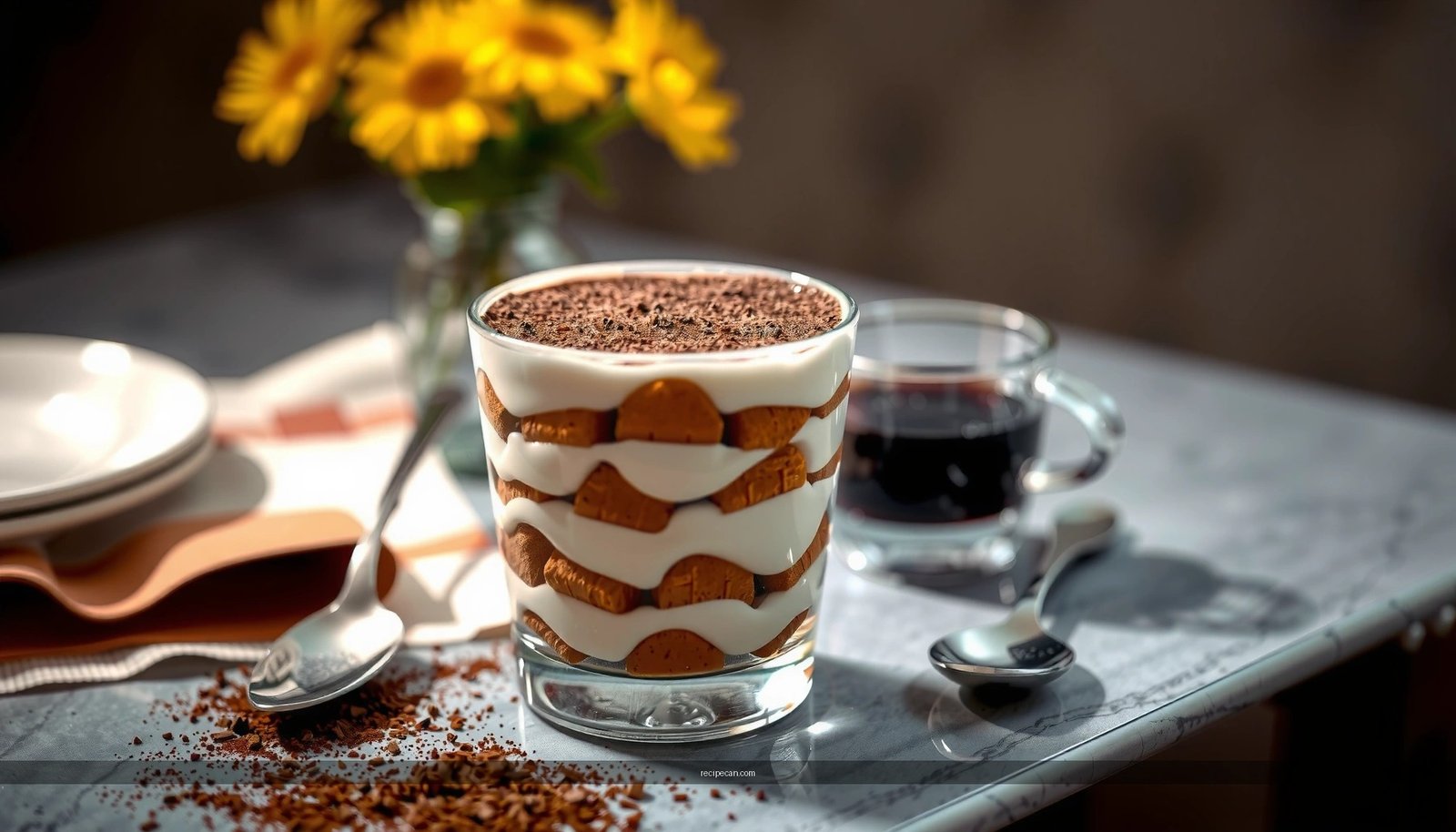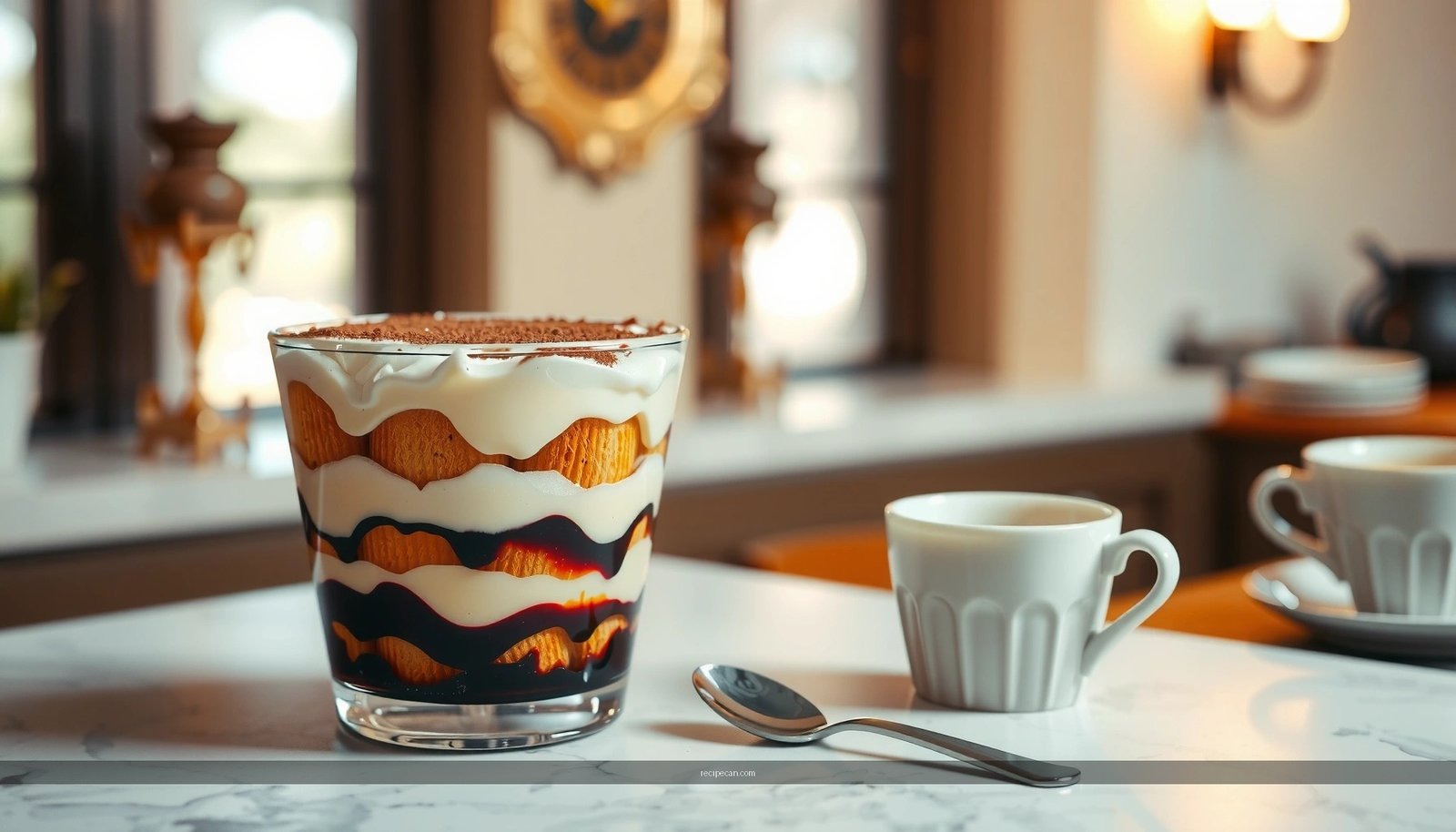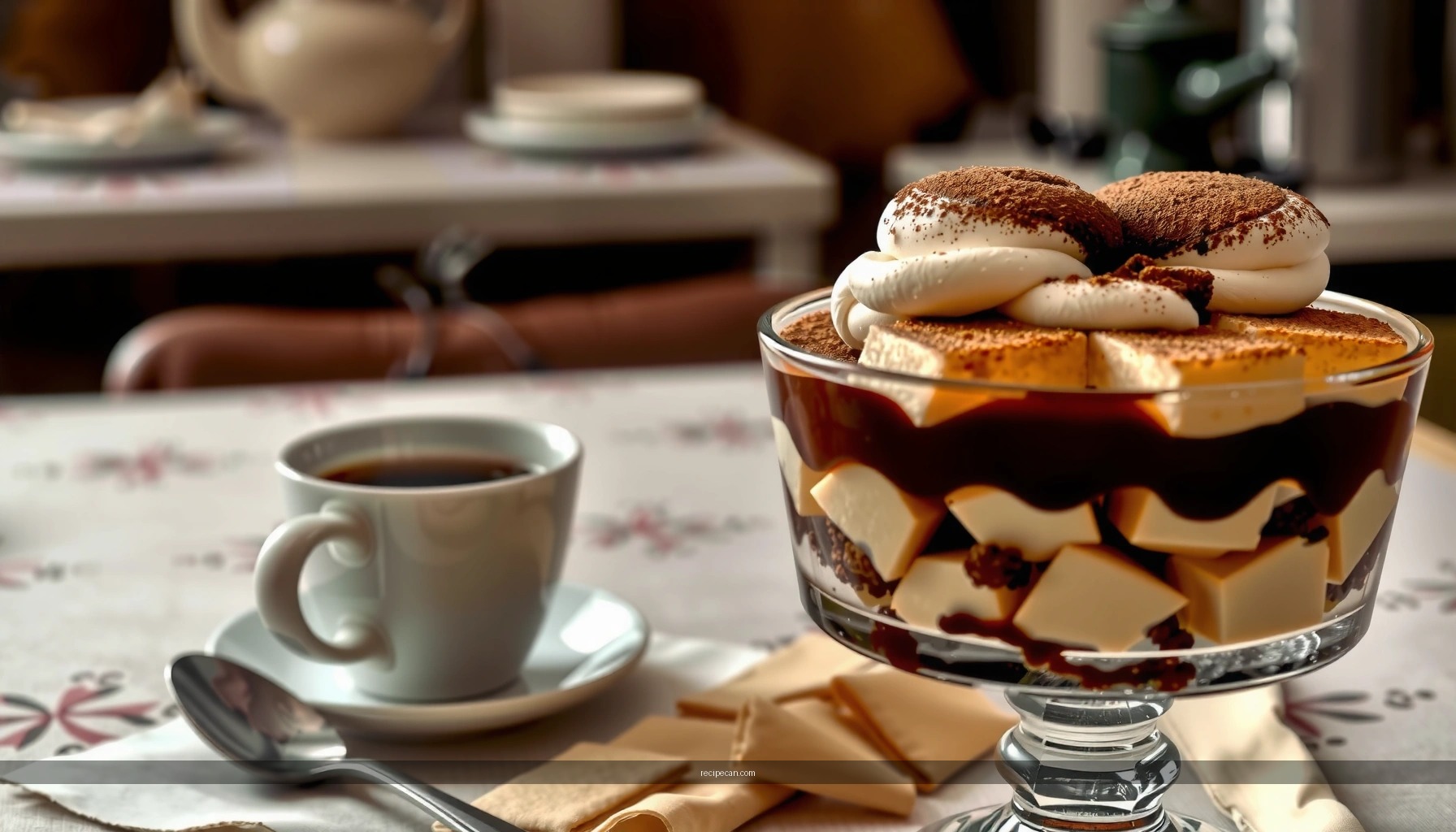
If you want an original Italian tiramisu recipe that tastes like classic Italy, this is the version to make at home. You’ll get the clear winner for a traditional, espresso-forward tiramisu with proper mascarpone texture—no shortcuts, no compromises. Follow this method and you’ll produce clean layers, the right bite of ladyfingers, and a finish that holds up from first spoon to last.
A traditional Italian tiramisu is all about two controlled actions—espresso dipping fast (so it doesn’t turn soggy) and building an airy mascarpone cream (so it stays rich, not heavy). Follow the original tiramisu recipe Italian style below with precise ingredients, layering steps, and chilling time to achieve that classic sliceable texture at home.
Classic Ingredients for Original Italian Tiramisu

– Mascarpone, eggs (or pasteurized eggs), sugar, espresso, and ladyfingers
– Cocoa powder for finishing
– Optional: a splash of coffee liqueur (for traditional flavor)
To keep this “original” and Italian-style, aim for a short, disciplined ingredient list rather than adding extra flavors. The classic flavor comes from espresso brightness + mascarpone sweetness + cocoa bitterness, balanced by the structural role of ladyfingers.
1) Mascarpone (the texture engine).
Use high-fat mascarpone (commonly 60–75% fat). Lower-fat versions can make the cream looser and less stable.
2) Eggs (structure and creaminess).
Traditional recipes often use whole eggs separated into yolks and whites. For food-safety and consistency, use pasteurized eggs if you’re not using eggs that are otherwise safe to eat raw in your region.
3) Sugar (stabilizes yolk mixture).
Fine or caster sugar dissolves faster and helps you build a smooth base without graininess.
4) Espresso (flavor intensity + color).
Strong espresso gives the signature “coffee-forward” profile without watering down the cream.
5) Ladyfingers (the controlled soak).
Look for savoiardi (Italian-style). They’re designed to absorb coffee without collapsing instantly—if you dip briefly and layer correctly.
6) Cocoa powder (final flavor + visual authenticity).
Use unsweetened cocoa powder, ideally Dutch-process for a deeper cocoa tone or natural cocoa for sharper bitterness.
7 Core Elements That Determine Classic Italian Tiramisu Texture
| # | Element | Role | Intensity | Best Practice | Impact if Done Well |
|---|---|---|---|---|---|
| 1 | Mascarpone | Cream body & richness | ★★★★★ | Cold, folded gently | Very High |
| 2 | Egg yolks | Silky base | ★★★★☆ | Whisk to pale & smooth | High |
| 3 | Egg whites | Light lift & aeration | ★★★★☆ | Beat stiff peaks; fold slowly | High |
| 4 | Espresso | Coffee flavor & color | ★★★★★ | Strong; cool slightly | Very High |
| 5 | Ladyfingers (savoiardi) | Structure & soak control | ★★★★☆ | Dip 1–2 seconds; drain | Very High |
| 6 | Cocoa powder | Finish, bitterness, contrast | ★★★☆☆ | Dust on top right before serving | Medium-High |
| 7 | Coffee liqueur (optional) | Traditional aroma depth | ★★☆☆☆ | Use sparingly (e.g., 1–2 tbsp per cup espresso) | Low if excessive |
Make the Mascarpone Cream (The Key Step)
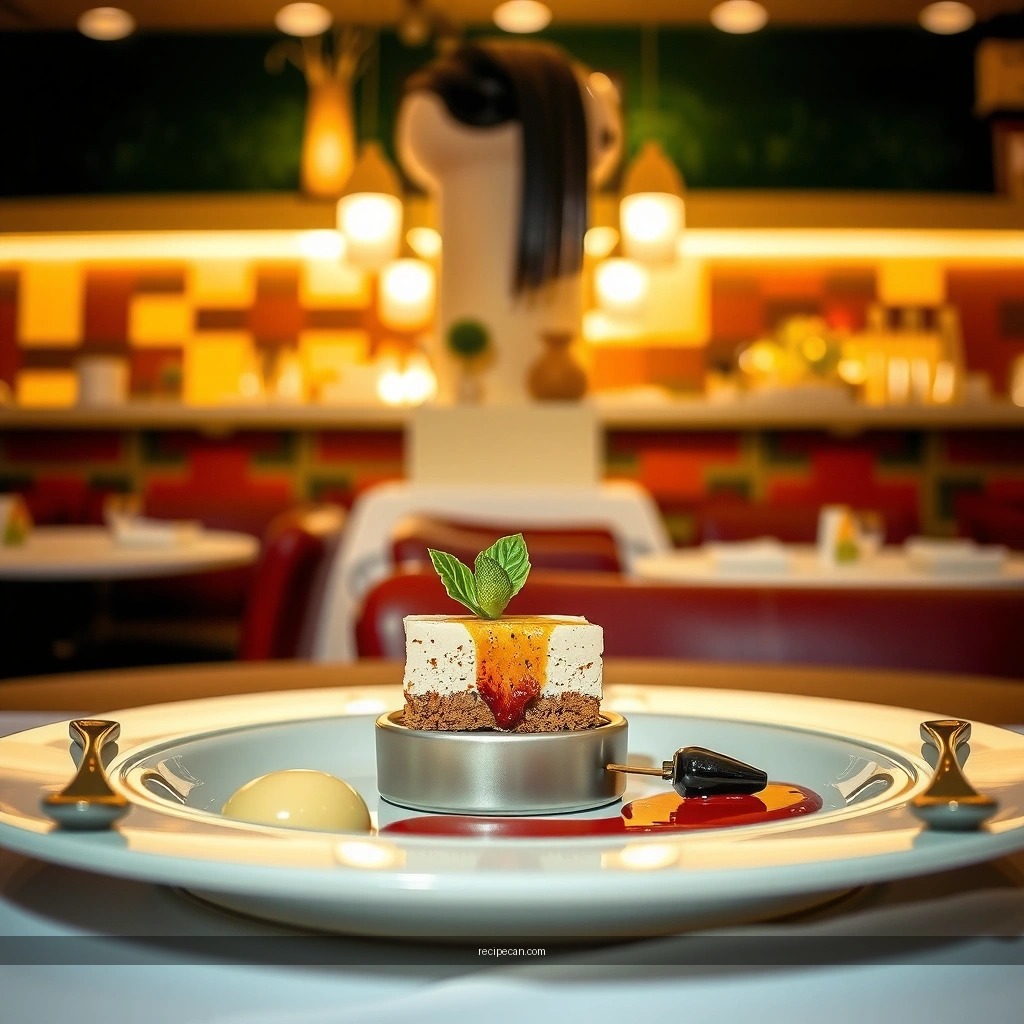
– Whisk yolks with sugar until smooth and pale
– Fold mascarpone in gently for a thick, creamy consistency
– Beat whites separately and fold in to keep it light and airy
This is where most “homemade tiramisu” diverges from the Italian benchmark. A correct mascarpone cream should be thick enough to hold shape, but light enough to create layers that don’t feel dense.
Egg yolk base (smoothness first).
Whisk yolks and sugar until the mixture turns pale and slightly thickened. This step matters because it prevents graininess and adds a “custard-like” smoothness even without cooking.
Fold in mascarpone gently (avoid splitting).
Mascarpone is sensitive to overmixing. Fold it in with a spatula, using slow, folding motions. If you beat aggressively, you risk losing the silky, cohesive texture that makes classic tiramisu so luxurious.
Whites for aeration (light and airy).
Beat whites separately to stiff peaks, then fold them into the mascarpone mixture in two additions. Keep the motion gentle—think “turning” rather than “stirring.” This gives you the airy mouthfeel that distinguishes authentic tiramisu from heavy cream desserts.
Business-reliable tip:
If you want consistent results for guests or events, use a bowl that’s clean and dry for the whites. Any fat residue can prevent stable foamy peaks.
Brew Espresso the Right Way for Soaking
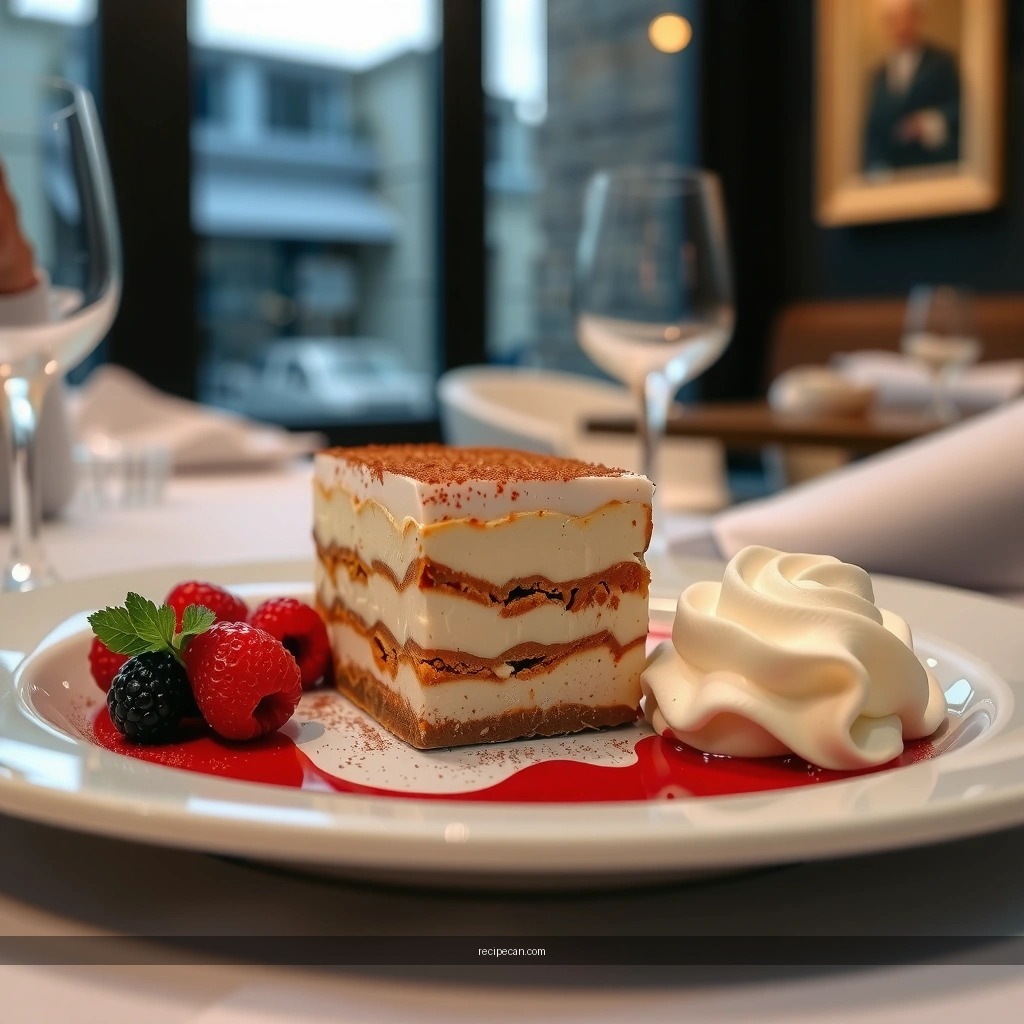
– Use strong, freshly brewed espresso and let it cool slightly
– Quickly dip ladyfingers—avoid soaking them for too long
– Keep the coffee evenly distributed across layers
Your espresso isn’t just flavor—it’s the mechanism for texture. Too weak and the dessert tastes sweet-and-mild; too hot and it can begin melting the structure before chilling sets it.
Brew strong, then cool.
Use fresh espresso and let it cool for a few minutes so it’s warm rather than scorching. Warm coffee helps absorption; hot coffee can make ladyfingers break down too quickly.
Dip briefly, not soak.
The classic Italian technique is a fast dip—often 1–2 seconds per side depending on thickness—followed by a quick lift. Ladyfingers should be damp with coffee, not saturated like a sponge.
Avoid uneven coffee distribution.
Pour espresso into a wide, shallow dish so the dipping surface is consistent. If coffee depth is too high in a narrow container, ladyfingers can submerge too deep by accident, causing sogginess and pooling.
Optional liqueur integration (if using).
If you add coffee liqueur, mix it into the espresso after it cools. Keep the amount modest to preserve the “espresso + cocoa” identity rather than turning the dessert into a sweet cocktail flavor.
Layering Guide for Authentic Texture
– Start with a thin base of cream, then a layer of dipped ladyfingers
– Repeat layers until you reach the top of your dish
– Finish with a generous dusting of cocoa
Layering isn’t aesthetic only—it controls how moisture moves and how the cream sets.
Step 1: Create a cream “seal.”
Begin with a thin layer of mascarpone cream in your dish. This helps anchor the first ladyfingers layer and reduces the risk of coffee seepage into the bottom.
Step 2: Ladyfingers in a single layer, aligned.
Arrange dipped ladyfingers snugly but not overly compressed. If you overcrowd, they may crumble when you cut later.
Step 3: Cream covers completely between layers.
Add cream after the ladyfingers so each layer is insulated from direct coffee exposure. This contributes to that classic finish: coffee flavor throughout, but not puddled.
Step 4: Top layer and cocoa timing.
Apply a final cream layer, smooth the top, then dust cocoa generously. For best visual integrity, cocoa works best right before serving—it stays dry and aromatic instead of melting into the cream.
Portion logic:
For a classic rectangular presentation (e.g., 8×8 inch/20×20 cm), keep to 2–3 ladyfinger layers depending on thickness. More layers often increase dip complexity and can lead to uneven soak.
Chill Time for Best Results
– Refrigerate at least 4–6 hours (overnight is best)
– Chilling helps flavors blend and sets the cream
– Cover while chilling to prevent the surface from drying
A tiramisu texture is not achieved immediately—it’s developed during refrigeration. Chilling gives the ladyfingers time to absorb coffee just enough while the mascarpone cream sets into a clean, sliceable structure.
Minimum viable chill: 4–6 hours.
If you’re short on time, 4–6 hours can work, but the texture is most reliable after overnight refrigeration.
Overnight is the “Italian default.”
Overnight rest improves cohesion: the coffee penetrates more evenly, and the cream flavor rounds out. This is also when bitterness from cocoa becomes balanced by sweetness.
Cover to protect the surface.
Use plastic wrap or a lid so the top doesn’t dry. A dried surface can reduce aroma and create a slightly crusted layer that won’t match traditional expectations.
Serving Tips for Original Tiramisu
– Serve cold and slice cleanly with a sharp knife
– If needed, dust with extra cocoa just before serving
– Store covered in the fridge for up to 2–3 days
Cutting cleanly:
Chill fully, then use a sharp knife. Wipe the blade between cuts for the cleanest edges. A dull knife compresses cream and turns sharp slices into smears.
Cocoa refresh:
If the top looks slightly muted after chilling, dust a fresh light layer of cocoa right before serving. This keeps the aroma vivid.
Storage and leftovers:
Cover tightly and refrigerate. Tiramisu is best within 2–3 days; after that, ladyfingers may continue softening and the texture can become progressively looser.
Common troubleshooting (quick diagnostics):
– Too soggy: you likely dipped too long or used espresso that was too hot.
– Too stiff/heavy: mascarpone may have been overmixed or whites weren’t folded carefully.
– Blended taste, weak coffee: espresso strength was too low or coffee rested too long before dipping.
A well-made original tiramisu recipe Italian style depends on quick coffee dipping, airy mascarpone cream, and enough chilling time to set. Gather the classic ingredients, follow the layering order, and refrigerate for the best texture. Make your first batch today—then tweak sweetness or liqueur to match your taste.
Frequently Asked Questions
What is the authentic Italian tiramisu recipe and what ingredients are needed?
The original tiramisu recipe Italian is traditionally made with mascarpone cheese, eggs (yolks and whites), espresso (or strong coffee), sugar, ladyfingers (savoiardi), and cocoa powder. You also typically use a splash of vanilla and sometimes Marsala wine, depending on the family or regional variation. For authenticity, use quality espresso and full-fat mascarpone, because these drive the classic flavor.
How do you make authentic tiramisu without curdled mascarpone or scrambled eggs?
To keep an original tiramisu recipe Italian smooth, temper the egg yolks by gradually mixing them with warm sugar while whisking, then cook gently until thick enough to coat a spoon (or use a safe method with careful temperature control). Mix the mascarpone in only after the yolk mixture cools slightly, so the dairy doesn’t split. Finally, fold in whipped egg whites carefully to preserve a light, creamy texture.
Why should tiramisu be chilled for the best taste and texture?
Chilling is essential in an original tiramisu recipe Italian because the coffee-soaked ladyfingers need time to absorb liquid and soften evenly. After assembly, refrigerate for at least 4–6 hours, ideally overnight, so the mascarpone mixture sets and the flavors meld. If you serve too soon, the tiramisu may taste overly bitter or have a firmer, less cohesive structure.
Which coffee is best for the classic tiramisu flavor?
Use strong espresso as the base for the coffee dip in the original tiramisu recipe Italian, because its intensity balances the sweetness of the mascarpone. Avoid weak drip coffee or overly watery brews, which can dilute the dessert and make it taste flat. If you want extra depth, consider using freshly brewed espresso and cooling it before dipping the ladyfingers.
How do you assemble tiramisu so the ladyfingers are soaked but not soggy?
Dip ladyfingers quickly in espresso—usually 1–2 seconds per side—so they absorb flavor without turning mushy. Layer them immediately in the dish and spread mascarpone cream evenly between layers, following the traditional structure. This technique helps maintain the classic Italian tiramisu texture: soft on the inside but still sliceable when served.
References
- Tiramisu
https://en.wikipedia.org/wiki/Tiramisu - Mascarpone
https://en.wikipedia.org/wiki/Mascarpone - Marsala
https://en.wikipedia.org/wiki/Marsala - https://www.britannica.com/recipe/tiramisu
https://www.britannica.com/recipe/tiramisu - Tiramisù – Significato ed etimologia – Vocabolario – Treccani
https://www.treccani.it/vocabolario/tiramisu/ - Google Scholar Google Scholar
https://scholar.google.com/scholar?q=original+tiramisu+recipe+italian - https://scholar.google.com/scholar?q=history+of+tiramisu+mascarpone+eggs Google Scholar
https://scholar.google.com/scholar?q=history+of+tiramisu+mascarpone+eggs - Google Scholar Google Scholar
https://scholar.google.com/scholar?q=tiramisu+recipe+chronology+Italy - https://pubmed.ncbi.nlm.nih.gov/?term=tiramisu
https://pubmed.ncbi.nlm.nih.gov/?term=tiramisu - https://www.sciencedirect.com/search?qs=tiramisu
https://www.sciencedirect.com/search?qs=tiramisu