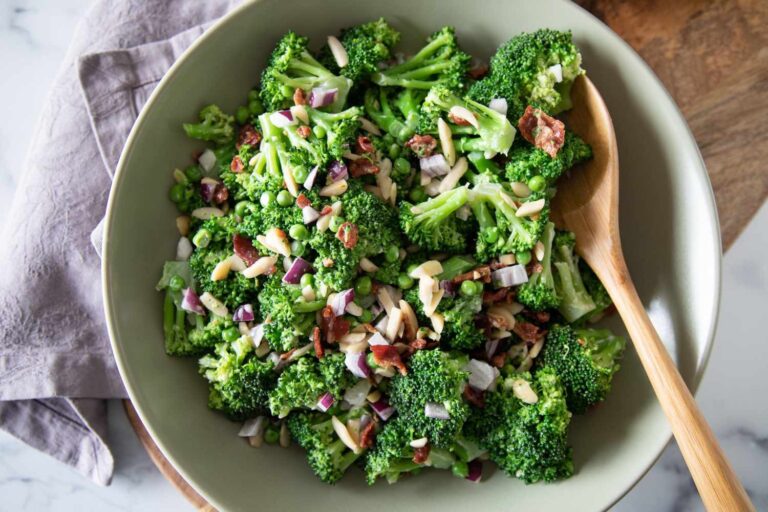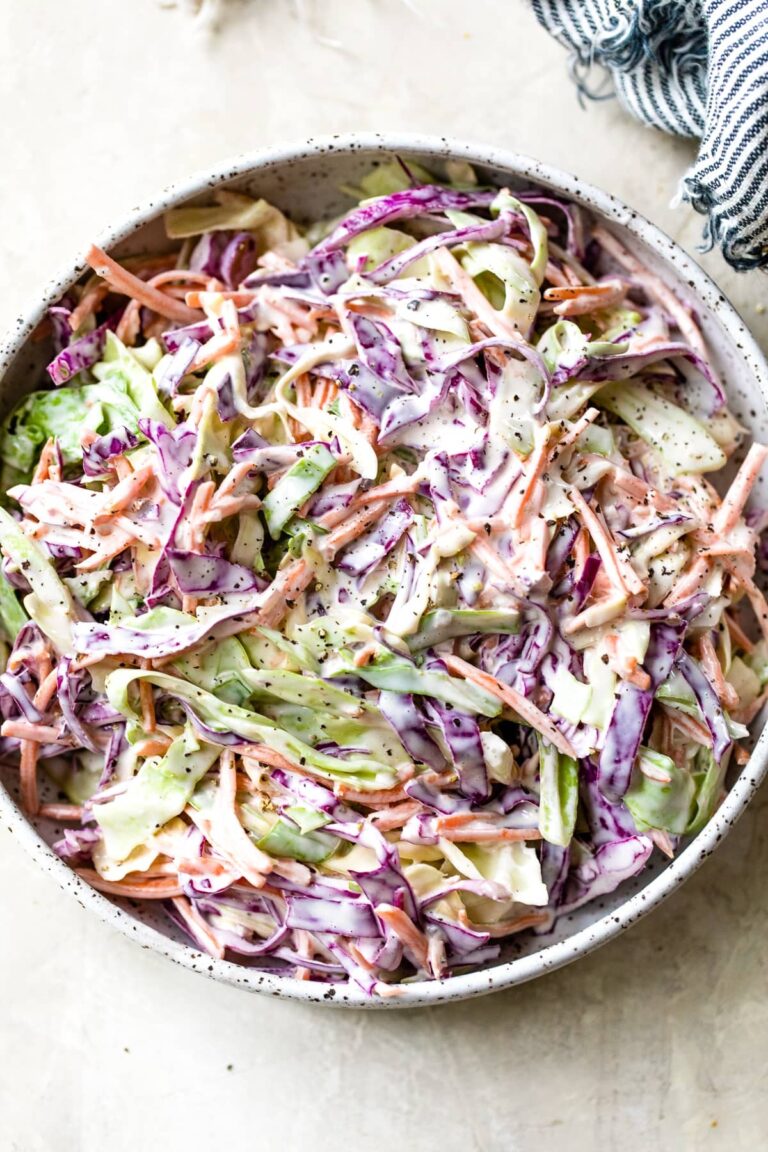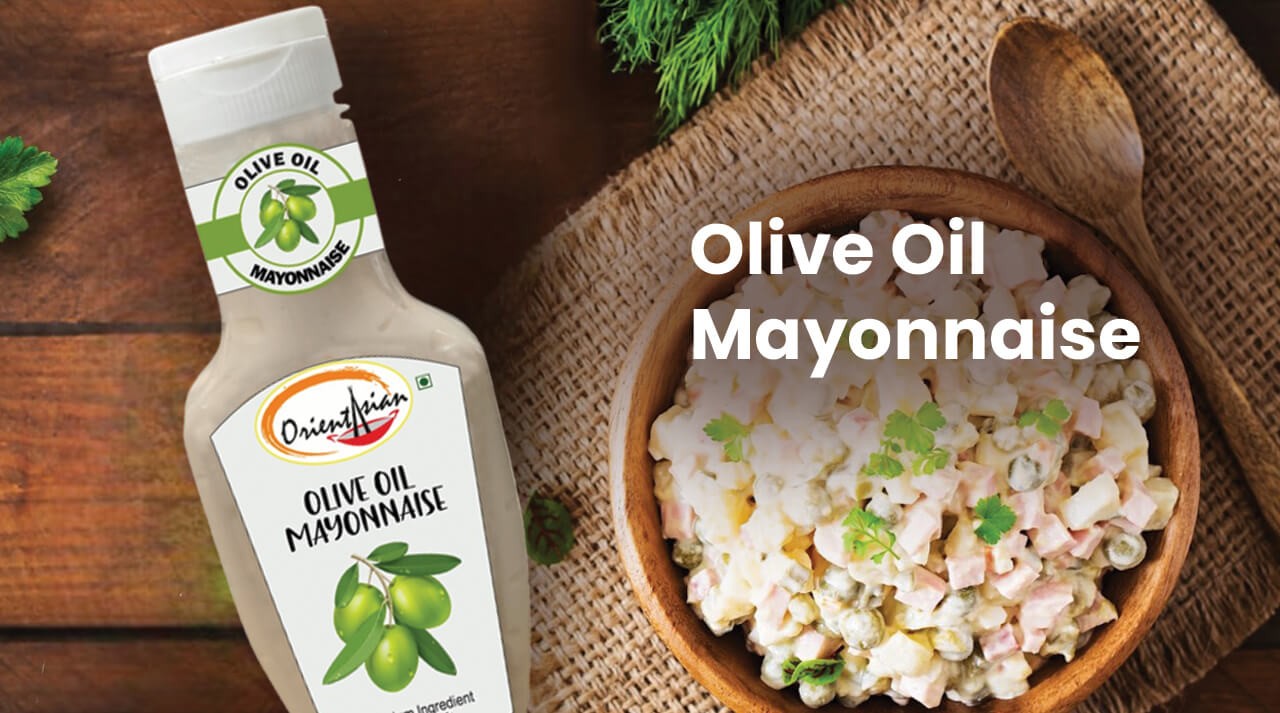
Olive oil mayonnaise is not just a healthier alternative; it’s the superior choice for those seeking rich flavor and creamy texture in their homemade condiments. This easy and delicious recipe showcases how olive oil enhances the traditional mayonnaise experience, making it an ideal companion for sandwiches, salads, and dips. Discover the simple steps to elevate your culinary creations with this standout version of mayonnaise.
Making mayonnaise with olive oil is a straightforward and rewarding endeavor that results in a rich, flavorful condiment. This homemade olive oil mayonnaise not only enhances your sandwiches and salads but also offers a healthier alternative to store-bought versions. With just a few simple ingredients and minimal time, you can create a creamy, delicious mayonnaise that elevates your culinary creations. In this article, I will guide you through the steps to make your own olive oil mayonnaise, as well as share tips, variations, and important considerations to ensure your success in the kitchen.
Ingredients You’ll Need
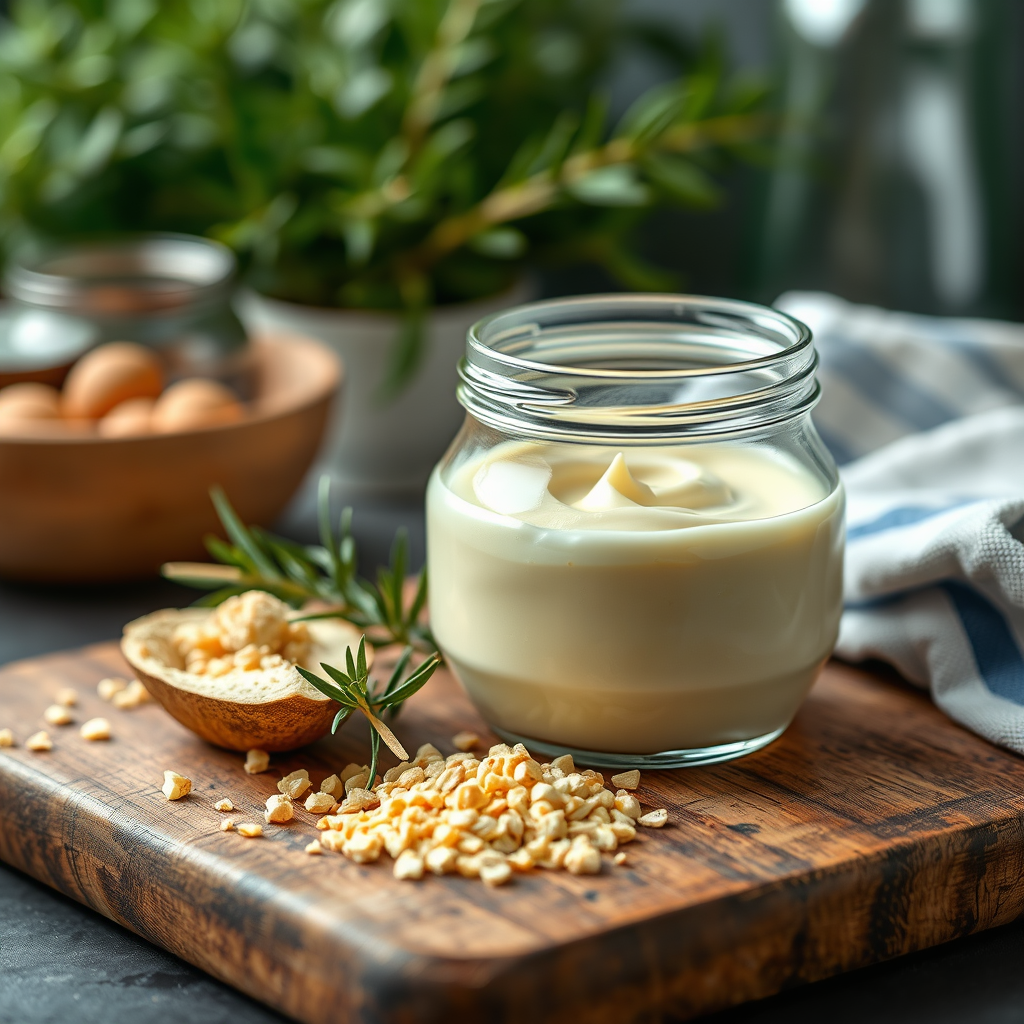
To prepare a delightful homemade olive oil mayonnaise, you will need the following ingredients:
– Fresh Egg Yolks: The foundation of mayonnaise, fresh egg yolks provide a creamy texture and rich flavor. Use eggs at room temperature for better emulsification.
– Extra Virgin Olive Oil: This ingredient not only imparts a distinctive flavor but is also packed with healthy fats and antioxidants. Choose high-quality extra virgin olive oil to enhance the taste of your mayonnaise.
– Fresh Lemon Juice or Vinegar: The acidity from lemon juice or vinegar balances the richness of the egg yolks and oil. It also helps stabilize the emulsion. You can use white wine vinegar, apple cider vinegar, or fresh lemon juice according to your preference.
Step-by-Step Instructions

Creating your own olive oil mayonnaise is a simple process that can be completed in just a few minutes. Follow these steps for the best results:
1. Prepare Your Ingredients: Ensure that your egg yolks and olive oil are at room temperature. This is crucial for successful emulsification.
2. Whisk the Egg Yolks and Acidity: In a medium bowl, add 2 large egg yolks and 1 tablespoon of fresh lemon juice (or vinegar). Whisk them together until the mixture is well combined and slightly thickened.
3. Incorporate the Olive Oil: Gradually add 1 cup of extra virgin olive oil to the egg yolk mixture in a slow, steady stream while whisking continuously. This step is essential for emulsifying the oil into the yolks. The mixture should begin to thicken and become creamy.
4. Season to Taste: Once all the oil has been incorporated, taste your mayonnaise and add salt to your liking. You may also wish to add other seasonings or spices at this stage.
5. Store or Serve: Transfer your homemade olive oil mayonnaise to an airtight container. It can be used immediately or stored in the refrigerator for later use.
Tips for Perfect Emulsion

Achieving the perfect emulsion can sometimes be tricky. Here are some tips to help ensure your mayonnaise comes out flawlessly:
– Use Room Temperature Ingredients: Cold ingredients can lead to separation. Allow your eggs and oil to sit at room temperature for about 30 minutes before starting.
– Whisk or Blend Steadily: Whether you’re whisking by hand or using an immersion blender or food processor, maintain a consistent pace. This helps prevent the emulsion from breaking.
– Avoid Over-Mixing: Once the mayonnaise has thickened to your desired consistency, stop blending to avoid overworking the emulsion, which can cause it to break.
Flavor Variations to Try

One of the great advantages of making your own mayonnaise is the ability to customize flavors to suit your palate. Here are some delicious variations to experiment with:
– Garlic Aioli: Add 1-2 minced garlic cloves to your mayonnaise for a bold garlic flavor that pairs perfectly with sandwiches and dipping sauces.
– Herbal Infusion: Incorporate fresh or dried herbs such as basil, dill, or cilantro into your mayonnaise for a refreshing twist. Start with about 1 tablespoon of chopped herbs and adjust according to your taste.
– Spicy Kick: Mix in a teaspoon of hot sauce or a pinch of cayenne pepper for a spicy version that adds depth to your dishes.
Storage and Shelf Life

Proper storage is crucial for maintaining the quality of your homemade mayonnaise:
– Airtight Container: Store your olive oil mayonnaise in a clean, dry airtight container. Glass jars work well for this purpose.
– Refrigeration: Keep the mayonnaise refrigerated at all times. It is best consumed within one week for optimal freshness and safety. Always check for any off odors or changes in texture before using if it has been stored for a few days.
Common Mistakes to Avoid
While making mayonnaise is simple, certain mistakes can lead to unsatisfactory results. Avoid the following pitfalls:
– Using Cold Ingredients: As mentioned earlier, cold ingredients can prevent proper emulsification. Always ensure your eggs and oil are at room temperature.
– Adding Oil Too Quickly: Incorporating the oil too rapidly can cause the mayonnaise to break. Always pour the oil in a very slow, steady stream while whisking.
– Not Tasting: Failing to taste your mayonnaise before serving can result in a bland condiment. Adjust the seasoning to your liking before using it.
Health Benefits of Olive Oil Mayonnaise
Opting for homemade olive oil mayonnaise not only enhances your dishes but also provides several health benefits:
– Healthy Fats: Olive oil is rich in monounsaturated fats, which are beneficial for heart health. These fats can help lower bad cholesterol levels while raising good cholesterol.
– Antioxidants: Extra virgin olive oil is packed with antioxidants, including vitamin E and polyphenols, which can help protect your body from oxidative stress.
– Lighter Alternative: Compared to traditional mayonnaise made with less healthy oils, olive oil mayonnaise offers a lighter flavor profile without sacrificing creaminess.
In just a few easy steps, you can create a delicious olive oil mayonnaise that suits your taste preferences. Remember to experiment with flavors and enjoy the health benefits that come with using olive oil. Try making this recipe today and elevate your meals with this homemade condiment!
Nutritional Comparison of Olive Oil Mayonnaise vs. Traditional Mayonnaise
| # | Nutrient | Olive Oil Mayonnaise (per tbsp) | Traditional Mayonnaise (per tbsp) | Difference |
|---|---|---|---|---|
| 1 | Calories | 90 | 94 | -4 |
| 2 | Total Fat | 10g | 10g | 0g |
| 3 | Saturated Fat | 1g | 1.5g | -0.5g |
| 4 | Cholesterol | 5mg | 10mg | -5mg |
| 5 | Sodium | 90mg | 95mg | -5mg |
| 6 | Omega-3 | 0.1g | 0.2g | -0.1g |
| 7 | Vitamin E | 1.5mg | 0.5mg | +1mg |
In conclusion, making olive oil mayonnaise is not only easy but also allows you to enjoy a healthier, more flavorful condiment. With the right ingredients and techniques, you can create a versatile mayonnaise that enhances a wide range of dishes. Don’t hesitate to explore different flavor variations and make it your own. By following the tips and guidelines provided, you’ll be well on your way to mastering this delicious homemade alternative. Enjoy your culinary journey and the satisfaction of creating something truly special in your kitchen!
Frequently Asked Questions
What ingredients do I need for a mayonnaise recipe with olive oil?
To make a homemade mayonnaise with olive oil, you’ll need one large egg, one tablespoon of Dijon mustard, one tablespoon of white wine vinegar or lemon juice, and one cup of extra virgin olive oil. Additionally, salt to taste is essential for enhancing the flavor of your mayonnaise.
How do I make mayonnaise with olive oil using a blender?
To prepare mayonnaise with olive oil using a blender, start by blending the egg, mustard, and vinegar or lemon juice for about 20 seconds. Then, with the blender running, slowly drizzle in the olive oil until the mixture emulsifies and thickens, typically about 30 seconds. Adjust the seasoning with salt as desired for the perfect taste.
Why should I use olive oil in my mayonnaise recipe?
Using olive oil in your mayonnaise recipe not only adds a rich flavor but also brings health benefits, as it’s high in monounsaturated fats and antioxidants. This substitution can elevate the nutritional profile of your mayonnaise, making it a heart-healthy option compared to traditional mayonnaise made with vegetable oils.
What is the best type of olive oil to use for homemade mayonnaise?
The best type of olive oil for homemade mayonnaise is extra virgin olive oil, as it has the highest quality and flavor. Look for a fresh, robust flavor profile that complements the tanginess of the mustard and vinegar, ensuring your mayonnaise has a vibrant taste and rich texture.
Which kitchen tools do I need to make mayonnaise with olive oil?
To successfully make mayonnaise with olive oil, you’ll need a few basic kitchen tools: a whisk or an immersion blender for emulsifying, a mixing bowl, and measuring cups or spoons for accurate ingredient ratios. If you prefer a hands-off approach, a food processor can also simplify the process, providing a consistent texture with minimal effort.
References
- Mayo
https://en.wikipedia.org/wiki/Mayo - Enabling semantic queries across federated bioinformatics databases – PMC
https://www.ncbi.nlm.nih.gov/pmc/articles/PMC6836710/ - https://www.sciencedirect.com/topics/food-science/mayonnaise
https://www.sciencedirect.com/topics/food-science/mayonnaise - https://www.nytimes.com/2020/05/14/cooking/mayonnaise-recipe.html
https://www.nytimes.com/2020/05/14/cooking/mayonnaise-recipe.html - https://www.foodandnutrition.org/journal-archive/whats-in-your-mayo/
https://www.foodandnutrition.org/journal-archive/whats-in-your-mayo/ - https://www.healthline.com/nutrition/homemade-mayonnaise
https://www.healthline.com/nutrition/homemade-mayonnaise - Mayonnaise | Description, Emulsion, & Variations | Britannica
https://www.britannica.com/topic/mayonnaise - Google Scholar Google Scholar
https://scholar.google.com/scholar?q=mayonnaise+recipe+with+olive+oil - Google Scholar Google Scholar
https://scholar.google.com/scholar?q=olive+oil+mayonnaise+recipe - mayonnaise recipe with olive oil – Search results
https://en.wikipedia.org/wiki/Special:Search?search=mayonnaise+recipe+with+olive+oil