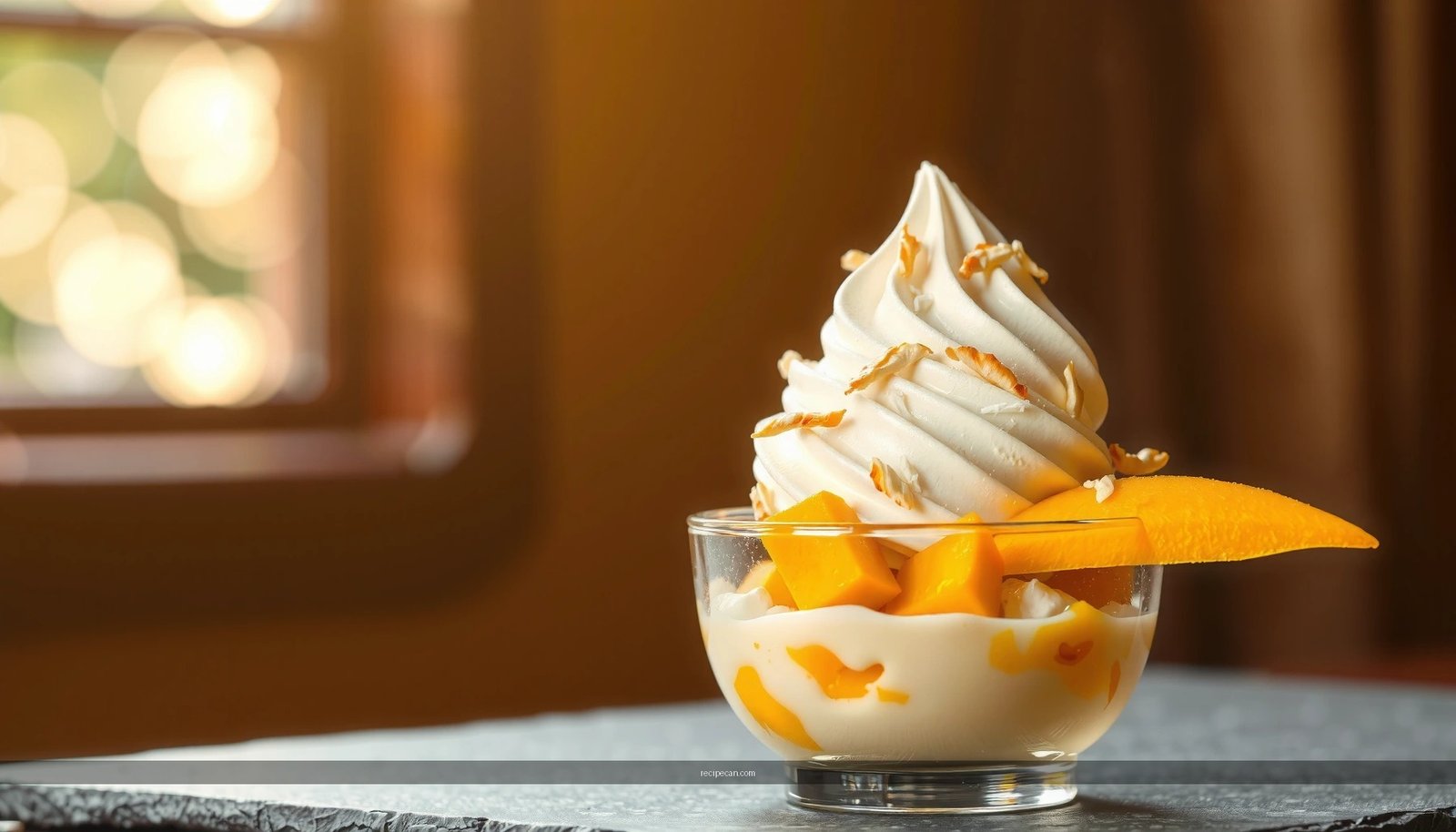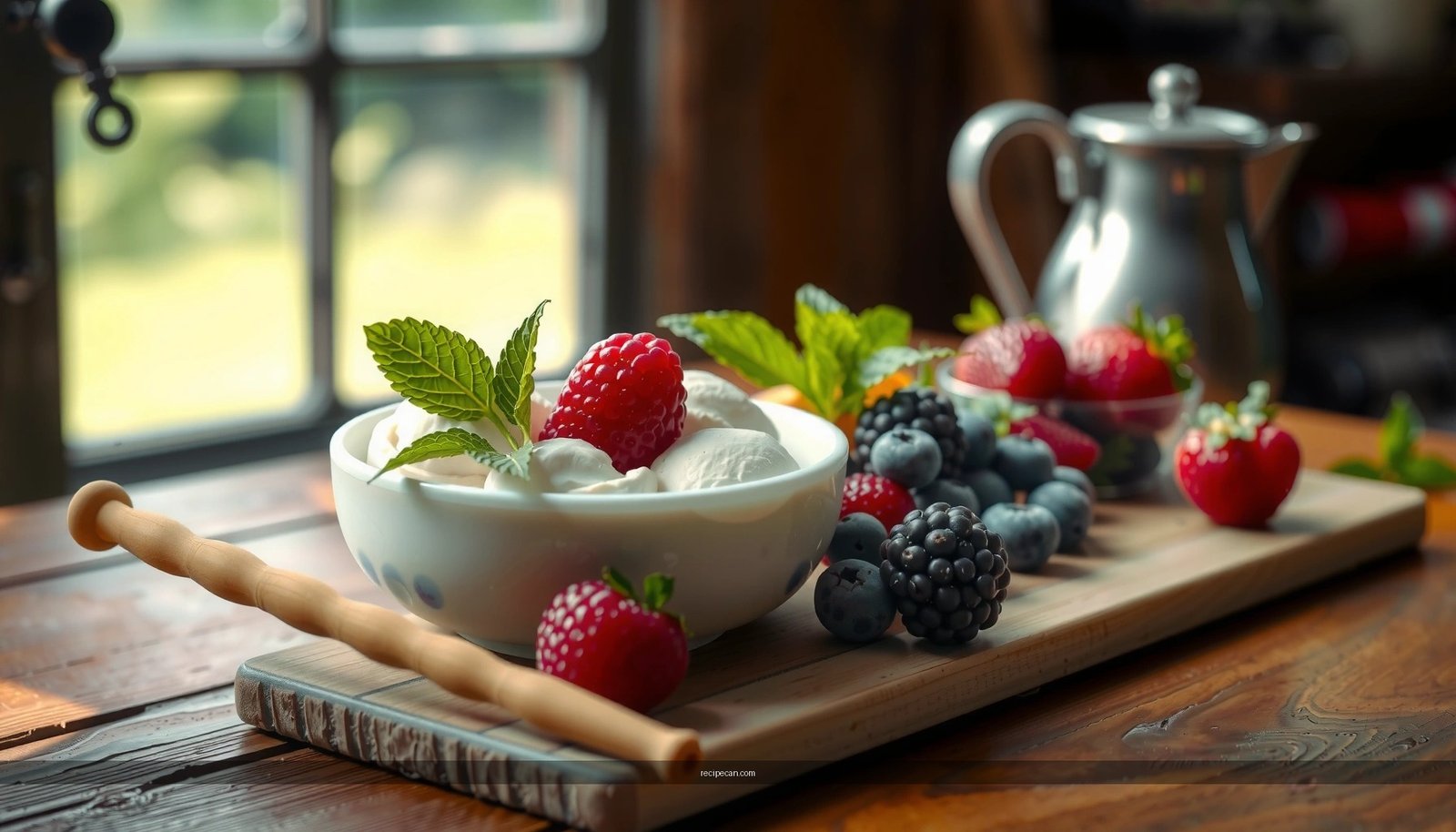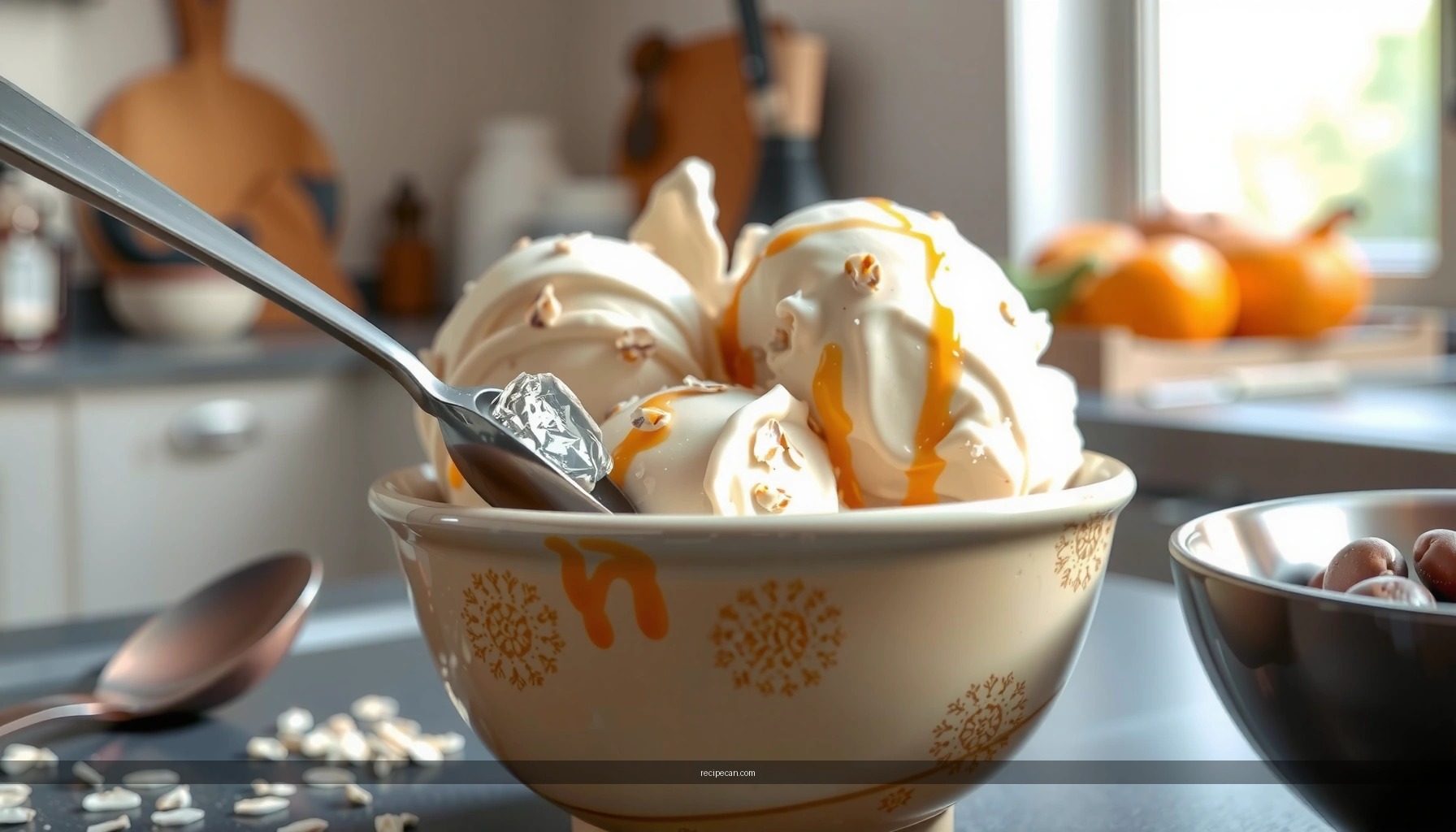
This oatmeal ice cream recipe delivers the creamiest dairy-free scoop with minimal effort—no ice-cream maker required. You’ll get a clear, reliable method that turns everyday oats into a smooth, spoonable frozen dessert every time. If you’re choosing between “easy” and “actually creamy,” this one wins.
This oatmeal ice cream recipe delivers a scoopable, creamy texture by simmering oats to extract flavor and thicken the base before freezing. You can churn for a classic gelato-style mouthfeel or use a no-churn method for an easy dairy-free dessert that still sets smoothly—just follow the steps for a well-thickened oat base and proper chilling.
Ingredients for Oatmeal Ice Cream
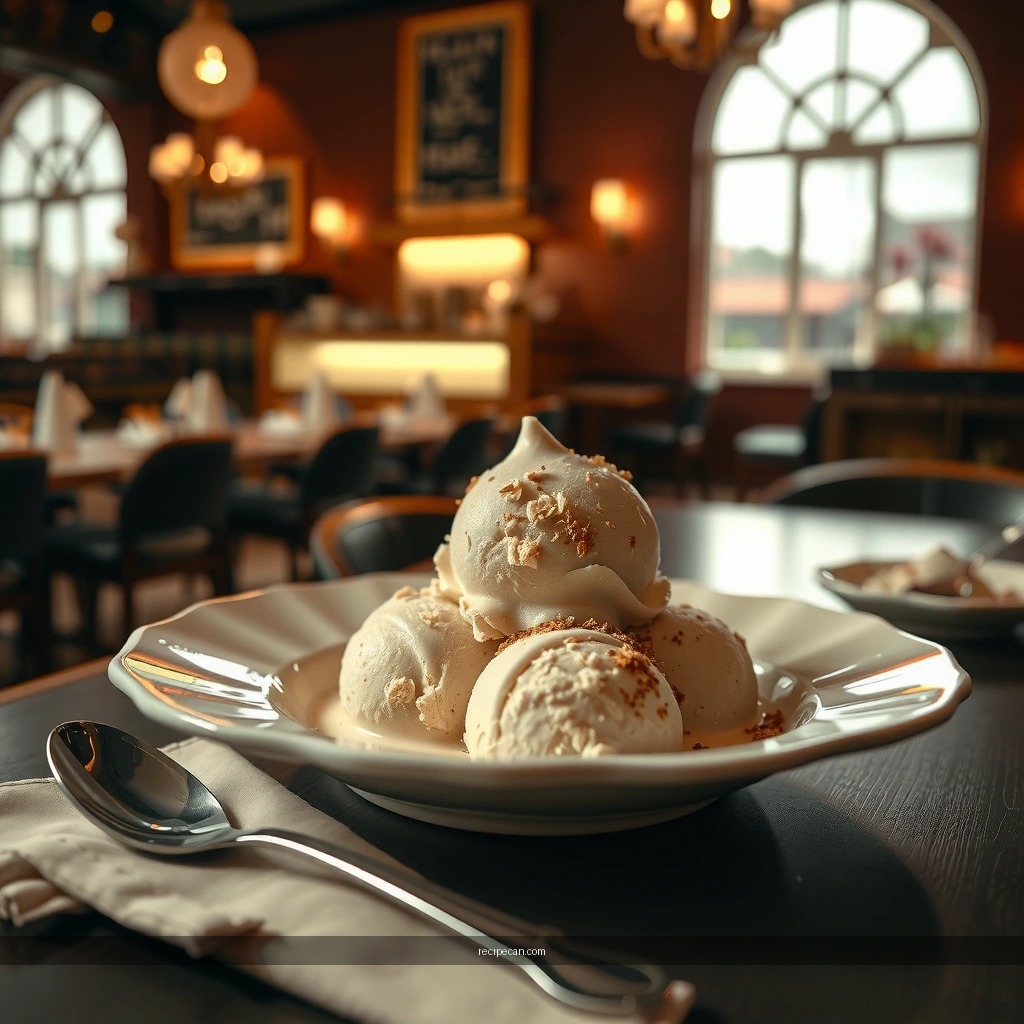
A great oatmeal ice cream depends more on base thickness than on fancy ingredients. Rolled oats provide the right balance of starch and fiber to create natural body, while your milk choice determines richness and dairy-free feasibility.
– Choose rolled oats (for best creaminess) and a milk base (dairy or plant-based)
Use rolled oats (old-fashioned) rather than quick oats; they maintain structure better during simmering and blend more cleanly. For dairy-free options, choose unsweetened oat milk for closest oat-on-oat harmony, or coconut milk for a richer, more “cream-like” finish. If you prefer a lighter result, soy milk is also effective because it emulsifies well when blended and cooked.
– Use sweeteners like honey, maple syrup, or sugar to balance oat flavor
Oats naturally taste neutral-to-toasty; sweetness rounds it out and also affects freeze texture.
– Maple syrup adds caramel notes and pairs well with cinnamon.
– Honey yields a subtle floral sweetness.
– Granulated sugar (or a mix of sugar + syrup) helps reduce iciness because it lowers the freezing point.
– Add flavor options such as vanilla, cinnamon, or a pinch of salt
Flavor is what makes oatmeal ice cream feel intentional rather than “just sweet oats.”
– Vanilla strengthens the warm oat profile.
– Cinnamon adds depth (and naturally complements maple).
– A pinch of salt improves perceived sweetness and reduces blandness.
Recommended baseline formula (for about 1 quart / ~4 servings as a premium scoop):
– Rolled oats: 1 cup (90–100 g)
– Milk: 2 cups (480 ml) (dairy or plant-based, unsweetened)
– Sweetener: 1/3 to 1/2 cup (maple syrup/honey/sugar; adjust to taste)
– Vanilla extract: 1–2 tsp
– Ground cinnamon (optional): 1/2 tsp
– Salt: 1/8 to 1/4 tsp
How to Make the Oat Base
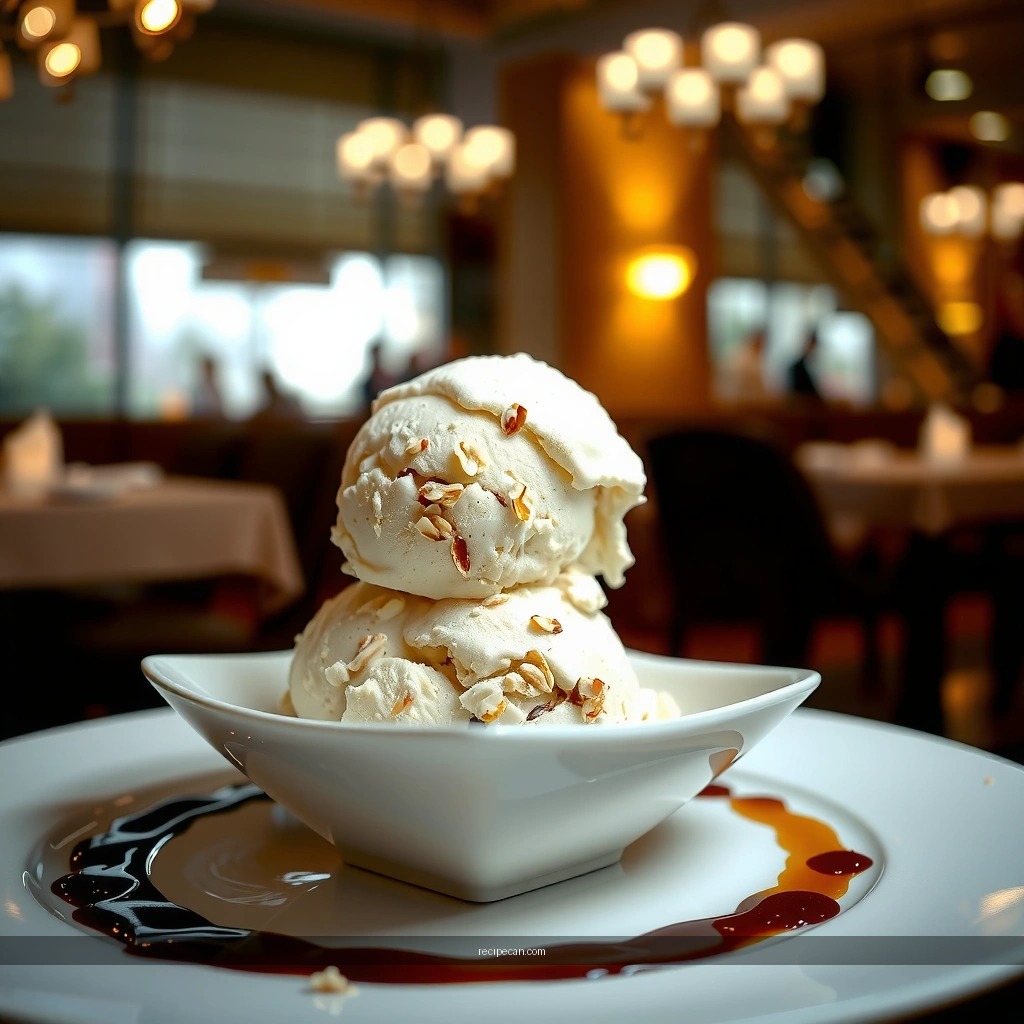
The “secret” to creamy oatmeal ice cream is extracting oat flavor and starch during simmering, then blending and re-cooking just long enough to thicken the base for better freeze stability. Think of it as creating an oat custard without eggs.
– Simmer oats with milk until softened, then blend for a smooth base
Combine oats and milk in a saucepan and simmer on medium-low until the oats are very soft—typically 10–18 minutes depending on your oat thickness and heat level.
After simmering, blend until smooth. A high-powered blender gives the silkiest results; if your blender is smaller, blend in batches to avoid overheating.
– Cook briefly after blending to thicken and improve freeze stability
Once blended, return the mixture to the pot. Simmer for 3–6 minutes, stirring frequently, until slightly thickened—aim for a texture like loose pudding or a thin custard. This step is crucial: it improves scoopability by reducing ice crystal formation during freezing.
– Strain if you want extra-smooth texture (optional)
If you’re serving a crowd (or want an “ice cream shop” feel), strain the base through a fine mesh sieve after blending and initial thickening. Straining removes any oat bits that can create graininess. It’s optional, but it’s a meaningful upgrade for texture.
Base thickness checklist (quick, practical):
– It should coat the back of a spoon.
– When you drag a finger through the coating, the line should stay briefly before slowly filling in.
– The base should thicken further as it cools.
Oat Base Thickness Targets for Scoopable Freeze (Batch Size: ~1 Quart)
| # | Blend & Cook Goal | Target Internal Texture | Typical Result if Missed | Impact Score |
|---|---|---|---|---|
| 1 | Simmer oats until very soft | Blend forms a uniform puree | Graininess + uneven thickening | -2 |
| 2 | Re-cook after blending | Coats spoon; thin pudding feel | Icy texture + poor scoopability | -3 |
| 3 | Sweeten thoughtfully | Balanced sweetness, no sharp oat taste | Muted flavor + firmer-than-expected freeze | ★ 4.3 |
| 4 | Salt + vanilla integration | Warm aroma, sweetness feels round | Flat taste; sweetness seems less effective | ★ 3.8 |
| 5 | Strain for extra smoothness | No visible oat particles | Smoother mouthfeel but slightly slower cooling | +2 |
| 6 | Cool rapidly before chilling | Reaches fridge temp within ~2 hours | Long cool times increase texture drift | -1 |
| 7 | Chill thoroughly before freeze | Base is fully cold (≤ 40°F / 4°C) | Slower freezing + softer, icier structure | +3 |
Churning for the Best Texture
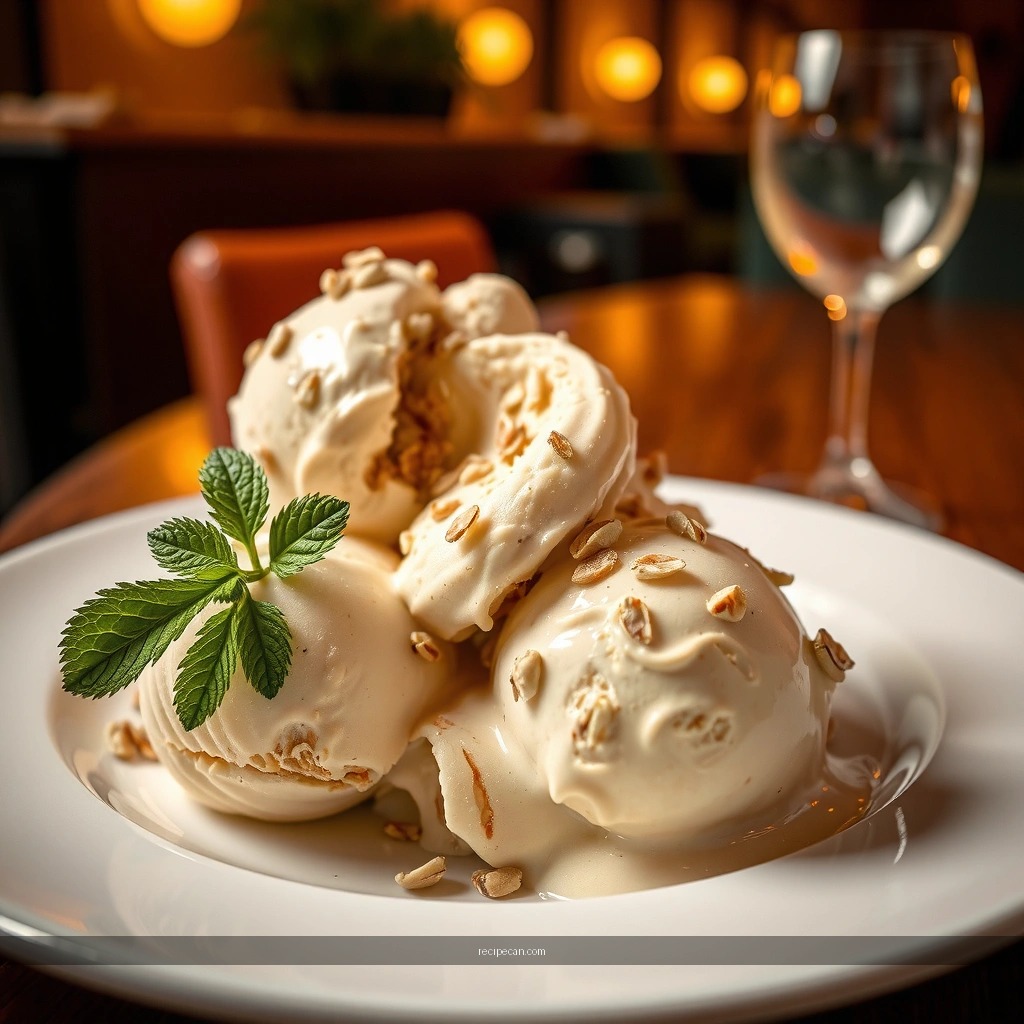
If you want classic scoopability—dense, smooth, and spoon-friendly—churning is the most reliable method. The key isn’t just the machine; it’s how cold the base is and how long you churn.
– Chill the base fully before churning for a smoother result
After cooking and flavoring, cool the base, then refrigerate for at least 4 hours, ideally overnight. Cold base stabilizes the emulsion and helps the churn incorporate air consistently. For dairy-free oatmeal ice cream, chilling is even more important because plant milks can separate if warmed too long.
– Churn until thickened, then transfer to a container to firm up
Churn according to your ice cream maker instructions, usually 20–35 minutes. You’re looking for a texture that resembles soft-serve. Move it to a container, press parchment directly onto the surface (optional but helpful), and freeze to firm up.
– Expect the best scoopability after a few hours in the freezer
Many homemade churned ice creams improve significantly after 3–6 hours. If your kitchen is warm or your base was slightly thin, allow closer to 6 hours.
Troubleshooting guide:
– Too icy after freezing: base may have been under-cooked (re-cook step short) or not sweet enough.
– Too soft / doesn’t firm: too much free liquid (too much milk) or insufficient re-cooking.
– Grainy texture: oats not softened enough before blending, or not fully pureed (consider straining).
No-Churn Oatmeal Ice Cream Method
No-churn oatmeal ice cream can still be creamy when you use a strategy that mimics what churning does: adding air and limiting large ice crystal growth. This method is ideal for busy schedules and dairy-free households.
– Whisk the base until well combined, then fold in whipped cream (or coconut cream)
Start with your fully cooked and chilled oat base. Whisk it until smooth and slightly aerated. Then fold in whipped dairy cream for a traditional result, or whipped coconut cream for dairy-free richness.
Whipping introduces air bubbles that help the final texture stay soft and scoopable.
– Freeze in a shallow container and stir every 30–45 minutes early on
Ice crystal control happens early. Pour into a shallow, freezer-safe pan or container to maximize surface freezing. Stir every 30–45 minutes for the first 2–3 hours. After that, let it set without repeated stirring.
– Let it firm up for several hours before serving
Give it 4–6 hours for the best set. If it’s too hard right out of the freezer, let it sit at room temperature for 5–10 minutes before serving.
Best practices for no-churn
– Use unsweetened oat base and then add sweetness precisely—over-sweetening can make the texture feel loose.
– Prefer coconut cream that is firm when chilled; it whips better and holds structure.
Flavor Variations to Try
Oatmeal ice cream is extremely flexible because its flavor base is warm, lightly nutty, and forgiving. Add-ins and swirls should complement the oat notes rather than overpower them.
– Add toppings like toasted oats, chopped cookies, or fruit preserves
Toasted oats reinforce the “oatmeal” identity and add crunch. Chopped cookies bring bakery texture. Fruit preserves (especially berry or apricot) add bright acidity that balances the sweetness.
– Mix in mix-ins such as chocolate chips or cinnamon swirls
Fold in chocolate chips after churning for even distribution. For cinnamon swirls, drizzle a cinnamon-sugar mixture on top of the semi-soft churned base, then gently fold or swirl with a spoon.
– Try a butterscotch-style flavor with brown sugar and extra vanilla
Replace part of the sweetener with brown sugar, then simmer the base slightly longer to let it develop caramel depth. Finish with extra vanilla for a butterscotch-like aroma. This variation is especially strong when made dairy-free with oat milk + a small amount of coconut cream.
Quick idea combinations
– Maple + cinnamon + pecans (classic autumn profile)
– Vanilla + salted caramel sauce (dessert-counter taste)
– Berry jam ripple (bright, modern contrast)
Storage and Serving Tips
Proper storage prevents quality loss and helps you keep the dessert scoopable over time.
– Store in an airtight container to prevent ice crystals
Air exposure accelerates surface freezing and creates more ice crystals. Use a tight lid and, if possible, press parchment or plastic wrap against the surface before the final lid goes on.
– Serve slightly softened for easier scooping and better flavor
For best mouthfeel, remove from the freezer 5–10 minutes before serving. This timing is particularly helpful for no-churn oatmeal ice cream, which can freeze a touch firmer.
– Keep leftovers for up to 1–2 weeks for best quality
After 2 weeks, texture can drift due to ongoing temperature fluctuations and crystallization. If you’re storing longer, portions in smaller containers freeze and thaw more consistently.
Business-relevant planning tip (for entertaining):
If you’re serving guests, churn earlier in the day or the evening before. Consistency beats improvisation; a stable freeze makes oatmeal ice cream less “variable” in texture.
Freshen up your dessert routine with this simple oatmeal ice cream recipe—whether you churn it or go no-churn. Pick your flavor variation, follow the thickening step, and chill the base for best texture; then churn or freeze, serve, and enjoy your homemade scoop.
In summary, creamy oatmeal ice cream is built from three controllable drivers: a properly simmered and blended oat base, a brief re-cook to thicken for freeze stability, and correct chilling/freezing technique (churn for the smoothest result or no-churn with whipped fold-in and early stirring). With flexible dairy-free options and easy flavor upgrades like cinnamon-maple, chocolate mix-ins, and butterscotch-style brown sugar, you can reliably produce a scoopable dessert with restaurant-level texture at home.
Frequently Asked Questions
What are the best oats to use for an oatmeal ice cream recipe?
Rolled oats and old-fashioned oats work best because they blend well into a creamy ice cream base without turning gritty. For a smoother texture, you can pulse the oats in a blender or use oat flour, then cook them into the milk/cream mixture. Avoid instant oats if you want a more classic “oatmeal ice cream” mouthfeel, since they can soften too quickly and make the base less structured.
How do I make an oatmeal ice cream recipe without it becoming icy?
To reduce iciness, cook the oats into the dairy base until they thicken slightly, which helps create a more stable texture. Add sweeteners like honey or brown sugar and include a little salt to improve flavor and freezing performance. For best results, chill the mixture thoroughly before churning and churn until it’s thick, then freeze until firm.
Why does my oatmeal ice cream recipe taste bland or grainy?
Graininess usually comes from undercooked oats or oats that weren’t finely processed, so make sure the oats are fully cooked and dissolved into the base. Bland flavor often happens when the sweetness or salt is too low, or when you skip flavor add-ins like vanilla, cinnamon, or toasted oat notes. Using warm vanilla early (or adding it after cooking) and tasting the base before chilling can help you correct flavor before churning.
Which mix-ins pair best with an oatmeal ice cream recipe?
Classic add-ins include cinnamon, vanilla bean, raisins, and chopped cookies for an oatmeal-cookie vibe. For a richer dessert, try toasted pecans, walnuts, or a swirl of salted caramel, all of which complement the natural oat sweetness. If you want a breakfast-style twist, add blueberries or a drizzle of maple syrup, but mix-ins should be folded in after churning so they don’t break down the ice cream texture.
How can I adapt an oatmeal ice cream recipe for a no-churn or egg-free version?
For no-churn oatmeal ice cream, cook the oats into a thickened dairy base, cool it completely, then fold it into sweetened whipped cream (or a plant-based alternative) to keep it creamy. If you want egg-free custard, this approach avoids eggs while still delivering a smooth “ice cream” texture. Keep the oat mixture well chilled and freeze in a shallow container so it sets properly without large ice crystals.
References
- Google Scholar Google Scholar
https://scholar.google.com/scholar?q=oatmeal+ice+cream+recipe - Google Scholar Google Scholar
https://scholar.google.com/scholar?q=oat+milk+ice+cream+formulation+study - Google Scholar Google Scholar
https://scholar.google.com/scholar?q=oats+ice+cream+overrun+stabilizer+emulsion - Ice cream
https://en.wikipedia.org/wiki/Ice_cream - Oatmeal
https://en.wikipedia.org/wiki/Oatmeal - Oat milk
https://en.wikipedia.org/wiki/Oat_milk - Ice cream | Definition, History, & Production | Britannica
https://www.britannica.com/topic/ice-cream - Mayo Clinic
https://www.mayoclinic.org/healthy-lifestyle/recipes/nutrition/rcs-20077033 - https://pubmed.ncbi.nlm.nih.gov/?term=oat+ice+cream
https://pubmed.ncbi.nlm.nih.gov/?term=oat+ice+cream - https://www.sciencedirect.com/search?qs=oat%20milk%20ice%20cream
https://www.sciencedirect.com/search?qs=oat%20milk%20ice%20cream